椰椰拿铁

Search documents
蜜雪业绩超预期,为何在2026年专注提质?
21世纪经济报道· 2026-03-26 13:13
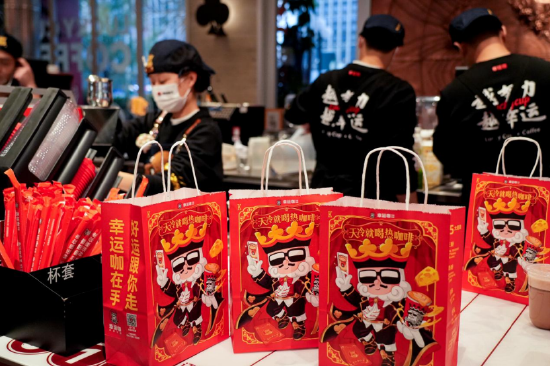
Core Viewpoint - The article highlights the impressive financial performance of Mixue Group, with revenue reaching 33.56 billion yuan in 2025, a year-on-year increase of 35.2%, and net profit of 5.88 billion yuan, up 32.7% [1][3]. Financial Performance - In 2025, Mixue Group's revenue from product and equipment sales was 32.76 billion yuan, growing by 35.3%, while franchise and related service income reached 790 million yuan, increasing by 28.0% [3]. - The total number of global stores approached 60,000 by the end of 2025, with approximately 44,000 located in China [4][5]. Strategic Focus - The new CEO emphasized a focus on improving store operational quality and cautious expansion of store numbers in 2026, reflecting a commitment to sustainable growth [3][4]. - Mixue Group aims to enhance the quality and efficiency of its operations, moving away from aggressive expansion to a more measured approach [8][11]. Supply Chain and Cost Efficiency - The company has established a robust supply chain with five production bases, achieving 100% self-production of core beverage ingredients, which contributes to significant cost advantages [3][4]. - The supply chain network spans 38 countries, with a domestic distribution system covering over 300 cities, enabling a "global sourcing, global manufacturing, global selling" model [3][4]. Brand Development and IP Strategy - Mixue Group has developed its own IP, "Xue Wang," which has garnered over 6.53 billion views on Douyin, enhancing emotional connections with consumers [4]. - The brand's marketing expenses grew at a slower rate than revenue, indicating ongoing scale efficiencies, with a sales expense ratio decreasing by 0.7 percentage points to 6% in the second half of 2025 [4][5]. Lucky Coffee's Growth - Mixue's coffee brand, Lucky Coffee, joined the "10,000 store club" in 2025, with significant sales in various coffee products, benefiting from the group's supply chain and brand IP [7][8]. - Lucky Coffee plans to focus on quality and efficiency in 2026, slowing down store expansion to enhance operational performance and invest in equipment and technology upgrades [8][9]. Quality Upgrade Strategy - In 2026, Mixue Group will initiate a "True Fresh and Pure" quality upgrade strategy, with planned capital expenditures of 1.8 to 2 billion yuan, focusing on domestic supply chain improvements and overseas production [10]. - The company aims to upgrade raw material standards, transitioning to fresh ingredients, which may temporarily pressure profit margins but is viewed as a necessary strategic investment [10][11]. Digital Transformation and Future Outlook - The company acknowledges challenges from the ongoing "delivery wars" affecting store profitability and plans to enhance digital capabilities, including guiding users to proprietary channels and implementing AI tools for franchise support [10][11]. - Despite industry challenges, Mixue Group remains confident in its future, focusing on member systems and digital tools to improve store operational efficiency [10][11].

一周新消费NO.349|巧乐兹×哈利波特上新脆筒冰淇淋;PUMA官宣张凌赫成为大中华区品牌代言人
新消费智库· 2026-03-08 13:03
New Product Launches - Starbucks has introduced new ready-to-drink Coconut Latte and Matcha Latte, utilizing high-altitude Arabica coffee beans from Brazil and Colombia, combined with imported coconut water for a refreshing taste [6] - Nongfu Spring's parent company has launched a new herbal drink, "Lily and Ophiopogon Decoction," made with natural ingredients and featuring zero sugar, calories, and preservatives [6] - Heytea has released a new "No Sugar Clear Matcha Tea" series, including Jasmine and Gyokuro flavors, using high-quality matcha from Guizhou [6] - DQ has launched a special ice cream series for International Women's Day, featuring themed cakes [32] Industry Events - LV Diamonds has launched four new jewelry pieces inspired by its iconic Monogram design, utilizing a unique star-cutting technique [15] - Chow Tai Fook has appointed former Hermès executive David Tse as its global creative director [15] - OpenAI has adjusted its commercial strategy, discontinuing direct shopping features within ChatGPT [15] - Kirin is planning a brand overhaul for its "Healthya" product line, with a new green tea product set to launch [19] Investment and Financing Trends - "Nian Ta" has completed a Pre-A+ round financing of over $10 million, aimed at global talent recruitment and product line expansion [22] - Dazhong Capital has acquired Blue Bottle Coffee's global stores for under $400 million [24] - Xiaomi's co-founder Lin Bin has purchased a 1% stake in the Miami Dolphins, valuing the deal at $12.5 billion [24] - "Guangfan Technology" has completed a seed round financing of nearly 300 million yuan for AI wearable hardware development [28] Food and Beverage Developments - Pepsi has launched a new energy drink named "Sting," targeting the growing energy beverage market in China [30] - Meiji has introduced a new ice cream series with flavors like pistachio and hazelnut [32] - Nestlé has invested 2.5 billion Brazilian reais in a new pet food factory in Brazil, significantly increasing production capacity [36] Beauty and Fashion Updates - Eataly is reportedly set to open its first store in China, located in Shanghai [38] - Alibaba has opened its first offline toy store, "Lucky Loop," in Beijing [40] - Adidas has announced Wang Hedi as its new brand ambassador, aiming to strengthen its presence among younger consumers [44] - PUMA has appointed actor Zhang Linghe as its brand ambassador for Greater China [44]






幸运咖破万店 5.9元咖啡的逆袭与隐忧
Xin Lang Cai Jing· 2025-12-03 07:21
Core Insights - Luckin Coffee has achieved a significant milestone by surpassing 10,000 stores globally, becoming the third domestic coffee chain to join the "10,000-store club" after Luckin and Kudi [1][8] - The rapid expansion from approximately 4,600 stores at the beginning of the year to over 10,000 in just 10 months indicates an average of more than 16 new stores opening daily, showcasing an impressive growth rate [1][8] Expansion Strategy - The journey to 10,000 stores is attributed to a well-calculated business strategy and market opportunities, with a pivotal shift occurring in 2020 when the brand clarified its "high-quality and affordable" positioning, targeting the lower-tier market and student demographics [2][9] - Leveraging the supply chain of its parent company, Mixue Ice Cream, Luckin Coffee benefits from significantly lower core raw material costs, with coffee beans sold to franchisees at no more than 70 yuan per kilogram, compared to the industry average of over 120 yuan per kilogram, representing a nearly 40% discount [2][9] - In May 2025, Mixue Group signed a 4 billion yuan procurement agreement for agricultural products, primarily coffee beans, further enhancing cost control and risk management capabilities [2][9] Franchise Model - The lightweight franchise model is a key driver of Luckin Coffee's rapid expansion, with a "no revenue sharing" policy for single-store franchises, significantly reducing management costs for franchisees [3][10] - The initial investment for a single store is approximately 127,000 yuan, which is lower than Kudi's 220,000 yuan and higher thresholds set by Luckin [3][10] - In 2025, Luckin Coffee introduced support policies in major cities, allowing for total reductions of up to 34,000 yuan per store, further lowering the entry barrier for franchisees [3][11] Product Strategy - Luckin Coffee has effectively captured the tastes of young consumers, with the "Coconut Latte" launched in March 2022 becoming a core bestseller, generating over 1 billion yuan in sales and exceeding 100 million cups sold by October 2025 [3][11] - The company launched 47 new products in 2025, continuously enriching its product line to meet diverse consumer demands [3][11] Challenges and Concerns - Despite the rapid expansion, Luckin Coffee faces unprecedented profitability pressures and operational challenges, particularly in first-tier cities where high rental costs are eroding franchisee profit margins [4][12] - The average daily sales required for breakeven in first-tier city stores is around 300 cups, significantly higher than the industry average, with many franchisees reporting unsatisfactory operating conditions [4][12] - Product quality and brand perception are identified as weaknesses, with younger consumers expressing dissatisfaction with the taste of Luckin's coffee compared to competitors like Luckin and Kudi [4][12] Supply Chain and Market Dynamics - Fluctuations in supply chain costs pose a threat to Luckin Coffee's low-price model, with Arabica coffee futures prices rising by 118.57% over the past year [5][13] - The reduction of delivery subsidies since July 2025 has intensified profitability pressures, particularly for brands reliant on online traffic [5][13] - Franchisees have raised concerns about inadequate regional protection policies, leading to internal competition and customer base dilution [5][13] Market Outlook - The coffee market's competitive landscape will not favor a single model but will require a dynamic balance between price, quality, scale, profitability, expansion, and sustainability [6][14]
幸运咖破万店,咖啡市场迎来“农村包围城市”的胜利
虎嗅APP· 2025-11-30 03:09
Core Viewpoint - The article discusses the rapid expansion of the coffee brand Lucky Coffee, which has reached over 10,000 stores globally in just 10 months, becoming the third local coffee chain to join the "10,000-store club" after Luckin and Kudi [2][3]. Expansion and Market Position - Lucky Coffee's journey to 10,000 stores was not smooth, facing challenges due to unclear positioning in its early years. A significant turnaround occurred in 2020 when the general manager of Mixue Ice City, Zhang Hongfu, redefined the brand's strategy [3][4]. - The brand established a "high-quality and affordable" positioning, with prices set between 6-8 yuan, targeting lower-tier markets and student demographics. This strategy led to a rapid expansion, with 579 new stores added in 2022 [4]. - In 2023, the coffee industry faced intensified price wars, causing Lucky Coffee to lose its competitive edge temporarily. However, a promotional campaign in mid-2024 helped revive sales [5][6]. Cost Control and Franchise Model - Lucky Coffee's pricing strategy includes a cup of Americano priced at 6.9 yuan in first-tier cities, lower than discounted prices from competitors. The brand maintains a gross margin of 48% even at lower prices due to effective cost control [9]. - The company benefits from a robust supply chain, with coffee bean procurement costs significantly lower than the industry average. A 40 billion yuan procurement agreement with Brazil further strengthens its cost control [9][10]. - The franchise model is unique, with no revenue sharing from individual stores, reducing management costs for franchisees. The initial investment for a franchise is approximately 127,000 yuan, making it accessible for more entrepreneurs [10]. Market Challenges and Competition - As Lucky Coffee expands into first- and second-tier cities, it faces a different competitive landscape, with established players like Luckin holding a significant market share [14][16]. - The brand's perception as a "cheap coffee" option poses challenges in brand positioning, especially compared to competitors that have successfully launched popular products [15][20]. - The coffee market is entering a phase of intensified competition, with new entrants and existing brands seeking to differentiate themselves through product innovation and operational efficiency [16][17]. Future Outlook - After reaching the 10,000-store milestone, Lucky Coffee faces new challenges, including profitability pressures in high-rent areas and rising raw material costs. The brand must navigate internal competition and maintain quality across its expanding network [19][21]. - The company has launched numerous new products, but many lack significant market impact, highlighting the need for stronger product development to enhance brand value [20].
幸运咖全球门店数突破10000家
Xin Lang Ke Ji· 2025-11-24 10:25
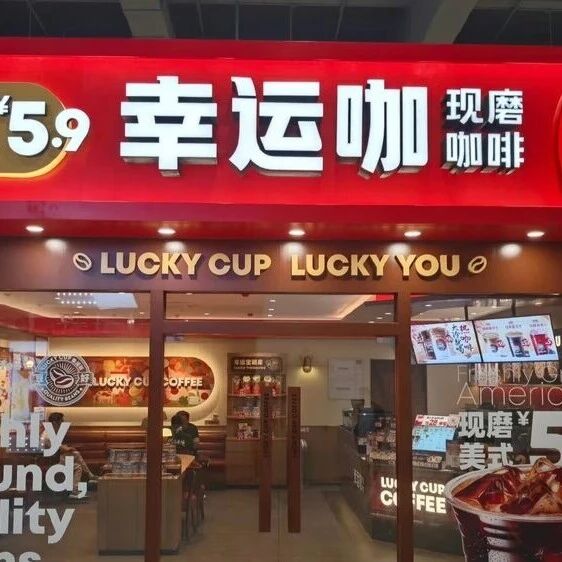
Group 1 - The core point of the article is that Luckin Coffee has officially surpassed 10,000 stores globally, achieving this milestone in just about 10 months since 2025, indicating rapid expansion [1] - Luckin Coffee has accelerated its presence in major regions such as Beijing, Shanghai, Guangzhou, Shenzhen, and the Yangtze River Delta, with over 300 cities covered nationwide and more than 1,000 stores in first-tier markets [1] - The company has established a comprehensive supply chain with direct sourcing of raw materials, its own roasting facilities, and a self-built logistics system, ensuring fresh ingredients and efficient integration of coffee bean sourcing, roasting, and logistics [1] Group 2 - In terms of product performance, as of October, Luckin Coffee's Coconut Latte has sold over 100 million cups, generating sales exceeding 1 billion yuan, while the signature iced brew has surpassed 200 million yuan in sales [1] - The company has introduced a total of 47 new products, including various series such as strawberry, lychee, and real fruit coffee, to enhance its product offerings [1] - A celebration event is scheduled for November 29 at the headquarters flagship store in Zhengzhou, where the franchisee of the 10,000th store will sign a contract with the brand ambassador, along with various entertainment activities [2]

咖啡价格战杀疯了!幸运咖万家门店改写市场规则
Zhong Guo Jing Ying Bao· 2025-11-24 09:47
Core Viewpoint - Luckin Coffee has officially surpassed 10,000 stores globally, marking a significant milestone in the affordable coffee market in China, which is experiencing rapid penetration [1][2]. Company Expansion - Luckin Coffee has expanded its store coverage to over 300 cities across China, including first, second, and third-tier cities, with a notable focus on first-tier markets [2]. - The company has accelerated its national market expansion since 2025, doubling its store count in approximately 10 months [1][2]. - Luckin Coffee has initiated its global expansion, opening its first overseas store in Malaysia in August 2023 [2]. Product and Supply Chain Strategy - The company emphasizes a strong supply chain, with direct sourcing of raw materials, self-owned roasting facilities, and a self-built logistics system, ensuring fresh ingredients and efficient operations [3]. - In May 2023, Luckin Coffee signed a significant procurement agreement with Brazil for coffee beans, further stabilizing its core raw material supply [3]. - The introduction of innovative products, such as the "Coconut Latte," has contributed to its success, with over 100 million cups sold and sales exceeding 1 billion yuan [3]. Market Dynamics - The affordable coffee segment is growing rapidly, with increased competition from brands like Luckin, Ruixing, and Kudi, which are expanding aggressively in lower-tier markets [5][6]. - The overall coffee market in China is approaching 250 billion yuan, with a projected annual growth rate of nearly 20% over the next four years [6]. - The shift in consumer behavior towards coffee consumption is moving from a social to a daily attribute, broadening the market demographic [6]. Competitive Landscape - The coffee market is characterized by intense competition, with brands engaging in price wars and rapid expansion strategies [7]. - The supply chain is identified as a critical competitive factor, as product and packaging can be easily replicated, but a robust supply chain requires long-term investment [6][7].
幸运咖门店数突破10000家,“平价咖啡”进入加速发展期
Nan Fang Du Shi Bao· 2025-11-24 05:25
Core Insights - Luckin Coffee has officially surpassed 10,000 stores globally, marking its entry into the "10,000-store club" among local coffee chains in China, reflecting the rapid penetration of affordable coffee in the Chinese market [1][2] Expansion Strategy - Since 2025, Luckin Coffee has accelerated its national market expansion, doubling its store count in approximately 10 months, positioning itself as a leading player in the coffee market [2] - The brand has focused on both lower-tier markets and major cities like Beijing, Shanghai, and Guangzhou, with over 1,000 stores in first-tier markets and 100 stores in Beijing alone [2] - Luckin Coffee has initiated its global expansion, opening its first overseas store in Malaysia in August, indicating a positive development trend in its international business [2] Supply Chain and Product Quality - The rapid growth to 10,000 stores is supported by Luckin Coffee's strong supply chain, which includes direct sourcing of coffee beans from key regions like Brazil and Colombia, and a self-built logistics system [3] - The company has established a comprehensive quality management system covering all stages from raw material sourcing to store operations, ensuring consistent product quality [4] Training and Operational Efficiency - Luckin Coffee has developed a standardized operational training system, with a new training campus in Henan capable of accommodating 700 trainees, having trained nearly 10,000 individuals to date [5][6] - The company employs a systematic training approach that includes practical training in stores, ongoing support for new franchisees, and tailored operational plans to enhance store performance [6] Product Innovation - The introduction of the "Coconut Latte" has been a significant success, selling over 100 million cups and generating over 1 billion yuan in sales, showcasing consumer acceptance of its products [7] - Luckin Coffee has launched 47 new products this year, including various seasonal and fruit-based coffee options, reflecting its commitment to product innovation and meeting local consumer preferences [8] Market Outlook - The Chinese coffee market is projected to reach nearly 250 billion yuan by 2024, with a growth rate of around 20%, indicating substantial market potential for affordable coffee brands like Luckin Coffee [9] - Luckin Coffee aims to enhance product development, supply chain efficiency, and quality control to further promote the popularity and upgrade of freshly brewed coffee in China [9]
星巴克下沉千县开店超8000家,平价咖啡迎来新机遇
Shang Hai Zheng Quan Bao· 2025-11-01 00:39
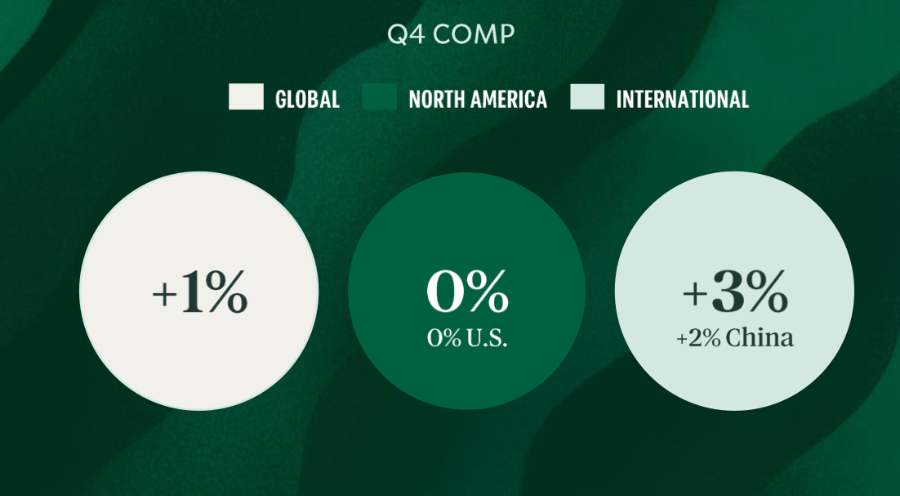
Core Insights - Starbucks China reported significantly better-than-expected financial results for Q4 and the full year of FY2025, with a revenue of $831.6 million for Q4, a 6% year-on-year increase, and a total revenue of $3.105 billion for FY2025, up 5% year-on-year [1][2] - The competition in the domestic coffee market has intensified, with a shift from coffee being a "social attribute" to a "daily attribute," creating new opportunities for affordable coffee brands [1][4] Starbucks' Performance - Starbucks has successfully expanded into lower-tier markets, opening 8,011 stores in 1,091 county-level cities by the end of FY2025 [1] - The company has implemented significant price reductions on popular products, marking its largest price adjustment in 26 years in China, which has contributed to its strong performance amid a broader industry downturn [2] Luckin Coffee's Growth - Luckin Coffee, under the Moutai Group, has rapidly expanded its presence in first-tier markets, with over 1,000 stores and a total exceeding 9,000 stores nationwide, aiming for a target of 10,000 stores [2][3] - The introduction of new products, such as the "Lucky Latte Season" series, has driven significant sales, with the "Coconut Latte" alone generating over $300 million in sales and exceeding 30 million cups sold this year [3] Market Trends - The coffee consumption landscape is shifting, with younger consumers increasingly favoring affordable yet quality options, indicating a potential mainstream trend for budget coffee brands [4] - The competition is evolving from incremental growth to a focus on existing market share, with brands needing to emphasize cost control, supply chain management, and brand development to succeed [4]
平价咖啡将诞生新万店品牌,咖啡市场进入“质价比”时代?
Xin Lang Ke Ji· 2025-10-31 08:04
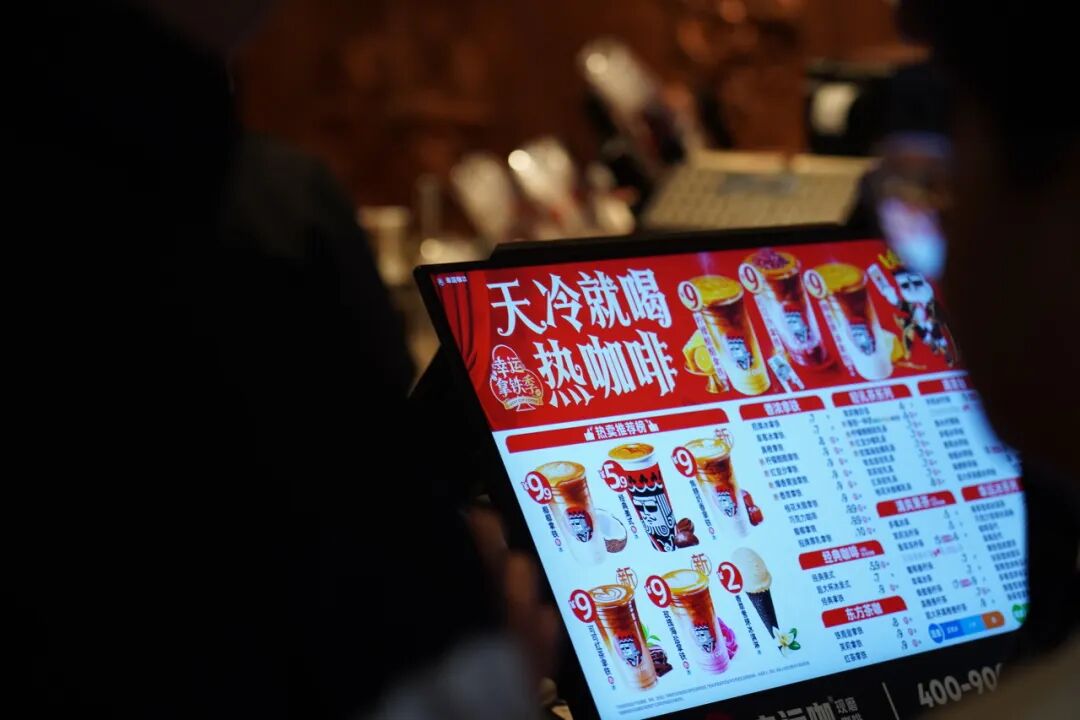
Core Insights - The Chinese fresh coffee market is undergoing a significant transformation, shifting from a "brand premium" focus to a "quality-price ratio" emphasis, particularly in first-tier cities [1][3] - Starbucks is facing unprecedented competition from affordable coffee brands like Luckin Coffee, Kudi, and others, which are gaining dominance in this emerging market [1][3] Market Dynamics - The Chinese coffee market is projected to exceed 500 billion yuan by 2030, driven by three key industry variables: the entry of tea brands lowering coffee prices, low market concentration, and evolving consumer perceptions [3][5] - Consumers are increasingly willing to pay for quality rather than brand, leading to a trend where price equality becomes essential [3][5] Competitive Landscape - Starbucks' average price per cup is around 30 yuan, while competitors like Luckin Coffee and Kudi offer prices ranging from 4.5 to 16 yuan, creating a significant price gap that challenges Starbucks' competitive advantage [3][4] - Brands like Luckin Coffee have successfully attracted younger consumers by offering "low-price, high-quality" products, reshaping consumer perceptions of coffee pricing [3][4] Brand Performance - Luckin Coffee's "Coconut Latte" has achieved sales exceeding 300 million yuan, with over 30 million cups sold, showcasing its strong market presence [4] - The brand has expanded rapidly, with over 9,000 stores, doubling its scale since the beginning of the year, and has opened its first overseas store in Malaysia [4][5] Consumer Behavior - There is a notable shift in consumer behavior, with many opting for affordable coffee options, indicating a change in the perception of coffee consumption from a luxury to a daily necessity [5][6] - The demand for reasonably priced, quality coffee is consistent across different market segments, suggesting that the "high-quality, low-price" model has long-term potential [5][6] Supply Chain and Operational Efficiency - Luckin Coffee's competitive edge lies in its supply chain management, which includes significant production capacity and cost control, allowing it to maintain quality at lower prices [6] - The brand's operational model serves as a blueprint for the coffee industry, emphasizing the importance of supply chain foundations, product-market fit, and targeted expansion [6]
买下星巴克中国,是笔好生意吗?
2 1 Shi Ji Jing Ji Bao Dao· 2025-10-31 01:26
Core Insights - Starbucks China reported a revenue growth of 6% year-on-year to $831.6 million (approximately RMB 5.913 billion) for the fourth quarter of fiscal year 2025, and a total revenue of $3.105 billion (approximately RMB 22.077 billion) for the entire fiscal year, reflecting a 5% increase [1][2] - The operating profit margin for Starbucks China has remained in double digits, with both operating profit and margin showing sequential improvement for four consecutive quarters [1] - Starbucks China is currently in the process of selling equity, with significant interest from various capital entities recognizing its potential for localization and growth [8][10] Revenue and Sales Performance - The core driver of growth in Starbucks China is attributed to price adjustments, with a notable price reduction of around RMB 5 for several key products starting June 10 [3] - In Q2, same-store sales increased by 2% year-on-year, with transaction volume up by 9%, although the average transaction value decreased by 7% [4] - The company has opened 8,011 stores across 1,091 county-level cities, maintaining high profitability levels for new stores [5] Marketing and Promotions - Starbucks has implemented various promotional activities, including product innovations and leveraging social media trends, which have contributed to record sales [4] - The company has also benefited from the growth of its delivery service, "Zhuan Xing Song," achieving historical highs in sales across various time frames [4] Strategic Partnerships and Equity Sale - Starbucks is seeking a partner for its China business, with reports indicating that Boyu Capital is a preferred choice, potentially valuing the business at over $4 billion, and possibly exceeding $10 billion when including franchise fees [10][12] - The company aims to retain a significant stake in the Chinese market, indicating confidence in long-term growth potential [12] Competitive Landscape - Starbucks is facing increasing competition from domestic brands like Luckin Coffee, which reported a 47.1% year-on-year revenue growth in Q2, significantly outpacing Starbucks [13] - Other local brands, such as Kudi Coffee, are rapidly expanding, with Kudi surpassing 15,000 stores and achieving profitability [14] Cultural and Operational Considerations - The shift towards localization in Starbucks China involves granting more autonomy to local teams, which is a significant change for a company with a strong cultural identity [6][7] - The potential loss of Starbucks' cultural essence during this localization process raises questions about the impact on its operations in China [16][17]