玩具

Search documents
许家印背后的男人,终于挖出来了...
创业家· 2025-08-18 10:14
Core Viewpoint - The article discusses the recent discovery of assets belonging to Evergrande's second-in-command, Xia Haijun, highlighting the moral outrage among the public regarding the perceived unethical behavior of high-profile individuals in financial distress [4][5][8]. Group 1: Evergrande and Xia Haijun's Assets - Xia Haijun's assets, valued at approximately $24 million (around 172 million RMB), are found under his wife's name, including three properties and four cars in California [5]. - In 2022, Xia reportedly spent 140 million RMB on a luxury home in the U.S., which is now valued at 260 million RMB [6][7]. Group 2: Public Sentiment and Reactions - The public expresses anger towards Xia's actions, viewing them as morally reprehensible and lacking integrity [8]. - There is a desire among some individuals to test their own moral limits in similar situations, reflecting a broader societal frustration with perceived injustices [10]. Group 3: Loan Mediation and Financial Manipulation - The article narrates the story of a 53-year-old man, Huang, who transformed his life through loans facilitated by a middleman, despite the fraudulent nature of the process [24][25]. - Huang secured a total of 482,000 RMB in loans from various banks, showcasing the ease with which individuals can manipulate financial systems with the help of intermediaries [28][29]. Group 4: Implications of Fraudulent Practices - The article suggests that the fraudulent practices employed by intermediaries could be replicated by individuals without their involvement, raising ethical concerns about the financial system [31][32]. - Huang's experience serves as a cautionary tale, illustrating the potential consequences of such actions, including legal repercussions and becoming a debtor [36][38].


好的老板,一定是求之于势,不责于人
创业家· 2025-08-18 10:14
Core Insights - The article emphasizes the importance of strategic positioning for business leaders, advocating for a proactive approach rather than reactive management [1] - It highlights the significance of learning from Japan's consumer market evolution as a model for Chinese brands to innovate and adapt [6][8] Group 1: Japanese Market Insights - Japan's consumer market is seen as a "future laboratory" for Chinese brands, providing insights into consumer behavior and product evolution over the next decade [6] - The article discusses three core philosophies of successful Japanese brands: supply chain-driven private brand (PB) products, continuous iteration of major products, and defining lifestyle while resonating emotionally with consumers [7][8] Group 2: Supply Chain and Product Development - Kobe Bussan exemplifies a strong supply chain model with over 350 factories globally, achieving a sales scale of 200 billion RMB through integrated PB products [7] - 7-11 utilizes data from its extensive network to develop PB products that meet latent consumer needs, enhancing supply chain efficiency [7] - Nitori, a leading furniture brand, applies automotive supply chain standards to achieve consistent revenue growth for 36 years [7] Group 3: Consumer Engagement Strategies - Kikkoman has successfully transformed from producing soy sauce to creating a cultural narrative around it, demonstrating the importance of meeting consumer demands through innovation [7] - Shiseido employs a layered brand strategy to cater to both high-end and cost-sensitive consumer segments, adapting to market changes [7] - Bandai focuses on developing products that tap into fundamental human desires, creating engaging and addictive experiences for consumers [9] Group 4: Learning Opportunities - The article promotes a study tour to Japan, where participants can learn from industry leaders about the strategies that have allowed Japanese brands to thrive despite economic challenges [6][10] - The program includes insights from experts in various fields, including retail strategy and product development, aimed at fostering innovation among Chinese entrepreneurs [10][11]

2025年上海市电玩具产品质量监督抽查结果公布
Zhong Guo Zhi Liang Xin Wen Wang· 2025-08-18 07:57
Group 1 - The Shanghai Municipal Market Supervision Administration conducted a quality inspection of 35 batches of electronic toys, finding 2 batches non-compliant [2] - All 15 batches sold through physical stores passed the inspection, while 2 out of 20 batches sold online were found to be non-compliant [2] - The inspection covered products from Shanghai, Guangdong, Jiangsu, and Zhejiang provinces, with 4 batches from Shanghai and 31 from other provinces [2] Group 2 - Non-compliant products included "Deli Bubble Maker" and "Blue Whale Submarine," with issues related to phthalate limits and labeling [2] - Compliant products included various toys such as "Ultraman Miracle Gift Box" and "Remote Control Car," all meeting relevant standards [2][3] - The inspection was conducted according to the Shanghai Product Quality Supervision and Inspection Implementation Rules for Toys [2]
AI潮玩,谁不想成为LABUBU
创业邦· 2025-08-18 03:32
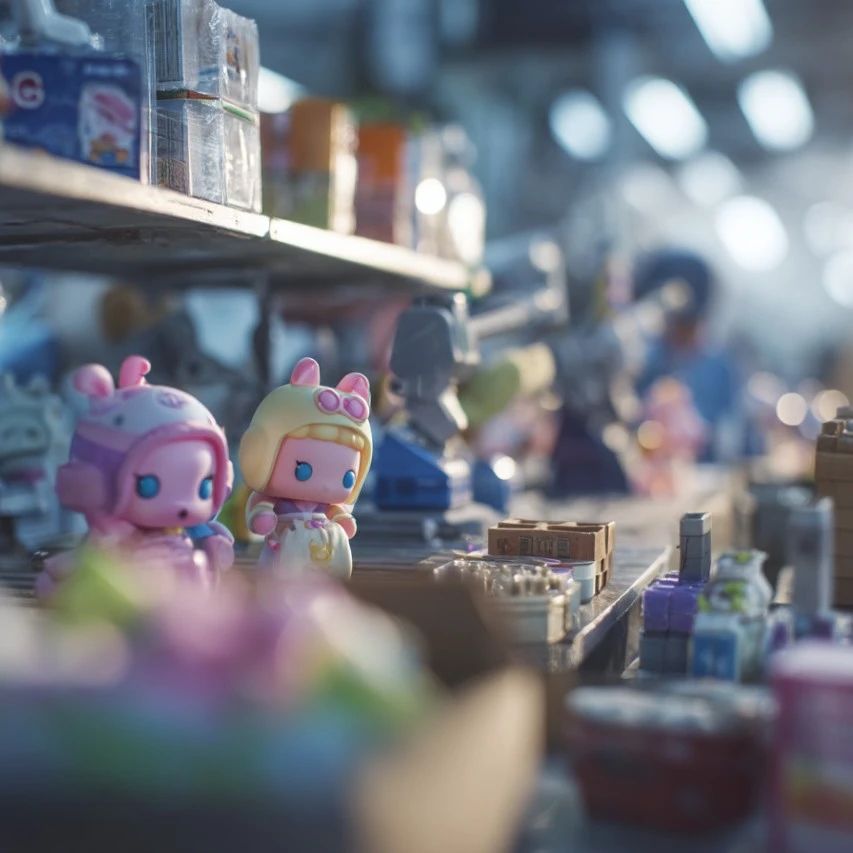
Core Viewpoint - The AI toy market is experiencing significant growth, driven by a surge of new companies entering the space, focusing on emotional value and user engagement rather than just technological capabilities [6][8][21] Group 1: Market Dynamics - The AI toy sector has seen over 30 emerging companies, with products designed to cater to both children and adults, reflecting a diverse range of user needs [6][8] - The market is characterized by a low entry barrier for consumers, allowing for a variety of products that fulfill different emotional and psychological needs [8][20] - The success of AI toys will depend on achieving significant sales volumes, with a benchmark of 100,000 units being crucial for establishing a product as a market leader [8][19] Group 2: Key Players and Products - Notable companies include Mengyou Intelligent, which launched the Ropet AI toy, and Luobo Intelligent, which introduced the Fuzozo, both targeting female consumers [6][12] - Ropet has achieved significant crowdfunding success in Japan, raising 26 million yen on its first day, while Fuzozo has gained traction in China through effective marketing strategies [12][13] - The products differ in their interaction capabilities, with Fuzozo utilizing a multimodal model for language interaction, while Ropet focuses on non-verbal responses to enhance user experience [13][14] Group 3: Consumer Insights - The primary purchasing motivation for consumers is the aesthetic appeal of the toys, particularly among female users, indicating a strong link between product design and consumer engagement [14][20] - The emotional value created by AI toys is paramount, with companies exploring various approaches to meet the emotional and psychological needs of users [20][21] - The market is still evolving, with opportunities for new entrants to address unmet needs, particularly in areas like mental health and emotional support [20][21] Group 4: Future Trends - The AI toy industry is expected to continue diversifying, with products aimed at both emotional companionship and practical applications in mental health [20][21] - Companies are leveraging advanced AI technologies to enhance user interaction and product functionality, which will be critical for long-term success [19][20] - The competition is intensifying as larger companies like Pop Mart enter the market, potentially reshaping the landscape of AI toys [8][21]

奥特曼AI玩具即将发售,消费电子ETF(561600)近一周涨超7%
Xin Lang Cai Jing· 2025-08-18 01:49
Group 1 - The world's first AI toy based on the Ultraman Diga character is set to be released on August 27, 2025, incorporating the DeepSeek large model for enhanced interactive experiences [1] - AI toys are capable of understanding children's speech and adapting through intelligent learning, providing personalized interaction services, which marks a significant advancement over traditional toys [1] - The demand for AI toys is expected to span all age groups, with AI anticipated to become a core catalyst in the toy market, surpassing the potential seen during the Z generation's trend explosion [1] Group 2 - As of July 31, 2025, the top ten weighted stocks in the CSI Consumer Electronics Theme Index account for 51.57% of the index, including companies like Luxshare Precision, SMIC, and BOE Technology Group [2] - The CSI Consumer Electronics Theme Index tracks 50 listed companies involved in component production and consumer electronics, reflecting the overall performance of the sector [2] - The Consumer Electronics ETF closely follows the CSI Consumer Electronics Theme Index, with various fund options available for investors [2]



科股早知道:全球首款该类AI产品将发售,AI有望成为行业市场核心催化剂
Tai Mei Ti A P P· 2025-08-18 00:21
Group 1 - The first open-source robot world model platform, GenieEnvisioner (GE), has been launched by Zhiyuan Robotics, which innovatively constructs a closed-loop system centered on unified video generation world models [2] - The integration of AI and robotics is highlighted as a significant trend, with the potential for humanoid robots to enhance AI capabilities and vice versa, leading to a deeper fusion of embodied intelligence [2] - Current applications of robots are relatively focused, primarily in factory settings, with future developments expected to enhance the integration of humanoid robot "brains" and "cerebellums" [2] Group 2 - The Antigravity A1, the world's first 8K panoramic drone, has been released by Insta360, featuring advanced lens design and seamless stitching technology, positioning it as a versatile imaging device [3] - The optical system is a crucial component of professional drones, with lens costs accounting for nearly 60% of the BOM for handheld imaging devices, indicating a growing market for optical modules [3] - The demand for drones and handheld imaging devices is expected to rise significantly, driven by continuous product innovation from leading manufacturers like DJI and Insta360 [3] Group 3 - Google has announced a collaboration with NASA to develop an AI medical assistant for space missions, capable of providing real-time health diagnostics for astronauts when remote medical support is unavailable [4] - The AI-driven medical industry is experiencing revolutionary growth, with various applications such as AI pathology diagnosis and AI imaging becoming increasingly mature, potentially accelerating commercialization [5] Group 4 - The world's first AI toy based on the Ultraman franchise is set to launch on August 27, 2025, incorporating the DeepSeek model to enhance interactive experiences for children [6] - AI toys are expected to revolutionize the toy industry by providing interactive, educational, and companionship capabilities, appealing to a broad age range [6] - The demand for AI toys is anticipated to surpass that of traditional toys, positioning AI as a core catalyst in the toy market following the popularity of trend-driven products [6]
一周重磅日程:杰克逊霍尔央行年会、美俄乌三方会谈,万众瞩目!
华尔街见闻· 2025-08-17 12:49
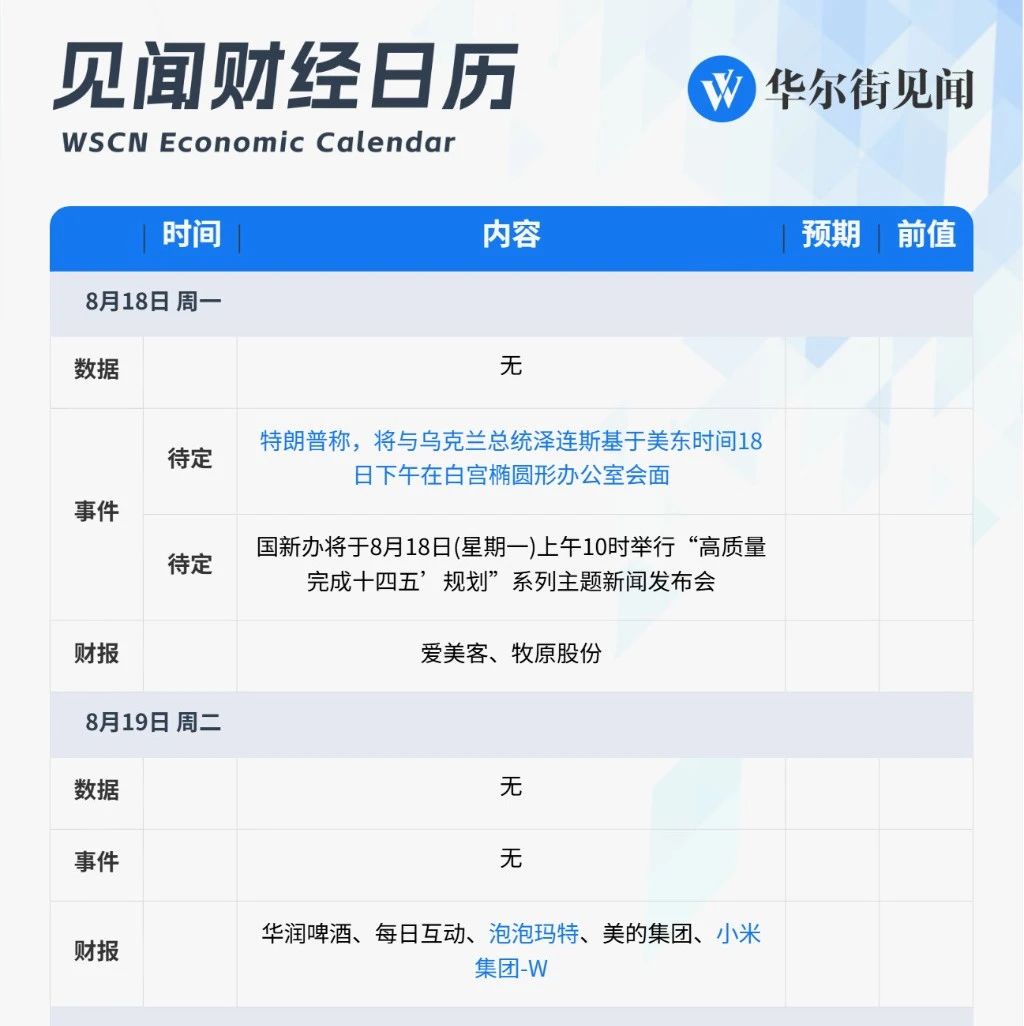
Economic Events - The Jackson Hole Global Central Bank Conference will be held from August 21 to 23, with Powell's speech scheduled for August 22 at 22:00 Beijing time [5][6] - The Federal Reserve will release the minutes of the July monetary policy meeting on August 20, which may reveal internal debates regarding interest rate decisions [13][14] - The State Council Information Office will hold a press conference on August 19 to discuss the achievements of the "14th Five-Year Plan" [15] - The Hang Seng Index Company will announce the results of its second-quarter review on August 22 [17] - The 2025 China Computing Power Conference will take place from August 22 to 24 in Datong, Shanxi [18] - Google will host a launch event on August 20 to unveil new Pixel brand hardware [19] Company Earnings - Xiaomi Group is expected to report its Q2 earnings on August 19, with revenue projected to grow approximately 32% year-on-year, reaching around 117 billion yuan [22][23] - Baidu's Q2 earnings are anticipated to show a cautious outlook, with revenue estimates between 32.693 billion and 34.521 billion yuan, reflecting a potential decline [27][28] - Pop Mart International Group expects its revenue for the six months ending June 30, 2025, to increase by no less than 200%, with profits potentially rising by over 350% [30] - Midea Group is projected to achieve Q2 revenue between 135 billion and 140 billion yuan, with a year-on-year growth of 15% to 20% [31][32] - Walmart's upcoming Q2 earnings report is expected to reinforce its bullish investment thesis, showcasing strong fundamentals despite economic headwinds [34]
朱啸虎:中国的财富密码,变了
创业家· 2025-08-17 10:33
Core Viewpoint - The article emphasizes the importance of recognizing market trends and the concept of "beta" (market-driven returns) over "alpha" (excess returns), suggesting that success in investment and entrepreneurship is largely driven by the prevailing market conditions and demographic shifts in China [5][11][12]. Group 1: Market Trends and Opportunities - The article identifies the aging population in China as a significant market opportunity, with an annual increase of 20 million retirees who are financially capable and willing to spend [14]. - It highlights the shift away from previously lucrative sectors, such as the maternal and infant market, which is now viewed as a negative beta market [12]. - The article suggests that understanding the Japanese market can provide insights into future consumer trends in China, particularly in the context of low growth and changing consumer behaviors [23][24]. Group 2: Learning from Japan - The article outlines a learning trip to Japan, focusing on how Japanese brands have thrived despite economic challenges, providing a model for Chinese brands to adapt and innovate [18][19]. - It discusses three core principles of successful Japanese brands: supply chain-driven private brand products, continuous iteration of key products, and creating emotional resonance with consumers [24][25]. - The article emphasizes the importance of understanding consumer behavior and emotional engagement in product development, as demonstrated by brands like Muji and Bandai [26][33]. Group 3: Strategic Insights - The article stresses the need for companies to control scale and enhance safety margins as a critical strategy for the next 5 to 10 years [16][17]. - It encourages entrepreneurs to focus on identifying the next significant market opportunities rather than overestimating their own intelligence or efforts [9][10]. - The article concludes with a call for entrepreneurs to learn from Japan's experience in navigating economic cycles and consumer preferences, positioning it as a "future laboratory" for Chinese brands [23][24].

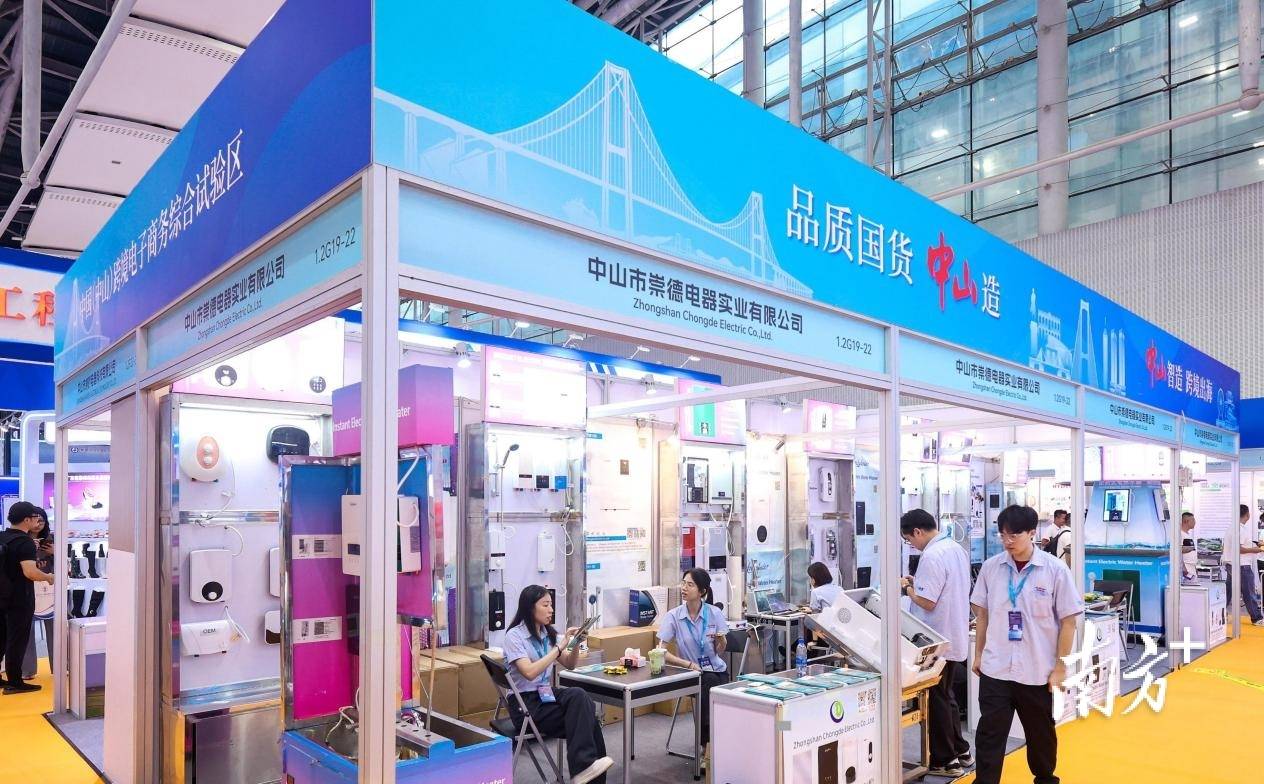
中山30余家企业组团亮相广州跨交会
Sou Hu Cai Jing· 2025-08-17 07:44
Core Viewpoint - The 2025 China (Guangzhou) Cross-Border E-Commerce Fair, themed "New Foreign Trade Momentum · New Digital Future," showcases over 1,000 quality supply chain enterprises and 42 cross-border e-commerce platforms, highlighting the strength of the manufacturing sector in Zhongshan [1][3]. Group 1: Event Overview - The exhibition covers an area of over 40,000 square meters, featuring a diverse range of products from various industries including lighting, home appliances, toys, electronics, locks, and bags [1]. - Zhongshan's participation includes over 30 local manufacturing and trading enterprises, collectively branded as "Zhongshan Manufacturing" to promote their products internationally [1][3]. Group 2: Industry Highlights - The Guzhen Lighting Industry Belt, part of the exhibition, is recognized as a pilot industry belt for the "Cross-Border E-Commerce + Industry Belt" initiative in Guangdong Province [3]. - A special exhibition area of 198 square meters was created to showcase the latest innovations in smart lighting, emphasizing Zhongshan's industrial advantages [3][6]. Group 3: Business Impact - The participation in the fair has been reported to be ten times more effective for companies when exhibiting as a group compared to individual participation [6]. - The general manager of a local supply chain company noted that the future scale of participation could potentially double or even quintuple if the group exhibition model is maintained and more resources are mobilized [6]. Group 4: Future Directions - The Zhongshan Business Bureau plans to continue implementing the Guangdong Province's "Cross-Border E-Commerce + Industry Belt" pilot program, aiming to deepen the integration of industry belts with cross-border e-commerce [7]. - The focus will be on upgrading from "product export" to "brand export," fostering new foreign trade momentum through policy guidance and precise services [7].
日本年轻人最爱逛的宝藏街区,不欢迎品牌连锁店
创业家· 2025-08-16 10:10
Core Viewpoint - The article discusses the concept of "involution" in consumer markets, highlighting how businesses often replicate each other, leading to a lack of uniqueness and consumer engagement [4][21]. Group 1: Examples of Involution - Many famous shopping streets in China look almost identical, offering the same local snacks and souvenirs, which detracts from the authentic local experience [2]. - Renowned shopping centers in China feature similar luxury brands and products, making shopping a monotonous experience [3][4]. Group 2: Causes of Involution - Involution occurs because businesses engage in the same practices, leading to a homogenized market [5][15]. - The article references the insights of Japanese social psychologist Minoru Miura, who emphasizes the importance of uniqueness in consumer offerings [5][15]. Group 3: Case Study of Shimokitazawa - Shimokitazawa, a vibrant Tokyo community, initially saw a decline in popularity due to the influx of chain stores that diluted its unique character [9][10]. - To combat this, the community began to reject chain stores and welcomed unique local shops, which helped restore its vibrancy [11][12][14]. Group 4: Lessons from Japan - The article suggests that instead of competing to be the best in a saturated market, businesses should focus on being unique and distinctive [15]. - The flagship store of Tommy in Tokyo exemplifies this approach by offering exclusive products that cannot be found in other locations, highlighting the value of uniqueness [16][17]. Group 5: Future Opportunities - The article outlines a learning trip to Japan aimed at understanding how Japanese brands thrive despite economic challenges, providing insights for Chinese businesses [19][21]. - It emphasizes the need for Chinese brands to adapt to changing consumer behaviors and market dynamics, learning from Japan's experience [21][22]. Group 6: Key Strategies for Success - The article identifies three core strategies for successful Japanese brands: supply chain-driven private label products, continuous iteration of key products, and creating lifestyle definitions that resonate emotionally with consumers [22][24]. - Examples include Kobe Bussan's efficient supply chain model and Nitori's innovative furniture supply chain management [22][26].