
种业

Search documents
从“靠天吃饭”到筑牢“齐鲁粮仓” 山东用“芯”端稳饭碗
Zhong Guo Xin Wen Wang· 2025-09-25 11:02
Core Viewpoint - Shandong province is transforming its agricultural practices from traditional reliance on natural conditions to a technology-driven approach, enhancing food security through innovative methods and comprehensive management of saline-alkali land [1][2][5]. Group 1: Saline-Alkali Land Management - Shandong has nearly 9 million acres of saline-alkali land, which is being utilized as a potential resource for food security [2]. - The province has adopted a strategy that emphasizes ecological priorities and tailored solutions for different regions, focusing on soil improvement and resource utilization [4][5]. - Innovative techniques, such as the "dual-layer drainage" method in Dongying, have significantly reduced soil salinity, enabling previously unproductive land to be cultivated [4][5]. Group 2: Seed Industry Revitalization - The seed industry is considered the "chip" of agriculture, and Shandong is making strides in seed resource protection and innovation [6][8]. - Notable breakthroughs in breeding salt-tolerant crops have been achieved, with varieties like "Lu Dan 510" showing high yield and resilience [6][8]. - The provincial government has implemented policies to support seed industry revitalization, ensuring a robust foundation for agricultural modernization [8]. Group 3: Food Waste Reduction - Shandong is focusing on reducing food waste through improved practices in harvesting, storage, and processing [9][10]. - Initiatives include training farmers on safe harvesting techniques and utilizing smart storage facilities to maintain grain quality [9][10]. - The integration of technology in grain storage, such as temperature monitoring and ventilation systems, enhances food preservation and reduces losses [10]. Group 4: Comprehensive Food Security Strategy - Shandong's approach combines land management, seed innovation, and waste reduction to create a sustainable food security system [10]. - The province's efforts not only strengthen its own food supply but also contribute valuable insights for food security on a national and global scale [10].

从河西走廊到“一带一路”,种业振兴的“芯”征程
Xin Lang Cai Jing· 2025-09-25 03:37
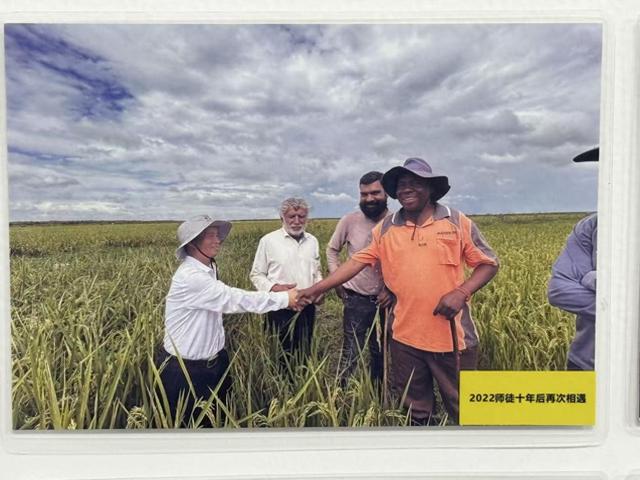
Core Viewpoint - The article highlights the transformative impact of Chinese agricultural technology, particularly hybrid rice, on local farmers in Uganda and other countries, showcasing the broader implications of China's agricultural development strategy under the Belt and Road Initiative [1][3][22]. Group 1: Agricultural Development and Technology - Musa, a local technician in Uganda, credits a Chinese agricultural expert for changing his life through hybrid rice training, illustrating the potential of agricultural technology to uplift communities [1][3]. - The concept of "seed" is emphasized as the core of agriculture, crucial for food security and national pride, with the China Agricultural Development Group leading efforts in innovation and integration within the seed industry [3][6]. - The "Five Development" strategy proposed by the China Agricultural Development Group includes innovation, restructuring, extending the supply chain, overseas development, and service development [3][6]. Group 2: Industry Restructuring and Market Position - The restructuring of the seed industry is a key strategy to overcome fragmentation and enhance competitiveness against international giants, with the number of seed companies in China reduced from over 8,000 to a more manageable number [5][6]. - The China Agricultural Development Group's seed business ranks fourth in the country, with leading sales in canola, wheat, and soybean seeds, indicating a significant improvement in market position [6][20]. Group 3: Breeding and Research - Breeding is described as a long-term process, often taking over a decade to develop a new variety, with a focus on high yield and quality [9][10]. - The article discusses the importance of collaboration between companies and research institutions to enhance breeding efforts and overcome challenges in the industry [12][21]. - The China Agricultural Development Group has invested over 450 million yuan in research over five years, resulting in significant advancements in new varieties and technologies [11][20]. Group 4: Production and Quality Control - The article highlights the importance of traditional and modern agricultural practices in seed production, particularly in regions like Zhangye, Gansu, which is a major corn seed production area [15][18]. - Innovations in agricultural technology, such as precision farming and automated production lines, are being adopted to improve seed quality and efficiency [19][20]. Group 5: Market Strategies and Global Expansion - The shift from merely selling seeds to providing comprehensive planting solutions reflects the evolving market dynamics, with companies focusing on customer needs and agricultural practices [20][21]. - The article details the international expansion of Chinese seed companies, particularly in countries along the Belt and Road Initiative, showcasing successful projects in Pakistan and Uganda [22][24]. - The establishment of international quality standards and testing facilities is crucial for enhancing the global competitiveness of Chinese seeds [22][24].

科技兴农结满喜人“致富果”
Ke Ji Ri Bao· 2025-09-25 01:25
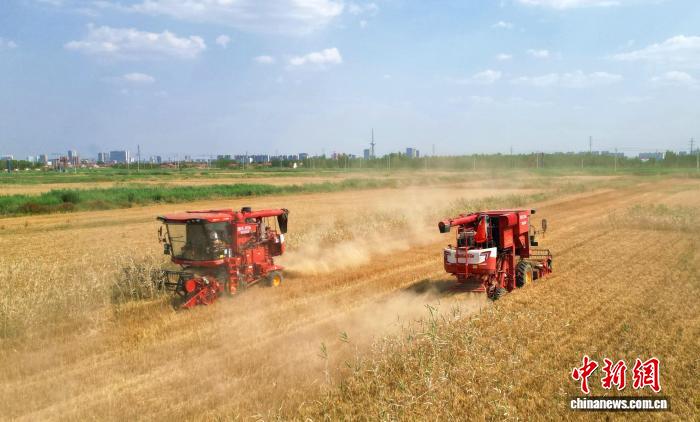
Core Insights - The recent harvest festivals across China highlight the integration of technology in agriculture, showcasing innovations such as agricultural robots and smart farming equipment [1][2] - The emphasis on seed innovation during the harvest festival reflects the importance of agricultural research and development in enhancing crop yields and modernizing agriculture [1] - The Chinese government is prioritizing agricultural technology innovation, aiming to position the country among the global leaders in agricultural science and technology [2] Group 1: Agricultural Innovations - Agricultural robots and "unmanned farms" were focal points at the harvest festival, demonstrating advancements in automation within the sector [1] - Smart agricultural devices, such as spore capture instruments and pest monitoring equipment, were showcased, indicating a shift towards data-driven farming practices [1] - The introduction of new seed varieties, such as "Chuan Garlic 3" and "Black Bright 59" eggplant, underscores the role of research institutions in developing innovative agricultural solutions [1] Group 2: Technological Integration - The use of blockchain and AI to create a comprehensive trust system for agricultural products was highlighted, showcasing the potential for enhanced traceability and accountability in the supply chain [2] - Projects like "carbon sink farmland," which allows for the calculation and trading of carbon emissions per acre, illustrate the intersection of agriculture and environmental sustainability [2] - The overall level of agricultural technology innovation in China is reported to be among the top globally, reflecting significant progress in the sector [2]
康农种业(837403)深度:育繁推一体化企业,品种制胜,扩大全国销售版图
Shenwan Hongyuan Securities· 2025-09-25 00:55
Core Insights - The report highlights the integrated development of Kangnong Agriculture, focusing on hybrid corn seed production, breeding, and promotion, achieving a revenue CAGR of 30.5% and a profit CAGR of 42.1% from 2022 to 2024 [2][10] - The industry is experiencing a demand for high-yield and quality varieties, with a projected tight balance in corn supply and demand for the 2025/26 season, leading to stable corn prices and positive planting enthusiasm among farmers [2][10] - Kangnong's flagship product, Kangnong Yu 8009, is expected to drive growth, with sales projections indicating significant volume increases in the coming years [2][10] Company Overview - Kangnong Agriculture specializes in hybrid corn seeds and has streamlined its operations across breeding, propagation, and promotion since 2017 [2][10] - The company has successfully entered new markets, including the Huanghuaihai summer sowing area and northern spring sowing area, which have become new growth drivers [2][10] Industry Analysis - The seed market is currently facing a supply-demand imbalance, with a projected supply-demand ratio of 175% for the 2024/25 season, indicating a high inventory situation that may take 2-3 years to improve [2][10] - High-quality varieties are favored in the market, commanding better price premiums, while competition among homogeneous varieties remains intense, putting pressure on prices [2][10] Short-term Outlook - For 2025, the company aims to achieve both revenue growth and cost reduction, with expectations of increased gross margins due to self-propagation models [2][10] - The anticipated gross margin for 2025 is projected to improve by 1.2-5.0 percentage points based on sensitivity analysis [2][10] Long-term Strategy - Kangnong plans to expand its national sales footprint, leveraging its market position in the Southwest and introducing diverse product offerings in the Huanghuaihai and Northeast markets [2][10] - The company has a robust pipeline for transgenic varieties, with a strategic rollout across different regions [2][10] Investment Rating and Valuation - The report forecasts Kangnong's net profit for 2025-2027 to be 0.96 billion, 1.23 billion, and 1.50 billion respectively, with a target market capitalization of 4.5 billion, indicating a potential upside of 90% from the current closing price [2][10] - The report assigns a "Buy" rating based on the company's growth potential and favorable market conditions [2][10]
申万宏源研究晨会报告-20250925
Shenwan Hongyuan Securities· 2025-09-25 00:43
Core Insights - The report focuses on Kangnong Agriculture (837403), which specializes in hybrid corn seeds and has integrated breeding, propagation, and promotion since 2017, leading to significant growth in new markets [3][11] - The company is projected to achieve a revenue CAGR of 30.5% and a profit CAGR of 42.1% from 2022 to 2024, driven by the successful launch of its main product, Kangnong Yu 8009 [3][11] - The report highlights the favorable market conditions for high-yield and quality seed varieties, with a predicted stable corn price and strong planting enthusiasm among farmers [3][11] Company Overview - Kangnong Agriculture has established a comprehensive development model that connects breeding, propagation, and promotion, enhancing its market competitiveness [3][11] - The company has successfully entered new markets in the Huanghuaihai summer sowing area and the northern spring sowing area, which have become new growth drivers [3][11] Industry Analysis - The seed market is currently experiencing a supply-demand imbalance, with a supply-demand ratio of 175% expected for the 2024/25 season, indicating a high inventory situation that may take 2-3 years to improve [3][11] - High-quality seed varieties are favored in the market, commanding better premiums, while competition among homogeneous varieties remains intense, leading to price pressures [3][11] Short-term Outlook - For 2025, the company aims to increase revenue while reducing costs, with Kangnong Yu 8009 expected to lead growth [3][11] - The self-propagation model is anticipated to lower costs, with a projected gross margin increase of 1.2-5.0 percentage points in 2025 based on sensitivity analysis [3][11] Long-term Strategy - The company plans to continue expanding its national sales footprint, leveraging its market position in the southwest and introducing diverse product combinations in the Huanghuaihai market [3][11] - Kangnong Agriculture has a robust pipeline of transgenic varieties, with a structured approach to commercialization across different regions [3][11] Investment Rating and Valuation - The report forecasts the company's net profit for 2025-2027 to be 0.96 billion, 1.23 billion, and 1.50 billion respectively, with corresponding PE ratios of 25, 19, and 16 times [3][11] - A target market capitalization of 45 billion is set for 2025, indicating a potential upside of 90% from the closing price on September 25, 2023, with a "Buy" rating assigned [3][11] Catalysts for Stock Performance - Key catalysts include exceeding expectations in contract liabilities for Q3 2025, higher-than-expected sales of Kangnong Yu 8009, and progress in promoting high-protein corn [3][11]
我国抗虫水稻育种实现重要突破
Ren Min Ri Bao· 2025-09-24 23:22
Core Insights - China has made significant breakthroughs in breeding new high-yield rice varieties resistant to the rice planthopper, addressing the challenge of stable rice production [1] - The rice planthopper is identified as the primary pest in rice production in China, affecting over 300 million acres annually and causing a reduction of 3 billion pounds in rice yield [1] - The coverage rate of pest-resistant rice varieties in production is currently below 1% [1] Group 1: Research and Development - The breakthroughs were achieved with the support of the Agricultural Biotechnology Breeding Major Project, involving collaboration between Yuan Longping High-Tech Agriculture Co., Ltd. and leading domestic research teams [1] - A cooperative model of enterprise-science collaboration was established to innovate and apply molecular design breeding technology [1] - Key genes for resistance to the brown planthopper, rice blast disease, and nitrogen efficiency were precisely aggregated to develop new rice varieties [1] Group 2: New Varieties and Performance - New rice varieties such as "Wei Liang You 2268" and "Yang Xian You 4278" have been developed, showing significant resistance to the brown planthopper and rice blast disease [1] - Field trials indicate that these new varieties have increased yields by over 5% compared to control groups [1] - The "Wei Liang You 2268" variety achieved a record yield of 1,174.5 kg per mu in a demonstration plot in Hunan, setting a new high yield record for single-season rice in the middle and lower reaches of the Yangtze River [1] Group 3: Future Implications - The new varieties have been selected for inclusion in the 2025 National Crop Variety Promotion Directory as candidate varieties [1] - The accelerated promotion and application of these new varieties are expected to inject strong momentum into achieving high and stable rice production across China [1]

创新应用分子设计育种技术 我国抗虫水稻育种实现重要突破
Ren Min Ri Bao· 2025-09-24 23:02
Core Insights - China has made significant breakthroughs in breeding high-yield rice varieties resistant to the rice planthopper, addressing the challenge of stable rice production [2] - The rice planthopper is identified as the primary pest in China's rice production, affecting over 300 million acres annually and causing a reduction of 3 billion jin in rice yield [2] - The coverage rate of resistant rice varieties in production is currently below 1% [2] Group 1 - The "Weiliangyou 2268" and "Yangxianyou 4278" rice varieties have been developed through a collaborative model involving leading research teams and innovative molecular design breeding technology [2] - These new varieties exhibit significant resistance to both the brown planthopper and rice blast disease, with trial yields exceeding 5% compared to control groups [2] - The "Weiliangyou 2268" variety achieved a record yield of 1174.5 kg per mu in Hunan, setting a new high for single-season rice in the Yangtze River mid-lower region [2] Group 2 - The newly developed rice varieties have been included in the 2025 National Crop Excellent Variety Promotion Directory as candidate varieties [2] - The accelerated promotion and application of these new varieties are expected to inject strong momentum into achieving high and stable rice production across China [2]
从丰收节看中国农业转型升级
经济观察报· 2025-09-24 15:11
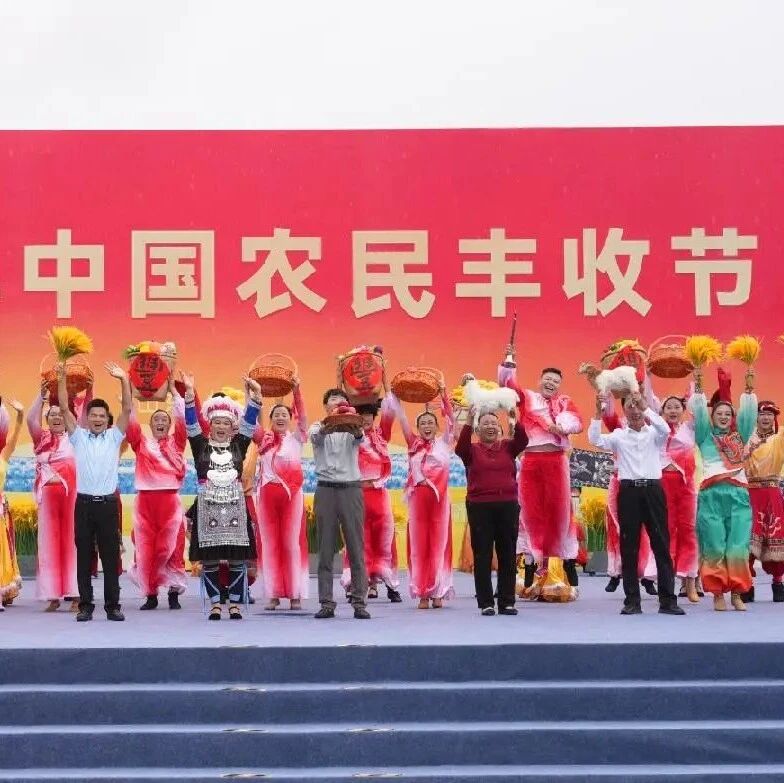
Core Viewpoint - The Harvest Festival serves not only as a celebration of agricultural abundance but also as a crucial opportunity to promote the integration of the entire agricultural industry chain, facilitate production and sales connections, and invigorate rural vitality through resource sharing and technological collaboration, ultimately aiding China's agriculture in achieving high-quality and sustainable development [2][3]. Agricultural Achievements - The 2024 grain production in China is projected to exceed 1.4 trillion jin, an increase of 74 billion jin compared to 2020, ensuring food security for 1.4 billion people [2]. - The per capita grain availability in China has reached 500 kg, achieving basic self-sufficiency in grains and absolute safety in staple food [2]. Industry Transformation - The concept of "harvest" has evolved beyond mere yield to encompass value-added production through high-quality seeds and deep processing, emphasizing a shift from scale-based growth to value-based development [3]. - The transformation reflects an increase in farmers' income and the resilience of the agricultural industry [3]. Seed Industry Innovations - The seed industry is undergoing a "seed revolution," with advancements in both plant and animal breeding, such as the domestically bred "Guangming No. 2" white feather chicken, which has broken the reliance on imported breeds [6][7]. - The "Guangming No. 2" chicken can reach a weight of 3 kg in 42 days, showcasing superior performance compared to imported varieties [7]. Deep Processing and Value Addition - Companies are focusing on deep processing to stabilize income and enhance the value of agricultural products, as seen with the Yantai Boshida Group's apple products [10]. - The comprehensive utilization of products, such as the processing of "Chinese First Pomelo" into juice and essential oils, has significantly increased the economic returns for farmers [11]. E-commerce and Modernization - The integration of e-commerce with agriculture is evident, with the national agricultural product online retail sales expected to exceed 630 billion yuan in 2024, reflecting a 15.8% year-on-year growth [12]. - The deep processing of agricultural products has transitioned from isolated efforts to collective development, with major agricultural provinces forming billion-level processing clusters [12]. Smart Agriculture - The introduction of modern agricultural machinery, such as the DJI T100 agricultural drone, demonstrates the potential for efficiency improvements, achieving up to 600 acres of spraying per day, which is 40 times more efficient than manual labor [14]. - Innovations like apple-picking robots and smart beehives are addressing labor shortages and enhancing productivity in agriculture [16][17]. Conclusion - The Harvest Festival has become a vital platform for showcasing the transformation and modernization of China's agriculture, emphasizing the importance of innovation, deep processing, and smart technology in driving the industry forward [4][13].
从丰收节看中国农业转型升级|丰收新图景
Jing Ji Guan Cha Wang· 2025-09-24 12:12
Core Insights - The 8th China Farmers' Harvest Festival highlights the significance of agricultural achievements during the "14th Five-Year Plan" period, showcasing a record grain production of 1.4 trillion jin in 2024, an increase of 74 billion jin from 2020, ensuring food security for 1.4 billion people [2][3] - The festival serves as a platform for promoting agricultural innovation, deep processing of products, and enhancing the integration of the agricultural industry chain, aiming for high-quality and sustainable development in Chinese agriculture [2][3] Agricultural Transformation - The concept of "harvest" has evolved beyond mere yield to encompass value-added processing, brand differentiation, and resource integration, reflecting a shift from scale-based growth to value-based development [3] - The festival acts as a window to showcase the transformation and upgrading of Chinese agriculture [3] Seed Industry Developments - Seeds are identified as the foundation of agriculture and national food security, with advancements in breeding technologies leading to the emergence of new, resilient varieties [4] - The shift from reliance on imported seeds to domestic innovation is crucial for enhancing the genetic diversity and market options in the Chinese pear industry [4] Livestock Breeding Innovations - The introduction of the "Guangming No. 2" white feather chicken marks a significant breakthrough in China's poultry breeding, moving from complete reliance on imports to domestic production [5] - The chicken exhibits superior growth performance and adaptability, contributing to the stability of the meat industry in China [5] High-Quality Beef Production - The development of the Gaoqing Black Cattle has filled a gap in the high-end beef market, with the potential for high returns for farmers through efficient processing and distribution [6] - The self-breeding of essential crop varieties has reached over 95% in China, ensuring that domestic seeds are primarily used for domestic food production [6] Agricultural Value Chain - Companies like Bosida are focusing on deep processing of agricultural products to stabilize prices and enhance farmer income, addressing challenges in traditional farming [7] - The integration of agriculture with e-commerce and cultural tourism is seen as a way to attract younger generations back to rural areas, combating rural aging [7] Product Diversification and Economic Impact - The comprehensive utilization of products like the "Chinese First Pomelo" has significantly increased its economic value, with annual production value exceeding 5.06 billion yuan [8] - The deep processing of roses has led to increased prices for farmers, enhancing their income by 15%-20% per acre [8] Agricultural Processing Growth - The agricultural processing sector is transitioning from isolated developments to clustered growth, with major provinces forming billion-yuan processing clusters [9] - The online retail of agricultural products is projected to exceed 630 billion yuan in 2024, indicating robust growth [9] Smart Agriculture Innovations - The introduction of modern agricultural machinery, such as the DJI T100 drone, demonstrates significant efficiency improvements in various farming scenarios [10] - Smart tools are designed to alleviate labor shortages and reduce costs in agriculture, enhancing productivity and operational efficiency [11] Digital Agriculture Advancements - The integration of digital technology in agriculture is transforming traditional practices, allowing for data-driven decision-making and improved management efficiency [12] - Smart beekeeping solutions enable better monitoring and management of bee colonies, significantly increasing labor efficiency [12]
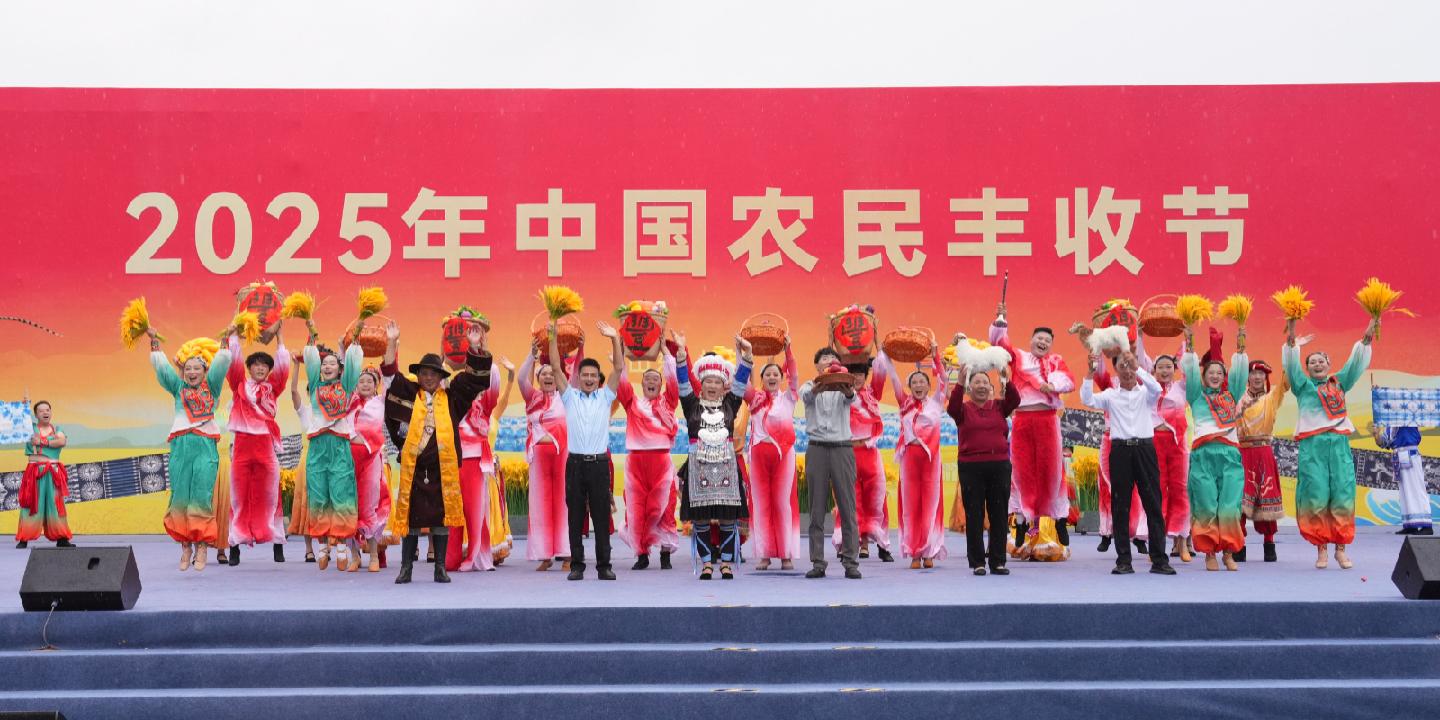
从丰收节看中国农业转型升级
Jing Ji Guan Cha Wang· 2025-09-24 11:52
Core Insights - The article highlights the significance of the 8th China Farmers' Harvest Festival, emphasizing the theme of celebrating agricultural abundance and improving quality of life, marking a pivotal moment in China's agricultural development during the "14th Five-Year Plan" period [1][2] Agricultural Production and Security - China's grain production is projected to exceed 1.4 trillion jin (approximately 700 million tons) in 2024, an increase of 74 billion jin (approximately 37 million tons) compared to 2020, ensuring food security for 1.4 billion people [1] - The per capita grain availability in China has reached 500 kg, achieving basic self-sufficiency in grains and absolute safety in staple food supply [1] Agricultural Innovation and Value Addition - The festival serves as a platform for promoting agricultural innovation, with participants focusing on high-quality seeds, deep processing of agricultural products, and brand differentiation to enhance value and income for farmers [2] - The shift from quantity-based growth to value-based development in agriculture is emphasized, aiming to synchronize farmers' income with industry resilience [2] Seed Industry Developments - The seed industry is recognized as the foundation of agricultural security, with advancements in breeding technologies leading to the emergence of new varieties of fruits, such as the Huami pear, which showcases improved traits and disease resistance [4] - The introduction of the "Guangming No. 2" white feather chicken marks a significant breakthrough in China's poultry breeding, reducing reliance on imported breeds and enhancing domestic production capabilities [5][6] Agricultural Processing and Economic Impact - The deep processing of agricultural products is becoming essential for stabilizing farmers' incomes and addressing market volatility, with companies like Bosida focusing on value-added products such as apple slices and vinegar [8] - The total output value of the pomelo industry in Yuhuan City, Zhejiang Province, has surpassed 506 million yuan, significantly boosting local farmers' incomes [9] Digital and Smart Agriculture - The integration of smart agricultural equipment, such as the DJI T100 agricultural drone, is revolutionizing farming practices by increasing efficiency and reducing resource waste [11][12] - Innovations in beekeeping, such as smart beehives, allow for remote monitoring and management, significantly improving labor efficiency and reducing operational costs [13] Conclusion - The article underscores the transformative journey of China's agriculture towards high-quality, sustainable development through innovation, value addition, and the integration of technology, which collectively enhance productivity and farmer livelihoods [2][10]