美妆

Search documents
联合利华前代运营商破产了
3 6 Ke· 2025-09-18 01:04
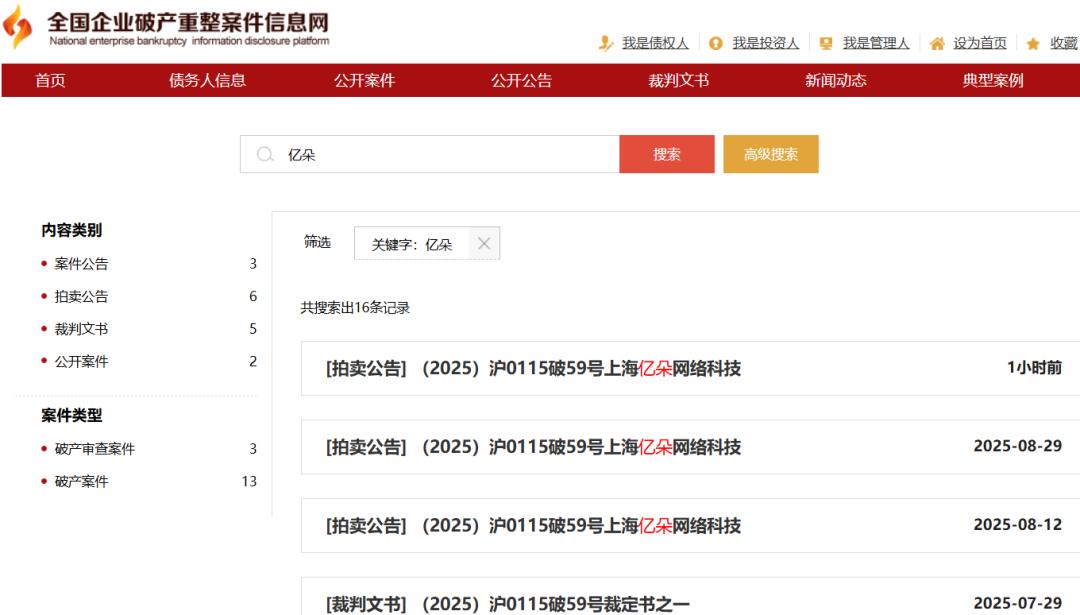
2025年下半年,美妆行业的破产浪潮仍在持续蔓延,上下游企业纷纷受到冲击。 近日,聚美丽从全国企业破产重整案件信息网获悉,美妆TP服务商上海亿朵网络科技有限公司(以下简称"亿朵电商")目前已进入破产清算程序,并公开拍 卖名下资产。 △图片截自全国企业破产重整案件信息网 值得注意的是,早在今年三月,亿朵电商的前员工杜晶晶,就以公司"无法清偿到期债务且明显缺乏清偿能力"为由,向上海市浦东新区人民法院申请对其 进行破产清算。 之后披露的职工债权公示进一步显示,亿朵电商拖欠数名员工工资共计61万元,经营困境彻底浮出水面。 一家曾位列个护家清行业增长榜首位的亿朵电商,为何会走向破产之路? 成立3月内,旗下平台GMV破千万! 据国家企业信用信息公示系统显示,亿朵电商成立于2014年,注册资本761.51万元,专注于大健康领域,为品牌提供一站式全球健康渠道链接、品牌营 销、供应链及新品孵化等服务,覆盖保健、滋补、健康个护、食品及母婴等多个品类。 值得注意的是,亿朵电商旗下平台世销网成立于2019年6月,运营仅五个月便与汤臣倍健、哈药、同仁堂等20余家健康品类头部品牌达成合作。 另外,据其旗下子公司上海支婕在招聘平台上披露信 ...

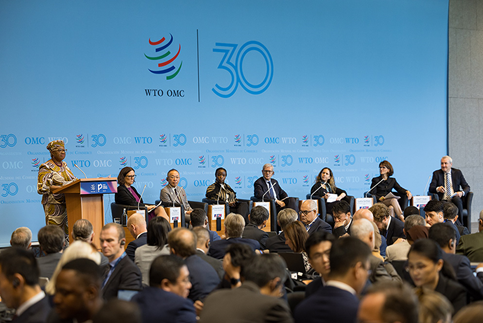
直击世贸组织公共论坛|多边贸易可给商业提供更多确定性和可预测性
Xin Lang Cai Jing· 2025-09-17 23:48
Group 1 - The 2025 WTO Public Forum commenced with 4,200 participants and 350 speakers, focusing on the contribution of trade to global economic growth and the impact of digital transformation on the interconnected global economy [1] - WTO Director-General Ngozi Okonjo-Iweala emphasized that the WTO remains the core of the global multilateral trading system, which safeguards 72% of global goods trade, but reforms and increased predictability are urgently needed [3] - L'Oréal's strategy of "multi-polar operations" involves localizing production, with 95% of products sold in Europe manufactured in Europe, highlighting the importance of proximity to markets [5] Group 2 - L'Oréal's public affairs VP, Cynthia Sanfilippo, stated that businesses should be evaluated not only on products and services but also on their contributions to professional knowledge, training, and job opportunities, emphasizing the need for a standardized international trade system [7] - Rosario Navarro Betteley, president of the Chilean Industrial Promotion Association, noted that half of Chile's GDP comes from international trade, underscoring the necessity of a multilateral trading system for economic certainty and predictability [7] - Lola Aworanti-Ekugo, founder of Afriborder, highlighted the significant internal trade demand in Africa and the challenges faced, advocating for higher-level trade policies and the WTO's guidance to enhance trade flow on a global scale [8][10]
丽人丽妆:上半年合计在运营店铺数量281家,新增合作素力高、唐嘉庭等品牌
Cai Jing Wang· 2025-09-17 09:16
Core Insights - The company held a performance briefing for the first half of 2025 on September 17, highlighting the successful progress of its proprietary brand business [1] - Since 2023, the company has focused on the beauty sector, nurturing brands like "Yurongchu" and "Meiyitang," which have shown significant growth potential [1] - The overall sales revenue of the company's proprietary brands increased by over 80% year-on-year during the reporting period [1] Proprietary Brand Development - The company has been actively developing its proprietary brands, achieving substantial sales growth [1] - The focus on beauty products has allowed the company to cultivate brands with strong growth potential [1] Overseas Brand Introduction - Starting from the second half of 2024, the company will introduce overseas brands to the domestic market through a general agency model [1] - Agreements have been signed with brands such as Ongredients, GEOMAR, and shaishaishai, with a strategic partnership established with Tender Garden to become its general agent in China [1] - The company leverages its strong marketing capabilities and consumer insights to support brand partners in expanding their business in China [1] Sales Channels and Operations - The company primarily operates on the Tmall platform while exploring emerging channels like Douyin [1] - As of the end of the first half of 2025, the company has a total of 281 operational stores, with new partnerships including brands like Suli Gao, Tender Garden, Ongredients, and ENDCARE [1]

促服务消费措施出台,巩固板块信心
HTSC· 2025-09-17 06:32
Investment Rating - The report maintains a "Buy" rating for several companies in the service consumption sector, including Gu Ming, Mi Xue, Cha Bai Dao, Xiao Cai Yuan, Da Shi, and others [7][8]. Core Insights - The recent policy measures aimed at expanding service consumption are expected to boost the service sector, particularly in areas such as cultural tourism, IP consumption, and elderly care [1][2]. - The report highlights the potential for significant growth in China's service consumption, with the current contribution of service industry value added to GDP at 57%, compared to around 70% in developed countries, indicating room for expansion [1][2]. - The report emphasizes the importance of high-quality service supply and the integration of new technologies and business models to enhance the service sector [1][4]. Summary by Sections Policy Measures - The report outlines five key areas with 19 specific measures to promote service consumption, including the cultivation of service consumption platforms and the enhancement of high-quality service supply [3][4]. - Specific initiatives include optimizing cultural product offerings, extending operating hours for tourist attractions, and promoting long-term care insurance [3]. Market Performance - As of August 2025, retail and catering revenue reached 449.6 billion yuan, showing a year-on-year growth of 2.1%, indicating a recovery from previous lows [4]. - Domestic travel during the first half of 2025 saw 3.285 billion trips, a 20.6% increase year-on-year, with spending reaching 3.15 trillion yuan, up 15.2% [4]. Company Recommendations - The report suggests focusing on leading companies with growth potential and strong market positions, such as Gu Ming, Mi Xue, and others, which are expected to benefit from policy support and industry consolidation [5][8]. - Specific companies highlighted for their growth potential include Gu Ming (1364 HK), Mi Xue Group (2097 HK), and others, with target prices set for each [8][12]. Financial Performance - Gu Ming reported a 34.4% year-on-year increase in GMV to 14.1 billion yuan in the first half of 2025, with a net profit of 1.625 billion yuan, reflecting a 121.5% increase [13]. - Mi Xue Group's revenue for the first half of 2025 was 14.87 billion yuan, a 39.3% increase year-on-year, with a net profit of 2.69 billion yuan, up 42.9% [15]. Growth Outlook - The report anticipates that as the new measures are implemented, the service sector will experience a surge in high-quality supply and innovative business models, driving domestic demand growth [4][5].




行以致远|上海静安,一个不断求“新”的现代化国际城区
Xin Lang Cai Jing· 2025-09-17 04:40
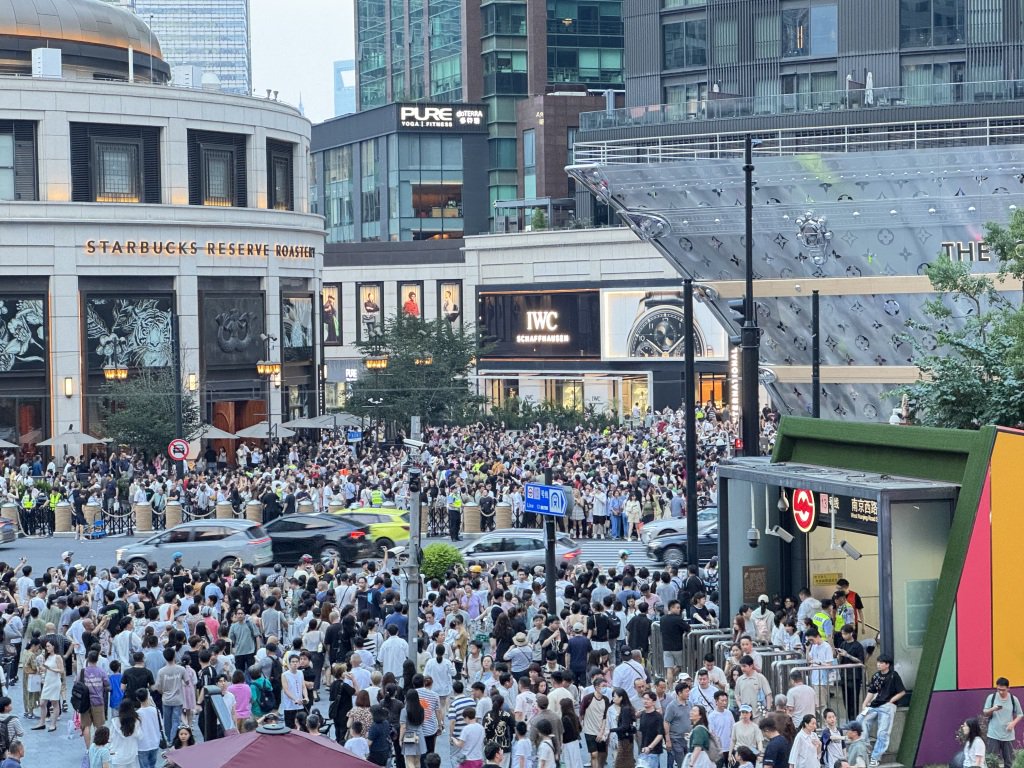
Economic Development - In 2024, the GDP of Jing'an District is projected to reach 336.99 billion yuan, surpassing the 300 billion yuan mark, with public budget revenue of 30.22 billion yuan, ranking among the top in the city [1] - Since 2021, Jing'an has attracted a total of 991 first stores and 85 regional headquarters of multinational companies, with headquarters economy tax contributions growing at an average annual rate of 11.1% [1] Consumer Trends - The arrival of the "Louis" cruise ship in June has significantly boosted foot traffic in the Nanjing West Road business district, with an average daily footfall of 509,300, a year-on-year increase of 61.7% [3] - The sales at Xinyi Taikoo Hui increased by 70%, with surrounding projects also experiencing significant growth, such as Zhangyuan and Starbucks, which saw increases of 110% and 30% respectively [3] Internationalization and Tax Policies - Jing'an District has over 500 merchants participating in the departure tax refund program, accounting for about half of the city's total departure tax refund sales from January to July this year [6] - The district aims to increase the number of departure tax refund merchants to 1,000, enhancing its status as a departure tax refund demonstration area [6] Innovation and Industry Development - The "Meichuang Jingjie" skin health management innovation center has attracted over 40 cosmetic companies since its launch in May, aiming to cultivate a new trillion-yuan skin health industry cluster [8] - The center collaborates with institutions like Huashan Hospital to provide technical support and has established a public laboratory for industry standards and operational processes [10][11] Urban Renewal and Living Environment - The renovation of the former Four Seasons Hotel into the Fengsheng Commercial Center integrates urban resort hotels, fashion commerce, and modern offices, enhancing the commercial ecosystem [12][13] - Jing'an has completed the renovation of 47 old sites, improving living conditions and creating new housing options for urban workers, with a focus on community and support services [14][16]
“十四五”以来 静安核心竞争力更强 特色优势更凸显 总部经济首发经济亮眼
Jie Fang Ri Bao· 2025-09-17 01:45
Economic Performance - Jing'an District's GDP reached 336.99 billion yuan in 2024, surpassing the 300 billion yuan mark, with a per capita GDP of 360,000 yuan, which is 1.5 times that of 2020 [1] - The district's general public budget revenue reached 30.22 billion yuan, ranking among the top in the city [1] Headquarters Economy - Since the 14th Five-Year Plan, Jing'an has added 85 new regional headquarters of multinational companies, bringing the total to 142, along with 26 private enterprise headquarters, leading the city in this regard [2] - The tax revenue contribution from headquarters economy has grown at an average annual rate of 11.1% [2] - Jing'an has attracted 1,122 foreign direct investment projects from 2021 to 2024, an increase of 220 projects compared to the previous five-year period, with contracted foreign capital of 4.83 billion USD, up by 210 million USD [2] Emerging Industries - Jing'an is focusing on enhancing traditional industries while also nurturing emerging sectors, such as the beauty and health industry, aiming to create a new trillion-yuan industry [3] - The "Beauty Innovation Community" has been established as a core platform for collaboration among government, medical research institutions, and enterprises [3] - The district is developing three major platforms: "Digital Communication Valley," "Audio-Visual Jing'an," and "Beauty Innovation Community" to foster innovation and upgrade emerging industries [3] Retail and Consumption - Jing'an has introduced 991 new flagship stores since 2021, making it a leader in the city for new retail formats [4] - Notable projects include the "Louis Vuitton Extraordinary Journey" which opened on June 26, covering 1,600 square meters and significantly boosting foot traffic and sales in the surrounding area [4] - The average daily foot traffic in the shopping district reached 509,300, a year-on-year increase of 61.7%, with nearby businesses also experiencing substantial sales growth [4] Housing and Living Conditions - Jing'an has focused on improving living conditions, with the establishment of the "New Era Builders' Home" providing affordable housing options [5] - The average rent for the apartments is approximately 800-1,000 yuan per bed, with various amenities available [5] - Since the 14th Five-Year Plan, nearly 3,000 new beds have been added to support urban builders [5] Urban Renewal and Infrastructure - The district has prioritized urban renewal, completing the renovation of 47 old residential areas ahead of schedule, benefiting 4,849 households [6] - A total of 1,495 elevators have been installed in existing multi-story residential buildings, and nearly 15,000 rental housing units have been constructed and supplied [6]
江苏“美妆港湾”太仓启航
Xin Hua Ri Bao· 2025-09-16 21:12
Core Insights - Jiangsu's "Beauty Harbor" initiative aims to enhance the high-quality development of the beauty industry in Taicang through a one-stop service window for cosmetics registration and approval [1] - Taicang has become a major hub for the beauty industry in Suzhou, with a comprehensive industrial chain covering R&D, manufacturing, testing, and trade [1] - The Taicang Port has emerged as Jiangsu's largest cosmetics import port, with a total import and export value of $320 million last year, where imports accounted for over $280 million, representing more than 60% of the province's total [1] Industry Development - The Taicang government is committed to building a beauty industry base, leveraging its industrial foundation, geographical advantages, and bonded features to create a complete beauty industry chain [1] - The "Beauty Economy" is being accelerated in Taicang, promoting quality and expansion in consumer goods through new fashion consumption [1] Major Players - Leading companies like Reckitt Benckiser, Procter & Gamble, and Henkel have established significant operations in Taicang, benefiting from its geographical advantages and talent resources [2] - Reckitt's Taicang factory, operational since March 2022, has an intelligent production line capable of producing 400,000 to 500,000 bottles of various hygiene products daily, with 9% of its products exported [2] - Procter & Gamble's Taicang factory is the largest production and logistics base in Asia, while Henkel has recently expanded its operations in the area [2] Ecosystem Growth - The presence of leading enterprises has attracted numerous upstream and downstream companies, including raw material suppliers, packaging firms, and testing service providers to Taicang [3] - The Taicang Biotech Park has welcomed major players like Apra (Jiangsu) Plastic Products Co., Ltd. and Shanghai Weipu Testing Technology Group, enhancing the local ecosystem [3] - The region is also nurturing small and medium-sized R&D cosmetic production companies, contributing to the growth of the medical beauty sector [3] Strategic Goals - The ultimate goal of the "Beauty Harbor" initiative is to create a new growth pole for the county economy and improve the happiness index of residents [3] - Taicang aims to provide optimal resources, comprehensive policy support, and attentive services to ensure a conducive environment for businesses [3]
国货美妆“出海” 扮靓“颜值经济”
Ren Min Ri Bao· 2025-09-16 20:53
Group 1 - The Chinese beauty products industry is accelerating its "going global" strategy, with exports of cosmetics and personal care products expected to reach 51.2 billion RMB in 2024, a year-on-year increase of 11.9% [1] - Incorporating Chinese culture into brand building is seen as an effective strategy for establishing brand recognition in overseas markets, with companies like Plant Doctor Group using traditional Chinese medicinal ingredients to attract consumers [1][2] - The rise of Chinese cultural influence is enhancing the appeal of domestic beauty brands in international markets, as brands that integrate cultural elements into their narratives can build unique recognition [2][3] Group 2 - Localized design strategies are crucial for Chinese beauty brands to succeed in diverse international markets, as consumer preferences vary significantly across regions [4][5] - Companies like Orange Group are focusing on understanding overseas market preferences and adapting their products accordingly, including developing new shades and formulations to meet local needs [4][5] - Establishing local teams and R&D centers abroad helps brands better align with market demands and regulatory standards, enhancing consumer trust and product freshness [5][6] Group 3 - Continuous investment in technological innovation is strengthening the competitive edge of Chinese beauty products in the global market, with companies developing proprietary technologies and establishing comprehensive supply chains [6][7] - The industry is witnessing a shift towards technology-driven growth, with brands increasingly focusing on R&D to create effective products that meet consumer needs [7][8] - The next 3 to 5 years are expected to see an intensified effort from Chinese beauty brands to expand internationally, particularly in emerging markets, facilitated by the growth of cross-border e-commerce [8]

新消费“扮靓”证券化之路 美妆产业链公司扎堆IPO
Shang Hai Zheng Quan Bao· 2025-09-16 18:32
Core Viewpoint - The beauty industry in China is experiencing a surge in IPO activity, driven by supportive policies, strong market demand, and the success of existing public companies [1][6]. Industry Overview - The beauty industry is valued in the hundreds of billions, with significant support from regions like Shanghai and Jiangsu [1]. - Over 30 beauty-related companies are preparing for IPOs this year, with three already listed and others in various stages of the IPO process [1]. - The types of companies preparing for IPOs include brand manufacturers, raw material suppliers, e-commerce service providers, and medical beauty enterprises, with brand manufacturers being the primary focus [1][2]. Company Highlights - Notable brands such as Plant Doctor, Gu Yu, and Lin Qingxuan are among those preparing for IPOs, with Plant Doctor aiming to raise 998 million yuan [2]. - Gu Yu Bio has initiated its A-share IPO process, targeting approximately 4 billion yuan in revenue for 2024 [2]. - Companies like He Yuan Bio, which focuses on biopharmaceuticals and beauty product raw materials, are also entering the IPO market, seeking to raise 2.4 billion yuan [3]. Market Trends - The Hong Kong Stock Exchange has become a preferred destination for beauty companies, with several firms transitioning from A-share listings to pursue opportunities in Hong Kong [4][5]. - The successful IPOs of companies like Mao Ge Ping and Ying Tong Holdings have inspired more beauty companies to consider listing in Hong Kong [4]. Driving Factors for IPO Surge - Three main factors are driving the IPO enthusiasm in the beauty industry: 1. **Industry Dynamics**: The domestic market is seeing a shift towards local brands, with increased consumer confidence and demand for high-quality, cost-effective products [6]. 2. **Company Performance**: Publicly listed beauty companies are demonstrating strong growth, with a reported revenue growth rate of 7.3% for key players in the first half of the year [6]. 3. **Policy Support**: Recent reforms by the Hong Kong Stock Exchange and favorable regulatory policies are creating a more conducive environment for new listings [6].
从花知晓到圣诺医药,中国美妆资本在押注什么未来?
FBeauty未来迹· 2025-09-16 11:29
Core Viewpoint - The Chinese beauty industry is experiencing a significant transformation driven by strategic investments in cutting-edge technology and content-driven brands, indicating a shift towards a more integrated and innovative market structure [4][25][28]. Investment Trends - In the first nine months of 2025, Chinese beauty companies completed 13 investments/acquisitions, with disclosed amounts exceeding 5.5 billion RMB, accounting for nearly 60% of the industry's capital flow [4][6]. - Major funding is concentrated in a few leading projects, indicating a selective investment phase, with the top three projects totaling nearly 5.2 billion RMB [6]. - The focus on technology and raw materials is evident, with regenerative medicine and RNA technology becoming key investment areas [7][24]. Strategic Investments - Huaxi Biological's investment in Saintno Pharmaceutical is a prime example of the focus on small nucleic acid drugs, which have significant potential despite the company currently lacking product sales [7][12]. - Proya's investment in Huazhi Xiao aims to build a business ecosystem, leveraging the brand's influence among young consumers and its potential for overseas expansion [10][13]. International Comparison - International giants like L'Oréal and Unilever are also active in the beauty investment space, with L'Oréal completing eight investments and Unilever seven in the first nine months of the year [14][19]. - The investment logic of international players tends to favor acquiring mature brands, while Chinese companies emphasize strategic collaboration and investment in technology [23][24]. Future Outlook - The current investment trends suggest a restructuring of the Chinese beauty industry, moving towards a model supported by technology, content, and global asset integration [25][30]. - The capital influx is raising industry standards, potentially eliminating smaller players lacking differentiation while providing growth opportunities for niche and innovative brands [24][25]. - The evolving landscape indicates that the future of the global beauty industry may be significantly influenced by the capital dynamics within China, potentially leading to the emergence of new world-class beauty giants from the Chinese capital ecosystem [30].