操作系统

Search documents
世运会期间,成都入境游出行人次同比提升超三成|首席资讯日报
首席商业评论· 2025-08-19 03:38
Group 1 - The founder and CEO of Laifen Technology publicly responded to criticism from a former employee and a media influencer regarding a product comparison video, highlighting concerns about industry trust and corporate anxiety during transformation [2] - Huge Dental Limited's IPO application in Hong Kong has expired after six months, indicating potential challenges in the dental materials market [3] - Shenzhen Metro's response to a request for support of Lingnan Tong card suggests technical compatibility issues, recommending the use of "Traffic United" card instead [4][5] Group 2 - Apple is reportedly developing a new operating system called "Charismatic," which may integrate elements from tvOS and watchOS, expected to launch with future smart home and desktop products [5] - Heytea is set to fully launch on Taobao Flash Sale, expanding its reach in the instant retail market with over 4,000 stores [6] - Alibaba and Ant Group have launched the "City Knight Orange Plan," aimed at providing better incentives and protections for delivery riders across various platforms [7] Group 3 - AVIC Optoelectronics has products applied in the industrial robotics sector, indicating a strategic focus on high-end manufacturing [8] - Chengdu's inbound tourism has surged by over 31% during the World Universiade, with key tourist destinations seeing increased traffic [9] - Wuhan's car replacement policy will be suspended starting August 19, 2025, affecting consumer behavior in the automotive market [10] Group 4 - Yupa Direct Recruitment has completed the strategic acquisition of "Jigongjia," a construction labor service platform, to strengthen its market position and prevent competitive threats [11] - Artist Fan Zeng has reassured the public of his well-being after recent rumors, indicating the impact of public perception on personal branding [12] - Keda Li's subsidiary Kemen is testing high-precision reducers with several quality clients, showcasing advancements in robotics technology [14]


鸿蒙5.0跨越“生死线”:从豪赌独行到产业共鸣
Nan Fang Du Shi Bao· 2025-08-18 15:31
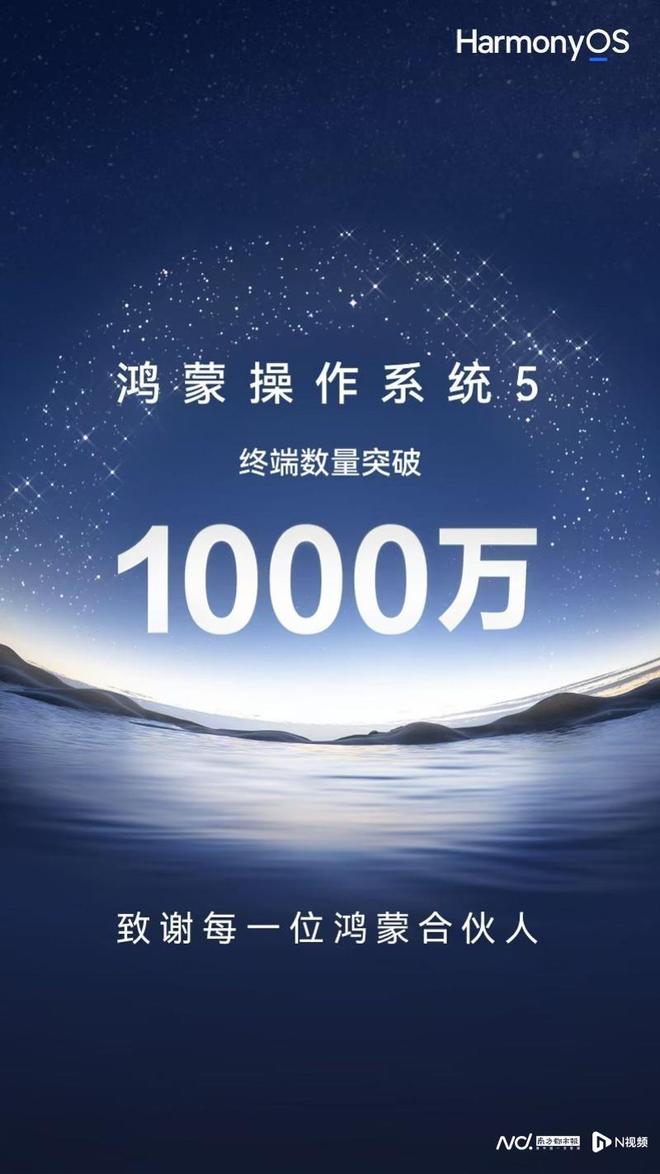
Core Viewpoint - Huawei's HarmonyOS 5.0 has surpassed 10 million device activations, marking a significant milestone in the development of China's domestic operating system ecosystem, indicating it has crossed a critical survival threshold [1][4][8] Group 1: Development and Investment - The achievement of over 10 million activations is the result of six years of investment amounting to hundreds of billions of yuan and the efforts of over 10,000 researchers [4][9] - HarmonyOS has undergone a "triple reconstruction" in its technology, achieving a 40% efficiency improvement, reducing cross-device latency to below 5 milliseconds, and obtaining CC EAL5+ international security certification [5][6] - Huawei's annual investment in HarmonyOS development is substantial, with a focus on attracting top talent and incentivizing developers through programs like the "Star Plan" [9][10] Group 2: Ecosystem and Market Position - The real challenge for HarmonyOS lies in building a robust application ecosystem, as evidenced by the failures of other operating systems like Microsoft Windows Phone and Samsung Tizen due to lack of support [6][11] - As of now, the top 20 applications on HarmonyOS have over 2 million downloads, and there are more than 20,000 native applications and services available [6][10] - HarmonyOS has achieved a market share of 19% in China, surpassing iOS and becoming the second-largest operating system [11] Group 3: Future Prospects and Strategic Importance - The success of HarmonyOS is not just about survival but about thriving in the next decade, with its ability to create a unified language for devices in the Internet of Things era [9][11] - Huawei aims for HarmonyOS to achieve parity with Android and iOS ecosystems by the end of the year, leveraging its advantage of "one-time development, multi-end deployment" [11]
从技术自主到生态飞轮:当鸿蒙5跨过「千万大关」
3 6 Ke· 2025-08-18 10:07
Core Insights - HarmonyOS 5 has surpassed 10 million device installations, marking a significant milestone in establishing a new operating system ecosystem that breaks the dominance of iOS and Android [4][6][9] - The achievement reflects a shift towards a self-sustaining ecosystem where developers are motivated to invest and users have compelling reasons to choose HarmonyOS [3][6][29] Group 1: Milestone Achievement - The announcement of over 10 million installations of HarmonyOS 5 is a critical turning point, indicating the system's entry into a positive feedback loop of ecosystem development [4][6][9] - This milestone is supported by the collaboration of 8 million developers and a vast user base, showcasing the resilience and growth of the Harmony ecosystem [4][9][15] Group 2: Technical and Development Challenges - Transitioning to HarmonyOS 5 involves significant technical challenges, including the need for developers to adapt applications to a completely new architecture, which includes a self-developed kernel and file system [9][10][12] - The development process has required substantial investment, with hundreds of billions allocated over six years and a workforce of over 10,000 annually [12][19] Group 3: Ecosystem Building - HarmonyOS aims to create a robust ecosystem by addressing the "chicken or egg" dilemma of user and developer engagement, leveraging its growing device base to attract developers [17][29] - The strategy includes providing extensive support and resources for developers, such as migration tools and financial incentives, to facilitate the adaptation of popular applications like WeChat and Taobao [18][21][24] Group 4: Market Position and Future Outlook - With the recent success, HarmonyOS is positioned to challenge the existing operating system market dominated by foreign tech giants, aiming to establish a unique identity in the era of interconnected devices [13][26][28] - The growth of HarmonyOS is expected to continue, with plans for further integration across various device types, enhancing user experience and expanding its market presence [15][26][29]

华为产业链分析
傅里叶的猫· 2025-08-15 15:10
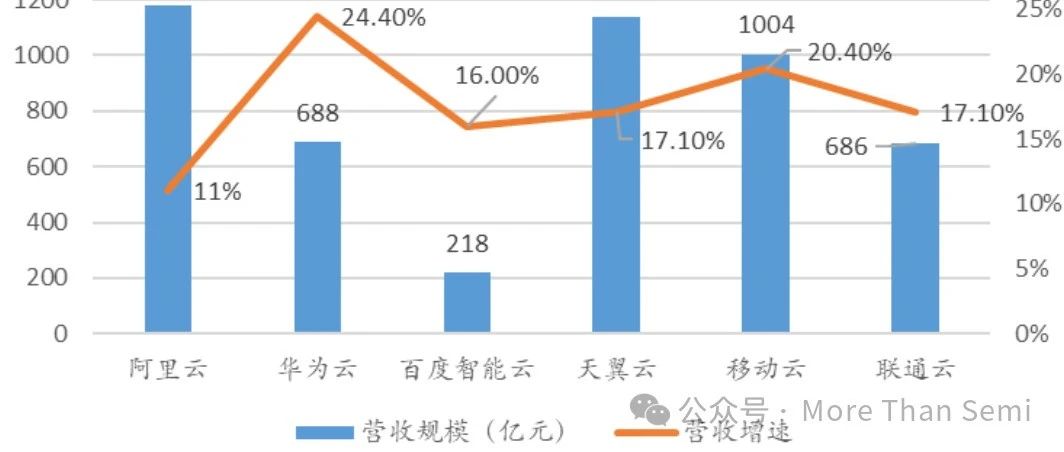
Core Viewpoint - Huawei demonstrates strong technological capabilities in the semiconductor industry, particularly with its Ascend series chips and the recent launch of CM384, positioning itself as a leader in domestic AI chips [2][3]. Group 1: Financial Performance - In 2024, Huawei achieved a total revenue of RMB 862.072 billion, representing a year-on-year growth of 22.4% [5]. - The smart automotive solutions segment saw a remarkable revenue increase of 474.4%, while terminal business and digital energy businesses grew by 38.3% and 24.4%, respectively [5]. - Revenue from the Chinese market reached RMB 615.264 billion, driven by digitalization, intelligence, and low-carbon transformation [5]. Group 2: Huawei Cloud - The overall public cloud market in China is projected to reach USD 24.11 billion in the second half of 2024, with IaaS accounting for USD 13.21 billion, representing a year-on-year growth of 14.4% [6]. - Huawei Cloud holds a 13.2% market share in the Chinese IaaS market, making it the second-largest cloud provider after Alibaba Cloud [6]. - Huawei Cloud's revenue growth rate reached 24.4%, the highest among major cloud vendors in China [6]. Group 3: Ascend Chips - The CloudMatrix 384 super node integrates 384 Ascend 910 chips, achieving a cluster performance of 300 PFLOPS, which is 1.7 times that of Nvidia's GB200 NVL72 [10]. - The single-chip performance of Huawei's Ascend 910C is approximately 780 TFLOPS, which is one-third of Nvidia's GB200 [10][11]. - The Ascend computing system encompasses a comprehensive ecosystem from hardware to software, aiming to meet various AI computing needs [15][20]. Group 4: HarmonyOS - HarmonyOS features a self-developed microkernel, AI-native capabilities, distributed collaboration, and privacy protection, distinguishing it from Android and iOS [12]. - The microkernel architecture enhances performance and fluidity, while the distributed soft bus technology allows seamless connectivity among devices [12][13]. Group 5: Kirin Chips - The Kirin 9020 chip has reached high-end processor standards, comparable to a downclocked Snapdragon 8 Gen 2 [23]. - The Kirin X90 chip, based on the ARMv9 instruction set, features a 16-core design with a frequency exceeding 4.2GHz, achieving a 40% improvement in energy efficiency [25][26]. Group 6: Kunpeng Chips - Kunpeng processors are designed for servers and data centers, focusing on high performance, low power consumption, and scalability [27]. - The Kunpeng ecosystem strategy emphasizes hardware openness, software open-source, enabling partners, and talent development [29].
我国人工智能专利数占全球60%
Xin Hua She· 2025-08-14 07:30
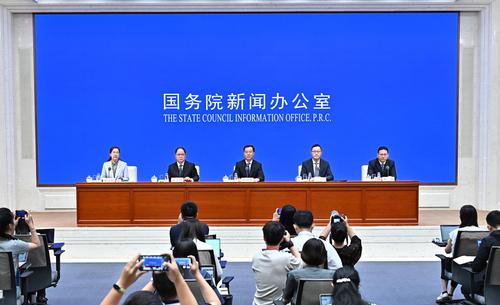
8月14日,国务院新闻办公室在北京举行"高质量完成'十四五'规划"系列主题新闻发布会。国家发 展改革委党组成员、国家数据局局长刘烈宏介绍,经过多年持续攻坚,我国在数字领域突破了一批关键 核心技术,展示出我国显著的发展成绩。集成电路加快布局,形成覆盖设计、制造、封装测试、装备材 料的完整产业链;国产操作系统加速崛起,鸿蒙系统生态设备总量突破11.9亿台,为手机、汽车、家电 等1200多类产品装上"智能中枢";我国人工智能综合实力实现整体性、系统性跃升,人工智能专利数量 占全球总量的60%。 ...
数说“十四五”成就丨数字中国建设新进展
Xin Hua Wang· 2025-08-14 07:16
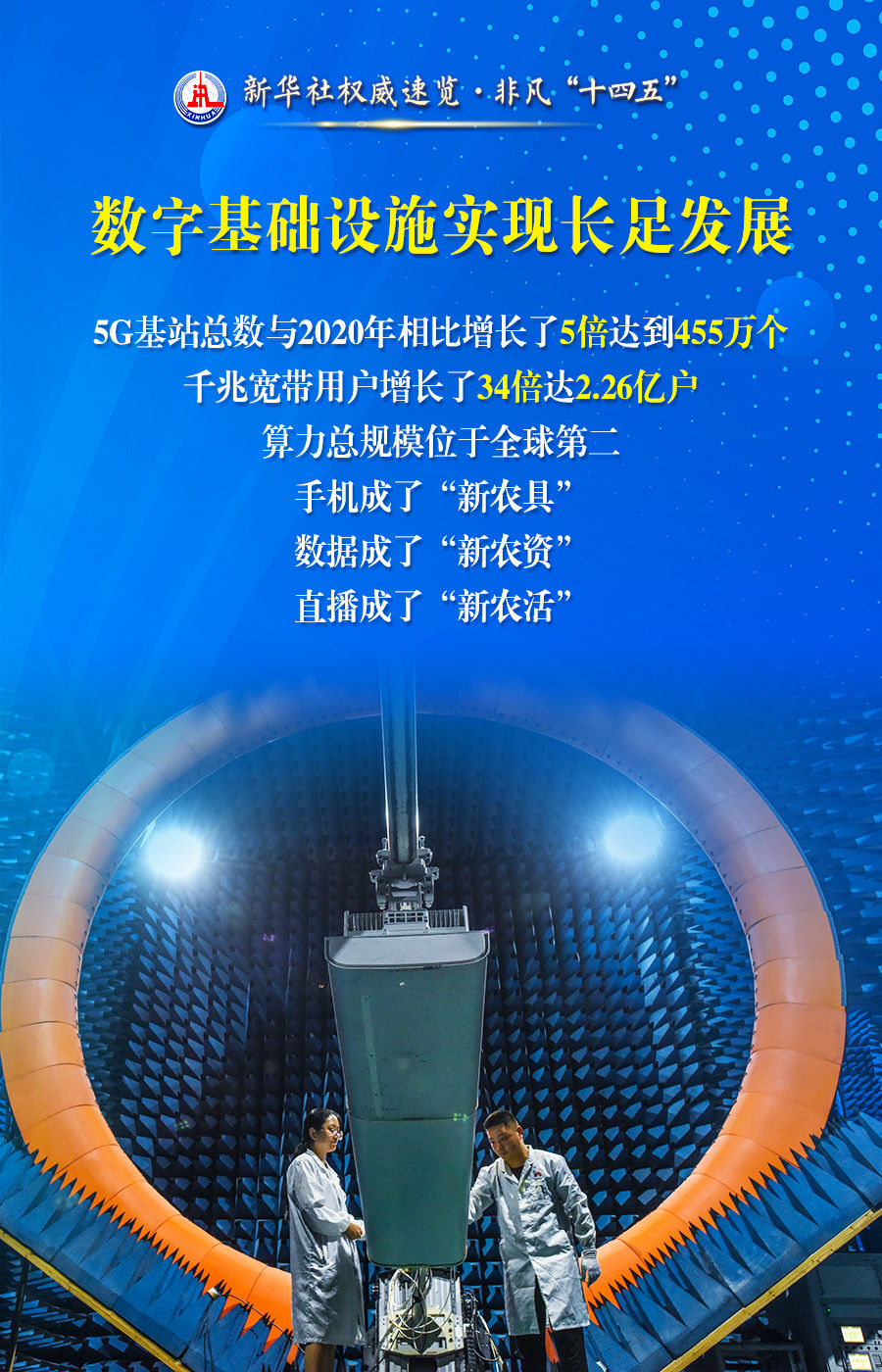
Core Insights - The article highlights the significant progress made in the construction of a digital China during the "14th Five-Year Plan" period, emphasizing advancements in digital infrastructure, technology innovation, and the digital economy [1][2]. Digital Infrastructure Development - China's digital infrastructure has achieved world-leading status, with the total number of 5G base stations increasing fivefold compared to 2020, reaching 4.55 million by June 2025. Gigabit broadband users have surged 34 times to 226 million [3]. - The investment in digital infrastructure has created substantial market demand, fostering the development of the information and communication technology industry chain, including integrated circuits, communication network equipment, computers, servers, and terminal products [3]. - The deployment and upgrade of digital infrastructure have spurred the growth of new business models such as online shopping, remote education, telemedicine, and the 5G+ industrial internet [3]. Technological Innovation - The "East Data West Computing" initiative is being implemented to promote a scientific layout of computing power, with five out of eight computing power hub nodes located in the western region, leveraging its clean energy advantages and promoting regional coordinated development [4]. - The integrated circuit industry is rapidly developing, forming a complete industrial chain covering design, manufacturing, packaging, testing, materials, and equipment [6]. - The domestic operating system, exemplified by HarmonyOS, has seen its ecosystem devices exceed 1.19 billion units, supporting over 1,200 types of products including smartphones, cars, and home appliances [7]. Data Element Value Release - The value of data elements is being accelerated, with 21 policies introduced last year for the development and utilization of public data resources, and over ten more policies planned for this year, including data property rights [10]. - A national integrated data market is being rapidly constructed, with data enterprises emerging around data aggregation, sharing, and utilization, and standards and norms being continuously introduced [11]. Digital Economy Growth - By the end of 2024, China's software revenue is expected to grow by 80% compared to 2020, while the added value of the electronic information manufacturing industry is projected to increase by over 70% [14]. - The digital economy is creating over 100 new types of jobs, generating new employment opportunities [15]. - Digital public services are becoming more accessible, with improvements in education, healthcare, social security, and elderly care services, effectively addressing the "last mile" issue in public service delivery [16].

新华社权威速览·非凡“十四五”|“数字中国”建设成就,成绩单来了!
Xin Hua She· 2025-08-14 06:47
千兆宽带用户增长了34倍、算力总规模位于全球第二、人工智能专利数量占全球总量的60%……14日举行的"高质量完成'十四 五'规划"新闻发布会上,国家数据局对数据产业发展、数据资源开发利用等有关"数字中国"建设发展情况进行了介绍。这组海 报,带你了解。 新华社权威速览 · 非风 · " 数字技术创新实现新突 集成电路加快布局 形成覆盖设计、制造、封装测试、材料和装备的完整产 国产操作系统加速崛起 鸿蒙生态设备总量突破11.9亿台 为手机、汽车、家电等1200多类产品装上了"智能中机 人工智能专利数量占全球总量的60% 新华社权威速览 · 非风 · " 新华社权威速览 · 非风 · 十 数据要素价值加快释放 去年推出了公共数据资源开发利用等21项政务 今年还将推出数据产权等10多项制度 深人实施"数据要素 ×"行动 开展公共数据"跑起来"示范场景建设 新华社权威速览 ·非凡· 数字经济发展动能更加强3 截至2024年底,我国软件收入规模较2020年增长80% 规模以上电子信息制造业增加值增长超70% 建成了万余家智能工厂 覆盖超过80%的制造业行业大类 智能家居、智能穿戴等成为消费的新潮流 数字经济的蓬勃发展带动 ...
新华社快讯:“十四五”以来我国数字领域突破一批关键核心技术
Xin Hua She· 2025-08-14 02:33
Core Insights - China has made significant breakthroughs in key core technologies in the digital field, showcasing remarkable development achievements [1] Industry Developments - The integrated circuit industry is accelerating its layout, forming a complete industrial chain that covers design, manufacturing, packaging and testing, as well as equipment and materials [1] - The domestic operating system is rapidly rising, with the Harmony system ecosystem exceeding 1.19 billion devices, equipping over 1,200 types of products including mobile phones, automobiles, and home appliances [1] - China's artificial intelligence capabilities have achieved a comprehensive and systematic leap, with AI patent numbers accounting for 60% of the global total [1]
“十四五”以来我国数字领域突破一批关键核心技术
Xin Hua She· 2025-08-14 02:11
Group 1 - The core viewpoint of the article highlights China's significant advancements in the digital sector, showcasing breakthroughs in key core technologies and the establishment of a complete industrial chain in integrated circuits [1] - The integrated circuit industry in China is rapidly developing, covering design, manufacturing, packaging, testing, and equipment materials [1] - The domestic operating system, represented by the Harmony OS, has seen accelerated growth, with the total number of ecosystem devices surpassing 1.19 billion, integrating "smart cores" into over 1,200 product categories including mobile phones, automobiles, and home appliances [1] - China's overall strength in artificial intelligence has achieved a comprehensive and systematic leap, with AI patent applications accounting for 60% of the global total [1]
[燃!逆袭] 帮主直拍大腿收评:指数装睡个股嗨!这三兄弟凭啥逆天改命?
Sou Hu Cai Jing· 2025-08-08 08:34
Market Overview - The three major indices showed a slight decline, with the Shanghai Composite Index down by 0.12%, while the Shenzhen Component and ChiNext Index experienced more significant losses, particularly the North Securities 50, which dropped over 1% [3] - Despite the index declines, over 2400 stocks in the market were in the green, indicating a divergence between index performance and individual stock movements [1][3] Key Sectors and Policies - **Rail Transit Equipment**: The sector saw a surge, with companies like Jiao Da Tie Fa hitting the 20% limit up. This was driven by the National Energy Administration's new policy promoting high-voltage projects, which is expected to boost domestic production and overseas orders significantly [3][4] - **Construction Machinery**: Companies such as Iron Tuo and Wu Xin experienced gains exceeding 10%, fueled by new policies from Heilongjiang province offering substantial subsidies for equipment upgrades and renewable energy projects [3][4] - **Wind Power Equipment**: Fei Wo Technology achieved a 20% limit up, supported by policies in Shanghai and Hebei aimed at upgrading wind power equipment, with a notable investment of 9.3 billion yuan for the renovation of old wind turbines [4] Market Sentiment and Trends - The current market is characterized by a significant influx of policy support, particularly in sectors related to equipment upgrades and renewable energy, which are seen as key areas for medium to long-term investment [4][5] - The ERP sector faced a sharp decline, with companies like Dingjie Smart dropping 13%, attributed to a shift in enterprise digitalization trends [4] - The AI sector, particularly related to Huawei's Ascend computing power, remains a focal point for long-term investment despite short-term fluctuations [4][5] Investment Strategy - Companies are encouraged to focus on sectors with strong technological capabilities, substantial orders, and attractive valuations, as these will present solid investment opportunities when market sentiment stabilizes [5] - The emphasis is on a long-term investment approach, identifying industries that are poised for growth under supportive policy environments [5]