
烘焙

Search documents
糕点老字号做西点:是在追风口,还是找到了真正的市场机会?
东京烘焙职业人· 2025-12-21 08:33
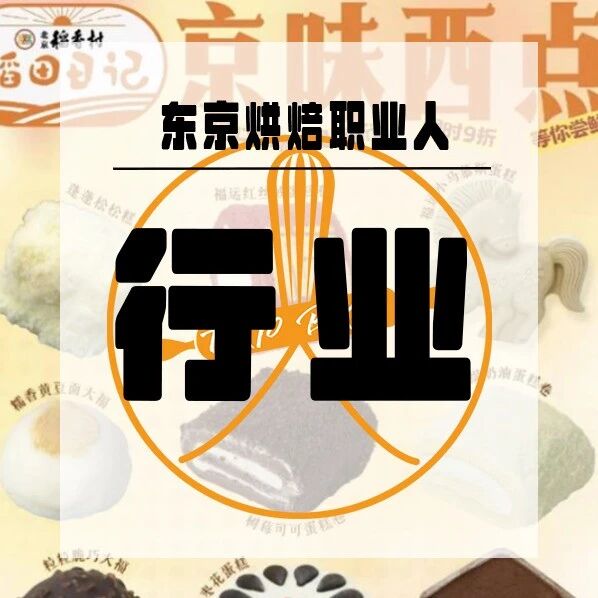
以下文章来源于洞见商机 ,作者洞见商机编辑部 " 北京老字号开始做西点蛋糕了!近日,北京稻香村零号店上线了12款"京味西点",复刻老北京大懒龙造型的蛋糕卷、以传统经典松花蛋糕为 原型的西式蛋糕、福运小马慕斯 蛋糕等……这 些西点刚一上线,就成为店里的热卖款。 在烘焙赛道竞争日益激烈的今天,作为中式糕点标杆的老字号品牌,稻香村做出跨界西点的举动,究竟是一次追赶年轻化风口的短期尝试,还 是基于长期市场洞察之后,为自身发展找到的真正机会? 洞见商机 . 有观点的连锁行业媒体 亟待转型的中式糕点行业推动稻香村做西点 北京稻香村尝试跨界做西点,其背景是整个中式糕点普遍面临中式糕点增长天花板和客群老化问题。这并非个例,而是老字号群体在新时代共同面临的共 性问题。 1.中式糕点行业的共同挑战 传统的中式糕点长期与节庆、礼品等词深度绑定在一起,导致其复购率较低。在消费端,许多中式糕点品牌和相关的老字号品牌,在年轻消费者的心中存 在着"传统""不够时尚"的刻板印象。 同时,糕点市场当中充斥着大量造型、口味都很相近的产品,并且许多商品不能满足年轻一代消费者对于糕点的需求,整个行业的创新力不足,对顾客的 吸引力较低。 图源:小红书 ...

【独家专访】“面包店应是社区的餐桌”:广州这家烘焙店,凭借“在地化”把面包做成街坊的日常
东京烘焙职业人· 2025-12-19 08:34
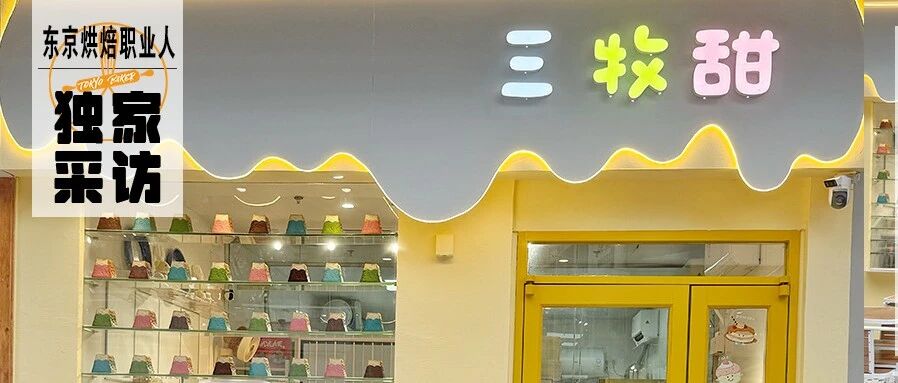
Core Viewpoint - The article highlights the unique approach of the bakery "Sanmu Sweet" in Guangzhou, emphasizing the importance of daily consumption over mere innovation in the baking industry. The founders focus on creating products that resonate with local consumers' everyday lives rather than chasing trends [2][4][7]. Group 1: Market Characteristics - Guangzhou is one of the cities with the highest acceptance and consumption density for baking in China, yet it is also the least likely to be swayed by labels or concepts [4]. - The challenge for bakeries in Guangzhou is not just to stand out but to remain relevant after gaining initial attention [4]. Group 2: Founders' Background - The founders, Lin Dexuan and Ma Yuting, both graduated from Le Cordon Bleu in Tokyo and have extensive experience in the baking industry, including successful operations in Taiwan [7]. - Lin Dexuan believes that simply replicating successful models from Taiwan in Guangzhou would not be effective; instead, a deep understanding of the local market is essential [7]. Group 3: Product Innovation - "Sanmu Sweet" features a key product, the colorful cloud toast, which utilizes local ingredients and a unique steaming-baking technique to enhance texture and moisture [10][12]. - The bakery has introduced seasonal limited editions, maintaining a focus on handmade production and limited supply to create a sense of exclusivity [13]. Group 4: Consumer Preferences - The founders adjusted their recipes to cater to local tastes, such as reducing sugar in their pineapple cakes to align with Guangzhou consumers' preference for less sweetness [15]. - A significant innovation is the "Cousin's Ginger Scallion Chicken Baguette," which incorporates local flavors into a traditional French bread, reflecting the local culinary culture [20][21]. Group 5: Business Philosophy - "Sanmu Sweet" aims to be a community bakery rather than a trendy spot, with a focus on transparency in production and a reservation system for popular items to ensure freshness [23][27]. - The bakery emphasizes quality ingredients and a philosophy of slow, thoughtful baking, positioning itself as an extension of the community's dining experience [27]. Group 6: Community Engagement - The founders have invested time in understanding Guangzhou's food landscape, which informs their product development and helps them integrate deeply into the local culture [29][30]. - The bakery's approach to community engagement has proven valuable, especially during the pandemic, as it became a reliable food source for local residents [27]. Group 7: Industry Trends - The article notes a shift in the baking industry, where local trends are increasingly influencing broader culinary practices, with a growing recognition of Chinese baking innovations [34][35].
面包届,真的很需要一个“蜜雪冰城”!
东京烘焙职业人· 2025-12-18 08:33
Core Insights - The baking industry has experienced rapid growth in recent years, particularly in first-tier cities, but this growth model is facing challenges when replicated in lower-tier cities [2][14] - The high price point of baked goods may not indicate true market expansion, as it creates barriers for broader consumer access [4][16] - The industry is at a crossroads, with a choice between catering to a niche, high-end market or addressing the everyday needs of a larger consumer base [5][13] Market Structure - The domestic baking market is highly segmented, with a premium segment offering luxury products, such as "black swan" pastries from brands like Haolilai, which are positioned as luxury items [7] - There is a middle-class comfort zone represented by brands like B&C and Mr. Stone's Oven, which provide stable, quality products that resonate with middle-class aspirations for a quality lifestyle [8] - Community-oriented stores and regional flavor shops fill the market, relying on local craftsmanship and consumer habits, but struggle to create a unified commercial language [10] Industry Challenges - The rapid evolution of the industry has overlooked the essential infrastructure needed for mass-market appeal, leading to a disconnect between high-end offerings and everyday consumer needs [13][16] - The entry of high-priced bakery models into lower-tier cities does not align with the local consumer's purchasing power and structure [14] - The industry's focus on high-end narratives has created a barrier for broader market access, transforming bread from a staple into an event-driven luxury [16][28] Competitive Landscape - New retail supermarket baking sections are quietly capturing market share by offering high-quality products at significantly lower prices, leveraging efficient supply chains [19][22] - Supermarkets provide a "convenient purchase" scenario, integrating baked goods into regular shopping habits, thus reducing decision-making costs for consumers [22] - The baking industry faces challenges in scaling due to the complexity of bread production, reliance on skilled craftsmanship, and a long-standing focus on individual artisans rather than systematic approaches [23][25][27] Future Directions - The industry needs a transformative shift towards supply chain narratives, focusing on efficiency and technology in production rather than just storefront aesthetics [31] - There is a call for enhancing the value of basic baked goods, such as bread and rolls, to establish a foundation for frequent consumer purchases [33] - A balance between cultural appeal and addressing fundamental consumer needs is essential for creating a widely accepted baking brand that resonates with everyday life [35][37]

30元一枚贝果、80元一条吐司,面包为啥变贵了?
Ren Min Ri Bao· 2025-12-18 07:39
不少城市消费者发现,面包变贵了。 走进北京街头的面包店,中等个头的面包售价通常直奔20、30多元,十元以下的面包几乎难寻踪 迹。在不少网红打卡店,价格更是超出预期,30元一枚的贝果、80元一条的吐司……不少消费者在结账 时心头一颤,直呼遇到了"面包刺客"。 即使在超市、便利店的面包区域,消费者也会发现价格整体往上抬升了不少。从过去的三五元到七 八元,再到动辄10元以上,面包似乎是超市货架上涨价最为明显的品类之一。"买面包以前是日常,每 天拿来当早饭,现在越来越不敢随便拿,一不小心就'轻奢'了。"有在校大学生这样调侃。 在社交平台上输入"面包"关键词,也会发现许多关于价格的讨论帖。"鸡枞菌芝士汤种恰巴塔""脆 香核桃马里奥""马苏里拉熔岩卷"……现在的面包确实种类繁多、花样出新,但随之而来,价签上的数 字也是一路攀升。 面包为啥变贵了? 北京一家面包房"二十四个面包师"的研发负责人算了一笔账,影响面包价格的主要是三大因素:房 租、人力和原材料。 "以我们在东四十条的门店为例,房租能占到营业额的15%—20%,这是最大的开销之一。"该负责 人解释,为了提供更优质的服务与体验,店内配备了充足的前后场人员,使得人力成 ...
大家排队买的面包店,一年倒了8万家
36氪· 2025-12-17 15:18
Core Insights - The article discusses the rapid growth and subsequent challenges faced by the fresh-baked goods industry in China, highlighting the shift from a booming market to one characterized by oversaturation and competition [5][6][9]. Group 1: Market Dynamics - The number of bakery stores in China reached approximately 298,000 as of November 13, 2023, down from 340,000 the previous year, indicating a net decrease of 77,000 stores despite the addition of 17,300 new bakeries in the past year [6][9]. - The year 2024 is anticipated to be a pivotal year for fresh-baked goods, with many emerging brands expanding rapidly, despite consumers expressing concerns about affordability [5][6]. - The fresh-baked goods market in China was valued at 249.6 billion yuan in 2019 and is projected to reach 521.4 billion yuan by 2028, with bread expected to account for over 45% of the market share by that time [13]. Group 2: Business Model and Costs - Fresh-baked goods stores require significant upfront investment, with initial costs for a single store estimated at around 3.5 million yuan, including equipment, rent, and staffing [20][22]. - The operational model relies heavily on in-store production, necessitating larger kitchen spaces and more staff, which increases operational complexity and costs [18][20]. - A fresh-baked goods store must achieve monthly sales of 600,000 to 800,000 yuan to break even, contributing to the perception of high product prices among consumers [20][22]. Group 3: Competitive Landscape - The industry is experiencing a phase of "involution," where increased competition leads to price wars and product homogenization, making it difficult for brands to differentiate themselves [24][27]. - New entrants are often engaging in aggressive promotional strategies, such as significant discounts, which can undermine profitability and create unsustainable business practices [28][30]. - Established brands with a longer history and experienced staff are better positioned to survive the competitive landscape, while newer brands may struggle to maintain quality and customer loyalty [23][31].
成都市成华区福又福烘焙店(个体工商户)成立 注册资本1万人民币
Sou Hu Cai Jing· 2025-12-16 10:17
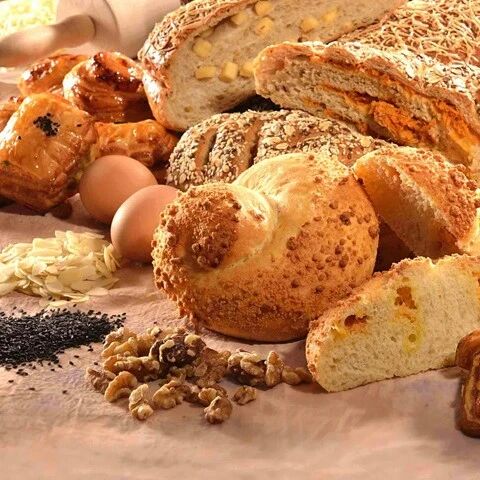
Group 1 - Chengdu's Chenghua District has established a new bakery store named "Fuyoufu," with a registered capital of 10,000 RMB [1] - The legal representative of the bakery is Deng Boren, indicating a personal ownership structure [1] - The business scope includes catering services that do not produce smoke, odor, or waste gas, as well as food sales and internet food sales [1] Group 2 - The bakery is also involved in general projects such as information technology consulting services and delivery services [1] - The operation of the bakery is subject to approval from relevant authorities, and specific business activities will depend on the approval documents or permits [1] - The bakery can independently conduct business activities based on its business license, except for projects that require legal approval [1]
【独家专访】对话「泡泡烘焙不藏私」主理人泡泡:10 年烘焙路,做粉丝最信赖的 “避坑指南”!
东京烘焙职业人· 2025-12-16 08:33
东京烘焙职业人原创《中国烘焙匠人店》系列已开启。来 # 听创始人说,说他们精彩的创业故事。 我们希望能够从创始人、主理人的经历中,去记录、去观察、去思考开店这件不容易的事情,我们 相信,这是一种值得探索的事。 【独家采访 · 第 195 家】 在烘焙圈,有这样一位 "沉浸式深耕" 的达人 —— 泡泡 。 从"斜杠青年"到全职自媒体人,从早期公众号长图文测评到小红书视频直播,她在烘焙坑里 "躺平" 10 年,却始终保持着对行业的热忱与对粉丝的赤诚。 如今, 「泡泡烘焙不藏私」 已成为无数烘焙爱好者的 "取经地",什么产品好用,什么地方踩坑, 泡泡用 "不藏" 的初心,在自媒体赛道上走出了专属自己的道路。 近期,我们对话泡泡,解锁她的烘焙创业秘籍、内容创作逻辑与行业深度洞察! 东京烘焙职业人: 能否先和大家聊聊你的烘焙之路? 从上班族到全职自媒体人,这个转变的契机是 什么? 泡泡: 大家好,我是泡泡!一个深耕烘焙 10 年,且打算一直坚守下去的资深发烧友。2022 年之 前,我是典型的 "斜杠青年"—— 白天是朝九晚五的上班族,晚上和周末就化身烘焙测评博主「山贼 95270」,用超详细的长图文帮新手们 "避坑拔草 ...

深圳市春上春树里烘焙有限公司成立 注册资本10万人民币
Sou Hu Cai Jing· 2025-12-16 07:48
天眼查App显示,近日,深圳市春上春树里烘焙有限公司成立,法定代表人为郑春苑,注册资本10万人 民币,经营范围为一般经营项目是:食品销售(仅销售预包装食品);食品互联网销售(仅销售预包装 食品)。(除依法须经批准的项目外,凭营业执照依法自主开展经营活动),许可经营项目是:餐饮服 务(不产生油烟、异味、废气);食品销售;食品互联网销售。(依法须经批准的项目,经相关部门批 准后方可开展经营活动,具体经营项目以相关部门批准文件或许可证件为准)。 ...
南京市江宁区蜜谷集烘焙店(个体工商户)成立 注册资本5万人民币
Sou Hu Cai Jing· 2025-12-16 00:44
天眼查App显示,近日,南京市江宁区蜜谷集烘焙店(个体工商户)成立,法定代表人为杨曼晨,注册 资本5万人民币,经营范围为许可项目:食品销售(依法须经批准的项目,经相关部门批准后方可开展 经营活动,具体经营项目以审批结果为准)一般项目:食品互联网销售(仅销售预包装食品);外卖递 送服务;个人互联网直播服务;玩具、动漫及游艺用品销售(除依法须经批准的项目外,凭营业执照依 法自主开展经营活动)。 ...
烘焙行业洗牌:传统品牌不断关店 行业增长逻辑与竞争格局彻底改写
Xin Lang Cai Jing· 2025-12-15 06:10
Core Insights - The traditional baking brand 85°C is experiencing a significant contraction, highlighted by the closure of its last store in Beijing on October 28, 2023, while simultaneously testing a new donut store concept [1][7] - This situation reflects a broader survival crisis faced by traditional baking brands, indicating a shift from incremental expansion to intense competition in a saturated market [1][7] Company Summary - 85°C's parent company, Meishi-KY, reported a revenue decline of 11.08% in the first half of 2025, amounting to 35.22 billion New Taiwan Dollars (approximately 8.22 billion RMB), with potential losses exceeding 93 million RMB for the year if operational adjustments are not made [2][8] - The brand has initiated a strategic contraction, exiting markets like Jinan and closing stores in major cities such as Beijing, Hangzhou, and Nanjing, with over 400 stores still operational but a clear trend of closures [2][8] - In response to market pressures, 85°C is launching a new "85°C DONUt" concept, featuring a compact store model of around 10 square meters, offering 14 SKUs including 13 types of donuts and 1 sandwich, priced between 6-10.8 RMB [2][8] Industry Summary - The baking industry is witnessing a collective closure trend across various brands and regions, with notable examples including Paris Baguette and other international brands facing similar challenges in the Chinese market [3][9] - Data indicates that the average lifespan of baking stores in China is only 32 months, with 57% of stores closing within two years of opening [3][9] - The market is projected to grow, with estimates suggesting a market size of 611.07 billion RMB in 2024, increasing to 662.15 billion RMB in 2025, but the distribution of growth benefits is heavily skewed [4][10] - Rising costs and product homogenization are critical challenges for traditional brands, leading to reduced profit margins and diminished appeal to younger consumers [4][10] Competitive Landscape - Tea brands are emerging as significant disruptors in the baking market, with strategies that integrate baking and tea offerings, such as Nayuki's Tea and other brands introducing baked goods alongside beverages [5][11] - Convenience stores and supermarkets are also diversifying their offerings with in-house baked products, further fragmenting the market [5][11] - A report predicts that by 2030, the market share of traditional baking stores will decrease from 77% to 71%, indicating a shift towards integrated consumer experiences [5][11]