汽车

Search documents
斯特兰蒂斯去年下半年净亏损201亿欧元,受电动汽车减记影响
Xin Lang Cai Jing· 2026-02-26 07:41
该公司去年下半年调整后的营业利润(AOI)为负13.8 亿欧元(约合 16.3 亿美元)。净亏损和 AOI 的 数值均在该公司本月早些时候公布的初步预估范围内。 斯特兰蒂斯表示,去年下半年的净营收同比增长了10%。该公司称,去年已计提了 254 亿欧元的资产减 值,这导致 2025 年的业绩"反映了对能源转型速度的高估所带来的成本"。 这些资产减值包括约 65 亿欧元的现金支出,预计将从2026 年起分四年逐步完成。 该公司周四再次公布了 2026 年的预测,预计净营收将呈中单位数增长,调整后营业利润率保持在较低 的个位数水平。该公司预计其工业自由现金流要到 2027 年才会转为正值。 斯特兰蒂斯还确认今年将不发放股息。 责任编辑:于健 SF069 全球第四大汽车制造商斯特兰蒂斯(Stellantis)周四公布,2025年下半年净亏损201亿欧元。此前该公 司在本月早些时候表示,该期间将计提与缩减电动汽车计划有关的222亿欧元的费用。 全球第四大汽车制造商斯特兰蒂斯(Stellantis)周四公布,2025年下半年净亏损201亿欧元。此前该公 司在本月早些时候表示,该期间将计提与缩减电动汽车计划有关的222亿 ...
千万补贴撬动消费热潮眉山东坡新春促消实现“开门红”
Sou Hu Cai Jing· 2026-02-26 07:35
Group 1 - The core viewpoint of the news is that the Dongpo District has successfully implemented a series of consumer promotion activities during the Spring Festival, significantly boosting local economic activity through various initiatives [1][2][4] - The district's initiatives included the distribution of consumption vouchers, subsidies for bulk commodities, and special exhibitions, which collectively injected strong momentum into the economy for the first quarter [1] - Consumer engagement was high, with a reported direct impact of approximately 50 million yuan on related consumption during the Spring Festival holiday, indicating a successful activation of public spending [1] Group 2 - For the automotive sector, the Dongpo District launched a 1 million yuan subsidy for car purchases from February 1 to 15, encouraging consumers to trade in old vehicles for new ones, which resulted in over 50 million yuan in sales across related sectors [2] - Major retailers such as Hongyuan Shangcheng Supermarket and Walmart held 15 promotional events, leading to a 6% increase in foot traffic and an 8% rise in daily sales compared to the previous year [2] - The rural consumption market also thrived, with events like the Wansheng Town Spring Festival Shopping Festival expected to generate over 10 million yuan in consumer spending, showcasing the dual growth of cultural festivities and consumer enthusiasm [4]


换电重卡破局交通碳达峰 技术与模式待攻坚
Zhong Guo Qi Che Bao Wang· 2026-02-26 07:25
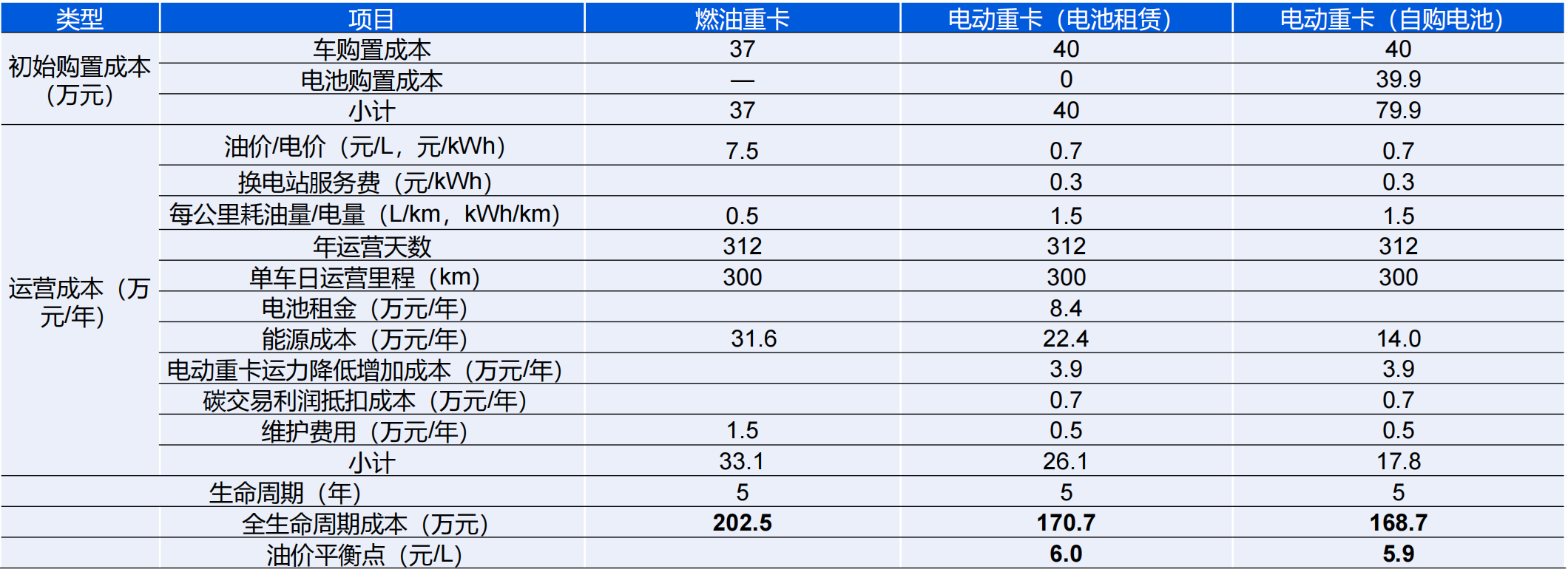
Group 1 - NIO has achieved quarterly profitability, validating the commercial viability of the battery swapping model in the passenger vehicle sector, which raises questions about its replication in the heavy-duty truck segment as a key exploration direction for carbon peak progress in transportation [1] - Heavy-duty trucks, despite their low ownership rate, are a major source of vehicle pollution, making the large-scale promotion of battery-swapped heavy trucks a crucial strategy for addressing carbon peak challenges in the transportation sector [2][3] Group 2 - Heavy-duty fuel (gas) vehicles account for only 2% of the total vehicle ownership but contribute 75% of the annual NOₓ emissions, highlighting their significant role in air pollution [3] - The market for battery-swapped heavy trucks is expected to grow significantly, with sales projected to reach 29,000 units in 2024, a year-on-year increase of 95.4%, representing 37.7% of total new energy heavy truck sales [3] Group 3 - The economic advantages of battery-swapped heavy trucks are driving market expansion, with their market share increasing from approximately 5.2% in 2019 to 49.5% in 2022, and expected to exceed 80% by 2030 [4] - Battery-swapped heavy trucks reduce initial purchase costs by about 40% through a "vehicle-battery separation" model, making them competitive with traditional diesel trucks [5] Group 4 - The lack of unified technical standards is a major barrier to the industry, as differences in battery size, interface specifications, and voltage parameters hinder cross-brand compatibility and widespread adoption of battery-swapped heavy trucks [8] - Infrastructure development is lagging, with a significant shortage of battery swap stations, particularly in long-haul transport scenarios, leading to a mismatch between supply and market demand [8][9] Group 5 - The profitability of battery swap station operations is challenged by high initial investments and long payback periods, compounded by unstable transport capacity and a lack of long-term cooperation mechanisms between service providers and carriers [9] - The gradual reduction of policy incentives for the new energy vehicle industry poses additional pressures on the development of battery-swapped heavy trucks, which have not yet established a mature commercial model [9]
港股汽车股尾盘持续走低,小鹏汽车(09868.HK)跌超5%,理想汽车(02015.HK)跌超4%,比亚迪股份(01211.HK)、赛力斯(09927....
Jin Rong Jie· 2026-02-26 07:19
Group 1 - Hong Kong automotive stocks experienced a decline towards the end of trading, with Xpeng Motors (09868.HK) falling over 5% [1] - Li Auto (02015.HK) also saw a drop of more than 4% [1] - Other companies such as BYD Company (01211.HK) and Seres (09927.HK) followed suit with declines [1]



推动广州汽车产业智电转型,启境首款车型预计6月上市
Zhong Guo Jing Ji Wang· 2026-02-26 06:21
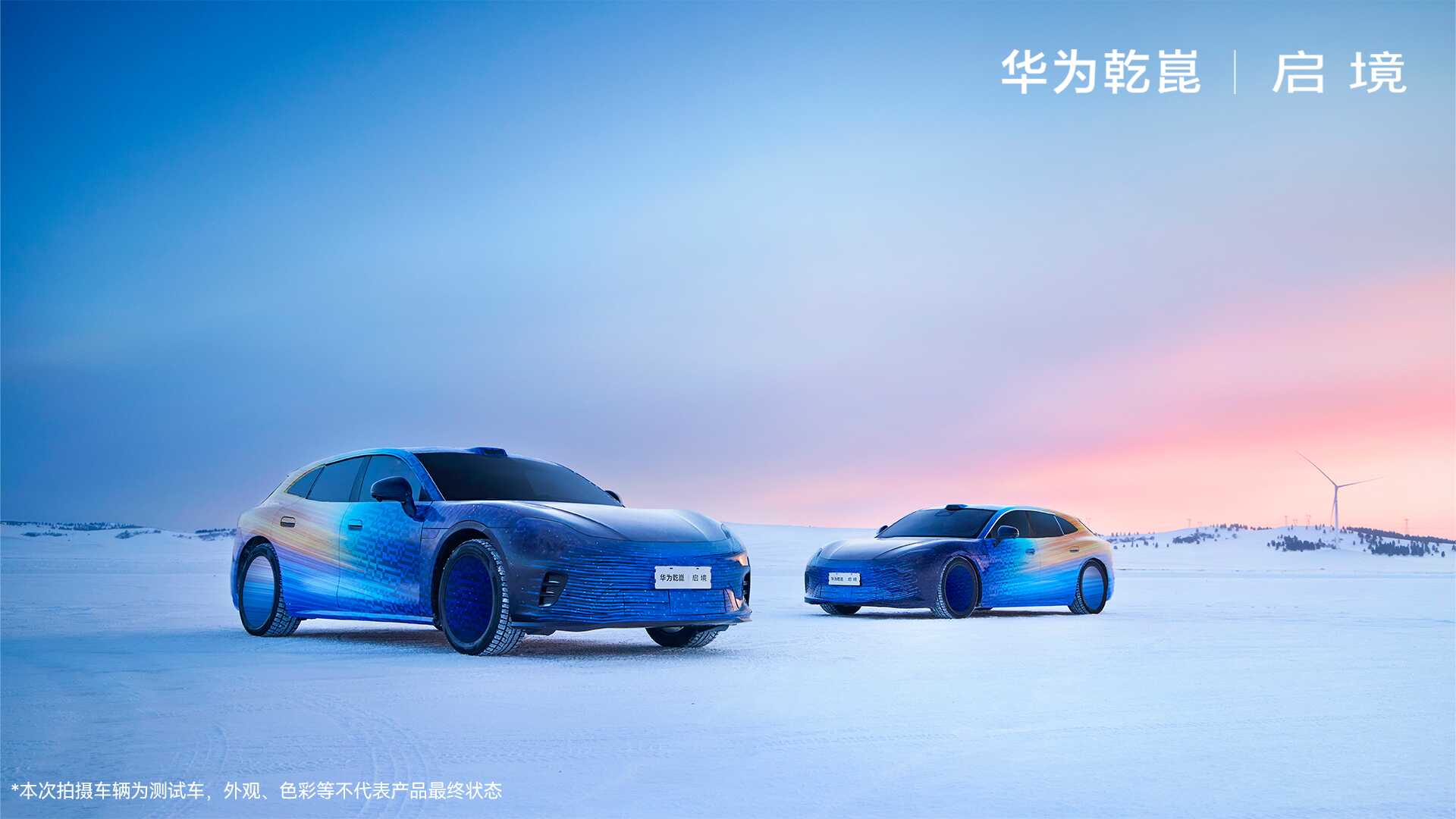
Group 1 - The core viewpoint of the article is that Guangzhou is committed to high-quality development by fully opening up autonomous driving application scenarios and supporting GAC Group and Huawei in deepening their strategic cooperation to create a high-end intelligent electric vehicle brand called Qijing [1][2] - Qijing is a new high-end intelligent electric vehicle brand co-created by GAC Group and Huawei, utilizing an embedded collaborative model for product definition, technology research and development, and market implementation, aiming to provide a replicable example for the deep integration of industrialization and information technology in China [2][3] - Qijing plans to launch two new models by 2026, with the first model being an intelligent shooting brake, which has completed key verification stages and is expected to officially launch in June this year [3][6]

港股异动 | 汽车股集体走低 1月汽车销量同环比回落 机构看好节后景气度回升
Zhi Tong Cai Jing· 2026-02-26 06:05
Core Viewpoint - The automotive sector is experiencing a collective decline in stock prices, with major companies like Li Auto, Xpeng Motors, Great Wall Motors, and GAC Group reporting significant drops in their share prices amid a decrease in overall vehicle sales in China [1] Group 1: Automotive Sales Performance - In January, China's overall vehicle sales decreased by 3.2% year-on-year, while new energy vehicle sales saw a marginal increase of 0.1% [1] - According to the China Passenger Car Association, wholesale sales of new energy passenger vehicles fell by 3.3% year-on-year, and retail sales dropped by 20.0% [1] - Analysts from Guotai Junan Securities indicated that the decline in sales is attributed to demand being pulled forward at the end of the previous year, with expectations for market recovery as new models are launched and new purchase subsidies are issued post-Chinese New Year [1] Group 2: Company-Specific Developments - Li Auto's stock fell by 4.11% to HKD 68.9, while Xpeng Motors dropped by 3.59% to HKD 68.55, Great Wall Motors decreased by 2.68% to HKD 13.05, and GAC Group fell by 2.11% to HKD 3.72 [1] - Tesla China announced a new round of financial incentives for vehicle purchases, offering low-interest loans across all models until March 31, with specific models like Model 3 and Model Y available for a 5-year interest-free option, interpreted as a strategy to boost terminal sales [1]
汽车股集体走低 1月汽车销量同环比回落 机构看好节后景气度回升
Zhi Tong Cai Jing· 2026-02-26 06:01
Core Viewpoint - The automotive sector is experiencing a collective decline in stock prices, attributed to a decrease in vehicle sales in January, despite a slight increase in new energy vehicle sales [1] Group 1: Stock Performance - Li Auto-W (02015) fell by 4.11%, trading at HKD 68.9 [1] - Xpeng Motors-W (09868) decreased by 3.59%, trading at HKD 68.55 [1] - Great Wall Motors (601633) (02333) dropped by 2.68%, trading at HKD 13.05 [1] - GAC Group (601238) (02238) declined by 2.11%, trading at HKD 3.72 [1] Group 2: Sales Data - In January, China's overall vehicle sales decreased by 3.2% year-on-year, while new energy vehicle sales saw a marginal increase of 0.1% [1] - According to the China Passenger Car Association, wholesale sales of new energy passenger vehicles fell by 3.3% year-on-year, and retail sales dropped by 20.0% [1] Group 3: Market Outlook - According to Qunyi Securities (Hong Kong), the decline in January vehicle sales is primarily due to demand being pulled forward at the end of the previous year [1] - The automotive market is expected to recover as automakers launch new models and new rounds of purchase subsidies are distributed after the Spring Festival [1] Group 4: Tesla's Strategy - Tesla China announced a new round of financial incentives for vehicle purchases, offering low-interest loans across all models until March 31 [1] - Key models such as Model 3, Model Y, and Model Y L can opt for a 5-year interest-free loan, interpreted as a form of "indirect price reduction" to boost terminal sales [1]
广西财政预下达今年首批消费品以旧换新补贴资金19.26亿元
Zhong Guo Xin Wen Wang· 2026-02-26 05:53
Core Viewpoint - Guangxi Zhuang Autonomous Region's finance department has announced the allocation of 1.926 billion yuan for the first batch of subsidies for the "old-for-new" consumption policy in 2026, aimed at stimulating consumer spending and supporting economic recovery [1][2]. Group 1: Subsidy Allocation - The total subsidy includes 1.83 billion yuan from central government special bonds and 96 million yuan from local government funds [1]. - The "old-for-new" policy will be implemented starting January 1, 2026, with a more precise and optimized support scope compared to 2025 [1]. Group 2: Supported Products - The policy continues to support the scrapping and replacement of vehicles, specifically focusing on six categories of home appliances: refrigerators, washing machines, televisions, air conditioners, computers, and water heaters [1]. - The range of digital products eligible for subsidies has been expanded to include four categories of smart products: smartphones, tablets, smartwatches/bands, smart glasses, and smart home products [1]. Group 3: Subsidy Details - For scrapping and purchasing new energy vehicles, the subsidy is 12% of the vehicle price (up to 20,000 yuan); for fuel vehicles, it is 10% (up to 15,000 yuan) [2]. - For replacement purchases of new energy vehicles, the subsidy is 8% (up to 15,000 yuan); for fuel vehicles, it is 6% (up to 13,000 yuan) [2]. - For the six categories of energy-efficient home appliances, the subsidy is 15% of the sales price (up to 1,500 yuan per item) [2]. - For the four categories of digital and smart products, the subsidy is 15% of the sales price (up to 500 yuan per item), with each consumer eligible for one item [2].
八大车企内部全员信曝光
Di Yi Cai Jing· 2026-02-26 05:52
Core Insights - The Chinese automotive market is facing a significant divide between ambitious growth targets set by leading companies and conservative forecasts from institutions, indicating a challenging environment for the industry in 2026 [2][3] Group 1: Growth Targets and Market Dynamics - Major automakers in China are targeting a total sales growth of at least 12% for 2026, despite a projected overall market growth of only 1% [3] - Companies like Leap Motor aim for a sales target of 1 million units in 2026, representing a 67.5% increase from 2025, while NIO targets a stable growth rate of 40% to 50% annually [4][5] - Changan Automobile has set a sales goal of 3.3 million units for 2026, reflecting a 13.3% increase, but faced a significant decline of over 50% in January sales [5] Group 2: International Expansion Strategies - The urgency for overseas market expansion is increasing, with Changan emphasizing the need for resource investment in international markets [8] - Geely is transitioning from "international trade" to "product-oriented" strategies, focusing on local market adaptation and establishing a global brand presence [8][9] - Leap Motor aims to shift from "selling cars" to "building cars" overseas, integrating deeply with local industries [9] Group 3: AI Integration and Technological Advancements - AI is becoming a core focus for many automakers, with predictions that 2026 will be a pivotal year for companies aiming to lead in AI technology [10][11] - Xiaopeng Motors plans to be the first company to mass-produce robots, flying cars, and Robotaxis in 2026, showcasing its commitment to AI innovation [12] - Changan has adopted the motto "No AI, No Changan," indicating a fundamental shift in its operational strategy towards AI integration [13] Group 4: Competitive Landscape and Future Outlook - The automotive industry is entering a phase of intense competition, with a predicted market structure featuring a few leading companies, several mid-tier firms, and numerous smaller players [14] - The strategies of leading companies reflect a commitment to efficiency, product innovation, and international expansion as they navigate the challenges of the evolving market landscape [14]
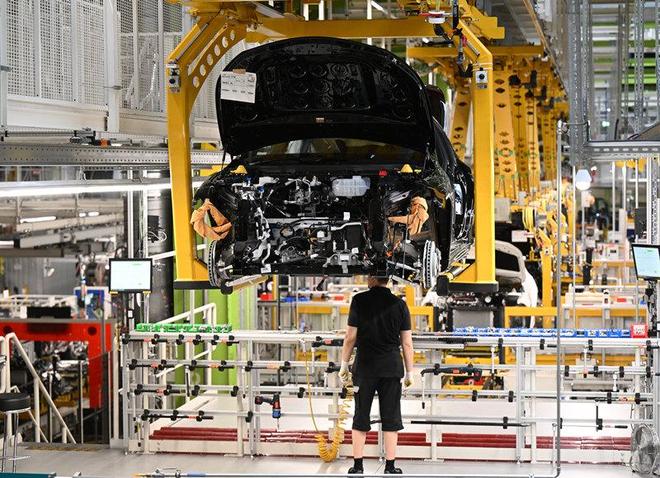
五年生死线,德国车企“要么生,要么死”
Guan Cha Zhe Wang· 2026-02-26 05:46
Core Viewpoint - The German automotive industry is at a critical juncture, facing significant challenges in the transition to electric vehicles (EVs), with the potential risk of complete industry collapse within five years if current issues are not addressed [1][25]. Group 1: Industry Overview - The automotive sector is crucial to the German economy, contributing about 20% to the overall industrial value added, with over 75% of cars exported [1]. - German car manufacturers, once dominant, are struggling with the shift to electric mobility, as their traditional fuel vehicle base weakens and they fail to produce competitive EVs [1][4]. Group 2: Challenges in Transition - The transition to electric vehicles has exposed weaknesses in the German automotive industry, particularly in battery and electric motor technology, which are now critical components [5]. - Germany's energy costs are significantly higher than those in China, with household electricity prices approximately three times higher and industrial prices about twice as high, impacting competitiveness [6][8]. - The lack of innovation in software and electrical engineering within Germany is hindering progress in the EV sector, as the workforce is not adequately prepared for the demands of modern automotive technology [9][10]. Group 3: Market Dynamics - The Chinese EV market has rapidly developed, with a penetration rate exceeding 50% in major cities, while German manufacturers have lagged in their electric vehicle offerings [4][18]. - German companies are increasingly investing in China to leverage lower costs and faster innovation cycles, indicating a shift in strategy to remain competitive [15][24]. Group 4: Future Outlook - The sentiment within the German automotive industry is one of urgency, with a clear understanding that survival hinges on adapting to the new market realities within the next five years [25]. - If the industry fails to adapt, there is a real risk of widespread collapse, as the competitive landscape shifts dramatically towards companies that can innovate and reduce costs effectively [25].