保险业

Search documents
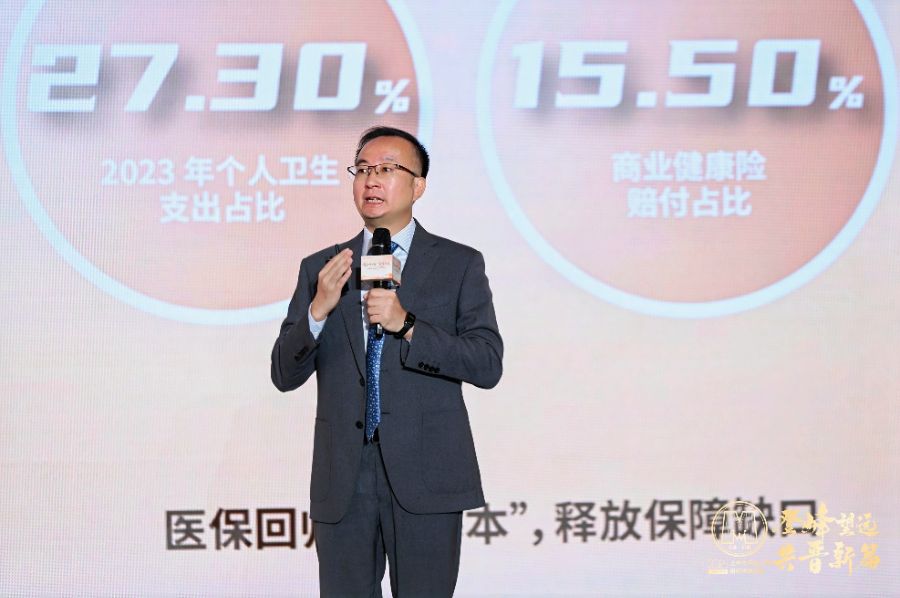
21专访|复旦大学许闲:四支柱支撑保险业进入新一轮黄金发展期
2 1 Shi Ji Jing Ji Bao Dao· 2025-09-23 08:33
Core Insights - The insurance industry in China is entering a "golden development period," providing a historic opportunity for insurance agents to transition into professional consultants [1][3] - The industry is undergoing a fundamental paradigm shift from a product-pushing model to a client-value-centric elite model [1][3] Four Pillars Behind the Golden Development Period - The combination of national policies is aimed at regulating past insurance practices, necessitating a shift from extensive growth to quality-focused growth [3][4] - The challenges of an aging population and declining birth rates are creating new trends in wealth management and retirement planning [3][4] - The awakening of younger generations, particularly those born after 2000, is leading to increased awareness and demand for insurance products [3][4] - Historical data shows that as GDP per capita exceeds $10,000, insurance industries in mature economies experience significant growth, indicating a similar trajectory for China [4] Differences from Previous Growth Phases - The current phase differs from the high-growth periods of 2018 and 2019 due to natural cyclical fluctuations in the industry [5] - The focus has shifted from pursuing growth in a saturated market to emphasizing quality development [5] Three Key Directions for Industry Transformation - The industry must prioritize improving the quality of its services, particularly through enhancing the scale and quality of the agent workforce [6][7] - Embracing technological advancements, especially in AI and big data, is crucial for improving operational efficiency [6][7] - Protecting consumer rights is increasingly important, as consumer awareness is rising, necessitating better products and services [6][7] Product and Channel Transformation - The shift from traditional life insurance to participating insurance products is driven by market conditions and consumer preferences [8][9] - The decline in predetermined interest rates is making participating insurance more attractive, as it allows consumers to share in the insurer's profits [8][9] Agent Channel Transformation - The implementation of agent classification and "reporting and operation integration" policies is fostering a more professional and sustainable agent workforce [10] - Despite a decline in overall premium income, the new business value rate has increased, indicating a positive trend towards quality over quantity [10] Core Competencies for Agents - Agents need to enhance their understanding of the industry's value and their professional capabilities across various domains [11][12] - Building strong service capabilities is essential, as personal connections and empathy are increasingly valued in the AI era [11][12] Key Directions for Insurers - Insurers must maintain confidence in the industry and adhere to principles of professionalism and long-termism to navigate the golden development period [13] - The insurance sector should leverage modern technologies to enhance its societal value and contribute to social welfare [13]

权威速览·非凡“十四五” |建设金融强国,他们这样干!
Xin Hua She· 2025-09-23 07:55
Group 1 - The core viewpoint of the articles highlights the achievements and ongoing reforms in China's financial sector during the "14th Five-Year Plan" period, emphasizing the deepening of financial system reforms and the construction of a financial powerhouse [1][3][6] - Financial support for the real economy has been strengthened, with over 1.6 trillion yuan allocated to key projects such as affordable housing [3][15] - The number of financing platforms has decreased by over 60% compared to the beginning of 2023, and financial debt has declined by over 5% [6] Group 2 - The capital market has maintained a market-oriented, legal, and international approach, with long-term funds holding approximately 21.4 trillion yuan in A-shares, a 32% increase from the end of the "13th Five-Year Plan" [9] - By the end of August, 207 companies have been smoothly delisted during the "14th Five-Year Plan" period, and 13 foreign-controlled securities and fund institutions have been approved to operate in China [9] - The foreign investment in A-shares reached a market value of 3.4 trillion yuan, with 269 companies listed overseas [9] Group 3 - The foreign exchange market has shown stable operations, with cross-border receipts and payments expected to reach 14 trillion USD in 2024, a 64% increase from 2020 [11] - The trading volume is projected to be 41 trillion USD in 2024, a 37% increase from 2020 [11] - The proportion of the renminbi in cross-border trade has risen from 16% to nearly 30% [11] Group 4 - The bond default rate in the exchange market remains low at around 1%, and the rectification of private equity funds is progressing steadily [13] - A comprehensive prevention and punishment system has been established to combat fraudulent activities in the financial sector [13] - The financial regulatory framework has been strengthened, with 171 regulations issued over the past five years [21] Group 5 - Financial support for infrastructure loans has reached 54.5 trillion yuan, a 62% increase compared to the "13th Five-Year Plan" [15] - Loans to high-tech enterprises have reached nearly 19 trillion yuan, with an annual growth rate exceeding 20% [15] - Small loans for poverty alleviation have amounted to nearly 400 billion yuan [16]
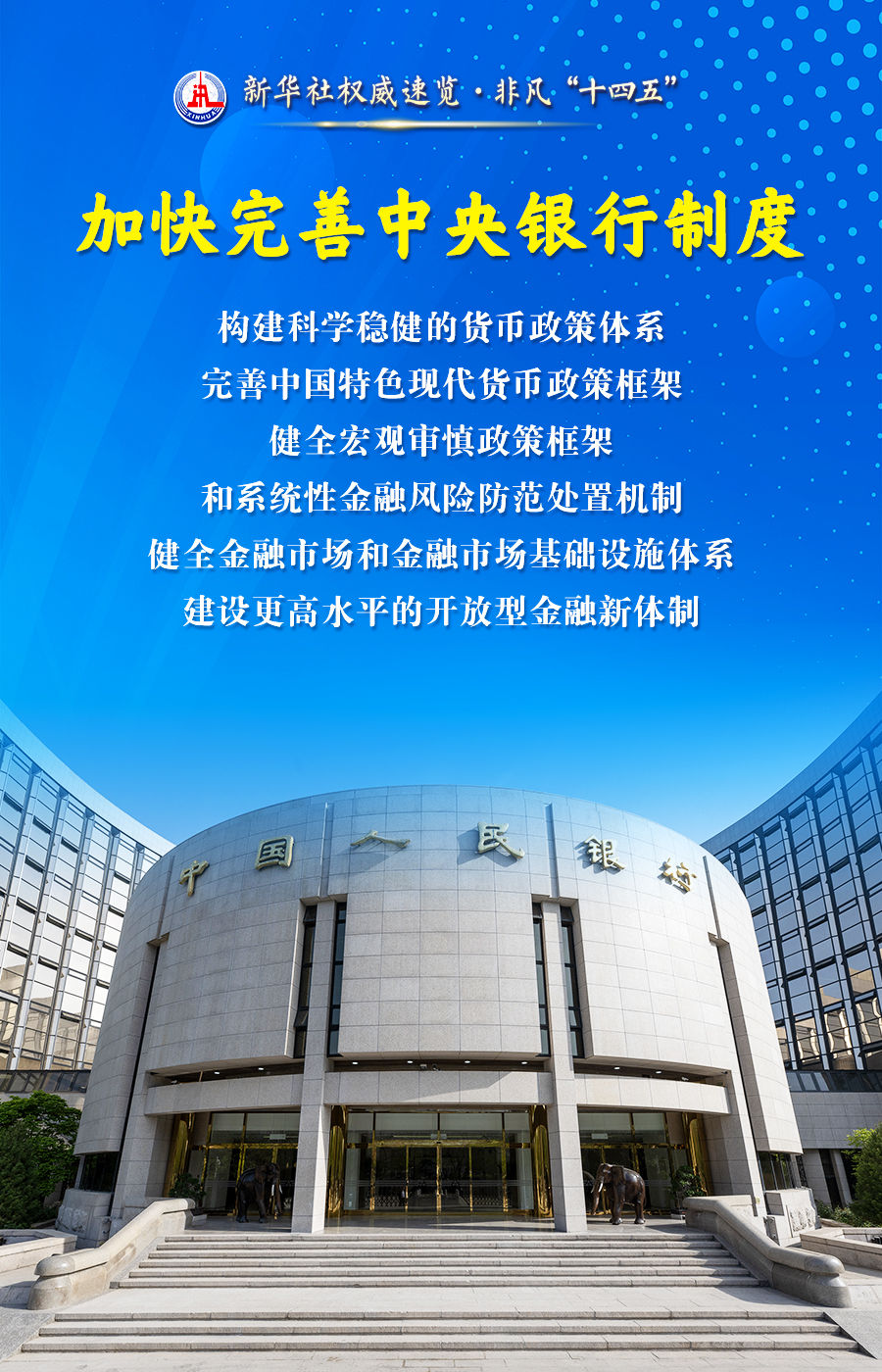
“十四五”时期我国金融体系运行稳健 银行业总资产位居世界第一
Sou Hu Cai Jing· 2025-09-23 06:52
Core Insights - The "14th Five-Year Plan" has led to significant achievements in China's financial sector, with total banking assets reaching nearly 470 trillion yuan, ranking first globally [1][3] - The People's Bank of China emphasizes that financial risks are generally controllable, supporting high-quality economic development [1][3] Financial System Stability - The dual-pillar framework of monetary and macro-prudential policies has been established, promoting stable currency value and financial stability [3] - The current monetary policy stance is supportive and moderately accommodative, creating a favorable environment for economic recovery and financial market stability [3][4] - Financial regulatory bodies have effectively prevented systemic risks, with a significant reduction in the number of high-risk institutions and assets [3][5] Financial Services Quality Improvement - The banking and insurance sectors have total assets exceeding 500 trillion yuan, with an average annual growth rate of 9% over the past five years [5][6] - New funding provided to the real economy reached 170 trillion yuan, with significant growth in loans to technology SMEs, inclusive small businesses, and green loans [5][6] - Insurance payouts have increased by 61.7% compared to the previous five-year period, enhancing social security and risk protection for farmers and urban residents [6] Financial Market Stability - The financial market has shown resilience, with key regulatory indicators such as non-performing loans and capital adequacy remaining in a healthy range [7] - The China Securities Regulatory Commission has worked to maintain market stability amid complex external challenges, improving investor confidence [7][8] - The foreign exchange market has remained stable, with ongoing improvements in the market-oriented exchange rate mechanism and effective macro-prudential management [8]

保险业利率难题怎么破?陈文辉:行业数字化转型要有紧迫感
Zhong Guo Jing Ying Bao· 2025-09-23 06:49
Core Insights - The life insurance industry is accelerating its search for solutions amid increasing interest rate volatility, with a focus on long-term insurance business as a core advantage to address aging challenges [1] - Digital transformation and AI application are seen as key to enhancing competitiveness and addressing future challenges, with 2025 identified as a critical turning point for life insurance companies [1] Group 1: Industry Challenges and Responses - The life insurance sector is significantly affected by interest rate fluctuations, where rising rates can lead to mass withdrawals and liquidity issues, while falling rates pose risks related to interest spread losses [1] - Companies are encouraged to address challenges from both liability and asset sides, as well as the "three spreads" (death spread, expense spread, interest spread), rather than relying solely on investment strategies [1] - The industry is exploring high-quality development as a core direction, with a focus on a multi-layered protection system and differentiated operations among institutions [2] Group 2: Strategic Initiatives - HSBC Life is shifting its product structure towards floating income types as a response to the low interest rate environment, with a significant portion of new policies now in dividend insurance [2] - The company is enhancing its asset capabilities and diversifying investments into private equity, trust plans, and real estate funds, while also exploring new areas like REITs and overseas investments to mitigate risks and enhance returns [2] - The industry is increasingly recognizing the importance of technology empowerment and ecosystem building as key drivers for resilient growth in the face of challenges [2]
全力守护大国粮仓 农民丰收底气更足
Jin Rong Shi Bao· 2025-09-23 06:40
Core Insights - The agricultural insurance industry plays a crucial role in supporting high-quality agricultural development and ensuring food security in China, particularly as the country approaches the end of the 14th Five-Year Plan in 2025 [1][2][3] Group 1: Agricultural Insurance Development - Since the launch of the agricultural insurance premium subsidy policy in 2007, the industry has seen rapid growth, with premium income increasing from 5.333 billion yuan to 152.1 billion yuan by 2024, making China the global leader in agricultural insurance [3][6] - The coverage of agricultural insurance has expanded significantly, now covering over 500 types of agricultural products, including specialty crops, and evolving from cost insurance to income and price insurance [6][7] - The implementation of complete cost insurance for major crops like rice, wheat, and corn is set to enhance farmers' income security and reduce local fiscal pressure [3][4] Group 2: Policy Support and Innovation - The Chinese government has emphasized the importance of agricultural insurance in its policies, with recent documents advocating for the integration of insurance with local specialty agricultural products [4][5] - The insurance industry is innovating by developing tailored insurance products for local specialties, which supports rural revitalization and economic growth [4][5] - The establishment of a comprehensive financial insurance service system for the entire agricultural supply chain is being pursued, as seen in Guangdong's insurance coverage for lychee production [4][5] Group 3: Technological Integration - The agricultural insurance sector is leveraging technology to enhance risk management, transitioning from post-disaster compensation to proactive risk prevention and real-time monitoring [7][8] - Advanced technologies such as satellite remote sensing and AI are being utilized to improve the efficiency of claims processing and disaster response, significantly reducing the time taken for farmers to receive compensation [7][8] - The integration of technology in agricultural insurance is creating a modern safety net that ensures timely recovery and support for farmers during adverse weather events [7][8]

四川金融监管局同意恒安标准人寿四川分公司成都锦江营销服务部变更营业场所
Jin Tou Wang· 2025-09-23 03:45
二、恒安标准人寿四川分公司应按照有关规定及时办理变更及许可证换领事宜。 未尽事项按金融监管总局有关规定办理。 2025年9月17日,四川金融监管局发布批复称,《关于申请恒安标准人寿四川分公司成都锦江营销服务 部营业场所变更的请示》(恒安标准川分司字〔2025〕39号)收悉。经审核,现批复如下: 一、同意恒安标准人寿保险有限公司四川分公司成都锦江营销服务部营业场所变更为:四川省成都市锦 江区盐道街3号财富支点大厦25层2502-2505A单元。 ...
第四年守护贵港市民,保障大升级!2025年“贵港惠民保”今日正式上线
Cai Fu Zai Xian· 2025-09-23 02:58
9月23日,贵港定制普惠型补充医疗保险——2025年"贵港惠民保"升级回归!新参保人群保费79元/人/ 年,连续参保人群保费76元不变,为参保人提供最高500万元的医疗保障。即日起至11月30日,在贵港 市辖区工作、生活的基本医保参保人,均可通过"贵港惠民保"微信服务号自愿参保,不限年龄、既往病 史、户籍等条件。 2025年"贵港惠民保"延续"参保门槛低、产品性价比高、带病人群可保可赔"等普惠性特点,新增质子重 离子医疗费用、CAR-T治疗药品费用两大前沿疗法责任。 质子重离子医疗属于放射治疗,特点是"治愈率高、副作用小";CAR-T是一种新兴的细胞免疫疗法,因 百万/针的价格被称为"天价抗癌药"。2025年"贵港惠民保"将质子重离子医疗和4种CAR-T药品纳入保 障,进一步提升对恶性肿瘤的保障能力,助力防范因病致贫、返贫。 另外三大责任延续2024年保障,可保基本医保内、外住院医疗费用、35种特定高额药品费用。保险期间 内、保障范围内,参保人在定点医疗机构产生的医疗费用,经医保报销后符合条件的医疗费用,减去起 付线后,剩余费用可以按比例报销。 增值服务更丰富 看病找药都能用 除最高500万元的医疗保障外,2 ...
数说“十四五”丨国新办举行新闻发布会介绍“十四五”时期金融业发展成就
Yang Guang Wang· 2025-09-23 01:25
Group 1 - The core viewpoint of the news is that during the "14th Five-Year Plan" period, China's financial sector has achieved significant accomplishments, with a stable financial system and improved financial services for the real economy [1] - As of June 2023, China's banking sector total assets reached nearly 470 trillion yuan, ranking first in the world; the stock and bond market sizes rank second globally; and foreign exchange reserves have maintained the world's largest position for 20 consecutive years [1] - The average annual growth rates for loans to technology-based SMEs, inclusive finance for small and micro enterprises, and green loans exceeded 20% during the "14th Five-Year Plan" period [1] Group 2 - Over the past five years, the banking and insurance sectors have provided an additional 170 trillion yuan in funding to the real economy through various means such as credit, bonds, and equity [1] - The average annual growth rates for loans in scientific research technology, medium to long-term loans for manufacturing, and infrastructure loans were 27.2%, 21.7%, and 10.1%, respectively [1] - The capital market is accelerating its service to technological innovation, with the market capitalization of the A-share technology sector exceeding 25% [2] - The number of technology companies among the top 50 by market capitalization in the A-share market increased from 18 at the end of the "13th Five-Year Plan" to 24 currently [2]
金融监管总局局长李云泽:银行业保险业总资产超500万亿元
Zhong Guo Zheng Quan Bao· 2025-09-23 00:09
Core Insights - The banking and insurance sectors in China have total assets exceeding 500 trillion yuan, with an average annual growth rate of 9% over the past five years, solidifying their position as the largest credit and second-largest insurance market globally [1] - The financial regulatory authority has emphasized high-quality development during the "14th Five-Year Plan" period, enhancing financial services and regulatory frameworks [1] Group 1: Industry Strength and Growth - The comprehensive strength of the industry has significantly improved, with trust, wealth management, and insurance asset management institutions managing nearly 100 trillion yuan, doubling since the end of the "13th Five-Year Plan" [2] - Chinese banks hold six out of the top ten positions in the global top 1,000 banks, with 143 Chinese banks listed [2] - Over the past five years, the banking and insurance sectors have provided an additional 170 trillion yuan in funding to the real economy through various financing methods [2] Group 2: Financial Resource Allocation - The financial regulatory authority has focused on optimizing financial resource allocation, summarized as "increase supply, optimize structure, and fill gaps" [2] - Infrastructure loan balances reached 54.5 trillion yuan, reflecting a 62% increase since the end of the "13th Five-Year Plan" [2] - Loans to high-tech enterprises have reached nearly 19 trillion yuan, with an average annual growth rate exceeding 20% [2] - A mechanism to support financing for small and micro enterprises has been established, resulting in 22 trillion yuan in loans issued [2] Group 3: Risk Management - The primary responsibility of the financial regulatory authority is to prevent and resolve financial risks, with a focus on managing risks in small and medium-sized financial institutions [4] - A tailored approach has been adopted for high-risk institutions, employing strategies such as mergers, online repairs, and market exits [4] - The regulatory authority has actively worked to mitigate risks in the real estate sector and local government debt, establishing a financing coordination mechanism for urban real estate [4] - Loans for "white list" projects have exceeded 7 trillion yuan, supporting the construction and delivery of nearly 2 million housing units [4] Group 4: Regulatory Developments - The revision of the insurance law is being accelerated, with ongoing improvements to regulatory frameworks [5]
【早报】英伟达股价创新高!拟向OpenAI投资最高1000亿美元;潘功胜、李云泽、吴清、朱鹤新同日发声
财联社· 2025-09-22 23:14
2、潘功胜:关于"十五五"以及下一步金融改革内容,将在中央统一部署后做进一步沟通。 早 报 精 选 3、李云泽:银行业保险业总资产超500万亿元,5年来平均增超9%。 4、吴清:目前A股科技板块市值占比超过1/4。 5、朱鹤新:7月末境外机构和个人持有境内股票、债券、存贷款超过10万亿元。 宏 观 新 闻 1、 外交部发言人郭嘉昆9月22日主持例行记者会。有记者对中美领导人是否会在APEC会晤并推动达成TikTok协议提问,郭嘉昆表 示,中美双方正在沟通之中,目前没有可以提供的信息。 2、央行行长潘功胜在昨日的国新办新闻发布会上表示,关于"十五五"以及下一步金融改革内容,将在中央统一部署后做进一步沟 通;目前我国金融体系总体稳健,金融市场运行平稳。潘功胜回应美联储降息时表示,将根据宏观经济运行情况和形势变化,综合应 用多种货币政策工具保证流动性充裕。 1、 英伟达涨近4%收创记录新高,拟向OpenAI投资最高1000亿美元。 3、金融监管总局局长李云泽在国新办新闻发布会上表示,银行业保险业总资产超500万亿元,5年来平均增超9%;5年来银行业保 险业为实体经济提供新增资金170万亿元;保险资金投资股票和权益类 ...