饮料

Search documents
宗馥莉将重新启用娃哈哈
Jin Shi Shu Ju· 2025-10-24 06:00
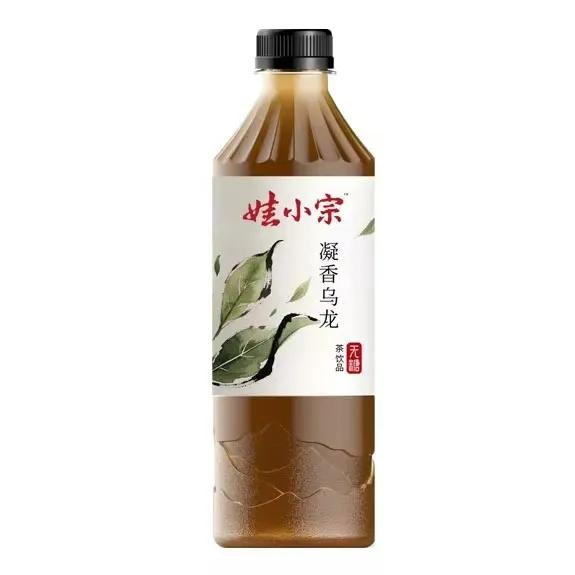
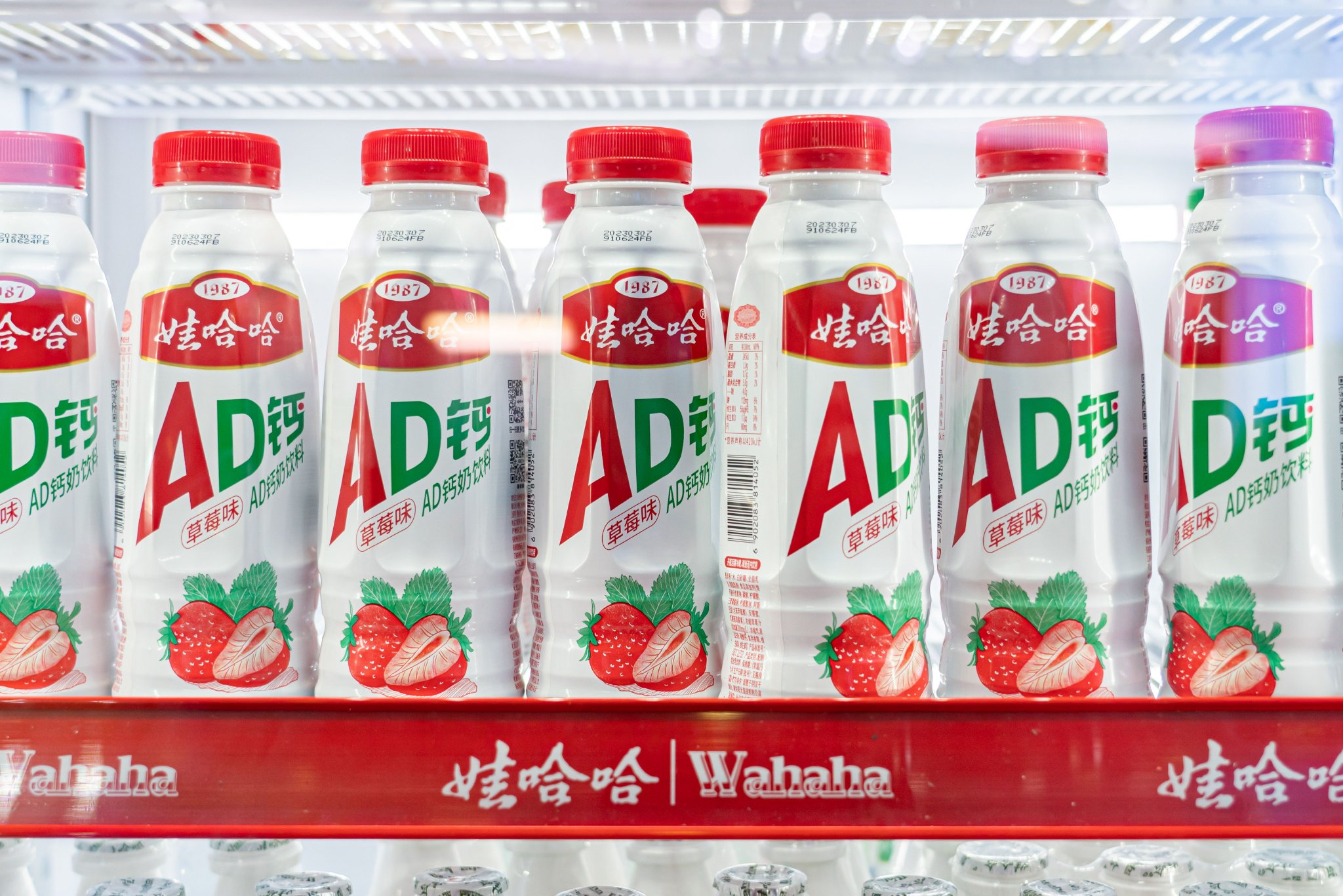
Core Viewpoint - The decision to replace the "Wahaha" brand with the new brand "Wawaixiong" has been reversed, as distributors have been notified to continue selling "Wahaha" products by paying a deposit for 2026 sales [1][2]. Group 1: Brand Transition - The new brand "Wawaixiong" was initially planned to replace "Wahaha" starting from 2026, following the founder's death and ongoing historical issues within the company [1][2]. - The "Wawaixiong" brand is under the Hongsheng Group, which was originally a contract manufacturer for Wahaha and has since expanded into a comprehensive beverage solutions provider [1]. Group 2: Trademark and Market Presence - Hongsheng Group has submitted numerous trademark applications for "Wawaixiong" and related brands, covering various product categories including food and beverages [1][2]. - The brand "Wahaha" has a significant market presence, with a brand value estimated at 91.187 billion yuan last year [2]. Group 3: Product Launch and Market Concerns - "Wawaixiong" has launched a product called "Nourishing Oolong Tea," priced at 4 yuan per bottle, featuring a sugar-free concept and traditional Chinese packaging [4]. - Distributors express concerns about the financial implications of promoting the new brand, including the need for substantial investment in market development and channel construction [4]. Group 4: Corporate Structure and Leadership Changes - The ownership structure of Wahaha Group includes 46% held by a state-owned enterprise, 29.4% by Zong Fuli, and 24.6% by a workers' cooperative [4]. - Zong Fuli has resigned from her positions as the legal representative, director, and chairman of Wahaha Group, marking her second resignation amid ongoing management challenges [5].

“娃哈哈”经销商倍感压力,宗馥莉能否稳住局面?
Xin Lang Cai Jing· 2025-10-24 04:46
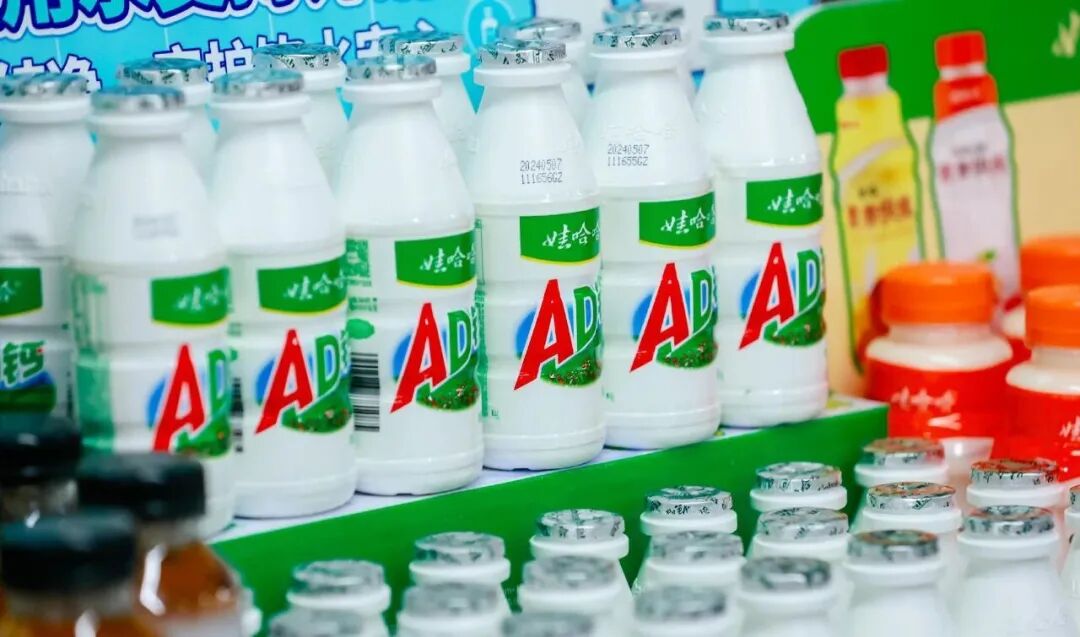
智通财经获悉,10月23日宏胜系销售各分公司接到通知,2026年继续使用娃哈哈品牌,不会出现其他品牌。 这意味着,宗馥莉于9月辞职后推出的"娃小宗"品牌夭折。 智通财经记者 | 李烨 赵晓娟 截至目前娃哈哈官方未向智通财经回应。 智通财经编辑 | 牙韩翔 10月23日,一位娃哈哈集团内部人士告诉智通财经,宗馥莉已回来上班,但因此前辞去娃哈哈集团董事长及总经理,她现在是以宏胜饮料集团总裁的身份行 事。 智通财经注意到,宏胜在今年5月提出系列"娃小宗"商标的注册申请,但截至目前未有任何一项注册通过审批。上述娃哈哈内部人士对智通财经称,这是因 为"娃小宗"涉及对"娃哈哈"商标的侵权。 娃小宗的诞生源于娃哈哈集团内部矛盾。宗馥莉出任娃哈哈董事长和总经理之后,对组织架构和管理规章制度进行了一系列的调整。此举引发不可调和的矛 盾:宗馥莉手下的宏胜系公司掌握娃哈哈的生产与销售,但"娃哈哈"商标属于娃哈哈集团。 宗馥莉曾申请转让娃哈哈的商标,但没能成功。今年2月娃哈哈官方发文表示系列商标共计387件正申请由娃哈哈集团转让至宗馥莉持股51%的杭州娃哈哈食 品有限公司。但直到9月娃哈哈又发文强调,上述问题未能在近期得到有效解决, ...
美股三季报,so far so good
Hua Er Jie Jian Wen· 2025-10-24 03:32
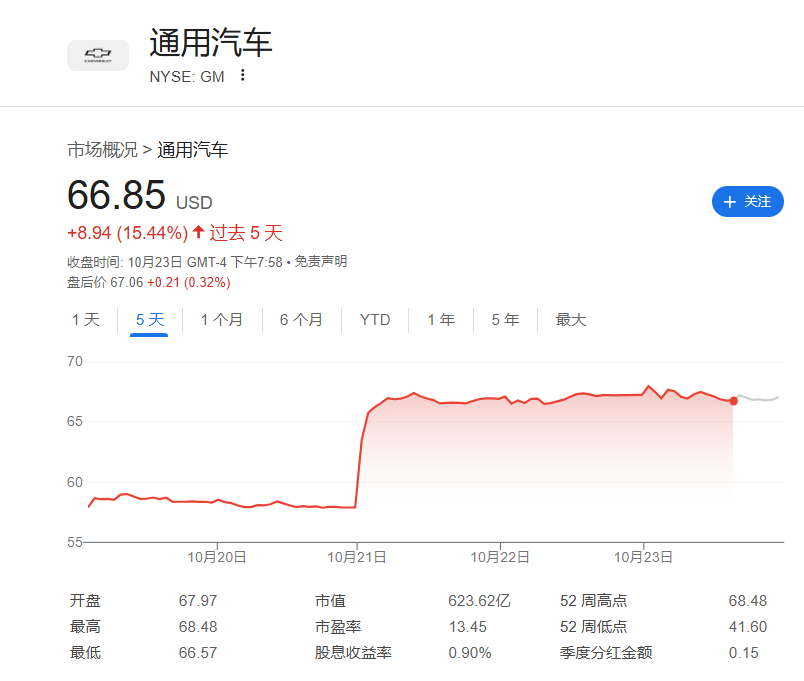
Core Viewpoint - The strong performance of U.S. companies in the third quarter is becoming a key pillar supporting investor confidence amidst a backdrop of absent official economic data and market anxiety [1]. Group 1: Earnings Reports - The earnings season has started positively, with several industry leaders reporting better-than-expected results, such as General Motors, which saw a 15% stock price increase after raising its earnings guidance [2]. - 86% of the 130 S&P 500 companies that have reported earnings exceeded analysts' expectations, indicating a robust earnings season [1]. - Dow Chemical's third-quarter profit, although down, fell less than expected, leading to a 13% stock price increase, making it the best performer in the S&P 500 on that day [4]. Group 2: Market Reactions - The S&P 500 index rose by 0.6% on Thursday and has increased by 1.1% for the week, nearing historical highs due to the positive earnings reports [1]. - Las Vegas Sands, a casino and resort operator, saw its stock price jump approximately 12% due to better-than-expected profits from international investments [4]. Group 3: Data Vacuum and Market Focus - The government shutdown has led to a lack of official economic data, forcing investors to focus more on private sector and state-level data, such as a seven-month high in home sales reported by the National Association of Realtors [7]. - Investors are increasingly discussing credit issues due to the absence of macroeconomic data, likening the situation to a casino where players shift their focus to different games [7]. Group 4: Credit Market Concerns - Recent bankruptcies and fraud investigations involving companies like First Brands and Tricolor have raised concerns about the health of the credit market, although many analysts view these as isolated incidents rather than systemic risks [8]. - Some investors remain cautious due to high asset prices, questioning the risk-reward balance in the current tight valuation environment [8].
定了,经销商明年还卖娃哈哈,娃小宗胎死腹中?
3 6 Ke· 2025-10-24 01:37
23日,与之相关的"销售公司会"会议内容流出。具体如下: 5、本月任务要完成实发,负增长部分,1.5倍计入保证金。举例,某客户年任务1000万,保证金需要回款150万,该客户10月任务实发负增长100万,需额 外追加保证金150万,合计要打保证金300万,满足以上条件,方可签订26年联销体协议; 娃哈哈,娃小宗,娃小智的闹剧才拉开帷幕,角儿还没到齐,娃小宗就宣布"暂停"了。 于娃哈哈的经销商而言,2026年究竟卖什么,今天算有了一个结论——还是娃哈哈。此前,因为宗馥莉的辞职事件,其要自立门户、娃小宗大行其道的舆 论甚嚣尘上。结果,很快,世界似乎又变回了之前的样子。 6、11月要召开26年度经销商大会,具体时间、地点、参会要求,待定! 会议内容,在这一天的时间里,一直在上传下达,有些销售人员和经销商是在下班前的工作大群里看到的。 "今天算是定了,就卖哈哈。"一销售人员对内参君说。就在昨天,他还在跟内参君分享说,"分厂已经订购了包材,全是娃哈哈的,没有娃小宗的;到目 前为止,娃小宗的产品代码都没有下来,也就是说想下娃小宗产品订单都不能……" 就一份工作而言,这算是"拨开云雾见天明"了。不然,公司催打款,经销商心里 ...
突发!宗馥莉辞职41天后,有经销商收通知:明年继续卖娃哈哈,此前有娃哈哈经销商称被要求不能代理娃小宗
Mei Ri Jing Ji Xin Wen· 2025-10-24 00:41
Core Viewpoint - The resignation of Zong Fuli has led to a significant shift in the distribution landscape for the Wahaha brand, with distributors now facing a choice between continuing with Wahaha or switching to the new brand "Wawa Xiaozong" controlled by Zong Fuli's Hongsheng Group [1][6]. Group 1: Company Changes - Zong Fuli resigned from all positions at Wahaha Group on September 12, 2023, following the necessary procedures through the company's shareholder and board meetings [1]. - Hongsheng Group, which was initially a contract manufacturer for Wahaha, has been actively applying for trademarks for "Wawa Xiaozong" across various product categories since early 2023 [1]. Group 2: Distributor Dynamics - Distributors have received notifications from Wahaha prohibiting them from representing "Wawa Xiaozong," threatening to revoke their Wahaha distribution rights if they do so [6]. - Currently, distributors are not yet required to make a choice between the two brands, but they are evaluating which option offers greater profitability [6]. Group 3: New Brand Launch - "Wawa Xiaozong" has launched its first product, a sugar-free Oolong tea priced at 4 yuan, which distinctly separates itself from traditional Wahaha branding [4]. - The brand has already signed 153 county-level distribution agreements and offers competitive pricing compared to Wahaha, with similar product formulations [12].
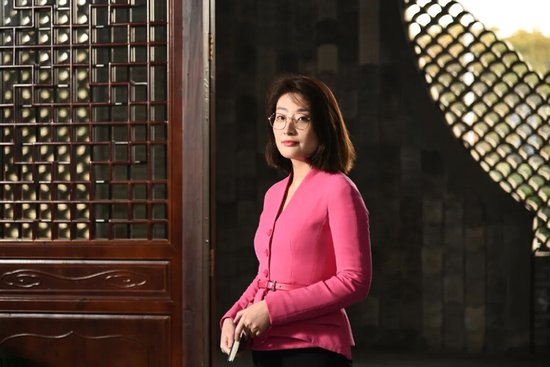
宗馥莉辞职41天后,有经销商收通知:明年继续卖娃哈哈
Mei Ri Jing Ji Xin Wen· 2025-10-23 22:20
Core Viewpoint - The resignation of Zong Fuli has led to a significant shift in the distribution landscape of the Wahaha brand, with distributors now facing a choice between continuing with Wahaha or transitioning to the new brand "Wawa Xiaozong" [1][7]. Group 1: Company Changes - Zong Fuli resigned from her positions as legal representative, director, and chairman of Wahaha Group on September 12, following the necessary procedures through the company's shareholder and board meetings [1]. - The new brand "Wawa Xiaozong" is set to replace the Wahaha brand starting from the 2026 sales year, as stated in a notice from Hangzhou Wahaha Honghui Food and Beverage Co., Ltd. [1]. - The macro victory group, which Zong Fuli controls, has been actively applying for trademarks related to "Wawa Xiaozong" across various product categories, including food and beverages [1]. Group 2: Distributor Dynamics - Distributors have received notifications from Wahaha prohibiting them from representing "Wawa Xiaozong," with threats of losing their Wahaha distribution rights if they do so [7]. - Currently, "Wawa Xiaozong" has not fully launched its products, and distributors are still evaluating which brand offers better profitability [7]. - The competing brand "Wawa Xiaozhi," associated with Zong Fuli's uncle, has initiated its own recruitment activities for distributors, indicating a competitive market environment [7][12]. Group 3: Product Launch and Marketing - "Wawa Xiaozong" has introduced its first product, a sugar-free Oolong tea priced at 4 yuan, which distinguishes itself from traditional Wahaha packaging [5]. - The brand has already signed contracts with 153 clients, primarily in Zhejiang, and is targeting chain supermarkets and large distribution customers [12]. - The product line for "Wawa Xiaozhi" includes various items such as AD calcium milk, mineral water, and coconut water, with claims that the formulations are identical to Wahaha's but offered at lower prices [12].

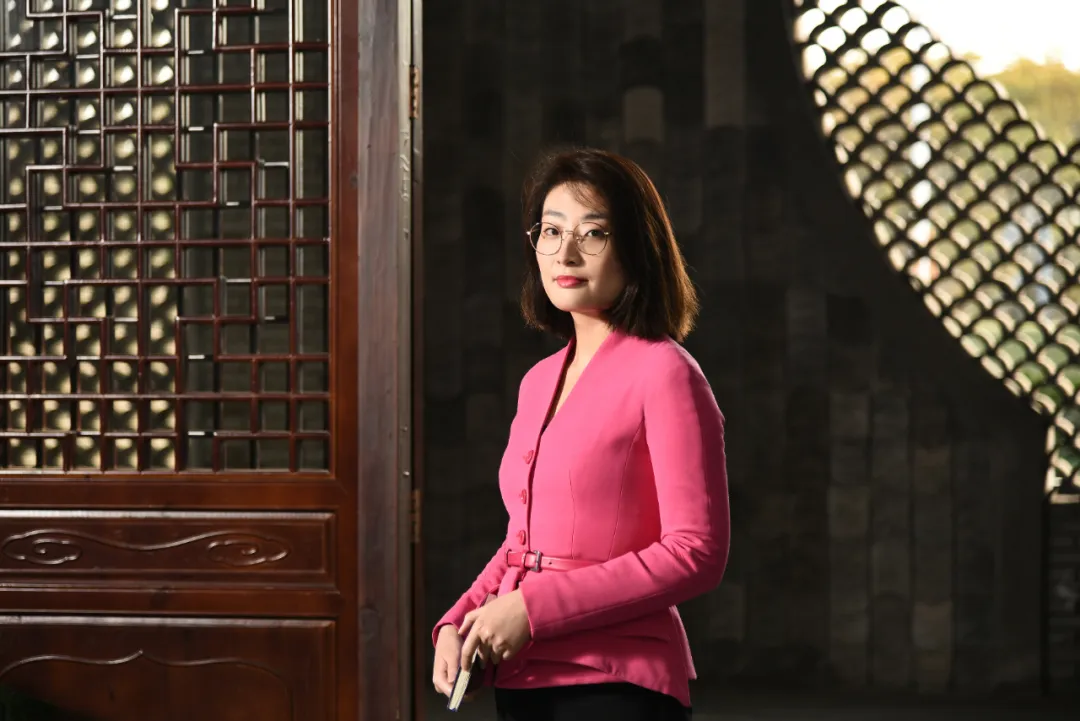
宗馥莉辞职41天后 有经销商收通知:明年继续卖娃哈哈;此前有娃哈哈经销商称被要求不能代理“娃小宗”
Mei Ri Jing Ji Xin Wen· 2025-10-23 16:45
Core Viewpoint - The resignation of Zong Fuli has led to a split among distributors regarding whether to continue with the "Wahaha" brand or switch to the new "Wawa Xiaozong" brand, with recent developments indicating a preference for the latter [1][4]. Group 1: Company Developments - Zong Fuli resigned from her positions at Wahaha Group on September 12, 2023, following the necessary procedures through the company's shareholder and board meetings [1]. - A notice from Hangzhou Wahaha Honghui Food and Beverage Co., Ltd. announced that starting from the 2026 sales year, the company will transition to the new brand "Wawa Xiaozong" to maintain compliance with brand usage [1]. - The new brand "Wawa Xiaozong" is under the Hongsheng Group, which was initially a contract manufacturer for Wahaha and has since expanded into a full beverage production solution provider [1]. Group 2: Distributor Reactions - Distributors have received notifications from Wahaha stating that they cannot represent "Wawa Xiaozong" without risking their Wahaha distribution qualifications [4]. - Distributors are currently evaluating which brand to support based on potential profitability, as "Wawa Xiaozong" has not yet fully launched in the market [4]. Group 3: Competitive Landscape - Zong Fuli's uncle, Zong Zehou, has launched a competing brand "Wawa Xiaozhi," which has begun its own recruitment activities for distributors [5]. - "Wawa Xiaozhi" offers products with similar formulations to Wahaha but at lower prices, and has already signed contracts with 153 clients, primarily in Zhejiang and other provinces [12]. - The recruitment for "Wawa Xiaozhi" does not require a deposit, and the initial purchase requirement is set at a minimum of 30,000 yuan [8].
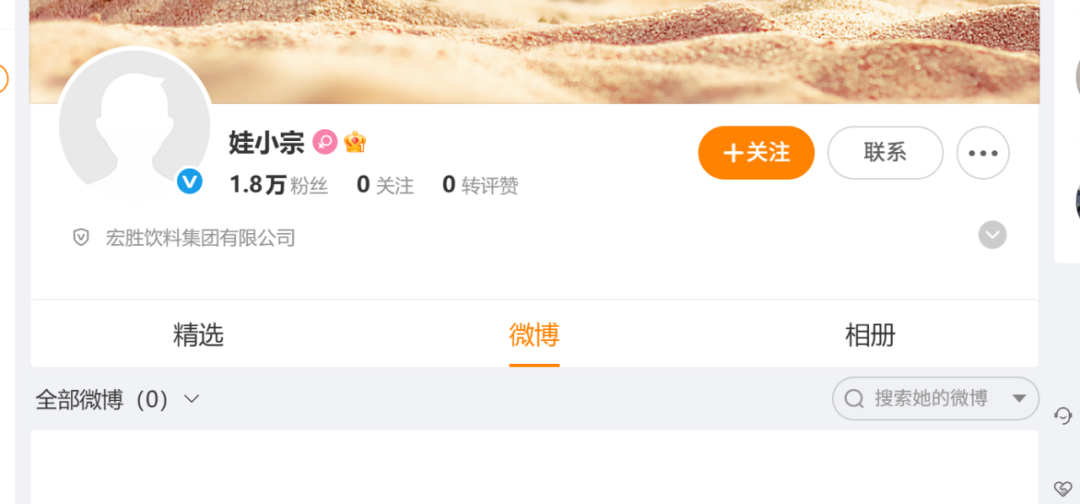
突发!宗馥莉辞职41天后,有经销商收通知:明年继续卖娃哈哈;此前有娃哈哈经销商称被要求不能代理“娃小宗”
Mei Ri Jing Ji Xin Wen· 2025-10-23 16:35
Core Viewpoint - The resignation of Zong Fuli has led to a significant shift in the distribution landscape for the Wahaha brand, with distributors now facing a choice between continuing with Wahaha or switching to the new brand "Wah Xiaozong" controlled by Zong Fuli's Hongsheng Group [1][8]. Group 1: Brand Transition - Zong Fuli resigned from her positions at Wahaha Group on September 12, 2023, and the company plans to transition to the new brand "Wah Xiaozong" starting from the 2026 sales year [1][2]. - Hongsheng Group has filed numerous trademark applications for "Wah Xiaozong" across various categories, including food and beverages, indicating a strategic expansion into multiple product lines [2]. Group 2: Distributor Dynamics - Distributors have received notifications from Wahaha prohibiting them from representing "Wah Xiaozong," threatening to revoke their Wahaha distribution rights if they do so [8]. - The competitive landscape is intensifying, with Zong Fuli's uncle, Zong Zehou, launching a competing brand "Wah Xiaozhi," which is actively recruiting distributors [8][10]. Group 3: Product Offerings - "Wah Xiaozong" has introduced its first product, a sugar-free Oolong tea priced at 4 yuan, which differentiates itself from traditional Wahaha packaging [6]. - The product line for "Wah Xiaozhi" includes a variety of items such as AD calcium milk, mineral water, and coconut water, with claims that their formulations are identical to Wahaha's but offered at lower prices [10][14].
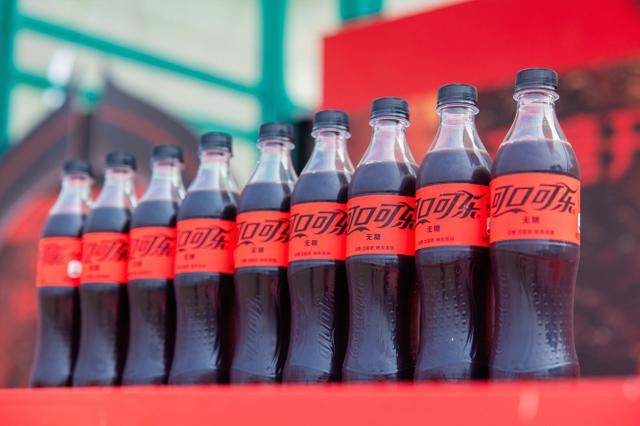
消费降级中的赢家!可口可乐精准收割穷人群,靠三招绝地反杀
Sou Hu Cai Jing· 2025-10-23 13:55
Core Insights - Coca-Cola reported Q3 2025 revenue of $12.46 billion, a 5.1% year-over-year increase, slightly exceeding market expectations [1] - The company achieved a 6% year-over-year growth in organic revenue, marking a recovery from previous negative growth in the first half of the year [1] - The introduction of smaller, lower-priced packaging and eco-friendly options helped stabilize concentrate sales, which remained flat year-over-year [1] Revenue Performance - In Latin America and India, the launch of smaller cans of Coca-Cola was well-received by price-sensitive consumers, driving organic growth [3] - The price of concentrates increased by 6% year-over-year, supported by a higher proportion of premium products in the product mix [3] - The Asia-Pacific region showed strong performance with revenue of $1.51 billion, an 11% year-over-year increase, particularly benefiting from increased cooler placements in China [3][5] Product Category Analysis - Zero-sugar Coca-Cola experienced explosive growth, with a 14% year-over-year increase, maintaining double-digit growth for five consecutive quarters [5] - Classic Coca-Cola grew by only 1% year-over-year, while other carbonated beverages declined by 1% [5] - Health-related products, including ready-to-drink tea and sports drinks, outperformed industry averages, with Fairlife milk experiencing strong demand due to its health benefits [7] Profitability and Cost Management - Coca-Cola's gross margin improved by 0.8 percentage points to 61.5%, aided by lower core raw material prices and an enhanced product mix [7] - Despite increased marketing and channel expenses during peak season, the company's overall expense ratio decreased by 1.7 percentage points to 29%, leading to a core operating margin of 32% [9] - The use of AI in various operational processes has significantly improved efficiency and cost structure [9] Future Outlook - Coca-Cola plans to continue its "De-averaging" strategy, utilizing AI for refined operations across different regions and channels [11] - The company is expected to maintain its leading position in the global beverage market while delivering more enjoyable products to consumers [11]

香飘飘杭州首店开业,打造沉浸式茶饮体验
Bei Jing Shang Bao· 2025-10-23 10:28
Core Viewpoint - The company Xiangpiaopiao is set to open its first national store in Hangzhou, aiming to create an immersive tea-drinking experience that combines trendy and traditional elements while gathering consumer feedback for product optimization [1] Group 1: Store Opening - Xiangpiaopiao will open its first national store in Hangzhou at the Dayuecheng shopping center [1] - The store will serve as a pop-up experience, allowing consumers to engage with the brand in a unique environment [1] Group 2: Business Strategy - The company focuses on bubble tea as its main product line and has recently introduced ready-to-drink products [1] - The opening of the store is part of a strategy to listen to consumer feedback closely, enabling the company to refine its offerings [1] Group 3: Previous Initiatives - Xiangpiaopiao opened its first physical experience store in December last year at West Lake, Hangzhou [1] - In March of this year, the company launched a themed store called "Original Leaf Tea House" in Chengdu [1]