养老服务

Search documents
让老年人共享振兴发展成果
Liao Ning Ri Bao· 2025-06-23 00:52
Group 1 - The core viewpoint emphasizes the importance of elderly happiness as a reflection of societal well-being and highlights the efforts made in Liaoning Province to enhance elderly care services and the silver economy [1][2] - Liaoning Province has implemented a series of comprehensive policies to support elderly care, including 13 policy documents aimed at improving the basic elderly service system and promoting the silver economy [2][3] - The province has expanded the supply of care services for disabled elderly individuals, with nursing beds in elderly care institutions accounting for 55.5% and the establishment of 12,000 family care beds [3][4] Group 2 - The province has developed nearly 800 elderly meal service institutions, serving an average of 15,000 elderly individuals daily [6][7] - A three-tier elderly service network has been established, with 93 counties having comprehensive elderly service platforms and 921 regional elderly service centers built [7][8] - The silver economy is being actively developed, with initiatives such as the establishment of a special train for elderly tourism and the creation of rehabilitation auxiliary equipment centers [10][11]
国际货币基金组织:欧元区有增长停滞风险,建议欧盟预算提高50%
Hua Er Jie Jian Wen· 2025-06-19 16:22
Group 1 - The IMF warns that Europe may face the risk of stagnation if immediate measures are not taken to address slowing growth, weak investment, and rising geopolitical risks [1] - The IMF projects that the Eurozone economy will only grow by 0.8% in 2025, despite a historically low unemployment rate and inflation close to target [1] - The IMF highlights the existence of "hidden barriers" within the EU, such as inconsistent regulations and standards, which significantly hinder business expansion and innovation [1] Group 2 - The IMF calls for decisive action from the EU to revitalize productivity by addressing the issue of cross-border fragmentation, which could potentially increase the overall GDP of Europe by about 3% over the next decade [1] - The IMF emphasizes the need for countries with significant fiscal space to invest now to stimulate growth, while those with high debt levels must face fiscal consolidation [2] - The IMF suggests expanding the EU's common budget by 50% to coordinate investments aimed at achieving common goals [2] Group 3 - The IMF warns that companies with exposure to the US may face a more challenging operating environment due to current global trade tensions, potentially leading to increased defaults and bad debts for related banks [2] - Despite these challenges, the IMF notes that the European banking system is currently well-capitalized and liquid, maintaining strong resilience against risks in the short term [2]
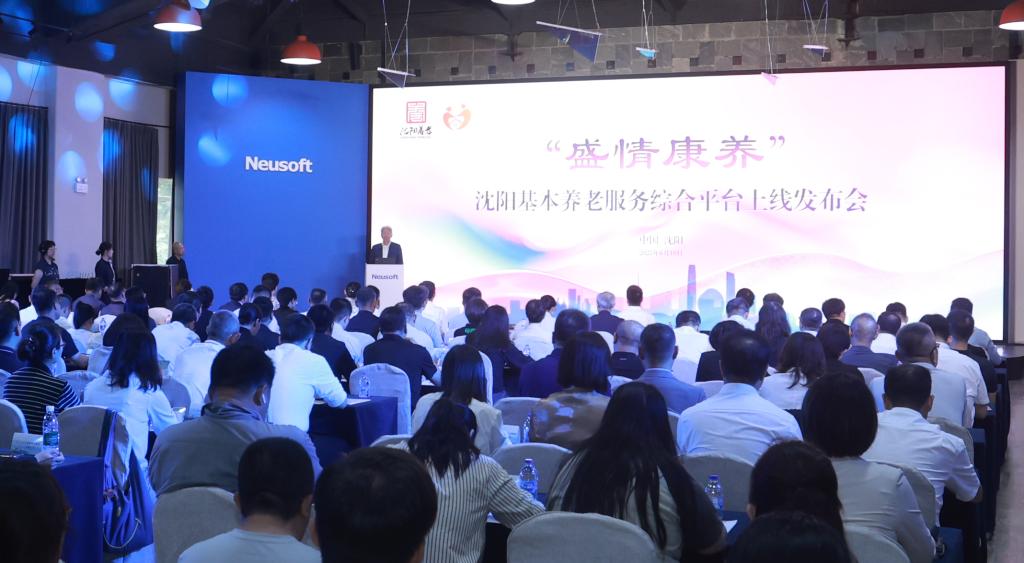
“盛情康养”沈阳基本养老服务综合平台上线发布
Xin Hua Wang· 2025-06-19 01:37
Group 1 - The "Shengqing Kangyang" platform was launched in Shenyang, focusing on innovative elderly care services through government and enterprise collaboration [1][3] - The platform integrates over 700 elderly service providers, covering various core elderly care scenarios such as home services, medical care, and educational programs [3] - The initiative aims to create a comprehensive smart elderly care service system that meets the needs of the elderly while enhancing the quality of elderly care services in Shenyang [3] Group 2 - Neusoft Group, along with other partners, established Shenyang Shengqing Kangyang Industry Co., Ltd. to manage the platform's operations and future development [5] - Agreements were signed with various partners in the silver economy sector to enhance collaboration and improve the elderly care industry in Shenyang [5] - The platform promotes a new elderly care ecosystem that combines education, healthcare, and wellness services, leveraging technology and data [3]


学习贯彻二十届中央纪委四次全会精神 | 深化整治民政领域群众身边不正之风和腐败问题
Zhong Yang Ji Wei Guo Jia Jian Wei Wang Zhan· 2025-06-19 00:56
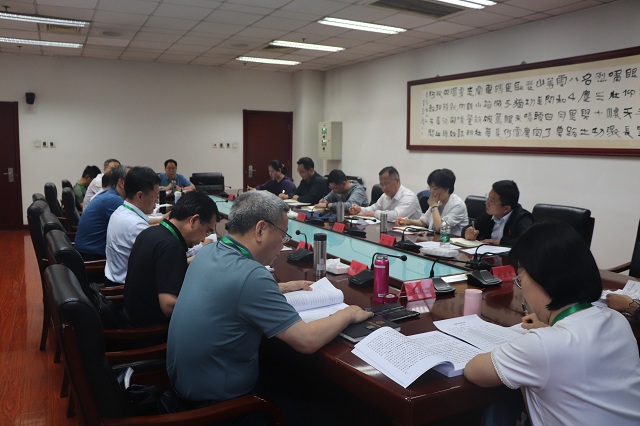
Core Points - The central government emphasizes the need to deepen the rectification of corruption and misconduct in the civil affairs sector, focusing on areas such as funeral services, charity, elderly care, and social assistance [2][3][4] - The initiative aims to enhance the political stance and ensure that the civil affairs system aligns with the central government's directives, addressing public concerns and improving the relationship between the party and the people [3][4] - The rectification process is described as a systematic project requiring coordinated efforts across various departments to effectively tackle corruption and misconduct [5][6] Group 1: Key Areas of Focus - The civil affairs sector will prioritize addressing issues related to funeral services, charity, elderly care, and social assistance, with a focus on eliminating corruption and improving service quality [2][7][8] - The government aims to strengthen the public welfare attributes of the funeral industry, which has been identified as a significant area for reform and anti-corruption efforts [8][9] - Continuous monitoring and rectification of issues such as illegal fees in the funeral industry and safety concerns in elderly care facilities are essential to meet public expectations [9][10] Group 2: Implementation Strategies - The initiative will involve a comprehensive approach that includes supervision, accountability, and collaboration among various departments to ensure effective implementation of reforms [5][6][12] - Establishing communication and cooperation mechanisms between civil affairs departments and other relevant organizations is crucial for addressing issues related to vulnerable groups such as the elderly and disabled [6][10] - The government will focus on both immediate corrective actions and long-term institutional reforms to prevent the recurrence of corruption and misconduct in the civil affairs sector [11][12]
济南|城市更新让泉城焕发新活力
Da Zhong Ri Bao· 2025-06-19 00:46
Group 1: Urban Renewal and Cultural Integration - Jinan city is leveraging urban renewal to connect cultural continuity, improve livelihoods, and promote industrial development, creating new spaces for high-quality urban growth [1] - The city emphasizes the integration of culture into urban renewal, utilizing historical resources to invigorate old buildings and promote deep integration of culture, tourism, and commerce [2] - The Mingfu City protection plan has been recognized as an innovative case in urban renewal, creating a unique commercial district that blends tradition with modernity [2] Group 2: Community Services and Facilities - The introduction of high-quality long-term rental apartments, such as the Yayu Apartment, aims to provide personalized services and facilities for diverse residents [3] - The project includes a community restaurant, gym, and shared meeting rooms, catering to various backgrounds and enhancing the living experience [3] - The Liu Zhiyuan project focuses on providing affordable housing for residents, with significant pre-booking activity indicating strong demand [3] Group 3: Elderly Care and Health Services - The establishment of the Jibang Comprehensive Elderly Care Service Center aims to provide 500 beds and leverage local medical resources for elderly care [4] - The project is designed to serve all age groups, integrating healthcare and community services [4] Group 4: Economic Development and Industry Attraction - The Wangyue Road Creative Design Industrial Park has successfully attracted 20 companies, generating significant revenue and enhancing local commercial value [5] - The High-speed Railway Riverside International Industrial Park is focused on attracting related industries and high-end services, contributing to economic growth [5] - Urban renewal efforts are aimed at creating livable and economically viable spaces, with projects like the TOD development enhancing transportation and multi-functional urban experiences [6]
特稿|罗志恒:大力发展服务消费——现状、症结与对策建议
Di Yi Cai Jing· 2025-06-18 01:33
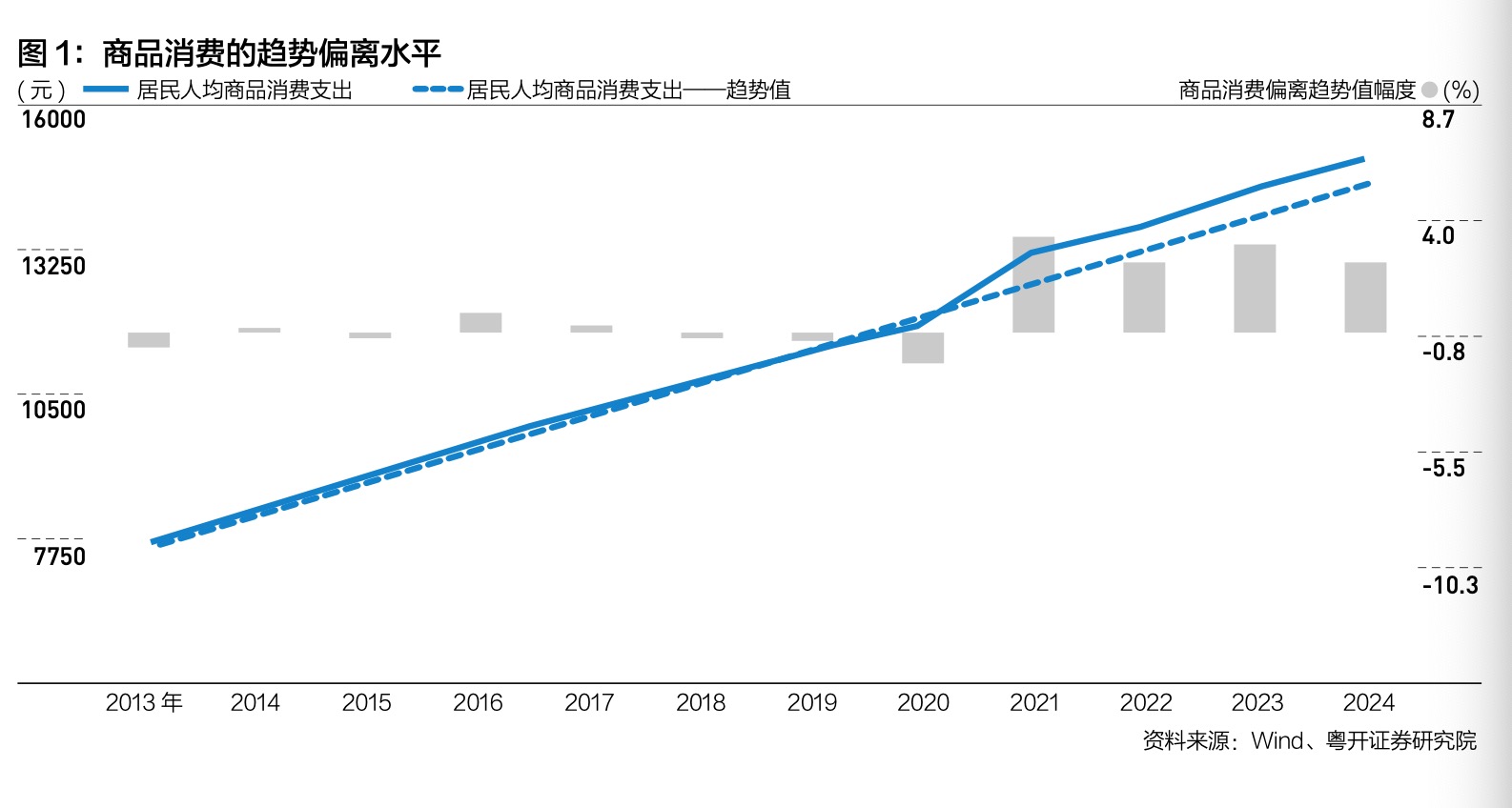
Core Viewpoint - The development of service consumption in China faces several constraints, including unstable income expectations, limited leisure time for residents, insufficient urbanization of the floating population, and inadequate supply. Measures are necessary to address these issues [1]. Group 1: Importance and Characteristics of Service Consumption - Service consumption is a significant component of total demand and a key focus for boosting consumption, with strong employment absorption capacity [1]. - Service consumption has distinct characteristics compared to goods consumption, including higher income elasticity, synchronous supply and demand, dependence on leisure time, and reliance on population concentration [2][3]. - The importance of service consumption is increasingly recognized in the current macroeconomic context, as it relates to stable growth, employment, and social welfare [4]. Group 2: Current Status of Service Consumption - From 2013 to 2024, per capita service consumption in China increased from 5,000 yuan to 13,000 yuan, with its share of total consumption rising from 39.7% to 46.1%. However, it has not yet returned to pre-2020 trend levels [5]. - China's service consumption level is lagging behind its development stage, with a significant gap compared to developed countries. In 2023, service consumption accounted for 66% in the US and around 60% in Japan, France, and the UK, compared to China's lower levels [8]. - Housing services constitute the largest share of service consumption, accounting for 34.6% in 2023, with self-owned housing being the primary source of this service [14]. - The share of transportation, communication, and education services has declined since 2019, indicating limited growth in these areas [17]. - Restaurant services have seen a notable increase, reaching 15.7% of service consumption in 2023, while medical services slightly increased to 14.9% [20]. Group 3: Constraints on Service Consumption - Service consumption is more sensitive to changes in income, with higher income elasticity compared to goods consumption, leading to a slower recovery post-2020 [21]. - The social security system's support for service consumption is inadequate, with significant disparities in pension benefits between urban and rural residents [22]. - Long working hours limit leisure time, with an average of 48.6 hours per week in 2023, significantly higher than the OECD average [22]. - Urbanization of the floating population remains a challenge, affecting their service consumption due to limited access to education and other services [23]. - There are supply shortages in certain service sectors, such as elderly care, where the number of registered beds is lower than in developed countries [23]. Group 4: Policy Recommendations to Boost Service Consumption - Policies should shift towards stimulating service consumption, including service consumption subsidies and consumption vouchers [24]. - Reforming the social security system to enhance pension benefits could reduce precautionary savings and release service consumption potential [24]. - Improving leisure time through optimized work and holiday policies can directly boost service consumption [24]. - Addressing educational access for the children of the floating population can significantly enhance service consumption [25]. - Public investment should focus on improving service supply quality, particularly in healthcare, education, and elderly care [25]. - The regulatory environment for service industries should be optimized to enhance market access and service quality [26].
山东发布加力稳经济促高质量发展政策措施 今年第二批政策清单聚焦一个“稳”字
Da Zhong Ri Bao· 2025-06-17 01:03
Core Viewpoint - Shandong Province has released a second batch of policy measures aimed at stabilizing the economy and promoting high-quality development, focusing on employment, enterprise support, domestic demand, and resource supply [2][3]. Group 1: Employment Stabilization - The policy measures prioritize youth employment, particularly targeting college graduates and unemployed youth aged 16-24, with incentives for organizations hiring them [3]. - A one-time expansion subsidy policy for enterprises hiring recent graduates or unemployed youth will be effective until December 31, 2025 [3]. - The maximum credit limit for small and micro enterprises has been increased from 30 million to 50 million yuan, with individual credit limits set at 10 million yuan [3]. Group 2: Enterprise Support - The measures include targeted policies for credit financing, debt repayment, and subsidies to assist enterprises facing difficulties, especially in the foreign trade sector [4]. - A financial direct connection service mechanism for private enterprises will be established, aiming for an additional credit of over 500 billion yuan by 2025 [4]. - Support for high-growth service enterprises will be coordinated through funding and insurance premium subsidies [4]. Group 3: Market Demand Expansion - The policy aims to expand domestic demand through various promotional activities, including over 1,000 consumption promotion events [5]. - A dynamic adjustment mechanism for housing loan limits will be established, with increased support for families with multiple children [5]. - The introduction of a new model for direct payment of rent from housing provident funds is part of the measures to enhance housing consumption [5]. Group 4: Optimizing Environment and Expectations - The measures focus on improving government services, optimizing policy effectiveness, and strengthening resource supply [6]. - A reform of the investment project approval system will be implemented to streamline processes and enhance efficiency [6]. - The "Ru Hui Tong" platform will be optimized to ensure policies reach the grassroots level effectively [6].
省级统筹5000万,支持各市发放零售餐饮消费券
Qi Lu Wan Bao· 2025-06-16 21:19
Group 1: Employment Stability - The policy emphasizes stabilizing employment, particularly focusing on youth employment, including college graduates, through various support measures such as subsidies and special loans [3] - The maximum credit limit for small enterprises has been increased from 30 million to 50 million yuan, and individual loans can go up to 10 million yuan [3] - The policy aims to support migrant workers and small and foreign trade enterprises by enhancing job stability and providing targeted services [3][4] Group 2: Business Support - The policy introduces measures to support foreign trade enterprises facing operational difficulties, ensuring they can access loans quickly and fully [4] - A financial service mechanism for private enterprises has been established, aiming to provide over 500 billion yuan in new credit through the "Xinyi Loan" platform by 2025 [4][5] - The policy includes subsidies for insurance related to intellectual property protection to support business operations [5] Group 3: Market Stability - The initiative aims to boost domestic demand by organizing over 1,000 promotional consumption events and providing 50 million yuan in funding for retail and dining vouchers [7] - The policy promotes the integration of various sectors with the aging population economy and supports the development of automotive culture and tourism [7] - Plans are in place to organize over 370 international exhibitions and support over 6,000 enterprises in participating in domestic international exhibitions [7] Group 4: Expectations Management - The policy focuses on enhancing government services and optimizing policy effectiveness, with plans to update 100 service scenarios by the end of the year [8] - It aims to improve coordination between economic and non-economic policies to ensure a unified approach [8] - The policy includes measures to secure land for major infrastructure projects and ensure the availability of necessary resources [8] Group 5: Implementation Timeline - The policies outlined in the document will take effect immediately upon issuance and remain valid until December 31, 2025 [9]

养老院“闯三关”:消防、预付款监管和现金流
经济观察报· 2025-06-16 10:36
Core Viewpoint - The current competition in the elderly care industry is intense, leading companies to focus on maintaining existing scale while waiting for market conditions to improve before seeking further expansion opportunities [1][5]. Market Conditions - Investment enthusiasm for expansion among elderly care institutions has decreased, with some small and medium-sized institutions and large real estate projects seeking to sell [2]. - In the first half of the year, elderly care institutions faced tightening cash flow and declining profit margins, alongside adapting to regulatory challenges [3]. Regulatory Environment - Many elderly care facilities underwent intensive fire safety inspections, requiring significant investments in infrastructure upgrades to meet safety standards [4]. - The transition to a strong regulatory model for prepayment systems has increased cash flow pressure on institutions, as fees must now be managed in a tripartite account [4][12]. Financial Challenges - The tightening of prepayment regulations has led to cash flow impacts, particularly for small and non-chain institutions, which may face risks of funding shortages [14]. - Many elderly care institutions are struggling to reach the breakeven point, with occupancy rates in Beijing reported at only 38%, necessitating a minimum of 50% for profitability [10]. Technological Advancements - Companies like Jiurucheng are investing in digital management systems, with approximately 60 million yuan allocated to enhance operational efficiency and standardization [6][21]. - The introduction of artificial intelligence technologies is being explored to improve operational efficiency and reduce long-term costs, despite initial investments [20][21]. Workforce Development - The industry is actively recruiting young talent to ensure long-term sustainability, with management programs being established to nurture new employees [19][20]. - The lack of management personnel in the elderly care sector presents significant growth opportunities for young professionals [19].

多维度织密“养老服务圈” 百姓乐享周边、家边、身边多层次养老服务
Yang Shi Wang· 2025-06-16 08:35
Group 1: Elderly Care Services - The article highlights the importance of elderly care services as a significant social issue, particularly focusing on the innovative solutions being implemented in Shanghai to address the dining challenges faced by the elderly [1] - Shanghai's AI canteen, covering an area of 130 square meters, serves as a "smart kitchen" for the elderly, utilizing robotic arms to automate cooking processes and offering over 2000 recipes across eight cuisines [3] - The AI canteen operates as one of the first "health canteens" for elderly care in Shanghai, providing an average of 700 meals daily, with cost-effective meal options around 20 yuan [5] Group 2: Cost Efficiency and Accessibility - The use of robots in the canteen has reduced operational costs by 50% while enhancing meal delivery efficiency, and it offers discounts for seniors, with meal prices as low as 15 yuan for special packages [5] - The canteen also features a smart payment system that supports facial recognition and digital currency, making it more accessible for elderly patrons [5] - The local government has established 15 elderly meal service points, with a daily supply capacity of 1200 meals, including 200 meals delivered to seniors' homes [7] Group 3: Short-term Care Services - In Nanjing, short-term care services are gaining popularity, allowing elderly individuals to receive tailored rehabilitation plans while providing flexibility for their families [8][9] - Jiangsu province is promoting the normalization of short-term care services across various elderly care institutions, catering to diverse needs [11] - Shenzhen has developed a "10-minute elderly service circle" with 70 elder service centers and 160 service stations, ensuring comprehensive support for the elderly in the community [13]