餐饮

Search documents
市场监管部门严查明码标价 追踪40余种民生商品价格动态
Bei Jing Shang Bao· 2026-02-10 02:57
Core Viewpoint - The Beijing market supervision authority has implemented a comprehensive price monitoring system for essential consumer goods during the Spring Festival, ensuring price stability and compliance among retailers [1][2]. Group 1: Price Monitoring Mechanism - Over 400 price monitoring points have been established across the city to track the price dynamics of more than 40 essential consumer goods, including rice, flour, oil, meat, eggs, vegetables, and dairy products [1]. - The monitoring system utilizes big data to create a "smart monitoring + precise warning" mechanism, allowing for daily price tracking and timely responses to any abnormal fluctuations [1]. Group 2: Regulatory Measures for Restaurants - Restaurant operators are required to standardize pricing practices, ensuring that menu prices are consistent and clearly marked, especially for different portion sizes [2]. - Special attention is given to New Year's Eve dinner packages, which must clearly indicate the names, prices, and individual item prices within the package [2]. Group 3: Joint Regulatory Efforts - The market supervision departments of Beijing, Tianjin, and Hebei have collaborated to issue guidelines for maintaining market price order during the New Year and Spring Festival, emphasizing integrity, clear pricing, and fair competition [2]. - Specific regulations have been established for industries such as entertainment, sports events, and holiday-themed products to ensure transparent pricing practices [2].
一周关闭23家,宜家、全家、物美持续调整
Sou Hu Cai Jing· 2026-02-10 02:56
Core Viewpoint - A total of 23 stores from six well-known chain brands in China closed between February 2 and February 8, 2026, indicating a significant trend of store closures across various sectors [4]. Group 1: Store Closure Overview - The restaurant sector experienced the highest number of closures, with 11 stores shutting down, including at least 2 from Awen Soup Dumplings in Beijing and 9 from Shanghai Xiaonan Guo in Shanghai [6]. - The supermarket sector saw 2 closures, specifically from Wumart Supermarket and China Resources Vanguard, with Wumart operating for 8 years and China Resources for 16 years [6]. - In the convenience store sector, FamilyMart closed at least 3 stores, all located in Nantong [6]. - The home goods sector accounted for 7 closures, all from IKEA, with stores in cities like Shanghai, Guangzhou, and Harbin shutting down [6]. Group 2: Reasons for Closures - The closures in the restaurant sector, particularly for Shanghai Xiaonan Guo, were abrupt, with customers unable to retrieve deposits for New Year's Eve dinners and employees reporting unpaid wages for several months [6]. - IKEA's large-scale store closures are attributed to multiple factors, including changing consumer habits favoring online shopping, a downturn in the real estate market reducing home decoration demand, and IKEA's strategy to optimize its business model by closing inefficient large stores and focusing on smaller community outlets and online channels [6]. - IKEA China announced a shift from expansion to targeted development, planning to open over ten small stores in key markets like Beijing and Shenzhen within the next two years, including new stores in Dongguan and Tongzhou [7].

2月10日起,烟台将在购物餐饮领域发放1500万元惠民消费券
Qi Lu Wan Bao· 2026-02-10 02:24
Group 1 - Yantai City has introduced "Ten Measures for Warm-hearted Benefits and Stable Work and Production during the 2026 Spring Festival" to promote consumption and support local businesses [1] - The first measure includes hosting 124 promotional events during the Spring Festival, with 15 million yuan in consumer vouchers distributed from February 10 to February 23 [1] - An additional 40 million yuan will be allocated for subsidies across various sectors including retail, dining, accommodation, and entertainment, along with a lottery for invoices over 100 yuan, with a maximum prize of 800 yuan per invoice [1] Group 2 - Yantai has been selected as a pilot city for a lottery invoice program, which will last for six months and focus on eight consumer sectors closely related to daily life [1] - Consumers must provide their real names and ensure invoices are issued in their names to participate in the lottery; corporate invoices are not eligible [2] - Local authorities are actively preparing the implementation plan and technical platform to launch the lottery invoice activity before the Spring Festival [2]
未知机构:中泰商社餐饮消费有望逐步企稳头部公司股价开始逐步反应大众餐-20260210
未知机构· 2026-02-10 02:10
Summary of Conference Call Notes Industry Overview - The notes focus on the **restaurant industry** in China, particularly highlighting major players such as **Haidilao** and **Yum China** [1][2]. Key Insights 1. **Restaurant Sales Growth**: The growth rate of restaurant sales continues to exceed the overall retail sales growth. In October, November, and December of 2025, the restaurant sales growth rates were 3.8%, 3.3%, and 2.2% respectively, while the overall retail sales growth rates were 2.8%, 1.0%, and 0.7% [1]. 2. **Recent Trends**: From January to April 2025, the growth rates of overall retail sales and restaurant sales were roughly equal. However, from May to September 2025, restaurant sales growth lagged behind overall retail sales growth, but began to surpass it again in October, indicating signs of recovery in restaurant consumption [1]. 3. **Impact of Holiday Season**: The data for January and February 2026 is expected to remain strong due to the extended Spring Festival holiday, which is likely to sustain the positive trend in restaurant sales [2]. 4. **Yum China's Performance**: In Q4 2025, Yum China's same-store sales growth was +3%, with KFC showing the highest growth rate among its brands at +3%, and Pizza Hut at +1%. Q4 was noted as the fastest quarter for same-store sales growth for KFC in 2025 [2]. 5. **Stock Performance**: The stock prices of leading restaurant companies like Haidilao and Yum China are gradually reflecting the trend of recovery in restaurant consumption. The expected valuations for 2026 are approximately 18x for Haidilao and 19x for Yum China, suggesting potential for valuation increases if recovery stabilizes [2]. Additional Recommendations - Attention is also recommended for other leading restaurant companies such as **Xiaocaiyuan** and **Dashihua** [3]. Risk Factors - A key risk highlighted is the potential for the recovery of mass consumption to fall short of expectations, which could impact the overall performance of the restaurant industry [3].


一家明星汉堡店破产了
投中网· 2026-02-10 02:09
Core Viewpoint - The article discusses the rise and fall of FAT Brands, a restaurant chain that utilized a unique financing strategy to expand rapidly but ultimately faced bankruptcy due to unsustainable practices and mismanagement [3][5][20]. Group 1: Company Background and Expansion Strategy - FAT Brands originated from the acquisition of Fatburger by Fog Cutter Capital in 2003, which was founded by Andrew Wiederhorn, a seasoned entrepreneur with a controversial past [7][8]. - The company adopted a light-asset model for expansion, focusing on franchise fees and profit sharing rather than direct restaurant management [8]. - After rebranding as FAT Brands in 2010, the company aimed to become a global franchise authority, acquiring multiple restaurant brands and expanding its footprint significantly post-2017 IPO [9][12]. Group 2: Financial Maneuvering and Growth - FAT Brands raised $24 million through a unique Regulation A+ IPO, allowing it to sell shares to non-accredited investors, primarily its fan base [4][12]. - The company engaged in aggressive acquisitions, spending over $800 million on various brands, including Buffalo's Cafe, Johnny Rockets, and Global Franchise Group [10][11][12]. - The rapid expansion led to over 2,200 locations worldwide by 2025, with total sales reaching $2.4 billion [12]. Group 3: Decline and Bankruptcy - The company's growth peaked in 2022 with 142 new store openings, but subsequent years saw a decline in new openings, leading to cash flow issues [14][17]. - FAT Brands reported a net loss of $190 million in 2024, with significant interest expenses contributing to financial strain [17]. - The company faced legal challenges from franchisees and creditors, culminating in a bankruptcy filing and delisting from NASDAQ, with stock prices plummeting by 97.6% from their peak [18][20]. Group 4: Management and Ethical Concerns - Andrew Wiederhorn and his family, who hold key executive positions, have been accused of misappropriating company funds for personal expenses, raising ethical concerns about the management practices at FAT Brands [19][20]. - The article suggests that the company's bankruptcy may not be merely a business failure but could be indicative of fraudulent practices [20].

备年货、品美食、活力足,迎新春!各地“年味”上线氛围感已拉满
Yang Shi Wang· 2026-02-10 01:51
Group 1: Tourism and Dining Industry - The demand for dining reservations, especially for New Year's Eve dinners, is peaking as the Spring Festival approaches, with traditional restaurants in cities like Qingdao innovating their offerings to attract consumers [1][4] - In Beijing, suburban homestays are becoming popular choices for families celebrating the New Year, featuring festive decorations and appealing local dishes [6][7] Group 2: Robot Rental Market - A new trend in service robotics rental is emerging, particularly during the Spring Festival, with a notable increase in demand for robots in various applications, including entertainment [8][10] - The number of robot rental companies in China has surged, with over 1,500 established by 2025, marking a 48.1% increase compared to 2024 [10] Group 3: Agricultural Market Supply - In Taiyuan, large agricultural markets are actively organizing supplies to ensure adequate availability of fresh produce for the Spring Festival, with daily vegetable trading volumes between 1,500 to 2,000 tons [12] Group 4: Floral Market - The flower market is experiencing a surge in activity as the Spring Festival approaches, with various auspicious flowers being popular among consumers, enhancing the festive atmosphere [13][15][17] Group 5: Cultural and Entertainment Events - The Zhangyuan New Year Garden Party in Shanghai has attracted many visitors, featuring traditional performances and the opening of new stores, contributing to the vibrancy of the Spring Festival cultural and tourism market [17]

年夜饭被临时加价或取消?三步教你有效维权
Xin Lang Cai Jing· 2026-02-10 01:25
Core Viewpoint - The article highlights the increasing frequency of disputes related to New Year's Eve dinners in restaurants, emphasizing the need for consumers to know how to protect their rights effectively when faced with issues such as last-minute cancellations, price hikes, and reduced menu offerings [1]. Group 1: Evidence Collection - Consumers should act immediately to secure key evidence within the first 30 minutes of encountering a problem, including screenshots or photos of reservation confirmations, payment receipts, and any communication with the restaurant [2][25]. - If a restaurant provides a new price list or menu, consumers should request a paper copy or take a photo for their records [3][26]. - Recording conversations with restaurant managers and taking photos of the food and environment can serve as strong dynamic evidence [4][27]. - It is important to document the names and identification numbers of the staff involved in the dispute [5][28]. Group 2: Complaint Channels - The primary complaint channel is the administrative regulatory body, 12315, which has the authority to enforce regulations in the restaurant industry and can impose penalties for violations such as unilateral breaches of contract and false advertising [7][30]. - Consumers can file complaints through the 12315 mini-program on WeChat or Alipay, ensuring to provide accurate restaurant names and detailed descriptions of the issues faced [8][32][34]. - Internet complaint platforms, such as "Black Cat Complaints," can be used as supplementary channels to increase visibility and pressure on the restaurant to resolve issues quickly [13][36]. Group 3: Clear Demands - Consumers should clearly state their demands, with the primary request being to fulfill the original contract as agreed upon during the reservation [16][39]. - If the restaurant cannot fulfill the reservation, consumers can request a full refund of any deposits or prepayments made [17][40]. - Additional claims can include compensation for any direct losses incurred due to the restaurant's failure to meet the agreement [18][42]. Group 4: Summary and Reminders - The article emphasizes the formula for addressing New Year's Eve dinner disputes: secure evidence, utilize 12315 as the main complaint channel, and leverage internet platforms as auxiliary support [20][44]. - Consumers are encouraged to act promptly, as early action increases the likelihood of a favorable resolution [23][46].
光大证券晨会速递-20260210
EBSCN· 2026-02-10 01:08
2026 年 2 月 10 日 行业研究 【环保】特斯拉加码光伏扩产,中国光伏设备与辅材龙头企业有望受益——碳中和领 域动态追踪(一百七十二)(买入) 特斯拉计划在 2028 年底前在美国本土实现从原材料端起的 100GW 一体化光伏制造。 美国光伏产能的扩张离不开中国的设备和技术,光伏组件的生产制造亦离不开中国的 辅材供应链。建议关注双良节能、晶盛机电、连城数控、拉普拉斯、捷佳伟创、奥特 维、ST 京机、福斯特、聚和材料、帝科股份、永臻股份等。 【房地产】【光大地产】核心城市楼市成交高频跟踪 20260209(增持) 截至 2026 年 2 月 8 日(由于基数变动,年初同比数据波动性较大为正常情况), 20 城新房:累计成交 5.6 万套(-13.7%);北京 3013 套(+2%)、上海 8996 套(+16%)、深 圳 1858 套(-55%);10 城二手房:累计成交 10.6 万套(+33.2%);北京 1.8 万套(+37%)、 上海 2.9 万套(+45%)、深圳 6532 套(+27%)。 公司研究 【社服】川渝风味面馆龙头,加速全国布局——遇见小面(2408.HK)投资价值分析 报告(增持 ...
知名老字号多家门店集体停业,不少人急了:刚预定了年夜饭
Xin Lang Cai Jing· 2026-02-10 00:31
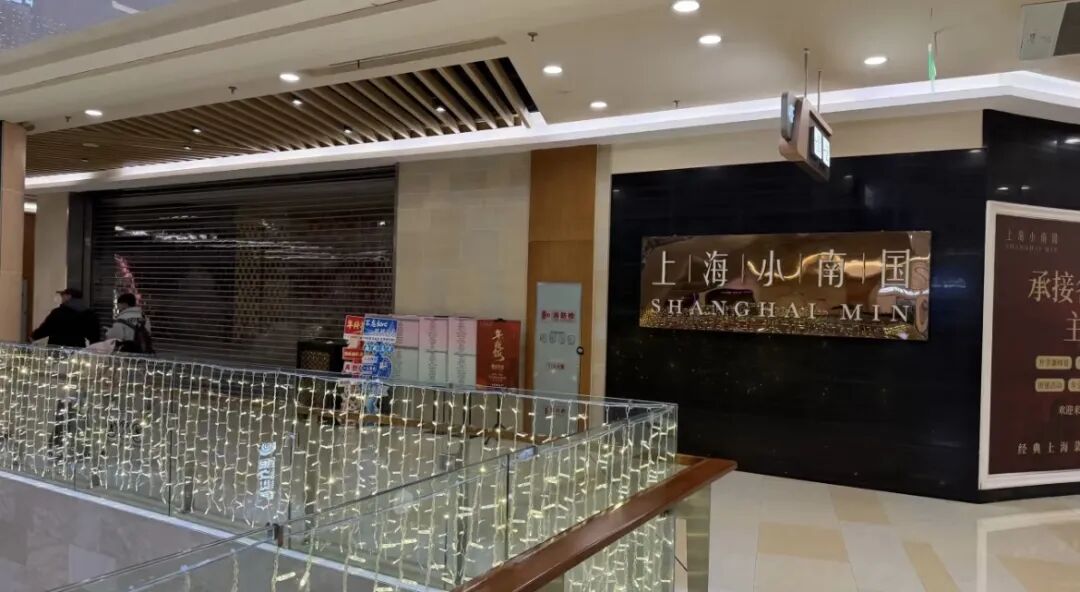
Core Viewpoint - The sudden closure of multiple Shanghai locations of the restaurant chain Xiao Nan Guo has raised concerns among consumers regarding unrefunded deposits and outstanding balances on prepaid cards, highlighting the company's ongoing operational struggles and market adaptation issues [3][10][12]. Group 1: Store Closures and Consumer Impact - Xiao Nan Guo has abruptly closed several of its Shanghai locations, leaving customers without prior notice and unable to retrieve deposits for pre-booked meals [3][5]. - Consumers have reported being unable to contact the closed stores, with some receiving notifications about the closures only through other businesses [5][9]. - Refunds for deposits are reportedly beginning to be processed for affected customers [11]. Group 2: Financial Performance and Market Position - Xiao Nan Guo, established in 1987, was once a prominent brand in Shanghai's dining scene, known for its high-quality dishes and service, but has faced declining performance in recent years [12]. - The company reported a loss exceeding 85 million yuan in 2024 and a mid-year loss of 18.248 million yuan in 2025 [12]. - The competitive landscape of the restaurant industry has shifted towards value, nutrition, and youthful experiences, which has rendered Xiao Nan Guo's focus on large banquets and business dining less relevant [13]. Group 3: Strategic Changes - Recently, Xiao Nan Guo announced the sale of its Hong Kong restaurant group for a nominal price of $100,000, retaining only two locations and rebranding under "ChingChing" [13]. - The stock price of Xiao Nan Guo experienced a decline, with an intraday drop of 8.33% and a closing drop of 2.78%, reflecting investor concerns about the company's future [13].
四川“返乡消费”暖流涌动 万家团圆添温情
Si Chuan Ri Bao· 2026-02-10 00:21
Core Viewpoint - The article highlights the significant increase in consumer activity during the 2026 Spring Festival in Sichuan, driven by the return of migrant workers and the introduction of various promotional activities aimed at enhancing local consumption [9][12][13]. Group 1: Consumer Trends - The scale of returning personnel for the Spring Festival in Sichuan is expected to exceed 7.6 million, making them a vital force in stimulating the local consumption market [9]. - The consumption patterns of returning individuals have evolved, with a shift from traditional purchases to a broader range of experiences and products, including new energy vehicles and immersive local experiences [10][12]. - The trend of "old for new" consumption, particularly in the context of home appliances and gifts, is gaining traction, reflecting a growing emphasis on quality and sustainability [12][13]. Group 2: Promotional Activities - Sichuan's Commerce Department has launched the "Sichuan An Yi · Hui Xiang Tuan Yuan" campaign, which includes nearly 200 events and over 100 million yuan in benefits aimed at returning individuals [9][13]. - The promotional activities are categorized into four main themes: "Warm Gastronomy," "Convenient Living," "Spring Outing," and "Heartwarming Services," each featuring various events and offerings [13][14]. - A broader initiative, "Sichuan An Yi · Le Gou New Spring," has been introduced to further stimulate consumption, focusing on cultural experiences, family reunions, and shopping [14][15]. Group 3: Economic Impact - The influx of returning workers is expected to enhance local consumption and drive economic growth in smaller cities, where demand remains unmet compared to larger urban areas [13]. - The integration of various promotional strategies aims to create a warm festive atmosphere while boosting local economic activity during the Spring Festival [15].