电力

Search documents
中国电力(02380)2月合并总售电量为813.24万兆瓦时
智通财经网· 2026-03-26 10:53
Group 1 - The core point of the article is that China Power (02380) announced its consolidated total electricity sales volume for February 2026 to be 8.1324 million megawatt-hours, while the consolidated total electricity sales volume for the first two months of 2026 reached 18.5919 million megawatt-hours [1]

中国电力(02380.HK)2月合并总售电量为813.2万兆瓦时 同比减少17.06%
Ge Long Hui· 2026-03-26 10:51
格隆汇3月26日丨中国电力(02380.HK)宣布,基于公司的初步统计,公司及其附属公司于2026年2月的合 并总售电量为813.2万兆瓦时,较去年同月减少17.06%,而2026年首两个月的合并总售电量为18,591,901 兆瓦时,较去年同期减少6.03%。 ...
抄底布局?
第一财经· 2026-03-26 10:51
Market Overview - The A-share market is experiencing an adjustment pattern, with the Shanghai Composite Index opening lower and showing volatility, primarily due to weak support from heavyweight sectors [5] - The Shenzhen Component and ChiNext Index have seen larger adjustments, with previously leading sectors such as computing power, CPO, and consumer electronics collectively realizing profits, contributing to the decline [5] Trading Activity - A total of 915 stocks rose, but there is a clear divergence with more stocks declining than rising [6] - Lithium materials stocks, including lithium mines, electrolytes, and membranes, performed well, while the power sector continued to show strength. However, popular sectors like photovoltaic equipment, insurance, wind power, national defense, and AI applications have seen adjustments [7] Capital Flow - The total trading volume in both markets decreased by 10.8%, indicating a shift towards risk aversion among investors, with funds moving from high-valuation tech growth sectors (AI, photovoltaic, telecommunications) to undervalued defensive and cyclical sectors [7] - Institutional investors are reallocating funds significantly from sectors such as electronics, computers, media, and gaming, while increasing positions in energy metals, basic chemicals, and power reform stocks [9] Investor Sentiment - Retail investors are entering the market to buy low-priced, small-cap defensive stocks (batteries, lithium mines, power), while reducing exposure to high-valuation tech stocks and speculative themes [9] - The sentiment among retail investors shows that 75.85% are optimistic about the market [10] Positioning - As of March 26, 30.20% of investors increased their positions, while 15.78% reduced their holdings, with another 30.20% remaining neutral [13] - The average position held by investors indicates a significant portion is still holding onto their investments, with 51.66% fully invested and 9.82% in cash [19] Profitability - A survey indicates that 4.35% of investors have achieved over 50% profit, while 4.05% have profits between 20% to 50%. Conversely, 45.05% are facing losses of less than 20% [21]


中煤能源:公司电力业务以推动坑口电厂建设为主要方向
Mei Ri Jing Ji Xin Wen· 2026-03-26 10:08
(文章来源:每日经济新闻) 每经AI快讯,有投资者在投资者互动平台提问:请问公司是否有发电业务? 中煤能源(601898.SH)3月26日在投资者互动平台表示,公司电力业务以推动坑口电厂建设为主要方 向,业务经营情况在定期报告中"管理层讨论与分析"章节的"其他业务分部"列示,目前电力装机规模较 小。 ...

媒体报道丨做好“开局之年”经济工作:加快构建新型电力系统
国家能源局· 2026-03-26 09:53
Core Viewpoint - The article emphasizes the importance of building a new power system to achieve carbon neutrality goals, highlighting the need for a low-carbon transition in the power industry while ensuring the stability of electricity supply and prices [2]. Group 1: Construction of Smart Grid - The new power system is characterized by an increasing proportion of renewable energy, necessitating the construction of ultra-high voltage lines and smart grids to ensure effective electricity distribution [4]. - Jiangsu province has undertaken four ultra-high voltage direct current transmission projects, contributing to the "West-to-East Power Transmission" initiative, with a cumulative electricity delivery of 1.08 trillion kilowatt-hours, over 50% of which comes from clean energy [4]. - The national "West-to-East Power Transmission" capacity has reached 340 million kilowatts, optimizing electricity resource allocation across the country [4]. Group 2: Development of New Energy Storage - Energy storage acts as a stabilizer in the new power system, with Shandong province achieving over 10 million kilowatts of new energy storage capacity [7]. - By the end of 2025, the installed capacity of new energy storage nationwide is expected to reach 136 million kilowatts/351 million kilowatt-hours, representing a growth of over 40 times compared to the end of the 13th Five-Year Plan [7]. - The flexibility of new energy storage is increasingly recognized for its role in enhancing the stability and security of the power system [8]. Group 3: Expansion of Green Electricity Applications - The consumption of green electricity is identified as a weaker link compared to its production and transmission, with the need for effective consumption to complete the energy transition [10]. - The rapid growth of electric vehicles (EVs) is driving the need for charging resources to participate in grid regulation, enhancing grid flexibility and renewable energy absorption [10]. - The implementation of the first national standard for vehicle-grid interaction microgrids aims to improve the operational efficiency and flexibility of charging stations, supporting the grid [10]. - New applications such as AI computing, green hydrogen, and zero-carbon parks are emerging, shifting green electricity consumption from "stock exploration" to "incremental expansion" [11].

绿发电力(000537) - 000537绿发电力投资者关系管理信息20260326
2026-03-26 09:26
Group 1: Share Buyback and Capital Structure - The company completed the buyback and cancellation of 10,884,453 shares on March 20, 2026, reducing total share capital from 2,066,602,352 shares to 2,055,717,899 shares. The controlling shareholder, Luneng Group, increased its holding percentage from 68.61% to 68.97% [2] - Future buyback plans will be considered based on market conditions, the company's financial status, and the interests of all shareholders [2] Group 2: Business Operations and Asset Management - The company has divested from real estate operations as of January 14, 2022, and no longer engages in this sector [2] - As of the end of 2025, the company's renewable energy projects are primarily located in regions such as Xinjiang, Qinghai, Gansu, Inner Mongolia, Hebei, Jiangsu, Shaanxi, and Shandong [2] Group 3: Renewable Energy Subsidies - By the end of 2025, the company had recovered a total of 2.282 billion yuan in renewable energy subsidies, with approximately 6.9 million yuan recovered in 2026 to date [3] Group 4: Strategic Planning and Development - The company is actively working on the evaluation of the "14th Five-Year" plan and the preparation of the "15th Five-Year" plan, focusing on optimizing investment structure and business layout [3] - Future development will prioritize electricity generation and pricing as a key initiative, aiming to enhance value creation and market competitiveness [3] Group 5: Energy Storage Projects - The company has secured a total of 1.2 million kilowatts of energy storage projects in regions including Inner Mongolia, Xinjiang, Gansu, and Hebei as part of its investment strategy [3] - The company is exploring diverse technological routes for energy storage, including electrochemical storage, compressed air storage, and flywheel storage [3]

标准引领,构建新型能源体系,《2026年能源行业标准计划立项指南》发布
仪器信息网· 2026-03-26 09:02
Core Viewpoint - The National Energy Administration has released the "2026 Energy Industry Standard Plan Project Guide," focusing on eight key areas to promote digitalization, intelligence, and green transformation in the energy sector [2]. Group 1: Key Areas of Focus - The guide emphasizes the construction of a new energy system and the assurance of energy security and green low-carbon transformation as its core tasks [2]. - The standardization efforts are shifting from traditional engineering construction to deeper areas such as digitalization, intelligence, and green low-carbon initiatives [2]. - Eight key areas for standardization have been identified: electricity, nuclear power, coal, oil and gas, new energy, new energy storage and hydrogen energy, refining and chemical, and energy carbon management [2][3]. Group 2: Electricity Sector - The electricity sector focuses on safety and digital intelligence, covering power system analysis, fault defense, grid-source coordination, and the safety of new energy generation [3]. - Key initiatives include enhancing coal power efficiency, heat transformation, and carbon capture, utilization, and storage (CCUS) [3]. - The sector also emphasizes high-voltage transmission, smart substations, and microgrids [3][4]. Group 3: New Energy and Storage - The post-market for new energy is emerging, particularly in wind and solar power, which includes upgrading old power stations and recycling wind turbine components [5]. - New energy storage encompasses various technologies such as electrochemical, compressed air, and flywheel systems, along with intelligent operations [5]. - Hydrogen energy is being developed across the entire industry chain, from production to storage, transportation, refueling, and power generation [5]. Group 4: Carbon Management and Integration - Energy carbon management is highlighted, focusing on carbon emission accounting and evaluation across all energy categories, including electricity, coal, and oil and gas [6]. - The integration of artificial intelligence with energy and the fusion of energy with other industries are emerging as new highlights, involving data integration and application capability assessments [6]. Group 5: Traditional Energy Sector - In the coal sector, the focus is on green mining, gas management, and monitoring, as well as the digitalization and intelligence of coal mines [7]. - The oil and gas sector emphasizes deep earth and deep sea exploration, digital storage and transportation, and CCUS technology [8]. - Refining focuses on the digitalization of facilities, green low-carbon transformation, and the establishment of standards for green fuels such as biodiesel and green ammonia [8]. Group 6: Market Opportunities - Scientific instrument manufacturers are encouraged to align with the standardization efforts and proactively engage in high-growth areas such as carbon monitoring, hydrogen safety, and new energy recycling [8]. - The transition from "passive procurement" to "active compliance" in the instrument market is expected to create structural growth opportunities as relevant standards are implemented [8].

算电协同:中国AIDC的电力解决方案
Changjiang Securities· 2026-03-26 09:01
Investment Rating - The report suggests a positive outlook for the industry, indicating that the "算力协同" (computing and electricity collaboration) is expected to become a key power solution for China's AIDC (Artificial Intelligence Data Center) sector, driven by the explosive growth in AI model demand and supportive policies [88]. Core Insights - The report highlights that the domestic demand for AI computing is set to surge, with the power supply being a critical support for AI development. The "算力协同" is anticipated to play a significant role in addressing the energy needs of AIDC [21][88]. - The report emphasizes the importance of green electricity in the energy supply for data centers, with a target of over 80% green energy usage in new data centers by 2025 [34][42]. - The "算电协同" policy framework is evolving, transitioning from pilot exploration to large-scale implementation, marking a significant shift in the industry [34]. Summary by Sections Introduction - The report states that the demand for AI tokens is surging, and the construction of AIDC in China is expected to experience rapid growth [21][34]. - It notes that the domestic AI model invocation has surpassed that of the United States since 2026, indicating a robust growth trajectory for AI applications in China [19][21]. Green Electricity - The report outlines the dual carbon control policy framework, which aims for carbon peak by 2030 and carbon neutrality by 2060, providing a clear roadmap for the transition to green energy [39][41]. - It details the expected increase in the proportion of green electricity consumption in key energy-intensive industries, with new data centers required to achieve an 80% green electricity consumption rate by 2025 [42][44]. Energy IT - The report discusses the challenges faced by both computing and electricity systems, termed the "impossible triangle," which includes safety, greenness, and economic efficiency [61][63]. - It emphasizes the need for a collaborative approach between computing and electricity sectors to optimize resource allocation and enhance stability in energy supply [67][68]. Investment Recommendations - The report concludes that with the development of AI models and the increasing demand for computing power, there are significant investment opportunities in the related industrial chain, particularly in companies that align with the "算力协同" strategy [88].
刚刚!全线大跌!以军发动大规模袭击,伊朗局势突变!机构火线解读
天天基金网· 2026-03-26 08:12
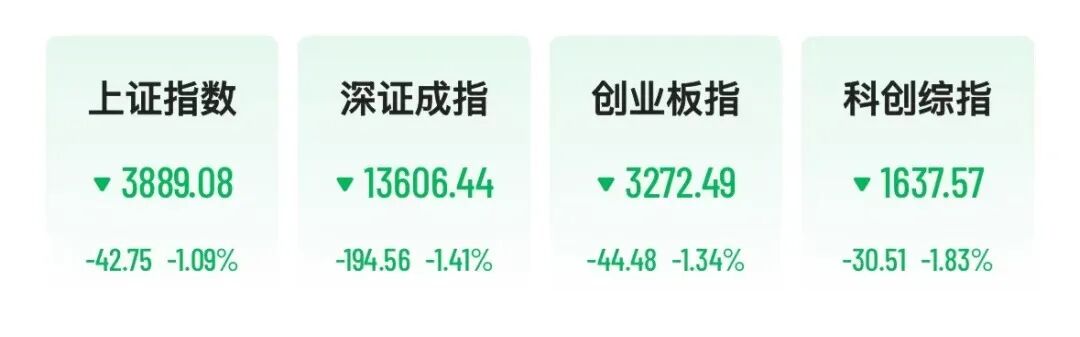
Group 1 - The Israeli military launched large-scale attacks on Iranian facilities, indicating a significant escalation in regional tensions [1] - Iran's military announced new rules for the Strait of Hormuz, asserting control over passage rights, which could impact global shipping routes [2] - The introduction of Google's TurboQuant algorithm has raised concerns about demand in the memory and storage sectors, leading to a decline in stock prices for key manufacturers [3] Group 2 - A-shares experienced a collective decline, with all three major indices dropping over 1%, reflecting a negative market sentiment [5] - The trading volume in the Shanghai, Shenzhen, and Beijing markets fell below 2 trillion yuan, a decrease of over 200 billion yuan compared to the previous day [5] - Most industry sectors saw declines, with energy and metals sectors showing strength, while insurance, wind power, photovoltaic equipment, rare earths, communication services, software development, precious metals, and diversified finance sectors faced significant losses [7] Group 3 - The A-share market opened lower and experienced a rapid decline in the afternoon, with over 4,400 stocks falling, indicating a deteriorating profit outlook [9] - The public utility sector continued its recent strong performance, supported by a significant increase in national power generation capacity [9] - The electronics sector faced pressure due to the impact of Google's TurboQuant announcement, which negatively affected sentiment in the storage chip industry [9] Group 4 - The market is expected to maintain high volatility due to geopolitical tensions, with the direction remaining uncertain [10] - The Shanghai Composite Index has dropped from 4,182 points to 3,889 points in March, reflecting a 7% decline [10] - The fear index (GVIX) has risen to 18.28, indicating increased market anxiety, although it has not reached extreme levels [10] Group 5 - The escalation of conflict in the Middle East has led to increased recession probabilities in the U.S., with various institutions raising their forecasts [11] - Rising oil and gas prices are expected to increase global inflation rates and reduce GDP growth, impacting market conditions [11] - China's energy dependence is relatively low, which may mitigate the impact of external inflationary pressures compared to other economies [11] Group 6 - The central bank has expressed a clear intention to stabilize financial markets, indicating a supportive policy environment [12] - The manufacturing sector is undergoing a significant supply clearing cycle, with expectations of improved profitability in the A-share market [12] - The focus on long-term capital allocation remains strong, with improvements in corporate governance and shareholder returns [12] Group 7 - Short-term strategies should focus on controlling positions due to geopolitical uncertainties [13] - The energy sector, particularly utilities and coal, is expected to benefit from rising traditional energy prices and strong domestic demand [13] - Gold remains a valuable asset in times of geopolitical conflict, with long-term trends favoring increased central bank purchases [13] - Areas representing economic transformation, such as AI and advanced manufacturing, are still considered core investment directions [13]

亚太主要股指飘绿,港股科网股重挫,快手大跌14%,油气股逆势领涨
2 1 Shi Ji Jing Ji Bao Dao· 2026-03-26 07:54
Group 1 - The Asia-Pacific stock markets experienced a widespread decline, with Japan's Nikkei 225 index falling by 0.27% and South Korea's KOSPI index dropping by 3.22% [1] - The A-share market saw a pullback, with all four major indices declining over 1%, and the Shanghai Composite Index falling below 3900 points, with nearly 4500 stocks declining across the market [1] Group 2 - Oil and gas stocks showed strength in the afternoon, with Blue Flame Holdings surging to the limit, and Shouhua Gas rising over 6%. International oil prices increased by approximately 2% for both New York and Brent crude [5] - Coal and chemical stocks experienced short-term gains, with Jinmei Technology hitting the limit and Haixing Co. rising over 8% [5] - The power sector was active, with Huadian Energy achieving four limits in six days, and Hunan Development achieving three consecutive limits [5] - Lithium battery material stocks showed repeated strength, with Rongjie Co. achieving three consecutive limits [5] - The commercial aerospace concept saw renewed activity, with Shenjian Co. and Zhongchao Holdings hitting the limit, and Xice Testing rising over 16% [5] Group 3 - The photovoltaic sector continued to weaken, with Guosheng Technology hitting the limit down, and Yubang New Materials and Shouhang New Energy both declining over 9% [6] - The Hong Kong stock market also faced declines, with the Hang Seng Index dropping over 2% and the Hang Seng Technology Index falling by 3.4% [6] Group 4 - Technology stocks collectively fell, with Kuaishou dropping over 14%, and major companies like Huahong Semiconductor and SMIC declining over 6% [7] - The consumer sector led the declines, with Pop Mart falling 11% [7] - Oil and gas stocks rose against the trend, with Baijin Oil Services increasing over 9% [7]