航空

Search documents
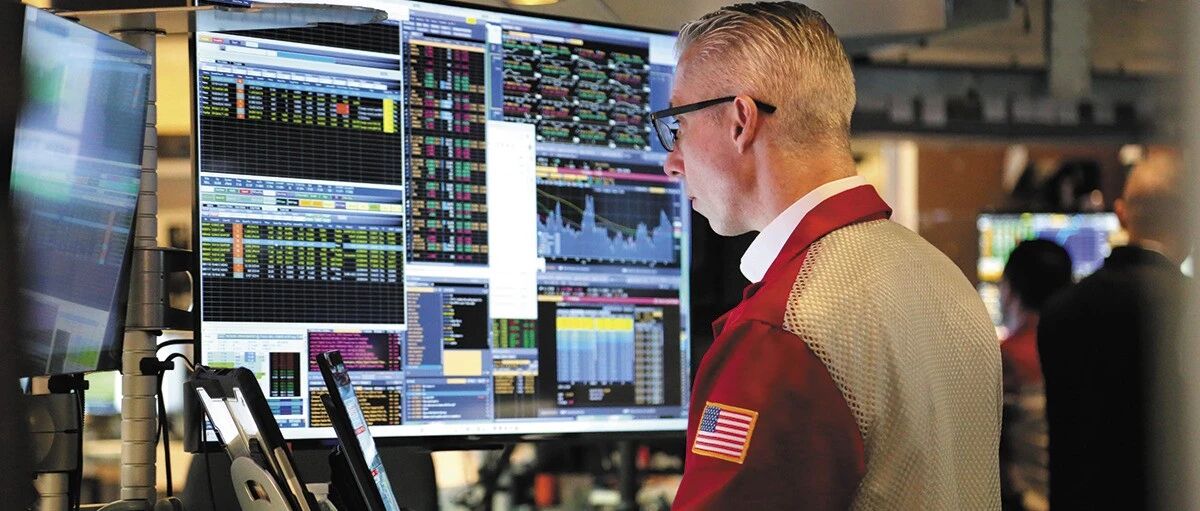
S&P, Dow futures in green as oil falls after Trump signals Iran war end
Invezz· 2026-03-10 12:00
Market Overview - US stock index futures are in the green as oil prices decline, driven by optimism that the Iran conflict may be nearing an end, with Dow futures gaining around 17 points (0.03%) and S&P 500 futures rising 0.02% [1][1][1] Oil Market Reaction - Oil prices fell sharply, with West Texas Intermediate crude futures down about 6.8% to around $88.43 per barrel and Brent crude dropping 7.5% to roughly $91.5 per barrel, following President Trump's comments indicating a quicker resolution to the military campaign [1][1][1] Investor Sentiment - Despite the rebound in equities, uncertainty remains regarding energy markets, with Iran continuing its oil blockade and elevated shipping costs expected to persist. The G7 energy ministers are set to discuss the potential release of strategic oil reserves to stabilize markets [1][1][1] Sector Performance - Lower oil prices have benefited travel stocks, with airline companies like American Airlines and Delta Air Lines seeing gains. Conversely, energy companies such as Occidental Petroleum and Exxon Mobil experienced declines in their stock prices [1][1][1] Technology and Cryptocurrency Stocks - Technology stocks showed resilience, with companies like Nvidia and Oracle gaining, while cryptocurrency-related stocks also rose, tracking a 4% increase in Bitcoin [1][1][1]


东兴证券晨报-20260310
Dongxing Securities· 2026-03-10 09:49
Core Insights - The report highlights the significant growth in the multi-metal reserves of the company, with a notable increase in revenue and net profit for the year 2025, indicating a stable upward cycle in performance [5][6][9] - The company has successfully enhanced its gold production cost advantages, maintaining a competitive position in the global market [7][9] Company Performance - In 2025, the company achieved an operating revenue of 171 billion yuan, a year-on-year increase of 25.9%, and a net profit of 29.7 billion yuan, up 36.7% [5] - The basic earnings per share (EPS) for 2025 was reported at 1.1 yuan, reflecting a growth of 36.8% [5] - The company’s multi-metal resource reserves have significantly increased, with gold reserves rising by 9% to 149.48 tons and silver reserves increasing by 282% to 2701.48 tons [6][7] Revenue and Cost Analysis - The revenue from gold sales in 2025 reached 55.05 billion yuan, a 24% increase year-on-year, while silver sales grew by 18% to 11.60 billion yuan [7] - The production costs for gold were reported at 142.18 yuan per gram, showing a decrease of 2.2%, which contributed to an increase in gross margin to 81.63% [7][8] Shareholder Returns - The company has established a diversified investor return system, with a cash dividend of 4.8 yuan per 10 shares, totaling 1.332 billion yuan, resulting in a dividend payout ratio of 44.82% for 2025 [8] - The company has also initiated a share buyback program, with a total repurchase amounting to 34.09 million yuan by the end of 2025 [8] Future Outlook - The company forecasts operating revenues of 209.18 billion yuan, 261.05 billion yuan, and 303.96 billion yuan for the years 2026 to 2028, with net profits expected to reach 50.33 billion yuan, 79.42 billion yuan, and 103.52 billion yuan respectively [9]

2月行业信息思考:如何理解假期消费的亮眼表现和节后消费走势
SINOLINK SECURITIES· 2026-03-10 05:23
Group 1: Industry Insights on Holiday Consumption - The bright performance of holiday consumption during the Spring Festival in 2026 is attributed to a combination of the holiday consumption pulse effect, intensified policy support, and an extended holiday duration [1][12] - Service consumption saw a significant increase, with tourism spending rising by 18.7% year-on-year, while retail and catering consumption grew by 5.7%, surpassing the previous year's growth rates [1][12] - The pulse effect of holiday consumption is particularly pronounced among wage earners, whose consumption behavior is more reliant on holiday windows, leading to concentrated spending during the holiday period [12][13] Group 2: Consumer Trends and Policy Impact - The high growth in goods consumption during the holiday is primarily driven by the implementation of the "old-for-new" policy, rather than a significant holiday pulse effect [12][13] - Sales of six categories of home appliances and four categories of digital products benefiting from the "old-for-new" subsidies increased by 21.7% year-on-year, significantly outpacing overall goods consumption growth during the holiday [12][13] - The overall consumer demand remains weak when combining data from January and February, indicating that the foundation for a comprehensive recovery is not yet solid [4][12] Group 3: Sector-Specific Performance - In the energy and resources sector, coal supply constraints have intensified, while demand remains weak and stable, leading to a mixed price performance [3][26] - The real estate sector experienced a notable decline in new and second-hand housing transaction volumes, with investment continuing to drop during the seasonal low [3][34] - The financial sector saw an increase in A-share market activity, with new credit issuance exceeding expectations in January [3][11] Group 4: Future Outlook - The transmission of consumer recovery from corporate profit stabilization to disposable income growth is critical for future consumption trends [2][13] - The ongoing decline in disposable income growth, which was approximately 4.3% year-on-year as of December 2025, poses a constraint on consumption [2][13] - The adjustment of consumption targets by local governments for 2026 indicates a cautious outlook for overall consumer recovery, with many provinces lowering their retail sales growth targets [2][13]
道指下挫840点,大型科技股全线下跌,金山云涨超14%,小鹏涨超7%,金银急跌
21世纪经济报道· 2026-03-09 14:29
Market Overview - The US stock market experienced a significant decline, with major indices dropping over 1%, and the Dow Jones falling more than 840 points [1] - Bank stocks and large tech companies saw collective downturns, with Jefferies down over 4%, and Citigroup, Wells Fargo, and Barclays down over 3% [2] - Precious metals, airlines, and cruise stocks also faced declines, with Carnival Cruise Line down over 8% and Delta Airlines down approximately 6% [3] Cryptocurrency Market - Cryptocurrency stocks showed gains, with Circle up over 9% and Coinbase up over 2%, as the cryptocurrency market rebounded, with Bitcoin surpassing $69,000 [3] - In the last 24 hours, over 91,000 individuals in the global cryptocurrency market faced liquidation, with nearly two-thirds being short positions [3] Oil Market Insights - Iranian military officials warned that if oil prices exceed $200 per barrel, it could lead to significant economic consequences, although the likelihood of a long-term disruption in the Strait of Hormuz is considered low [5] - The oil industry expert indicated that a prolonged disruption would significantly impact international oil prices and necessitate finding alternative trade routes, which would require substantial investment and time [5] Commodity Market - Spot gold and silver prices saw increased declines, with gold down over 1.8% and silver down approximately 1% [3] - WTI crude oil experienced a short-term drop, with its gains narrowing to 6.7% [3]

美股科技股,开盘集体下跌
第一财经· 2026-03-09 13:42
Market Overview - On March 9, U.S. stock indices opened significantly lower, with the Dow Jones down 0.85%, the S&P 500 down 0.86%, and the Nasdaq down 0.73% [1] - The Dow Jones Industrial Average closed at 47098.46, down 403.09 points [2] - The Nasdaq index closed at 2223.53, down 164.15 points [2] - The S&P 500 closed at 6681.81, down 58.21 points [2] Sector Performance - Technology stocks continued to face pressure, with Western Digital down over 2% and major companies like Amazon, Google, AMD, Intel, Tesla, and Apple all declining by more than 1% [2] - Airline and cruise stocks also fell, with Delta Air Lines dropping over 3% and Norwegian Cruise Line Holdings down more than 4% [2] - Conversely, oil stocks saw gains, with ConocoPhillips rising nearly 1% [2] Chinese Stocks - Among Chinese stocks, Kingsoft Cloud surged over 15%, and OpenClaw maintained heightened interest [2]
资讯日报:中东持久战担忧下油价飙升-20260309
Guoxin Securities Hongkong· 2026-03-09 12:28
Market Overview - The Hang Seng Index closed at 25,757, up 1.72% for the day but down 3.28% year-to-date[3] - The Hang Seng Tech Index rose 3.15%, while the Hang Seng China Enterprises Index increased by 2.09%[9] - The S&P 500 and Nasdaq fell by 1.33% and 1.59% respectively, with year-to-date declines of 1.54% and 3.68%[3] Oil Price Surge - WTI crude oil prices surged approximately 36% and Brent crude by about 27% due to escalating conflicts in the Middle East, disrupting oil transport in the Strait of Hormuz[9] - The VIX index rose by 22%, reaching its highest level since April of the previous year, indicating increased market volatility[9] Employment Data - The U.S. non-farm payroll report for February showed a loss of 92,000 jobs, with the unemployment rate rising to 4.4%[9] - This data has heightened concerns regarding inflation and economic outlook[9] Sector Performance - JD.com reported a revenue of over 1.3 trillion yuan for 2025, a 13% year-on-year increase, with a core retail operating margin of 4.6%[9] - Biopharmaceutical stocks surged, with companies like 3SBio and CanSino rising over 9% following government support for the sector[9] Commodity Trends - Gold stocks faced pressure, with China Gold International and Tongguan Gold dropping by 5.20% and 1.93% respectively, amid rising inflation expectations due to oil price hikes[9] - The copper inventory on the LME increased by over 20,000 tons, marking the largest weekly rise since August 2024, contributing to a 43.69% increase in domestic copper stock[9]

VIX 快破 30 了,美股艰难的一周又开始了
美股研究社· 2026-03-09 11:12
Core Viewpoint - The current market risks are not merely about stock price declines but rather a shift in narrative, as indicated by the rising CBOE Volatility Index (VIX) approaching 30, suggesting a transition from a bullish to a defensive market stance [2][3]. Group 1: Macroeconomic Factors - The macroeconomic environment that previously supported the stock market is being shaken by new variables, including rising oil prices due to geopolitical conflicts, renewed inflation uncertainties, and weakened expectations for interest rate cuts [3][6]. - Historical data shows that rising oil prices during geopolitical tensions often lead to concerns about inflation rather than supply shortages, as energy prices are a direct catalyst for inflation [6]. - The Federal Reserve's high interest rates, maintained above 5% from 2022 to 2024, were initially expected to ease by 2025-2026, but rising oil prices could fundamentally alter this narrative, delaying potential rate cuts [6][7]. Group 2: Market Structure and Sector Performance - The current market has developed a clear four-layer structure, indicating a divergence in capital flows. The most resilient sectors include energy and certain defense industries, which benefit from rising oil prices [12]. - AI hardware and infrastructure companies are also attracting capital due to their clear orders and technological barriers, viewed as essential in the ongoing AI development trend [12]. - Conversely, sectors like transportation, airlines, and discretionary consumer goods are highly sensitive to energy prices, with rising oil costs likely to lead to downward revisions in earnings expectations [12][13]. - Small-cap stocks and high-leverage cyclical stocks are facing significant challenges due to high financing costs and growth uncertainties, leading to underperformance compared to larger indices like the S&P 500 [13]. Group 3: Upcoming Economic Indicators - The upcoming U.S. CPI data is critical for the Federal Reserve's decision-making. A sustained decline in core inflation could maintain optimistic market expectations for rate cuts, while an unexpected rise would necessitate a reevaluation of the entire rate-cutting cycle [9][10]. - The technology sector is approaching a pivotal moment with earnings reports from companies like Oracle and Adobe, which will serve as key indicators of AI investment returns. The substantial capital expenditures in AI, projected to exceed $200 billion by 2025, raise questions about the timing of revenue and profit realization [10]. Group 4: Investment Strategy and Market Signals - As the VIX approaches 30, the market is entering a phase characterized by conflicting narratives between AI-driven profit growth expectations and macroeconomic pressures from energy and inflation [15]. - Investors are advised to focus on three key signals: the trajectory of oil prices, movements in U.S. Treasury yields, and the performance of technology stocks. Maintaining balance among these factors could allow for structural market opportunities [15].

伊朗冲突的影响与交易线索:环球市场动态2026年3月9日
citic securities· 2026-03-09 05:48
Market Overview - A-shares opened lower but closed higher on Friday, with the Shanghai Composite Index rising by 0.38% to 4,124.19 points, and the Shenzhen Component Index increasing by 0.59%[3][17] - The Hang Seng Index rose by 1.72% to 25,757.29 points, driven by strong performance in the technology sector, particularly JD.com which surged nearly 10%[3][13] Oil and Commodity Prices - Oil prices surged by 20% to $110 per barrel due to disruptions in the Strait of Hormuz caused by the Iran conflict, raising concerns about global energy supply[4][30] - Gold prices fell nearly 2% amid inflation concerns as oil prices increased[4][30] Employment and Economic Indicators - The U.S. non-farm payrolls unexpectedly declined by 92,000 in February, with the unemployment rate rising to 4.4%, indicating a weakening labor market[9][33] - The Federal Reserve faces uncertainty regarding monetary policy, with expectations that interest rates will not be lowered during Powell's term, but potential cuts may occur later in the year[9][33] Global Stock Market Performance - Major U.S. indices fell for the second consecutive day, with the Dow Jones down 0.95% to 47,501.6 points, the S&P 500 down 1.33% to 6,740 points, and the Nasdaq down 1.59% to 22,387 points[11][8] - European markets also declined, with the Euro Stoxx 600 index dropping approximately 1.3%, marking a significant weekly decline of over 5%[11][10] Investment Strategies - Given the uncertainty surrounding the Iran situation and potential oil price peaks, it is advisable to consider allocating to energy assets to capture potential upside while being prepared to adjust exposure as the situation stabilizes[6][30] - The U.S. dollar is expected to remain strong during the conflict, serving as a safe-haven currency amid inflation concerns[6][30]
未知机构:国联民生策略周思考冲突持续升级市场需要等待原油见顶美以联-20260309
未知机构· 2026-03-09 02:15
Summary of Conference Call Notes Industry Overview - The notes discuss the impact of escalating conflicts in the Middle East, particularly the joint airstrikes by the US and Israel on Iran, which have led to significant disruptions in the Strait of Hormuz, affecting global oil and LNG transportation [1][2]. Key Points and Arguments 1. **Market Dynamics**: The market has shifted to an "event-driven" mode, where oil price movements are expected to directly influence market direction. A sustained increase in oil prices could lead to a rapid "Risk Off" scenario due to potential supply chain disruptions [1]. 2. **Conflict Escalation**: The expectation has shifted from a "lightning war" to a "protracted war," with military actions anticipated to continue for approximately four weeks, and Iran claiming it has over six months of high-intensity warfare capability [1][2]. 3. **Energy Sector Impact**: The shipping in the Strait of Hormuz has seen substantial stagnation, with insurers withdrawing coverage for the area, affecting about 20-25% of global oil transport and 20% of LNG transport [2]. 4. **Asset Price Outlook**: Three scenarios for asset price movements are outlined: - **Scenario One**: Quick resolution of the conflict leading to a peak and subsequent decline in oil prices, which would stabilize market liquidity and risk appetite [4][5]. - **Scenario Two**: Prolonged conflict with manageable intensity, resulting in fluctuating oil prices and a gradual increase in precious metals while risk assets remain volatile [5]. - **Scenario Three**: Long-term escalation of the conflict, leading to persistent high oil prices and a stagflation environment, with a risk of rapid declines in equity assets [6]. Additional Important Content - **Market Volatility**: The current market is experiencing tightening liquidity alongside constrained oil supply, leading to various asset classes, including equities and precious metals, facing downward pressure [3]. - **Equity Market Strategy**: The A-share market is in a medium volatility state, with expectations for a return to lower volatility levels before significant upward movement can occur. The correlation between A-shares and US stocks suggests that monitoring US market conditions could be beneficial for A-share strategies [7]. - **Investment Opportunities**: Short-term cyclical industries, particularly energy, are expected to enter a price increase cycle due to supply chain constraints. Conversely, sectors like aviation and social services may face pressure from rising costs and increased travel risks [9]. Conclusion - The ongoing geopolitical tensions and their implications for oil prices and market dynamics are critical for investors. The outlined scenarios provide a framework for understanding potential market movements and investment strategies in the current environment.
早报|哈梅内伊次子当选伊朗最高领袖;深圳龙岗拟首发“龙虾十条”;Kimi付费用户订单暴涨80倍;大润发母公司CEO被免职
虎嗅APP· 2026-03-09 00:30
Group 1 - Iran's new Supreme Leader is appointed, with significant authority over major affairs and military command [2] - Brent crude oil prices have surpassed $100 per barrel, with a daily increase of 7.89%, while WTI crude also crossed $100 with a 10.02% rise [3] - Iran's military secretary has been killed in an attack, indicating escalating tensions in the region [4] - An Iranian radiation sterilization facility was attacked, but no radioactive leaks were reported [5] - Iran has announced plans to expand the scale and depth of its military strikes against U.S. and Israeli targets [15] Group 2 - Apple is set to launch at least three new Ultra devices, including an iPhone Ultra priced around $2000, AirPods Ultra, and MacBook Ultra, with significant upgrades and price increases [6] - Kimi's subscription user orders surged by 80 times, ranking it among the top 10 in Stripe's global payment list, driven by the success of its K2.5 model [16][17] - Shenzhen Longgang district is proposing measures to support the development of OpenClaw and OPC, including subsidies for innovative projects [7][8] Group 3 - The latest search for Malaysia Airlines Flight MH370 has concluded with no findings, covering approximately 7571 square kilometers of the southern Indian Ocean [9][10] - McDonald's CEO faced backlash over a promotional video for a new burger, criticized for appearing disingenuous [12][13] - The Chinese government is set to release February's CPI and PPI data, with expectations of a noticeable increase due to the impact of the Spring Festival and rising oil prices [28]