可再生能源

Search documents
市场消息:挪威国家石油公司在丹麦的首个太阳能发电厂已开始投产。
news flash· 2025-06-19 06:05
Group 1 - The core point of the article is that Norway's national oil company has commenced operations at its first solar power plant in Denmark [1] Group 2 - The solar power plant marks a significant step for the company in diversifying its energy portfolio [1] - This initiative aligns with the industry's broader trend towards renewable energy sources [1]

立足山地特色开辟发展新路
Jing Ji Ri Bao· 2025-06-18 20:18
Group 1 - The core idea emphasizes the transformation of the "Green Mountains and Clear Water are Gold and Silver Mountains" concept into practical applications for sustainable regional development, particularly in resource-rich areas of central and western China [1] - Guizhou, as a national ecological civilization pilot zone, aims to convert ecological advantages into developmental benefits through four main strategies: ecological value transformation, digital technology empowerment, clean energy development, and rural ecological prosperity [1] - The establishment of a systematic mechanism for ecological value transformation includes the development of a GEP accounting scheme, a provincial ecological product trading center, and a unique industrial system that integrates mountain agriculture, ecological industry, and cultural tourism [1] Group 2 - Guizhou is leveraging digital technology to create a smart governance model, establishing a comprehensive ecological monitoring system that utilizes various technologies for real-time pollution tracking and management [2] - The region is addressing geographical constraints by developing a multi-energy supply system, focusing on renewable energy sources such as hydropower and wind energy, and creating a regional smart energy coordination platform [2] - The integration of ecological benefits with rural revitalization is being pursued through innovative business models that combine ecology, sports, and tourism, alongside the establishment of a system for ecological forest rangers to generate income while protecting the environment [3] Group 3 - Looking ahead to the 14th Five-Year Plan, Guizhou plans to deepen its exploration of a digital twin-based ecological governance system and develop market mechanisms for carbon trading and ecological compensation [3] - The region aims to create a circular economy system that promotes both ecological industrialization and industrial ecology, fostering green industrial clusters in sectors like renewable energy and big data [3] - The strategy reflects a dual leap in theory and practice, continuing the logic of the 13th Five-Year Plan while achieving innovations in systems, technologies, and regional collaboration [3]
透过数据看“十四五”答卷: 中国能源转型提“质”焕“新”
Zheng Quan Shi Bao· 2025-06-18 18:27
Energy Transition Acceleration - China's total investment in energy transition is projected to reach $818 billion in 2024, surpassing the combined investments of the US, EU, and UK, marking a 20% increase from 2023 [2] - By the end of 2024, China's renewable energy installed capacity is expected to reach 1.889 billion kilowatts, accounting for 56% of the total, doubling from the end of the 13th Five-Year Plan [2] - Wind power capacity is projected to reach 521 million kilowatts, maintaining the global lead for 15 consecutive years, while solar power capacity is expected to hit 887 million kilowatts, leading globally for 10 years [2] Renewable Energy Development - As of February 2024, the combined installed capacity of wind and solar power in China reached 1.456 billion kilowatts, exceeding that of thermal power [3] - Hydropower is expected to reach an installed capacity of 436 million kilowatts by the end of 2024, a 17.77% increase from the end of 2020 [3] - The coal power sector has achieved over 95% ultra-low emissions units, with coal consumption per unit of power supply reduced to 303.21 grams of standard coal per kilowatt-hour, a 7.5% decrease from 2020 [3] Technological Innovation - Technological innovation is identified as the core driver of energy industry transformation, with a focus on advanced renewable energy, safe and efficient nuclear energy, and energy digitalization [4] - In 2024, the average conversion efficiency of PERC p-type monocrystalline solar cells reached 23.5%, a 0.7 percentage point increase from 2020 [4] - The offshore wind power sector is experiencing a trend towards larger and more advanced products, with the share of newly installed offshore wind turbines with a capacity of 10 megawatts or more rising from 12.1% in 2022 to 58% in 2024 [4] Energy Industry Chain Development - China's energy industry chain has achieved a leap from low-end manufacturing to high-end innovation, establishing a complete industrial system in solar, wind, and energy storage [7] - In 2023, China's global market shares for polysilicon, silicon wafers, solar cells, and modules reached 91.6%, 97.9%, 91.9%, and 84.6%, respectively, with significant increases from 2020 [7] - Leading companies like Tongwei Co. and Longi Green Energy have shown substantial growth in production, with Tongwei's polysilicon output reaching 594,800 tons, a 5.9-fold increase from 2020 [7] Regional Collaboration and International Cooperation - Significant progress has been made in regional collaboration and international cooperation in the energy sector, contributing to energy security and global energy transition [9] - By the end of 2024, the first batch of 50 renewable energy base projects in the western region is expected to be operational, with an installed capacity exceeding 90 million kilowatts [9] - China has engaged in green energy project cooperation with over 100 countries, with notable projects like the ±800 kV high-voltage direct current transmission project in Brazil being completed [10]







亚洲能源转型关键期的中国经验
Guo Ji Jin Rong Bao· 2025-06-18 13:02
本届高层会议在"查塔姆规则"下进行,行业领袖们就未来协同发力的四大关键领域达成共识,具体 包括: 6月16日至18日,由马来西亚国家石油公司(下称"马石油")主办,标普全球旗下剑桥能源周担任 知识合作伙伴的"亚洲能源论坛"(Energy Asia)在吉隆坡会展中心开幕。 本届论坛以"共塑亚洲能源转型新格局"为主题,汇聚了来自60多个国家、横跨38个行业的政策制定 者、行业领袖与能源专业人士,共同发出坚定而有力的呼吁——以果敢和协同的行动方案,加速亚洲迈 向净零未来。 马来西亚首相拿督斯里安瓦尔·易卜拉欣阁下出席论坛并主持开幕仪式。他表示,在当前全球能源 转型加速推进的背景下,亚洲能源论坛汇聚了政策制定者、行业领袖与能源专家,共同推动战略协同与 务实解决方案的落地,携手应对发展中经济体与新兴经济体在能源转型进程中所面临的独特挑战与机 遇。 四大共识 据记者了解,论坛围绕七大核心议题展开了50余场战略性对谈,深入探讨亚洲各国在提升能源安 全、加快可再生能源部署、推广脱碳解决方案、促进技术转移以及推动经济与社会发展等方面的合作与 探索。 马石油总裁兼集团首席执行官、亚洲能源论坛主席丹斯里陶菲克指出,"能源安全与气候 ...
气候危机拉响警报,亚洲能源转型创造“黄金机遇”
2 1 Shi Ji Jing Ji Bao Dao· 2025-06-17 13:39
逆境前行 世界各地旷日持久的地缘政治冲突愈演愈烈。近期霍尔木兹海峡周边冲突升级,油价因供应冲击风险而 飙升,贸易问题也加剧了对抗。人们不得不接受一个充满波动的能源世界。 在陶菲克看来,虽然我们暂时无法准确衡量所有这些事件的真正影响,但全球能源体系已经承受巨大压 力,确实面临风险。当今世界正处于一个十字路口,虽然能源安全比以往任何时候都更加牢固地占据着 各国议程的首位,但也不能忽视人类面临的决定性挑战——气候变化。 21世纪经济报道记者吴斌 吉隆坡报道 极端热浪、大旱、洪水、森林大火……气候变化带来的不仅是巨大的经济损失,还有那些本不该消逝的 生命。随着气候危机拉响红色警报,能源转型刻不容缓。 2025年6月16日至18日,第二届亚洲能源论坛在吉隆坡举行,主题为"共塑亚洲能源转型新格局",汇聚 了来自60多个国家、横跨38个行业的政策制定者、行业领袖与能源专业人士,一系列重量级嘉宾展开深 入探讨。 马来西亚总理安瓦尔在开幕式上表示,保护主义和民族主义的兴起预示着世界正向"后全球化"转型。地 缘政治紧张局势、报复性关税以及供应链中断加剧了不确定性,削弱了全球贸易和经济体系曾经提供的 可预测性、可靠性和稳定性。这种 ...
国际能源署最新报告指出——可再生能源仍是全球投资重点
Jing Ji Ri Bao· 2025-06-15 22:00
Group 1 - The International Energy Agency (IEA) projects global energy investment to reach $3.3 trillion in 2025, a 2% increase year-on-year, with approximately $2.2 trillion directed towards renewable energy, nuclear, grids, and electrification [1] - China has become the largest energy investor globally, increasing its share of global clean energy spending from one-quarter to nearly one-third over the past decade [1] - Investment in renewable energy and low-carbon fuels in the U.S. has nearly doubled in the past decade, but may enter a plateau due to reduced policy support [1] Group 2 - In Africa, energy investment is expected to shrink by one-third compared to 2015, with clean energy investment accounting for only 2% [2] - The report indicates a slowdown in the global energy investment boom under the "green transition," with energy sector venture capital declining while AI investment has surged to $84 billion [2] - Approximately 70% of new energy transition investments in the past five years have come from fossil fuel net-importing countries, driven by significant increases in investment from China, Europe, and India [2] Group 3 - The global energy investment landscape is being reshaped by the "electricity-dominated era," with projected electricity sector investment reaching $1.5 trillion in 2025 [3] - Solar energy investment is expected to reach $450 billion in 2025, with battery storage systems becoming a key driver in emerging economies [3] - Oil upstream investment is projected to decline by 6% in 2025, potentially marking the largest drop since 2016, while global natural gas investment is expected to remain stable [3] Group 4 - Investment in low-carbon fuels is projected to reach nearly $30 billion in 2025, potentially setting a historical high, with carbon capture projects expected to grow tenfold by 2027 if all approved projects proceed as planned [4] - The report emphasizes the critical need for timely investment to ensure energy security, sustainability, and affordability, noting that current global grid investment of $400 billion is insufficient to meet rising electricity demand [4] Group 5 - To achieve the goal set at the 28th UN Climate Change Conference to triple global renewable energy generation capacity by 2030, annual investment in renewable energy must double, alongside increased investment in supporting grids and storage [5] - The report calls for expanded climate financing for developing countries to meet the target of raising at least $1.3 trillion for low-carbon projects by 2035 [5]
ESG热点周聚焦(6月第3期):SEBI发布可持续债券新框架
Guoxin Securities· 2025-06-15 11:27
Core Insights - The global ESG sector is advancing clean energy through corporate collaboration, green finance investments, and government support, with a focus on regulatory improvements and sustainable development initiatives [2][6] - In the green finance arena, SWEN Capital Partners raised €160 million for the SWEN Blue Ocean 2 fund, aimed at marine biodiversity restoration, while CDP issued the first blockchain-based green bond in Europe, raising €500 million [2][9] - Domestic ESG developments in China emphasize energy structure reform, with initiatives like the People's Bank of China promoting green building standards and the State Council advocating for improved urban waste management systems [2][6] International ESG Events - Bain and Terralytiq formed a strategic partnership to assist companies in decarbonizing their supply chains, particularly focusing on Scope 3 emissions [7] - The UK government approved the Sizewell C nuclear power station, which will provide clean energy for approximately 6 million homes and create over 10,000 jobs [7] - Six leading public development banks launched the Clean Oceans Initiative 2.0, committing €3 billion to combat marine plastic pollution [7] Domestic ESG Developments - The People's Bank of China and other departments issued a notice with 20 measures to promote the integration of green building standards with green credit standards [2][6] - Google invested in water resource management in Taiwan, collaborating with local authorities to improve aquatic ecosystems [2][6] - The city of Jiaxing outlined key points for carbon peak and carbon neutrality, focusing on energy project construction and the development of non-fossil energy [2][6] Academic Frontiers - A study published in the Economic Analysis and Policy journal found a positive correlation between vague language in ESG reports and firm value, indicating that low-quality disclosures may mislead investors [2][4] - Research in the Global Finance Journal highlighted that increased ESG reputational risk correlates with significant declines in stock returns, primarily through reduced investor confidence [2][4] - A study in the Journal of Political Economy revealed that climate change exacerbates agricultural specialization in low-income countries, suggesting that reducing trade barriers could significantly lower their exposure to climate risks [2][4]
【高端访谈】绿色经济为中巴合作拓展新空间——专访巴西皮奥伊州州长拉斐尔·丰特莱斯
Xin Hua Cai Jing· 2025-06-14 08:57
Group 1 - The core viewpoint is that the northeastern Brazilian state of Piauí is actively promoting energy transition and green economic development amid climate change, geopolitical competition, and industrial restructuring [1] - The state has conducted 12 international investment promotion activities in the past two years, with two more planned for this year, indicating a growing interest in investing in Brazil despite global trade challenges [1] - Piauí's clean energy accounts for 99.75% of its energy mix, with a focus on attracting industries that rely on green energy and exporting hydrogen and its derivatives [1] Group 2 - The state government has proposed solutions to address issues related to renewable energy generation, including accelerating auction mechanisms and enhancing grid connectivity between northeastern and southeastern regions [2] - A legislative framework for renewable energy certificates has been established, expected to be operational before COP30, providing a basis for low-carbon certification of hydrogen projects [2] - Piauí aims to attract green finance into high-value green manufacturing sectors such as hydrogen, green steel, and data centers, with several cooperation memorandums signed in the special economic zone [2] Group 3 - The state has introduced artificial intelligence as a mandatory subject starting from the ninth grade, covering 120,000 students, and is also providing training for civil servants to promote technology adoption [3] - The governor of Piauí, Rafael Fonteles, is noted for his focus on the integration of education, technology, and green development [3]
消息人士:美国环保署拟将2026年和2027年常规乙醇混合量设定为150亿加仑,美国环保署拟降低进口原料产生的可再生燃料信用价值。
news flash· 2025-06-13 13:51
Core Viewpoint - The U.S. Environmental Protection Agency (EPA) plans to set the conventional ethanol blending volume for 2026 and 2027 at 15 billion gallons, while also proposing to reduce the value of renewable fuel credits generated from imported feedstocks [1] Group 1 - The proposed blending volume of 15 billion gallons for conventional ethanol indicates a stable regulatory environment for the biofuels industry [1] - The reduction in the value of renewable fuel credits for imported feedstocks may impact the competitiveness of imported renewable fuels compared to domestically produced alternatives [1]
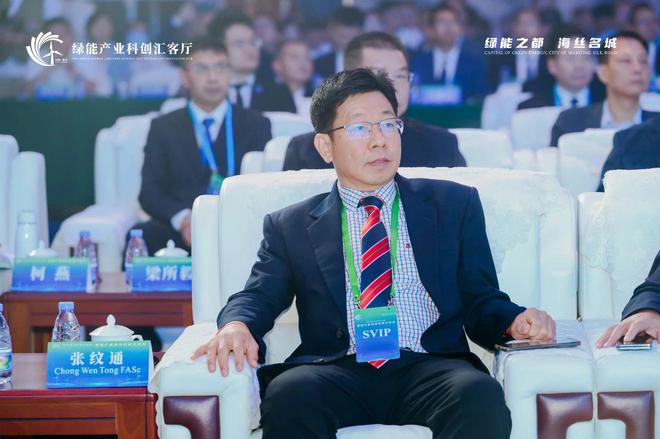
对话马来西亚科学院院士张纹通:中马风能合作新动态原创
Ren Min Wang· 2025-06-13 01:28
Core Viewpoint - The collaboration between China and Malaysia in technology, particularly in renewable energy, is gaining new opportunities, with the Cross-Axis Wind Turbine (CAWT) technology showing significant advantages in low wind speed environments, aligning with China's green energy development strategy [1] Group 1: CAWT Technology Overview - CAWT technology is currently advancing from Technology Readiness Level (TRL) 6 to TRL 7, with a 300W prototype undergoing CFD simulation and wind tunnel testing to validate performance metrics [3] - CAWT demonstrates clear advantages over traditional wind power technologies, such as a lower cut-in wind speed of 2.8 m/s compared to the industry standard of 4.0 m/s and a power coefficient of 0.50, outperforming Vertical Axis Wind Turbines (VAWT) and Horizontal Axis Wind Turbines (HAWT) [3] Group 2: Conditions for Commercialization in China - Successful commercialization of CAWT technology in China requires several conditions, including: - Technical validation and optimization through larger prototype testing in specific Chinese wind conditions [4] - Establishment of a localized supply chain and industrial ecosystem, particularly in regions like Guangdong Yangjiang, which has developed a complete industrial chain [4] - Policy support and financing, leveraging initiatives like the "Yangjiang Initiative" to align with national renewable energy policies [5] - Market validation and the establishment of suitable business models, particularly in the context of China's offshore wind power market [5] Group 3: Multi-Energy Integration Model - The multi-energy integration model being developed in Yangjiang, which includes wind, solar, storage, and operation & maintenance, enhances energy supply stability and reliability by utilizing the complementary characteristics of different energy forms [6] - This model addresses the intermittency of renewable energy through integrated storage systems, optimizing resource allocation and reducing overall costs [6] - The Yangjiang model serves as a reference for countries along the "21st Century Maritime Silk Road," particularly in addressing energy security and stability issues [6] Group 4: Role of the Green Energy Innovation Hub - The "Green Energy Innovation Hub" serves as a platform for international technology exchange, accelerating the commercialization of innovative technologies like CAWT by connecting technological innovation with market needs [8] - It acts as a base for international talent recruitment and training, crucial for technological innovation and industry upgrades [8] - The hub facilitates deep collaboration between academia, research institutions, and enterprises, enhancing the practical application of theoretical research [8] Group 5: Recommendations for Technology Transfer and Collaboration - A phased technology transfer roadmap is recommended to guide the development of CAWT technology from theoretical research to industrial production [9] - Establishing an open innovation ecosystem that integrates research, technology development, and market application is essential for supporting CAWT and similar technologies [9] - Creating a targeted technology matching platform can enhance the market application of innovative technologies by aligning them with industry needs [10]