氢能

Search documents
陕西氢能标委会标准建设成果丰
Zhong Guo Hua Gong Bao· 2025-09-08 02:52
Group 1 - The Shaanxi Hydrogen Standardization Technical Committee has made significant progress in standard system construction, key technology breakthroughs, and service innovation for enterprises since its establishment in September 2023 [1] - The committee has organized the development of 18 national, group, and local standards covering the entire hydrogen production, storage, transportation, and application chain, focusing on four key areas: hydrogen source assurance, advanced hydrogen storage and transportation, core components of fuel cells, and hydrogen heavy-duty truck short-distance transportation [1] - The Shaanxi Hydrogen Industry Development Company emphasizes the urgent need for local standards to address the challenges in connecting renewable energy hydrogen production with end applications [1] Group 2 - The local standard "Design Specification for Water Electrolysis Hydrogen Production and Hydrogen Refueling Integrated Station" is set to begin compilation in January 2025, with participation from China Electric Power Construction Group Northwest Survey and Design Institute [2] - The standard will define the scope, normative references, terminology, and definitions for the design of hydrogen production and refueling integrated stations, applicable to new and modified stations in Shaanxi Province, promoting the scientific and standardized development of the hydrogen industry [2]
清洁氢能项目面临大规模取消
Zhong Guo Hua Gong Bao· 2025-09-08 02:52
Core Insights - The global hydrogen energy sector is experiencing significant project cancellations and delays due to insufficient demand, high costs, and strategic adjustments by companies [1][2][3] - Major developers are reassessing their commitments made during the industry's optimistic early phase, focusing on core businesses and reducing high-risk hydrogen investments [1][2] - Government support is crucial for bridging the cost gap and aiding early adopters in the hydrogen sector, as many projects rely heavily on subsidies and public funding [2][3] Group 1: Project Cancellations and Delays - Approximately 48% of the canceled hydrogen capacity, equating to about 6 million tons per year, is attributed to strategic adjustments by developers [1] - Lack of strong demand has led to 13% of project cancellations, with actual demand growth falling short of market predictions due to low willingness to pay and regulatory uncertainties [1] - The high costs associated with clean hydrogen indirectly contribute to insufficient demand and poor return rates, leading to project cancellations even when purchase agreements are in place [1] Group 2: Cost and Regulatory Challenges - Short-term cost reductions for hydrogen projects are unlikely, as the industry is still maturing and cost estimation remains in an exploratory phase [2] - Nearly 20 hydrogen projects have been canceled due to permitting issues related to environmental impact, land use, and water supply [2] - The complexity of large-scale infrastructure projects increases the likelihood of cancellations, particularly for electrolysis, which faces challenges in securing renewable electricity from the grid [2] Group 3: Industry Outlook and Government Support - The initial enthusiasm for clean hydrogen is giving way to a more cautious approach, with project cancellations and delays seen as a necessary phase for the industry to gain experience [3] - New projects continue to emerge in regions like India and China, indicating ongoing interest despite challenges [3] - Strong government support, real market signals, and clearer investment guidelines are essential for bridging the gap between policy ambitions and commercial viability in hydrogen projects [3]
亿纬全固态产能投产,8月国内储能招采创新高 | 投研报告
Zhong Guo Neng Yuan Wang· 2025-09-08 02:44
Group 1: Solar Power - The prices of silicon materials, battery cells, and modules have slightly increased this week, indicating a resurgence of supply-side reform expectations [2][3] - Strong demand from overseas markets has supported orders from downstream battery manufacturers, leading to a rise in battery cell prices following news of potential export tax cancellations in July and August [2] Group 2: Wind Power - Recent announcements of successful bids for offshore wind projects include a 1000MW project by Huadian Group, a 1300MW project by Longyuan Power, and a 2500MW project by Huaneng Jiangsu Company, indicating a rapid increase in gigawatt-level offshore wind projects [3] Group 3: Energy Storage - In August, domestic energy storage procurement reached a record high of 82.7GWh, while Australia's household storage also hit a new high of 423MWh [4] - Rising prices of energy storage cells confirm strong downstream demand, supported by favorable provincial policies in China and ongoing robust bidding activity in Europe [4] Group 4: Power Grid Equipment - The construction preparation for the ultra-high voltage direct current project from Inner Mongolia to Beijing-Tianjin-Hebei has commenced, highlighting investment opportunities in ultra-high voltage infrastructure [5] Group 5: Electric Vehicles - EVE Energy has launched a solid-state battery, and the pre-sale of the new AITO M7 has been highly successful, causing server crashes [8] - The market is advised to focus on stable profit-generating battery and structural component sectors, with long-term attention on materials benefiting from solid-state battery advancements [8] Group 6: Automotive Parts - The automotive market is expected to stabilize in August, with a decrease in aggressive pricing and promotions due to a wave of new car launches in Q3 [9] - The importance of certainty in performance, new products, and customer relationships is increasing, suggesting a focus on automotive parts with higher certainty in the second half of the year [9]
清洁氢能项目面临大规模取消
Zhong Guo Hua Gong Bao· 2025-09-08 02:38
Core Insights - The global clean hydrogen projects are facing significant cancellations and delays due to insufficient demand, high costs, and strategic adjustments by companies [2][4] - Strategic adjustments account for 48% of the canceled capacity, approximately 6 million tons per year, as developers reassess commitments made during earlier optimistic phases of the industry [2] - A lack of strong demand has led to 13% of project cancellations, with actual demand growth falling short of expectations due to low willingness to pay and regulatory uncertainties [2] Cost and Funding Challenges - Hydrogen project costs are unlikely to decrease in the short term, and the industry remains highly dependent on subsidies and public funding [3] - Current funding mechanisms for clean hydrogen projects are insufficient to support all announced projects in the short term [3] - Policy support, such as the EU's Renewable Energy Directive III (RED III), is crucial for building sustainable business models in the hydrogen sector [3] Project Development Risks - As hydrogen projects enter deep development phases, they may face cancellation risks due to permitting and related development obstacles [3] - Approximately 20 hydrogen projects have been canceled due to issues related to environmental impact, land use, and water supply [3] - The complexity of large-scale infrastructure projects increases the challenges associated with obtaining renewable clean electricity for electrolysis [3] Industry Transition and Future Outlook - The initial enthusiasm for clean hydrogen is giving way to a more cautious approach as the industry faces real challenges [4] - Despite project cancellations, new projects continue to emerge in regions like India and China, indicating ongoing interest in the sector [4] - Bridging the gap between policy ambitions and commercial viability requires strong government support, genuine market signals, and clearer investment guidance [4]
亿华通收购旭阳氢能100%股权折戟 扣非6年半累亏14亿仍看好发展前景
Chang Jiang Shang Bao· 2025-09-07 23:17
Core Viewpoint - Yihuatong, known as the "first hydrogen energy A+H stock," has announced the termination of its major asset restructuring plan due to a lack of consensus among transaction parties, amidst significant financial losses [1][4]. Group 1: Company Performance - Yihuatong has experienced continuous net profit losses since 2020, accumulating a total loss of 1.214 billion yuan over five and a half years [1][8]. - The company's net profit has deteriorated from a profit of 63.92 million yuan in 2019 to a loss of 243 million yuan in 2023, with a cumulative loss of 1.422 billion yuan in non-recurring net profit since 2019 [7][8]. - In 2024, Yihuatong's revenue dropped by 54.21% to 367 million yuan, with a net loss of 456 million yuan and a non-recurring net loss of 543 million yuan [7][8]. - In the first half of 2025, Yihuatong reported a revenue of 71.93 million yuan, a year-on-year decline of 53.25%, and a net loss of 1.63 billion yuan, a decrease of 15.51% compared to the previous year [8]. Group 2: Industry Context - The hydrogen fuel cell vehicle application landscape in China is evolving from a single focus on buses to multiple application scenarios, including logistics, sanitation, and marine applications [1][8]. - Yihuatong's strategic move to acquire Xuyang Hydrogen Energy aimed to enhance its position in the hydrogen energy supply chain, but the deal has now been terminated [2][4]. - Xuyang Hydrogen Energy has also faced declining performance, with revenues falling from 405 million yuan in 2023 to 320 million yuan in 2024 [4].

绿色、智能、创新 数智融合驱动能源转型
Zhong Guo Jin Rong Xin Xi Wang· 2025-09-07 13:51
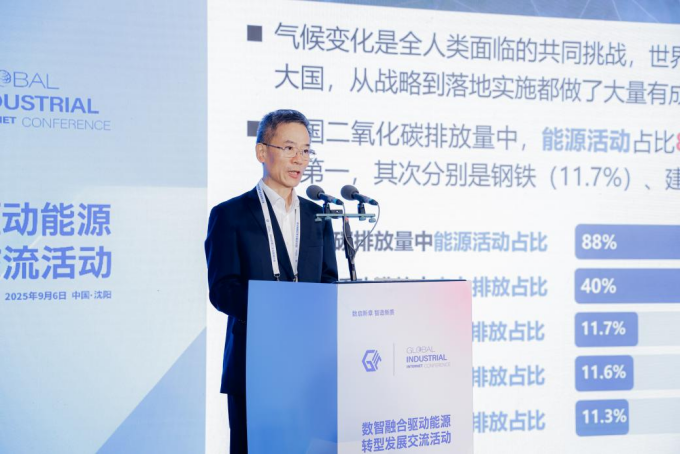
Core Viewpoint - The energy sector is crucial for economic development and national security, with digitalization and intelligence reshaping the global energy landscape [1] Group 1: New Energy Systems - The integration of digital technology with new power systems is essential for creating a secure, green, and economically viable energy framework in China [1] - Energy activities account for 80% of China's carbon emissions, with electricity generation contributing 40% of that [1] Group 2: Nuclear Energy - Nuclear energy is recognized globally as a near-zero carbon clean energy source, supporting high-energy industries in carbon reduction and contributing to the new energy system [3] - The high energy density of nuclear fuel makes it suitable for various applications, including those in challenging environments [3] Group 3: Smart Grid and Digitalization - The State Grid Corporation emphasizes the importance of digitalization in enhancing the energy transition, implementing various applications to support the new power system [4] - Initiatives include the development of a comprehensive digital grid and AI applications to improve service delivery [4] Group 4: Hydrogen Energy - Hydrogen is viewed as the ultimate energy source of the 21st century, with over 60 countries developing hydrogen strategies, and China's hydrogen industry expected to exceed one trillion by 2025 [6] - China Petrochemical Corporation is actively developing hydrogen infrastructure in Liaoning, including the establishment of hydrogen refueling stations [6] Group 5: Oil and Chemical Industry Transition - The oil and chemical industry in China is transitioning from primary chemical production to fine chemical manufacturing, with fossil fuels remaining dominant for the foreseeable future [8] - The industry aims for high-quality development through technological innovation and green low-carbon pathways during the 14th Five-Year Plan [8] Group 6: Future Trends in Energy Transition - The energy transition in China is expected to showcase multi-energy collaboration, diverse application scenarios, and breakthroughs in disruptive technologies [11] - The discussions at the event highlighted the need for a systematic approach to digital and intelligent transformation in the energy sector [13]

产业周跟踪:两部委政策继续强化反内卷,储能电芯6f供应趋紧加工费上涨
Huafu Securities· 2025-09-07 13:22
Investment Rating - The report maintains an "Outperform" rating for the industry [6] Core Insights - The battery sector is witnessing significant advancements in solid-state battery technology, with a penetration rate of 55.3% for new energy vehicles in August [2][10] - The photovoltaic sector is set for high-quality development following new government policies aimed at curbing low-price competition [3][17] - The energy storage sector has reached a record high in bidding scale, with 25.8GW/69.4GWh in August, indicating strong market demand [4][35] Summary by Sections New Energy Vehicles and Lithium Battery Sector - Battery companies are making substantial progress in solid-state battery development, with industry-wide commercialization on the horizon [9] - The penetration rate of new energy vehicles reached 55.3% in August, with expectations for market growth in September due to seasonal demand and subsidy implementation [10][11] Photovoltaic Sector - New government initiatives aim to eliminate low-price competition in the photovoltaic industry, promoting high-quality growth [3][17] - The plan includes measures for better industry planning, quality management, and international cooperation [18] Wind Power Sector - The successful delivery of the Fan Stone II project's submarine cable and new orders from Europe highlight ongoing growth in the wind power sector [27][28] - The wind power supply chain is experiencing stable pricing for key materials, with some fluctuations noted [29] Energy Storage Sector - August saw a historic high in energy storage bidding, with a total scale of 25.8GW/69.4GWh, driven by large-scale project completions [35] - The average price for 2-hour energy storage systems has dropped below 0.5 yuan/Wh, indicating a trend towards cost reduction [36][37] Electric Power Equipment Sector - The South Grid's first batch of metering products achieved a total bid of 3.462 billion yuan, with significant contributions from leading companies [49][50] - The Jinshang-Hubei ±800 kV UHVDC project has commenced operation, enhancing power transmission capabilities [51] Industrial Control and Robotics Sector - The PMI index showed improvement in August, indicating a recovery in manufacturing demand, which is expected to boost orders for industrial control components [58] - The establishment of the Wenzhou Artificial Intelligence Bureau aims to promote AI development, with significant contracts awarded in the humanoid robot sector [60] Hydrogen Energy Sector - The Yalong River Basin's hydrogen energy development plan is underway, with significant projects being awarded, indicating growth in the hydrogen sector [66][67]
“氢能第一股”,终止重大资产重组,核心技术人员辞职
DT新材料· 2025-09-06 16:04
Group 1 - The core viewpoint of the article highlights the termination of the acquisition deal between Yihuatong and Xuyang Hydrogen Energy due to a lack of consensus among the parties involved, which aims to protect the long-term interests of the company and its investors [2] - Yihuatong's business primarily focuses on the research, production, and industrial application of hydrogen fuel cell engine systems and core components, and it has been recognized as the "first hydrogen energy stock" in China [3] - The company reported a significant decline in revenue for the first half of 2025, with operating income of 71.93 million yuan, a year-on-year decrease of 53.25%, and a net loss of 163 million yuan, indicating a worsening financial situation due to decreased market demand in the fuel cell industry [4] Group 2 - The article discusses the upcoming 2025 Liquid Sunshine Industry Development Forum, which will focus on the development of green methanol and its role in achieving carbon neutrality goals, highlighting the industry's challenges and breakthroughs [5][6] - The forum will feature discussions on key technologies for the large-scale preparation of green methanol, biomass gasification, and sustainable aviation fuel (SAF), with participation from industry experts, government representatives, and enterprises [12][50] - The event aims to facilitate international cooperation and high-quality development in the green methanol industry, providing a platform for supply and demand matching, technology transfer, and showcasing scientific achievements [52][53]
拟每10股派4元,A股公司董事长提议分红
Zhong Guo Zheng Quan Bao - Zhong Zheng Wang· 2025-09-06 01:16
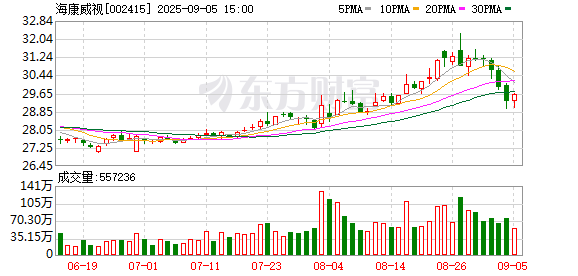
Group 1: Regulatory Changes - The China Securities Regulatory Commission (CSRC) has revised the "Publicly Raised Securities Investment Fund Sales Expense Management Regulations" which indicates the completion of the third phase of fee rate reform in the public fund industry, expected to save investors approximately 30 billion yuan annually [1] - The CSRC has guided the Shanghai, Shenzhen, and Beijing stock exchanges to release disclosure guidelines on three environmental issues: "Pollutant Emission," "Energy Utilization," and "Water Resource Utilization," aimed at enhancing sustainable development awareness among listed companies [2] - The National Financial Regulatory Administration has revised the "Insurance Company Capital Guarantee Fund Management Measures" to strengthen the regulation of insurance company capital guarantee funds, ensuring the protection of policyholder interests [2] Group 2: Company News - Hikvision's chairman proposed a mid-term dividend plan for 2025, suggesting a cash dividend of 4 yuan per 10 shares, amounting to approximately 3.666 billion yuan, which represents 64.80% of the net profit attributable to shareholders for the first half of the year [4] - Aerospace Hongtu signed a strategic cooperation agreement for an internet satellite project worth 2.9 billion yuan, although it is still in the preliminary intention stage and specific contracts have yet to be signed [5] - Kweichow Moutai's controlling shareholder has received a loan commitment of up to 2.7 billion yuan from Agricultural Bank of China to support stock repurchase plans, with a planned repurchase amount between 3 billion and 3.3 billion yuan [5] - Yihuatong announced the termination of a transaction to acquire 100% of Dingzhou Xuyang Hydrogen Energy Co., Ltd. due to a lack of consensus among parties involved, stating that this will not adversely affect its operations or financial status [6] - Kuangda Technology's controlling shareholder plans to transfer 412 million shares, representing 28% of the total share capital, at a price of 5.39 yuan per share, totaling 2.22 billion yuan [7] - Zhizheng Co. has received approval from the CSRC for a major asset swap and fundraising not exceeding 1 billion yuan to acquire control of Advanced Packaging Materials International Limited [7] Group 3: Industry Insights - According to a report from Zhongtai Securities, the domestic medical device industry is in a rapid development phase, with expectations for a turning point in the third quarter of 2025, highlighting opportunities in innovation-driven import substitution and globalization [8]





拟每10股派4元 A股公司董事长提议分红
Zhong Guo Zheng Quan Bao· 2025-09-06 01:04
Group 1: Regulatory Changes - The China Securities Regulatory Commission (CSRC) has revised the "Publicly Raised Securities Investment Fund Sales Fee Management Regulations" to lower fees for fund subscriptions, purchases, and sales service fees, expected to save investors approximately 30 billion yuan annually [2] - The CSRC has guided the Shanghai, Shenzhen, and Beijing stock exchanges to release disclosure guidelines on "pollutant emissions," "energy utilization," and "water resource utilization," aiming to enhance sustainable development awareness among listed companies [3] - The National Financial Supervisory Administration has revised the "Insurance Company Capital Guarantee Fund Management Measures" to strengthen regulation over insurance company capital guarantee funds, with a minimum deposit requirement of 20 million yuan [3] Group 2: Company News - Hikvision's chairman proposed a mid-term dividend plan for 2025, suggesting a cash dividend of 4 yuan per 10 shares, amounting to approximately 3.666 billion yuan, which represents 64.8% of the company's net profit for the first half of the year [5] - Aerospace Hongtu signed a strategic cooperation agreement for an internet satellite project worth 2.9 billion yuan, although it is still in the preliminary intention stage and subject to formal contracts [5] - Kweichow Moutai's controlling shareholder received a loan commitment of up to 2.7 billion yuan from Agricultural Bank of China to support stock repurchase plans [5] - Yihuatong announced the termination of a planned acquisition of 100% equity in Danzhou Xuyang Hydrogen Energy Co., citing a lack of consensus among parties involved [6] - Delisted Longyu received a notice of administrative penalty from the Shanghai Securities Regulatory Bureau, with a total fine of 38.1 million yuan for financial misconduct [6][7] - Kuangda Technology's controlling shareholder signed a share transfer agreement to transfer 4.12 billion shares at a price of 5.39 yuan per share, totaling 2.22 billion yuan [6] - Zhizheng Co. received approval from the CSRC for a major asset swap and fundraising not exceeding 1 billion yuan to acquire control of Advanced Packaging Materials International Limited [8] Group 3: Industry Insights - According to a report from Zhongtai Securities, the domestic medical device industry is in a rapid development phase, with expectations for a turning point in the third quarter of 2025, highlighting opportunities in policy support and innovation-driven growth [9]