低空经济

Search documents
履职尽责献良策 同心奋进新征程
Xin Lang Cai Jing· 2026-02-08 00:58
Group 1: Artificial Intelligence in Community Governance - Nanning is actively implementing innovative practices in community governance empowered by artificial intelligence technology [1] - Recommendations include strengthening top-level design and system integration, establishing a unified smart governance platform, and focusing on differentiated strategies for various community types [1] - Emphasis on expanding smart services for elderly care and childcare, along with enhancing AI skills training for community workers [1] Group 2: High-Quality Development of County Economy - The county economy is identified as a crucial support for regional development, with a focus on industrial upgrading to enhance internal momentum [2] - Recommendations include promoting industrial clusters, developing emerging industries like AI and new energy materials, and integrating cultural tourism with local resources [2] - Encouragement for collaboration within the Nanning metropolitan area to enhance supply chains and public services [2] Group 3: Low Altitude Economy Development - Nanning's low altitude economy is experiencing positive growth, with a call for a unified "one network for all flights" platform to enhance urban governance [3] - Suggestions include integrating drone resources, enhancing AI technology collaboration, and establishing a data-sharing mechanism [3] - Focus on optimizing funding structures and creating a sustainable financing model for low altitude resources [3] Group 4: Embodied Intelligence Industry Ecosystem - Nanning has advantages in developing an embodied intelligence industry, with a focus on building a collaborative ecosystem targeting ASEAN [4] - Recommendations include creating a public testing and training hub and fostering cross-border industrial chains [4] - Emphasis on integrating embodied intelligence with local industries and attracting high-end talent [4] Group 5: Biomass Energy Manufacturing Industry - Nanning has significant advantages in developing a biomass energy industry, including biodiesel and aviation fuel [6] - Recommendations focus on creating a three-chain integrated system (raw material, manufacturing, logistics) and enhancing technological innovation [6] - Encouragement for establishing a "biomanufacturing innovation consortium" to support industry development [6] Group 6: High-Quality Development of Key Metals Industry - The demand for non-ferrous and key metals is rising due to the growth of new industries like electric vehicles and photovoltaics [7] - Recommendations include focusing on high-end development and creating a core area for research and industrialization of new materials [7] - Emphasis on talent cultivation and the integration of AI in the key metals sector [7] Group 7: Technology Finance Development - Nanning has made progress in technology finance, which is crucial for supporting innovation [8] - Recommendations include enhancing policy services, optimizing fund effectiveness, and innovating credit products [8] - Focus on building a professional intermediary service market and a data-sharing platform for technology finance [8] Group 8: Youth Consumption Activation - Youth are identified as a key driver of consumption and urban economic vitality [9] - Recommendations include creating differentiated consumption scenarios and supporting the development of esports and cultural tourism [9] - Emphasis on financial support for youth-oriented consumption and integrating AI into consumer experiences [9] Group 9: Investment Attraction Strategy Innovation - Nanning aims to enhance investment attraction by focusing on key industries and innovative strategies [10] - Recommendations include a combination of targeted policies, multi-department collaboration, and AI-driven investment matching [11] - Emphasis on creating a supportive environment for attracting businesses through quality services [11] Group 10: Inland Port Construction - The construction of the Pinglu Canal presents a historic opportunity for Nanning [12] - Recommendations include advancing port and terminal construction and developing supportive policies for water transport [12] - Focus on attracting related industries to the port area to enhance economic development [12] Group 11: Cultural and Tourism Development - Nanning is making strides in integrating AI with cultural and tourism sectors [13] - Recommendations include developing AI-based personalized travel planning and enhancing the digital transformation of the tourism industry [13] - Emphasis on collaboration with local universities to foster innovation in cultural tourism [13] Group 12: Flower Industry Cluster Development - Nanning has the potential to develop a billion-dollar flower industry cluster [14] - Recommendations include promoting collaborative models and utilizing smart agricultural technologies [14] - Focus on creating a comprehensive marketing system for the flower industry to support rural revitalization [14]
拉萨达孜开辟出“新赛道”!
Xin Lang Cai Jing· 2026-02-07 13:34
Core Insights - The low-altitude economy in Dazi District is a strategic choice aimed at addressing transportation and ecological monitoring challenges in the region, leveraging its unique geographical conditions [2][4] - Dazi District has established the Tibet Low-altitude Economy Industrial Park, positioning itself as a pioneer in this sector, with a focus on high-quality development and job creation through a unique model of "Party leadership + industry empowerment + employment promotion" [2][5] Policy Framework - The low-altitude economy has been integrated into the national "14th Five-Year Plan," with Tibet quickly developing a "1+N" policy system to support this industry, including general aviation development plans and special funding [5] - Dazi District aims to become a leading area for low-altitude economy in Tibet, capitalizing on policy advantages and development potential [5] Company Development Model - Dongyi Technology Co., Ltd. has innovatively constructed a development model that combines "Party leadership + industry empowerment + employment promotion," placing party members in key roles to foster a collaborative environment [7] - The company has successfully completed adaptive testing for high-altitude drones within three months, aided by government support and expert guidance [7] Technological Implementation - The use of drones has significantly improved efficiency in ecological monitoring, reducing the time required for inspections from a full day to just two hours [7][9] - Dongyi Technology has established 1,700 planned flight routes, with 790 currently in operation, and aims to create 70 job positions, having already achieved stable employment for 15 individuals [11] Industry Ecosystem - The Tibet Low-altitude Economy Industrial Park has attracted 29 upstream and downstream enterprises, creating a comprehensive industrial ecosystem that includes technology research, equipment display, manufacturing, and support services [11][13] - Companies are optimistic about the development of the low-altitude economy in the region, citing strong government support and the collaborative environment fostered by Dongyi Technology [13] Future Outlook - Dongyi Technology plans to continue leading with Party guidance, linking industries, and supporting collaboration to transform the low-altitude economy from "single-point breakthroughs" to "cluster development," contributing to sustainable economic growth in Tibet [13]


上海力争“十五五”时期工业机器人应用密度达600台每万人
Jing Ji Guan Cha Wang· 2026-02-07 06:54
经济观察网据人民财讯消息,上海市人民政府主题记者会2月7日举行。上海市经济信息化委主任汤文侃 表示,"十五五"时期上海将累计建成500家先进智能工厂,工业机器人应用密度达600台每万人,创建 200家市级以上绿色制造企业。瞄准智能终端、商业航天、低空经济等新赛道,再造万亿级产业新增 量。 ...

上海市经信委:瞄准智能终端、商业航天、低空经济等新赛道,再造万亿级产业新增量
Mei Ri Jing Ji Xin Wen· 2026-02-07 05:13
每经AI快讯,2月7日上午,上海市人民政府举行记者会,市经信委主任汤文侃出席并回答记者提问。 汤文侃表示,"十五五"将累计建成500家先进智能工厂,工业 机器人应用密度达600台每万人,创建200 家市级以上绿色制造企业。做大产业经济总量,全力打造新一代电子信息、智能网联新能源汽车、高端 装备等6大新兴支柱产业,瞄准智能终端、商业航天、低空经济等新赛道,再造万亿级产业新增量。 (上观新闻) ...
文昌:加速推进商业航天发射场二期建设
Hai Nan Ri Bao· 2026-02-07 04:10
Core Viewpoint - Wenchang City aims to strengthen its position as a hub for commercial aerospace by accelerating the construction of its second-phase launch site and enhancing high-quality development engines [2][3]. Group 1: Economic Development Goals - The main expected economic and social development goals for Wenchang City by 2026 include a GDP growth of approximately 6%, fixed asset investment growth of around 10%, and a retail sales growth of about 1% [2]. - The local general public budget revenue is projected to grow by 6.5%, while the consumer price index is targeted to remain within a 2% increase [2]. - Resident income is expected to grow in line with economic growth, and ecological quality is to be maintained at a high standard, with carbon emission controls meeting provincial targets [2]. Group 2: Aerospace Industry Focus - Wenchang City will focus on becoming a strong aerospace city by advancing the second phase of the launch site, developing offshore recovery platforms, and supporting heavy rocket infrastructure projects [2]. - The city plans to extend its industrial chain by solidifying its satellite and rocket manufacturing base while promoting the satellite data application industry [2]. - Initiatives include the establishment of a national-level data processing trade zone and international trading center, as well as integrating aerospace with tourism, education, and agriculture to create a "Aerospace Tourism Capital" [2]. Group 3: Trade and Industry Modernization - The city aims to enhance its openness by implementing zero-tariff policies and expanding foreign investment and new trade formats [3]. - Efforts will be made to strengthen port functions and enhance route networks to integrate deeply with the Belt and Road Initiative and regional economic cycles [3]. - A modern industrial system will be constructed, focusing on upgrading traditional industries like coconut, Wenchang chicken, and fisheries to standardized, branded, and full-chain operations [3]. - Emerging industries such as low-altitude and digital economies will be prioritized, with the establishment of industrial parks and take-off points [3].
拼挖潜!2026年各地促进服务消费这样干
Xin Hua Wang· 2026-02-07 03:29
Group 1 - The core focus of local government reports is on "service consumption," with various initiatives proposed to accelerate the growth of this sector by 2025 [1] - Significant achievements in service consumption by 2025 include Beijing hosting 2,295 large events (up 25.8%), Shandong seeing over 10% growth in tourist numbers and revenue, and Chongqing receiving over 500 million tourists with inbound tourism increasing by 68.2% [1] - By 2026, local governments plan to enhance service consumption through investments in diverse sectors such as elderly care, health, and cultural services, with specific initiatives like creating convenient living circles and upgrading traditional service sectors [1][2] Group 2 - The integration of culture, sports, and tourism is seen as a fertile ground for expanding service consumption, with various regions reporting successful initiatives [2] - Jiangsu's "football+" initiative and Chongqing's "viewing and touring" plan are examples of how localities are leveraging cultural events to drive consumer traffic [2] - By 2026, regions like Zhejiang and Tianjin aim to innovate in the cultural and tourism sectors to enhance consumer experiences and expand service offerings [2] Group 3 - New business models such as low-altitude tourism and aviation sports are emerging, with suggestions for regulatory reforms to foster these sectors [3] - There is a shift in consumer demand from material satisfaction to experiences that offer cultural and social value [3] Group 4 - Enhancing emotional, experiential, and self-satisfying service offerings is a key strategy for expanding service consumption [4] - Events like the fourth Zhengjia Datang Lantern Festival in Guangzhou are designed to boost interaction and experience for visitors, leading to increased foot traffic and sales [4] - Various regions are focusing on personalized service offerings and expanding event-driven economies to stimulate consumer spending [4] Group 5 - The youth demographic is becoming a significant force in the service consumption market, driving trends through events like drama, anime, and music festivals [5] - Recommendations include collaboration between business and cultural sectors to enhance consumer experiences and introduce new consumption formats [5] Group 6 - The concept of "youth economy" has been officially recognized in government reports, with proposals for targeted electronic consumption vouchers for young people to stimulate engagement in various social and cultural activities [6] Group 7 - Digital technologies and artificial intelligence are reshaping service consumption landscapes, with local governments emphasizing tech-driven enhancements to improve consumer experiences [7] - Initiatives include the development of smart tourism platforms and AI-driven data analysis to optimize consumer interactions and service delivery [7] - The focus is on transitioning consumer behavior from purchasing goods to enjoying services and experiences, which is expected to invigorate the economy [7]

优势产业“优化提升” 先导产业“战略引领” 新兴产业跨过规模化门槛 上海制造力争三年再增百家“10亿+”
Jie Fang Ri Bao· 2026-02-07 03:24
Core Insights - Shanghai has approximately 10,000 industrial enterprises with an annual output value exceeding 20 million yuan, of which around 500 have an output value exceeding 1 billion yuan. By 2025, these "1 billion+" enterprises are expected to contribute over 60% of the output value of Shanghai's industrial enterprises and over 40% of industrial investment, serving as a stabilizing force for growth and investment [1] Group 1: Action Plan Overview - The action plan consists of "four major actions" with a total of 17 measures to support the achievement of its goals [2] - The "Structural Optimization and Upgrading Action" aims to enhance traditional advantageous industries, encouraging sectors like non-ferrous metals to strengthen specialty steel and expand light alloys [2] - The "Innovation and Fundamental Strengthening Action" supports enterprises in enhancing technological reserves, providing a one-time financial subsidy of 10 million yuan for companies investing over 10 million yuan annually in basic research [2] Group 2: Industry Support and Development - The "Resource Factor Support Action" focuses on talent, space, and funding, including policies to address industrial land lease renewals and promote low-interest loans for manufacturing [3] - By 2025, Shanghai's total industrial output value is projected to reach 4.07 trillion yuan, marking a return to the 4 trillion yuan level after two years [3] - Shanghai's industrial enterprises have seen a continuous decline in core cost factors, with direct industrial costs decreasing by 11.8 billion yuan in 2024 and an additional 10.33 billion yuan in 2025, leading to a cost of 81.5 yuan per 100 yuan of revenue, which is 4 yuan lower than the national average [3]
湖北5亿智能空域基金落地:区域科创的“跨界协同”新样本
Sou Hu Cai Jing· 2026-02-07 02:06
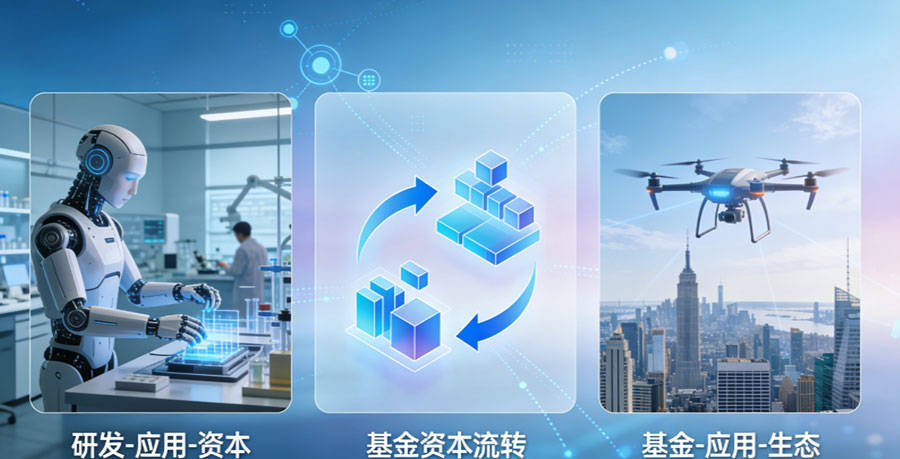
湖北此次以人形机器人产投基金作为核心LP参与智能空域创投基金,并非简单的资金拼盘,而是通过"机器人+空域"的产业资本 联动,构建"硬科技赛道交叉赋能"的区域创新生态。这种跨界联动体现了地方政府从"单点布局"到"系统作战"的产业投资思维升 级。人形机器人的运动控制、多传感器融合技术可直接赋能无人机、低空飞行器的自主导航与避障,而空域场景的数据反馈又 能反哺机器人算法优化,形成技术闭环。 5亿智能空域基金的落地,是湖北在全国低空经济竞赛中的差异化破局尝试。与广东、浙江等省份在低空制造端的布局不同,湖 北选择以"智能空域"为切入点,聚焦低空运营、场景服务等"软环节"。这种选择基于湖北自身的产业基础——依托鄂州花湖机 场的物流优势,以及航空航天产业底蕴,基金有望重点布局城市低空物流、应急救援无人机、低空交通管理系统等领域,通 过"基金引导+场景开放"加速技术商业化。 湖北人形机器人基金跨界参与智能空域投资,是地方产投基金在"硬科技高风险"与"赛道高回报"之间的辩证取舍。两者均依赖 AI算法、高精度传感器等核心技术,基金可通过共享技术团队、实验室资源,减少跨赛道试错成本。但智能空域产业也面临现 实挑战:低空飞行的空域审 ...
国家给低空经济立规矩
Xin Lang Cai Jing· 2026-02-07 01:11
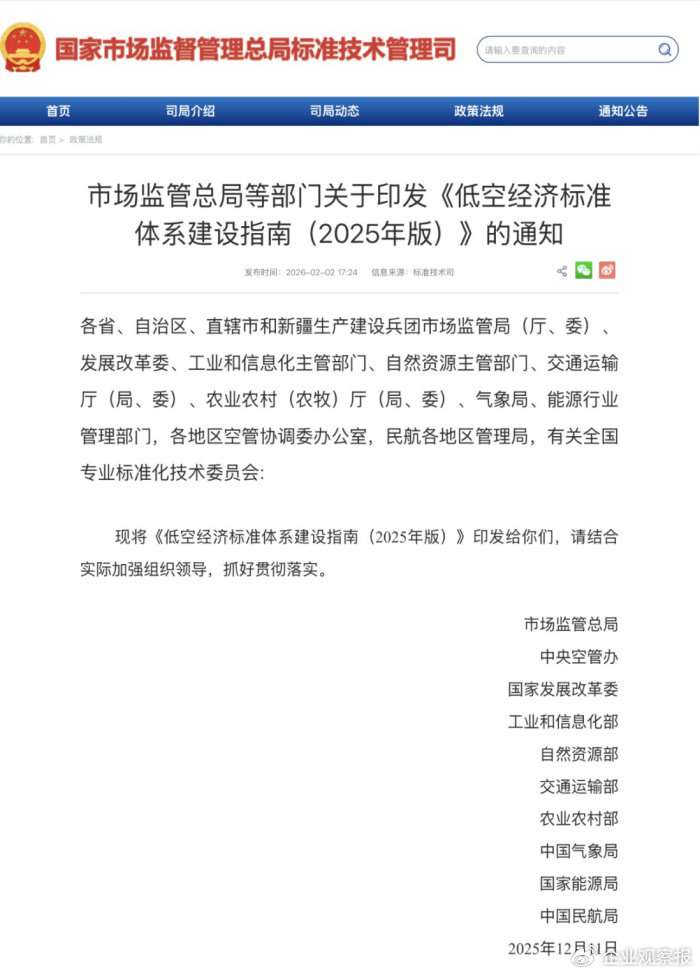
(来源:企业观察报) 转自:企业观察报 01 规模井喷与痛点凸显 片源自国家市场监督管理总局标准技术管理司官网 万亿低空经济赛道迎来国家级顶层标准设计。 图 市场监管总局近日会同中央空管办、国家发展改革委等十部门,正式发布《低空经济标准体系建设指南 (2025年版)》(下称《建设指南》)。 《建设指南》的布局精准指向产业全链条,重点覆盖低空航空器、低空基础设施、低空空中交通管理、 安全监管及应用场景五大领域。以此为基础,文件构建起技术与管理、国内与国际、强制与推荐、基础 与场景深度融合的"四维融合"体系,实现标准供给的全方位、多层级覆盖。 为何这份《建设指南》被冠以"标准体系建设"之名?科技行业分析师高正林认为,其背后既是对产业发 展痛点的精准回应,更是对万亿级市场规范化发展的长远布局。 高正林对《企业观察报》表示:"当下,我国低空经济已驶入产业化加速期,正从试点探索向规模化、 规范化发展阶段跨越。作为战略性新兴产业的重要赛道,在其产业链各环节加速布局的同时,标准碎片 化、协同不足等行业痛点日益凸显,配套制度建设的需求愈发迫切。行业需要规则,发展呼唤标准。这 份《建设指南》的出台,无疑为低空经济高质量发展奠定 ...
助力低空经济从黄土塬“起飞”
Xin Hua She· 2026-02-06 23:45
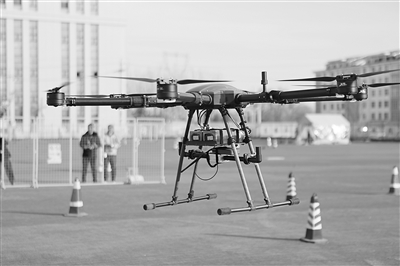
新华社记者 张睿 摄 近年来,甘肃省庆阳市将低空经济作为重点发展的新兴产业,持续推动低空经济人才储备。图为学 员与教练员在庆阳市低空经济人才培养基地内进行民用无人机驾驶员执照考试训练。 ...