
生物制造

Search documents
国家发展改革委:综合整治“内卷式”竞争,实现从卷价格向优价值转变
Qi Huo Ri Bao· 2026-01-20 04:36
Core Viewpoint - The Chinese government is focusing on expanding domestic demand and optimizing supply to achieve a dynamic balance and virtuous cycle in the economy, emphasizing the need for a new economic development model driven by domestic demand and consumption [2][3][4]. Group 1: Economic Strategy - The National Development and Reform Commission (NDRC) is developing a strategic plan for expanding domestic demand from 2026 to 2030, addressing the current issues of insufficient demand and supply [2]. - The strategy aims to strengthen the domestic circulation of the economy, adapting to the trend of demand upgrading and aligning with the new technological revolution and industrial transformation [2]. Group 2: Focus on Real Economy - The emphasis is placed on developing the real economy and constructing a modern industrial system, which is seen as the foundation of China's economic development [3]. - The approach includes fostering new supply through innovation and creating new job opportunities, with a focus on intelligent, green, and integrated development [3]. Group 3: Market Regulation and Competition - The government aims to enhance market vitality by advancing the construction of a unified national market and addressing issues of "involution" in competition [3]. - Measures will be taken to improve market access, ensure fair competition, and regulate prices in key industries to promote a healthy market order [3]. Group 4: Innovation and Development Potential - By 2026, China's economic structure is expected to continue improving, with new productive forces developing steadily and significant potential being released across consumption, investment, technology, and regional development [4]. - New economic growth points are emerging in sectors such as renewable energy, aerospace, and quantum technology, with new energy storage capacity exceeding 100 million kilowatts, accounting for over 40% of the global total [4][5]. Group 5: Regional Innovation and Investment - China has 24 global top 100 innovation clusters, leading the world for three consecutive years, with plans to establish major international technology innovation centers in key regions [5]. - The establishment of national venture capital funds aims to enhance regional investment and innovation, contributing to the creation of a global technology innovation hub [5].
国家发改委:航空航天、量子科技等新经济增长点正在蓄势待发
Zhong Guo Xin Wen Wang· 2026-01-20 04:08
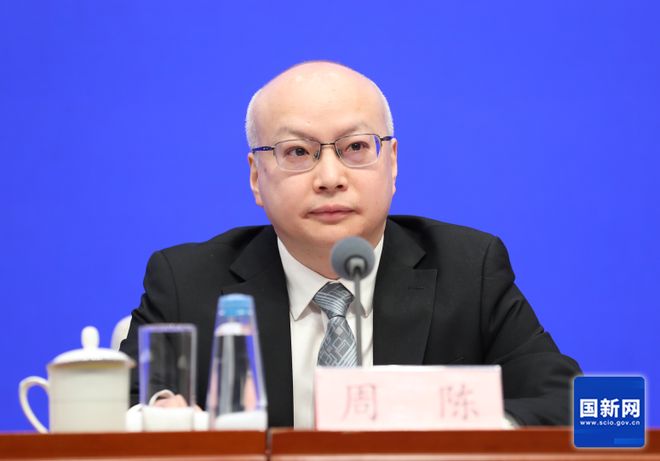
Group 1 - The core viewpoint of the article emphasizes the strategic planning and initiatives by the National Development and Reform Commission (NDRC) to promote high-tech industries during the 14th Five-Year Plan period, aiming for a strong economic start [1][3] - By 2026, the economic structure of China is expected to continue improving, with new development momentum emerging from consumption, investment, technology, and industry, indicating significant growth potential [1][3] - New economic growth points are emerging in sectors such as renewable energy, new materials, aerospace, quantum technology, and biomanufacturing, with new energy storage installations exceeding 100 million kilowatts, accounting for over 40% of the global total [1][2] Group 2 - The integration of innovation, industry, and talent is accelerating, supported by a complete industrial system and a large-scale market of over 1.4 billion people, with over 5 million graduates in science, technology, engineering, and mathematics each year [2] - The digital economy is projected to reach a value of 49 trillion yuan by 2025, representing approximately 35% of GDP, creating substantial market opportunities [2] - China has 24 global top 100 innovation clusters, with the "Shenzhen-Hong Kong-Guangzhou" cluster ranking first globally, and the establishment of international technology innovation centers in Beijing, Shanghai, and the Guangdong-Hong Kong-Macau Greater Bay Area [2]

国家发改委:今年将释放消费投资、科技产业、城乡区域潜能
Nan Fang Du Shi Bao· 2026-01-20 04:01
Core Viewpoint - The Chinese economy is poised for significant growth and transformation, with a focus on leveraging its super-large market potential and fostering innovation to drive new economic momentum as it enters the 14th Five-Year Plan period in 2026 [1][3]. Group 1: Economic Structure and Growth Potential - The economic structure of China is expected to continue improving, with development momentum shifting towards new sectors, leading to a favorable overall development trend [1]. - Key growth areas include new technologies and products in sectors such as renewable energy, aerospace, quantum technology, and intelligent manufacturing, which are anticipated to drive substantial economic growth [3]. Group 2: Innovation and Talent Integration - The integration of innovation, industry, and talent is accelerating, supported by a complete industrial system and a large population, which provides a robust talent pool of over 5 million graduates in science, technology, engineering, and mathematics each year [4]. - The digital economy is projected to reach a value of 49 trillion yuan by 2025, accounting for approximately 35% of GDP, indicating significant market expansion opportunities [4]. Group 3: Regional Innovation and Development - China boasts 24 of the world's top 100 innovation clusters, with the "Shenzhen-Hong Kong-Guangzhou" cluster ranking first globally, highlighting the country's strong position in global innovation [4][5]. - The establishment of international technology innovation centers in Beijing, Shanghai, and the Guangdong-Hong Kong-Macau Greater Bay Area is part of a strategic initiative to enhance regional innovation capabilities and foster new industries [5].
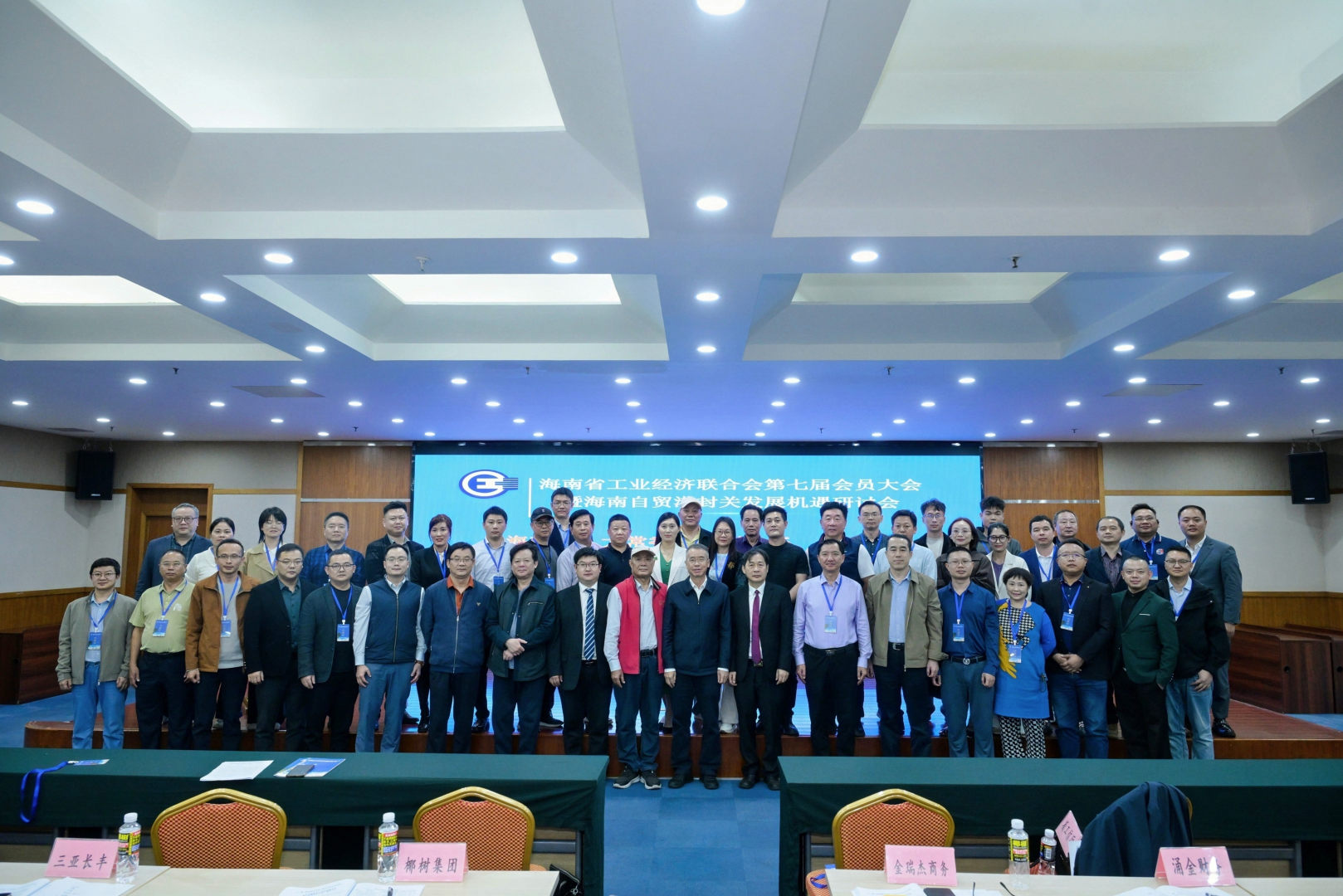
海南省工业经济联合会第七届会员大会暨海南自贸港封关发展机遇研讨会在海南海口召开
Xin Lang Cai Jing· 2026-01-17 09:29
Core Viewpoint - The Hainan Free Trade Port is entering a new phase of operation, presenting significant opportunities for industrial development and optimization in the region [2][5]. Group 1: Conference Overview - The 7th Member Conference of the Hainan Industrial Economic Association and the seminar on opportunities from the Hainan Free Trade Port's closure were held in Haikou, Hainan [1][3]. - Representatives from various industrial enterprises in Hainan focused on discussing the opportunities arising from the Free Trade Port's closure [1]. Group 2: Key Insights from Leaders - Lu Zhiyuan, President of the Hainan Charity Federation, highlighted the association's commitment to supporting industrial development through reforms, communication, and addressing enterprise needs [2]. - The Hainan Industrial Economic Association aims to provide professional advice on the development paths for advanced and high-tech manufacturing industries, leveraging Hainan's geographical and policy advantages [6]. Group 3: Industrial Growth and Policy Impact - During the 14th Five-Year Plan period, Hainan's industrial economy has shown steady growth, with a shift from a single focus on petrochemicals to a more diversified industrial structure [5]. - New industries such as electronic information manufacturing, wind power manufacturing, and biodegradable materials have emerged, alongside future-oriented sectors like biomanufacturing and commercial aerospace [5]. Group 4: Strategic Initiatives - The association plans to assist industrial enterprises in effectively utilizing Free Trade Port policies, offering comprehensive support from customs certification to tax planning and compliance [6]. - There is a focus on enhancing international operations, supply chain optimization, digital transformation, and aligning with international standards through collaboration with top domestic and international institutions [6].
任泽平年度演讲:中国经济十大预测2025
泽平宏观· 2026-01-17 02:42
Core Viewpoint - The article presents ten major predictions for the Chinese economy in 2025, emphasizing the emergence of a new cycle and era, the global interest rate reduction, the fourth technological revolution, and the importance of adapting to new trends and opportunities in various sectors [2][3][4][5][6][7][8][9][10][11]. Group 1: New Economic Cycle and Global Trends - A new economic cycle and era are emerging, encouraging adaptation to new trends and opportunities [2][3]. - The global economy is entering a new interest rate reduction cycle, with significant implications for monetary policy and economic growth [3][40]. - The return of Trump to the White House (Trump 2.0) is expected to create uncertainties, including inflation and trade tensions, impacting global economic dynamics [3][42][44]. Group 2: Technological Revolution - The fourth technological revolution is underway, with breakthroughs in artificial intelligence, renewable energy, commercial aerospace, low-altitude economy, and biomanufacturing [4][55][57]. - AI is expected to experience explosive growth, with applications in image recognition, humanoid robots, AI assistants, and consumer electronics [6][11]. - The low-altitude economy is gaining traction, with potential applications in logistics and urban management, creating a multi-trillion market [8][59]. Group 3: Economic Policies and Domestic Growth - China is initiating macroeconomic easing to boost confidence and economic growth, focusing on new infrastructure and productivity [5][73]. - The government is implementing policies to stabilize the real estate market and promote consumption, with a focus on enhancing the business environment for private enterprises [78][87]. - The emphasis on new infrastructure includes advancements in new energy systems, digital economy, and artificial intelligence, positioning China for future growth [81][84]. Group 4: Globalization and Market Expansion - Chinese enterprises are shifting from export to global expansion, tapping into larger international markets [6][92]. - The rise of successful Chinese companies in overseas markets, such as SHEIN and TikTok, illustrates the potential for growth beyond domestic borders [96][111]. - Southeast Asia is identified as a key target for Chinese companies due to its growing market and favorable conditions for investment [101]. Group 5: Aging Population and Consumer Trends - The aging population presents opportunities in the silver economy, emphasizing the need for policies to boost birth rates and early childhood development [11]. - Consumer behavior is shifting towards interest-based spending, with cultural consumption and local trends gaining popularity among younger demographics [9][30].



马拉松与D-核糖:诚志股份引领的一场产业“健康长跑”
Huan Qiu Wang· 2026-01-16 07:00
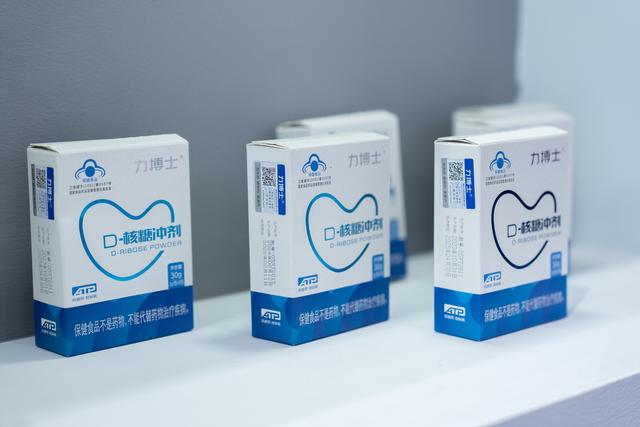
Core Insights - The collaboration between Chengzhi Life and Beijing Sport University has successfully completed clinical exploration of D-Ribose for marathon athletes, demonstrating significant benefits for heart protection and athletic performance [1][2][4] - Chengzhi Co., as a leader in synthetic biology, has achieved a milestone in the industrial application of synthetic biology technology, contributing to global health industry transformation [1][2][10] Group 1: Clinical Research Findings - The study indicates that the Lipoz D-Ribose supplement significantly enhances heart protection, athletic performance, and fatigue recovery in marathon runners [2][5] - D-Ribose acts as a "cellular energy engine," directly participating in ATP synthesis and accelerating energy regeneration, which is crucial for endurance sports like marathons [5][6] - The clinical trials involved both middle-aged and young marathon runners, showing that D-Ribose supplementation reduces muscle damage and improves recovery speed [5][6] Group 2: Technological Advancements - Chengzhi Co. has developed a fermentation method for D-Ribose production, which is environmentally friendly and avoids toxic chemicals, achieving high purity and stability [7][10] - The company has established a comprehensive intellectual property network covering various aspects of D-Ribose production and application, positioning itself as a leader in the field [10][11] Group 3: Market Strategy and Achievements - Chengzhi Co. employs a "technology + market" dual-driven strategy, enhancing its global market presence through acquisitions and partnerships [10][11] - The company has seen a 50% increase in sales of Lipoz D-Ribose in 2024, with single product sales exceeding 100 million yuan, indicating strong market demand [11][12] - Chengzhi Co. has received multiple awards and recognitions, solidifying its position as a leading brand in the D-Ribose product category [11][12]

前路拥挤信号!金达威及时止损,微元合成甲醇生物制造加速
合成生物学与绿色生物制造· 2026-01-16 04:14
Core Viewpoint - The article discusses the shift in investment focus for the company from producing allulose and myo-inositol to developing high-end functional oils and nutritional health products due to declining investment value and increased competition in the allulose market [4][6][10]. Industry Trends - The biomanufacturing industry is experiencing a transformation, with a focus on enhancing key technological barriers and exploring differentiated products to overcome raw material cost challenges [2]. - The demand for high-end functional oils, particularly Omega-3 and ARA, is increasing in the Chinese market, driven by new standards for infant formula and a shift towards modern biomanufacturing techniques [8]. Company Actions - The company has announced a change in its fundraising projects, reallocating funds from the allulose and myo-inositol projects to new initiatives in oil and nutritional health products [4][6]. - The new projects include a 10,000-ton oil project and a smart factory for nutritional health products, with total planned investments of 25,708.54 million and 36,173.86 million respectively [5][9]. Financial Overview - The total planned investment for the new projects is 147,883.52 million, with 128,125.87 million expected to come from fundraising [5]. - The allulose and myo-inositol project had an original planned investment of 53,655.12 million, but was deemed less viable due to market conditions [6]. Project Details - The oil project aims to meet the growing demand for high-end functional oils and enhance China's market share in the international arena [7][8]. - The smart factory project will focus on creating a transparent and automated production system to improve product quality and traceability, enhancing competitiveness in the domestic market [9][10].


各地开年亮出先手棋
Jing Ji Ri Bao· 2026-01-16 01:17
Core Insights - Various regions in China, including Shanghai, Liaoning, and Hubei, are holding meetings to focus on developing new productive forces, enhancing business entities, and optimizing the business environment, indicating a strong commitment to high-quality development in the new year [1][2][4] Group 1: Regional Initiatives - Shanghai has prioritized optimizing the business environment for nine consecutive years, launching a plan with 26 specific measures to address issues like bidding and payment delays [1] - Liaoning's meeting on the first working day of 2026 focused on eight key areas for improving the business environment, establishing a closed-loop management mechanism for strict enforcement against violations [1] - Hubei's technology innovation conference aims to position the province as a hub for original innovation and high-quality development driven by technology [2] Group 2: Strategic Focus - The meetings emphasize the importance of early deployment and clear task lists, reflecting a proactive approach to addressing both external uncertainties and internal growth challenges [2][3] - Key topics include enhancing new productive forces, expanding business entities, and promoting high-level openness, with a focus on systemic support rather than isolated policy measures [4][6] Group 3: Investment and Economic Growth - Major project construction is highlighted as a key driver for stabilizing economic growth, with Yunnan declaring 2026 as a "Project Attack Year" and Shenzhen launching 222 new projects with a total investment of approximately 157.34 billion [8] - Investment strategies are shifting from government-led initiatives to a dual approach involving both government and private sector investments, emphasizing green energy and circular economy projects [8] Group 4: Social and Economic Stability - Regions are addressing economic and financial risks while ensuring safety in production and food security, with specific measures to prevent systemic financial risks and promote agricultural modernization [9] - Many areas are focusing on social welfare projects, including employment, education, and healthcare, to ensure a safety net for citizens while pursuing economic growth [9]
聚焦科技创新、营商环境等主题 各地开年亮出先手棋
Xin Hua Wang· 2026-01-16 00:16
1月4日,2026年湖北省科技创新大会召开,12位科学家走上百米红毯铺就的星光大道,展现了湖北 更大力度实施科创引领战略的决心。会议提出,把湖北打造成为原始创新策源高地、新质生产力发展高 地、近悦远来人才高地、创新生态示范高地。这场科技盛会,不仅是对湖北科技创新成果的集中检阅, 更清晰勾勒出"十五五"开局之年湖北以创新驱动高质量发展的思路与布局。 2026年开年以来,上海、辽宁、湖北等多地密集召开会议,聚焦发展新质生产力、壮大经营主体、 优化营商环境等关键领域,立足区域禀赋的差异化,展开系统谋划,为"十五五"开局之年竞相鸣枪。专 家表示,"新年第一会"是观察区域经济发展走向和政策重心的窗口,今年各地的会议更早、更实、求 稳、求新,彰显追求高质量发展的决心,预示着中国经济社会发展将在攻坚克难中不断开辟新境界。 实处着力 上海、辽宁、湖北等将会议安排至元旦后首个工作日,以此拉开新年工作序幕。 上海连续9年将优化营商环境作为开年首会主题,今年更是以"新年首个工作日开会"的特殊安排, 发布包含26条精准举措的《上海市加快打造国际一流营商环境行动方案(2026年)》,直面企业关心的 招投标、账款拖欠等现实问题。 辽宁在 ...
各地开年亮出先手棋 聚焦科技创新、营商环境等主题
Jing Ji Ri Bao· 2026-01-16 00:05
Core Insights - Multiple regions in China, including Shanghai, Liaoning, and Hubei, have held meetings at the beginning of 2026 to focus on developing new productive forces, strengthening business entities, and optimizing the business environment, indicating a strong commitment to high-quality development [1][2][3] Group 1: Meeting Themes and Objectives - Shanghai has prioritized optimizing the business environment for nine consecutive years, launching a plan with 26 specific measures to address issues like bidding and payment delays [2] - Liaoning's meeting focused on eight key areas for improving the business environment, establishing a closed-loop management mechanism to address violations [2] - Hubei's technology innovation conference emphasized becoming a hub for original innovation and talent, showcasing a commitment to innovation-driven high-quality development [2][4] Group 2: Strategic Focus and Implementation - The early timing of these meetings signals a strong urgency to seize opportunities and address challenges, with specific task lists and project outlines being established [3] - Regions are aligning their strategies with national priorities, focusing on systemic support for business development and innovation, moving from single-point policies to integrated systems [4][5] - Emphasis on enhancing the role of enterprises in innovation is a key direction set by the central economic work conference, with various regions implementing measures to support both private and state-owned enterprises [4][5] Group 3: Investment and Economic Growth - Major project construction is highlighted as a key driver for economic stability, with regions like Yunnan and Shenzhen planning significant investments in industrial projects [8] - Investment strategies are shifting towards green energy and circular economy projects, focusing on efficiency and sustainability [8] - The emphasis on high-quality development includes addressing financial risks and ensuring food and energy security, with specific measures being deployed across various regions [9] Group 4: Social Welfare and Development - Many regions are prioritizing social welfare projects, including employment, education, and healthcare, to ensure a safety net for citizens [9] - Initiatives in urban renewal and rural revitalization are being emphasized to enhance living standards and prevent poverty [9]