
碳交易

Search documents
(经济观察)中国碳市场中长期发展的时间表和路线图出炉
Zhong Guo Xin Wen Wang· 2025-08-26 08:04
Core Viewpoint - The recently published "Opinions on Promoting Green and Low-Carbon Transition and Strengthening National Carbon Market Construction" marks the first central document in China's carbon market sector, outlining a roadmap for the long-term development of the national carbon market [1] Group 1: National Carbon Market Development - The document provides a clear roadmap for building a more effective, vibrant, and internationally influential carbon market, detailing the requirements for establishing a national voluntary greenhouse gas emission reduction trading market [1] - The establishment of both the national carbon emission trading market (mandatory carbon market) and the national voluntary greenhouse gas emission reduction trading market (voluntary carbon market) has been achieved, creating a comprehensive national carbon market system [1][2] - As of August 22, 2025, the cumulative transaction volume of carbon emission allowances (CEA) in the national carbon market reached 680 million tons, with a total transaction value of 47.41 billion yuan [2] Group 2: Regulatory Framework and Market Expansion - Over 30 regulations and technical standards have been developed, forming a multi-level and relatively complete regulatory framework for the carbon market [2] - The coverage of the mandatory carbon market is set to expand, with the steel, cement, and aluminum smelting industries being included this year, effectively managing over 60% of national carbon emissions [2] - The carbon allowance allocation method will transition from free allocation to a combination of free and paid allocation, gradually increasing the proportion of paid allocation [2] Group 3: Financial Instruments and Market Vitality - The introduction of carbon pledge and carbon repurchase systems aims to enhance financing channels for key emission units, activate carbon assets, and reduce financing costs [3] - Financial institutions will be encouraged to participate in the national carbon market transactions, with the potential inclusion of non-compliance entities and eligible individuals in the voluntary carbon market [3] - The Ministry of Ecology and Environment will continue to strengthen the institutional foundation for carbon market construction, aiming to build a more effective, vibrant, and internationally influential national carbon market [3]
全国碳市场建设提速:2027年工业全覆盖,2030年定型
2 1 Shi Ji Jing Ji Bao Dao· 2025-08-26 07:01
Core Points - The document outlines a clear timeline for the expansion and finalization of the national carbon market by 2027 and 2030, respectively, providing a roadmap for government and enterprises [1][2][3] - The national carbon market has officially operated for four years, with carbon prices exceeding 100 yuan/ton and the inclusion of steel, cement, and aluminum industries, covering approximately 8 billion tons of emissions [1][2] - The document emphasizes the need for a dual approach of expanding the market and improving its quality, with a focus on including high-energy-consuming industries and introducing a paid allocation mechanism [6][9] Industry Impact - The expansion of the carbon market is expected to accelerate the inclusion of high-energy-consuming industries, which will enhance the market's contribution to social emissions reduction and the effectiveness of price signals [6][11] - The anticipated carbon price is projected to rise steadily, potentially reaching 150-200 yuan/ton by 2030, driven by the tightening of allocation quotas and the introduction of paid distribution [2][9] - High-emission enterprises are urged to prepare for the challenges posed by rising carbon prices, as failure to reduce emissions could lead to significantly increased costs [11][12] Market Dynamics - The document indicates that financial institutions will play a crucial role in the carbon market, with the introduction of various green financial products and services to support greenhouse gas reduction efforts [7][8] - The carbon market's pricing mechanism is expected to evolve, with a focus on establishing a reasonable pricing level that aligns with international standards [10] - The introduction of a more diverse range of market participants, including financial institutions and non-compliance entities, is anticipated to enhance market liquidity and pricing efficiency [7][8] Regulatory Framework - The document outlines the need for a scientifically sound and rational allocation of carbon quotas, emphasizing the importance of a complete carbon trading market mechanism [11][12] - The establishment of a robust carbon pricing mechanism is crucial for driving investments in deep decarbonization technologies, with the government expected to implement measures to prevent excessive speculation and volatility in carbon prices [10]
多部门再部署光伏反“内卷”;7月用电量超万亿度丨碳中和周报
2 1 Shi Ji Jing Ji Bao Dao· 2025-08-26 05:44
Group 1: Solar Industry Regulation - The Ministry of Industry and Information Technology and other departments have convened a meeting to regulate the solar photovoltaic industry, emphasizing the importance of a healthy competitive order for high-quality development [2] - Key measures include strengthening investment management, curbing low-price competition, ensuring product quality, and promoting industry self-discipline [2] Group 2: Electricity Consumption Data - In July, the total electricity consumption in China exceeded 1 trillion kilowatt-hours, marking an 8.6% year-on-year increase [3] - The first industry saw a significant increase in electricity consumption, growing by 20.2%, while the third industry also experienced a notable rise of 10.7% [3] Group 3: CCER Methodology - The Ministry of Ecology and Environment has released a draft for the third batch of CCER methodologies, introducing new methodologies for biomass power generation and methane recovery in the oil and gas sector [4][5] - The new methodologies aim to promote waste utilization and reduce emissions, enhancing the market mechanisms for carbon reduction [5] Group 4: Shanghai Carbon Market Reform - Shanghai has published an action plan for deepening carbon market reforms from 2026 to 2030, aiming to establish a carbon trading and financial center with international influence [6][7] - The plan includes measures to improve the carbon emissions trading market, expand the scope of market participants, and establish a dual control system for total emissions and intensity [6] Group 5: ESG Case Collection - The third edition of the "Vitality·ESG" case collection received nearly 200 submissions, reflecting a growing emphasis on ESG practices among enterprises [8] - A total of 56 cases were selected, categorized into environmental friendliness, social responsibility, and corporate governance [8] Group 6: Green Electricity Direct Connection - A recent seminar discussed the economic considerations of green electricity direct connection projects, emphasizing the need for region-specific pricing strategies [9][10] - The economic viability of these projects depends on local resource availability and the specific needs of industries [10][11]
中央两办五方面明确全国碳市场中长期发展的路线图
Chang Jiang Shang Bao· 2025-08-26 04:27
Core Viewpoint - The article discusses the recent release of the "Opinions on Promoting Green and Low-Carbon Transition and Strengthening the Construction of the National Carbon Market," which outlines 17 specific measures to enhance the effectiveness, vitality, and international influence of China's national carbon market [1][2]. Group 1: National Carbon Market Development - The national carbon market aims to cover major industrial sectors by 2027, with a focus on implementing total quota control for industries with relatively stable carbon emissions [2]. - By 2030, the goal is to establish a carbon trading market based on total quota control, combining free and paid allocation, and to create a transparent, unified, and widely participatory voluntary greenhouse gas reduction trading market [1][2]. Group 2: Voluntary Emission Reduction Market - The development of the national voluntary greenhouse gas reduction trading market will be accelerated, with an emphasis on applying verified voluntary emission reductions [2]. - A comprehensive methodology system will be established to support sustainable development and ecological product value realization in key areas with significant social and ecological benefits [2]. Group 3: Enhancing Market Vitality - The measures include enriching trading products, expanding trading entities, and strengthening market transaction supervision [2]. - A complete carbon pricing mechanism will be established to utilize the price discovery function of the national carbon market, providing effective price signals for financial support of green and low-carbon development [2]. Group 4: Capacity Building and Implementation - The management system and support framework for the carbon market will be improved, with a focus on carbon emission accounting, reporting management, and data quality supervision [2]. - The implementation of the opinions will be supported by strengthening organizational leadership, policy and legal frameworks, and enhancing international cooperation in carbon market mechanisms [2][3].
中办、国办重磅发布,事关全国碳市场建设!
Xin Hua She· 2025-08-26 03:47
Core Viewpoint - The document outlines the Chinese government's plan to advance green and low-carbon transformation through the establishment and enhancement of a national carbon market, aiming for comprehensive coverage of major industrial sectors by 2027 and a well-structured carbon pricing mechanism by 2030 [1][4]. Group 1: Overall Requirements - The plan emphasizes the importance of balancing green low-carbon transformation with economic development, aiming to optimize resource allocation and maximize efficiency in carbon emissions [4]. - Key targets include achieving basic coverage of major emission industries in the national carbon trading market by 2027 and establishing a comprehensive voluntary emission reduction trading market by 2030 [4]. Group 2: National Carbon Emission Trading Market - The document calls for an expansion of the national carbon emission trading market's coverage based on industry development, pollution reduction contributions, and data quality [5]. - A transparent carbon emission quota management system will be established, transitioning from intensity control to total volume control by 2027 [5]. - The plan includes a gradual increase in the proportion of paid quota distribution while maintaining market stability and liquidity [5]. Group 3: Voluntary Emission Reduction Trading Market - The establishment of a comprehensive methodology system for voluntary emission reduction projects is prioritized, focusing on areas with significant sustainable development benefits [8]. - The document encourages the use of certified voluntary emission reductions in various sectors, including government and enterprises, to offset carbon emissions [8]. Group 4: Enhancing Market Vitality - The plan advocates for the development of green financial products related to carbon emissions, enhancing support for greenhouse gas reduction [9]. - It supports the inclusion of financial institutions in carbon market trading and encourages the participation of qualified individuals in the voluntary emission reduction market [9]. Group 5: Capacity Building - A robust management system will be established to support the national carbon market's development, including digital and intelligent management systems [10]. - The document emphasizes the need for accurate carbon emission accounting and reporting, with a focus on improving data quality and regulatory oversight [11]. Group 6: Organizational Implementation - Local governments are tasked with implementing the plan, ensuring effective supervision of key emission units and supporting the carbon market's operation [13]. - The document highlights the importance of legal frameworks to support carbon market construction and the need for international cooperation in carbon market mechanisms [16][14].
事关全国碳市场建设,中办、国办对外公布
Xin Hua She· 2025-08-26 02:33
Core Viewpoint - The document outlines the importance of the carbon market as a policy tool for addressing climate change and promoting a comprehensive green transition in China's economic and social development [1] Summary by Relevant Sections Carbon Market Development - China has established a national carbon emissions trading market for key emission units to fulfill mandatory reduction responsibilities and a voluntary greenhouse gas reduction trading market to incentivize social self-reduction [1] Future Goals - By 2027, the national carbon emissions trading market is expected to cover major emission industries in the industrial sector, while the voluntary greenhouse gas reduction trading market aims for full coverage in key areas [1] - By 2030, the goal is to establish a carbon emissions trading market based on total quota control, combining free and paid allocation, and to create a voluntary greenhouse gas reduction trading market that is credible, transparent, methodologically unified, widely participatory, and aligned with international standards [1] Pricing Mechanism - The aim is to form a carbon pricing mechanism that demonstrates significant reduction effects, has a sound rule system, and maintains reasonable price levels [1]
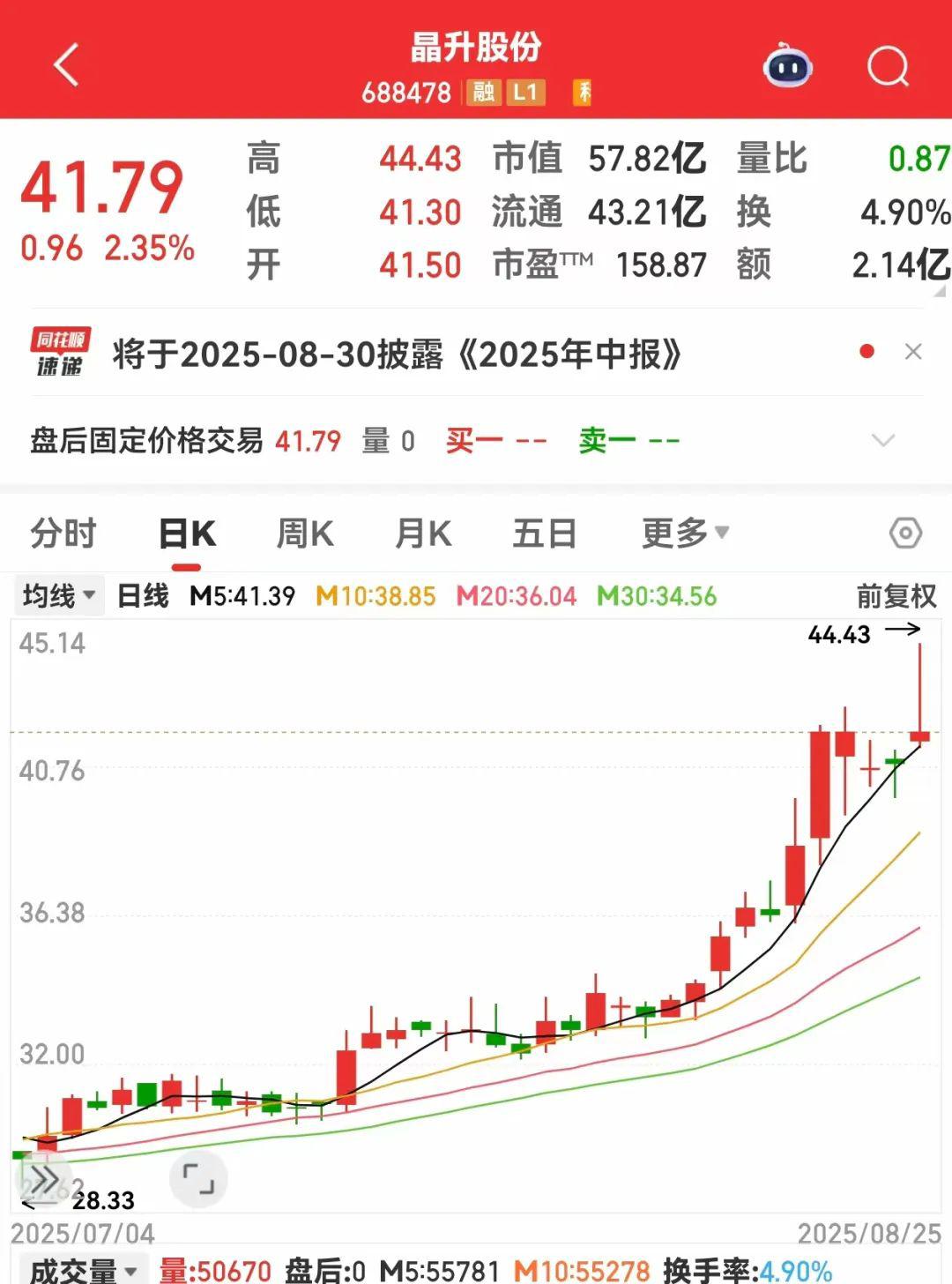
688478 重要收购!碳市场重磅 这些概念股有望受益
Zheng Quan Shi Bao Wang· 2025-08-26 01:30
碳市场重磅政策! 8月25日晚间,晶升股份公告,公司正在筹划以发行股份及支付现金的方式购买北京为准智能科技股份有限公司(简称"北京为准")的控股权,同时拟募 集配套资金。 《意见》指出,碳市场是利用市场机制积极应对气候变化、加快经济社会发展全面绿色转型的重要政策工具。目前,我国已建立重点排放单位履行强制减 排责任的全国碳排放权交易市场和激励社会自主减排的全国温室气体自愿减排交易市场。 晶升股份表示,本次交易尚处于筹划阶段,截至公告披露日,北京为准的估值尚未最终确定。根据相关规定,尚无法确定本次交易是否构成重大资产重 组。此外,因标的公司审计评估、交易金额、发行股份及支付现金比例等内容暂未确定,尚无法确定本次交易是否构成关联交易。 对于本次交易是否构成重大资产重组及关联交易的具体认定,晶升股份将在重组预案或重组报告书中予以详细分析和披露。本次交易不会导致公司实际控 制人发生变更,不构成重组上市。根据相关规定,公司股票将于8月26日(星期二)开市起停牌,预计停牌时间不超过10个交易日。 公告显示,北京为准2014年2月成立,注册资本1588.24万元。官网显示,北京为准自2014年成立以来,已经形成了研发、生产、 ...


解读中办、国办《关于推进绿色低碳转型加强全国碳市场建设的意见》
Xin Hua Cai Jing· 2025-08-25 23:44
Core Viewpoint - The establishment of a national carbon market in China is a crucial policy tool for addressing climate change and promoting a green transformation of the economy and society, as highlighted in the recent document released by the Central Committee of the Communist Party of China and the State Council [1] Group 1: National Carbon Market Development - The national carbon market has achieved a stable start and operation, with a well-structured system and improved market vitality, facilitating low-cost emissions reductions across society [2] - As of July 2025, the cumulative trading volume of carbon emission allowances in the national market reached 681 million tons, with a transaction value of 46.784 billion yuan, indicating the gradual emergence of price signaling [2] - The number of key emission units included in the national carbon market for 2024 is 2,096, with a compliance rate for allowances nearing 100% [2] Group 2: Voluntary Emission Reduction Market - The national voluntary greenhouse gas reduction trading market has seen the registration of the first batch of 9.48 million tons of verified voluntary emission reductions since 2023, with a cumulative transaction volume of 246,030 tons and a transaction value of 20.8 million yuan by July 2025 [2] Group 3: Long-term Development Goals - The document outlines a roadmap for the medium- and long-term development of the national carbon market, with key targets set for 2027 and 2030, emphasizing the need for a transparent quota management system and a shift from intensity control to total control of carbon emissions [4] - The focus will be on expanding the coverage of industries and greenhouse gases, while also developing the voluntary reduction market and enhancing the methodology for carbon reduction projects [4] Group 4: Market Dynamics and Governance - The construction of the national carbon market requires a balance between market efficiency and government regulation, ensuring that market vitality is stimulated while maintaining order and preventing systemic risks [6][7] - Local pilot carbon markets will continue to play a role in policy experimentation, contributing to the overall development of the national carbon market by testing new regulatory methods and market mechanisms [7] Group 5: International Cooperation - The national carbon market is positioned as a framework for international cooperation in green and low-carbon development, with an emphasis on aligning with international standards and enhancing global influence [7]
上证早知道|央行等三部门 最新印发!中办、国办 公布重要文件!上海楼市新政 今起施行
Shang Hai Zheng Quan Bao· 2025-08-25 23:31
Group 1: Financial Support for Forestry and Carbon Market Development - The People's Bank of China, financial regulatory authorities, and the National Forestry and Grassland Administration jointly issued a notice to enhance financial support for high-quality development in forestry, focusing on expanding mortgage loan products and services related to forest rights [2] - The notice encourages the establishment of forest rights storage institutions and the involvement of social capital in guarantee services, as well as the optimization of forest rights value assessment mechanisms [2] - The State Council's opinion on promoting green and low-carbon transformation emphasizes the importance of the carbon market as a policy tool for addressing climate change and accelerating green transformation [2] Group 2: Real Estate Policy Adjustments in Shanghai - Shanghai's housing and urban construction authorities issued a notice to optimize and adjust real estate policies, including reducing housing purchase restrictions and improving housing provident fund and personal housing loan policies, effective from August 26, 2025 [4] Group 3: Innovation in Pharmaceutical Industry - The innovation drug sector is experiencing increased activity, with notable stock price increases for companies such as Hitec Biotech, which rose by 20%, and several others reaching their daily limit [6] - The National Medical Products Administration reported that China's pharmaceutical industry ranks second globally, with approximately 30% of innovative drugs under development [6] Group 4: Developments in the Photovoltaic Industry - The photovoltaic sector is seeing a surge in activity following the China Photovoltaic Industry Association's initiative to strengthen industry self-discipline and promote fair competition [7] - Leading companies in the photovoltaic industry, such as Robotech and Daqo New Energy, have experienced significant stock price increases as a result of this initiative [7] Group 5: Company Performance and Strategic Moves - Zhangyuan Tungsten's revenue for the first half of the year reached 2.399 billion yuan, a year-on-year increase of 32.27%, while net profit grew by 2.54% [8] - Xizang Zhuofeng reported a revenue of 1.123 billion yuan, up 53.53%, with net profit increasing by 135.08% [8] - Aoyijin and Sleek signed a strategic cooperation agreement for production equipment and services, with an expected total investment of 500 million yuan over five years [9] - Huayi Technology is planning to issue H-shares and list on the Hong Kong Stock Exchange to enhance its international presence and competitiveness [11]
建设更加有效、更有活力、更具国际影响力的全国碳市场——解读《关于推进绿色低碳转型加强全国碳市场建设的意见》
Xin Hua She· 2025-08-25 22:59
Core Insights - The carbon market is a crucial policy tool for addressing climate change and promoting a green transition in the economy and society [1] - The recent document from the Central Committee and State Council emphasizes China's commitment to achieving carbon peak and carbon neutrality [1] Group 1: Carbon Market Development - China has established a national carbon emissions trading market and a voluntary greenhouse gas reduction trading market, which together form a comprehensive carbon market system [2] - As of July 2025, the national carbon emissions trading market has seen a cumulative transaction volume of 681 million tons and a transaction value of 46.784 billion yuan, indicating a growing market influence [2] - The voluntary greenhouse gas reduction trading market has registered 9.48 million tons of certified voluntary reduction, with a transaction value of 208 million yuan as of July 2025 [2] Group 2: Market Functionality and Goals - The document outlines a roadmap for the medium- and long-term development of the national carbon market, with specific targets set for 2027 and 2030 [4] - The focus will be on expanding the coverage of industries and greenhouse gases, establishing a transparent quota management system, and transitioning from intensity control to total control of carbon emissions [4][5] - The aim is to create a low-carbon development awareness across society, emphasizing that carbon emissions have costs while carbon reductions yield benefits [3] Group 3: Systematic Approach and Governance - The construction of the national carbon market is a complex system that requires a balance between market and government roles, long-term and short-term goals, and domestic and international considerations [6][7] - The government is tasked with creating a regulatory framework and risk prevention system, while the market focuses on resource allocation efficiency [7] - Local pilot carbon markets will continue to play a role in testing policies and mechanisms that can be scaled to the national level [7] Group 4: International Cooperation and Standards - The carbon market should also serve as a platform for international cooperation in green and low-carbon development, adhering to international standards and facilitating cross-border collaboration [8]