飞机制造

Search documents
国家统计局解读:9月核心CPI同比涨幅持续扩大 PPI同比降幅继续收窄
智通财经网· 2025-10-15 01:47
Group 1: CPI Analysis - In September 2025, the Consumer Price Index (CPI) increased by 0.1% month-on-month and decreased by 0.3% year-on-year, with the core CPI (excluding food and energy) rising by 1.0%, marking the fifth consecutive month of growth [1][2][3] - The month-on-month CPI increase was influenced by a 0.7% rise in food prices, particularly fresh vegetables, eggs, fresh fruits, lamb, and beef, which saw price increases between 0.9% and 6.1% [3] - The year-on-year CPI decline of 0.3% was primarily due to a negative base effect, with food prices dropping by 4.4%, significantly impacting the overall CPI [4][5] Group 2: PPI Analysis - The Producer Price Index (PPI) remained flat month-on-month and decreased by 2.3% year-on-year, with the decline narrowing by 0.6 percentage points compared to the previous month [1][2][7] - The PPI's year-on-year decline was influenced by improvements in supply-demand structures, with certain industries like coal processing and black metal smelting showing price stabilization [6][7] - The ongoing construction of a unified national market has contributed to a reduction in price declines across various sectors, with notable improvements in industries such as coal processing and battery manufacturing [7]
国家统计局:9月CPI环比上涨0.1% PPI同比降幅继续收窄
Guo Jia Tong Ji Ju· 2025-10-15 01:46
Group 1: CPI Analysis - In September 2025, the Consumer Price Index (CPI) showed a month-on-month increase of 0.1%, reversing from the previous month's stability, while year-on-year it decreased by 0.3% [3][4] - The core CPI, excluding food and energy, rose by 1.0% year-on-year, marking the fifth consecutive month of growth [3][5] - Food prices decreased by 4.4% year-on-year, significantly impacting the overall CPI decline, with pork prices dropping by 17.0% and fresh vegetables by 13.7% [5][4] Group 2: PPI Analysis - The Producer Price Index (PPI) remained stable month-on-month, while the year-on-year decline narrowed to 2.3%, a reduction of 0.6 percentage points from the previous month [3][8] - Improvements in supply-demand structures led to price stabilization in several industries, including coal processing and black metal smelting, which saw price increases [6][8] - The decline in oil prices influenced domestic oil-related industry prices, contributing to the overall PPI trend [7][8]
国家统计局:9月供需结构改善带动部分行业价格明显企稳 输入性因素影响国内石油相关行业价格环比下降
Di Yi Cai Jing· 2025-10-15 01:44
Core Insights - The Producer Price Index (PPI) remained stable month-on-month for two consecutive months, indicating a stabilization in prices across various industries driven by improved supply-demand dynamics [1][2] - Year-on-year, the PPI decreased by 2.3%, but the decline was less severe than the previous month, reflecting the positive impact of macroeconomic policies and structural adjustments in certain industries [2] Group 1: Month-on-Month PPI Analysis - The PPI showed notable month-on-month price increases in coal processing (up 3.8%), coal mining and washing (up 2.5%), and black metal smelting and rolling (up 0.2%), all of which have risen for two consecutive months [1] - Prices for photovoltaic equipment and components shifted from a decrease of 0.2% last month to an increase of 0.8% this month, indicating a recovery in this sector [1] - Conversely, prices in the petroleum-related industries declined due to falling international oil prices, with oil extraction prices down 2.7% and refined petroleum product manufacturing prices down 1.5% [1] Group 2: Year-on-Year PPI Trends - The year-on-year decline in PPI was influenced by a lower comparison base from the previous year, with several industries showing reduced price declines, including coal processing and black metal smelting [2] - The construction of a unified national market has led to improved price stability in various sectors, with significant reductions in price declines for coal processing (down 8.3%), black metal smelting (down 3.4%), and coal mining (down 3.0%) [2] - Upgrades in industrial structure and the release of consumer potential have resulted in price increases in specific sectors, such as aircraft manufacturing (up 1.4%) and electronic materials (up 1.2%) [2]
国家统计局:2025年9月份核心CPI同比涨幅持续扩大 PPI同比降幅继续收窄
Yang Shi Wang· 2025-10-15 01:43
9月份,消费市场运行总体平稳,居民消费价格指数(CPI)环比上涨0.1%,同比下降0.3%,扣除 食品和能源价格的核心CPI同比上涨1.0%,涨幅连续第5个月扩大。全国统一大市场建设纵深推进,市 场竞争秩序持续优化,工业生产者出厂价格指数(PPI)环比继续持平;同比下降2.3%,降幅比上月收 窄0.6个百分点。 央视网消息:国家统计局城市司首席统计师董莉娟解读2025年9月份CPI和PPI数据。 CPI同比下降0.3%,降幅比上月收窄0.1个百分点。CPI同比下降,主要是翘尾影响所致。本月CPI-0.3% 的同比变动中,翘尾影响约为-0.8个百分点,今年价格变动的新影响约为0.5个百分点。分类别看,食品 和能源价格下降。其中,食品价格下降4.4%,降幅比上月扩大0.1个百分点,影响CPI同比下降约0.83个 百分点,是影响CPI同比下降的主要因素。食品中,猪肉、鲜菜、鸡蛋和鲜果价格分别下降17.0%、 13.7%、13.5%和4.2%,合计影响CPI同比下降约0.78个百分点;牛肉和羊肉价格分别上涨4.6%和0.8%, 其中羊肉价格为连续下降44个月后首次转涨。能源价格下降2.7%,影响CPI同比下降约0.2 ...
国家统计局解读2025年9月份CPI和PPI数据
Guo Jia Tong Ji Ju· 2025-10-15 01:42
Group 1: CPI Analysis - The Consumer Price Index (CPI) increased by 0.1% month-on-month in September, reversing from a flat performance in the previous month [2] - Year-on-year, the CPI decreased by 0.3%, with the decline narrowing by 0.1 percentage points compared to the previous month [3] - Core CPI, excluding food and energy, rose by 1.0% year-on-year, marking the fifth consecutive month of growth [3] Group 2: Food and Energy Prices - Food prices increased by 0.7% month-on-month, contributing approximately 0.13 percentage points to the CPI increase, with seasonal price rises observed in fresh vegetables, eggs, fresh fruits, lamb, and beef [2] - Year-on-year, food prices fell by 4.4%, primarily driven by significant declines in pork, fresh vegetables, eggs, and fresh fruits [3] - Energy prices decreased by 2.7% year-on-year, impacting the CPI by approximately 0.20 percentage points [3] Group 3: PPI Analysis - The Producer Price Index (PPI) remained flat month-on-month for two consecutive months, with a year-on-year decline of 2.3%, narrowing by 0.6 percentage points from the previous month [4][6] - Improvements in supply-demand structures have stabilized prices in certain industries, such as coal processing and black metal smelting, which saw price increases [4] - The decline in PPI is influenced by external factors, including falling international oil prices, which affected domestic oil-related industry prices [5] Group 4: Industry-Specific Insights - The construction of a unified national market has led to a reduction in the year-on-year price decline across various industries, with notable improvements in coal processing, black metal smelting, and photovoltaic equipment manufacturing [6] - Upgrading industrial structures and releasing consumer potential have contributed to price increases in specific sectors, such as aircraft manufacturing and electronic materials [6] - The demand for quality and upgraded consumption has led to significant price increases in artisanal and ceremonial goods, as well as sports equipment [6]
中美都出了王牌,中国升级对稀土管控,美国威胁限制飞机零件出口
Sou Hu Cai Jing· 2025-10-13 10:49
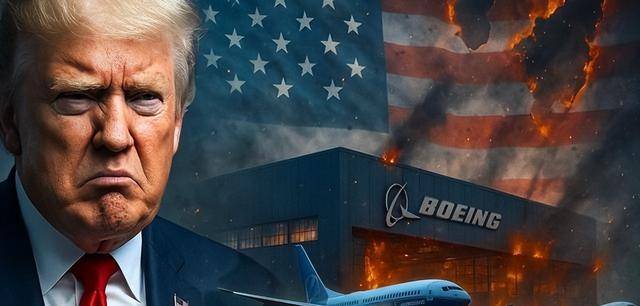
Group 1: Trade Tensions and Responses - The trade friction between China and the U.S. has escalated, with China imposing stricter export controls on rare earth elements, including lanthanum, cerium, praseodymium, neodymium, and samarium, effective October 9, 2025 [1][3] - The U.S. responded swiftly, with Trump threatening to restrict the export of Boeing aircraft parts to China, highlighting the reliance of Chinese airlines on Boeing models, which account for a significant portion of Boeing's global market [1][3][5] Group 2: Impact on Companies - The announcement of China's export controls led to immediate market reactions, with Boeing's stock dropping by 2.4% and General Electric's by 2.6% on October 11, 2025 [5] - Analysts noted that while the impact on Boeing may be limited in the short term due to China's development of its domestic C919 aircraft, the potential for supply chain disruptions remains significant [5][8] - The export controls affect a wide range of products, from jet engines to smartphones, requiring foreign companies to obtain approval for exports containing rare earth elements [7][8] Group 3: Global Supply Chain Reactions - European manufacturers and Japan's electronics sector quickly convened to discuss stockpiling rare earth materials in response to China's announcement [3][8] - Australian mining companies saw stock price increases as they are viewed as alternative sources for rare earth materials [3][8] - The situation highlights the vulnerabilities in the global supply chain, with potential risks for various industries reliant on rare earth elements [7][8]


为什么中国稀土王牌威力这么大?美国有破解的方法吗?
Sou Hu Cai Jing· 2025-10-12 09:27
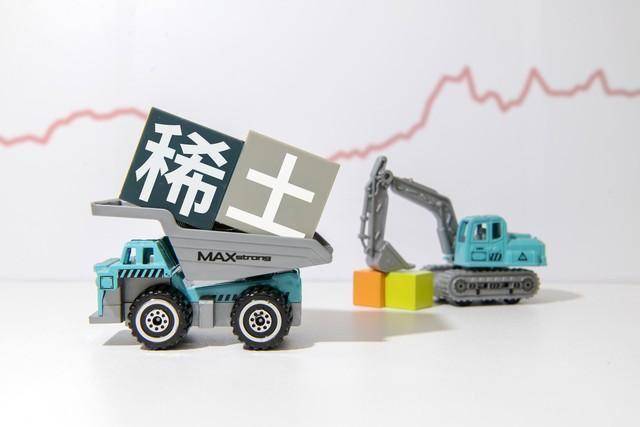
Core Viewpoint - The recent export control regulations by China on rare earth materials and technologies significantly impact the semiconductor industry and other high-tech sectors in the U.S. [1][3][4] Group 1: New Regulations and Their Implications - On October 9, China's Ministry of Commerce announced new regulations that impose export controls on certain rare earth-related items and technologies containing Chinese components [1]. - The new rules require foreign manufacturers to obtain permission from China to sell rare earth magnets and semiconductor materials that contain 0.1% or more of Chinese heavy rare earth elements [1][3]. - The regulations particularly affect the semiconductor industry, as they require applications for the use of Chinese rare earth materials in the production of advanced chips and military-related AI technologies [3][4]. Group 2: Impact on Semiconductor Manufacturers - TSMC, the world's leading semiconductor foundry, relies heavily on rare earth elements for chip manufacturing, which are primarily imported from mainland China [4][6]. - If TSMC uses Chinese rare earth elements in producing chips below 14nm, it will need Chinese permission to sell these chips to U.S. companies like Apple and Intel [4][6]. - The potential inability to source these materials could lead to significant challenges for U.S. chip manufacturers, affecting their production capabilities [6]. Group 3: Broader Implications for U.S. Industries - The U.S. military and aerospace sectors also heavily depend on rare earth elements, which are critical for various advanced weapon systems and technologies [6][7]. - For instance, the F-35 fighter jet requires 417 kg of rare earth materials, and a Virginia-class submarine needs 4600 kg, highlighting the extensive reliance on these materials [6]. - The automotive industry, particularly electric vehicles like those produced by Tesla, also utilizes rare earth elements in their manufacturing processes [6]. Group 4: China's Dominance in Rare Earth Production - China accounts for approximately 70% of global rare earth production and over 90% of rare earth refining capacity, particularly in heavy rare earths, where it holds more than 98% of the global market share [10][11]. - The technical expertise in rare earth processing and purification is predominantly held by China, making it difficult for other countries to establish competitive production capabilities [12][14]. - The U.S. has been unable to significantly improve its rare earth production and technology despite efforts to develop its own supply chain since 2010 [18][20]. Group 5: Challenges for U.S. Rare Earth Initiatives - The U.S. faces significant challenges in re-establishing its rare earth supply chain due to high production costs and environmental risks associated with rare earth mining [21][22]. - Many U.S. companies are reluctant to invest in rare earth mining and processing due to the potential for high costs and environmental liabilities [21][22]. - Collaborative efforts with other countries to develop rare earth industries have been slow and may take decades to yield results, leaving the U.S. reliant on Chinese imports in the near term [23][24].


“静水里涌动报国的火”
Ren Min Ri Bao· 2025-10-09 22:22
Core Insights - The article highlights the life and contributions of Gu Songfen, a prominent aircraft designer in China, known for his significant role in the development of military and civil aviation, including the J-8 fighter jet and the ARJ-21 regional jet [1][2]. Group 1: Contributions to Aviation - Gu Songfen was the chief designer of the J-8 series, which won the National Science and Technology Progress Award, showcasing his pivotal role in advancing China's aviation capabilities from scratch [1]. - His involvement in the design of the ARJ-21 regional jet included critical decisions such as the placement of the engine, demonstrating his influence on modern aircraft design [1]. - Gu has also conducted forward-looking research on future transportation methods, including the concept of the eVTOL (electric Vertical Take-Off and Landing) aircraft, indicating his vision for the future of urban air mobility [1]. Group 2: Personal Background and Motivation - Gu Songfen was born into a scholarly family, which influenced his educational path and career choices, leading him to pursue a career in aviation engineering to protect China's airspace [2]. - His experiences during the Second Sino-Japanese War motivated him to design aircraft as a means of national defense, reflecting a deep commitment to his country [2]. - The article emphasizes Gu's lifelong dedication to aviation and his belief in hard work and perseverance, which serves as an inspiration for younger generations [2].
中国获得全票支持,成功加群!美国“闭关锁国”,为中国做了嫁衣
Sou Hu Cai Jing· 2025-10-09 01:57
Core Viewpoint - China has gained unanimous support to become an observer state in the Andean Community (CAN), a significant diplomatic achievement that contrasts with the recent unilateral actions of the United States in Latin America [3][21]. Group 1: U.S. Actions and Their Impact - The U.S. imposed tariffs of 10%-15% on exports from Latin America, which increased the effective average tariff to 13% and planned to raise copper tariffs to 50% [5][7]. - This led to severe economic consequences for Latin American countries, including a 30% drop in orders for a Peruvian copper mining company and a 20% increase in costs for Colombian flower exporters [7][9]. - The U.S. also cut aid by 37%, exacerbating the economic struggles of countries reliant on American assistance, with Brazil projected to lose 52 billion reais in exports and 100,000 jobs due to increased tariffs [7][9]. Group 2: China's Strategic Positioning - China has been building relationships with the Andean Community since 1999, establishing a consultation mechanism and gradually increasing its engagement [11][13]. - The shift from bilateral trade to regional cooperation has allowed China to provide tangible benefits to Latin American countries, such as stable orders for minerals without political conditions [11][13]. - China's participation as an observer will enable it to influence trade rules and standards, enhancing resource security for its industries, particularly in AI and electric vehicles [17]. Group 3: Geopolitical Implications - China's acceptance as the first Asian observer in the Andean Community breaks the U.S. monopoly in the region, allowing Latin American countries to diversify their economic partnerships [19][21]. - The cooperation between China and the Andean Community is seen as a response to U.S. unilateralism, with China offering investment and market opportunities in contrast to U.S. tariffs and sanctions [21][23]. - The Andean Community's decision to support China reflects a broader rejection of U.S. dominance and an embrace of multilateral cooperation [23].

巴西对着美国说话挺直接,就问那 40% 的关税能不能撤了。
Sou Hu Cai Jing· 2025-10-07 01:23
Group 1 - The article discusses Brazilian President Lula's direct appeal to the U.S. regarding the 40% tariff imposed on Brazilian exports, emphasizing the need for a resolution to this issue [2][3] - The 40% tariff increase from 10% to 50% has severely impacted Brazilian exporters, particularly in the coffee and orange juice sectors, with coffee farmers reporting losses and orange juice producers unable to sell their products [2][3] - Brazilian aircraft manufacturer Embraer faces significant financial losses due to the tariffs, estimating a loss of 2 billion reais, and highlighting the negative impact on U.S. suppliers as well [3] Group 2 - Lula argues that the U.S. has benefited from a trade surplus with Brazil over the past 15 years, with a cumulative surplus of 410 billion USD, and that the rationale for the tariff is unfounded [3][4] - The tariffs are seen as a political maneuver rather than an economic necessity, with Lula asserting that the U.S. should not interfere in Brazil's judicial matters [4] - Brazil has initiated a complaint to the WTO against the U.S. for violating trade agreements and is exploring new markets to mitigate the impact of the tariffs [4][5] Group 3 - The Brazilian industry is experiencing significant declines in exports, with a reported 52 billion reais loss and a 22.3% drop in aircraft manufacturing exports [5] - The furniture industry is also suffering, with a substantial decrease in orders from the U.S., which accounts for 30% of its market [5] - Lula emphasizes the importance of mutual respect in trade relations, indicating a willingness to negotiate while maintaining Brazil's sovereignty [5]