
通用设备

Search documents
信用分析周报:信用分析周报-20250720
Zhongyuan Securities· 2025-07-20 12:29
Report Summary 1. Report Industry Investment Rating No industry investment rating information is provided in the report. 2. Report's Core View The report comprehensively tracks national news, economic data, and market trends in multiple areas including national policies, Henan's economy, bond markets, stock markets, and the brokerage sector. It presents the latest policies, economic indicators, and market performance, aiming to provide a basis for investment analysis and decision - making. 3. Summary by Directory 3.1 National News and Data Tracking - **National Policies**: From July 14 - 20, 2025, multiple important policies were issued, such as the "Green Finance Support Project Directory (2025 Edition)" by the central financial regulatory authorities, aiming to promote green financial development [10][11]. - **Economic Data**: In June 2025, new social financing was 4.20 trillion yuan, an increase of 900.8 billion yuan year - on - year, with a growth rate of 8.9%. In the first half of 2025, national GDP showed stable growth in various aspects such as agriculture, industry, and consumption [20][28]. 3.2 Henan Economic and Policy Tracking - **Policies**: Henan issued the "Opinions on Building a Pro - clean Government - business Relationship and Creating a First - class Business Environment" and held a work promotion meeting on integrating into and serving the national unified market [38][39]. - **Economic Situation**: In the first half of 2025, Henan's economy showed strong demand - side pull, emerging kinetic energy growth, and improved development quality and efficiency. For example, high - tech manufacturing investment increased by 12.1%, and online retail sales increased by 16.3% [46]. 3.3 Bond Market Operation Tracking - **Interest Rates**: This week, short - term government bond yields declined, while long - term yields increased. Credit bond yields also showed different degrees of decline [55][62]. - **Liquidity**: The net investment in the open market and MLF this week was 126.11 billion yuan, and the money market interest rate increased [59]. - **Supply Structure**: As of July 18, 2025, the cumulative issuance of national bonds and local government bonds increased compared to the same period in 2024, while the issuance of short - term financing and corporate bonds decreased [60]. 3.4 Stock Market Operation Tracking - **Global Markets**: Among global markets, the Russian index led with a 4.82% increase, while the Dow Jones Industrial Average lagged with a - 0.07% change [73][74]. - **Domestic Markets**: In the domestic A - share market, the ChiNext Index led with a 3.17% increase, and the top three industries with the highest increases were communication (7.56%), pharmaceutical biology (4%), and automobiles (3.28%) [79][82]. 3.5 Brokerage Sector Weekly Market Tracking - **Brokerage Index**: The securities II index of the CITIC secondary industry had a - 0.95% change this week, with an excess return of - 2.04% compared to the CSI 300 index. The top three brokerage firms with the highest increases were Huaxi Securities (3.27%), Guoxin Securities (3.26%), and China Merchants Securities (2.46%) [106]. - **Valuation**: As of the end of this week, the average P/B of the brokerage sector was 1.46 times, with 28 companies having a PB lower than the industry average, an increase of 1 compared to the previous period [110].
江苏神通(002438) - 2025年7月16日—7月17日调研活动附件之投资者调研会议记录
2025-07-20 05:46
Group 1: Company Overview and Strategy - The company provides various valve products for nuclear power plants, with a single nuclear power unit's valve order value exceeding 8,000,000 RMB [5] - The company emphasizes compliance with commitment letters and information disclosure regulations [2] - Future R&D investments will focus on meeting the growing demand for valves and flanges in domestic nuclear power construction [6] Group 2: Product Lifecycle and Maintenance - Nuclear valves have a design lifespan of up to 60 years, but require preventive maintenance and replacement due to environmental factors [3] - Metallurgical valves typically need maintenance or replacement every 2 to 3 years due to harsh operating conditions [3] - Chemical valves, often cast, also require regular maintenance and replacement under extreme conditions [3] Group 3: Market Position and Product Development - The company has developed a comprehensive product matrix for nuclear-grade valves, including butterfly valves, ball valves, and filter valves [7] - The domestic nuclear valve market has a localization rate of 85%-90%, indicating significant progress in the industry [17] - The company aims to enhance its market share through technological innovation and market expansion [17] Group 4: Certification and Competition - All nuclear-grade valves must undergo rigorous testing and certification, typically taking about two years [8] - The company has established a competitive edge in the nuclear valve market, with over 150,000 nuclear valves currently in operation [9] - Continuous innovation and product iteration are key strategies to maintain competitiveness in the nuclear valve sector [13] Group 5: Energy Efficiency and New Markets - The subsidiary, Shentong New Energy, focuses on high-pressure hydrogen valves, covering the entire hydrogen energy supply chain [12] - The energy-saving service model of the subsidiary Ruifan Energy involves contract energy management, providing stable returns over 5 to 8 years [14] - The company is actively participating in marine engineering projects, leveraging its production capabilities to meet current order demands [10]

恒生AH溢价指数创年内新低!A股相对H股溢价收窄,4只个股现折价
Jin Rong Jie· 2025-07-18 23:34
Core Viewpoint - The Hong Kong stock market is experiencing significant changes, with the Hang Seng AH Premium Index declining and reaching a new low for the year, indicating a narrowing premium of A-shares relative to H-shares, reflecting improved liquidity and value reassessment in the market [1] Group 1: AH Premium Rate Trends - The trend of narrowing AH premium rates is particularly evident at the individual stock level, with all 160 A+H listed companies seeing their AH premium rates drop below 200% [3] - The highest premium rate is for Chenming Paper, at 199.54%, contrasting sharply with the end of 2024 when over 10 stocks had premium rates exceeding 200% [3] - As of July 18, the number of stocks with premium rates over 100% has decreased to 32, down from 57 at the end of 2024, with BYD and Hongye Futures leading at 185.83% and 185.47% respectively [3] - Notably, four stocks are now trading at a discount of A-shares relative to H-shares, with CATL showing the largest discount at 24.63% [3] Group 2: Foreign Investment Trends - H-shares have performed strongly this year, supporting the narrowing premium rates, with seven H-shares doubling in value, including Rongchang Bio, which surged by 3.91 times [4] - Foreign institutions are increasingly favoring leading assets in the Hong Kong market, as evidenced by Wellington Management's purchase of 1.14 million shares of Hengrui Medicine for approximately 84.93 million HKD [4] - CATL's H-shares have seen a cumulative increase of 50.19% since their listing on May 20, with JPMorgan increasing its stake to 5.26% after purchasing 851,600 shares [4] - WuXi AppTec also attracted foreign investment, with FMR LLC increasing its holdings to 14.04% after buying 1.72 million shares [4] Group 3: Structural Changes in the Market - The Hong Kong stock market is undergoing structural changes, with new economy sectors like innovative pharmaceuticals, new energy, and consumer electronics rapidly emerging [5] - These sectors demonstrate stronger profit growth certainty and align better with global investors' long-term allocation preferences [5] - There is a noticeable differentiation in market structure, with large-cap companies having significantly lower premium rates compared to small-cap companies, indicating institutional investors' growing recognition of industry leaders and companies with solid fundamentals [5]





上半年规模以上工业增加值同比增长6.4% 工业经济向稳向新向优发展(权威发布)
Ren Min Ri Bao· 2025-07-18 21:31
Core Viewpoint - The industrial economy in China has shown resilience in the first half of the year, with significant growth in various sectors, particularly high-tech manufacturing and equipment investment, while facing challenges from external uncertainties and structural issues in the industry [1][2][3]. Group 1: Industrial Growth - The industrial added value for large-scale industries grew by 6.4% year-on-year in the first half of the year, with a contribution rate from high-tech manufacturing of 23.3% [1][2]. - The manufacturing value added accounted for 25.7% of GDP, indicating stability in the industrial sector [2]. - Key industries such as electrical machinery, automobiles, electronics, and chemicals have experienced rapid growth, contributing significantly to the overall industrial growth [2]. Group 2: Investment and Innovation - Manufacturing investment increased by 7.5% year-on-year, supported by large-scale equipment updates and technological upgrades [1]. - The number of large-scale industrial enterprises reached 520,000, with a year-on-year profit growth of 5.4% in the manufacturing sector [2]. - The production of industrial robots and service robots increased by 35.6% and 25.5% respectively, highlighting the acceleration of technological innovation [4]. Group 3: Digital Transformation and Green Development - Over 18,500 "5G + Industrial Internet" projects have been established, with a digital R&D tool penetration rate of 86.2% among large-scale light industry enterprises [7]. - The green development of industries has made significant progress, with over 20% of manufacturing output coming from green factories [7][8]. - The focus on traditional industries for transformation and upgrading is emphasized, particularly in steel, non-ferrous metals, petrochemicals, and building materials [8]. Group 4: Future Directions - The Ministry of Industry and Information Technology plans to enhance pilot programs for digital transformation in small and medium-sized enterprises and improve the capabilities of testing platforms to support innovation [5][7]. - Continued efforts will be made to address external uncertainties and structural contradictions within the industry to ensure stable and high-quality development [3].
完善全产业链多层次金融体系
Zhong Guo Zheng Quan Bao· 2025-07-18 20:59
Core Viewpoint - The Ministry of Industry and Information Technology (MIIT) is enhancing financial support for new industrialization, focusing on integrating finance with industry to promote innovation and development in key sectors [1][2]. Financial Support and Policy Initiatives - MIIT plans to improve financial policies to support new industrialization, emphasizing the integration of technology and industry [1]. - Over 3,100 financial and investment institutions have launched more than 800 financial products, resulting in a cumulative financing scale exceeding 1.2 trillion yuan, with an average of nearly 34 million yuan in financing support per benefiting enterprise [1]. - In the first half of the year, the A-share market raised 148.8 billion yuan for industrial enterprises, marking a 51.6% year-on-year increase [1]. Focus on Key Industries - The MIIT is collaborating with the People's Bank of China to direct more financial resources towards technology innovation, advanced manufacturing, green development, and support for small and medium-sized enterprises [2]. - The industrial added value of large-scale industries grew by 6.4% year-on-year, with the manufacturing sector's contribution to GDP stabilizing at 25.7% [2][3]. - Key industries such as electrical machinery, automotive, electronics, and chemicals have shown significant growth, contributing positively to the overall industrial economy [3]. New Growth Strategies - A new round of growth stabilization plans will be implemented for ten key industries, including steel and non-ferrous metals, focusing on structural adjustments and eliminating outdated production capacity [3]. - MIIT aims to accelerate the development of 6G technology and foster new industries, including bio-manufacturing and low-altitude industries [3][4]. Technological Advancements - The domestic hardware ecosystem has seen breakthroughs with several companies releasing globally significant products in high-growth areas such as AI and smart devices [4]. - The demand for digital consumption continues to rise, with mobile internet traffic experiencing double-digit growth for six consecutive months [4]. - As of June, China had 4.55 million 5G base stations and 1.118 billion 5G mobile users, indicating robust growth in telecommunications infrastructure [4].
向稳、向新、向优——工业和信息化部有关负责人详解上半年工业经济
Xin Hua Wang· 2025-07-18 15:15
Core Viewpoint - The industrial economy in China showed steady growth in the first half of the year, with significant contributions from key industries and advancements in technology and innovation [2][4]. Group 1: Industrial Economic Performance - The industrial added value of large-scale enterprises increased by 6.4% year-on-year, with the manufacturing sector's contribution to GDP remaining stable at 25.7% [2]. - Key industries such as electrical machinery, automotive, electronics, general equipment, chemicals, and non-ferrous metals experienced rapid growth, enhancing their contribution to overall industrial growth [2]. - All 31 provinces reported growth in industrial added value, with eight major industrial provinces exceeding the national average profit growth rate [2]. Group 2: New Growth Drivers - The equipment manufacturing sector maintained a strong growth trend, accounting for 35.5% of the total industrial added value [2]. - The digital industry saw a business revenue increase of 9.3% year-on-year, with a 3.4 percentage point acceleration compared to the previous year [2]. - Green factories contributed over 20% to the total manufacturing output, and energy consumption per unit of industrial added value continued to decline [2]. Group 3: Innovation and Technology Integration - The Ministry of Industry and Information Technology supported the high-quality development of 1,241 specialized "little giant" enterprises [3]. - The number of registered technology contracts reached nearly 410,000, with a transaction value exceeding 3 trillion yuan, marking a 14.2% year-on-year increase [4]. - The establishment of 33 national manufacturing innovation centers was reported, with a focus on key strategic areas [4]. Group 4: Industrial Transformation and Upgrading - The added value of high-tech manufacturing increased by 9.5% year-on-year, contributing 23.3% to the overall industrial growth [5]. - As of June, the total number of 5G base stations reached 4.55 million, with 5G applications integrated into 86 out of 97 major categories of the national economy [5]. - Software business revenue reached 55.788 billion yuan from January to May, reflecting an 11.2% year-on-year growth [6].
工信部:新一轮钢铁行业稳增长工作方案即将发布!
Sou Hu Cai Jing· 2025-07-18 12:00
Group 1 - The Ministry of Industry and Information Technology (MIIT) will implement a new round of growth stabilization work plans for key industries, including steel, non-ferrous metals, petrochemicals, and building materials [3] - MIIT aims to strengthen the industrial economy by promoting structural adjustments, optimizing supply, and eliminating outdated production capacity in key industries [3] - The "Artificial Intelligence +" initiative will be accelerated to enhance the deployment of large models in key manufacturing sectors, improving the level of intelligence [3] Group 2 - In the first and second quarters, the industrial added value above designated size grew by 6.5% and 6.3% year-on-year, respectively, indicating further growth on a high base from the previous year [3] - Key industries such as electrical machinery, automobiles, electronics, general equipment, chemicals, and non-ferrous metals have significantly contributed to the growth of industrial added value [3] - The proportion of added value from equipment manufacturing and high-tech manufacturing reached 35.5% and 16.4%, respectively, with profits in industries like electronics, electrical machinery, and general equipment growing by over 10% [3] Group 3 - The previous round of the steel industry growth stabilization plan was released on August 21, 2023, with a focus on maintaining dynamic balance in supply and demand, stable growth in fixed asset investment, and significant improvement in economic efficiency [4] - For 2023, the steel industry aims for a 3.5% growth in industrial added value and a research and development investment target of 1.5% [4] - In 2024, the industry plans to further optimize the development environment and industrial structure, with an expected growth in industrial added value of over 4% [4]
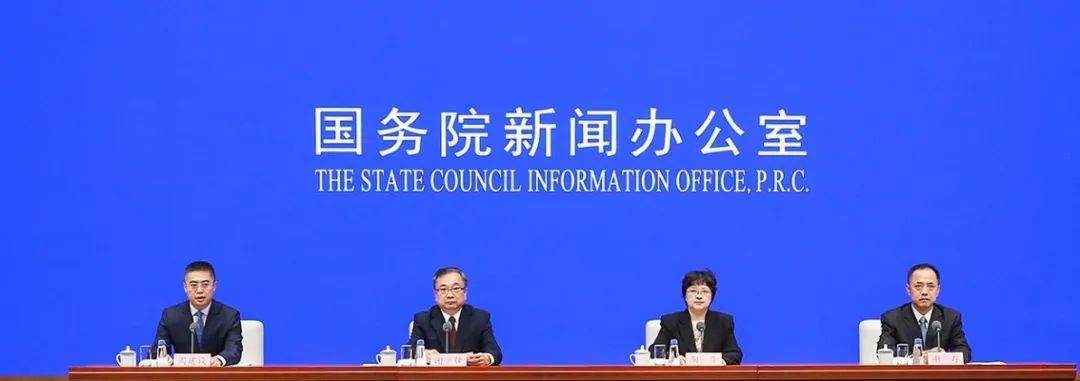
今年上半年规上工业增加值同比增长6.4%
Xin Jing Bao· 2025-07-18 10:53
Core Insights - The industrial added value of large-scale industries in China grew by 6.4% year-on-year in the first half of the year, demonstrating strong resilience following a good start in the first quarter [1] - The manufacturing added value accounted for 25.7% of GDP, remaining stable [1] - Key industries such as electrical machinery, automobiles, electronics, general equipment, chemicals, and non-ferrous metals showed rapid growth, contributing significantly to the overall industrial growth [1] Group 1: Industrial Performance - In the first quarter and second quarter, the industrial added value grew by 6.5% and 6.3% year-on-year, respectively, building on a high base from the previous year [1] - The contribution rates of equipment manufacturing and high-tech manufacturing increased, with their added values reaching 35.5% and 16.4% of large-scale industries, respectively [1] - Profits in industries such as electronics, electrical machinery, and general equipment grew by over 10% [1] Group 2: Regional Contributions - All 31 provinces reported growth in industrial added value, with provinces like Fujian, Anhui, Henan, and Hunan achieving over 8% growth [1] - Eight industrial provinces saw profit growth rates exceeding the national average, with Henan, Hunan, Hubei, and Jiangsu achieving double-digit growth [1] Group 3: Future Initiatives - The Ministry of Industry and Information Technology plans to implement a new round of growth stabilization work for ten key industries, including steel, non-ferrous metals, petrochemicals, and building materials [1] - Support will be provided to key industrial provinces to enhance their roles, including policy implementation, new growth point cultivation, and industrial transformation [1] - The ministry aims to accelerate the "Artificial Intelligence +" initiative, promoting the deployment of large models in key manufacturing sectors to enhance intelligence levels [1]
金通灵连续6年财务造假超17亿!董事长等6名高管被刑事起诉
Sou Hu Cai Jing· 2025-07-18 09:46
Core Viewpoint - Jintongling Technology Group Co., Ltd. has been indicted for six consecutive years of financial fraud, with the prosecution asserting that the company and six key executives should be held criminally liable for serious offenses related to fraudulent stock issuance and the improper disclosure of important information [1][4]. Financial Fraud Methods and Scale - From 2017 to 2022, Jintongling systematically inflated or deflated financial data through various means, including falsifying project completion reports and shipping documents. The company recognized revenue prematurely for undelivered goods and did not deduct sales returns from revenue, leading to inflated operating income and total profit [2]. - The fraud involved Jintongling's wholly-owned subsidiary, Shanghai Yunneng Energy Technology Co., Ltd., and its affiliated company, Jiangsu Yunneng. The inflated operating income for the years 2017, 2018, 2021, and 2022 amounted to 501 million, 550 million, 68.93 million, and 15.3 million respectively, with corresponding inflated total profits of 146 million, 148 million, 7.398 million, and 4.332 million. In 2019 and 2020, the company concealed losses by deflating revenue and inflating profits [2]. Criminal Prosecution and Legal Consequences - The prosecution found that Jintongling, as a company obligated to disclose information, provided annual reports containing false financial data for six consecutive years, misrepresenting losses as profits and causing economic losses to investors. This behavior was deemed particularly serious, warranting criminal liability [3][4]. - The defendants include Jintongling's then-chairman and general manager, Ji Wei, the then-financial director and board secretary, Yuan Xueli, and other key executives, who are to be prosecuted for fraudulent stock issuance and improper disclosure of important information. Notably, all defendants voluntarily confessed, with some having self-reported, which may lead to lighter penalties [4].


工信部:实施新一轮钢铁、有色金属、石化等重点行业稳增长行动
2 1 Shi Ji Jing Ji Bao Dao· 2025-07-18 09:39
Core Insights - The industrial sector in China showed a robust performance in the first half of 2023, with a year-on-year growth of 6.4% in industrial added value, surpassing GDP growth by 1.1 percentage points [1] - Manufacturing investment increased by 7.5% year-on-year, supported by major engineering projects and technological upgrades [1] - Key industries such as electrical machinery, automotive, electronics, and chemicals contributed significantly to industrial growth, with high-tech manufacturing accounting for 16.4% of the total industrial added value [1][4] Group 1: Industrial Growth and Performance - All 31 provinces in China reported growth in industrial added value, with notable increases in Fujian, Anhui, Henan, and Hunan exceeding 8% [2] - Eight major industrial provinces achieved profit growth rates above the national average, with Henan, Hunan, Hubei, and Jiangsu recording double-digit growth [2] - The equipment manufacturing sector played a stabilizing role, representing 35.5% of total industrial added value, with profits increasing by 7.2% from January to May [4] Group 2: Policy and Future Directions - The government plans to implement a new round of growth stabilization measures across ten key industries, focusing on structural adjustments and eliminating outdated production capacity [2][5] - Emphasis will be placed on enhancing development quality through technological innovation and promoting high-end manufacturing [3] - Initiatives will be taken to support small and medium enterprises, reduce their burdens, and improve the overall business environment [3]