商业地产

Search documents
越来越多的商场,开始被抛弃了
虎嗅APP· 2025-06-19 11:55
Core Viewpoint - Shanghai's commercial real estate market is experiencing an oversupply, leading to a significant number of shopping centers becoming underutilized or abandoned, despite the city's high commercial space per capita and ongoing new developments [4][10][12]. Group 1: Current State of Shanghai's Commercial Market - Shanghai has over 400 shopping centers, with a ratio of one large shopping center for every 80,000 people, compared to Tokyo's one for every 200,000 [3]. - The city is expected to open around 60 new commercial spaces this year, totaling over 3 million square meters, with Minhang leading in new openings [6]. - Despite the increase in commercial space, the retail sales growth in Shanghai was negative in the first quarter of this year, indicating a lack of consumer demand [7][9]. Group 2: Trends in Commercial Space Utilization - Many shopping centers are being abandoned or underperforming, with notable closures in prime locations such as Pacific Department Store and Isetan [11][12]. - The rate of commercial space turnover is increasing, particularly for large shopping centers, as evidenced by the decline in foot traffic and rising vacancy rates [15][16]. - The Aegean Shopping Center, which opened in 2017, now has a 90% vacancy rate in its outdoor commercial area, highlighting the rapid decline in consumer interest [23][35]. Group 3: Case Studies of Specific Shopping Centers - The Aegean Shopping Center's outdoor area has become nearly deserted, with many shops either closed or underperforming [25][35]. - The recent transformation of the Qipu Road wholesale market shows a stark contrast, where some shops are now renting for as low as 500 yuan per month, down from peak rents of 70,000 yuan [61][90]. - Successful transformations are occurring in some areas, such as the New Qipu and Shenghe Sheng, which have upgraded their offerings and attracted more customers [66][91]. Group 4: Broader Implications for the Real Estate Industry - The trend of selling off commercial assets is prevalent among real estate companies facing liquidity issues, with Wanda Group leading in asset sales [97][111]. - The shift from expansion to efficiency in the commercial real estate sector reflects a broader industry trend towards focusing on core assets and reducing debt [114][116]. - The commercial landscape is transitioning into a "stock era," where competition is based on existing assets rather than new developments, indicating a significant change in market dynamics [123][129].



(投资中国)中国吸引力升级:跨国公司从“成本洼地”奔向“创新高地”
Zhong Guo Xin Wen Wang· 2025-06-19 06:25
Core Insights - The reasons for multinational companies to invest in China have shifted from cost advantages to innovation and efficiency in the supply chain [1][2] - China is increasingly recognized for its capabilities in research and development, as well as its talent pool, particularly in emerging industries like electric vehicles and drones [2] Investment Trends - Multinational companies are now focusing on China's industrial chain efficiency and innovation capabilities, moving away from traditional factors like labor and land costs [2] - The automotive sector, particularly in electric vehicles, has seen significant foreign investment, with companies establishing manufacturing bases in cities like Hefei and Jiaxing [2] New Consumer Opportunities - The rise of "new consumption" trends in China is creating opportunities for global retailers, with a shift towards experiential and personalized services [3] - The retail market is seeing a notable increase in service-oriented consumption, with 73% of retail inquiries related to new store openings or expansions, the highest since mid-last year [3][4] Commercial Real Estate Insights - The demand for commercial real estate, particularly retail and hospitality properties, is increasing as consumer spending rises [5] - Investors are advised to focus on core cities in major urban areas like the Yangtze River Delta and the Greater Bay Area, as these regions show strong potential for commercial real estate investment [6] Future Outlook - The total retail sales of consumer goods in China are projected to approach 49 trillion yuan in 2024, solidifying its position as the world's second-largest consumer market [4] - There is an anticipated investment window in the next 6-12 months for certain asset classes, particularly in first and second-tier cities [6]

中国国贸: 中国国贸2024年年度权益分派实施公告
Zheng Quan Zhi Xing· 2025-06-18 08:20
Core Points - The company announced a cash dividend of 1.10 RMB per share for its A shares, totaling 1,108,010,787 RMB to be distributed to shareholders [1][3][5] - The dividend distribution plan was approved at the annual shareholders' meeting held on April 28, 2025 [3][5] - Key dates for the dividend distribution include the record date on June 25, 2025, and the ex-dividend date on June 26, 2025 [3][4] Dividend Distribution Details - The total number of shares for the dividend calculation is 1,007,282,534 shares [3][5] - For individual shareholders holding shares for over one year, the dividend income is exempt from personal income tax, while those holding for one year or less will not have tax deducted at the time of distribution [5][6] - For Hong Kong investors, a 10% withholding tax will apply, resulting in a net dividend of 0.99 RMB per share after tax [6][7] Implementation Method - The cash dividends will be distributed through the China Securities Depository and Clearing Corporation Limited Shanghai Branch, with shareholders able to receive their dividends on the designated payment date [4][5] - Shareholders who have not completed designated transactions will have their dividends held by the clearing company until the transactions are completed [4][5] - The company will not withhold corporate income tax for institutional investors, who are responsible for their own tax obligations [7]

仲量联行:5月香港写字楼空置率回落至13.6% 租金按月跌0.3%
news flash· 2025-06-18 06:27
Core Insights - The report by JLL indicates a continued improvement in Hong Kong's Grade A office market as of May, with the overall vacancy rate decreasing to 13.6% despite new project completions [1] Vacancy Rates - Among the five major commercial districts, four experienced a decline in vacancy rates: - Central: decreased by 0.1 percentage points to 11.6% - Tsim Sha Tsui: decreased by 0.1 percentage points to 7.8% - Kowloon East: decreased by 0.1 percentage points to 20.9% - Wan Chai/Causeway Bay: decreased by 0.2 percentage points to 9% - However, the vacancy rate in Hong Kong East slightly increased by 0.2 percentage points to 14.2% [1] Leasing Market - The leasing market recorded a positive net absorption of 192,000 square feet in May [1] Rental Trends - Office rents continued to decline in May, with an overall monthly decrease of 0.3% - Hong Kong East saw a significant drop of 1% - Kowloon East followed with a decrease of 0.7% - Central and Wan Chai/Causeway Bay experienced declines of 0.4% and 0.2%, respectively [1]

王健林的转型之路:万达的复兴与启示
Sou Hu Cai Jing· 2025-06-18 02:07
万达是中国商业发展史上的一颗耀眼明珠。王健林的名字曾家喻户晓,他的商业成就和财富积累令人瞩 目。然而,随着市场环境的变化和内部挑战的出现,万达经历了一场惊心动魄的转型之旅,这不仅是王 健林个人的挑战,也是中国经济转型的一个缩影。 从巅峰到低谷:万达的辉煌与危机 随着市场环境的变化,万达开始重新定义其商业方向,从重资产的房地产布局转向轻资产的商业管理与 文化产业。王健林敏锐地看到了国内房地产行业的天花板,主动退出,为万达的多元化发展打开了新的 局面。 王健林曾是国际商界极具影响力的企业家。在他的领导下,万达集团曾拥有超过200个万达广场、1200 个电影院和77家星级酒店。他的个人财富一度高达2900亿,成为亚洲首富。他的名言"先定个小目标, 比如挣它一个亿"激励了无数创业者,也塑造了一种追求财富与成功的社会信仰。 然而,繁华背后隐藏着风险。2017年,银行信贷政策收紧,万达的现金流受到严重冲击。面对危机,王 健林选择了"断臂求生"的策略。 果断决策:王健林的应对策略 在危机面前,王健林没有选择退缩,而是迅速展开了一系列果断的资产剥离行动。他以173亿元的价格 将价值超过400亿的酒店资产出售给富力地产,又将4 ...
首发经济“燃”动消费新引擎
Zhong Guo Zheng Quan Bao· 2025-06-17 21:14
Core Viewpoint - The emergence of the "first launch economy" reflects the growing trend of product launches and innovations in the market, driven by consumer demand for unique and personalized experiences [1][3]. Group 1: First Launch Economy - The "first launch economy" is gaining traction, with events like the upcoming Chain Expo showcasing new products and technologies, indicating a shift towards innovative consumption scenarios [1]. - The first launch economy aligns with the trends of consumption upgrades and high-quality development, allowing traditional retail formats to innovate and optimize operations through mechanisms like REITs [1][3]. - The first launch economy has expanded from product launches to include the establishment of first stores, R&D centers, and corporate headquarters, showcasing a city's commercial vitality and competitiveness [3][4]. Group 2: Consumer Behavior and Market Impact - The "00s" generation's preference for differentiated and personalized consumption has led to strong sales of limited edition and co-branded products, while the silver economy also shows significant purchasing power [3][5]. - In the first four months of this year, Shanghai saw the opening of 301 new first stores, with a notable increase in high-level stores, indicating a diverse range of consumer categories and scenarios [2]. - The "618" shopping festival saw significant online sales, with 12 new products achieving over 100 million yuan in sales, highlighting the rapid market response to new product launches [2]. Group 3: Policy and Institutional Support - Local governments are implementing policies to support the first launch economy, such as financial incentives for new stores and initiatives to enhance the efficiency of product launches [3][4]. - Shanghai has introduced innovative measures for the inspection of imported consumer goods, facilitating a smoother experience for first launches [4]. - The central government encourages the development of the first launch economy through tailored policies that promote the establishment of first stores and events [4][5]. Group 4: Future Directions - The first launch economy is expected to drive consumption towards more experiential and interactive formats, with shopping centers evolving to accommodate diverse consumer needs [4][5]. - There is potential for growth in the silver economy, with opportunities in sectors like healthcare, tourism, and technology, reflecting changing societal structures [5]. - The integration of digital technologies and asset management strategies, such as REITs, can enhance operational efficiency and customer experience in shopping centers [5].
服务消费领跑 北京商圈焕新靠体验业态“出圈”
Bei Jing Shang Bao· 2025-06-17 15:40
Group 1 - The core viewpoint of the articles highlights the shift in Beijing's consumer market towards experience-driven and diversified consumption, with a reported 1.3% year-on-year growth in total market consumption from January to May, and a 4.9% increase in service consumption driven by new consumption scenarios and channels [1] - The rise of immersive shopping experiences and the integration of cultural, artistic, and entertainment elements into retail spaces are key trends observed in Beijing's shopping districts, as consumers increasingly prioritize the shopping experience over traditional purchasing [1][2] - The average per capita consumption expenditure of residents has continued to rise, with a 2.3% increase in the first quarter, indicating a growing willingness to spend on unique cultural experiences and limited edition products [1] Group 2 - The transformation of shopping environments, such as the renovation of the Sanlitun Taikoo Li North District, emphasizes improved accessibility and aesthetic appeal, enhancing the overall consumer experience [2] - Emotional consumption is on the rise, with events like the Hello Kitty and Beast Party collaboration attracting significant consumer interest, showcasing the evolving nature of retail beyond mere transactions [2][3] - The new consumer groups, particularly Generation Z, are increasingly focused on the emotional value and lifestyle representation of their purchases, suggesting a potential shift in retail strategies towards offering unique cultural experiences and personalized services [3]
越来越多商场,开始被抛弃了
创业邦· 2025-06-17 10:18
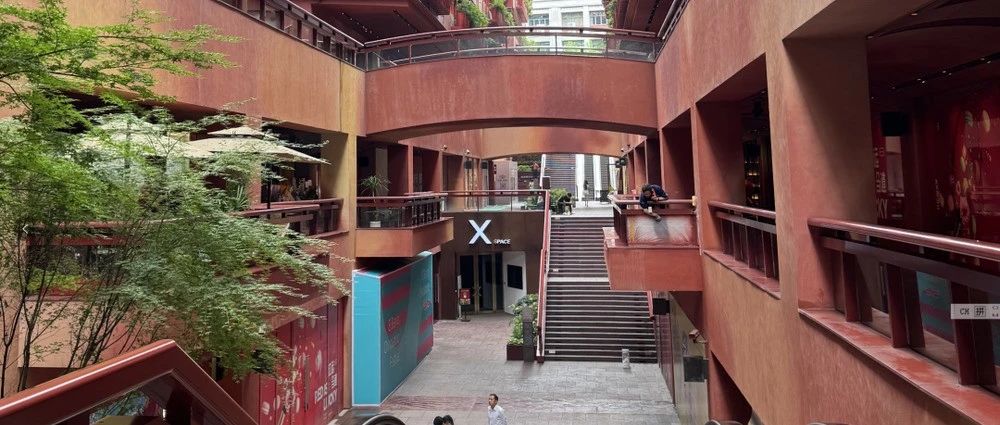
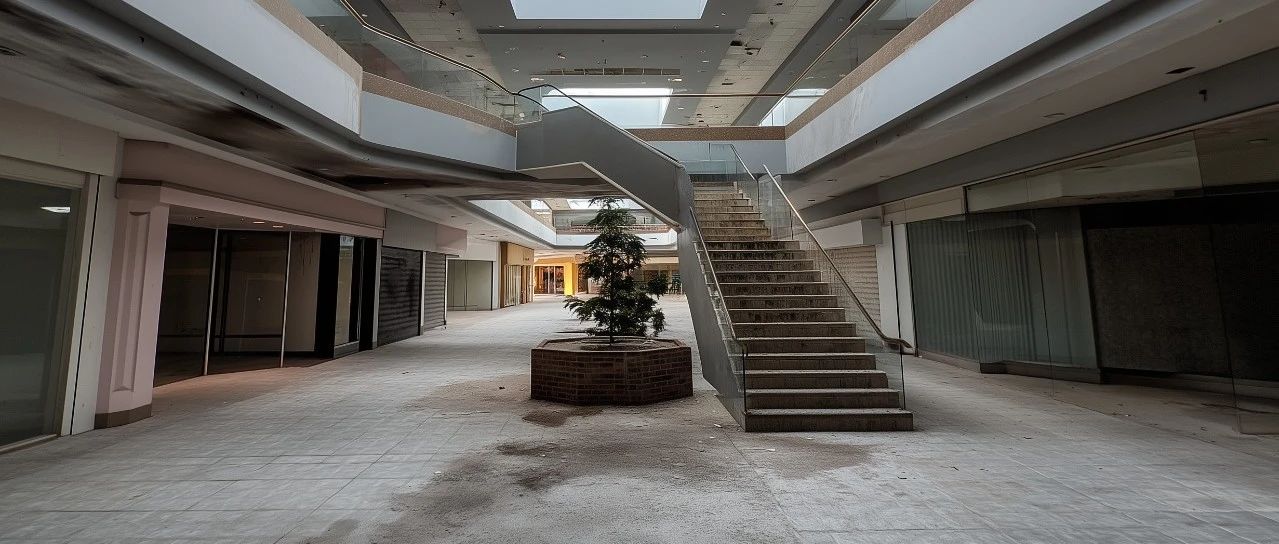
Core Viewpoint - Shanghai is experiencing a commercial supply surplus, with an increasing number of shopping centers opening but not translating into higher consumer spending [10][9][6]. Group 1: Commercial Landscape in Shanghai - Shanghai has over 400 shopping centers, with one large shopping center for every 80,000 people, compared to Tokyo's one for every 200,000 [3][4]. - The per capita commercial area in Shanghai is second only to Dubai and is three times that of Tokyo [5]. - In 2023, approximately 60 new commercial projects are expected to open in Shanghai, totaling over 3 million square meters [6]. Group 2: Consumer Spending Trends - In Q1 2023, Shanghai's total retail sales of consumer goods decreased by 1.5% year-on-year, indicating a decline in consumer demand despite the increase in shopping centers [9]. - The retail sales of goods and catering revenue also saw negative growth, with catering revenue down by 3.4% [9]. Group 3: Commercial Space Challenges - Many shopping centers are becoming abandoned or underperforming, with notable closures in prime areas like Lujiazui [13][14]. - The rapid turnover and high elimination rate of shopping centers are evident, with some large malls like Aegean Sea Shopping Center facing significant vacancy rates [18][22]. - The outdoor commercial spaces in some centers have vacancy rates exceeding 90% [22][31]. Group 4: Market Dynamics and Trends - The market is witnessing a transformation where some shopping centers are being repurposed or sold off due to financial pressures on developers [106][130]. - Major players like Wanda and Vanke are actively selling off commercial assets to improve liquidity, with Wanda selling nearly 90 Wanda Plazas since 2017 [108][113][122]. - The trend indicates a shift from expansion to efficiency, with a focus on core assets and high-quality developments [139][146].
世邦魏理仕谢晨:建议推动闲置土地收储转性和老旧项目调改
Zhong Guo Jing Ying Bao· 2025-06-17 08:54
Core Insights - The core viewpoint of the article emphasizes the interaction between land supply, urban planning, and the office market in China's commercial real estate sector as it transitions into a high-quality development phase [1] Group 1: Market Challenges and Adjustments - During the "14th Five-Year Plan" period, the office market in China's first-tier cities faced significant challenges, primarily due to oversupply, which has become a key constraint on healthy market development [2] - The report indicates that the surge in new office supply during the "13th" and "14th Five-Year Plans" outpaced demand growth, leading to rising vacancy rates and downward pressure on rents [2] - The root cause of this oversupply phenomenon can be traced back to a peak in land supply during the "12th Five-Year Plan," which resulted in a significant increase in office supply in subsequent years [2] Group 2: Urban Planning and Supply Control - Urban planning adjustments and the implementation of deleveraging policies have led to a decline in the supply of office land post-"13th Five-Year Plan," laying the groundwork for a more balanced supply-demand relationship [2] - Beijing has been proactive in controlling the scale of commercial office construction, resulting in a noticeable decrease in new office supply in recent years [3] - The trend of supply control in Beijing is expected to continue into the "15th Five-Year Plan," potentially leading to significant improvements in the balance of office supply and demand [3] Group 3: Future Opportunities and Market Upgrades - Looking ahead, the office market in China's first-tier cities is anticipated to encounter new development opportunities as land supply trends downward and urban planning deepens [4] - However, the total area of office buildings aged 30 years and above is projected to expand rapidly from 1.14 million square meters to 10.22 million square meters during the "15th Five-Year Plan," creating substantial pressure for stock updates [4] - Government policies encouraging the adjustment of land use and the renovation of old buildings are timely interventions that can help alleviate the supply-demand imbalance in the office market [4] Group 4: Vertical Ecosystem Reconstruction - The vertical ecosystem reconstruction of office spaces is seen as a crucial approach to enhancing operational performance [5] - Successful case studies, such as the transformation of Shanghai's Asia Tower into a cultural landmark and the conversion of a Hong Kong office building into an educational facility, illustrate the potential of vertical ecosystem reconstruction [5] - Recent policies in Shanghai and Beijing have provided more flexibility and support for the classification and upgrading of existing buildings, which can improve tenant experiences and enhance overall building value [5]
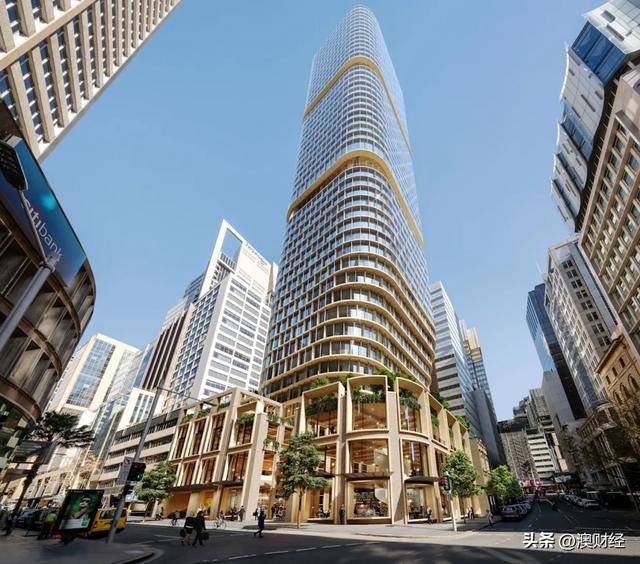
从停工危机到资本接盘,悉尼地标Halo大楼命运反转
Sou Hu Cai Jing· 2025-06-17 04:58
Core Insights - The "Halo Tower," a significant CBD project in Sydney, is under financial distress but may be saved by Cbus Property, a developer under an industry pension fund [1][4] - The project has faced challenges due to high debt levels exceeding AUD 500 million and rising construction costs, leading to a valuation skepticism of AUD 1.8 billion [3][4] - Cbus Property's potential acquisition could revitalize the project, which is expected to meet the increasing demand for premium office spaces in Sydney's tight market [4] Group 1: Project Background - The Halo Tower is a 55-story office building with a total planned area of 40,000 square meters, designed to be the world's tallest hybrid timber skyscraper [1] - Milligan Group, the original developer, consolidated over 70 property lots to establish the project but is now under significant financial pressure due to high leverage [3] Group 2: Financial Challenges - The primary loan for the project comes from Merricks Capital, with additional seller financing from about 60 original landowners [3] - A default notice was issued on a AUD 31 million loan, highlighting the project's precarious financial situation [3] - Merricks Capital provided an additional AUD 30 million loan for site demolition, which has improved investor confidence [3] Group 3: Market Context - The overall supply of office space in Sydney is tight, with increasing demand from top-tier tenants for quality CBD office spaces [4] - The successful revival of the Halo project would align with a broader trend of office building revitalization in Sydney, exemplified by other projects like Pitt Street 55 [4] - Cbus Property's potential entry into the commercial real estate market marks a strategic shift from its previous focus on residential development [4]