
智能手机

Search documents
中泰期货晨会纪要-20260227
Zhong Tai Qi Huo· 2026-02-27 01:19
Report Summary 1. Investment Ratings The report does not provide an overall industry investment rating. 2. Core Views - **Macro Outlook**: China's post - holiday market is active with increased trading volume and risk appetite. The A - share market is expected to see better performance from IC than IH. The bond market has limited short - term odds and should be traded with a band strategy. Global economic factors such as US - China trade talks, exchange rate fluctuations, and geopolitical events impact the market. The smartphone and automotive industries face challenges, while the real estate market shows signs of recovery in some areas [7][14][15]. - **Commodity Markets**: Different commodities have different trends. For example, steel and iron ore are expected to oscillate, and the future of these markets depends on demand. Some commodities like lithium carbonate are expected to be bullish in the short - term, while others like沪锌 and沪铅 may continue to be under pressure [16][25][29]. 3. Summary by Category **Macro News** - **Trade and Policy**: The sixth round of China - US economic and trade consultations is upcoming. The central bank supports cross - border RMB inter - bank financing. The RMB has appreciated rapidly against the US dollar [7]. - **Resource and Energy**: Zimbabwe bans the export of raw minerals and lithium concentrates, which impacts the lithium market. The third - round of indirect talks between Iran and the US ends, with significant differences remaining [7][8]. - **Financial and Market**: Compensation for investors affected by the valuation adjustment of Guotou Silver LOF starts. IDC predicts a 12.9% year - on - year decline in global smartphone shipments in 2026. Multiple smartphone brands plan price adjustments. The Chinese brand passenger vehicle sales decline in January 2026. The real estate market in some areas shows signs of recovery [8][9]. **Macro Finance** - **Stock Index Futures**: After the holiday, the A - share market is active. It is expected that IC will perform better than IH due to different sector performances and increased risk appetite [14]. - **Treasury Bond Futures**: The bond market is weak after the "Shanghai Seven" policy for the property market. Without interest - rate cut expectations, it is difficult for bond yields to decline further. Attention should be paid to the government's monetary and fiscal policies [15]. **Black Metals** - **Steel and Iron Ore**: The current supply - demand contradiction is limited, and there is unlikely to be a large price change. The future market depends on the start of steel demand. Iron ore supply is abundant [16]. - **Coking Coal and Coke**: Prices are expected to oscillate weakly in the short - term, and attention should be paid to the resumption of coal mines and downstream demand [19]. - **Ferroalloys**: For manganese silicon, it is not recommended to chase long positions after a large increase. Silicon iron long positions are recommended. Attention should be paid to the start - up of semi - coke plants [20]. - **Soda Ash and Glass**: Currently, it is advisable to wait and see. For soda ash, focus on the supply stability of leading enterprises and new production capacity. For glass, pay attention to the actual changes in production lines and demand [21]. **Non - ferrous Metals and New Materials** - **Copper**: In the short - term, copper prices will oscillate due to unstable macro - environment and inventory accumulation. In the long - term, tight raw material supply supports prices [23]. - **Zinc**: Domestic zinc inventories are increasing, and previous short positions should be held [25]. - **Lead**: Social lead inventories are at a 5 - month high. Previous short positions can be held, but lead consumption may improve in March [27]. - **Lithium Carbonate**: In the short - term, it is expected to be bullish due to increased demand and supply disruptions. Attention should be paid to buying opportunities on pull - backs [29]. - **Industrial Silicon and Polysilicon**: Industrial silicon will oscillate, and polysilicon will have a wide - range oscillation. Caution is advised in operation [31]. **Agricultural Products** - **Cotton**: Domestically, it is expected to be bullish, and low - buying and rolling operations are recommended. Attention should be paid to the demand after the holiday and international factors [34]. - **Sugar**: There is a short - term supply surplus, but the domestic sugar price may rebound due to restocking demand. It is in a low - level oscillation [35]. - **Eggs**: In the short - term, the spot price is weak, and the futures price will oscillate. Attention should be paid to inventory reduction and old - hen culling [37]. - **Apples**: High - quality apple prices will remain stable, and the overall price will oscillate in a range [38]. - **Corn**: The futures price will oscillate, and attention should be paid to the upper pressure. After the holiday, corn trading has not fully recovered, and there are supply pressures [39]. - **Jujubes**: Currently, the price is expected to oscillate weakly. Attention should be paid to the sales in the sales area and the mentality of buyers [40]. - **Hogs**: After the holiday, the market has a supply - demand imbalance with more supply. It is not recommended to short near - month futures contracts [41]. **Energy and Chemicals** - **Crude Oil**: The market is in a game between geopolitical risks and fundamental oversupply. The upside space is limited [43]. - **Fuel Oil**: The supply - demand situation has marginally improved, and the short - term focus is on the impact of oil prices dominated by geopolitics [44]. - **Plastics**: Polyolefins have large supply pressure but are slightly supported by rising raw material prices. An oscillating and weakening trend is expected [45]. - **Rubber**: In March, the downstream export orders are good, and there is support at the cost side. Caution is advised when chasing long positions [46]. - **Synthetic Rubber**: There is still room for decline in the short - term. Attention should be paid to the changes in butadiene and downstream devices [47]. - **Methanol**: The current supply - demand situation has slightly improved, but there may be a price correction. Attention should be paid to port inventory and Iranian supply [48]. - **Caustic Soda**: The futures price is expected to oscillate weakly. Attention should be paid to the recovery of demand and the impact of warehouse receipts [49]. - **Asphalt**: It follows oil price fluctuations, and attention should be paid to restocking demand after winter storage in March [51]. - **PVC**: In the short - term, it may be bullish, but the long - term supply - demand contradiction remains. Caution is advised [52]. - **Polyester Industry Chain**: In the short - term, the supply - demand situation is under pressure, and prices follow oil price fluctuations. Consider long - short spreads for PX and PTA 5 - 9 contracts [53]. - **Liquefied Petroleum Gas**: In the absence of further geopolitical escalation, the main contract is expected to be bearish [54]. - **Pulp**: The port inventory is at a new high, and the market sentiment has declined. Attention should be paid to inventory changes and price increases of finished products [56]. - **Logs**: The forward spot price is supported by cost, and attention should be paid to the impact of new delivery rules and market sentiment [57]. - **Urea**: The futures price is expected to oscillate bearishly. Attention should be paid to the difference between agricultural and industrial demand [57].

美科技大厂因AI裁掉近半员工 奈飞退出华纳兄弟收购案 | 环球市场
Sou Hu Cai Jing· 2026-02-27 00:13
Group 1 - Nvidia's stock dropped over 5% after reporting better-than-expected earnings, leading to a collective decline in the US tech sector, with the Nasdaq falling over 1% [1] - Nvidia experienced its largest single-day drop since April last year, losing $259.2 billion in market value, ranking as the 7th largest loss in history [2] - Samsung Electronics and SK Hynix, suppliers of storage chips to Nvidia, both saw their stocks rise over 7%, contributing to a record high for the Korean benchmark index, which has gained nearly 50% this year [2] Group 2 - The IDC warned of a potential crisis in the smartphone market due to memory shortages, predicting a record 13% decline in shipments in 2026, with expected shipments dropping to approximately 1.1 billion units from 1.26 billion last year [6] - Dell Technologies projected a doubling of AI server revenue to around $50 billion for the current fiscal year ending in January 2027, representing a 103% year-over-year increase [9] - Apple CEO Tim Cook announced a significant week ahead, with new product launches starting Monday, aligning with previous reports of a series of product releases [10][12]

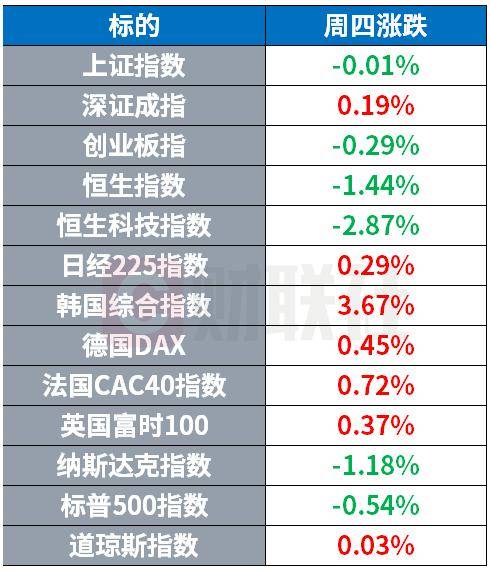
追觅2个月花5亿?“狂人”的资本棋局
Xin Lang Cai Jing· 2026-02-27 00:10
Core Insights - The aggressive expansion of Chasing Technology is driven by founder Yu Hao's ambitious vision, with multiple business lines being launched simultaneously [2][29] - Chasing Technology aims to transition from being an "outbound star" to a "national brand," with high marketing investments and cross-industry expansions [6][34] Financing and Investment - Chasing Technology has received significant early-stage funding from Xiaomi and Shunwei Capital, totaling 14 million yuan in angel funding in 2017, with continued investments in subsequent rounds [4][31] - The most recent public financing occurred in May 2023, with an undisclosed amount in a C+ round, while a previous equity transfer in August 2025 also lacked public details [4][31] - The company has reportedly spent over 500 million yuan on marketing initiatives in early 2026, including major events like the Spring Festival Gala and the Super Bowl [4][31] Business Performance and Market Position - Chasing Technology's net profit for 2025 is estimated at approximately 5.56 billion yuan, significantly higher than competitors like Ecovacs and Roborock [9][37] - The company holds a 12.4% share of the global smart vacuum cleaner market, ranking third, with notable performance in Europe but a declining share in the domestic market [10][38] Research and Development - Daily R&D expenditures are reported at around 40 million yuan, translating to an annual investment of approximately 14.6 billion yuan, which includes employee salaries [12][40] - The specific definitions of "main business net profit" and the detailed composition of R&D investments have not been officially clarified, leading to challenges in industry comparisons [12][40] Strategic Expansion - Chasing Technology is diversifying into new sectors, including electric vehicles, high-end smartphones, and drones, while leveraging its existing technological expertise [16][44] - The company has ambitious revenue goals, aiming for a trillion yuan in revenue and positioning itself as a leader in a comprehensive ecosystem [6][34] Capital Market Activities - Yu Hao has indicated plans for multiple IPOs across various business segments starting in late 2026, which has generated significant market interest [18][46] - The acquisition of a controlling stake in Jia Mei Packaging for 2.282 billion yuan has led to a dramatic increase in the company's stock price, with a 632.24% rise over a 32-day period [20][48] - Despite speculation about further asset injections into Jia Mei Packaging, company representatives have stated that no immediate actions are planned [22][50]
内存芯片短缺将致2026年全球智能手机市场萎缩13%,廉价手机时代或终结
Hua Er Jie Jian Wen· 2026-02-26 21:17
Core Viewpoint - The global smartphone market is facing its most severe crisis in decades, with a projected 12.9% decline in shipments by 2026 due to an unprecedented shortage of memory chips, surpassing the impacts of tariff crises and the COVID-19 pandemic [1][2]. Group 1: Market Forecast - IDC predicts that global smartphone shipments will drop to approximately 1.1 billion units in 2026, down from 1.26 billion units in the previous year, effectively erasing years of market growth [1]. - The situation is expected to remain challenging until at least mid-2027, with the demand for advanced memory driven by artificial intelligence continuing to tighten global supply [2]. Group 2: Impact on Entry-Level Smartphones - The shortage of memory chips is significantly impacting the entry-level smartphone market, with IDC estimating that shipments of smartphones priced below $100 will be around 170 million units in 2025, indicating a struggle for this price segment [3]. - The rising costs of DRAM and NAND chips are squeezing the already thin profit margins of many Android brands, particularly in the price-sensitive entry-level market where memory costs constitute a higher proportion of total material costs [4]. Group 3: Manufacturer Responses - Major Chinese manufacturers like Xiaomi and Oppo are investing heavily in flagship models while their entry-level product lines are becoming increasingly vulnerable under current cost pressures [4]. - In response to ongoing cost challenges, smartphone manufacturers are generally compressing product specifications, eliminating low-margin entry-level models, and guiding consumers towards higher price segments [4]. Group 4: Supply Chain and Pricing Dynamics - Qualcomm's CEO highlighted that the availability of memory will determine the overall scale of the smartphone market, indicating a critical supply gap that may extend until 2027 [5]. - IDC forecasts that even if supply issues are resolved, the likelihood of a return to previous low pricing structures is minimal, suggesting a fundamental reshaping of the smartphone market's scale, average price, and competitive landscape [6].
IDC:2026年智能手机市场恐将因为存储芯片供应短缺而下滑13%
Xin Lang Cai Jing· 2026-02-26 20:43
Core Viewpoint - The global smartphone market is expected to face an unprecedented crisis due to memory shortages, with IDC significantly lowering its 2026 smartphone shipment forecast to approximately 1.1 billion units, down from 1.26 billion units last year, indicating a potential record year-on-year decline of 13% [1] Industry Summary - IDC warns of a critical memory shortage impacting the smartphone market by 2026 [1] - The revised shipment forecast for 2026 is set at around 1.1 billion units, a substantial decrease from the previous estimate of 1.26 billion units [1] - This adjustment suggests a significant contraction in the smartphone market, with a projected decline of 13% year-on-year [1]
研发与市场投入持续加码 传音控股2025年净利润腰斩
Zhong Guo Jing Ying Bao· 2026-02-26 12:55
Core Viewpoint - Transsion Holdings is facing significant challenges since its IPO, with a notable decline in net profit and increased competition in the African smartphone market [1][2]. Financial Performance - In 2025, Transsion reported a net profit of 2.584 billion yuan, a decrease of 53.43% year-on-year, marking the first time since its market debut in 2019 that annual net profit has halved [1]. - The company's total revenue for 2025 was 65.623 billion yuan, down 4.50% from the previous year, and operating profit fell by 51.25% to 3.204 billion yuan [1]. - The net profit excluding non-recurring items was 1.968 billion yuan, a decline of 56.66% compared to the previous year [1]. Cost and Competition Pressures - The decline in profit is attributed to rising costs of core components like storage and chips, with DDR4 memory prices soaring by 1800% and DDR5 by over 500% [2]. - Many smartphone manufacturers, including Transsion, are adjusting their shipment targets and production due to the increased costs, particularly affecting those with a higher proportion of low-end products [3]. - Transsion holds an 8% market share in the global smartphone market, ranking sixth, but its shipment volume has decreased by 8% year-on-year [3]. Market Dynamics - The African smartphone market is experiencing a recovery, with a 13% increase in shipments to 84.4 million units in 2025, where Transsion maintains a leading market share of 48% [4]. - Despite leading the market, Transsion's growth rate has slowed to 3% in the fourth quarter of 2025, while competitors like Samsung and Xiaomi have shown stronger growth [5]. Strategic Initiatives - In response to the challenges, Transsion is increasing its investment in R&D and brand promotion, which has further compressed profit margins [6]. - The company is planning a secondary listing in Hong Kong to raise funds, targeting between 500 million to 1 billion USD, with proceeds aimed at AI technology, market expansion, and operational funding [6]. - Transsion's diversification efforts include IoT products and electric mobility solutions, although these segments currently contribute only 8.8% to total revenue [7]. Future Outlook - The potential for new growth avenues through the synergy of hardware and software ecosystems remains to be seen, as the company navigates its current challenges [8].

吉利也救不活,魅族手机复兴中道崩殂
3 6 Ke· 2026-02-26 11:28
Core Viewpoint - The news highlights the termination of the smartphone business by Xingji Meizu, with the Meizu 23 series being halted and significant layoffs occurring, leaving only the Flyme Auto car machine business to operate independently [1][2][5]. Group 1: Business Termination - Multiple sources indicate that Xingji Meizu will completely cease its smartphone operations, with the Meizu 23 series effectively discontinued and a potential official exit from the market by March 2026 [2][5]. - The Flyme brand will remain within the Geely system, but its car machine business will operate independently, with many employees already leaving or transitioning to Geely's Zeekr brand [2][4]. Group 2: Historical Context and Challenges - The smartphone division's struggles have been evident since early 2023, with reports of internal turmoil and the cancellation of the Meizu 22 Air due to rising costs [5][11]. - By 2025, Meizu's smartphone sales fell below one million units, and the brand was absent from the top five market share rankings [11][13]. Group 3: Strategic Shift - The acquisition by Geely aimed to integrate Meizu's Flyme operating system into smart vehicle ecosystems, indicating that the smartphone business was not the primary focus [9][16]. - Flyme Auto has become a strategic asset for Geely, with over 2 million units sold across more than 26 models, suggesting a successful pivot towards smart automotive technology [16][18].

国产手机集体涨价,iPhone成性价比之王
3 6 Ke· 2026-02-26 11:22
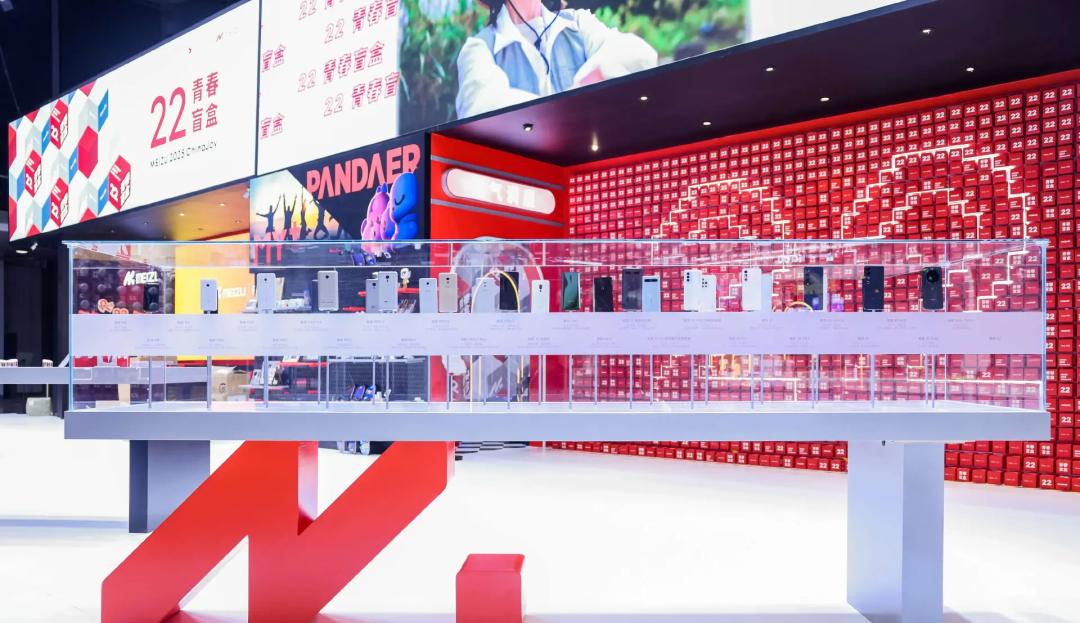
Group 1 - The mobile phone industry is set to experience a significant price increase starting in March, with multiple leading domestic brands including OPPO, OnePlus, vivo, Xiaomi, iQOO, and Honor implementing price hikes [1][2] - This price adjustment is the largest and highest in the past five years, with new models expected to see price increases of at least 1000 yuan, and some even exceeding 2000 yuan [2] - The primary reason for this price surge is the explosive demand for AI computing power, leading major suppliers like Samsung and SK Hynix to prioritize high-profit AI storage production, resulting in a shortage of mobile memory and skyrocketing prices [2] Group 2 - iPhone, positioned in the mid-to-high-end market, is less affected by the price increases and is perceived as a value leader, with the iPhone 18 standard version expected to maintain its starting price at 5999 yuan [4][6] - The memory cost for iPhones constitutes only 8%-10% of the total component cost, compared to 30% for mid-range and low-end phones, giving Apple a significant advantage in avoiding price hikes [6] - Apple has secured favorable pricing through agreements with suppliers and has pre-ordered approximately 13 million 10nm LPDDR5X memory chips for the iPhone 18 series, further insulating it from the price surge [6] Group 3 - Lower-end smartphones priced below 2000 yuan are likely to face severe challenges, as rising memory costs could lead to losses on each unit sold, prompting brands to either reduce specifications or exit the market [7] - Mid-range models priced between 2000-4000 yuan are highly sensitive to price changes, which could adversely affect both sales and profits [7] - The current price increase trend is expected to last for 2-3 years, with a return to normalcy projected by 2028, suggesting that consumers may have limited time to purchase before prices rise [7]

魅族手机3月正式退市
Xin Lang Cai Jing· 2026-02-26 10:21
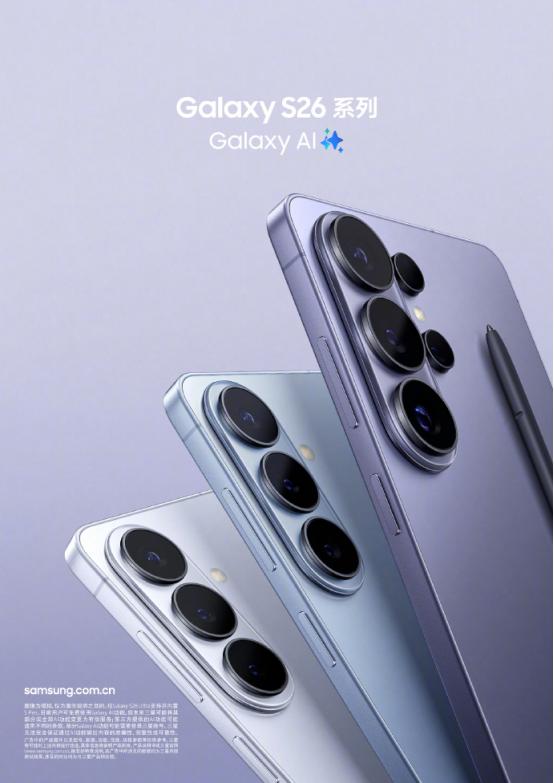
Core Viewpoint - Meizu's mobile phone business is effectively halted and is set to officially withdraw from the market by March 2026, with indications that the company may face bankruptcy due to significant financial issues [1] Group 1: Business Operations - Meizu's mobile phone operations have ceased, and the brand will likely be retained within the Geely system, while its FlymeAuto vehicle system business will operate independently [1] - As of now, the Meizu team on the Feishu platform has over 1,000 members, but many employees have resigned, and some have transitioned to Geely's Zeekr automotive division [1] Group 2: Financial Challenges - The significant increase in memory costs has severely impacted Meizu's business plans, leading to the cancellation of the Meizu 22 Air launch [1] - Despite earlier announcements about the Meizu 23 being released in 2026, the project is reportedly no longer being actively pursued [1] - Since April of the previous year, Meizu has faced issues with settling payments to numerous suppliers, resulting in substantial bad debts, with insiders suggesting that bankruptcy is a likely outcome for the company [1]
AI等技术全面升级 三星Galaxy S26系列手机正式发布
Zheng Quan Ri Bao Wang· 2026-02-26 08:15
Core Insights - Samsung Electronics officially launched the third-generation AI smartphone Galaxy S26 series on February 26, featuring GalaxyAI for enhanced user experience and task management [1][2] - The Galaxy S26 series includes significant upgrades in AI and imaging capabilities, ensuring robust performance and privacy protection [1] - The Galaxy S26Ultra introduces a built-in anti-peep display, enhancing user privacy and showcasing Samsung's commitment to security [1] Performance Enhancements - The Galaxy S26Ultra is powered by the fifth-generation Snapdragon 8 Gen 2 mobile platform, with CPU performance improved by 19%, NPU performance by 39%, and GPU performance by 24% [2] - Samsung's proprietary display technologies have been integrated into the processor, enhancing visual performance and image processing precision [2] - The upgraded screen resolution algorithms improve image clarity and detail, providing a richer viewing experience [2] AI Integration - Samsung aims to make AI a reliable daily companion, allowing users to focus on important tasks while AI handles complex operations in the background [3]