高端装备

Search documents
2025年上海GDP同比增长5.4%,三大先导产业制造业产值同比增长9.6%
Xin Hua Cai Jing· 2026-01-21 02:51
Economic Overview - In 2025, Shanghai's GDP reached 56,708.71 billion yuan, reflecting a year-on-year growth of 5.4% at constant prices [1] Industrial Production - Shanghai's industrial added value grew by 5.0% year-on-year, with total industrial output value increasing by 4.6% [2] - Key sectors such as railway, shipbuilding, aerospace, and other transportation equipment manufacturing saw a significant increase of 15.8% in output [2] - The three leading manufacturing industries experienced a 9.6% growth, with integrated circuit manufacturing up by 15.1% and artificial intelligence manufacturing up by 13.6% [2] Service Sector Growth - The tertiary sector's added value increased by 6.0%, with the information transmission, software, and IT services sector leading at a growth rate of 15.3% [3] - The financial sector's added value reached 8,979.66 billion yuan, growing by 9.7% [3] Fixed Asset Investment - Fixed asset investment in Shanghai grew by 4.6%, with industrial investment surging by 20.0%, significantly outpacing the overall investment growth [4] - Urban infrastructure investment rose by 11.2% [4] Consumer Market - The total retail sales of consumer goods reached 16,600.93 billion yuan, marking a 4.6% year-on-year increase [5] - Online retail sales from major enterprises grew by 14.1% [5] Financial Market Activity - Major financial markets in Shanghai recorded a transaction volume of 40.5895 trillion yuan, up by 11.2% [6] - The balance of deposits in financial institutions reached 24.50 trillion yuan, growing by 11.3% [6] Trade Performance - Shanghai's total goods import and export volume reached 4.51 trillion yuan, with exports growing by 10.8% [7] - The export of "new three samples" products increased by 17.4%, including a 13.8% rise in electric vehicle exports [7] Price Trends and Income - The consumer price index (CPI) in Shanghai rose by 0.1%, while the core CPI increased by 0.7% [8] - The average disposable income per capita reached 91,987 yuan, reflecting a growth of 4.1% [9]
数据彰显活力 共振效应显现资本市场服务新质生产力打开新空间
Xin Lang Cai Jing· 2026-01-20 20:57
Core Insights - China's economy is exhibiting a clear characteristic of "moving towards new" with the continuous development of new productive forces, indicating a rapid formation of a virtuous cycle among technology, industry, and finance [1][5] Economic Performance - In 2025, China's R&D expenditure intensity reached 2.8%, surpassing the OECD average for the first time, with total R&D spending amounting to 39,262 billion yuan [2] - China ranked in the top ten globally for innovation index and became the first country with over 5 million valid domestic invention patents [2] - The production value of high-end equipment, green energy, and smart manufacturing sectors is increasing, with the added value of high-tech manufacturing reaching 17.1% of total industrial added value [3] Capital Market Dynamics - By the end of 2025, the market capitalization of the ChiNext and STAR Market accounted for 14.49% and 9.53% of the total A-share market, respectively, showing significant growth from 2020 [4] - High-tech industries, particularly in manufacturing and technology services, saw substantial market capitalization increases of 33.3% and 32.1%, respectively [4] - The technology electronics sector surpassed the banking sector to become the largest sector in the A-share market, reflecting a shift in economic structure towards high-tech and emerging industries [4] Relationship Between Capital Market and Economic Development - The relationship between the capital market's structural changes and the new productive forces is characterized by a dynamic coupling that enhances both sectors [5][6] - The capital market serves as a "multiplier" and "incubator" for new productive forces, providing lifecycle capital support through a unique mechanism of risk-sharing and benefit-sharing [6] Future Outlook for Capital Market - The China Securities Regulatory Commission aims to enhance the inclusiveness and adaptability of the multi-tiered equity market to better serve high-quality development [7] - Reforms in 2026 will focus on improving institutional adaptability and creating a new framework that attracts quality capital through high-level innovation [8][9] - Emphasis will be placed on fostering a market ecosystem that supports long-term capital investment and encourages innovation through improved disclosure and governance practices [9]
“13510”布局落子,江苏东台以13个省级项目领跑新年开局
Yang Zi Wan Bao Wang· 2026-01-20 12:36
Group 1 - Jiangsu Province has officially announced the major project list for 2026, with Dongtai City securing 8 provincial major projects and 5 key private investment projects, contributing significantly to the development of Yancheng as a "trillion-yuan city" [1] - Dongtai's comprehensive strength has risen to 34th in the nation, recognized for three consecutive years as an excellent county for high-quality development, reflecting its commitment to high-quality growth and modernization [1][3] - The "13510" development layout proposed by Dongtai focuses on high-quality contributions to Yancheng's development, with 13 key projects marking the beginning of this ambitious plan [1][3] Group 2 - The 13 projects align with Dongtai's "three new and two special" industrial development directions, covering critical areas such as semiconductors, new energy, and high-end equipment, which will enhance the city's industrial capabilities [2] - Notable projects include Jiangsu Fulehua Semiconductor's high thermal conductivity ceramic substrate project and the 6.04 million kW offshore wind power project, which will promote integrated development in green energy [2] - Traditional industries are being revitalized through technological upgrades, while new industries like drone manufacturing are being cultivated, indicating a strategic shift towards high-tech and sustainable development [2] Group 3 - Dongtai has 834 industrial enterprises, with over 47% of the output value coming from strategic emerging industries, showcasing a strong focus on innovation as a driving force for development [3] - The establishment of a 300,000 square meter "double innovation zone" supports entrepreneurs with comprehensive resources, fostering collaboration between enterprises, universities, and research institutions [3] - The local government emphasizes a strong political environment and a culture of hard work, creating a favorable atmosphere for project development and industrial growth [3] Group 4 - The simultaneous listing of provincial major projects and private investment projects highlights Dongtai's open stance towards various types of capital, enhancing its reputation as a business-friendly environment [4][5] - The five selected private investment projects focus on intelligent manufacturing, reflecting strong confidence from private capital in Dongtai's development prospects [5] - The city aims to create a high-quality service environment for project implementation, ensuring smooth processes from signing to construction and operation [5] Group 5 - Dongtai has developed a comprehensive transportation network, including a multi-modal transport system that supports its economic and industrial growth [6] - Key infrastructure projects like the Dongxing Expressway and the renovation of inland waterways will facilitate logistics and resource flow, essential for industrial development [6] - The city is enhancing its coastal infrastructure to support marine economic upgrades, indicating a strategic focus on leveraging its geographical advantages [6] Group 6 - Dongtai prioritizes public welfare by investing in urban and rural development projects, aiming to improve living standards and create a harmonious community [7] - The city is committed to addressing public concerns in education, healthcare, and social services, ensuring equitable distribution of development benefits [7] - Ongoing efforts in urban renewal and rural revitalization reflect Dongtai's dedication to enhancing the quality of life for its residents [7] Group 7 - Dongtai is actively pursuing industrial upgrades and improvements in public welfare, positioning itself as a leader in high-quality development within Yancheng [8] - The city is focused on leveraging projects and practical efforts to drive economic growth and enhance living conditions for its citizens [8]
三省“双子星”抢龙头,透视区域经济新格局|城市论
Sou Hu Cai Jing· 2026-01-20 10:23
Group 1: Economic Competition in Northeast China - In 2024, the GDP of Dalian and Shenyang surpassed 900 billion yuan, with Dalian reaching 951.69 billion yuan and Shenyang at 902.71 billion yuan, marking a significant competition for the title of "Northeast Champion" [3] - The gap between Shenyang and Dalian has narrowed to 489.8 billion yuan, with Shenyang showing a growth rate of 6.1% compared to Dalian's 6.0%, indicating a strong catching-up momentum [3][6] - Dalian's economic strength is rooted in its industrial base and port advantages, while Shenyang is leveraging its transportation hub status and rich educational resources to transition towards high-end manufacturing [5][6] Group 2: Economic Dynamics in Southeast China - The competition between Fuzhou and Quanzhou has been ongoing for over 20 years, with Fuzhou recently reclaiming its position as the leading city in Fujian province [7][8] - Fuzhou's economic growth has been bolstered by its digital economy, which exceeded 450 billion yuan, accounting for over 45% of its GDP by 2020 [7][8] - Quanzhou, while facing challenges in traditional manufacturing, is focusing on upgrading its industries and developing strategic emerging sectors such as artificial intelligence and new materials [8] Group 3: Economic Developments in Hebei Province - The competition between Shijiazhuang and Tangshan has lasted for 20 years, with Tangshan initially surpassing Shijiazhuang in GDP due to its strong industrial base [12][13] - In 2024, Tangshan's GDP reached over 1 trillion yuan, while Shijiazhuang's GDP was 820.34 billion yuan, indicating a shift towards a "dual trillion city" dynamic in Hebei [13][15] - Both cities are focusing on integrating with the Beijing-Tianjin-Hebei region and developing new industries, with a shared goal of enhancing their economic growth potential [15][16]

连续跨越三个万元台阶 滨州“十四五”主要目标任务高质量完成
Qi Lu Wan Bao· 2026-01-20 09:00
Economic Growth - The GDP of Binzhou is expected to grow at an average annual rate of 6% during the 14th Five-Year Plan period, with per capita income reaching 92,000 yuan, successfully crossing three income thresholds [1] - The general public budget revenue reached 31.83 billion yuan, an increase of 6.55 billion yuan compared to 2020 [1] - Fixed asset investment growth has exceeded the provincial average for five consecutive years, with industrial revenue surpassing 1 trillion yuan [1] Industrial Development - The revenue of the new energy and new materials industry cluster has exceeded 100 billion yuan, while six major industrial clusters have achieved a total revenue of 1.4 trillion yuan [1] - Emerging industries such as high-end equipment and health care have seen annual revenue growth of over 10% [1] - Binzhou has been recognized as one of the top 100 advanced manufacturing cities in the country for four consecutive years [1] Innovation and Technology - The Bohai Xian Research Institute has generated a technological innovation effect of 14.5 billion yuan, and the Weiqiao National Science Research Institute has achieved 325 research results [2] - A total of 204 new provincial-level and above innovation research and development platforms have been established, with the overall R&D investment intensity ranking first in the province for five consecutive years [2] - The digital economy's core industry revenue has grown at an annual rate of 17.6% [2] Corporate Performance - Weiqiao Group has improved its ranking in the Global 500 to 166, while companies like Jingbo and Innovation Group have surpassed 100 billion yuan in revenue [2] - There are 19 enterprises with revenue exceeding 10 billion yuan, and the number of high-tech enterprises has increased by 550 [2] - The number of national and provincial manufacturing champions has reached 91, with specialized and innovative enterprises increasing 6-fold and 13-fold respectively since 2020 [2]
广东2025年投资1亿元以上制造业项目达4871个
2 1 Shi Ji Jing Ji Bao Dao· 2026-01-20 08:55
Group 1 - Guangdong aims to promote high-quality development of the manufacturing industry by focusing on "major projects and major parks" as dual engines by 2025, tracking 4,871 manufacturing projects with investments over 100 million yuan, including 1,875 new starts and 1,095 new productions [1] - The provincial manufacturing command center oversaw 457 key projects that completed investments of 211.7 billion yuan, exceeding the annual plan by 18.7% [1] - Significant projects include BASF's Zhanjiang integrated base, GAC Group's first large-capacity all-solid-state battery production line, and major projects from BYD and SMIC, covering critical fields like integrated circuits, new energy, and advanced materials [1] Group 2 - Guangdong has recognized three specialized chemical industrial parks and established 16 new characteristic industrial parks, with over 600 new projects introduced, totaling investments exceeding 190 billion yuan [2] - The industrial output value in the eastern, western, and northern regions of Guangdong has approached 50%, positioning industrial parks as the "industrial main engine" for regional coordinated development [2] - The revenue of industrial enterprises above designated size in Guangdong is projected to rise from 14.9 trillion yuan in 2020 to over 19 trillion yuan by 2025, with industrial investment growing approximately 47% [2]
2025年,滨州聚焦“113388”工作体系再夺丰硕成果
Qi Lu Wan Bao· 2026-01-20 08:52
1月20日,滨州市第十二届人民代表大会第五次会议开幕,市长李春田作政府工作报告。报告指出,刚 刚过去的一年,是"十四五"收官之年,困难比预料的多,挑战比预想的大,成效比预期的好。 三大行动汇聚强大合力。市场主体达47.8万户,上榜中国企业500强4家、中国民营企业500强7家、中国 品牌价值榜企业18家。各级干部竞相比拼、领题攻坚,1003项重点难点任务有效破解。压减融资平台23 家、城投公司15家,不良贷款率降至1.29%、为近10年最低水平。安全生产、防汛抗旱、粮食能源安全 等一排底线持续平稳向好。 空间拓展塑成新的优势。套尔河港区总体规划获省政府批复,G228套尔河特大桥贯通东西,两岸通行 时间由90分钟缩短至5分钟。"滨企创世界"带动有力,海外仓达31家,AEO高级认证企业达16家,成为 TIR跨境公路运输常态化运营城市。G220东延工程建成通车,8条城区道路改造提升,渤海二十一路北 延工程开工建设,高铁片区全面推进,内外联动格局加速构建。 心安城市绘就幸福图景。培育"心安细胞"408个,"防改教"校园消防安全防控模式、社会心理服务体系 建设经验全国推广。成功承办全省智力运动会,百里黄河风情带获评全省 ...
2025年GDP增长5% 创金合信基金甘静芸:得益于新动能贡献率的提升 2026年政策预计以结构性支持为主
Xin Lang Cai Jing· 2026-01-20 08:35
Core Insights - China's GDP reached 140 trillion yuan in 2025, growing by 5.0% year-on-year, surpassing many institutions' expectations [1][10][11] - The growth is attributed to the rise of new economic drivers, particularly in high-end manufacturing and high-tech sectors, countering the decline of traditional economic sectors [1][11] Economic Structure Transformation - The contribution rates to economic growth in 2025 were 52.0% from final consumption, 15.3% from capital formation, and 32.7% from net exports, indicating a shift from investment-driven growth to a dual-driven model of consumption and exports [2][13] - The reliance on traditional real estate and infrastructure investment is decreasing, while new economic drivers focus more on technology and human capital rather than capital [2][13] Investment Opportunities - Key sectors showing strong growth potential include: - Big Tech, particularly AI, which is expanding across the supply chain [3][14] - High-end manufacturing, including machinery and equipment, which is enhancing China's international competitiveness [3][14] - Resource sectors, benefiting from rising prices and concerns over dollar credit [3][14] - Service consumption, especially in travel and tourism, which is expected to be a focus for boosting domestic demand in 2026 [3][14][15] Export Resilience - In 2025, exports grew by 6.1%, with expectations for continued resilience in 2026 due to strong manufacturing competitiveness and easing trade tensions [5][16] - Key competitive export sectors include: - New energy supply chains (electric vehicles, solar, energy storage) [6][17] - High-end manufacturing (shipbuilding, engineering machinery) [6][17] - Chemicals and new materials, where China holds a leading global position [6][17] - Innovative pharmaceuticals and medical devices, increasingly entering Western markets [6][17] Liquidity and Policy Outlook - By the end of 2025, the growth rates of social financing (8.3%) and M2 (8.5%) exceeded the economic growth plus CPI target (7%), indicating overall ample liquidity [7][18] - However, the willingness of the private sector to expand credit is weak, suggesting a potential end to the era of abundant liquidity [7][18] - For 2026, monetary policy is expected to remain moderately loose, with fiscal policy continuing to expand but focusing on structural support rather than broad measures [8][19] Asset Allocation Recommendations - The recommended asset hierarchy for 2026 is stocks > commodities > bonds > cash, with a suggested overweight position in equities [9][20] - Long-term investment focus should include gold, non-ferrous metals, and large-cap value stocks, while also considering growth opportunities in technology and high-demand sectors [9][20]
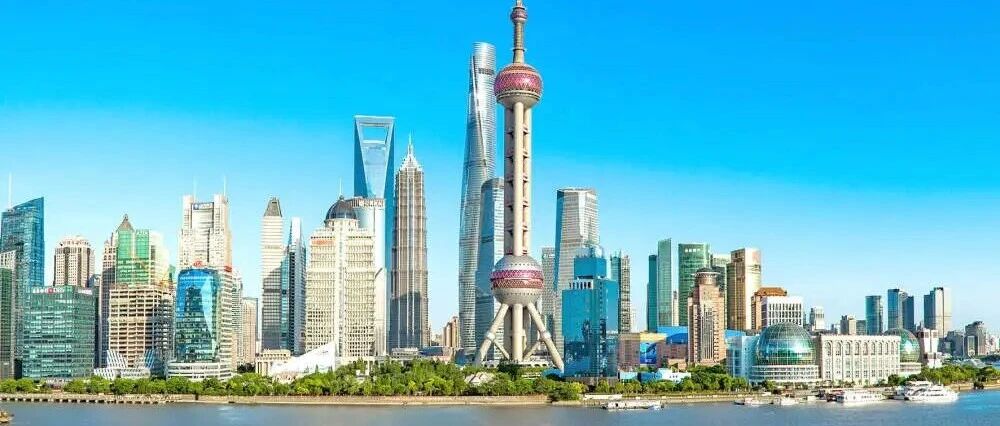
上海未来5年这么干
21世纪经济报道· 2026-01-20 08:25
Core Viewpoint - Shanghai aims to establish itself as a world-class high-end industrial cluster and achieve significant high-quality development over the next five years, with a target of doubling its per capita GDP by 2035 compared to 2020 levels [1][2]. Group 1: High-Quality Development Goals - The "15th Five-Year Plan" emphasizes high-quality development, maintaining economic growth within a reasonable range, and improving total factor productivity while ensuring a reasonable proportion of manufacturing [1][2]. - Shanghai's development strategy includes transitioning from scale expansion to high-quality development and structural optimization, impacting both economic sectors and personal income levels [2][5]. Group 2: Five Centers Construction - Shanghai is tasked with building five centers: international economy, finance, trade, shipping, and technological innovation, with a focus on enhancing its international economic center status [2][5]. - The plan includes accelerating the development of three leading industries and strengthening the capabilities in integrated circuit equipment, manufacturing, and design [2][6]. Group 3: Focus on Emerging Industries - Shanghai aims to tackle key technologies and create a sustainable technological ecosystem to maintain or enhance its global leadership [3][6]. - The city plans to develop six emerging pillar industry clusters, including smart terminals, intelligent connected vehicles, advanced materials, and green low-carbon industries [10][11]. Group 4: Financial Support and Innovation - The plan outlines the need for a robust financial support system to match the world-class high-end industrial cluster, including the establishment of an international financial asset trading platform and promoting technology finance [12]. - Shanghai will support venture capital investments in hard technology and enhance the market for technology credit and insurance [12]. Group 5: National and Global Implications - Shanghai's development trajectory reflects the broader direction of China's top cities in the global competitive landscape, emphasizing innovation-driven high-quality development [13].
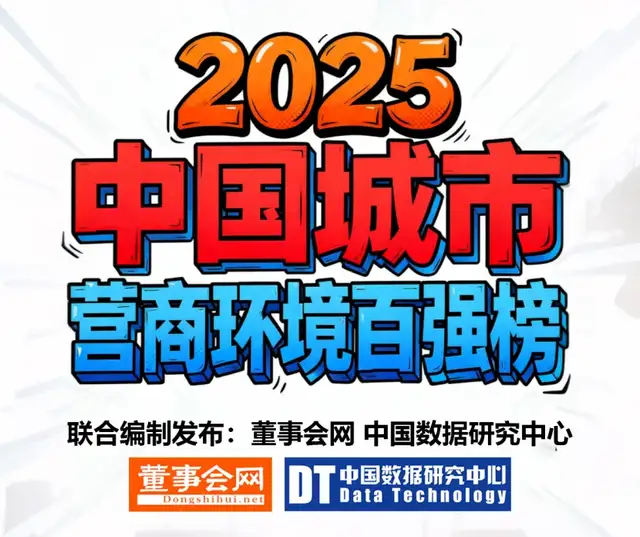
2025中国城市营商环境百强榜单发布
Jiang Nan Shi Bao· 2026-01-20 03:42
Core Insights - The 2025 China Urban Business Environment Top 100 List was officially released, evaluating cities based on "marketization, rule of law, digitalization, and ecological sustainability" [2] - The evaluation integrates data from various sources, including the All-China Federation of Industry and Commerce and the Comprehensive Credit Index of Cities, providing a scientific assessment model for urban business environments [2] - The list reflects a shift towards a business environment centered on enterprise experience, marking a new phase in high-quality development for China's business landscape [4] Evaluation Criteria - The evaluation criteria include a 30% weight on government services, focusing on approval efficiency, digital service capabilities, and policy implementation effectiveness [2] - Market environment accounts for 25%, emphasizing resource assurance, fair competition, and market vitality [2] - Legal environment, innovation vitality, and infrastructure are weighted at 20%, 15%, and 10% respectively, ensuring comprehensive coverage of enterprise development needs [2] Key Findings - The list showcases a clear pattern of "core leadership, regional collaboration, and distinctive breakthroughs" in urban business environment construction across China [4] - Major economic regions such as the Yangtze River Delta, Pearl River Delta, and Beijing-Tianjin-Hebei continue to lead, demonstrating the clustering effect and exemplary role of developed areas [4] - Central and western core cities are making steady progress, showcasing strong resilience and becoming high grounds for business environments in the west [4] Top Cities - The top five cities in the list are Shanghai, Beijing, Shenzhen, Hangzhou, and Guangzhou, each with distinct advantages in international finance, technology innovation, digital economy, and manufacturing [5][10] - Shanghai is recognized as a global economic, financial, and trade hub, while Beijing is noted for its concentration of research institutions and multinational company headquarters [10] - Shenzhen leads in technology and industrial innovation, and Hangzhou is highlighted as the first city in the digital economy [10] Implications for Future Development - The release of the list serves as a comprehensive review of urban business environment achievements and provides benchmarks for improvement [4] - Cities on the list are encouraged to identify gaps and leverage their strengths to enhance their business environments, aiming to attract resources and invigorate market vitality [4] - As reforms deepen, competition among cities will increasingly focus on governance efficiency and service quality [4]