
演出

Search documents
1.45亿元背后的“音乐+”密码 焦作演唱会引爆文旅消费热
Zhong Guo Xin Wen Wang· 2025-11-08 00:40
Core Insights - The music event in Jiaozuo has significantly boosted local cultural tourism consumption, generating 145 million yuan in total spending from nearly 20,000 attendees [1] - The concert has effectively integrated music with local culture, enhancing the city's image and attracting visitors from eight provinces [1] - The event has created a new economic model of "music + cultural tourism," linking ticket sales to broader local consumption across various sectors [1] Group 1 - The concert attracted approximately 20,000 attendees, leading to a total consumption of 145 million yuan across the local economy [1] - Around 6,000 attendees utilized their concert tickets to explore Jiaozuo's natural scenery and Tai Chi culture [1] - The event's online exposure exceeded 120 million views, showcasing the integration of celebrity influence and local culture [1] Group 2 - The concert has been described as a "magnifier" for the city's image, with drone displays and stage designs incorporating local cultural elements [1] - The "concert economy" has not only generated direct ticket revenue but also stimulated various local businesses, including food, accommodation, and tourism [1] - Jiaozuo is establishing a new ecosystem of "driving tourism through music and promoting consumption through tourism" [1] Group 3 - The organization of the event demonstrated high efficiency and humanized service, ensuring safety and order for attendees [2] - Previous incidents during events were handled promptly, earning positive feedback and highlighting the professionalism of Jiaozuo's service [2]
十余场演唱会温暖11月寒夜
Bei Jing Ri Bao Ke Hu Duan· 2025-11-07 22:20
Core Viewpoint - The concert market in Beijing remains vibrant in November, with numerous performances scheduled, attracting fans from across the country [1][3]. Group 1: Concert Events - Over ten concerts have been officially announced for November in Beijing, featuring various artists and bands [1]. - Notable performances include the rock band 831's concert at the National Stadium and Japanese singer Ayumi Hamasaki's Asia tour stop in Beijing [3]. - Upcoming concerts include Tsai Chin's "Don't Say Goodbye" tour and Chi Yu's performance at the North Exhibition Theater, both expected to evoke nostalgic memories for attendees [3][4]. Group 2: Economic Impact - Concert venues and surrounding businesses are preparing to capitalize on the influx of fans, with hotels and restaurants offering exclusive deals and services [4]. - A hotpot restaurant in Wangfujing is providing special services for concert-goers, including transportation for groups after the shows [4]. - The concert scene is contributing to Beijing's "night economy," with various dining options available for fans post-event [4]. Group 3: Market Diversity - The concert market in Beijing showcases a mix of established and emerging artists, catering to diverse audience preferences across different age groups [5]. - Major venues for concerts include the National Stadium, Huaxi Biological Center, and North Exhibition Theater, all of which are enhancing their services to welcome fans [5].


“文旅+”跨界玩出新花样:追演唱会游全城 打卡剧综取景地
Bei Jing Qing Nian Bao· 2025-11-05 07:14
Core Insights - The integration of "cultural tourism" with technology, performances, and IPs is reshaping the traditional tourism landscape, providing visitors with engaging and immersive experiences [1][3][5] Group 1: "Cultural Tourism + Technology" - Technology is driving the transformation of cultural tourism services from standardization to intelligence, enhancing visitor experiences through interactive projects like the MR glasses at the Sanxingdui Museum [1] - AI and robotics are being utilized in various tourist attractions, improving service precision and increasing visitor engagement, as seen in the Henan Baquan Tourism Area and other locations [2] Group 2: "Cultural Tourism + Performances" - The performance economy significantly boosts local tourism, with every 1 yuan spent on concert tickets generating an additional 4.8 yuan in surrounding consumption [3] - Major concerts have led to substantial increases in local tourism revenue, with events like Jay Chou's concert in Jinan attracting 300,000 attendees and generating significant economic activity [3] Group 3: "Cultural Tourism + IPs" - The popularity of TV shows and films is driving tourism to filming locations, with places like Kunshan and Chongqing seeing increased visitor numbers due to their association with hit series [5][6] - The revival of iconic scenes from popular dramas has led to a doubling of visitor numbers in certain areas, showcasing the impact of media on travel trends [5][6] Group 4: "Cultural Tourism + Events" - The integration of sports events with tourism is creating long-term economic benefits, as seen in Jiangsu, where local consumption surged during the "Su Super" events [7]
一张票根、多重体验 中国多地探索“票根经济”打造链式消费新场景
Zhong Guo Xin Wen Wang· 2025-11-03 12:01
Core Insights - The rise of "ticket root economy" in China is transforming ticket stubs into a means of accessing various city experiences, enhancing consumer engagement and driving economic growth [1][2][6] Group 1: Economic Impact - The Chinese performance market is projected to generate a total revenue of 79.629 billion yuan in 2024, with direct audience spending exceeding 200 billion yuan [2] - During recent concerts in Qingdao, the ticket root economy alliance's 30 member attractions welcomed 110,000 visitors, generating a revenue of 8.5088 million yuan, while 72 hotels achieved a revenue of 22.3758 million yuan, marking a 58% increase in hotel earnings in the surrounding area [4] Group 2: Consumer Engagement - The establishment of the ticket root economy merchant alliance in Qingdao aims to create a seamless consumer experience through "one ticket, multiple experiences," encouraging visitors to explore various local attractions [2][4] - Qingdao has developed six themed travel routes tailored to different demographics, providing a comprehensive service that connects entertainment with tourism [5] Group 3: Broader Applications - The ticket root economy is being adopted in various cities across China, linking events with local tourism and retail, thereby enhancing the overall consumer experience [6] - The concept is seen as an extension of emotional and experiential economies, where ticket stubs serve as a currency for cultural and tourism experiences, fostering local attachment and increasing consumer loyalty [6]
中国多地探索“票根经济”打造链式消费新场景
Zhong Guo Xin Wen Wang· 2025-11-02 23:25
Core Insights - The "ticket root economy" is emerging in various cities in China, transforming ticket stubs into a means for continuous consumer engagement and creating new consumption scenarios [1][2] - The Chinese performance market is projected to generate a total revenue of 79.629 billion yuan in 2024, with direct consumer spending exceeding 200 billion yuan [1] - The establishment of the ticket root economy merchant alliance in Qingdao aims to enhance consumer experiences by providing discounts and promotions linked to event tickets [2] Group 1 - The ticket root economy is becoming a key driver for urban consumption, converting short-term event attendance into long-term economic benefits for cities [1][3] - Qingdao's ticket root economy merchant alliance has attracted 256 members, aiming to create a seamless city-wide consumption experience [2] - During recent concerts in Qingdao, the ticket root economy alliance facilitated significant visitor numbers and revenue, with 30 attractions receiving 110,000 visitors and hotels generating 2,237.58 million yuan [2] Group 2 - The ticket root economy is being implemented in various regions, such as Mianyang and Zhejiang, to enhance local tourism and consumption linked to sporting events [3] - The concept of the ticket root economy is seen as an extension of emotional and experiential economies, enhancing local attachment and consumer loyalty [3] - The ongoing exploration of the ticket root economy model across China aims to showcase city charm and encourage deeper visitor engagement [3]
“带着空箱子去中国”成新风尚,前三季度离境退税销售额增长约1倍
Sou Hu Cai Jing· 2025-10-28 04:31
Core Insights - The number of foreign visitors entering China without a visa reached 20.89 million in the first three quarters of the year, representing a year-on-year increase of over 50% [1][5][9] - The sales volume of tax refunds for departing tourists has doubled compared to the previous year [1][5][9] - The "Buy in China" initiative has been launched to enhance consumer activities and promote high-quality imports [1][5][9] Event Overview - The 8th China International Import Expo (CIIE) will be held from November 5 to 10, with participation from 155 countries, regions, and international organizations, featuring 4,108 overseas exhibitors and an exhibition area exceeding 430,000 square meters [2][6][10] - The event will include the Hongqiao International Economic Forum, which will host 33 sub-forums and closed-door meetings, along with over 80 supporting activities such as trade negotiations and investment promotion [2][6][11] Economic Impact - Shanghai aims to enhance its status as an international consumption center by integrating the CIIE with local consumer activities, launching the "2025 Boutique Consumption Month" during the expo [2][6][11] - The city has hosted over 2,000 product launch events this year, with 787 new stores opening from January to September [3][12] - E-commerce transactions in Shanghai exceeded 3.27 trillion yuan (approximately 460 billion USD) in the first nine months, marking a 12.7% year-on-year growth [3][12] Consumer Trends - The trend of "bringing empty boxes to China" has gained popularity on overseas social media platforms, indicating a growing interest in shopping in China [1][5][9] - The tourism sector in Shanghai saw over 6.3 million inbound visitors in the first nine months, with tourism consumption increasing by nearly 30% [3][12]
校园舞台让青春“燃”起来
Zhong Guo Qing Nian Bao· 2025-10-26 23:05
Core Viewpoint - The article highlights the resurgence of campus performances in Chinese universities, showcasing the creativity and engagement of students through various cultural activities and events [3][4][5]. Group 1: Campus Performance Trends - A survey revealed that 84.50% of university students attended club performances in the past year, with 60.19% attending more than twice [3]. - Dance performances (52.96%) and comedy shows (52.64%) are the most popular types of campus performances, followed by musical theater (44.02%) and band performances (40.37%) [5]. - The popularity of performances is influenced by factors such as higher professionalism (53.98%), convenient timing and location (52.87%), and well-known productions (47.7%) [6]. Group 2: Student Engagement and Development - Participation in performance clubs enriches students' extracurricular lives, with 73.07% of respondents agreeing that these activities provide entertainment and a platform for self-expression [7]. - Students reported significant personal growth through participation, including improved professional skills (54.44%), teamwork (49.37%), and confidence (37.69%) [10][12]. - The article emphasizes the importance of collaboration and planning in successful performances, as demonstrated by various student-led initiatives [8][12]. Group 3: Challenges and Future Expectations - Challenges faced by performance clubs include time management (57.61%), funding issues (49.37%), and lack of professional guidance (39.47%) [12][13]. - Students expressed a desire for more professional training and stable funding for their clubs, with 49.37% wanting dedicated artistic guidance [13]. - There is an expectation for innovative performance formats that integrate various art forms, enhancing the diversity of campus events [13].

151.35亿元、119亿人次!“数”看美食撬动文旅、舌尖带动脚尖 跨城带动效能释放
Yang Shi Wang· 2025-10-23 05:53
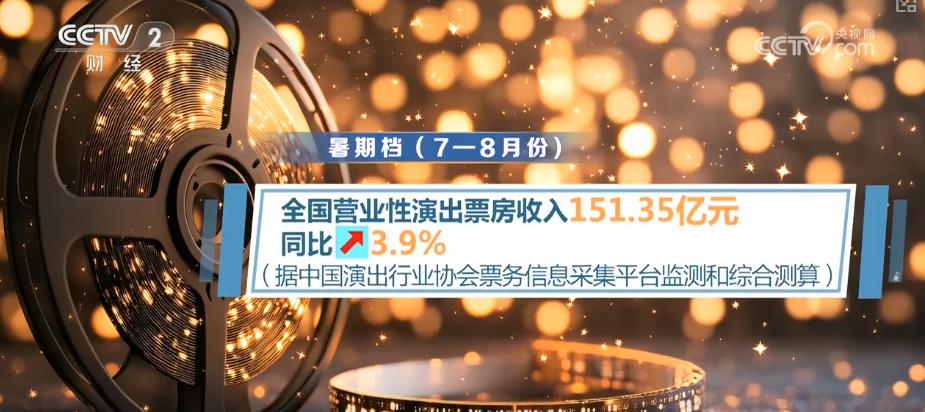
Group 1 - The service consumption sector is becoming a new engine for economic growth, driven by increasing demand and activities such as performances, music festivals, and events since 2025 [1] - In the summer season (July-August), the national box office revenue from commercial performances reached 15.135 billion yuan, showing a year-on-year growth of 3.90% [1] - Museums across the country welcomed 304 million visitors during the summer, a 2.6% increase compared to 296 million visitors in 2024, marking a historical high [1] Group 2 - The e-commerce transaction volume for tourism and sightseeing services grew by over 20% in the first three quarters [2] - The national catering revenue reached 409.89 billion yuan in the first three quarters, reflecting a year-on-year increase of 3.3% [2] Group 3 - In the summer transportation period of 2025, the total cross-regional movement of people reached 11.9 billion, averaging 192 million daily, with a year-on-year growth of 4.3% [3] - Policy incentives have led to a surge in inbound consumption, with 178 million people entering and exiting the country in the third quarter, a 12.9% increase year-on-year [3] - Among the inbound foreign visitors, 7.246 million were from visa-exempt countries, accounting for 72.2% of total inbound foreigners, which is a 48.3% increase year-on-year [3]
奋进的河南——决胜“十四五”丨文旅票根里的消费活力
He Nan Ri Bao· 2025-10-22 23:51
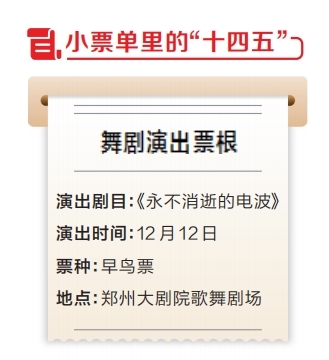
Core Insights - The article discusses the emerging "ticket root economy" in Zhengzhou, where ticket purchases for performances and events unlock various consumer benefits, enhancing the overall travel and entertainment experience [2][3][5] - In 2024, Zhengzhou is set to host 47 large-scale commercial performances, attracting approximately 960,000 attendees, indicating a robust demand for cultural events [2] - The integration of ticketing with local services such as hotels and restaurants is driving a new wave of consumer spending, creating a comprehensive consumption chain [2][3] Group 1: Ticket Root Economy - The "ticket root economy" links various consumption scenarios through discounts and promotions associated with event tickets, fostering a new economic model that includes ticket sales, derivative consumption, and cultural dissemination [2][5] - This model allows consumers to access discounts on hotels and attractions with their event tickets, effectively turning a ticket into a "universal pass" for exploring the city [3] Group 2: Impact on Local Economy - The collaboration between cultural events and local businesses, such as restaurants and hotels, has revitalized commercial activity in Zhengzhou, as seen during the recent 2025 Mayday concert, which drew significant crowds to nearby establishments [3] - From 2023 to the first half of 2025, Henan province received 2.723 billion tourists, generating a total tourism revenue of 2.64 trillion yuan, reflecting an annual growth rate of 6.8% and 7% respectively [4]
回望“十四五”| 扩内需增活力优环境 “十四五”深化改革结硕果
Zhong Guo Zheng Quan Bao· 2025-10-22 00:28
Core Viewpoint - China's domestic demand remains the main driving force and stabilizing anchor for economic development, supported by a series of reforms and the acceleration of the national unified market construction [1][4]. Group 1: Domestic Demand and Economic Growth - During the "14th Five-Year Plan" period, domestic demand contributed an average of 86.8% to economic growth [2]. - In the first three quarters of this year, final consumption expenditure contributed 53.5% to economic growth, an increase of 9.0 percentage points compared to the previous year [3]. - From 2021 to 2024, the average contribution of final consumption to China's economic growth is expected to reach 59.9%, up by 11.1 percentage points from the "13th Five-Year Plan" period [3]. Group 2: Investment and Infrastructure - The average contribution of capital formation from investment to economic growth over the past four years is 30.2% [4]. - In the first three quarters of this year, fixed asset investment in railways reached 593.7 billion, a year-on-year increase of 5.8% [3]. Group 3: Support for Private Enterprises - The establishment of a reusable rocket assembly and testing facility in Hainan represents a significant opportunity for the commercial aerospace industry, supported by improved market access policies [5][6]. - As of May, there were 185 million private economic organizations in China, accounting for 96.76% of total operating entities, with a year-on-year growth of 2.3% [6]. Group 4: National Unified Market Construction - The construction of a national unified market has made significant progress, enhancing the efficiency of resource allocation and reducing transaction costs [9][10]. - The negative list for market access has been reduced from 123 items in 2020 to 106 items in 2025, promoting a fair competitive environment [10].