疫苗

Search documents
港股IPO观察 | 欧林生物赴港,超级细菌疫苗的故事能化解“纸面富贵”隐忧吗?
Sou Hu Cai Jing· 2025-12-08 09:07
Core Viewpoint - Chengdu Olin Biological Technology Co., Ltd. has submitted its application for a mainboard listing on the Hong Kong Stock Exchange, marking a significant step towards a dual listing in both A-share and H-share markets [1] Group 1: Company Overview - Olin Bio, established in 2009 and headquartered in Chengdu, specializes in the research, development, and production of human vaccines, with its main product being the adsorbed tetanus vaccine, which dominates the domestic market [1] - The company has shifted its strategic focus towards the development of innovative vaccines targeting multi-drug resistant bacteria [1] Group 2: Financial Performance - Olin Bio's financial performance shows a duality; while revenue has been stable due to a nearly 70% market share of its core product, the net profit margin remains low, fluctuating between 2% and 5% [2] - In the first half of 2025, the company achieved a revenue of 305 million yuan and a net profit of 13.23 million yuan, successfully turning around from losses [2] - The company's sales and distribution expenses have consistently exceeded 50% of revenue, and R&D expenses have remained above 20%, with 134 million yuan allocated for R&D in 2024 [2] Group 3: Revenue Dependency and Risks - The adsorbed tetanus vaccine is the primary revenue driver, contributing 80.1% to 93.7% of total income from 2022 to 2024, with projected sales of 536 million yuan in 2024, accounting for 90.99% of total revenue [3] - The reliance on a single product poses significant risks, as any fluctuations in market demand or competition could severely impact the company's performance [3] - Market forecasts for the adsorbed tetanus vaccine have been downgraded, with projections for 2030 reduced from 2.434 billion yuan to 1.5 billion yuan [3] Group 4: Accounts Receivable and Liquidity Issues - The company's accounts receivable rose from 524 million yuan in 2022 to 694 million yuan by mid-2025, with over 53.2% of receivables aging over one year [4] - The lengthening collection period has negatively impacted cash flow, with accounts receivable turnover days increasing from 272 days in 2022 to 328 days in 2025 [4] - The accumulated impairment losses on accounts receivable exceeded 46 million yuan during the reporting period, further eroding already thin net profits [4] Group 5: Capital Market Activities - Olin Bio terminated a planned A-share private placement aimed at raising 175 million yuan, later reduced to 125 million yuan, due to market conditions and company development plans [5] - The controlling shareholder reduced their stake by approximately 12.18 million shares, cashing out around 279 million yuan, leading to a decrease in their ownership percentage [5][6] Group 6: Future Prospects and Challenges - To mitigate reliance on a single product, Olin Bio is focusing on developing a "super bacteria vaccine," with its core candidate, a recombinant Staphylococcus aureus vaccine, currently in Phase III clinical trials [7] - The company aims to launch this product by 2027, alongside other vaccines targeting antibiotic-resistant bacteria [7] - However, the high costs and risks associated with R&D pose significant challenges, as historical precedents indicate potential pitfalls in vaccine development [7]

专家提醒:当“三高”遇上“缠腰龙”,多病叠加风险不容小觑
2 1 Shi Ji Jing Ji Bao Dao· 2025-12-08 04:55
Group 1 - The article highlights the increasing prevalence of chronic diseases, particularly hypertension, diabetes, and hyperlipidemia, among the aging population in China, with a notable trend of younger individuals being affected [1][2] - The National Health Commission plans to develop a comprehensive service model focusing on chronic diseases during the 14th Five-Year Plan, emphasizing the integration of prevention, treatment, rehabilitation, and management [1][2] - The article discusses the rising incidence of infectious diseases, such as shingles and influenza, among chronic disease patients, necessitating a shift from traditional single-disease management to a multi-disease collaborative management approach [2][3] Group 2 - The approval of a new indication for the recombinant shingles vaccine marks a significant step in protecting adults with weakened immune systems from shingles, which is crucial for managing infectious diseases [3][4] - Chronic disease patients, particularly those with diabetes, have a significantly higher risk of developing shingles, with diabetes patients facing a 60% increased risk compared to the general population [5][6] - The article emphasizes the importance of vaccination as a standard practice in managing chronic diseases, as it can reduce the incidence of shingles and its complications, thereby alleviating the burden on healthcare resources [6][7] Group 3 - The market for shingles vaccines in China is projected to grow significantly, with the market size expected to reach 5.63 billion yuan by the end of 2025, reflecting a compound annual growth rate of 16.4% [8] - Community health services are increasingly promoting vaccine prescriptions to enhance accessibility and encourage adult vaccination, which has shown positive results in increasing vaccination rates [8]
5.5元/支 比奶茶还便宜,疫苗价格“跳水”背后
3 6 Ke· 2025-12-08 04:29
Core Insights - The vaccine industry is experiencing intense competition characterized by price wars and oversupply, leading to significant price drops for various vaccines [1][3][4] - The China Vaccine Industry Association has issued an initiative to combat "involutionary" competition and promote high-quality development in the vaccine sector [1][2] - The current market conditions are described as a "winter" for the vaccine industry, with a structural differentiation in competition where some vaccines are priced at unsustainable levels [5][6] Price Trends - The price of the bivalent HPV vaccine has plummeted from over 300 yuan to around 30 yuan, a decrease of nearly 90% [3] - The three-valent flu vaccine has reached a record low of 5.5 yuan, significantly lower than previous prices [3] - Other vaccines, including shingles and pneumonia vaccines, are also experiencing price reductions as part of the ongoing price war [3] Public Perception and Trust - The drastic price reductions may lower public vaccination costs but could also undermine trust in vaccine quality [4][5] - Concerns about the safety and efficacy of low-priced vaccines may lead to a reluctance to vaccinate among the public [4][5] - The perception that vaccines are "not worth much" due to low prices could hinder the establishment of a healthy market view on vaccination [4] Industry Performance - The price war has resulted in significant financial pressure on vaccine companies, with many reporting declining revenues and profits [6] - Only 5 out of 14 listed vaccine companies saw revenue growth in the first three quarters of 2025, while 10 companies reported a decline in net profit [6] - The overall public willingness to vaccinate remains low, with flu vaccination rates in Shanghai estimated at less than 5% for the general population [6][7] Factors Influencing Vaccination Rates - Public awareness of diseases, vaccine pricing, and the convenience of vaccination services are key factors affecting vaccination willingness [7] - The lack of understanding about the severity of diseases like influenza contributes to low vaccination rates [7] - The infrastructure for vaccination services in China is still developing, with a need for improved accessibility and convenience [7][8] Future Market Potential - Despite current challenges, the long-term potential of the Chinese vaccine market remains strong, driven by an aging population and rising chronic disease rates [9][10] - The "Healthy China" strategy emphasizes prevention, which is expected to increase demand for vaccines among specific populations [9][10] - Companies are adapting to these trends by integrating preventive and therapeutic services into their business models [9][10]
破伤风疫苗龙头赴港,欧林生物能否讲好IPO故事?
Zhi Tong Cai Jing· 2025-12-08 02:32
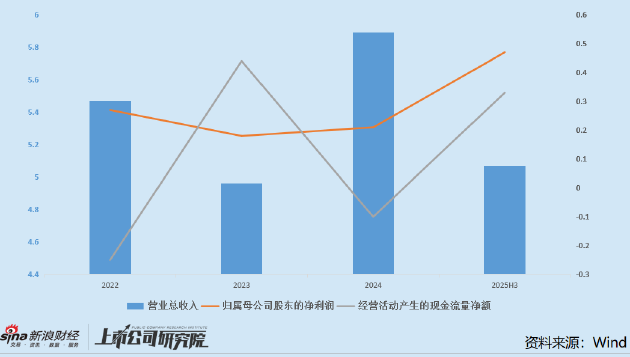
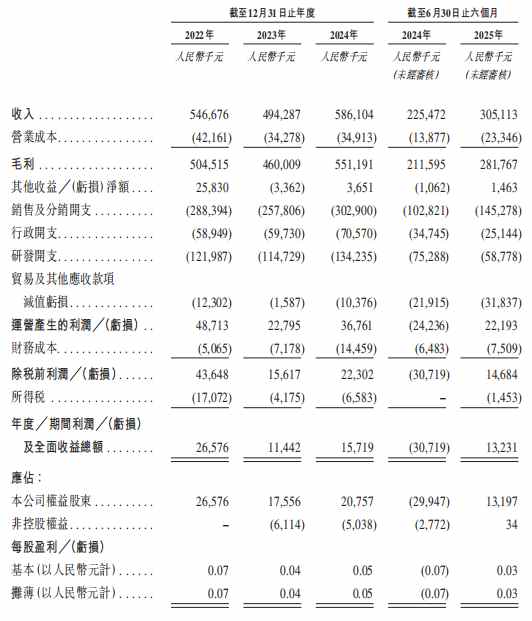
Core Viewpoint - Chengdu Olin Biological Technology Co., Ltd. has submitted its listing application to the Hong Kong Stock Exchange, aiming to become another "A+H" listed vaccine company, following its listing on the Sci-Tech Innovation Board in June 2021 [1] Financial Performance - The company has shown an upward trend in revenue, with figures of 547 million, 494 million, 586 million, and 305 million RMB for the years 2022, 2023, 2024, and the first half of 2025 respectively [2][3] - Net profit figures for the same periods were 26.58 million, 11.44 million, 15.72 million, and 13.23 million RMB, indicating a significant improvement in the first half of 2025 with a profit of 13.20 million RMB, reversing previous losses [2][3] - The gross margin has consistently remained above 92%, reflecting strong pricing power and cost control [2] Market Position - Olin Biological holds approximately 70% market share in the domestic tetanus vaccine sector, with its main product, the adsorbed tetanus vaccine, being a significant revenue contributor [1][4] - The company has established a strong sales network covering 30 provinces and municipalities in China, with over 2,000 direct commercial relationships with district and county-level disease control centers [4] Research and Development - The company is focusing on developing vaccines for "super bacteria" and adult vaccines, with a comprehensive pipeline that includes the recombinant Staphylococcus aureus vaccine, which is in Phase III clinical trials [4][9] - R&D investment is projected to reach 134 million RMB in 2024, a 17% increase year-on-year, with the R&D team expanding from 59 to 136 members since 2020 [4][11] Market Growth Potential - The tetanus vaccine market in China is expected to grow from 2 billion RMB in 2019 to 8 billion RMB by 2024, with a compound annual growth rate (CAGR) of 40.2% [6] - The global incidence of tetanus is around 1 million cases annually, with 300,000 to 500,000 deaths, highlighting the ongoing public health challenge [6] Cash Flow and Financial Health - The company is experiencing cash flow pressure, with a net cash flow from operating activities of -9.73 million RMB in 2024 and -20 million RMB in the first half of 2025 [5] - Despite raising 95.91 million RMB through financing activities, the company’s self-sustaining ability remains a concern [5]

疫苗比奶茶还便宜了
财联社· 2025-12-08 01:59
Core Viewpoint - The vaccine market in China is experiencing significant price fluctuations, with prices for certain vaccines dropping dramatically, leading to concerns about quality and sustainability in the industry [4][6][7]. Price Competition and Market Dynamics - The price of the bivalent HPV vaccine has plummeted from over 300 yuan to around 30 yuan, a decrease of nearly 90% [6]. - The three-valent flu vaccine's price has reached a record low of 5.5 yuan, significantly impacting the market [6]. - The price war is attributed to oversupply and intense competition among similar products, exacerbated by factors like vaccine hesitancy and declining birth rates [4][6][10]. Impact on Public Perception and Industry Health - While lower prices may increase accessibility, they also risk undermining public trust in vaccine quality, leading to skepticism about safety and effectiveness [7][10]. - The perception of vaccines as "cheap" could distort public understanding of their value, hindering the establishment of a market that supports health investments [7][10]. Industry Performance and Challenges - The price competition has resulted in declining revenues for many vaccine companies, with only 5 out of 14 companies reporting revenue growth in the first three quarters of 2025 [10]. - Companies like Zhifei Biological have reported significant losses, with a 66.53% drop in revenue and a net profit decline of 156.86% [10]. - The overall public willingness to receive vaccinations remains low, with flu vaccine uptake rates estimated at less than 5% for the general population in Shanghai [10][11]. Factors Influencing Vaccination Rates - Public awareness of diseases, vaccine pricing, and accessibility are key factors affecting vaccination rates [11]. - The lack of understanding about the severity of diseases like influenza contributes to low vaccination rates, alongside the self-pay nature of flu vaccines [11]. - The convenience of vaccination services is also a critical factor, with current service availability needing improvement [11][12]. Long-term Market Potential - Despite current challenges, the long-term potential of the Chinese vaccine market remains strong, driven by an aging population and rising chronic disease rates [12][13]. - The chronic disease management market is projected to reach 60,122 billion yuan by 2024, indicating a growing need for adult vaccination [12]. - The "Healthy China" strategy emphasizes prevention, which may lead to increased demand for vaccines among specific populations, such as the elderly and chronic disease patients [13].

2025年三季报总结:医疗器械、生命科学上游、疫苗
2025-12-08 00:41
Summary of Conference Call Records Industry Overview - The medical device industry is experiencing overall performance pressure in 2025, but third-quarter revenues have shown a year-on-year increase, with a narrowing decline in net profit attributable to the parent company, primarily due to domestic medical insurance cost control and geopolitical influences. It is expected that normal growth rates will resume in 2026 [1][3][8]. Key Points on Medical Device Sector - **Domestic Market Dynamics**: The slowdown in hospital bidding in 2024 is impacting revenue realization, with an expected boost from the "old-for-new" policy by the end of 2025. The In Vitro Diagnostics (IVD) sector is under pressure due to centralized procurement price adjustments and tax reimbursements [1][4]. - **International Market Challenges**: Companies are strengthening their overseas presence, but initial high costs are pressuring short-term profits. The impact of US-China tariffs on low-value consumables is significant, with expectations of price recovery in the glove industry from late 2025 to 2026 after inventory digestion [1][4][11]. - **Performance Metrics**: In the first three quarters of 2025, the medical device sector reported revenues of 145.7 billion yuan, a year-on-year decline of 2.4%, and a net profit of 26.5 billion yuan, down 14.4%. However, the third quarter showed a positive revenue trend and a narrowing profit decline [3][15]. Specific Sector Insights - **IVD Sector**: The IVD sector saw a year-on-year decline of 14.5% in the first three quarters, but the third quarter showed improvement with revenues of 11.02 billion yuan, benefiting from the implementation of centralized procurement and the release of DRG/DIP 2.0 [16]. - **High-Value Consumables**: This segment experienced a revenue growth of 6.6% year-on-year, with orthopedics showing a significant growth rate of 18.7%. The recovery in cardiovascular surgeries is driving sales, and the ophthalmology sector presents potential due to low penetration rates [17]. - **Medical Equipment**: The medical equipment sector's revenue remained flat, but profit growth was slightly higher. The imaging equipment sector is benefiting from the "old-for-new" projects, with a notable recovery in the endoscope segment [15]. Vaccine Sector Performance - The vaccine sector faced significant pressure, with revenues declining nearly 50% and profits turning negative. However, there is a quarter-on-quarter improvement trend. Future focus includes the recovery of traditional vaccines and the launch of new pipeline products, such as the domestically produced nine-valent HPV vaccine [2][23]. Life Sciences Upstream Sector - The life sciences upstream sector's performance remained stable, with a year-on-year profit growth of 68% in the third quarter, driven by recovering terminal demand and improved gross margins. The sector is benefiting from the expansion of the biopharmaceutical market and policy support [24]. Regulatory Environment and Challenges - The current regulatory environment emphasizes innovation while ensuring safety and efficacy. Domestic companies face challenges in international certifications, particularly with the FDA and CE, due to quality control issues [20][21][22]. Future Outlook - The industry outlook for 2026 includes a focus on self-sufficiency, innovative devices, and accelerated realization of centralized procurement categories. The recovery of orthopedic products is already evident, and international expansion remains a key area of interest [5][7][19].




继续关注流感需求与创新进展
Xiangcai Securities· 2025-12-07 12:36
Investment Rating - The industry rating is maintained at "Overweight" [7][11][26] Core Insights - The vaccine industry is currently under pressure, with performance still in a bottoming phase due to high competition and supply-demand imbalance. Companies are focusing on pipeline adjustments and innovation to enhance product competitiveness [10][11][26] - The industry is transitioning from scale expansion to innovation-driven growth, with policies, demand, and technology being the three main driving forces for development [11][29] Summary by Sections Domestic and International Vaccine Dynamics - Regeneron Biologics has initiated Phase II clinical trials for its freeze-dried shingles mRNA vaccine RH110, targeting immunogenicity and safety in subjects aged 40 and above [2] - The National Influenza Center reported a 24.88% increase in flu-like illness cases in China from the previous week, with a notable rise in both southern and northern provinces [2] Market Performance - The vaccine sector saw a decline of 1.62% last week, with a cumulative drop of 6.66% since the beginning of 2025 [3][4][13] - The vaccine industry PE (ttm) was 95.66X, up 0.25X week-on-week, while the PB (lf) was 1.85X, down 0.02X [5] Company Performance - Top-performing companies in the vaccine sector included Olin Biologics and Kanghua Biologics, while companies like Watson Biologics and CanSino showed weaker performance [4][20] Investment Recommendations - The report suggests focusing on companies with strong R&D capabilities and differentiated product lines, recommending Kanghua Biologics and highlighting the importance of flu vaccine-related companies in the short term [11][29]
沃森生物董事长李云春:以科学家精神做全球公共卫生的“中国贡献”
Quan Jing Wang· 2025-12-07 09:56
Core Viewpoint - The article discusses the transformation of China's biopharmaceutical industry and highlights the role of Watson Bio in this transition, emphasizing the importance of scientific spirit and innovative practices in overcoming industry challenges [2][3]. Group 1: Scientific Spirit - The biopharmaceutical industry in China is transitioning from "catching up" to "leading," requiring a scientific spirit characterized by patriotism, innovation, pragmatism, dedication, collaboration, and education [2]. - The balance between urgent public health needs and the long-term, high-risk nature of biopharmaceutical R&D is crucial, with the scientific spirit serving as an internal stabilizer [2]. - Watson Bio invests over 20% of its annual revenue in R&D, adopts a data-driven approach, collaborates with academic institutions, and focuses on public health issues [2][3]. Group 2: Role of the Company - Watson Bio's bivalent HPV vaccine has received prequalification from the World Health Organization, marking a significant step in making vaccines accessible [3]. - The company aims to evolve from a "supplier" to a "solution partner," emphasizing technology transfer, joint R&D for regional diseases, and ecosystem building for accessibility solutions [3]. Group 3: mRNA Platform - Watson Bio has established four core technology platforms, including mRNA technology, which allows for rapid vaccine development [4]. - The mRNA platform fundamentally changes the vaccine R&D paradigm, reducing development time from years to months through modular design and rapid iteration [4]. - The strategic focus of the mRNA platform includes creating a rapid response system for emerging infectious diseases and expanding into precision medicine for cancer treatment [4].


“三高一疹”医防协同 构筑成人免疫长城
Yang Shi Wang· 2025-12-06 14:34
Core Viewpoint - The forum and roundtable discussion focused on the collaborative prevention and management of chronic diseases and infectious diseases, particularly emphasizing the importance of proactive health measures to address the "three highs and one rash" health risks in adults [1][2]. Group 1: Health Risks and Disease Management - The current flu season has highlighted the seasonal fluctuations and localized outbreaks of respiratory diseases, with a growing concern over the combined effects of chronic diseases and infectious diseases like shingles [2][3]. - Many chronic disease patients are not singularly ill; they often suffer from multiple conditions, necessitating a shift from traditional single-disease management to a multi-disease collaborative management approach [2][3]. - Chronic disease patients, such as those with diabetes, chronic kidney disease, cardiovascular diseases, and chronic obstructive pulmonary disease, are at a higher risk for shingles, with diabetes patients having a 60% increased risk compared to the general population [7]. Group 2: Preventive Measures and Community Health Initiatives - The approval of a new indication for the recombinant shingles vaccine for adults aged 18 and older with known diseases or treatments that cause immune deficiency marks a significant step in protecting against adult infectious diseases [2]. - Community health service centers play a crucial role in implementing the "prevention first" concept, with initiatives such as integrated outpatient services and health passports to guide patients on vaccination needs [7]. - Data from community health centers show a significant increase in vaccination consultations and shingles vaccine administration, indicating the effectiveness of these preventive measures [7].

欧林生物拟“A+H”两地上市:业绩上市即巅峰净利率低于行业 控股股东递表前大规模减持
Xin Lang Zheng Quan· 2025-12-05 02:46
Core Viewpoint - A domestic innovative vaccine company, Olin Bio, is exploring cross-market financing by applying for a dual listing on the Hong Kong Stock Exchange after its initial public offering on the Sci-Tech Innovation Board in 2021, amidst increasing competition and market differentiation in the vaccine industry [1] Financial Performance - Olin Bio achieved a net profit of 108 million yuan in its first year of listing in 2021, but subsequent years saw a decline in net profit, with figures of 26.58 million yuan, 17.56 million yuan, and 20.76 million yuan projected for 2022 to 2024, despite a slight revenue increase from 547 million yuan to 589 million yuan [2] - The company's main revenue sources are its three vaccines, with the adsorbed tetanus vaccine accounting for 90.99% of total revenue in 2024, highlighting a significant reliance on a single product [2] Cash Flow and Receivables - Olin Bio's cash flow situation is deteriorating, with trade receivables rising from 492 million yuan in 2022 to 665 million yuan by Q3 2025, consistently exceeding 90% of revenue [3] - The efficiency of collections is weakening, with accounts receivable turnover days increasing from 272.29 days in 2022 to 327.91 days in Q3 2025, leading to ongoing pressure on operating cash flow [5] Profitability Metrics - The company maintains a high gross margin of 92% to 94%, but its net profit margin remains low at 2% to 5%, significantly below comparable companies in the industry, which exceed 20% [6] - High sales and research expenses are compressing profits, with sales and distribution expenses consistently over 50% of revenue, reaching 48.56% in the first three quarters of 2025 [6][7] Research and Development - Olin Bio has a research expense ratio exceeding 20%, with annual R&D spending over 100 million yuan, as it develops new vaccine candidates that require substantial ongoing investment [8] Fundraising and Shareholder Actions - The company plans to use funds from its IPO for various developmental projects, including clinical trials and production upgrades, but recently terminated an A-share fundraising plan, raising concerns about funding gaps [9] - Prior to the IPO, the controlling shareholder significantly reduced their stake, raising questions about confidence in the company's future and valuation [10][11]