
智能手机

Search documents
段永平:A股我只买了茅台,苹果未来翻1-3倍存在可能,只是现在不便宜,还有一个赚钱方法是它
Sou Hu Cai Jing· 2025-11-13 16:12
Core Insights - The conversation between Fang Sanwen and Duan Yongping highlighted the importance of understanding what not to do in investment, emphasizing that avoiding unsuitable actions can lead to fewer mistakes and better decision-making [2][37] - Duan Yongping discussed the concept of "margin of safety," clarifying that it relates more to the depth of understanding of a company rather than just its price [3][33] - The discussion included a recommendation to invest in the S&P 500 index for long-term gains, suggesting that this approach can yield positive results over time [4][24] Investment Philosophy - Duan Yongping shared his experience of investing in the oil and gas index, where he lost over $10 million, and emphasized the importance of quickly correcting mistakes in investment decisions [5][48] - He expressed a cautious approach to investing, stating that he only invests in companies he understands, such as Moutai, and highlighted the risks of "copying" investment strategies without understanding the underlying companies [53][50] - The conversation pointed out that many retail investors lose money in both bull and bear markets, with an estimated 80% of them facing losses [10][59] Company Analysis - Duan Yongping mentioned that Moutai is a relatively easy-to-understand company and suggested that it may be a worthwhile investment for many, despite concerns about changing consumer habits [12][62] - He also discussed the potential for Apple to grow significantly in the future, although he noted that its current price is not attractive for investment [38][40] - The dialogue included reflections on past investments, such as General Electric, where changes in corporate culture and business model led to a decision to sell [41][44] Market Trends - The impact of AI and quantitative funds on stock trading was discussed, with Duan Yongping warning that these advancements make it increasingly difficult for individual investors to succeed in short-term trading [11][58] - He emphasized that true investment requires a deep understanding of companies and their business models, rather than relying on market trends or technical analysis [65][66] - The conversation concluded with a recognition that while investing can be challenging, it is possible to succeed by focusing on companies that one understands and believes in [61][67]




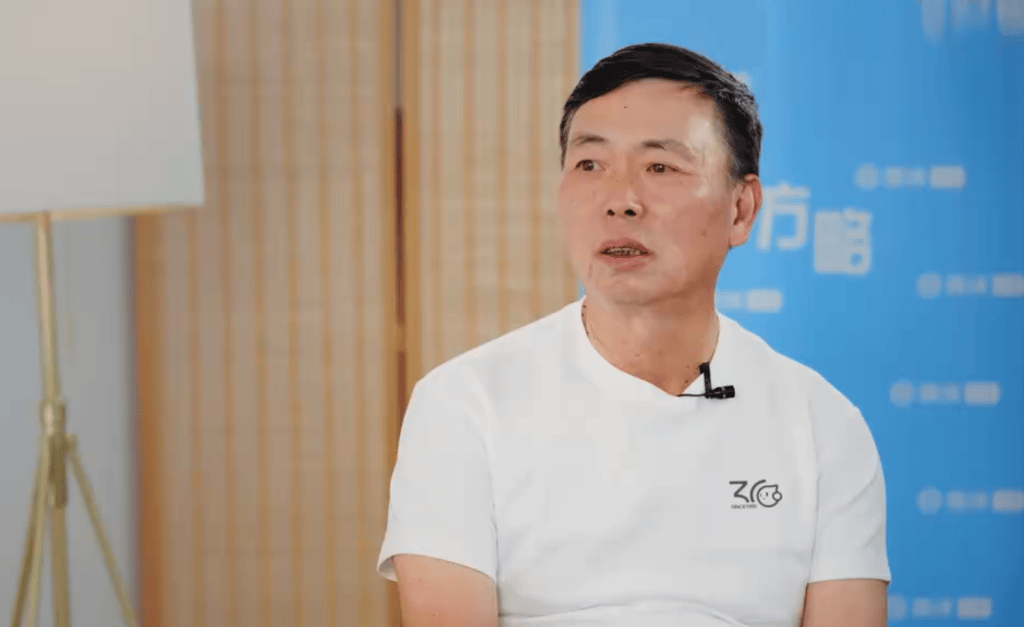
段永平2025年11月11最新访谈:做对的事情,把事情做对
2025-11-13 13:40
Summary of Key Points from the Conference Call Company and Industry - The discussion revolves around the company "步步高" (BBK) and its transition from feature phones to smartphones, as well as insights into investment philosophy and management practices. Core Points and Arguments 1. **Transition to Smartphones**: The company initially resisted entering the smartphone market, believing it would struggle against established brands like Panasonic and Sony. However, the CEO convinced the leadership that smartphones were highly personalized products, allowing for differentiation and potential success in the market [29][31][32]. 2. **Market Challenges**: The rapid decline in feature phone sales due to the smartphone surge posed a significant threat, leading to substantial financial losses during the transition period from 2012 to 2013. The company had to adapt quickly to avoid bankruptcy [33][34][35]. 3. **Management Philosophy**: The founder emphasizes a management style that involves delegating decision-making to CEOs and allowing them to take responsibility for their choices. This approach fosters a culture of trust and accountability within the organization [32][42]. 4. **Cultural Values**: The company’s culture is built on principles of integrity, user orientation, and a commitment to doing the right thing. This culture evolved organically rather than being imposed from the top down [23][24][26]. 5. **Investment Philosophy**: The founder's investment strategy is centered on the idea that buying stocks equates to buying companies. Understanding the business and its future cash flows is crucial for successful investing [46][47]. 6. **Long-term Perspective**: The founder believes in a long-term investment approach, indicating that he has not exhausted his capacity for investment opportunities, with a focus on understanding the underlying business rather than short-term gains [52][55]. Other Important but Potentially Overlooked Content 1. **Personal Experiences**: The founder shares insights from his personal journey, including the importance of learning methods and attitudes over specific knowledge, which shaped his approach to both business and investment [15][17]. 2. **Crisis Management**: During the transition to smartphones, the company faced a cash crunch, with cash reserves dropping significantly. The founder took measures to ensure that suppliers and employees were not adversely affected during this challenging period [33]. 3. **Cultural Critique of Competitors**: The founder critiques companies like Nokia and Motorola for their failure to adapt to market changes, attributing their decline to a lack of focus on user needs and an overemphasis on market share [38][39][40]. This summary encapsulates the key discussions and insights from the conference call, highlighting the strategic decisions, management philosophies, and investment approaches that define the company's operations and future direction.
苹果与腾讯达成协议,微信小程序支付抽成15%
Xin Lang Ke Ji· 2025-11-13 12:42
尽管 15% 的分成比例仅为苹果对多数开发者就应用内购所收取标准费率的一半,但此举标志着苹果正 积极切入中国快速增长的娱乐细分市场。微信小程序游戏完全内嵌于微信生态,该平台目前月活跃用户 达 14.1 亿,在截至 9 月的财季中,为这家中国市值最高的企业贡献了 323 亿元人民币的社交网络收 入。 【#曝苹果将对微信小程序支付抽成15%#】据彭博社报道,知情人士透露,腾讯公司已与苹果公司达成 一项协议,根据该协议,这家 iPhone 制造商将处理微信小游戏和应用中的支付事宜,并从中抽取 15% 的分成。 此项协议解决了双方历时逾一年的谈判僵局,不仅为苹果开辟了新的收入来源,也缓解了腾讯所面临的 压力。此前,苹果曾要求腾讯堵住应用开发者利用的漏洞,这些漏洞让开发者能将用户引导至外部支付 系统,从而绕过 iPhone 通常收取的 30% 佣金。 据其中一位知情人士透露,要符合资格,开发者需要签署某些苹果软件要求,例如其中一项要求是帮助 家长分享孩子的年龄段。 腾讯曾在去年 8 月披露,正与苹果就"经济可持续且公平"的条款进行磋商,拟允许这家美国科技巨头从 iPhone 端的小程序游戏及应用销售中分得一定比例收益。 ...
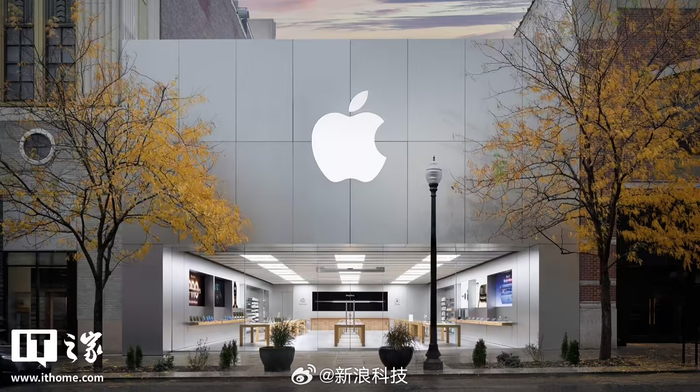
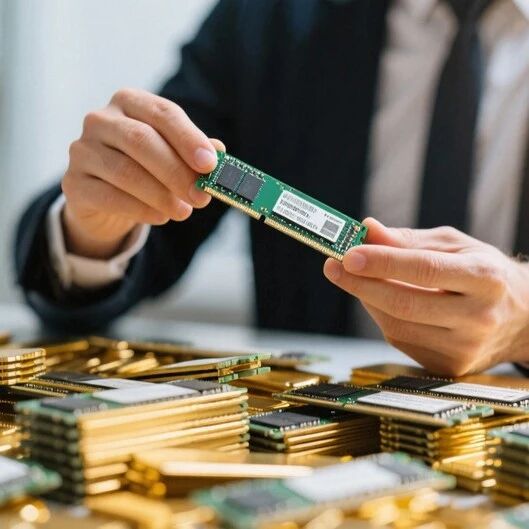
疯狂的内存,被炒成了“金条”
虎嗅APP· 2025-11-13 09:47
Core Insights - The article discusses the significant price surge in memory storage products driven by AI companies' aggressive procurement strategies, leading to a super cycle in the storage industry [4][5][9] - The price of DRAM chips has increased by 171.8% year-on-year in Q3, with SSD prices also doubling in a short period [4][6] - Major tech companies are investing heavily in AI data centers, which is a key factor pushing storage prices higher [9][11] Group 1: Price Surge and Market Dynamics - AI giants are hoarding memory products, causing a drastic increase in prices, with solid-state drives and memory modules seeing prices double within two months [4][5] - The price of a 16GB Samsung DDR4 memory module rose from 200 yuan in September to 400 yuan in November, compared to just over 100 yuan for the same product last year [4] - Companies like Xiaomi are facing challenges in maintaining profit margins due to rising storage costs, with their smartphone gross margin dropping from 14.6% in 2023 to 12.6% in 2024 [12] Group 2: Impact on End Products - The price increases have affected consumer electronics, with smartphone prices rising significantly; for instance, Xiaomi's K90 series saw a price increase of 600 yuan for a specific model [5][12] - PC components are also experiencing price hikes, with some consumers reporting increases of 1,000 to 2,000 yuan for desktop PCs during the shopping season [13] - Companies are struggling to manage the impact of rising storage costs on their product pricing and sales strategies [13] Group 3: Future Outlook and Industry Response - The demand for storage is expected to continue outpacing supply, with many manufacturers already locking in orders for 2027 [11] - Companies are exploring ways to mitigate the impact of rising costs, such as developing smaller AI models that require less memory [14][15] - The industry is also focusing on increasing production capacity for memory chips to stabilize prices in the long term [14][15]
通信行业月报:北美云厂商继续上调资本开支,硅光助力AI网络规模化扩展-20251113
Zhongyuan Securities· 2025-11-13 09:22
Investment Rating - The report maintains an "Outperform" investment rating for the communication industry [6][7]. Core Insights - The communication industry index outperformed the CSI 300 index in October 2025, with a 0.24% increase, while the Shanghai Composite Index rose by 1.85% [6][13]. - In the first nine months of 2025, China's telecom business revenue reached 1.327 trillion yuan, a year-on-year increase of 0.9% [6][40]. - The penetration rate of 5G mobile phone users reached 63.9% by September 2025, with a monthly average data usage (DOU) of 21.23GB per user, up 15.5% year-on-year [6][50]. - The report highlights the optimistic outlook for capital expenditures from major cloud vendors, with a total of $112.43 billion in capital expenditures in Q3 2025, a 76.9% year-on-year increase [6][24]. - The silicon photonics market is expected to grow significantly, with a projected CAGR of 46% from 2024 to 2030 [6][7]. Summary by Sections Market Review - The communication industry index increased by 0.24% in October 2025, outperforming the CSI 300 index [6][13]. - The telecom equipment retail sales in China grew by 16.2% year-on-year in September 2025 [6][39]. Industry Tracking - The report notes a recovery in global telecom equipment revenue, with significant growth in the AI smartphone market expected [6][7]. - The telecom business revenue in China showed a slight recovery, with a total of 1.327 trillion yuan in the first nine months of 2025 [6][40]. Investment Recommendations - The report suggests focusing on sectors such as optical communication, AI smartphones, and telecom operators, highlighting the potential for growth in these areas [6][7]. - Major cloud vendors are expected to continue increasing their capital expenditures, which will drive demand for optical devices [6][7].
端侧AI爆发?谷歌“开抄”苹果PCC私有云,国产手机也在疯狂学习
3 6 Ke· 2025-11-13 08:21
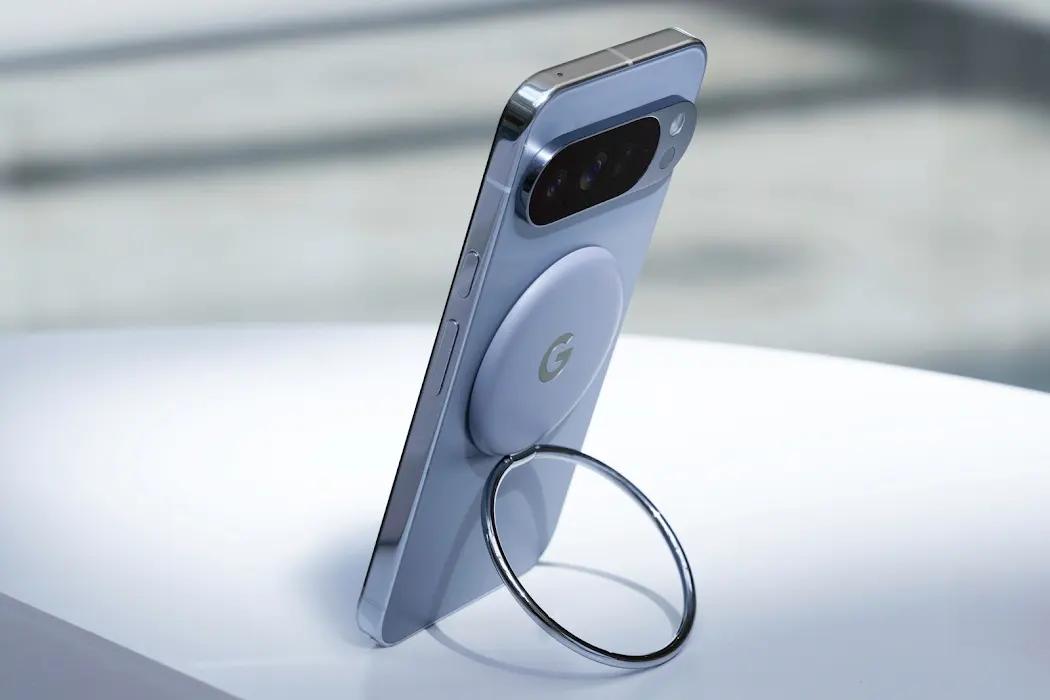
Core Insights - The discussion around "AI bubble theory" has gained traction among analysts, institutions, and even prominent figures like Sam Altman and Jeff Bezos, highlighting concerns over the rising capital and computational investments in AI without corresponding returns [1][2] - Apple, previously criticized for lagging in AI, is now being recognized for its cautious and steady approach, contrasting with competitors like Huawei, OPPO, and Google [1][2] Group 1: Google PAC Platform - Google announced its Private AI Compute (PAC) platform, aiming to create a private and useful AI, similar to Apple's Private Cloud Compute (PCC) introduced at WWDC24 [2][5] - PAC utilizes Google’s TPU and confidential computing infrastructure, ensuring that data remains encrypted and inaccessible even to Google’s engineers during processing [7][9] - The PAC platform enhances user experience on devices like Pixel 10 by providing contextual suggestions through features like Magic Cue, while maintaining privacy through hardware verification and task isolation [10][12] Group 2: Competitive Landscape - Other manufacturers, including OPPO and Huawei, are also developing their own end-cloud collaborative architectures to balance computational power and privacy [13][16] - OPPO has introduced a multi-tier model deployment strategy, including lightweight models on devices and larger models in the cloud, while also planning to create a private computing cloud in collaboration with public cloud services [15][16] - Huawei's HPIC platform extends privacy protection to the cloud, processing data without retaining original content, positioning it closer to Google's PAC in terms of capabilities [17][18] Group 3: Industry Trends - The trend towards "private AI" is becoming a standard in the industry, with major players recognizing the need for a balance between model performance and user privacy [19][20] - The shift initiated by Apple is influencing competitors, as they adapt their strategies to align with the emerging focus on privacy and secure AI processing [19][20]

从“嗡嗡震”到“啪嗒感”,线性马达是如何决定手机高级感的?
3 6 Ke· 2025-11-13 08:20
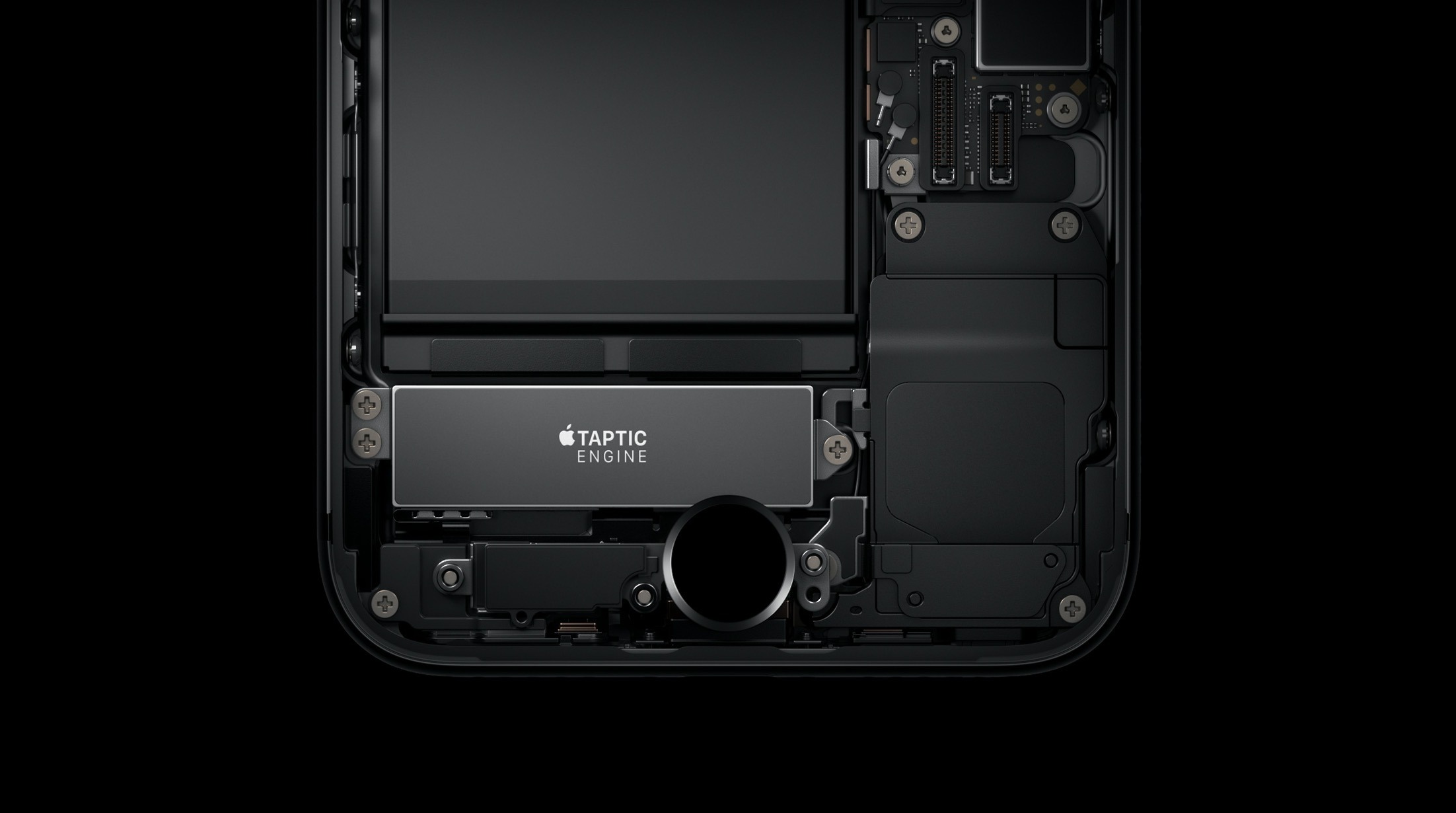
Core Insights - The tactile feedback of flagship smartphones is significantly influenced by the linear vibration motor, which has become a key differentiator in user experience amidst increasing product homogeneity [1][4][19] Group 1: Evolution of Vibration Motors - The transition from rotary motors to linear motors has improved the precision and responsiveness of smartphone vibrations, allowing for a more refined user experience [4][5] - Linear motors operate through linear reciprocating motion rather than circular rotation, resulting in faster response times and adjustable vibration frequencies [5][7] Group 2: Types of Linear Motors - Common types of linear motors include Z-axis, X-axis, and Y-axis, with X-axis motors being the preferred choice for flagship models due to their superior vibration strength and responsiveness [7][8] - The effectiveness of a linear motor is not solely determined by its type but also by the calibration performed by manufacturers, which can significantly affect the tactile feedback quality [8][12] Group 3: Calibration and User Experience - Calibration of the linear motor involves the integration of mechanical actions and algorithmic control, impacting the quality of tactile feedback experienced by users [8][13] - Companies like Apple have set industry standards with their Taptic Engine, which utilizes system-level algorithms to manage vibration feedback across various interactions [10][16] Group 4: Market Trends and Brand Differentiation - The emphasis on vibration feedback has transformed it from a mere functional feature to a critical aspect of brand identity and user experience, influencing consumer perceptions of smartphone quality [14][16] - As competition in the smartphone market intensifies, the quality of linear motors is becoming a focal point, with brands striving to enhance tactile feedback to improve overall product appeal [19]
特朗普罕见服软,直言“和中国合作美国才更强”,背后什么算盘?
Sou Hu Cai Jing· 2025-11-13 08:15
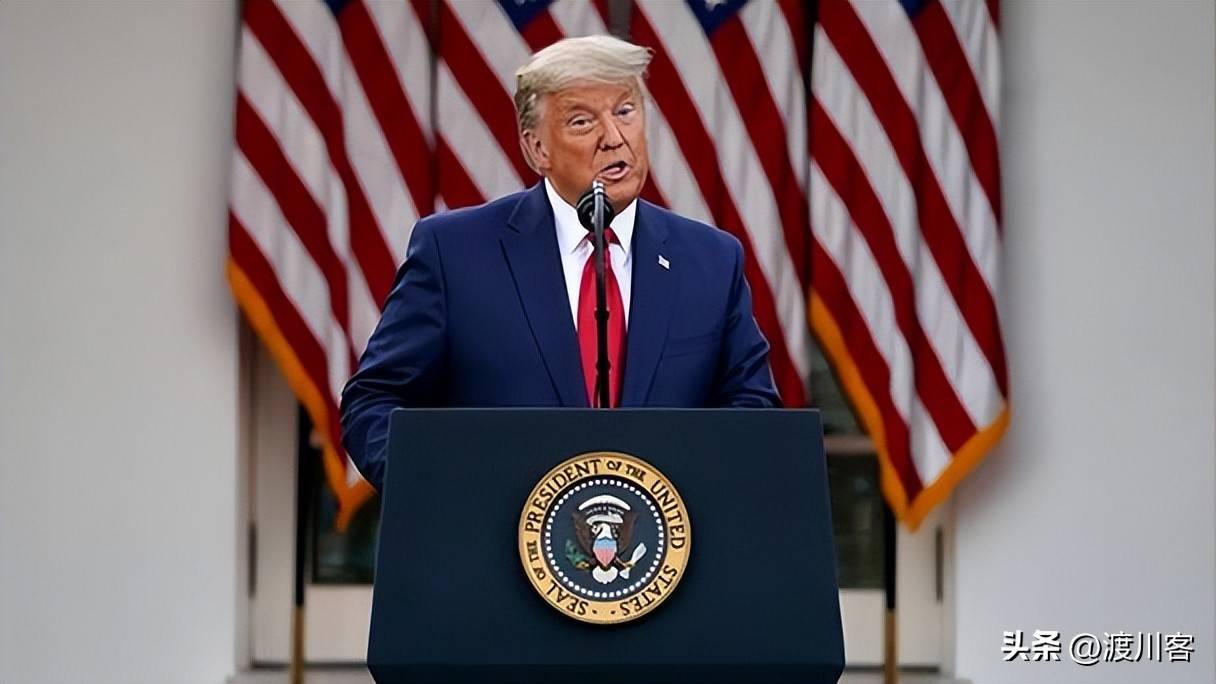
哈喽,大家好,我是言叔。最近,特朗普的行为真让人看得目瞪口呆。前一阵子,他在釜山和中国达成协议,夸赞会晤效果很好,说得如同中国和美国的关 系瞬间变得和谐。可是转眼间,他的助手又出来放话说要加征关税,接着他又改口说"和中国合作才能让美国更强大"。他这种变化快得让人有点跟不上节 奏,真是刷新了大家对"反复无常"这个词的认知。 作为全球最受瞩目的政治人物之一,特朗普的一举一动都在左右着国际局势。那为什么他对中国态度这么矛盾呢?是因为他的个性使然,还是美国的局势让 他不得不如此呢? 自从特朗普上台后,他就将"美国优先"四个字根深蒂固地植入了自己的政策之中。2017年,他刚上任不久,就迫不及待地开始使用关税这一武器,目标直指 全球。不管是美国的盟友还是竞争对手,只要他觉得能从中得到好处,就绝不会手下留情。 当时的美国,依靠美元的全球霸主地位和强大的军事力量,在全球产业链中占据着最重要的位置。特朗普认为,只要通过加征关税施压,其他国家就会屈 服,而美国可以轻松地从中获利。事实也证明,这一策略的确奏效,不少中小国家承受不住压力,只好做出妥协,美国因此获得了不少实质性好处。 尝到甜头后,特朗普将目光转向了中国。在他看来,中国 ...
一文看尽段永平万字访谈
Xin Lang Cai Jing· 2025-11-13 02:32
Core Insights - The dialogue features Duan Yongping, a prominent investor often referred to as "China's Buffett," discussing his investment philosophy and experiences over the past 20 years since retiring from his company, BBK Electronics [2][3]. Investment Philosophy - Duan emphasizes that investing is about "monetizing cognition," meaning that the money earned comes from one's understanding of the market [2][3]. - He follows Warren Buffett's "20-hole punch" investment principle, indicating that he has yet to complete 10 of these "holes," focusing primarily on long-term holdings in Apple, Moutai, and Tencent [3][4]. Company Analysis - Duan holds a positive view of Apple, praising its user-oriented culture and decision-making, such as halting the development of the "Apple Car" due to limited differentiation [3][4]. - He regards Moutai as distinct from other liquor brands, valuing its unique taste and cultural barriers, and believes its state-owned nature protects its core products [3][4]. - Duan's investment in Pinduoduo is characterized as a "risk investment," where he acknowledges a smaller financial commitment but significant returns, attributing this to his mentorship of founder Huang Zheng [4]. Market Trends - Duan expresses skepticism about the electric vehicle industry, predicting that only a few companies will survive due to minimal differentiation among products [4][5]. - He views AI as a transformative force comparable to an industrial revolution, capable of reshaping various sectors, including healthcare and corporate research [5]. Management Insights - Duan shares management lessons from his time at BBK, emphasizing the importance of corporate culture and the need for leaders to empower their teams rather than micromanage [5].

Counterpoint 2025 年 Q3 中国市场季度摘要
Counterpoint Research· 2025-11-13 01:34
Group 1 - Counterpoint Research is a global market research company focused on the technology ecosystem, providing services to clients ranging from smartphone OEMs to chip manufacturers and large tech companies [7] - The company has a team of experienced analysts covering various roles, offering comprehensive services that include market data, industry insights, and strategic consulting [7] - Core research areas of the company include AI, automotive electronics, consumer electronics, displays, eSIM, IoT, macroeconomics, manufacturing, networking and infrastructure, semiconductors, smartphones, and wearables [7] Group 2 - In Q3 2025, smartphone sales in China decreased by 2% year-on-year, indicating a market adjustment period [6] - The average battery capacity of smartphones in China ranked first globally, with an 11% year-on-year increase in May 2025 [6] - In Q2 2025, the smartphone shipment volume in China fell by 2% year-on-year due to weak demand and reduced subsidies [6] - The Chinese smartphone market is expected to grow year-on-year in the first half of 2025, driven by five trends reshaping the competitive landscape [6] - Huawei and Apple achieved strong year-on-year growth in a sluggish market during Q2 2025 [6] - Chinese new energy vehicle companies are expanding their advantages, while foreign brands are accelerating their marginalization [6] - Harman and Bose remain dominant in the global automotive audio market, influenced by the development trends of Chinese car manufacturers and electric vehicles [6] - A survey indicated that users of autonomous taxis in the US and China expect a safer autonomous driving experience [6] - China's share of global display production capacity is projected to reach 75% by 2028 [6] - The WAIC 2025 event revealed significant signals from China's AI giants [6] - The 15th article on GenAI memory solutions discusses the paradox of HBM, China, and AI investment [6]
