外卖

Search documents
品牌观丨告别恶性价格战,回归“品牌价值战”
Mei Ri Jing Ji Xin Wen· 2025-08-03 13:11
Core Viewpoint - The three major food delivery platforms in China, Meituan, Ele.me, and JD, have collectively announced an end to "zero-yuan purchases" and other forms of vicious competition, signaling a shift towards healthy competition focused on brand value [1][3][5]. Industry Response - Following the announcement, the stock prices of Meituan, Alibaba, and JD rose sharply, with increases exceeding 3% [2]. - The capital market's positive reaction indicates a strong endorsement of the food delivery industry's transition away from price wars towards brand value competition [3][5]. Impact of Price Wars - The price wars have been detrimental to the industry, leading to a "lose-lose" situation where all parties suffer, including merchants, delivery personnel, and consumers [3][4]. - The unsustainable model of "subsidy-burning" has eroded the core capabilities of platforms, such as technology and service, while creating a distorted ecosystem where only large brands thrive [4]. Shift to Brand Value Competition - The collective shift by the three platforms marks the beginning of a new phase in the Chinese internet sector, moving from "capital-driven" competition to "co-constructed rules" [5][6]. - This transition emphasizes quality over quantity, with initiatives like Meituan's "Raccoon Canteen" and JD's "Seven Fresh Kitchen" focusing on improving food quality and customer experience [5][6]. Technological and Ecological Advancements - The industry is evolving from human-driven operations to technology-enabled efficiencies, with Meituan deploying smart helmets for delivery personnel and JD optimizing logistics to reduce delivery times [5][6]. - The platforms are also restructuring their ecosystems to promote mutual benefits, such as providing social security for delivery workers and ensuring fair pricing for merchants [6]. Conclusion - The end of vicious price wars is seen as a new starting point for brand value competition, reflecting a strategic upgrade from "traffic thinking" to "brand thinking" in the internet sector [7].


每经品牌观丨告别恶性价格战,回归“品牌价值战”
Mei Ri Jing Ji Xin Wen· 2025-08-03 13:06
Core Viewpoint - The major food delivery platforms in China, including Meituan, Ele.me, and JD, have collectively announced an end to the "zero yuan purchase" and other forms of vicious competition, signaling a shift towards healthy competition focused on brand value [1][2]. Group 1: Market Reaction - Following the announcement, the stock prices of Meituan, Alibaba, and JD rose, with increases exceeding 3%, indicating market confidence in the cessation of price wars and a return to brand value competition [2]. - The intervention by the State Administration for Market Regulation on July 18, which called for an end to vicious price wars, has played a significant role in this shift [2]. Group 2: Industry Dynamics - The ongoing price wars have been characterized as a "no-win game," leading to a cycle of "subsidy-burning-monopoly-backlash" that has harmed the industry, including reduced merchant profits, compromised rider rights, and degraded consumer experience [3]. - The rise in daily food delivery orders from 100 million to 220 million has primarily benefited large chain brands, while small merchants have been pushed out due to their inability to compete with subsidies [3]. Group 3: Shift in Competition Strategy - The collective pivot of these platforms marks a new phase in the Chinese internet sector, transitioning from "capital-driven" competition to "rule co-construction" [4]. - The focus on brand value signifies a correction in business logic, reconstruction of industry ecology, and a redefinition of corporate competitiveness [4]. Group 4: Innovations and Improvements - The new competition landscape emphasizes quality over quantity, with initiatives like Meituan's "Raccoon Canteen" and JD's "Seven Fresh Kitchen" focusing on quality control and transparency in food preparation [4]. - Technological advancements are being prioritized, such as Meituan's smart helmets for riders and JD's logistics collaboration to enhance delivery efficiency [4]. Group 5: Ecosystem Reconstruction - The platforms are moving towards a win-win ecosystem, with commitments to not force merchants into subsidies and to protect their pricing autonomy, aligning with regulatory expectations for fair competition [5]. - This strategic shift reflects a broader awakening to long-termism in the industry, moving from "traffic thinking" to "brand thinking," where the focus is on creating value for consumers and empowering merchants [5][6].
外卖大战停火?输家,已下线
Sou Hu Cai Jing· 2025-08-03 12:58
Group 1 - The core point of the articles is the ongoing competition among major food delivery platforms like Meituan, Taobao, and Ele.me, which are shifting from aggressive zero-cost promotions to more regulated subsidy strategies while still engaging in significant promotional activities [1][2][7] - On July 18, the State Administration for Market Regulation urged food delivery platforms to further standardize promotional behaviors and engage in rational competition to promote the healthy and sustainable development of the catering service industry [2] - The "first cup of milk tea in autumn" event, which has become a marketing staple since 2020, is set to kick off on August 7, with Taobao already launching its promotional activities [2][3] Group 2 - Despite the cessation of zero-cost promotions, platforms are still engaging in substantial subsidies, with merchants bearing around 70% of the costs [2][5] - Taobao's goal of achieving 100 million orders during its flash sale indicates a dual strategy: maintaining its dominance in e-commerce and rapidly cultivating consumer habits in instant retail [7] - The overlap of consumer bases between food delivery and e-commerce is not a concern, as the industry aims to expand consumption frequency through diversified shopping scenarios [9] Group 3 - The ongoing subsidy war is expected to continue until the end of the year, with the need to cultivate high-loyalty consumer habits within a short timeframe to avoid failure [9] - The true victims of the subsidy war are offline supermarkets, which are increasingly becoming storage facilities for instant retail rather than active participants in the market [10][12] - Major supermarkets with established brands, such as Walmart and Pang Donglai, are refraining from participating in the subsidy war as a strategic self-preservation measure [12]

告别恶性价格战,回归“品牌价值战”
Mei Ri Jing Ji Xin Wen· 2025-08-03 12:55
Core Viewpoint - The major food delivery platforms in China, including Meituan, Ele.me, and JD.com, have collectively announced an end to "zero-yuan purchase" and other forms of vicious competition, signaling a shift towards healthy competition focused on brand value [1][3][5]. Group 1: Market Reaction - Following the announcement, the stock prices of Meituan, Alibaba, and JD.com rose significantly, with increases exceeding 3% [2]. - The capital market's positive response indicates a strong endorsement of the shift away from price wars towards brand value competition [3][5]. Group 2: Impact of Price Wars - The price wars have been detrimental to the industry, leading to a "three losses" scenario where no party benefits [3][4]. - The vicious cycle of subsidies and price cuts has harmed merchants' profits, riders' rights, and consumer experiences, resulting in a distorted ecosystem [4]. - The surge in daily food delivery orders from 100 million to 220 million has primarily benefited large chain brands, while small merchants have been pushed out [4]. Group 3: Transition to Brand Value Competition - The collective shift by the three platforms marks a new phase in the Chinese internet sector, moving from "capital-driven" to "rule co-construction" [5][6]. - Emphasizing brand value signifies a correction in business logic, reconstruction of industry ecology, and re-establishment of corporate competitiveness [5]. - The new competition will prioritize quality over scale, with initiatives like Meituan's "Raccoon Canteen" and JD.com's "Seven Fresh Kitchen" focusing on quality control and customer experience [5]. Group 4: Technological and Ecological Advancements - The evolution towards efficiency involves leveraging technology, such as Meituan's smart helmets and JD.com's logistics collaboration, to enhance delivery speed and service quality [5][6]. - The platforms are also restructuring their ecosystems to promote mutual benefits, including providing social security for riders and ensuring merchants' pricing autonomy [6]. - This strategic upgrade reflects a shift from "traffic thinking" to "brand thinking," focusing on long-term value creation and social contributions [6][7].
簋街开展外卖试点,骑手、商家与平台三方合力提升送餐时效
Xin Jing Bao· 2025-08-02 13:50
Core Viewpoint - The meeting aimed to establish a harmonious ecosystem for the takeout industry in the Guijie business district, focusing on collaboration among delivery riders, merchants, and platform companies to address common challenges in the industry [1] Group 1: Meeting Outcomes - Delivery riders and merchants signed the "Proposal for a Harmonious Ecosystem in the Guijie Takeout Industry," agreeing on optimizing food preparation and delivery processes, enhancing food packaging, maintaining good communication, and standardizing operational procedures [1] - Platform companies, including Meituan, Ele.me, and JD, actively participated in the meeting, indicating their support for the initiative [1] Group 2: Collaborative Model - The East District is implementing a "three-party consultation model" involving riders, merchants, and platforms, marking the first exploration of this approach in the city [1] - The initiative is part of the city's monthly civil affairs project, focusing on the unique characteristics of the Guijie area, which has a high density of takeout services [1] Group 3: Industry Transformation - The "three-party consultation and three-level linkage" model developed in Guijie provides practical experience for addressing common challenges in the city's takeout industry [1] - The initiative aims to shift the industry from "unidirectional management" to "collaborative governance" [1]
对话黄勇:整治“内卷式”竞争核心是破除内卷,而非消灭竞争
Nan Fang Du Shi Bao· 2025-08-02 09:20
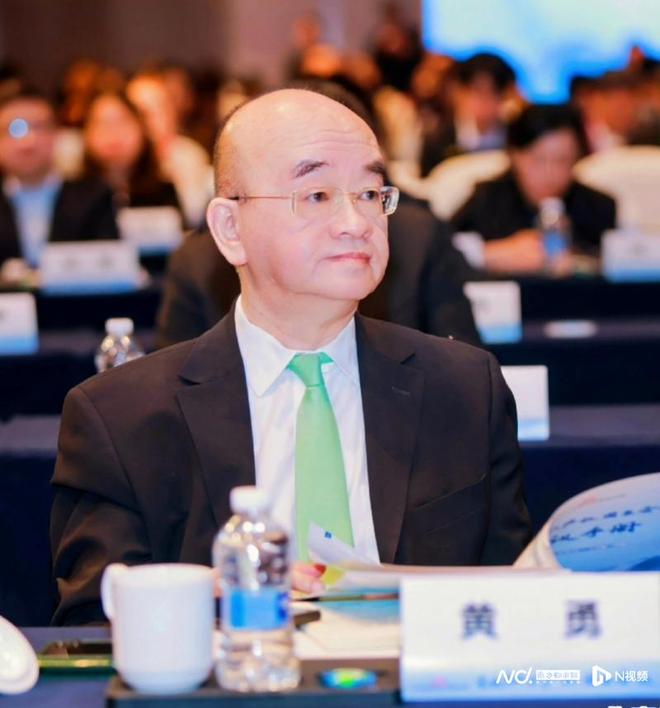
今年7月份以来,多场中央重要会议持续释放整治"内卷式"竞争的信号,并明确指向"治理企业无序竞 争""推进重点行业产能治理","规范地方招商引资行为"。 落实中央部署,监管部门在"反内卷"方面也有所行动。8月1日,国家发改委表示,正在统筹采取修订法 律、出台政策、完善标准、强化行业自律等举措,加快推动整治"内卷式"竞争问题。 同一天,多家外卖平台集体发文,抵制行业无序竞争,承诺进一步规范补贴行为。此前,针对外卖行业 竞争存在的问题,市场监管总局曾两度约谈外卖平台,要求企业理性参与竞争。 不只外卖行业,从水泥、钢铁、汽车到光伏,多个行业掀起"反内卷"之风。与传统产业相比,平台经济 领域的"价格战"有何特点?为治理"内卷式"竞争,相关法律和政策如何发力?从"卷"价格到"卷"价值, 如何引导企业如何跳出"内卷"怪圈?地方政府在反"内卷式"竞争中又发挥何种作用? 图为对外经济贸易大学竞争法中心主任、法学院教授黄勇。 围绕这些热点问题,南都·反垄断前沿近日专访了对外经济贸易大学竞争法中心主任、法学院教授黄 勇。黄勇研究竞争法、经济法已有40多年,是反垄断领域的知名专家。 南都:价格竞争是市场经济中常见的竞争手段,也并非所 ...
外卖巨头集体告别价格战!美团、饿了么、京东同日发声抵制恶性竞争
Sou Hu Cai Jing· 2025-08-02 04:21
Core Viewpoint - The takeaway from the articles is that the food delivery industry in China has transitioned from a "price war" to a "value war," with major platforms like Meituan, Ele.me, Taobao Shanguo, and JD.com collectively announcing a commitment to resist unhealthy competition and focus on service and quality instead [1][4]. Group 1: Industry Transition - The prolonged subsidy war has led to significant negative impacts on merchants, riders, and consumers, with extreme promotional activities like "0 yuan purchase" and "1 cent purchase" severely squeezing profit margins [2][4]. - Regulatory intervention played a crucial role in this transition, as the State Administration for Market Regulation held discussions with major platforms to enforce compliance with antitrust laws and fair competition practices [1][2]. Group 2: New Strategies and Initiatives - The platforms have outlined specific measures to shift towards a "value war," including commitments to not sell below cost, ensuring merchants' pricing autonomy, and focusing on service and quality rather than just price [4][6]. - Adjustments in subsidy models have been made, with some cities moving from extreme discounts to more sustainable offers, enhancing merchants' revenue share to over 60% [4][6]. Group 3: Positive Market Response - Following the announcement of the new strategies, stock prices for Meituan, Alibaba, and JD.com saw significant increases, indicating positive market sentiment towards the industry's transformation [1]. - The second quarter of 2025 showed an increase in user repurchase rates, further validating the effectiveness of the industry's shift towards sustainable practices [9]. Group 4: Future Outlook - Platforms are implementing long-term plans to foster high-quality development, such as Taobao Shanguo's goal to cultivate 100,000 digital demonstration merchants within three years and Ele.me's green packaging subsidy fund [9]. - The focus on improving delivery efficiency and service quality is becoming a new competitive edge, with various platforms investing in technology and rider rights protection [9].

为什么在书店买书总比网购贵这么多?| Knock Knock 世界
声动活泼· 2025-08-02 04:13
Group 1: Luxury Goods Industry - The collaboration between Lab-Grown Leather and Organoid Company aims to revolutionize the luxury goods sector by creating lab-grown leather, addressing ethical concerns related to animal cruelty in traditional leather production [2][3][4] - The production of a single crocodile leather Birkin bag requires the killing of 2-3 crocodiles, raising significant ethical issues and environmental concerns [3][4] - The luxury goods industry is facing scrutiny due to its environmental impact, particularly the deforestation in the Amazon rainforest, which has lost an area equivalent to two Englands over the past two decades [4] Group 2: Bookstore Industry - The price disparity between physical bookstores and online retailers is significant, with physical copies of books often costing three times more than their online counterparts [5] - Physical bookstores face higher procurement costs for books compared to online platforms, which affects their pricing strategy and profitability [5][6] Group 3: Food Delivery Industry - Major players in the food delivery market, including Meituan, JD, and Alibaba, are engaged in a competitive "delivery war," with a projected total investment of 100 billion RMB this year [6] - The aggressive subsidy strategies employed by these platforms indicate a focus on market share rather than immediate profitability, suggesting a long-term vision for dominance in the food delivery sector [6]

外卖平台破内卷言自律 即时零售赛道将迎“持久战”
Zheng Quan Shi Bao· 2025-08-02 03:20
Core Viewpoint - Major food delivery platforms including Meituan, Taobao, Ele.me, and JD.com have collectively announced their commitment to resist malicious competition and promote fair industry practices, following regulatory discussions aimed at curbing unhealthy competition in the market [1][2]. Group 1: Industry Regulation and Self-Discipline - The State Administration for Market Regulation has conducted talks with major platforms to enforce compliance with fair competition standards, addressing issues like fake reviews and price manipulation [2][3]. - The recent increase in subsidies and promotional activities by platforms is seen as a strategy to attract more users and enhance retail activity, despite leading to resource wastage and reduced profits for merchants [2][3]. Group 2: Market Dynamics and Future Trends - The competition in the food delivery sector is primarily focused on beverage sales, which are less time-sensitive, allowing for significant customer engagement [4]. - The instant retail market in China is projected to exceed 2 trillion yuan by 2030, with the current competition in food delivery serving as a gateway to broader non-food retail opportunities [4][5]. Group 3: Strategic Differentiation Among Major Players - Alibaba, Meituan, and JD.com are adopting distinct strategies based on their strengths, such as Alibaba's integration of e-commerce and delivery, JD's supply chain management, and Meituan's extensive merchant network [5][6]. - The emergence of Generation Z as a consumer group is influencing the market, as they demand immediate gratification and are less patient with traditional delivery timelines [6]. Group 4: Growth Potential of Third-Party Delivery Services - The growth of instant retail is expected to be significant, with third-party delivery services gaining traction as they offer neutral and specialized solutions to brands and retailers [7]. - The penetration rate of instant retail platforms among online shoppers is anticipated to rise from 49% in 2023 to 59% in 2024, indicating a growing consumer base [7].
外卖平台破内卷言自律 即时零售赛道将迎“持久战”
证券时报· 2025-08-02 03:09
Core Viewpoint - Major platforms including Meituan, Taobao, Ele.me, and JD have collectively announced their commitment to resist malicious competition and promote fair industry practices, following regulatory discussions aimed at ensuring compliance with market responsibilities [1][4][5]. Group 1: Regulatory Actions and Industry Self-Regulation - The recent regulatory discussions have temporarily paused the intense competition in the food delivery sector, while the race for instant retail continues among various platforms [2]. - The State Administration for Market Regulation has urged platforms to eliminate unfair competition practices such as fake reviews and malicious price cuts, emphasizing the need for fair competition [4][5]. Group 2: Market Dynamics and Competition - Platforms have increased subsidies and promotional activities to attract consumers, leading to issues such as resource waste and reduced profits for merchants [4]. - The competition is primarily focused on the beverage sector, which is seen as a gateway to the broader instant retail market, projected to exceed 2 trillion yuan by 2030 [7][8]. Group 3: Strategic Differentiation Among Major Players - Alibaba, Meituan, and JD are adopting differentiated strategies based on their strengths, with Alibaba leveraging its vast product resources and user base, JD focusing on supply chain advantages, and Meituan extending its food delivery expertise to all categories of instant retail [8]. Group 4: Emerging Consumer Trends - The new generation of consumers, particularly those born after 2000, exhibit distinct consumption habits, favoring immediate gratification and driving the rapid growth of the instant retail market [9]. Group 5: Growth Potential of Third-Party Delivery Services - The instant retail sector is viewed as a new growth area, with increasing collaboration among brands, stores, and delivery platforms leading to record-breaking order volumes [11]. - The penetration rate of instant retail platforms among online shoppers is expected to rise from 49% in 2023 to 59% in 2024, indicating a growing loyal customer base [11].