
电池制造

Search documents
中国又出一张牌,“将对美企造成重大影响”
Guan Cha Zhe Wang· 2025-10-12 01:20
Core Viewpoint - China's recent trade countermeasures, including export controls on lithium-ion batteries and related materials, are seen as a strategic response to U.S. unilateralism, leveraging its dominant position in the battery industry to exert pressure on American companies [1][3]. Summary by Sections Trade Measures - China announced that starting from November 8, 2025, it will impose export controls on certain lithium batteries, key anode and cathode materials, and related manufacturing equipment and technology to safeguard national security and fulfill international non-proliferation obligations [1][4]. - The measures cover a wide range of the battery supply chain, including large lithium-ion batteries used for energy storage, which China leads in technology [1][4]. Impact on U.S. Companies - Analysts indicate that the new restrictions will significantly impact U.S. companies, as approximately 65% of lithium-ion batteries imported by the U.S. in the first seven months of this year came from China [3][4]. - The demand for battery storage in the U.S. is critical, especially with the increasing energy needs driven by artificial intelligence and data centers, which have seen their electricity consumption more than double from 2017 to 2023 [3][4]. Market Reactions - Following the announcement of the export controls, shares of U.S. battery companies such as Fluence Energy and Tesla dropped significantly, with Fluence's stock falling over 12% and Tesla's by 5% [4][5]. - The new restrictions add complexity to an already strained global supply chain, prompting companies to seek to reduce reliance on Chinese components [5][6]. Strategic Implications - The measures are viewed as a significant upgrade in China's trade strategy, as they control about 96% of global anode material production and 85% of cathode material production, making it difficult for companies outside China to find alternatives [4][5]. - Experts suggest that these actions not only serve as a bargaining chip in trade negotiations but also aim to maintain China's competitive edge in the clean energy sector [5][6].

北京将打造锰基电池产业集群
Bei Jing Ri Bao Ke Hu Duan· 2025-10-12 00:13
Core Insights - A new battery technology route is expected to alleviate issues related to high costs, low energy density, and short range in traditional power batteries for electric vehicles [1] - The establishment of the Advanced Battery Materials and Devices Research Institute aims to accelerate the research and development of key materials and technologies in manganese-based batteries, promoting their integration into electric vehicles and creating an industrial cluster [1] Group 1 - The fourth Manganese-Based Battery and Key Materials Symposium was held in Beijing, focusing on the challenges and advancements in manganese-based batteries [1] - Manganese-based batteries are highlighted for their high energy density, low cost, and environmental friendliness, addressing current concerns in the electric vehicle industry [1] - The research institute will create a comprehensive innovation system that includes basic research, pilot incubation, and industrial application [1] Group 2 - The research institute will collaborate with major universities and research institutions, including Tsinghua University and Peking University, as well as industry players like CATL and BYD [2] - The goal is to establish a closed-loop system for the transformation of research results from material development to end-user applications [2]
欧美顶级VC大佬组团来中国实地考察,一周后,竟然绝望了……
Xin Lang Cai Jing· 2025-10-11 20:28
Core Insights - The article discusses a group of top venture capitalists (VCs) from the West who visited China to assess the competitive landscape in clean technology and manufacturing, ultimately leading to a pessimistic outlook on investment opportunities in certain sectors [5][20]. Group 1: Observations from the Visit - The VCs experienced a "cognitive tsunami" as they witnessed the scale and speed of Chinese manufacturing, particularly at CATL, which dominates the global battery market with nearly 40% share [8][10]. - At CATL, the VCs were struck by the level of automation and efficiency, with 12 production lines operating with minimal human intervention, showcasing a system that is difficult to replicate [9][11]. - The visit to Shanghai's Marvel-Tech highlighted China's ability to rapidly innovate and adapt, with a robust supply chain that allows for quick prototyping and low costs, contrasting sharply with the longer timelines and higher costs in Europe [15][16]. Group 2: Industry Implications - The VCs concluded that the battery manufacturing sector and its supply chain are no longer viable for Western investment due to China's cost advantages, with battery costs in China at $60 per kWh compared to $120 in the West [21]. - The solar and wind energy sectors are similarly dominated by Chinese firms, with companies like GCL-Poly leading in next-generation technologies like perovskite solar cells, while Western firms struggle to maintain profitability [23]. - The production of key equipment for green hydrogen, such as electrolyzers, is also being outpaced by Chinese manufacturers, who benefit from significant subsidies and competitive pricing [26]. Group 3: Strategic Shifts - The VCs recognized a need to shift focus from direct competition in manufacturing to areas where the West holds advantages, such as software and innovative business models [29][31]. - A new paradigm is emerging, encapsulated in the phrase "Western Software, Eastern Hardware," suggesting a collaborative approach where Western capital and innovation can leverage Chinese manufacturing capabilities [27][29]. - This shift is prompting some VCs to pause investments in European battery startups and instead create funds focused on Sino-European technological cooperation [31]. Group 4: Future Considerations - The insights gained from the trip emphasize the importance of recognizing and adapting to the systemic efficiencies of China's industrial model, which prioritizes scale and cost over immediate profitability [26][35]. - The article concludes with a call for humility and collaboration in the face of a rapidly evolving global economic landscape, where traditional competitive strategies may no longer suffice [35].

维科技术:高安全聚阴离子钠电池上取得重大技术创新
Jing Ji Guan Cha Wang· 2025-10-11 18:04
Core Viewpoint - Weike Technology is one of the earliest companies in China to industrialize sodium-ion battery technology, having established the country's first GW-level production line with an annual capacity of 2GWh [1] Group 1: Technological Innovations - Significant technological innovations have been achieved in high-safety polyacrylonitrile sodium batteries, including high-temperature resistance technology that enhances cycle life and capacity retention at 60°C [1] - Low-temperature charging technology ensures stable charge and discharge at -20°C [1] - High-rate wide-temperature technology enables performance in extreme temperatures from -40°C to 80°C, supporting 10C fast charging and discharging [1] - Ultra-safe technology has successfully developed a needle-puncture smoke-free cell [1] - The polyacrylonitrile sodium battery can achieve a cycle life exceeding 8000 times, with a capacity retention rate of 90% even in severe cold at -40°C [1] Group 2: Application and Market Deployment - The company's products have been widely applied in several landmark demonstration projects, including a 100MW/200MWh energy storage station by Guangfa, a 2.5MW/10MWh energy storage station in Hohhot, and a 30MW auxiliary frequency regulation storage by China Resources Power [1] - The technology's reliability and large-scale delivery capability have been validated in various applications, including backup power for data centers, communication base stations, and starting power for commercial vehicles [1]

全球能源存储:中国下一个赢家:eVTOL的崛起
Sou Hu Cai Jing· 2025-10-11 13:56
Core Insights - The report identifies eVTOL (electric vertical takeoff and landing aircraft) as the core track of China's "low-altitude economy," predicting a 30% compound annual growth rate (CAGR) for the global urban air mobility market over the next five years [1][6] - China has transformed from a "follower" to a rule-maker in this sector, with 60% of the 17,500 global eVTOL orders by 2025 expected to come from Chinese customers [1][6] Certification Process - The certification process for eVTOLs in China is significantly faster than in Europe and the U.S., with the Civil Aviation Administration of China (CAAC) reducing the timeline to 3-4 years compared to 6-7 years in the West [2][39] - EHang's EH216-S received the world's first manned eVTOL type certificate in just three years, while AutoFlight's cargo model achieved certification in 18 months [2][39] Battery Technology - eVTOLs require higher battery performance than electric vehicles, with energy density requirements of at least 250 Wh/kg [3][39] - Chinese manufacturers like CATL and BYD have produced batteries with energy densities of 280-320 Wh/kg, significantly reducing the operational costs of eVTOLs to $0.5-$1 per seat per kilometer, which is one-fifth of helicopter costs [3][39] Market Potential - By 2030, China's low-altitude economy is projected to reach a market size of 2 trillion RMB, tripling from 2023, with a CAGR of 25% [4][29] - The report estimates that the total addressable market (TAM) for eVTOLs, including sales, operational services, infrastructure, and battery replacement, could reach $110 billion [4][29] Investment Opportunities - The report suggests investing in battery leader CATL, likening it to "the TSMC of the eVTOL era," with a projected tenfold demand growth over the next decade [5][12] - Other notable companies include EHang, Volant, Aerofugia, and TCab, which are expected to benefit from the upcoming policy and order fulfillment waves [5][12] Infrastructure Development - Shenzhen plans to build over 1,200 takeoff and landing points and 1,000 low-altitude commercial routes by 2026, marking a significant leap in infrastructure development [8][51] - The Chinese government has made substantial progress in regulatory frameworks to support the low-altitude economy, including the establishment of a dedicated department for low-altitude economic development [47][51]
只用了3年,中国人就把磷酸铁锂捧上了王座
36氪· 2025-10-11 13:35
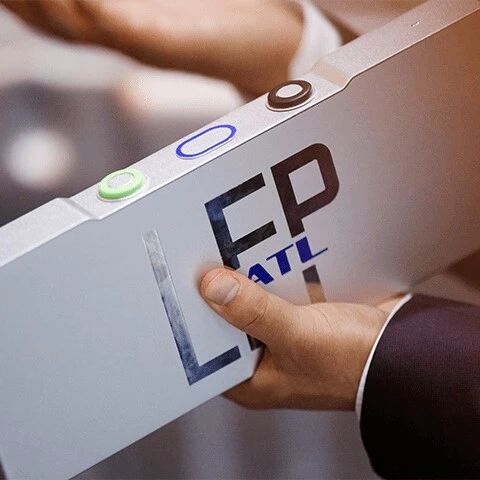
Core Viewpoint - The article discusses the significant shift in the electric vehicle (EV) battery market, highlighting the rise of lithium iron phosphate (LFP) batteries over ternary lithium batteries, driven by cost advantages and technological advancements [5][11][60]. Group 1: Market Dynamics - In 2019, ternary lithium batteries held a market share of 65% in new car sales, but by recent years, LFP batteries have surpassed 80% in installation volume, pushing ternary lithium batteries down to less than 20% [9][11]. - The shift in consumer preference towards LFP batteries is attributed to their cost-effectiveness, especially as subsidies for EVs began to decline in 2022, prompting manufacturers to seek cheaper alternatives [27][30]. Group 2: Technical Comparisons - Ternary lithium batteries have higher energy density, allowing for larger battery packs and better performance in cold conditions, but they are also more sensitive to overcharging and can be prone to safety issues [32][40]. - LFP batteries, on the other hand, are more stable, have longer cycle lives, and can handle charging and discharging more robustly, making them more user-friendly in practical scenarios [42][45]. Group 3: Supply Chain and Production - China dominates the LFP battery market, accounting for over 95% of global production, with nearly all key materials sourced from Chinese companies [63][64]. - Major international companies are now investing in LFP battery production, but many still rely on Chinese technology and materials, indicating a significant shift in the global supply chain [65][68]. Group 4: Future Outlook - The article suggests that the future of EV batteries may not solely depend on advanced chemical properties but rather on cost-effectiveness and durability, which LFP batteries provide [74][76]. - The success of LFP batteries is seen as a crucial factor in making electric vehicles more accessible to the general public, thus promoting broader adoption of renewable energy vehicles [75][78].

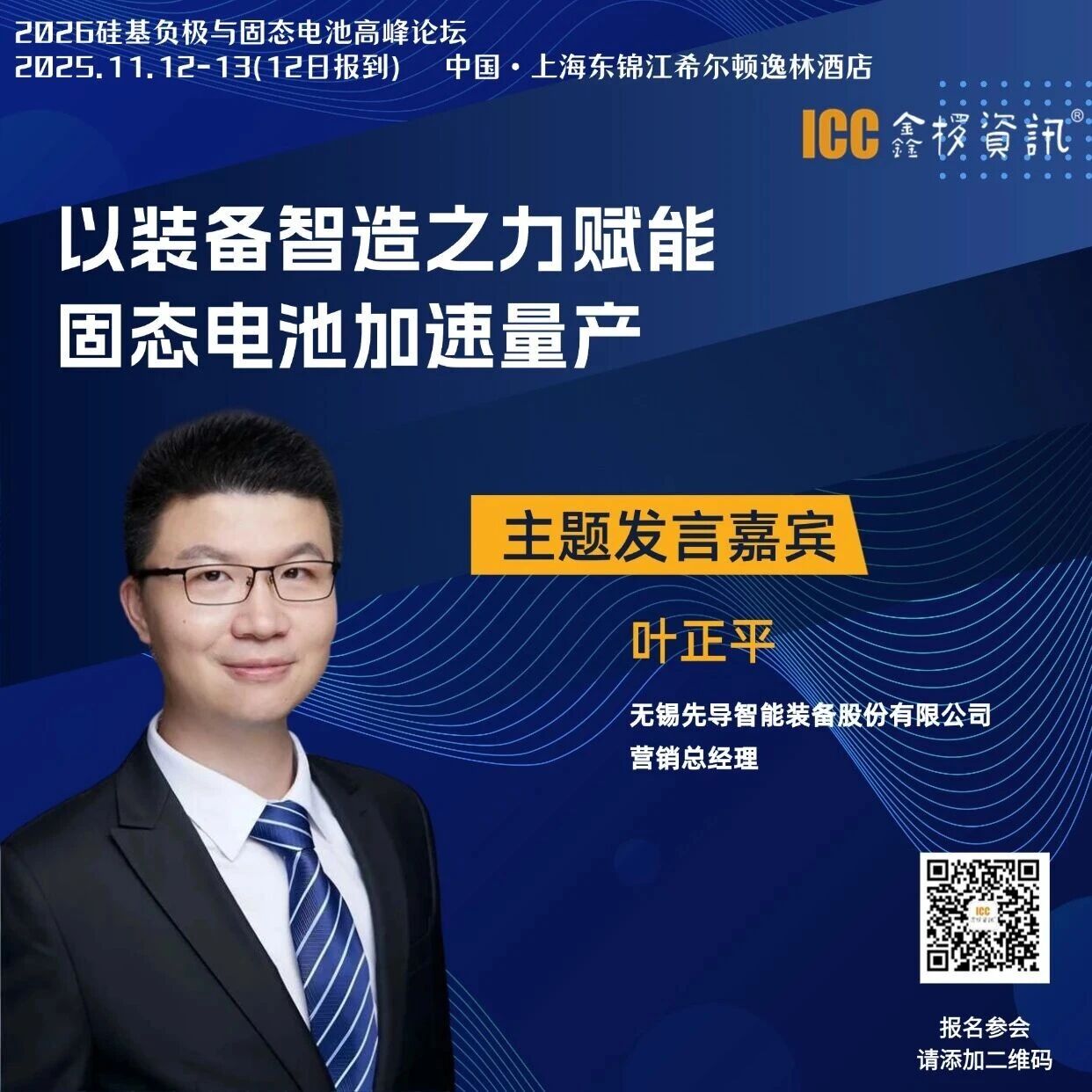
先导集团发言确认!免费参加11月12-13日,2026硅基负极与固态电池高峰论坛
鑫椤锂电· 2025-10-11 07:40
Core Viewpoint - The article promotes the "2026 Silicon-based Anode and Solid-state Battery Summit" scheduled for November 12-13 in Shanghai, highlighting the importance of solid-state battery technology and its potential for mass production [1][3]. Group 1: Event Details - The summit will feature a keynote speech by Ye Zhengping from Wuxi Xian Dao Intelligent Equipment Co., focusing on empowering solid-state battery mass production through intelligent manufacturing [3]. - The event includes a company visit to Shanghai Shanshan on November 11, followed by a registration and welcome dinner on November 12, and a full-day conference on November 13 [4]. - Participation fee is set at 2800 yuan per person, with a limited-time free attendance option (excluding meals) for the first 200 registrants [6]. Group 2: Sponsorship and Participation - Companies interested in sponsoring the event can inquire about sponsorship plans directly with the organizers [6]. - The event is positioned as an industry exchange activity, not involving any commercial promotion, ensuring a focus on collaboration and knowledge sharing [4].

全固态电池,这次真有重大进展
3 6 Ke· 2025-10-11 02:47
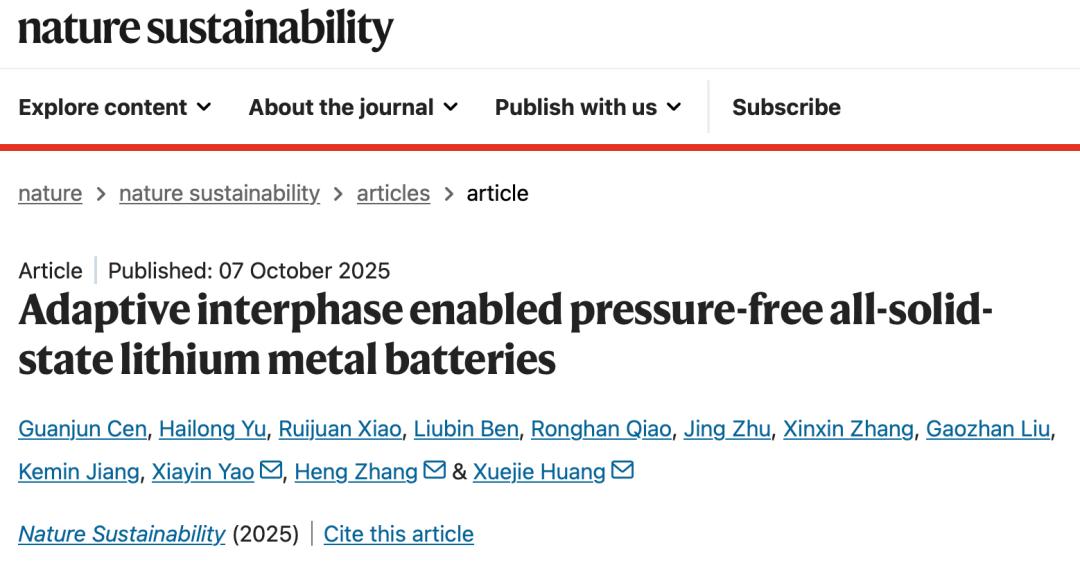
Core Insights - Recent breakthroughs in solid-state battery technology have been reported by multiple Chinese research teams, focusing on overcoming the "solid-solid interface" challenge, which is a significant barrier to commercialization [2][4][5] - The introduction of Dynamic Adaptive Interface (DAI) technology allows solid-state batteries to maintain stable cycling even under low or zero external pressure, achieving over 70% capacity retention after 300 cycles [2][5] - The advancements in solid-state batteries are still in the research phase, with experts estimating a potential timeline of 5 to 8 years for mass production, suggesting that large-scale commercialization may not occur until around 2030 [4][5] Research Breakthroughs - The research led by Huang Xuejie’s team at the Chinese Academy of Sciences has made significant progress in addressing the solid-solid interface issue, which has been a major challenge for solid-state lithium batteries [2][7] - Another team from the Institute of Metal Research has innovated at the molecular level to reduce interface impedance and enhance ion transport efficiency, with their findings published in Advanced Materials [2][16] - Tsinghua University’s team has developed a new fluorinated polymer electrolyte that significantly increases energy density, achieving 604 Wh/kg and 1027 Wh/L, nearly double that of current liquid electrolyte lithium batteries [14][16] Industry Implications - Despite the promising research, experts caution that the transition from laboratory breakthroughs to commercial applications remains a lengthy process, with significant challenges in manufacturing and cost still to be addressed [4][21] - Toyota, a leading player in the solid-state battery space, has set ambitious timelines for mass production, aiming for 2027-2028, while also investing heavily in partnerships and production facilities [18][21] - The solid-state battery technology race is ongoing, with various companies exploring different approaches, but the consensus is that solid-state batteries may only find niche applications in high-end markets, rather than becoming mainstream [21][23]

宁德时代:累计回购1599万股用于股权激励计划
Hua Er Jie Jian Wen· 2025-10-10 14:12
登录新浪财经APP 搜索【信披】查看更多考评等级 宁德时代股份回购进展公告要点解读 核心要点 回购方案概要: 回购期限:董事会审议通过之日起12个月内 最新回购进展: 合规性说明: MACD金叉信号形成,这些股涨势不错! 回购资金:40-80亿元人民币 回购方式:集中竞价交易 回购用途:实施股权激励计划或员工持股计划 截至2025年9月30日,累计回购15,990,782股 占公司A股总股本的0.3629% 回购价格区间:231.50-317.63元/股 累计成交金额:43.86亿元(不含交易费用) 回购操作符合相关法规要求 严格遵守交易时间和价格限制规定 避开敏感信息披露期间 后续安排: 公司将根据市场情况在回购期限内继续实施回购计划,并及时履行信息披露义务。 ...
宁德时代(300750.SZ)已累计回购1599.08万股 耗资约43.86亿元
智通财经网· 2025-10-10 13:47
智通财经APP讯,宁德时代(300750.SZ)发布公告,截至2025年9月30日,公司通过深圳证券交易所股票 交易系统以集中竞价交易方式累计回购公司A股股份1599.08万股,占公司同日A股总股本的0.3629%, 最高成交价为317.63元/股,最低成交价为231.50元/股,成交总金额为人民币43.86亿元。 ...