乡村旅游

Search documents
广东迳下村:零碳美景绘就未来乡村
Zhong Guo Xin Wen Wang· 2026-01-19 08:22
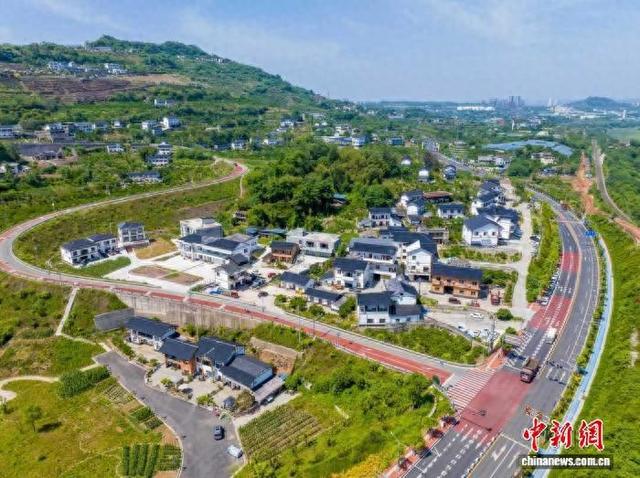
走进广州黄埔区迳下村,全新落成的一栋栋崭新的三层农宅"小别墅"排列在村道两侧,四周山水田 园风光环绕。屋顶上,全覆盖的太阳能板熠熠生辉,正勾勒出未来乡村的零碳美景。 作为联合国"中国零碳村镇促进项目"华南地区的试点,迳下村以全域土地综合整治为突破,将"空 心村"旧房全部改造为零碳绿电的新农宅。 1月8日,航拍广州市黄埔区迳下村新型农宅建筑屋顶铺设的光伏板。记者 陈楚红 摄 超100场,年均接待海内外游客超20万人次,打造"四季有景、全年可游"的文旅格局。 坐落在迳下村东湖旁的广州黄埔区图书馆猫卡夫艺术分馆,门前一座橙色大猫彩塑格外引人注目, 吸引游客纷纷前来"打卡"。该馆融合"猫式生活哲学"与卡夫卡文学哲思,不定期举办艺术展览、音乐沙 龙,常态化开展作家对谈、乡村美学课堂等公益活动。猫卡夫艺术分馆负责人米希说,该馆旨在为游客 提供一个激发灵感、体验艺术慢生活的独特目的地。 目前,迳下村正以迳下水系为核心,聚集了迳下院士谷、黄埔创新研究院、颠覆性技术创新中心等 科技创新平台。据了解,颠覆性技术创新中心一期在建约180亩,项目建成后一期意向入驻企业30家, 达产后落户企业年产值(营收)约17亿元,预计税收8900 ...


乡村游如何留住乡土味
Jing Ji Wang· 2026-01-19 02:33
Core Viewpoint - The transformation of Xianrendong Village from a poverty-stricken area to a prosperous tourist destination showcases the importance of preserving local culture and ecology while promoting sustainable tourism development [1][16]. Group 1: Village Transformation and Tourism Development - Xianrendong Village, once a "pocket village," has evolved into a prosperous community with an average income of nearly 60,000 yuan per person, primarily relying on tourism [1]. - The village has 196 households, with over 180 engaged in hospitality and dining, predominantly by local residents, avoiding excessive commercialization [1][9]. - The initial phase of tourism led to chaotic development, with a lack of infrastructure and a decline in ecological conditions, prompting the need for a transformation to restore local character [2][3]. Group 2: Restoration of Local Character - The village faced challenges of homogenization and ecological degradation, leading to a consensus among villagers that preserving local flavor is essential for attracting tourists [3][4]. - A comprehensive renovation plan was implemented, focusing on maintaining traditional architectural styles and improving infrastructure, supported by local government and financial institutions [5][6][7]. - The village adopted a "build low, not high" policy, resulting in a reduction of guest room numbers but an increase in room rates, enhancing overall profitability [7]. Group 3: Community Involvement and Benefits - The village established mechanisms for all residents to participate in tourism development, ensuring that local people benefit from the economic growth [9][10]. - Various participation methods were created, including operating guesthouses, renting properties, and working in tourism-related jobs, allowing villagers to earn income without leaving the village [10][11]. - The village's commitment to not allowing restaurants along the lakeside protects the environment while ensuring equitable economic opportunities for all residents [11]. Group 4: Cultural Preservation and Innovation - Retaining local residents is crucial for preserving traditional customs and ensuring the authenticity of rural tourism [13][15]. - The village has implemented regulations to keep original residents in their homes, fostering a sense of community and cultural continuity [14]. - Cultural activities and festivals have been revitalized, blending traditional practices with modern tourism strategies to enhance visitor engagement [15][16]. Group 5: Economic Impact and Future Prospects - The tourism sector in Qiubei County has seen significant growth, with over 9.18 million visitors and total tourism revenue of 8.06 billion yuan in 2025, reflecting a year-on-year increase [16]. - Xianrendong Village has transitioned from a "pocket village" to a nationally recognized model for rural tourism, demonstrating that sustainable practices can lead to economic prosperity while preserving local identity [16].
“乡村CEO”身手不凡
Xin Lang Cai Jing· 2026-01-18 22:33
Core Insights - The introduction of professional managers in rural areas has significantly improved the management and profitability of village economies, with a reported increase in collective economic income in 雷山县 [1][4] Group 1: Economic Impact - The introduction of 10 cultural and creative products is projected to generate 40,000 yuan in revenue for the village collective by 2025 [1] - 雷山县's total income from village collectives reached 58.11 million yuan in 2024, an increase of 5.88 million yuan year-on-year, and is expected to grow to 68.56 million yuan in 2025, marking an increase of 10.45 million yuan [1] - All 154 village collectives in the county are projected to exceed 200,000 yuan in income by 2025 [4] Group 2: Management and Recruitment - 雷山县 has implemented a dual-channel recruitment strategy for professional managers, targeting returning college students, successful entrepreneurs, and veterans [2] - A rigorous selection mechanism involving qualification reviews, interviews, and democratic assessments has been established to ensure suitable candidates are chosen [2] - The management framework allows for significant decision-making autonomy for village managers, enhancing operational efficiency [2] Group 3: Training and Development - The county has integrated professional manager training into the local party school system, promoting hands-on experience through immersive training programs [3] - The initiative has led to the establishment of county-level demonstration points, fostering a local pool of professional managers [3] - A collaborative approach involving local residents, new managers, and advisory teams has been adopted to unify operations across multiple village businesses [3]
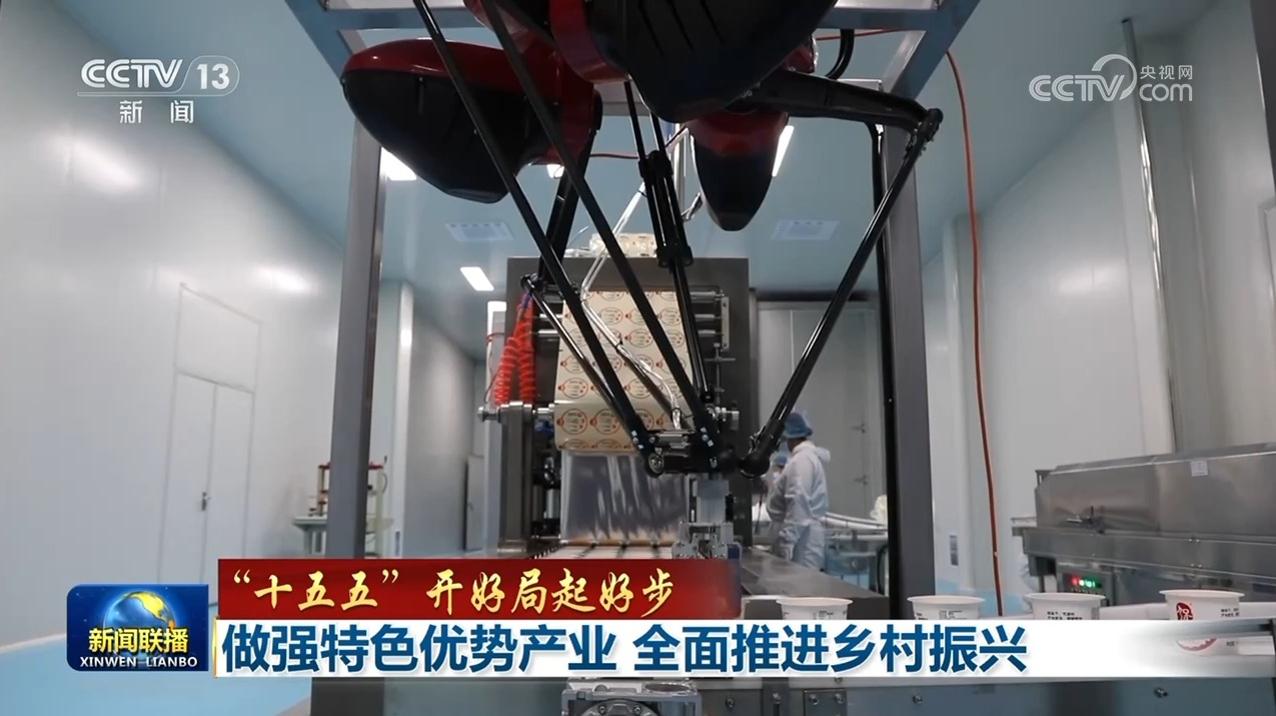
【“十五五”开好局起好步】做强特色优势产业 全面推进乡村振兴
Yang Shi Wang· 2026-01-18 11:56
Group 1 - The article emphasizes the importance of leveraging local resources to strengthen and expand特色优势产业 (characteristic advantageous industries) as part of the rural revitalization strategy [1] - Hebei province is focusing on supporting and cultivating leading特色主导产业 (leading characteristic industries) and enhancing the deep processing of agricultural products, with the ice persimmon industry park in Baoding expected to produce approximately 88,000 ice persimmons daily, generating an annual output value of 165 million yuan, benefiting local farmers with an average annual income increase of nearly 20,000 yuan [3] - Hunan province is concentrating on特色优势产业 (characteristic advantageous industries) such as grain, livestock, fruits, and vegetables, establishing mechanisms to strengthen the industrial chain and enhance market competitiveness through improved breeding, deep processing, and cold chain logistics [3] Group 2 - Jilin province has allocated 500 million yuan in special funds to upgrade ice and snow tourism experiences, aiming for full coverage of county-level ice and snow tourism, thereby accelerating rural tourism development [5] - Fujian province is promoting the construction of "all-region ecological tourism towns" to enhance the quality of rural tourism, with initiatives like the flower sea camping and water viewing of plum blossoms in Fuzhou's Wanshi Village providing immersive winter rural experiences for visitors [5] Group 3 - Sichuan province is advancing digital rural construction to modernize agriculture, with a strawberry factory in Chengdu utilizing AI and IoT technologies for full digital and intelligent control, thereby increasing strawberry yields [7] - Guangdong province is building a modern rural industrial system that integrates cutting-edge technologies like artificial intelligence into特色农业 (characteristic agriculture), exemplified by the AI model in Maoming's lychee garden that connects pest control knowledge and weather data to enhance production efficiency [7]
来自监督一线的报道丨羌寨新画卷
Zhong Yang Ji Wei Guo Jia Jian Wei Wang Zhan· 2026-01-18 01:46
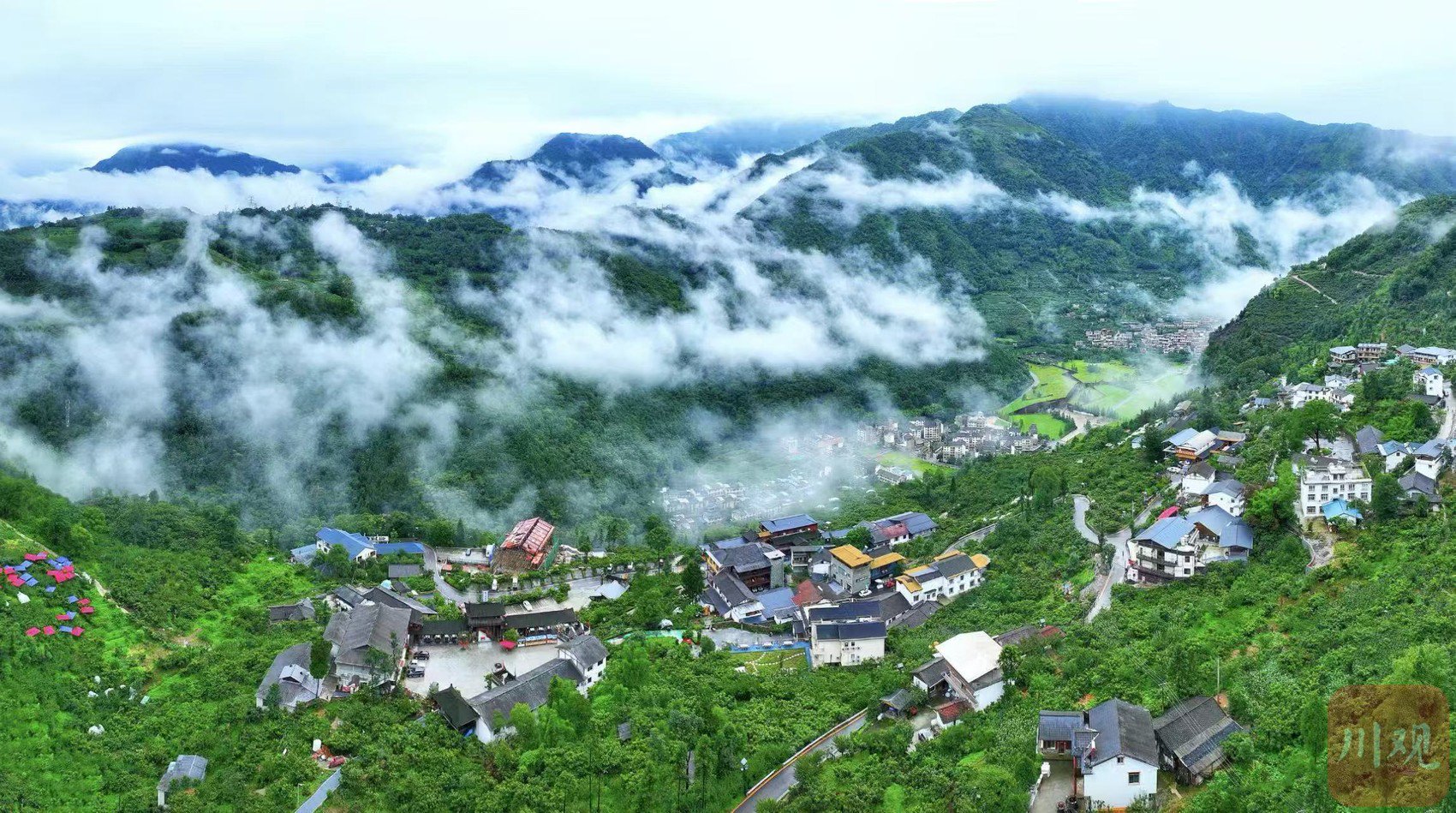
Core Insights - The article highlights the successful implementation of a political supervision system in Beichuan Qiang Autonomous County, which has significantly boosted the local economy through tourism and rural revitalization efforts [1][2][3] Group 1: Political Supervision and Mechanisms - The Beichuan County Discipline Inspection Commission has integrated rural industrial development into its political supervision focus, innovating grassroots supervision methods to stimulate rural revitalization [1] - A closed-loop management mechanism has been established, involving county-level coordination, town-level execution, and village-level implementation, enhancing the effectiveness of supervision [1] - The village of Shiyi has developed a comprehensive supervision mechanism that includes community discussions, shared management of village affairs, and collective evaluation of results [1] Group 2: Community Engagement and Problem Solving - The "Zao Fu Discussion" corner in Shiyi village serves as a platform for villagers to discuss community issues and development, transforming previously unaddressed concerns into actionable items [2] - Monthly community meetings have been effective in addressing local issues such as waste management and traffic congestion, demonstrating the tangible impact of supervision on daily life [2] Group 3: Economic Growth and Tourism Development - Shiyi village has seen a flourishing of tourism-related businesses, with over 88% of villagers benefiting from tourism, leading to a projected per capita income exceeding 100,000 yuan by 2025 [3] - In 2022, the village received 560,400 tourists, generating a total tourism revenue of 70.59 million yuan, reflecting year-on-year growth of 17.04% and 13.16% respectively [3] - The county's commitment to long-term political supervision aims to ensure the sustainable development of rural industries, enhancing the overall quality of life for residents [3]
阳光满羌寨丨从一个村到乡村振兴先行区,石椅村的三年蝶变
Xin Lang Cai Jing· 2026-01-18 00:58
Core Viewpoint - The article highlights the successful transformation of Shiyi Village in North Sichuan Autonomous County, showcasing its development in rural revitalization through the enhancement of specialty agricultural products and rural tourism, as emphasized by President Xi Jinping during a video call [1]. Group 1: Economic Growth - Shiyi Village has seen significant economic improvements, with the number of guesthouses increasing from 19 to 23, and the average annual income per person rising from 45,000 yuan to over 100,000 yuan [1]. - The collective economic income of the village increased from 340,000 yuan to 1.54 million yuan annually, while total tourism revenue grew from 36.2 million yuan to 70.59 million yuan [1]. Group 2: Community Engagement and Innovation - Villagers are actively participating in tourism-related activities, with one resident preparing to increase the production of a local vegetable to meet tourist demand, indicating a shift towards community-driven economic strategies [3]. - The village has become a cultural hub, attracting diverse groups, including overseas youth, and successfully hosting events that draw thousands of participants [8]. Group 3: Collaborative Development - Shiyi Village is collaborating with nearby villages to enhance tourism offerings, leveraging each village's unique resources for mutual benefit [14]. - A new development initiative, the Shiyi Qiangzhai Rural Revitalization Pilot Zone, aims to unify seven towns for coordinated growth, with a projected increase in rural residents' disposable income to over 28,600 yuan by 2025 [14]. Group 4: Future Prospects - The experiences and strategies from Shiyi Village are set to be implemented on a larger scale, as outlined in the "15th Five-Year Plan" for Mianyang City, promoting a structured approach to rural revitalization [16].
山海乡村有新语
Xin Lang Cai Jing· 2026-01-17 23:55
Core Viewpoint - The transformation of rural areas in Yunxiao County, particularly in villages like Xiaoceng and Xilin, is driven by a comprehensive approach to improving living environments, which aligns with national strategies for rural revitalization and modernization [5][10]. Group 1: Environmental Improvement - Xiaoceng Village, once known for its waste accumulation, has undergone significant changes with clean roads and organized households, showcasing the impact of environmental initiatives [3][6]. - The county government prioritized rural living environment improvement as a key task, integrating it into high-quality development actions, leading to a revitalized community [6][9]. - The transformation includes the removal of waste and the creation of shared green spaces, enhancing both aesthetics and community engagement [6][10]. Group 2: Cultural Integration - Xilin Village has incorporated traditional culture into its development by restoring historical sites and creating cultural murals, fostering community identity and participation [6][7]. - The integration of cultural elements into daily life has strengthened community bonds and supported the beautification of the village [6][7]. Group 3: Housing and Infrastructure Development - The initiative addresses housing shortages by constructing new homes and improving infrastructure, directly responding to residents' needs [8][9]. - In Shanjian Village, the construction of 91 new houses and the development of essential services like water and sewage systems have significantly improved living conditions [9][10]. Group 4: Economic Empowerment - The development of new housing and infrastructure is expected to stimulate local economies, particularly in agricultural sectors like the Yangtao industry in Xiahe Village [10][11]. - The establishment of a new agricultural collection center and commercial spaces aims to attract businesses and enhance local economic activity [11][12]. Group 5: Community Engagement and Governance - The success of these initiatives relies on community involvement and the resolution of historical disputes, fostering a collaborative environment for development [7][10]. - Local leaders emphasize the importance of addressing residents' concerns and building trust through tangible improvements in living conditions [8][10].
重庆酉阳:连片保护织就古寨新卷
Xin Lang Cai Jing· 2026-01-17 19:45
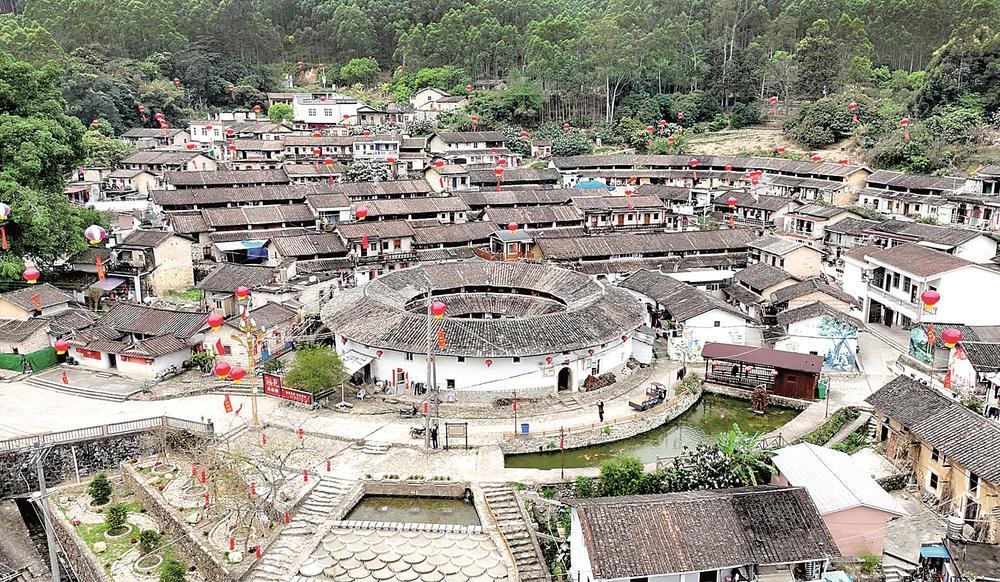
Core Viewpoint - The article highlights the efforts of Youyang County in Chongqing to develop traditional villages through innovative mechanisms and community involvement, aiming to balance cultural preservation with economic growth. Group 1: Traditional Village Development - Youyang County is recognized as a national model for the protection and utilization of traditional villages, housing 2 national historical and cultural towns, 41 traditional villages, and 35 ethnic minority villages [3] - Policies have been implemented to reduce the approval time for traditional housing renovation projects by over 30%, promoting investment through a model where villagers, government, and enterprises contribute [3] - The county has established a collective decision-making system for the protection and management of traditional villages, involving local communities in the planning process [3] Group 2: Economic Growth and Tourism - The number of annual visitors to traditional villages like Gongtan Ancient Town exceeds 4 million, indicating a strong interest in cultural tourism [4] - The introduction of new business models, such as the "common prosperity village" initiative, has transformed villagers into partners in economic activities, enhancing local income [4][5] - The village of Hejiayan has seen a 30% increase in income for participants in new business ventures, with over 10,000 annual visitors contributing to its economic vitality [5] Group 3: Cultural Heritage and Innovation - The county has developed over 200 types of intangible cultural heritage products, with 51 individuals recognized as representatives of national and local heritage [3] - Innovative approaches, such as the "cloud rice" adoption plan, have utilized internet technology to enhance agricultural engagement and tourism [5] - The county's strategy includes the development of 25 rural tourism sites and over 50 new business types, leading to a 133% increase in collective economic income [5]

(乡村行·看振兴)重庆乡村“抱团”奔赴振兴路:从“一村探路”到“百村共富”
Xin Lang Cai Jing· 2026-01-17 07:28
Core Viewpoint - The article highlights the transformation of rural areas in Chongqing, particularly Shipan Village, through collaborative efforts and innovative practices aimed at achieving comprehensive rural revitalization and prosperity for multiple villages. Group 1: Village Development and Tourism - Shipan Village has developed a vibrant tourism sector, attracting over 130,000 visitors in 2025, thanks to its ecological advantages and the establishment of the Jin'ao Rural Complex [3][4] - The village has transformed its landscape by creating various agricultural attractions, such as colorful fields and fruit orchards, enhancing its appeal as a tourist destination [5][8] - The integration of cultural elements, such as the "Stone Culture," into tourism has created immersive experiences, further boosting visitor interest [8][9] Group 2: Economic Growth and Agricultural Innovation - Shipan Village has scaled up its agricultural production, cultivating 2,000 acres of premium citrus, generating an annual output of 600 tons and a revenue exceeding 12 million yuan [8][12] - The village has implemented a cooperative model that allows villagers to become shareholders, thus embedding them deeper into the economic activities and ensuring that the benefits of development reach all community members [11] - By 2025, the per capita disposable income of villagers is projected to reach 35,000 yuan, reflecting the economic upliftment resulting from these initiatives [12] Group 3: Collaborative Efforts and Talent Development - The "Hundred Villages, Hundred Praises" initiative has fostered collaboration among over 200 administrative villages, promoting resource sharing and mutual development [16][17] - The program has successfully recruited young professionals as "village CEOs," injecting new ideas and management skills into rural development [14][16] - Villages like Damiangpo have benefited from this collaborative approach, significantly increasing their agricultural output and income through improved market access [17]
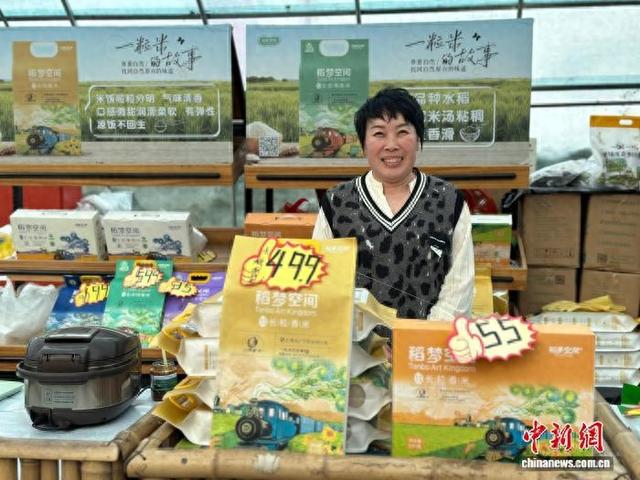
(走进中国乡村)从“猫冬”到“冬忙” 沈阳“稻梦小镇”四季引八方客
Xin Lang Cai Jing· 2026-01-17 07:27
"我家就住在单家村,寒假回家听说这里缺人,就来帮忙。"在外读大学的可嘉琪话刚说完,便忙着 为"暖棚食堂"里的游客介绍起文创产品来。 作者 姜月恒 赵桂华 该景区综合经理张柳介绍,这里呈现鲜明的季节性特色。冬季冰雪主题乐园通常在每年12月下旬开园, 次年农历正月十五后闭园;5月至10月,则主打稻田画观光与农耕文化。 "景区的全季发展让大家一年四季都有活干,村民们不用背井离乡去外面打工。"姜奇说,从"猫冬"到如 今走上工作岗位服务八方游客,大孤柳村村民的冬天发生了巨大转变。 中新社沈阳1月17日电 题:从"猫冬"到"冬忙" 沈阳"稻梦小镇"四季引八方客 "往年冬天村民们只能窝家里,如今大家不仅能拿到流转土地的钱,还可以在家门口的'稻梦小镇'打工 赚钱。"沈阳市沈北新区兴隆台街道大孤柳村驻村第一书记姜奇指着身后被他命名为"一波三折"的冰雪 大滑坡说。 姜奇口中的"稻梦小镇"景区位于大孤柳村下辖的单家村。整个景区面积达30万平方米,由大孤柳村与沈 阳锡伯龙地创意农业产业有限公司通过村企合作,实现资源整合,推动乡村旅游发展和集体经济壮大。 村民通过土地流转、宅基地租赁等方式成为"四金农民",共享发展红利。 "稻梦小镇" ...