体育产业

Search documents
体育产业如何满足青年消费新需求
Sou Hu Cai Jing· 2025-10-12 06:58
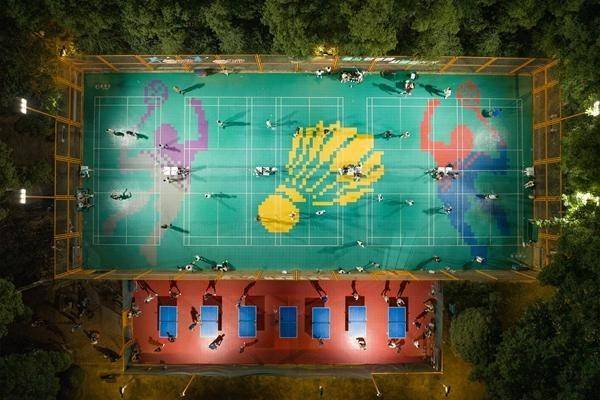
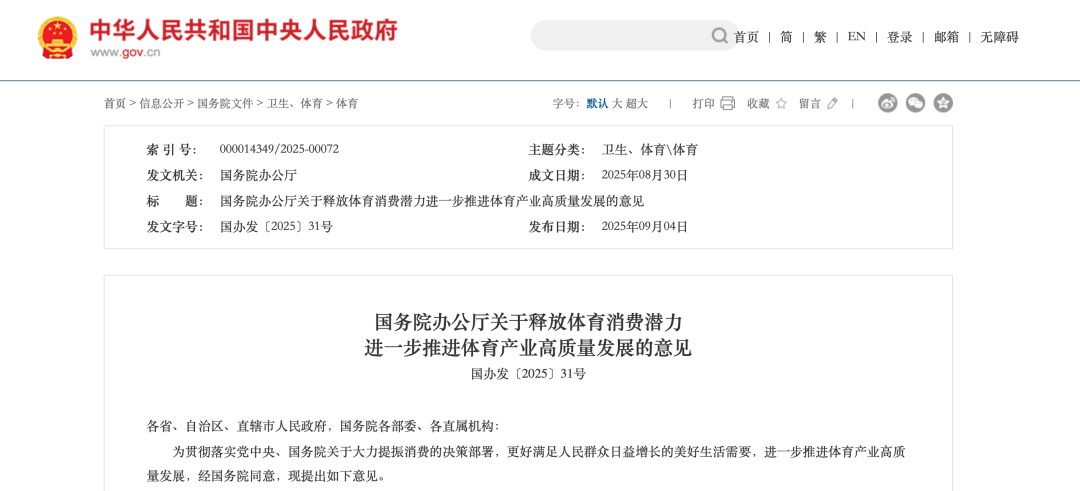
Core Viewpoint - The article discusses the transformation of China's sports industry from a focus on infrastructure to enhancing the quality of sports experiences, driven by increasing public demand for fitness and sports participation [3][4][10]. Group 1: Policy and Industry Transformation - The "31 Document" issued by the State Council emphasizes expanding sports consumption scenarios as a key measure to unlock sports consumption potential, marking a shift towards a more experience-oriented approach in the sports industry [2][4]. - The sports industry in China has evolved from a focus on scale expansion to quality improvement, with the current emphasis on creating diverse and integrated sports experiences [3][4]. Group 2: Economic and Social Context - China's sports industry has grown from 1.36 trillion yuan in 2014 to 3.67 trillion yuan in 2023, with its GDP share increasing from 0.64% to 1.15%, reflecting a significant shift in consumer preferences towards experiential consumption [4]. - The number of people regularly participating in sports has increased from 360 million to 550 million, indicating a growing public interest in fitness and sports activities [4]. Group 3: Urban Sports Space Innovation - The "31 Document" calls for the development of small, community-based fitness facilities and the integration of sports into commercial spaces, enhancing the accessibility and appeal of sports activities [5][6]. - Successful examples of urban sports space innovation include the transformation of industrial sites into sports venues, which not only improve fitness infrastructure but also enhance urban quality [5][6]. Group 4: Consumer Experience and Technology - The integration of sports with commercial, cultural, and tourism sectors creates richer consumer experiences, while the use of digital technologies enhances interactivity and accessibility in sports participation [7][8]. - The emergence of new sports consumption scenarios reflects a shift towards valuing emotional and social experiences over mere functionality, particularly among younger demographics [8][9]. Group 5: Future Goals and Urban Development - The article outlines a vision for a vibrant urban environment where sports are an integral part of daily life, aiming for the sports industry to exceed 7 trillion yuan by 2030 through innovative urban planning and community engagement [10].

释放体育消费力!广州中心城区规模最大的体育综合体将来
Sou Hu Cai Jing· 2025-10-11 19:27
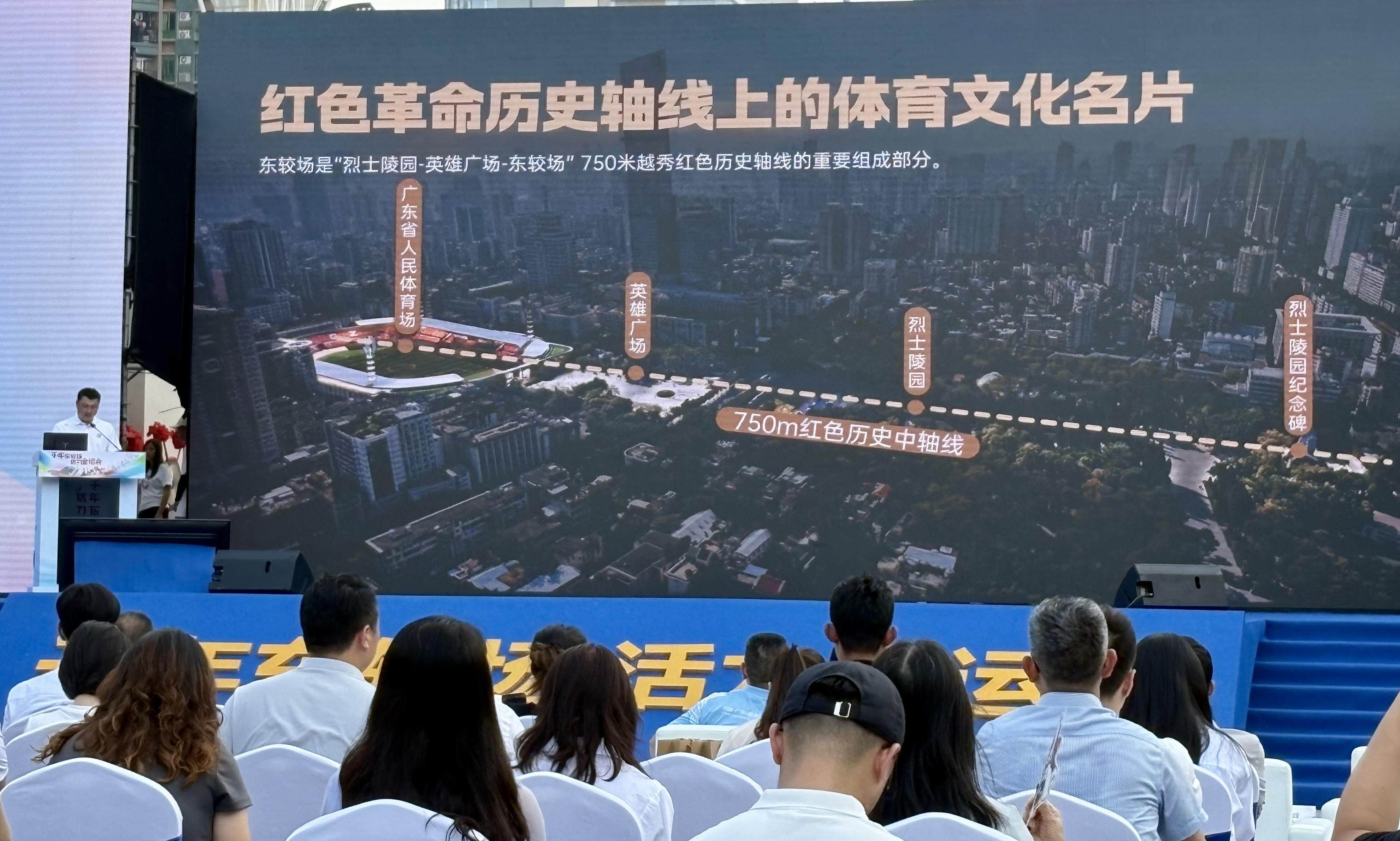
此次活动由第十五届全国运动会广东省执委会、广东省体育局、广东省商业厅、广州市商务局、广州市越秀区人民政府联合主办,十五运会广东省执委会市 场开发部、广东省全运体育产业发展有限公司、广东省人民体育场共同承办,吸引了来自政府、企业、体育界等近400名代表参与,共同见证这一融合历史 底蕴与现代体育产业的粤港澳大湾区体育盛事。 am 原文艺人 民 C Caangdong Provinsia 中国·广东|福港|澳门2025 中华人民共和国 第十五届运动会 The 15th Hestigan China the People's Republic of Chia of 会上,广东省人民体育场省"一公园·四基地"焕新计划正式发布。 10月10日下午,以"千年东较场活力全运会"为主题的第十五届全国运动会市场开发第四批赞助企业签约仪式、赞助企业俱乐部成立仪式及广东省人民体育场 省市区联合招商推介活动在广东省人民体育场(东较场)举行。 地处中华商圈核心,"一公园·四基地"与流行前线、未来城、地铁一号线等商业枢纽无缝连接,具备强大的人流辐射力与资源整合力。项目不仅是体育强省 和"三地三中心"战略的重要承载平台,更是作为首演首发目的 ...
十五运会赞助企业俱乐部成立,政企联动共筑大湾区体育产业生态
2 1 Shi Ji Jing Ji Bao Dao· 2025-10-10 10:31
Group 1 - The 15th National Games sponsorship signing ceremony and related events were held in Guangdong, attracting nearly 400 representatives from government, enterprises, sports, and media [1] - The Guangdong Sports Bureau launched the "One Park, Four Bases" revitalization plan, marking a significant advancement in the East Jiao Chang project [1] - Four companies, including Yantang Dairy and Shenghong Technology, signed sponsorship agreements, expanding the market development outcomes of the 15th National Games [1] Group 2 - The establishment of the National Games Sponsorship Club aims to integrate event IP, policy resources, and market forces to promote a new model of sports industry development [2] - The introduction of the "High-Quality Development Ten Measures" policy package provides comprehensive support for enterprises, accelerating the aggregation of the sports industry [2] - The market development of the 15th National Games is expected to create a new path for resource integration and development in the Greater Bay Area sports industry [2]



7万亿的体育大蛋糕要怎么做
Hu Xiu· 2025-10-10 07:46
Core Insights - The sports industry in China is increasingly recognized as a significant contributor to economic growth, with its GDP contribution rising to approximately 1.2% [2][19] - Recent government policies aim to enhance the sports industry's quality and scale, targeting a total industry size of over 7 trillion yuan by 2030 [5][49] - There is a growing demand for quality sports content among the Chinese population, indicating substantial potential for the sports industry [3][19] Industry Growth and Potential - The sports industry in China has experienced an average annual growth rate of 9.7% over the past decade, reaching a total scale of 3.95 trillion yuan [19] - The increasing popularity of local sports events, such as the "Su Super" and "Zhejiang BA," has demonstrated the economic impact of sports, with significant ticket sales and related consumption [37][39] - The rise of niche sports like skiing and rock climbing is contributing to the diversification and growth of the sports industry [40] Policy Support and Structural Changes - The recent policy document from the State Council emphasizes the need for a comprehensive and sustainable sports industry, focusing on supply-side improvements and market-driven growth [6][33] - Key measures include enhancing event management, upgrading sports products, expanding consumption scenarios, and providing financial and talent support [34][41] - The policy aims to address existing shortcomings in China's sports industry, such as insufficient marketization and a lack of mature business models [7][22] Comparison with Developed Markets - China's sports industry still lags behind developed markets like the US and Europe in terms of scale and commercialization, with significant gaps in service-oriented consumption [22][25] - The sports service sector in China accounts for only 11% of the industry's value added, compared to over 50% in the US [26][27] - The absence of high-profile sports IPs in China limits the commercial potential of local leagues compared to established leagues like the NBA and NFL [31][32] Future Outlook - The successful implementation of the new policies could lead to a more market-oriented sports industry, fostering greater public participation and investment [47][52] - The development of a complete value chain in the sports industry is essential for sustainable growth, moving away from reliance on major events for short-term boosts [49][50] - As infrastructure and regulatory frameworks improve, the Chinese sports industry is poised for significant growth opportunities in the coming years [51][53]
体育产业活力加速释放
Jing Ji Ri Bao· 2025-10-09 22:18
Core Insights - The article highlights the increasing popularity of various sports and the growth of the sports industry in China, driven by national strategies promoting fitness and sports consumption [1][2][3] Group 1: Market Growth and Economic Impact - The sports industry in China is projected to grow at an annual rate of 11.6% during the 14th Five-Year Plan period, with its contribution to GDP reaching 1.15% in 2023 [2] - The total sports consumption in 40 pilot cities increased by over 100 billion yuan from 2020 to 2023, indicating a sustained release of sports consumption potential [2] - The outdoor sports industry is expected to exceed 3 trillion yuan by the end of the 14th Five-Year Plan, becoming the fastest-growing segment within the sports industry [3] Group 2: Structural Optimization and Industry Integration - The sports industry is experiencing structural optimization, with events like "浙BA" attracting nearly 920,000 attendees and generating over 1 billion yuan in related consumption [4] - The integration of sports with tourism, culture, and commerce is being actively explored, enhancing consumer experiences and promoting economic development [2][4] - Major trade fairs are establishing dedicated sports sections to facilitate resource matching and stimulate sports consumption [4] Group 3: Supply Chain and Demand Matching - Experts suggest enhancing the supply capacity of the sports industry to better match supply and demand, focusing on information guidance and market fairness [5] - The rise of new business models in sports, such as fitness services and outdoor activities, is attracting significant investment and increasing the number of market players [6] Group 4: Technological Advancements and Future Prospects - The use of advanced technologies like big data and artificial intelligence is recommended to improve the efficiency of the sports industry and better identify consumer needs [7] - With the implementation of the proposed measures, the sports industry is expected to exceed 7 trillion yuan by 2030, contributing significantly to China's modernization efforts [7]
桥洞球场、教练外卖、3元健身房…国家喊你减肥了
吴晓波频道· 2025-10-09 00:29
Core Viewpoint - The article discusses the rapid development of sports facilities in urban areas, highlighting the shift towards community-based, low-cost sports venues that cater to the growing demand for fitness and recreational activities. It emphasizes the importance of government policies in promoting sports consumption and the potential for the sports industry to achieve significant growth in the coming years [3][14][21]. Summary by Sections Sports Facility Development - Increasing numbers of sports facilities are emerging in urban areas, such as small gyms, basketball courts, and shared sports venues, transforming underutilized spaces into active community hubs [3][4]. - The rise of low-cost fitness options, like the 3-yuan gym model, demonstrates a successful business approach that minimizes overhead costs while meeting community needs [9][10]. Business Models in Sports Facilities - Traditional sports facilities can be categorized into non-profit public projects and fully commercialized venues, each with distinct advantages and challenges [6][8]. - New business models are emerging, focusing on community engagement, smart operations, and affordable pricing, which are proving to be more sustainable compared to traditional high-cost gyms [10][11]. Government Policies and Industry Growth - The Chinese government has laid out strategic plans to enhance sports infrastructure and promote a culture of fitness, aiming for comprehensive coverage of sports facilities by 2025 [14][16]. - The sports industry is projected to grow significantly, with a target of reaching 7 trillion yuan by 2030, indicating a shift from quantity to quality in sports services and facilities [17][18]. Market Opportunities and Challenges - Despite the positive trends, the sports industry faces challenges such as low consumer spending on sports compared to developed countries and a fragmented market with many small players [21][30]. - There is a notable potential for growth in spectator sports and related consumption, as seen in the success of events like UFC and local sports leagues, which can drive economic activity [22][23][25]. Future Directions - The integration of technology and innovative service models, such as "sports delivery" and AI coaching, is expected to enhance user experience and accessibility [27][30]. - Addressing regional disparities and improving the operational efficiency of sports facilities will be crucial for the sustainable development of the sports industry in China [31].
AI赋能与跨界融合:解码体育投资新风向
Xin Hua She· 2025-10-03 06:07
Core Insights - The article discusses the transformative impact of AI and cross-industry integration on sports investment, highlighting the historical opportunities arising from government support, consumer potential, and technological innovation [1][4]. Group 1: AI Empowerment in Sports - AI is reshaping the entire value chain of the sports industry, driving intelligent transformation and enhancing event experiences, as demonstrated by Alibaba's application of AI in the 2024 Paris Olympics [1][2]. - AI video enhancement technology improves viewing experiences and provides precise data for referees, showcasing its potential to create new value in sports broadcasting [1][2]. - AI's role extends to cultural preservation, as seen in Alibaba's restoration of historical Olympic footage, and in health management through innovative applications like AI-enabled heart pacemakers [2][3]. Group 2: Cross-Industry Integration - The concept of "Sports+" emphasizes the integration of sports with health, culture, and tourism, creating new market opportunities and consumption scenarios [3][4]. - Emerging sports projects are increasingly linked with health and wellness, reflecting a growing consumer demand for healthy lifestyles [3][4]. - The integration of sports with cultural and tourism sectors is becoming more prevalent, with events driving local economic activity and consumer engagement [3][4]. Group 3: Investment Opportunities and Challenges - Despite the potential, challenges remain in infrastructure, standards, management, and talent in emerging sports projects, indicating a need for improved resource supply and operational experience [4][5]. - The complexity of the sports industry requires investors to navigate various interconnected sectors, including culture, tourism, and health, to succeed [4][5]. - Investors are encouraged to adopt systematic investment strategies, focusing on research and targeted investments to mitigate risks associated with innovative sports projects [5].
省长叶建春在南昌调研节前消费和市场保供工作
Sou Hu Cai Jing· 2025-09-30 15:54
Core Insights - The article emphasizes the importance of enhancing product supply and stimulating consumer activity during the upcoming National Day and Mid-Autumn Festival holidays [2] - It highlights the need for safety measures and quality cultural and tourism activities to ensure a joyful holiday experience for citizens and tourists [2] Group 1: Consumer Activity and Market Supply - The provincial government is focused on enriching product offerings and activating consumer potential to ensure a satisfying holiday experience [2] - There is a call for businesses to adapt their product categories based on holiday market demands, ensuring food safety and consumer comfort [4] - The government aims to leverage the "she economy" and family-oriented market demands to optimize commercial formats and enhance service quality [4] Group 2: Cultural and Tourism Promotion - The article discusses the importance of showcasing local特色优势产品 to attract tourists and highlight the ecological charm and brand value of Jiangxi [4] - Cultural landmarks and experts are encouraged to conduct diverse cultural activities during the holidays to enhance public understanding of Jiangxi's traditional culture [4] - The government aims to diversify cultural activities and scenarios to invigorate the cultural tourism market and meet the personalized and diversified consumption needs of the public [4] Group 3: Sports Consumption - The article notes that sports consumption has become a significant part of residents' lifestyle spending, with a focus on developing sports consumption hubs [5] - There is an emphasis on optimizing sports experiences, events, and leisure shopping to create friendly sports consumption environments [5] - The government aims to enhance the sports consumption chain, providing citizens with more opportunities for healthy activities and contributing to the holiday economy [5]
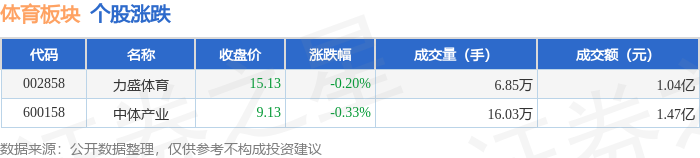
体育板块9月30日跌0.3%,中体产业领跌,主力资金净流出1090.13万元
Zheng Xing Xing Ye Ri Bao· 2025-09-30 08:44
Group 1 - The sports sector experienced a decline of 0.3% on September 30, with Zhongti Industry leading the drop [1] - The Shanghai Composite Index closed at 3882.78, up 0.52%, while the Shenzhen Component Index closed at 13526.51, up 0.35% [1] - Key stocks in the sports sector showed varied performance, with Lisheng Sports closing at 15.13, down 0.20%, and Zhongti Industry closing at 9.13, down 0.33% [1] Group 2 - The sports sector saw a net outflow of 10.90 million yuan from institutional investors, while retail investors had a net inflow of 9.49 million yuan [1] - Zhongti Industry experienced a net outflow of 1.00 million yuan from institutional investors, with retail investors contributing a net inflow of 1.94 million yuan [1] - Lisheng Sports had a significant net outflow of 9.90 million yuan from institutional investors, but saw a net inflow of 7.56 million yuan from retail investors [1]


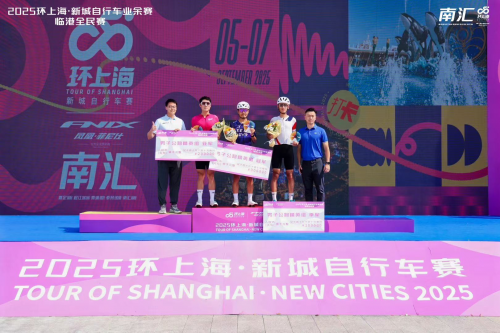
瑞众保险上海分公司连续两年护航环上海・新城自行车赛,政企携手共推体育事业发展
Cai Fu Zai Xian· 2025-09-30 05:08
Group 1 - The 2025 Shanghai New City Cycling Race successfully upgraded to UCI 2.2 level, marking Shanghai's first men's road cycling event in the UCI Asia Tour, indicating its entry into the international arena [1] - The event took place over three days, with notable attendance from various officials and leaders from Shanghai's sports and local government sectors [1] Group 2 - Ruizhong Insurance Shanghai Branch has provided insurance support for the event for two consecutive years, covering nearly 2,000 participants and 214 staff and volunteers, showcasing the company's commitment to supporting Shanghai's sports initiatives [2] - The company emphasizes its role in ensuring the safety and orderly conduct of the event, reflecting its social responsibility and support for the development of sports in Shanghai [4] Group 3 - Insurance plays a crucial role in sports events by providing safety guarantees, reducing participants' concerns, and promoting sports culture at the grassroots level, thus encouraging public participation in sports [6] - Ruizhong Insurance Shanghai Branch plans to continue its collaboration with Jiushi Sports, focusing on supporting various sports activities and enhancing the social functions of insurance in promoting public fitness [6]