
运动器材

Search documents
西媒:中国又开始"反人类”,曾经比黄金还贵的钛,中国拿它造锅
Sou Hu Cai Jing· 2026-02-10 03:42
Core Viewpoint - The article discusses the transformation of titanium from a strategic military material to a widely used industrial material in consumer products, highlighting China's advancements in titanium production and processing capabilities over the past decades [1][21]. Group 1: Titanium's Properties and Historical Context - Titanium is known for its high strength-to-weight ratio, with a strength close to high-strength steel but only 60% of its density, making it ideal for aerospace and military applications [3][9]. - The metal's high melting point of 1668°C allows it to maintain structural integrity in high-temperature environments, which is crucial for military aircraft and engines [3]. - Titanium's excellent corrosion resistance and biocompatibility make it suitable for various applications, including medical devices [5][7]. Group 2: Challenges in Titanium Production - The complexity of titanium extraction and processing has historically limited its use in mass markets, as it requires highly controlled conditions to prevent reactions with gases like oxygen and nitrogen [7][11]. - During the Cold War, titanium became a strategic resource due to its critical role in military technology, particularly in the development of the SR-71 reconnaissance aircraft [9][11]. Group 3: China's Rise in the Titanium Industry - China has emerged as a dominant force in the global titanium industry, overcoming previous limitations in processing technology and industrial capabilities [11][13]. - The country has developed a comprehensive industrial system for titanium production, achieving significant increases in sponge titanium output from a few thousand tons to approximately 200,000 tons annually by 2023, accounting for over 60% of global production [15][19]. - The shift from reliance on imported titanium products to domestic production has transformed China's industrial landscape, allowing for stable and continuous production at lower costs [15][19]. Group 4: Expansion into Consumer Markets - As production capabilities improved, titanium began to penetrate consumer markets, appearing in products like cookware, water bottles, and sports equipment, marking a significant shift from its traditional military and aerospace applications [17][19]. - The entry of titanium into the consumer market has diversified the industry's operational model, providing a stable demand base and enhancing the industry's resilience against economic fluctuations [19][21]. - This transition reflects a broader evolution of China's industrial system, showcasing its ability to transform raw materials into high-value products through integrated industrial capabilities [21].


跨境电商必读:美国加州65号提案CA65\CP65\Prop65
Sou Hu Cai Jing· 2026-01-07 04:54
Core Viewpoint - Increasing number of Chinese cross-border sellers are receiving warning letters from the U.S. demanding immediate product label corrections or facing hefty fines, driven by California's Proposition 65, known as one of the strictest consumer safety regulations globally [1] Group 1: Proposition 65 Overview - Proposition 65, officially known as the "1986 Safe Drinking Water and Toxic Enforcement Act," was passed by California voters to protect residents and drinking water from known carcinogenic and reproductive toxic substances [3] - Unlike standard certifications, Proposition 65 does not have a unified "certificate of compliance," and products sold in California must comply even if they meet federal standards [4] Group 2: Scope and Requirements - Proposition 65 applies broadly to nearly all consumer products, focusing on materials that may pose health risks, particularly those known or suspected to cause cancer or reproductive harm [5] - Products containing over 1,000 officially recognized harmful substances must provide clear warnings if exposure exceeds safe levels, typically indicated by a "WARNING" label [6] Group 3: Commonly Tested Substances - Common testing categories include heavy metals (e.g., lead, cadmium, mercury, arsenic) and organic compounds (e.g., formaldehyde, phthalates, BPA), with specific limits set for each substance [5][7] - For example, formaldehyde limits are usually set at 75 ppm, while lead limits can vary, with some products having a threshold of 100 ppm [5][6] Group 4: Testing and Certification Process - The process for obtaining Proposition 65 testing certification involves several steps, including application and assessment, sample submission and payment, and laboratory testing [8][9] - Testing typically takes 5-7 business days, and a report is issued indicating whether the product meets the required limits for harmful substances [10]
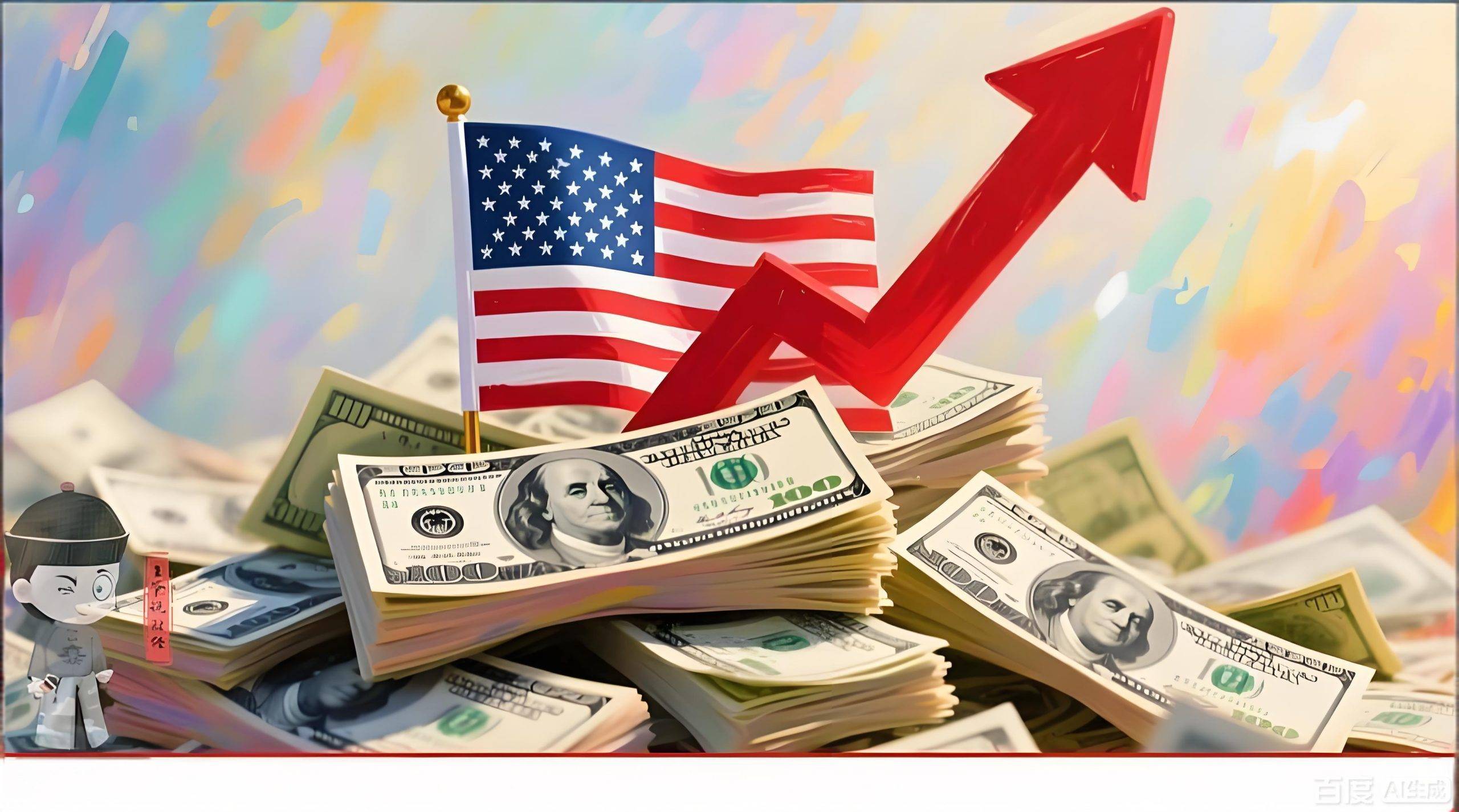
美国GDP增长4.3%!2025-2026年中国卖家如何抢占市场先机(策略+合规指南)
Sou Hu Cai Jing· 2025-12-31 03:12
Group 1: Economic Overview - The U.S. GDP growth for Q3 2025 reached 4.3%, surpassing the previous quarter's 3.8% and exceeding market expectations of 3.9%-4.0%, marking the fastest growth in two years [3][4] - The growth was driven by a 3.5% increase in consumer spending, expanded business investments, and stable trade policies, while the core PCE inflation rate rose to 2.9%, indicating some inflationary pressure [3][5] - The Federal Reserve plans to implement only one more interest rate cut in 2026, maintaining a cautious monetary policy stance to balance economic growth and inflation control [5] Group 2: Impact on Chinese Sellers - Strong consumer spending growth in the U.S. presents significant opportunities for Chinese cross-border sellers, particularly in categories like electronics, home decor, and leisure products [6][8] - Increased business investments in the U.S. indicate a rising demand for industrial equipment and digital solutions, creating a favorable environment for Chinese B2B sellers [6] - The stability in U.S. trade policies reduces risks associated with tariffs on Chinese goods, allowing for better long-term inventory planning and pricing strategies [6][8] Group 3: Strategies for Chinese Sellers - Chinese sellers should optimize product positioning and market strategies to align with U.S. consumer trends, focusing on high-demand categories [7][8] - Enhancing supply chain resilience and logistics capabilities is crucial, especially in light of ongoing global supply chain challenges [7][8] - Establishing a local entity in the U.S. can improve brand credibility and operational efficiency, with services like those offered by lngStart facilitating this process [9][10]
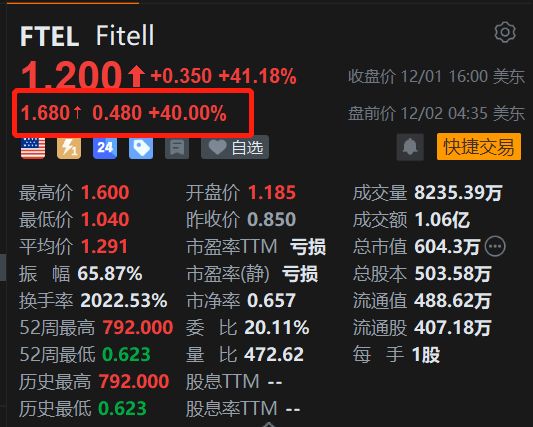
美股异动丨Fitell盘前飙涨40% 宣布300万美元股票回购计划
Ge Long Hui· 2025-12-02 09:48
Group 1 - Fitell Corporation, an Australian online fitness and sports equipment retailer, saw a pre-market surge of 40%, reaching a price of $1.68 [1] - The company's board has approved a stock buyback plan for up to $3 million of its issued Class A common stock over the next 24 months, reflecting optimism about growth prospects [1] - All repurchased shares will be held as treasury stock or canceled [1] Group 2 - The closing price on December 1 was $1.20, with a significant increase of $0.35 or 41.18% [2] - The pre-market price on December 2 was $1.68, marking an increase of $0.48 or 40% [2] - The trading volume was 82.35 million, with a total transaction value of $106 million [2]

体育产业活力加速释放
Jing Ji Ri Bao· 2025-10-09 22:18
Core Insights - The article highlights the increasing popularity of various sports and the growth of the sports industry in China, driven by national strategies promoting fitness and sports consumption [1][2][3] Group 1: Market Growth and Economic Impact - The sports industry in China is projected to grow at an annual rate of 11.6% during the 14th Five-Year Plan period, with its contribution to GDP reaching 1.15% in 2023 [2] - The total sports consumption in 40 pilot cities increased by over 100 billion yuan from 2020 to 2023, indicating a sustained release of sports consumption potential [2] - The outdoor sports industry is expected to exceed 3 trillion yuan by the end of the 14th Five-Year Plan, becoming the fastest-growing segment within the sports industry [3] Group 2: Structural Optimization and Industry Integration - The sports industry is experiencing structural optimization, with events like "浙BA" attracting nearly 920,000 attendees and generating over 1 billion yuan in related consumption [4] - The integration of sports with tourism, culture, and commerce is being actively explored, enhancing consumer experiences and promoting economic development [2][4] - Major trade fairs are establishing dedicated sports sections to facilitate resource matching and stimulate sports consumption [4] Group 3: Supply Chain and Demand Matching - Experts suggest enhancing the supply capacity of the sports industry to better match supply and demand, focusing on information guidance and market fairness [5] - The rise of new business models in sports, such as fitness services and outdoor activities, is attracting significant investment and increasing the number of market players [6] Group 4: Technological Advancements and Future Prospects - The use of advanced technologies like big data and artificial intelligence is recommended to improve the efficiency of the sports industry and better identify consumer needs [7] - With the implementation of the proposed measures, the sports industry is expected to exceed 7 trillion yuan by 2030, contributing significantly to China's modernization efforts [7]
三部门联合印发!优供给促消费稳出口,轻工业稳增长方案出台
Zheng Quan Shi Bao· 2025-09-20 01:04
Core Viewpoint - The "Light Industry Stabilization and Growth Work Plan (2025-2026)" aims to enhance the role of the light industry in stabilizing growth, promoting consumption, and improving livelihoods, amidst increasing international uncertainties and domestic demand challenges [1][2]. Group 1: Key Objectives - The plan outlines that by 2025-2026, the light industry will play a more significant role in stabilizing growth and promoting consumption, with key sectors showing stable growth and operational efficiency [1]. - It targets the rapid development of new growth points such as smart home products, elderly and infant goods, and sports leisure fashion products, with the goal of promoting 300 upgraded and innovative products [1][2]. Group 2: Tasks and Strategies - The plan emphasizes three main tasks for quality supply: accelerating product innovation, enhancing quality assurance, and strengthening brand cultivation, including actions to adapt supply and demand in consumer goods [2]. - In promoting consumption, the plan will continue to support "old-for-new" exchanges for appliances and expand into health, elderly care, and cultural tourism sectors, leveraging artificial intelligence in the light industry [2]. - For exports, the plan supports leading enterprises in sectors like home appliances and furniture to accelerate global brand building and encourages the development of cross-border e-commerce and overseas service stations [2]. Group 3: Implementation and Corporate Responsibility - The plan calls for market participants to actively engage in its implementation, focusing on technology leadership, quality pricing, brand building, and optimizing global layouts, while urging companies to phase out inefficient capacities [3].
优供给促消费稳出口 轻工业稳增长方案出台
Zheng Quan Shi Bao· 2025-09-19 17:52
Core Viewpoint - The "Light Industry Stabilization and Growth Work Plan (2025-2026)" aims to enhance the role of light industry in stabilizing growth, promoting consumption, and improving livelihoods, amidst increasing international uncertainties and domestic demand challenges [1][2]. Group 1: Objectives and Goals - The main goals of the work plan include highlighting the role of light industry in economic growth and consumer enhancement from 2025 to 2026, with a focus on stable growth and operational efficiency [1]. - Key industries are expected to maintain stable growth, with new growth points such as smart home products, elderly and infant goods, and sports fashion products rapidly developing [1]. - The plan aims to promote 300 upgraded and innovative products and cultivate 10 characteristic industrial regions with a scale exceeding 100 billion yuan [1]. Group 2: Key Tasks - The work plan outlines three major tasks for quality supply: accelerating product innovation, strengthening quality assurance, and enhancing brand cultivation [2]. - Specific actions include conducting consumer goods supply-demand matching, revising standards for 10 product categories, and completing 300 industry standard revisions annually [2]. - In promoting consumption, the plan supports "old-for-new" exchanges for appliances and focuses on new growth engines in health, elderly care, and cultural tourism [2]. Group 3: Export Strategies - The work plan indicates new directions for the internationalization of light industry, supporting leading enterprises in global brand building and cross-border e-commerce [2]. - It encourages localities to create comprehensive service ports for overseas expansion and to guide enterprises in global investment strategies [2]. Group 4: Implementation and Corporate Responsibility - The successful implementation of the work plan relies on the active participation of market entities, emphasizing the need for companies to enhance technology leadership, optimize global layouts, and respond to policies [3]. - Companies are urged to phase out inefficient production capacities and improve high-end supply capabilities [3].
美国8月零售销售额环比增长0.6% 好于市场预期
Zhong Guo Xin Wen Wang· 2025-09-17 00:04
Group 1 - The core point of the article is that U.S. retail sales in August increased by 0.6% month-on-month, surpassing market expectations, indicating strong consumer demand [1] - Year-on-year, retail sales rose by 5%, while the month-on-month growth remained consistent with July's figure of 0.6% [1] - Excluding automotive and parts sales, retail sales increased by 0.7% month-on-month in August [1] Group 2 - Specific categories showed varied performance: automotive and parts sales grew by 0.5%, clothing sales increased by 1%, and online sales rose by 2% [1] - However, furniture and home goods sales experienced a decline of 0.3% month-on-month [1] - Analysts suggest that the growth in retail sales may be influenced by rising prices, as indicated by the Consumer Price Index (CPI) which rose by 2.9% year-on-year and 0.4% month-on-month in August [1]
5个月新高!美联储最青睐通胀指标升温 如何影响降息前景
Di Yi Cai Jing· 2025-08-30 00:22
Group 1 - The July Personal Consumption Expenditures (PCE) price index increased by 0.2% month-on-month, with a year-on-year growth of 2.6%, remaining stable compared to June [2] - The core PCE price index, excluding food and energy, rose by 0.3% month-on-month and accelerated to a year-on-year increase of 2.9%, the highest level since February [2] - Consumer spending accelerated to a growth rate of 0.5% in July, marking the highest increase since March, largely driven by durable goods purchases [2][3] Group 2 - The low unemployment rate supports steady growth in consumption and wages, with July wages increasing by 0.6% month-on-month [3] - Despite rising operational costs due to tariffs, employers are hesitant to increase hiring, with average monthly job growth at 35,000 over the past three months, significantly lower than the 123,000 in the same period last year [3] - The PCE data is one of three key reports ahead of the Federal Reserve's September meeting, alongside the August non-farm payroll report and the Consumer Price Index (CPI) [4] Group 3 - Many Wall Street economists expect inflation to rise further due to increasing business costs and reduced inventory, with retailers and automakers warning that tariffs are raising their costs [4] - The manufacturing PMI in August expanded at the fastest rate in over three years, contributing to ongoing inflationary pressures, with the sales price index reaching a three-year high [4] - The probability of a 25 basis point rate cut in September is at 84%, with a growing consensus within the Federal Reserve, although concerns about inflation remain [5]
5个月新高!美联储最青睐通胀指标升温,如何影响降息前景
Di Yi Cai Jing· 2025-08-30 00:18
Core Insights - The core PCE price index in the U.S. rose to a year-on-year increase of 2.9% in July, indicating a slight uptick in inflationary pressures [1][2] - Consumer spending saw its largest increase in four months, accelerating to 0.5% in July, primarily driven by durable goods purchases [2][3] - The labor market remains weak, with average monthly job growth significantly lower than previous years, which may influence future monetary policy decisions [3][5] Inflation Trends - The PCE price index increased by 0.2% month-on-month in July, with a year-on-year growth of 2.6%, remaining stable compared to June [2] - Core PCE, excluding volatile food and energy prices, rose by 0.3% month-on-month, with a year-on-year increase of 2.9%, the highest since February [2] - Service costs rose by 0.3% month-on-month and 3.4% year-on-year, indicating persistent inflation in the service sector, which is less affected by tariffs [2][4] Economic Outlook - The upcoming Federal Reserve meeting in September will consider the July PCE data alongside the non-farm payroll and CPI reports [4] - Rising tariffs are expected to increase business costs, potentially leading to higher consumer prices, as indicated by recent warnings from retailers and automakers [4] - The probability of a 25 basis point rate cut in September is currently at 84%, reflecting a growing consensus within the Federal Reserve, despite concerns about inflation [5][6]