
医疗服务

Search documents
保险不只是理赔,更是服务:中国平安“医险协同”重塑健康保障新模式
Hua Xia Shi Bao· 2025-12-24 06:28
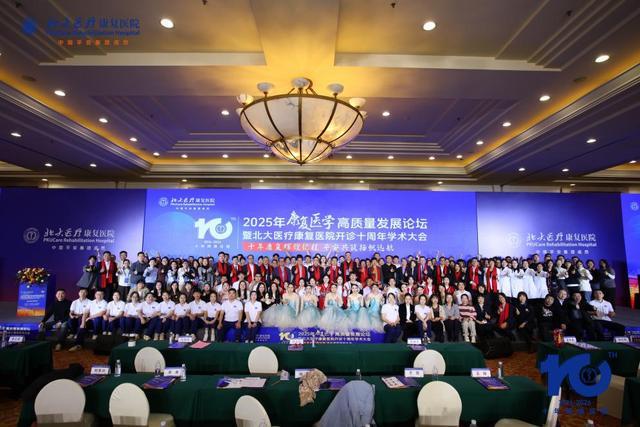
Core Viewpoint - The essence of commercial health insurance is not risk compensation but a systematic extension of health management, reflecting the core logic of the insurance industry's transformation and China's exploration of the "insurance-medical collaboration" strategy [1][3]. Group 1: Health Insurance Transformation - China Ping An is shifting from "post-claim" to "prevention, management, and rehabilitation," using insurance as a lever to initiate a health service revolution that covers the entire life cycle [3][4]. - The "Health China 2030" plan emphasizes the transition of healthcare services from a disease-centered approach to a health-centered one, creating a new historical mission for commercial health insurance [4]. - Ping An Health Insurance has proposed a dual-driven strategy of "health insurance + medical services," launching a digital health management platform in 2024 to provide continuous health support [4][6]. Group 2: Service Efficiency and Cost Savings - The "three savings" concept—saving worry, time, and money—underpins Ping An's health insurance collaboration system [5]. - The "post-hospital rehabilitation follow-up" project exemplifies professional closed-loop services, providing personalized training plans and real-time supervision for patients [6]. - Digital integration has reduced outpatient revisit frequency by 30%, and the time from accident report to hospitalization has been accelerated by 80% [6]. - Patients receiving follow-up care save an average of over 2000 yuan in medical expenses, while targeted rehabilitation interventions in auto insurance cases save an average of 22,000 yuan per case [6]. Group 3: Comprehensive Service Network - Ping An has established a vast service network through collaboration with Peking University Medical Group, including hospitals, rehabilitation centers, and health management centers across the country [7]. - Innovations such as "no companion wards" and "healthcare on wheels" are designed to meet the "three savings" goals, ensuring that insurance services are effectively implemented [7]. Group 4: Smart Rehabilitation and Long-term Care - The opening of Shenzhen Beida Rehabilitation Hospital marks a significant step in Ping An's "insurance-medical-health" ecosystem, featuring a family-oriented and intelligent rehabilitation environment [8][10]. - The hospital aims to provide seamless services by integrating medical insurance, commercial insurance, and cross-border insurance payment channels [10]. - Ping An is focusing on preventive health management, particularly for chronic diseases and the elderly, by developing specialized insurance products and integrating advanced healthcare technologies [10][11]. Group 5: Broader Vision and Commitment - Ping An's approach emphasizes that the ultimate value of insurance lies in extending life quality and safeguarding health dignity, moving beyond mere risk transfer [11]. - The company is building a comprehensive health ecosystem that encompasses prevention, diagnosis, rehabilitation, and elderly care, positioning insurance as an active health manager [11]. - The vision is to ensure that everyone can age healthily and gracefully, reflecting Ping An's commitment to the "Healthy China" strategy through the integration of finance, technology, and healthcare [11].


佰泽医疗一度跌超4% 股价创上市新低 今日迎基石解禁
Zhi Tong Cai Jing· 2025-12-24 03:41
佰泽医疗(02609)今早盘初一度挫逾4%,低见4.11港元创历史新低,并跌穿招股价4.22港元。截至发稿, 跌2.56%,报4.19港元,成交额1073.2万港元。 消息面上,12月24日,佰泽医疗迎来基石解禁。据公司此前发布公告显示,其基石投资者Harvest Oriental SP须遵守禁售承诺最后日期为2025年12月23日,解禁股数约3531.78万股。今年上半年,佰泽医 疗实现收入5.75亿元(人民币,下同),同比增加约0.7%;经调整净利润940万元,同比增长约72.8%。 ...
“生命最后的旅程”如何告别?上海261个“温暖驿站”给出答案
Xin Lang Cai Jing· 2025-12-24 03:21
Core Viewpoint - Shanghai has developed a comprehensive palliative care network that emphasizes dignity and respect for patients at the end of life, with 261 palliative care institutions providing services across hospitals, communities, and homes [4][11]. Group 1: Palliative Care Development - Since 1988, Shanghai has pioneered a "government-led, community-involved" approach to palliative care, establishing a network that includes 246 community health service centers offering inpatient or home-based palliative care [4][11]. - The city has created a model of care that integrates medical services with social support, addressing not only physical needs but also emotional and psychological aspects of end-of-life care [6][11]. Group 2: Case Studies and Impact - A case study highlighted the importance of family reconciliation in palliative care, where a patient’s wish to donate his body was fulfilled after resolving family conflicts, showcasing the role of social workers in facilitating communication [5][6]. - Another example involved a patient with severe pain from cancer, where a multidisciplinary team provided comprehensive care, including pain management and psychological support for both the patient and their family [9][11]. Group 3: Future Directions - The Shanghai Health Commission plans to expand palliative care services, focusing on home, community, and institutional collaboration, while promoting traditional Chinese medicine and other suitable techniques [12]. - The recognition of social psychological services as chargeable items by national health authorities marks a significant step in enhancing the depth and value of palliative care services [6].
行业顾问沙利文100%参与,港交所再现一天4企敲钟盛况
Xin Lang Cai Jing· 2025-12-24 02:42
Group 1: Frost & Sullivan's Market Position - Frost & Sullivan has been a leader in providing industry advisory services for companies going public in Hong Kong, achieving a market share of 72% by assisting 83 companies in 2025 [1] - The firm has a strong track record, having helped nearly 3,000 companies successfully list in Hong Kong and abroad, maintaining a leading position in the investment consulting sector for the past decade [11][13] - Frost & Sullivan's reports are widely referenced in IPO documents and market research reports for leading companies in A-shares and the Sci-Tech Innovation Board [11][13] Group 2: Client Services and Expertise - The company offers comprehensive advisory services, including market positioning, competitive advantage identification, and communication facilitation with investors and regulatory bodies [10] - Frost & Sullivan has established a robust platform for connecting investment needs, collaborating closely with top investment banks, audit firms, law firms, and industry leaders [11][12] - The firm focuses on various sectors, including digital infrastructure, healthcare, new energy, and consumer electronics, ensuring extensive coverage of China's economic landscape [12][13] Group 3: Specific Company Profiles - Nanhua Futures Co., Ltd. is recognized as a leading futures company in China, providing services based on deep understanding of client needs in both domestic and international markets [3] - Ming Kee Hospital Group is the largest private profit-oriented hospital group in East China, holding a market share of 1.0% in the region and ranking seventh nationally among similar groups [5] - Huazhan Biotechnology focuses on wound healing and tissue repair, developing drugs related to platelet-derived growth factors as part of its core research pipeline [8]

余杭创新“安诊儿”基层服务模式
Hang Zhou Ri Bao· 2025-12-24 02:20
Core Insights - The article discusses the introduction of a digital health assistant named "Yu Xiaokang" integrated into the "An Zhen Er" health service platform, aimed at providing chronic disease patients with personalized health advice and support [1][2] Group 1: Digital Health Innovations - "Yu Xiaokang" serves as a digital health tool for chronic disease management, offering health consultations, report interpretations, and medical accompaniment services [1] - The "An Zhen Er" platform is recognized as the first provincial shared health model in China, combining digital and physical healthcare services [1] Group 2: Community Health Initiatives - The health bureau of Yuhang District has developed a knowledge framework for chronic disease management, making it easier for patients to understand their health conditions through "Yu Xiaokang" [2] - The integration of chronic disease management with elderly care services is being explored, with training provided to community health workers on using "Yu Xiaokang" [2] Group 3: Future Developments - Yuhang District plans to further enhance the "An Zhen Er" platform by exploring additional service scenarios to provide more precise and diverse health services [2]
复星健康携手瑞金医院共建基地,胰腺癌诊疗迎来新突破
Nan Fang Du Shi Bao· 2025-12-24 01:23
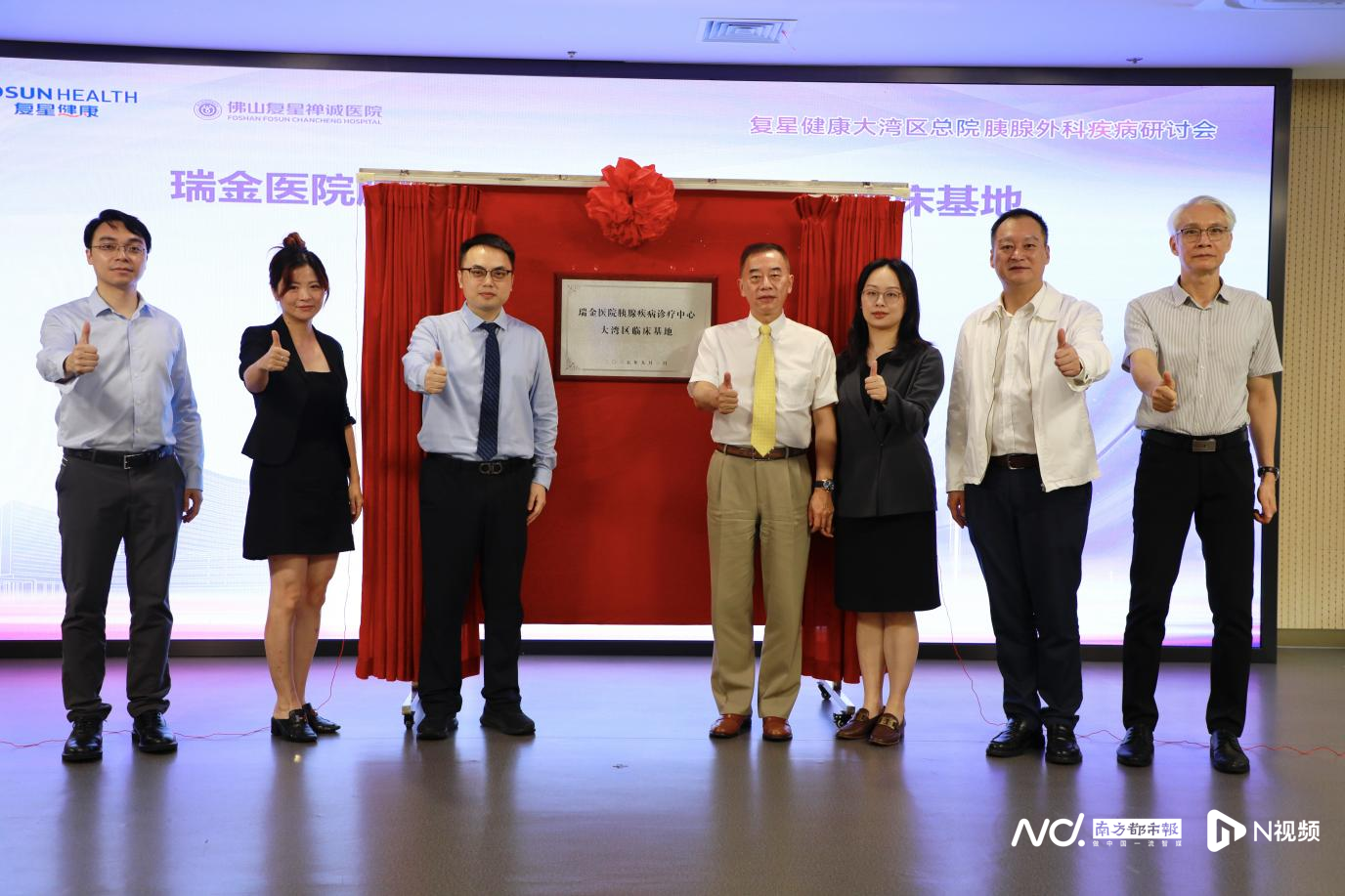
Core Insights - Pancreatic cancer, known as the "king of cancers," has a high incidence rate globally, with over 120,000 new cases annually in China alone, and over 80% of patients diagnosed at advanced stages, leading to a low five-year survival rate of around 10% [1] - The collaboration between Fosun Health and Ruijin Hospital aims to establish a clinical base for pancreatic disease treatment, addressing the challenges faced by patients in the Greater Bay Area and Southeast Asia [2][4] Group 1: Collaboration Details - The agreement includes a dual-signage approach, with Ruijin Hospital's pancreatic center designated as the "Fosun Health Pancreatic Disease Diagnosis and Treatment Center Clinical Base," while Fosun Health's Foshan Zhencheng Hospital will be recognized as the "Ruijin Hospital Pancreatic Disease Diagnosis and Treatment Center Greater Bay Area Clinical Base" [4] - The partnership will leverage Ruijin Hospital's expertise in pancreatic surgery and multidisciplinary treatment (MDT), while Fosun Health will utilize its international medical platform to provide comprehensive recovery services [4] Group 2: Market Expansion and Global Integration - The collaboration is not limited to domestic resource integration but also represents a significant step for Chinese healthcare to expand internationally, with initiatives already underway in Southeast Asia [5] - The recent "China-Bangladesh Medical Innovation Exchange Summit" showcased the expertise of Ruijin Hospital in multidisciplinary collaboration and postoperative recovery management, enhancing the influence of Chinese medical solutions in the region [5] Group 3: Future Directions - Fosun Health plans to continue its partnership with Ruijin Hospital and other quality medical partners to improve domestic healthcare services and expand international cooperation, aiming to provide safer, more efficient, and accessible treatment solutions for global pancreatic disease patients [7]
国信证券晨会纪要-20251224
Guoxin Securities· 2025-12-24 00:49
Group 1: Pharmaceutical and Healthcare Sector - The pharmaceutical sector underperformed the overall market, with a total A-share decline of 0.07%, while the biopharmaceutical sector saw a slight decrease of 0.14% [7] - Recent policies have been introduced to support service consumption, particularly in healthcare, which is expected to enhance the demand for medical services [8] - The medical service market is projected to reach approximately 8.74 trillion yuan by 2025, with a growth rate exceeding 10% [8] - Companies with innovative capabilities in the medical service sector, such as Aier Eye Hospital and Gushengtang, are recommended for investment [8] Group 2: Machinery and AI Infrastructure - The competition in humanoid robots is intensifying, with significant opportunities for specialized robots in various fields [9] - AI infrastructure is expected to see substantial growth, particularly in gas turbine technology, which is crucial for data centers [10] - Companies like Anyflow and Wanzhe are positioned to benefit from the increasing demand for AI-related energy solutions [10] - Liquid cooling technology is becoming a trend in data centers, with significant revenue growth reported by leading suppliers [11] Group 3: Public Utilities and Environmental Protection - The industrial power generation volume for the first eleven months of 2025 was 88.567 billion kWh, reflecting a year-on-year increase of 2.4% [15] - The public utility sector has shown mixed performance, with the public utility index declining by 0.59% [14] - Recommendations include major thermal power companies and renewable energy leaders, as the government continues to support the development of renewable energy [18] Group 4: Chemical Industry - The price of phosphoric acid has increased, with the market average reaching 10,830 yuan per ton, a year-on-year rise of 3.14% [19] - The company is expected to benefit from the rising demand for phosphoric acid and the cost advantages of sulfur iron ore in acid production [20] - The company has a complete industrial chain from upstream phosphate resources to downstream nitrogen fertilizers, with a forecasted net profit growth from 9.19 billion yuan in 2025 to 13.60 billion yuan in 2027 [20][23] Group 5: Energy and Green Technology - Huadian Technology has signed a significant contract worth 815 million yuan for a green methanol project, marking a new growth opportunity [21] - The green methanol production capacity in China is expected to reach 10 million tons by 2030, with substantial investment opportunities in related equipment [21] - The company is actively developing hydrogen energy projects and has established a comprehensive supply chain for green hydrogen and methanol production [22]
【宝鸡】101项医学检验项目实现“跨院通用”
Shan Xi Ri Bao· 2025-12-24 00:28
Core Insights - Baoji City has established a medical testing result sharing and recognition information platform, achieving cross-hospital usability for 101 testing items and serving 62,100 patients this year, saving 3.198 million yuan in testing costs [1][2] Group 1 - The platform was initiated to address issues of multiple tests and repeated examinations for patients visiting different medical institutions [1] - The platform standardizes testing report data across the city and enables real-time uploading and sharing of results, effectively breaking down data barriers between medical institutions [1] - As of now, the first phase of the project has connected 40 key medical institutions above the secondary level in the city [1] Group 2 - The platform includes common testing items such as blood routine, urine routine, liver function, and kidney function tests [1] - The Baoji City Health Commission plans to expand the range of institutions recognized by the platform and enhance its services, focusing on convenience for the public, assistance for medical professionals, and support for research [2]
中金:供给侧促消费的路径
中金点睛· 2025-12-23 23:36
Core Viewpoint - The article emphasizes the shift in consumption promotion policies towards supply-side measures, focusing on enhancing the supply of quality goods and services while also addressing demand-side strategies to stimulate consumption [2][5]. Group 1: Supply-Side Consumption Promotion - The central economic work conference in December highlighted the need to "expand the supply of quality goods and services" and "eliminate unreasonable restrictions in the consumption sector" to unleash service consumption potential [2][5]. - Supply-side consumption promotion will focus on two main areas: removing restrictions in the consumption sector and increasing the supply of quality consumption [2][5]. - An estimated market scale of approximately 3.9 trillion yuan (around 3% of GDP) may be affected by policy adjustments in 2024, with a potential 0.5 percentage point increase in final consumption growth for every 10% improvement in these areas [2][18]. Group 2: Policy Evolution on Consumption Restrictions - Recent years have seen a progressive evolution of policies aimed at clearing consumption restrictions, starting from the 2018 guidelines that emphasized stimulating consumption potential through systemic mechanisms [4][5]. - The focus has shifted to administrative restrictions, with the 2020 central economic work conference calling for the orderly removal of certain administrative restrictions on consumption purchases [4][5]. - In 2025, the removal of restrictive measures in the consumption sector became a key policy direction, with multiple meetings emphasizing the need to clear unreasonable restrictions in areas such as automobiles and housing [5][11]. Group 3: Key Areas of Policy Changes - In the automotive sector, significant changes include the cancellation of purchase restrictions in Hainan and the increase of purchase quotas for carless families in cities like Beijing and Tianjin [5][8]. - The real estate sector has seen cities like Beijing and Shanghai relax purchase conditions and eliminate limits on suburban housing [5][8]. - Cultural policies have also evolved, with an increase in the number of game licenses issued and the simplification of approval processes for touring performances [6][8]. Group 4: Increasing Quality Consumption Supply - The emphasis on increasing the supply of quality consumption is evident in the October "14th Five-Year Plan" which calls for expanding the supply of quality goods and services [14][15]. - Investment in consumption infrastructure and service functions is crucial, with support for projects in education, healthcare, and cultural tourism to address public service gaps [15][18]. - The article outlines specific consumer markets projected to reach significant scales by 2024, including elderly products (54 trillion yuan), smart connected vehicles, and consumer electronics [16][19]. Group 5: Market Scale and Growth Projections - The total market scale for various consumption sectors is estimated at around 3.9 trillion yuan, with significant growth expected in inbound tourism and other sectors [18][19]. - Specific sectors such as high-end medical services and childcare are projected to grow substantially, with the high-end medical market expected to reach 556.7 billion yuan in 2023 [19][20]. - The article highlights the importance of aligning supply-side policies with consumer demand trends to achieve a dynamic balance between supply and demand [18][19].

江苏将建多个肿瘤防治社区哨点
Xin Hua Ri Bao· 2025-12-23 21:40
在乐余镇卫生服务中心的门诊大厅,此起彼伏的乡音回荡在各个诊区,患者和医生用熟悉的方言交流病 情。不少患者感慨:"听到家乡话,就像和自家人聊天,心里一下子就踏实了,有什么不舒服也愿意跟 医生多说几句。" □ 本报记者杨彦 省肿瘤医院放射科主任董珉的老家就在张家港,"能用专业能力回馈家乡父老,为他们送健康,我打心 底里开心。"董珉发现,用方言沟通时,患者不再拘束,交流更显轻松自然,诊疗效率也大幅提升。 中西医结合科医生周玟的父亲是张家港人,来到父亲的故乡义诊,她同样充满热忱:"希望能用自己的 医学知识,帮家乡人减少疾病困扰。" "听说省城大医院的专家要来,我早晨8点不到就在这排队了。"近日,江苏省肿瘤医院(江苏省癌症中 心)"三乡行"公益医疗行动走进张家港乐余镇,将义诊、筛查、健康讲座等服务送到老百姓家门口,收 获当地居民一致好评。 在董珉看来,"三乡行"并非简单的"送医下乡",更重要的是为基层医疗"输血""造血",从而造福家乡。 他表示,未来希望通过手术带教、远程会诊、人才培养等多种方式,系统提升家乡基层医院的肿瘤诊疗 水平,为家乡医疗注入持久动能,让家乡人民受益。 基层群众对优质医疗资源的期盼,正是"三乡行" ...