
大豆种植

Search documents
中国拒绝购买美国大豆,特朗普取消制裁服软,欧洲3国未获邀请
Sou Hu Cai Jing· 2025-08-18 04:50
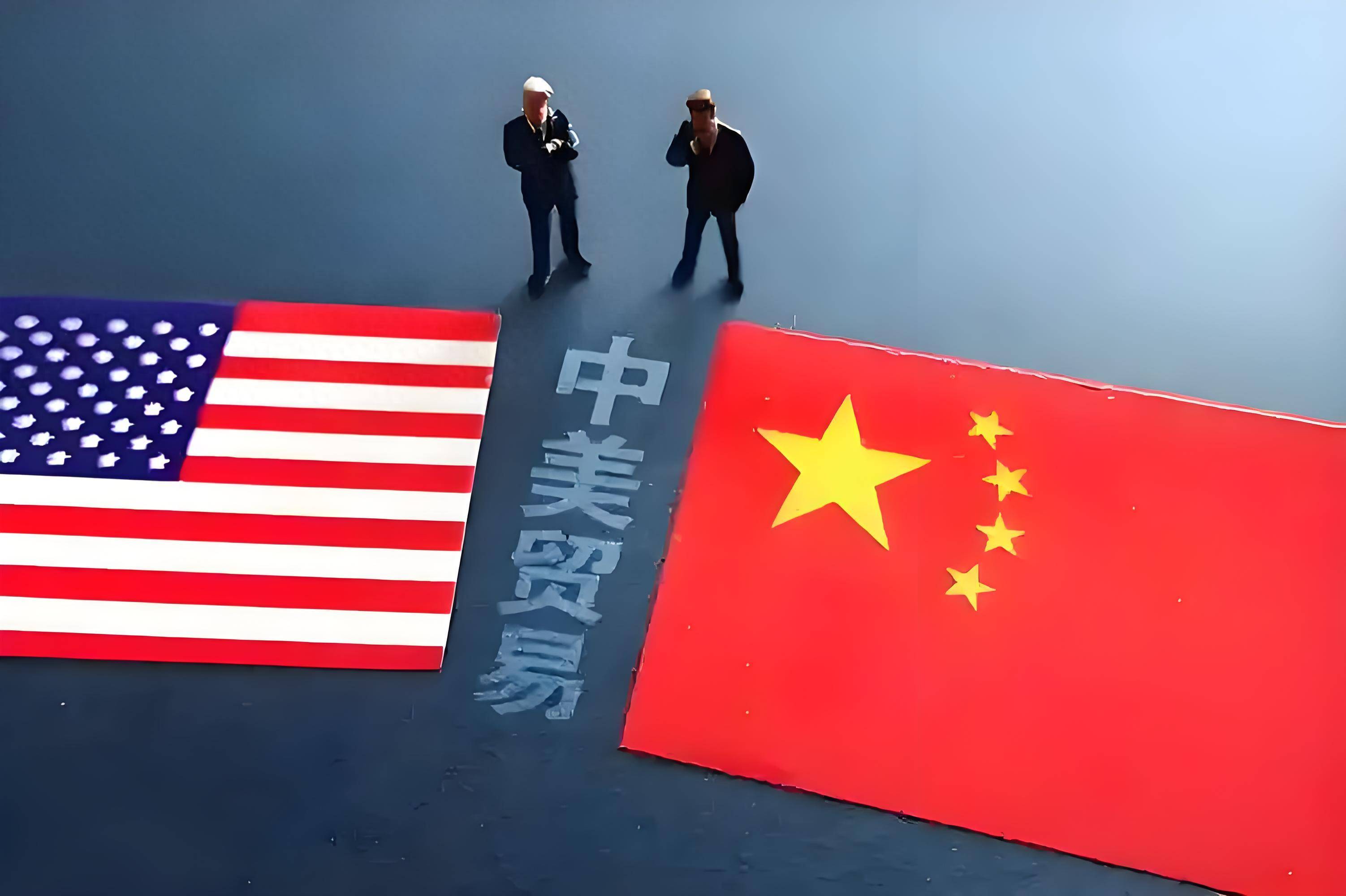
华盛顿的贸易迷局:昔日剧本已失效 在2025年8月一个闷热的深夜,前总统特朗普再次成为焦点,他在社交媒体上向中国发出了令人瞠目结舌的呼吁——将美国大豆的年度采购量提升至惊人的 8800万吨,是原有2200万吨的四倍。这个数字如同一个不切实际的白日梦,几乎相当于美国大豆全年出口量的两倍,暗示着中国需要吞下美国根本无法供应 的巨量库存。 然而,现实却是一记响亮的耳光。中国港口,800万吨的美国大豆如同一座座沉默的山丘,无人问津。2025年上半年,美国对华大豆出口额仅为可怜的300万 吨,同比暴跌88%,跌至20年来的冰点。美国未售出的大豆库存高达4200万吨,足够中国消费一整年。 昔日依赖中国市场的美国豆农们,如今却陷入了绝望。曾经,中国是美国大豆的最大买家,占据其出口量的60%。如今,来自中国的订单几近归零,中西部 农业州一片萧条景象,破产潮蔓延。在爱荷华州,一位农场主望着堆积如山、无人问津的大豆,绝望地咒骂道:"当初投票给特朗普?我真是后悔死了!" 原因很简单:选择多了。中国早已改变了将鸡蛋放在一个篮子里的策略。2025年1月至6月,巴西对华大豆出口飙升至3186万吨,独占中国市场七成份额。阿 根廷则更加精明 ...

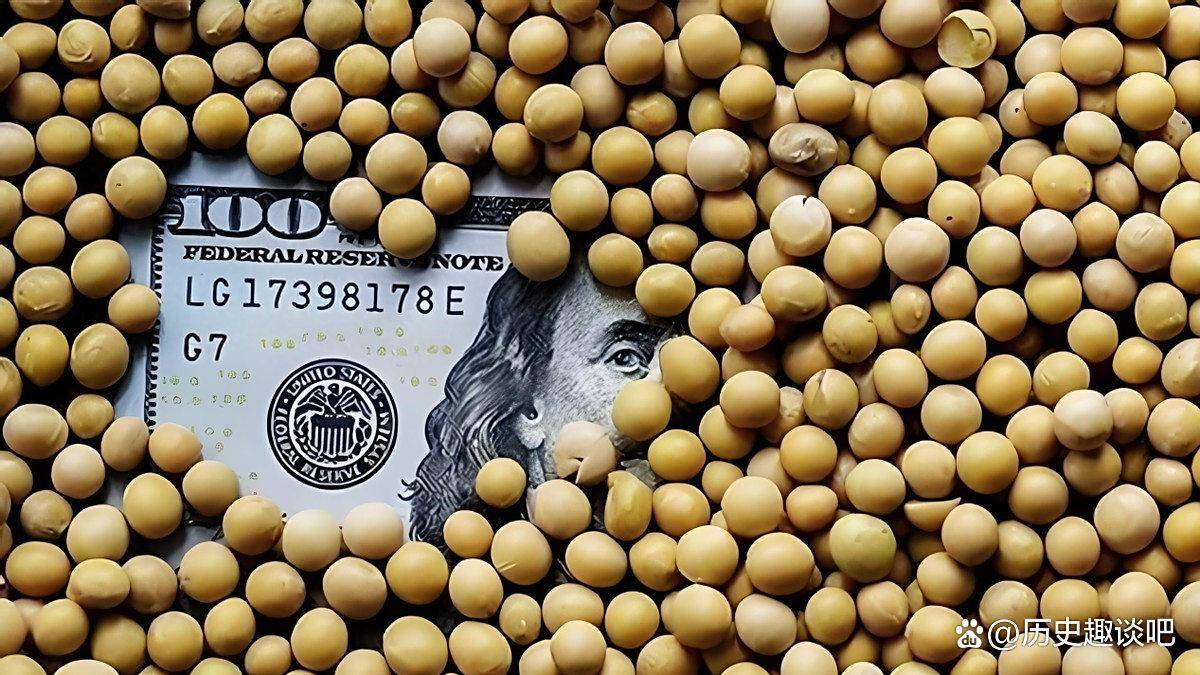
全国大豆科研生产研讨会在兴安盟召开
Nei Meng Gu Ri Bao· 2025-08-18 01:21
Core Insights - The 31st National Soybean Research and Production Seminar was held from August 16 to 18, focusing on "Biological Breeding Empowering High-Quality Development of Chinese Soybeans" [1] - Over 600 representatives from research institutions, universities, management departments, technology promotion agencies, and enterprises participated to discuss and provide suggestions for the high-quality development of China's soybean industry [1] Group 1: Seminar Details - The seminar featured 11 keynote speeches and 77 sub-forum presentations, along with 25 abstract papers [1] - Experts shared the latest research progress in areas such as genetic breeding, cultivation practices, nutritional quality, photoperiod response, disease resistance, pest resistance, stress tolerance, and efficient nutrient utilization [1] Group 2: Regional Developments - Inner Mongolia's Xingan League has established the first provincial-level biological breeding technology innovation center in the country, leveraging its experience in the industrialization of biological breeding [1] - The region has developed the largest biological breeding soybean planting base and the largest standardized soybean seed production base in the country, and has been approved for a national modern agricultural soybean industrial park [1] - In 2024, Xingan League plans to promote biological breeding soybeans across 30.53 thousand acres, and the Koyou Qianqi has successfully applied to become a "provincial-level soybean seed production county" [1] Group 3: Field Observations - During the seminar, representatives visited a demonstration area in Guiliuhe Town, Koyou Qianqi, showcasing the improvement of soybean yield in a 10,000-acre biological breeding soybean area [1]
美国豆农扛不住了!“没有市场能与中国相提并论”
Xin Lang Cai Jing· 2025-08-17 12:39
Core Insights - The article highlights the unprecedented challenges faced by U.S. soybean farmers as the harvest season approaches, driven by climate disasters, soaring costs, and low international demand due to U.S. government tariff policies [1] - The absence of the Chinese market has intensified the pressure on U.S. soybean farmers, as China is the largest buyer of U.S. soybeans [1] Industry Overview - Soybeans are one of the most important crops in the U.S., playing a central role in agricultural exports [1] - In 2024, China imported approximately 105 million tons of soybeans, with 22.13 million tons sourced from the U.S. [1] - In contrast, Mexico, the second-largest market for U.S. soybeans, purchased less than 6 million tons, highlighting the significant gap compared to the Chinese market [1]
特朗普要求被拒绝,中国将订单转交他国,美国 2200 万吨库存销不掉
Sou Hu Cai Jing· 2025-08-17 10:35
Core Viewpoint - The article discusses the impact of U.S. tariffs on soybean imports from China, highlighting a significant shift in China's sourcing from the U.S. to Brazil due to price competitiveness and trade policies [1][3][29]. Group 1: U.S.-China Soybean Trade Dynamics - Trump has urged China to increase soybean orders from the U.S. by four times, but recent reports indicate that China has sourced all its September and October soybean needs from Brazil and other South American countries, leaving U.S. suppliers empty-handed [3][5]. - The U.S. soybean import tariff to China has reached 23%, making U.S. soybeans significantly more expensive compared to Brazilian soybeans, which are approximately 200 yuan per ton cheaper [5][12]. - China's soybean imports from the U.S. have drastically decreased from 30 million tons in 2016 to an estimated 22.13 million tons in 2024, while imports from Brazil surged from 11.65 million tons to 74.65 million tons in the same period [7][25]. Group 2: Competitive Advantages of Brazilian Soybeans - Brazilian soybeans are favored due to lower production costs and stable supply, enhanced by a currency swap agreement with China that allows transactions without using U.S. dollars [10][12]. - Brazil's soybean production exceeds 160 million tons annually, ensuring a reliable supply to meet China's demands, while U.S. soybean quality has declined, failing to meet the increasing demand for high-protein soybeans in China [10][12]. - The efficiency of Brazilian ports has improved significantly, with a 48% increase in the number of vessels unloading Brazilian soybeans at Ningbo-Zhoushan port compared to the previous year [12]. Group 3: Economic Impact on U.S. Farmers - The U.S. soybean export value to China is projected to drop by at least several billion dollars due to the current trade dynamics, with soybean prices falling from $13-$15 per bushel in 2023 to around $9 [14][20]. - The financial strain on U.S. farmers is evident, with many facing bankruptcy risks and significant losses in income, affecting local economies reliant on agricultural revenue [16][18]. - The increase in tariffs has led to a rise in costs for agricultural machinery and fertilizers, further exacerbating the financial challenges faced by U.S. farmers [20][22]. Group 4: China's Strategic Shift in Soybean Sourcing - China is diversifying its soybean import sources to enhance food security, with projections indicating that by 2024, 71% of its soybean imports will come from Brazil, while only 21% will be from the U.S. [25][27]. - The Chinese government is also investing in domestic soybean production, aiming to increase output from 20.65 million tons in 2024 to 23 million tons by 2025 through various initiatives [25][27]. - The development of non-GMO soybean futures by the Dalian Commodity Exchange positions China as a global pricing center for non-GMO soybeans, reflecting a strategic move to gain control over its agricultural supply chain [27][29].
前总统之子150次访华后发声,美国制造中国威胁论,真相是什么
Sou Hu Cai Jing· 2025-08-17 05:17
Group 1: Soybean Industry Impact - Soybean prices have dropped to $10 per bushel, significantly below the $12 production cost, leading to a loss of $200 per acre for farmers [1] - The U.S.-China tariff war has resulted in a decline in U.S. soybean demand, while Brazilian soybeans have gained market share due to higher protein content and competitive pricing [1] - In July, soybean imports reached 11.67 million tons, the highest for the same period historically, with most imports coming from Brazil rather than the U.S. [1] Group 2: U.S.-China Relations and Economic Strategy - The tariff war is part of a broader U.S. strategy against China, which is often portrayed as a threat by U.S. politicians [2] - Former President's son Neil Bush challenges the narrative of China as a threat, highlighting China's economic growth and poverty alleviation efforts [2][4] - The U.S. has implemented policies like chip bans that have negatively impacted American businesses while failing to hinder China's advancements [4] Group 3: Perception and Policy Critique - Neil Bush argues that the U.S. is creating a false narrative of China as an enemy to distract from domestic issues [4][6] - He emphasizes that China's rise does not pose a threat to the U.S., as China seeks internal prosperity rather than external conquest [8] - The current U.S. policies, including tariffs and technology restrictions, are seen as harmful to both U.S. interests and global stability [6][8] Group 4: Call for Understanding - Neil Bush calls for Americans to visit China to gain a true understanding of the country, rather than relying on political rhetoric [10] - He stresses the importance of positive interaction between the U.S. and China, as both are major global economies [10]

美大豆滞销困境加剧,中国买家转向巴西,川普喊话难挽颓势
Sou Hu Cai Jing· 2025-08-16 00:31
近期,美国大豆出口行业正经历一场前所未有的挑战。数据显示,截至7月24日,本年度美国大豆出口 量显著下滑,仅达到300余万吨,创下二十年来的最低记录。尤为引人注目的是,作为传统的大豆进口 大国,中国至今尚未预订任何新季美国大豆,这无疑给美国大豆市场带来了巨大压力。据预测,美国可 能面临高达8000万吨的大豆滞销困境。 面对这一严峻形势,美国总统特朗普于8月10日在社交媒体上急切地表示,只要中国能够迅速下单,采 购三倍于原订单量的大豆,美国将为中国提供"快速服务",并营造更为有利的贸易环境。然而,中国方 面的回应明确而坚定,经贸问题的立场一贯清晰。 然而,尽管关税有所降低,订单纷至沓来,中国企业的心态却已经发生了微妙的变化。一家国内个人护 理用品有限公司的负责人表示,他们不会再将所有宝押在美国单一市场上,而是会寻求全球范围内的更 多订单。同样地,该抗衰老制品的母公司也表示,除了继续巩固国内市场外,未来还将把重心从美国转 移到日韩等新兴市场。 实际上,自2005年以来,中国在美国大豆市场的采购行动从未如此迟缓。往年,中国通常会在年初就开 始预订秋季收获后的大豆,但今年受贸易争端的影响,中国转向巴西、阿根廷等国家采 ...
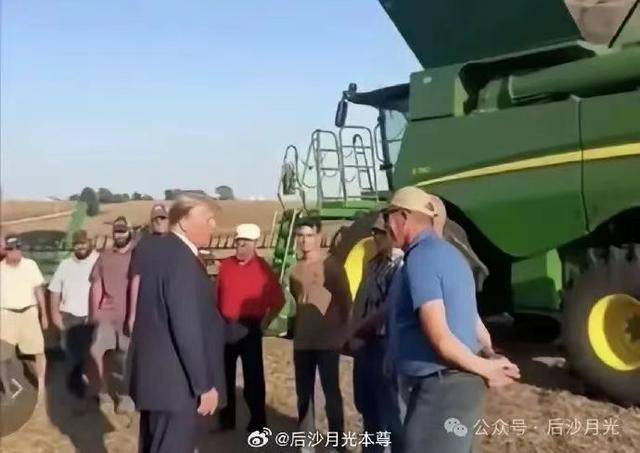
特朗普要求被拒绝,中国将订单转交他国,美国2200万吨库存销不掉
Sou Hu Cai Jing· 2025-08-15 22:56
Core Viewpoint - The U.S. soybean industry is facing an unprecedented crisis in 2025, largely stemming from trade tensions initiated during the Trump administration, particularly the tariffs imposed on Chinese imports [2][7]. Group 1: Trade Dynamics - As of mid-August 2025, Chinese importers have nearly ceased purchasing soybeans from the U.S., with exports to China reaching a near standstill since May 2025 [4]. - The absence of orders from China has set a record for the latest procurement in nearly 20 years, contrasting sharply with previous years when orders typically began in early spring [4]. - The U.S. soybean price competitiveness has been severely undermined by tariffs, with U.S. soybeans priced at $392 per ton compared to Brazilian soybeans at $439 per ton, leading to a significant drop in demand from China [9][10]. Group 2: Economic Impact on U.S. Farmers - The financial health of U.S. soybean farmers is deteriorating, with 63% of farmers having a debt ratio exceeding 80%, and 21% of farms nearing bankruptcy [6]. - U.S. soybean inventories have reached a five-year high of 1.008 billion bushels, equivalent to 178 million tons, indicating a severe oversupply situation [6]. - The U.S. Department of Agriculture reported that the actual export volume of U.S. soybeans has plummeted by 20.8% year-on-year, marking the worst start since 2005 [14]. Group 3: China's Supply Chain Strategy - China has diversified its soybean supply sources, with imports from Brazil rising to 74.65 million tons in 2024, accounting for 71% of total imports, while U.S. imports fell by 5.7% [10]. - Infrastructure improvements, such as the construction of dedicated ports and agreements for direct shipping between Brazil and China, have reduced logistics costs by approximately 30% [10]. - China's domestic soybean production has also increased, with production exceeding 20 million tons for the third consecutive year, raising self-sufficiency from below 20% to 22% [10]. Group 4: Political Context - Trump's call for China to quadruple soybean orders is seen as a response to electoral pressures, particularly from agricultural states that are crucial for Republican support [11]. - Despite the political rhetoric, analysts argue that the feasibility of such an increase is unrealistic, as it would require China to source 85% of its soybean imports solely from the U.S. [13]. - The underlying trade imbalance is exacerbated by the U.S. blocking key technology exports while pushing low-value agricultural products, which complicates the trade relationship [13]. Group 5: Market Reactions - Following Trump's statements, soybean futures saw a temporary spike of 2.8%, but this was viewed as a short-term market reaction rather than a sustainable recovery [14]. - The U.S. soybean export association emphasizes the need for a cooperative approach with China based on mutual respect and benefits to address the ongoing crisis [16].
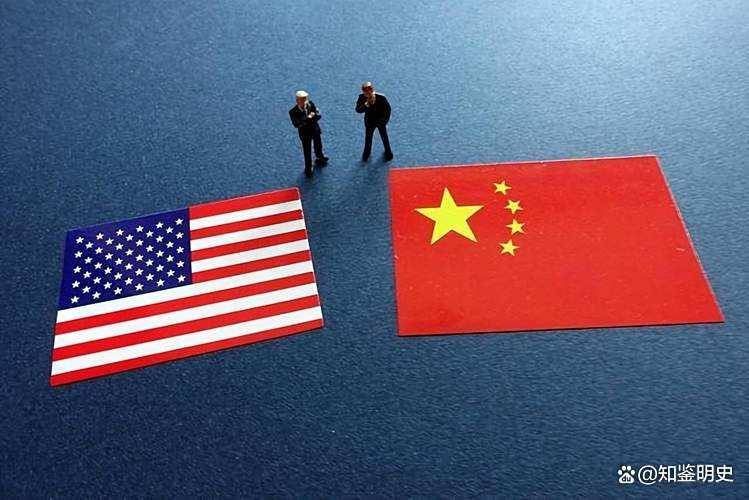
特朗普撑不住了,深夜喊话中国,想让中方不计前嫌,帮美国一个忙
Sou Hu Cai Jing· 2025-08-12 05:00
Core Viewpoint - The U.S. soybean industry is facing a crisis due to tariffs imposed by the Trump administration, leading to a significant loss of market share to Brazil, which has become the primary supplier to China [5][12][21] Group 1: Impact of Tariffs - Following the U.S. imposition of a 10% tariff on China in March 2025, China retaliated with a 10% tariff on U.S. soybeans, resulting in a total tariff rate of 13% [5] - The cost of U.S. soybeans increased by $45 per ton, causing a loss of price competitiveness against Brazilian soybeans, which are priced 20-30% lower [5][12] - U.S. soybean exports to China are projected to drop to 14 million tons in 2025, only one-third of the peak level in 2017 [7] Group 2: Political Ramifications - The agricultural states, traditionally Republican strongholds, are experiencing discontent among farmers due to the tariff policies, with only 38% of farmers in soybean-producing areas indicating continued support for the Republican Party [8] - Trump's urgency to secure soybean orders is driven by the upcoming 2026 midterm elections, as dissatisfaction among farmers could jeopardize his political support [8][11] Group 3: Market Dynamics - Brazil's soybean exports to China are expected to reach 34.5 million tons in the first half of 2025, a year-on-year increase of 18%, indicating a stable supply chain [12] - China is reducing its dependence on U.S. soybeans by adjusting feed formulations, which has led to a 15% decrease in soybean meal usage, equating to a reduction of 15 million tons in import demand [12] - Domestic soybean production in China is projected to increase by 8% in 2025, further mitigating reliance on imports [12] Group 4: Strategic Responses - The U.S. is facing a trade deficit of $295.4 billion, and the ongoing tariff war could result in a permanent loss of the Chinese market for U.S. soybeans [11] - China's response to U.S. trade policies includes diversifying soybean imports and leveraging its position in rare earth exports to pressure U.S. industries [19] - The trade conflict highlights a fundamental clash between two development models, with China strategically navigating external pressures while the U.S. remains entrenched in unilateralism [21]

中美贸易额下降20.8%,美国大豆堆积如山,中国开始进口巴西大豆
Sou Hu Cai Jing· 2025-07-21 09:25
Group 1 - The core viewpoint indicates that the U.S. has limited leverage in trade negotiations with China, primarily relying on high-end chips, while China has found alternatives for most products previously imported from the U.S., particularly in agricultural products [1] - In the first half of 2025, Sino-U.S. trade showed a significant decline, with total trade value dropping to 2.08 trillion yuan, a year-on-year decrease of 9.3%, including a 9.9% drop in exports from China to the U.S. and a 7.7% drop in imports from the U.S. [1] - The second quarter saw a sharp decline in bilateral trade, with a drop of 20.8% due to the U.S.'s "reciprocal tariff" policy, heavily impacting agricultural trade [1] Group 2 - In June 2025, there were signs of recovery in Sino-U.S. trade, with import and export values rising from less than 300 billion yuan in May to over 350 billion yuan, indicating a narrowing year-on-year decline [1] - China's imports of soybeans from Brazil reached 10.62 million tons in June 2025, a year-on-year increase of 9.2%, accounting for 86.6% of total soybean imports for that month, while imports from the U.S. were only 1.58 million tons, despite a 21% increase [4] - The U.S. Department of Agriculture reported a 37% decline in soybean exports to China compared to 2018, while Brazil's exports to China increased by 21% during the same period [4] Group 3 - The price advantage of Brazilian soybeans, which are $200 cheaper per ton than U.S. soybeans, is reshaping the global food trade landscape, while U.S. farmers face a survival crisis [6] - A quarter of U.S. farmers are on the brink of bankruptcy due to unsold soybeans, prompting the U.S. Department of Agriculture to initiate an emergency inventory program [5] - The trade war initiated by the Trump administration led to a significant shift in China's sourcing strategies, with a rapid pivot towards Brazilian soybeans and a decrease in rare earth exports from the U.S. [8]
我国科学家发现大豆种子油蛋比调控关键基因
Xin Hua She· 2025-07-19 15:07
Core Insights - The research team from Anhui Agricultural University and the Chinese Academy of Agricultural Sciences has identified a key gene, GmSop20, that regulates the oil-to-protein ratio in soybean seeds, providing new directions for breeding high-oil or high-protein soybean varieties [1][2] Group 1: Research Findings - Soybeans are a crucial global oil and protein crop, with the challenge of balancing oil and protein content to meet different processing needs being vital for the high-quality development of the soybean industry [1] - The study utilized whole-genome association analysis and whole-transcriptome association analysis to identify GmSop20 on chromosome 20, which plays a significant role in regulating the balance of oil and protein in soybeans [1][2] Group 2: Gene Functionality - GmSop20 acts as a "traffic commander" by directly activating the expression of sugar transport protein genes GmSWEET10a/10b, thereby regulating the transport of photosynthetic products from the seed coat to the embryo [2] - The allele GmSop20C was selectively chosen during soybean domestication, increasing the oil-to-protein ratio from 0.35 in wild soybeans to 0.47 in cultivated varieties [2] Group 3: Practical Applications - The knockout of GmSop20 in high-protein soybean varieties reduced the oil-to-protein ratio from 0.24 to 0.19, while overexpressing GmSop20 in high-oil varieties increased the ratio from 0.57 to 0.64, demonstrating its strong bidirectional regulatory capability [2] - The research team has successfully developed a new soybean variety with a protein content of up to 54%, indicating a promising application for both edible oil processing companies and tofu manufacturers [2]