汽车整车

Search documents
国泰海通晨报-20251119
GUOTAI HAITONG SECURITIES· 2025-11-19 01:41
Macro Research - The growth rate of national general public budget revenue increased by 0.8% year-on-year from January to October 2025, with a marginal recovery in October to 3.2% compared to 2.6% in September, primarily driven by tax revenue [3][4] - The decline in non-tax revenue has expanded, reflecting a reduced reliance on non-tax income by the government [4] - National general public budget expenditure grew by 2% year-on-year from January to October 2025, with a significant drop in October to -9.8% compared to 3.1% in September, indicating a need for continued fiscal support to stabilize the economy [4][5] Fixed Income Research - The global monetary and fiscal system has undergone significant changes since 2008, which may provide more relevant insights for predicting domestic economic and fixed income asset trends than historical experiences from the 1990s [7][8] - The government’s increasing leverage has not led to a corresponding rise in household and corporate leverage, resulting in a rapid increase in interest rates independent of the recovery in these sectors [8] Transportation Research - The short-term profitability of the company is under pressure due to maintenance impacts, but the high-quality route network is expected to reveal significant profit elasticity, with a projected increase in profitability driven by rising ticket prices and fleet turnover recovery in the next two years [10][11] - The company’s net profit for the first three quarters of 2025 was 1.09 billion yuan, a year-on-year decrease of 14%, primarily due to maintenance impacts [10][11] Communication Research - The company maintained its profit forecast but lowered its target price while keeping a buy rating, as the Q4 performance is expected to rebound despite short-term fluctuations [13][14] - The company achieved a revenue of 16.5 billion yuan in the first three quarters of 2025, a year-on-year increase of 221.7%, with a net profit of 6.33 billion yuan, reflecting strong growth despite a slight decline in Q3 [14]
海外华文媒体走进安徽休宁:“小开关”何以连接全球汽车链?
Zhong Guo Xin Wen Wang· 2025-11-17 07:28
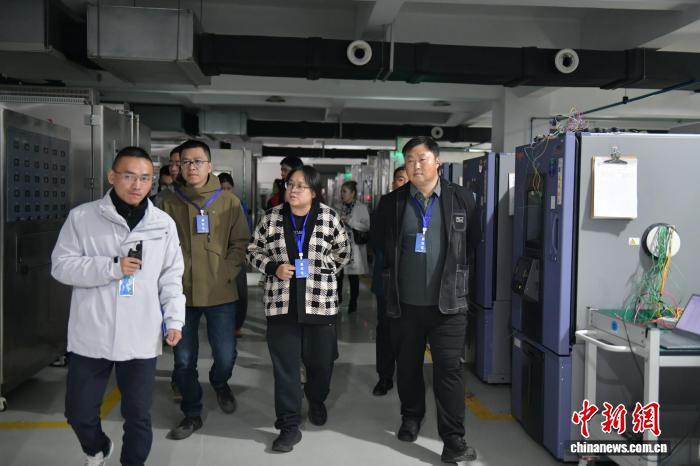
海外华文媒体走进安徽休宁:"小开关"何以连接全球汽车链? 中新网安徽休宁11月17日电(记者储玮玮 张俊 韩苏原)"没想到黄山脚下一座的皖南小城,都藏着中国汽 车零部件行业的龙头企业,安徽的汽车产业果然名不虚传。"17日,新西兰《中新时报》总编崔志珅在 接受中新网记者采访时说。 11月17日,2025海外华文媒体走读安徽活动走进黄山市休宁县昌辉汽车电器(黄山)股份公司。中新 社记者储玮玮 摄 当天,2025海外华文媒体走读安徽活动走进黄山市休宁县昌辉汽车电器(黄山)股份公司(下称"昌辉"), 透过"小开关"看见安徽汽车产业发展的澎湃动能。 在组合开关车间,28条柔性装配生产线上,170多名一线工人正在生产汽车组合开关、功能开关、时钟 弹簧等产品。昌辉总经理助理唐洁莉说,公司目前设有9大车间,其中3个为零件生产车间,6个为产品 组装车间,可生产的开关型号2000余种。 历经50年的发展,目前,昌辉拥有近300项专利技术,主导或参与起草汽车组合开关、EGR阀门等7项行 业及地方标准,跻身国家重点高新技术企业、中国汽车零部件行业龙头企业、国家级专精特新重点"小 巨人"企业行列。 崔志珅认为,昌辉从乡镇小微企业发展成 ...

中信建投:汽车科技属性重估 把握行业结构性成长
Zhi Tong Cai Jing· 2025-11-17 06:49
Core Viewpoint - The current market has weak expectations for automotive stimulus policies and total production and sales for next year, leading to a diminished cyclical attribute of the automotive sector. The core focus is on technological attributes and emerging growth directions [1][2]. Automotive Sector - The automotive sector is experiencing a revaluation of its technological attributes, with a focus on structural growth. The strong performance of stocks like XPeng Motors and Weichai Power is noted, driven by XPeng's recent technology day showcasing advancements such as the second-generation VLA model, Robotaxi, and humanoid robot Iron, which have boosted market expectations [1][2]. - The automotive and robotics sectors are positioned as core applications of physical AI, with potential to catalyze a turning point in industry trends as technologies from Tesla, such as FSD V14 and Optimus, are set to be launched and mass-produced in 2026 [1][2]. Robotics Sector - The robotics sector has seen a continuous pullback since the fourth quarter, with some quality stocks entering a bottoming configuration. The industry is on the verge of significant advancements, and the current pullback is attributed to previous substantial gains and a temporary lack of catalysts [3]. - Market focus is on the upcoming Q1 2024 release of Tesla's third-generation Optimus prototype and the progress of the supply chain's fixed-point contracting [3]. Passenger Vehicle Sector - The passenger vehicle sector shows stable weekly insurance sales, with new models like XPeng's extended-range platform and the Xingtu ET5 demonstrating strong cost-performance ratios. However, market reactions are muted due to expectations of weaker total sales next year, with structural growth remaining in high-end and overseas markets [4]. - The lithium battery and materials segments are benefiting from a surge in demand for energy storage, leading to price increases in sectors like 6F, reinforcing a logic of rising volume and price [4]. Commercial Vehicle Sector - The commercial vehicle sector is performing well as a high-quality, undervalued asset, with expectations for steady growth in overseas markets, particularly in buses and motorcycles, which show higher growth elasticity [5]. - The heavy-duty engine supply chain is benefiting from the ramp-up of AIDC, with leading companies like Weichai Power expected to see a revaluation of their stock [5].

汽车行业周报(20251110-20251116):Q4翘尾预计低于预期,看好明年汽车板块预期修复-20251116
Huachuang Securities· 2025-11-16 10:42
Investment Rating - The report maintains a positive investment recommendation for the automotive sector, anticipating a recovery in the market next year [1]. Core Insights - The automotive market is currently experiencing a downturn, with Q4 expectations falling short due to the impact of trade-in quotas. However, there is optimism for an upward revision in Q1 2026, suggesting that the sector may hit bottom sooner than expected. Despite the current sluggish trading environment, selective investment opportunities for next year are encouraged [1]. Data Tracking - In early November, the discount rate for vehicles increased to 10.0%, up by 0.4 percentage points month-on-month and 1.5 percentage points year-on-year. The average discount amount rose by 23,103 yuan, with significant fluctuations noted among major brands [3]. - In October, new energy vehicle deliveries saw significant growth, with BYD delivering 442,000 units (down 12.1% year-on-year but up 11.5% month-on-month), while other brands like Leap Motor and Xpeng reported substantial year-on-year increases [3][21]. - Traditional automakers also showed strong sales, with Geely's sales increasing by 35.0% year-on-year to 307,000 units in October [3][24]. Recommendations - For complete vehicles, the report recommends investing in Geely and BYD, highlighting Geely's upcoming product cycle and potential for significant profit increases in the next 6-9 months. The report also suggests considering Jianghuai Automobile due to its strong product cycle and recent stock price corrections [5]. - In the automotive parts sector, the report identifies AI and intelligent driving as key areas for growth, recommending companies like Horizon Robotics and Sensetime Technology. It also highlights opportunities in liquid cooling and robotics, suggesting investments in companies like Minth Group and Top Group [5]. - The heavy truck segment is noted for its strong performance in recent months, with recommendations for companies like China National Heavy Duty Truck Group and Weichai Power [5]. Industry News - In October, new energy vehicles accounted for over 50% of total new car sales for the first time, with production and sales figures for the year showing over 10% growth [8][31]. - The report mentions the launch of new models, including the IM LS9, which features advanced technology and significant performance metrics [31]. - The Ministry of Industry and Information Technology has set new requirements for new energy vehicle credit ratios for 2026 and 2027, indicating a regulatory push towards electric vehicles [31].



汽车和汽车零部件行业周报20251116:宇树科技完成上市辅导,关注国产机器人IPO进程-20251116
Minsheng Securities· 2025-11-16 05:42
Investment Rating - The report maintains a positive investment outlook for the automotive and automotive parts industry, particularly focusing on companies involved in intelligent driving and electric vehicles [3][4]. Core Insights - The automotive sector has shown weaker performance compared to the market, with a decline of 1.7% in the A-share automotive sector from November 10 to November 16, 2025, ranking 27th among sub-industries [29]. - Key companies to watch include Geely, Xpeng Motors, BYD, Xiaomi Group, Li Auto, Berteli, Top Group, New Spring, Hu Guang, and Chunfeng Power, as they are expected to benefit from the ongoing transformation in the automotive industry [9][10]. - The report highlights the importance of Tesla's production progress and technological iterations as a core theme, alongside the upcoming IPOs of domestic robot manufacturers like Yushu Technology, which could serve as strong catalysts for the industry [10][16]. Summary by Sections 1. Weekly Insights - Yushu Technology has completed its IPO guidance and plans to submit its IPO application between October and December 2025, with a post-investment valuation exceeding 12 billion yuan [10]. - The report emphasizes the significance of Tesla's advancements and the upcoming IPOs of domestic robot manufacturers as key drivers for the market [10][16]. 1.1 Passenger Vehicles - The report recommends focusing on high-quality domestic brands that are accelerating in intelligence and globalization, specifically naming Geely, Xpeng, BYD, Xiaomi, Li Auto, and Seres [13]. 1.2 Intelligent Electric Vehicles - The report anticipates long-term growth acceleration in the intelligent electric vehicle sector, highlighting the importance of intelligent driving technologies and the increasing market share of domestic brands [14][15]. 1.3 Robotics - The report notes that leading companies are accelerating their entry into the robotics sector, marking the beginning of a new era in embodied intelligence, with significant developments expected in 2026 [15][17]. 1.4 Liquid Cooling - The report discusses the rising demand for liquid cooling solutions driven by AI technology, predicting a compound annual growth rate of 27.6% from 2024 to 2030, with the market expected to reach 21.3 billion USD by 2030 [20][21]. 1.5 Motorcycles - The report highlights the rapid expansion of the large-displacement motorcycle market, with sales showing significant year-on-year growth, particularly in the 500cc to 800cc segment [22][24]. 1.6 Heavy Trucks - The report indicates that the expansion of the old-for-new subsidy policy will stimulate demand for heavy trucks, with a notable increase in sales observed in October 2025 [24][25]. 1.7 Tires - The report emphasizes the ongoing globalization of the tire industry, recommending leading companies that are well-positioned for growth and have strong manufacturing capabilities [26][27].


11月14日连板股分析:连板股晋级率超五成 合富中国、海马汽车尾盘炸板
Xin Lang Cai Jing· 2025-11-14 08:23
Group 1 - The core viewpoint of the article highlights that the upgrade rate of stocks with consecutive gains exceeds 50%, indicating strong market interest and activity in certain sectors [1] - A total of 70 stocks hit the daily limit up, with 21 stocks classified as consecutive gainers, including 10 stocks with three or more consecutive gains [1] - The upgrade rate for consecutive gainers is reported at 55.56%, excluding ST and delisted stocks, reflecting a robust performance in the market [1] Group 2 - The article notes that local stocks related to map speculation are performing well, with Pingtan Development achieving 13 consecutive gains in 21 days, Sanmu Group with 7 gains in 10 days, and Dongbai Group with 6 gains in 8 days [1] - Defensive sectors such as coal, gas, and electricity have seen a rise due to cold weather news, with Antai Group achieving 13 gains in 22 days and Daya Energy with 2 gains in 4 days [1] - The lithium battery sector experienced a split after a previous surge, with companies like Furui Shares achieving 7 consecutive gains and Shida Shenghua with 3 consecutive gains, while others like Aoke Shares and Tianhong Lithium fell over 9% [1]



上市企业集体发布10月产销快报,新能源汽车飞跃式增长,三季报增长股名单出炉
Zheng Quan Shi Bao· 2025-11-14 04:56
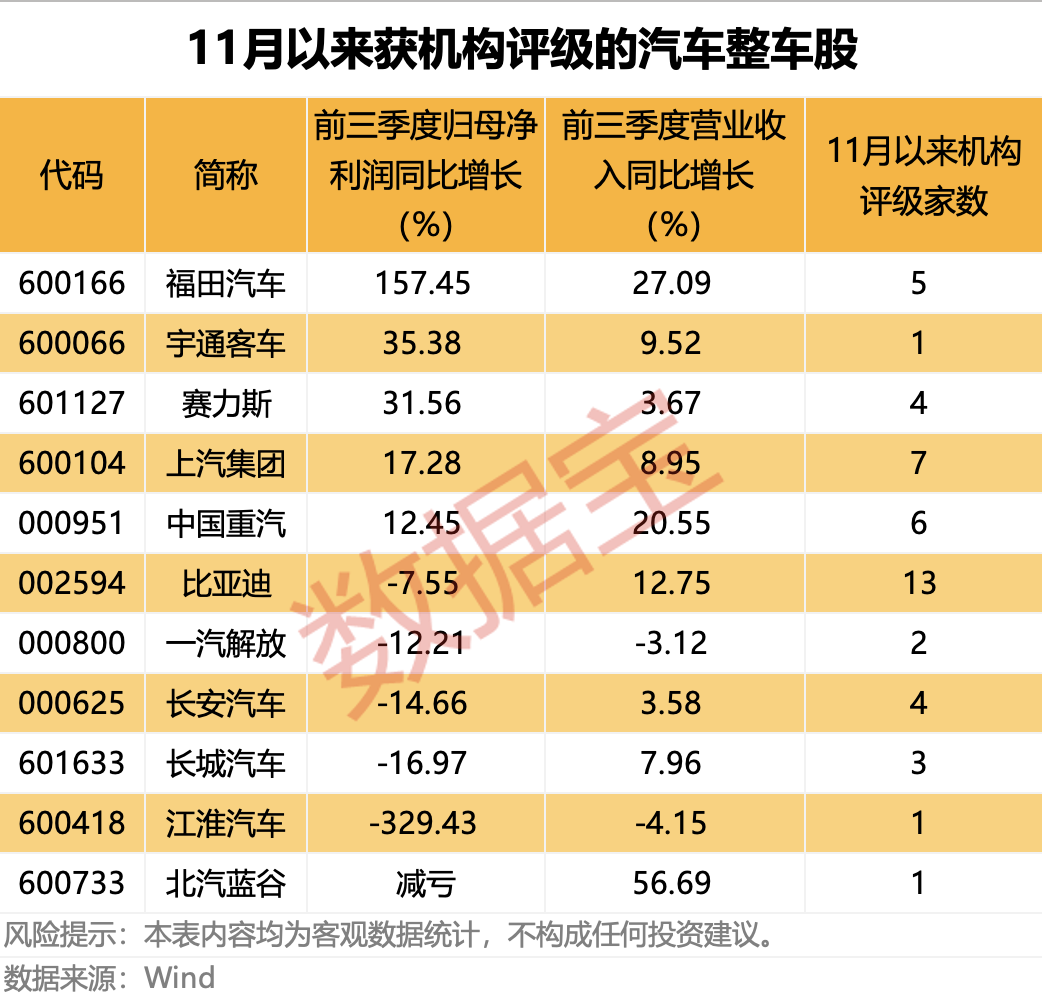
车企集体披露10月产销快报 近期,汽车行业上市企业陆续发布10月产销数据快报,我国车市"银十"成色十足,行业景气度保持上行。 多家车企数据显示,新能源汽车已成为拉动增长的重要引擎,以北汽福田、长安汽车、上汽集团等为代表的企业,今年1—10月新能源汽车产销量均 实现两位数增长。 其中,北汽福田在新能源汽车领域增速尤为突出,公告显示,该企业1—10月累计产量近54万辆,同比增长10.1%;累计销量超53.6万辆,同比增长 9.8%。其中,新能源汽车累计销量突破8.23万辆,同比增长98.83%,增速居于行业前列。 政策层面全方位"加油",新能源汽车行业正在进入红利爆发新阶段。近日,工信部、公安部、财政部等八部门联合印发《汽车行业稳增长工作方案 (2025—2026年)》,不仅明确提出未来两年汽车行业增长目标,更从基础设施建设、市场化推广、政策支持与人才培养等方面提出多项举措,这意 味着新能源汽车将迈向高质量发展"提速"新阶段。 东北证券研报认为,自2026年起新能源汽车购置税政策将从全额免征调整为减半征收,叠加年底销售旺季因素,预计我国新能源汽车渗透率将加速 上升,有望突破55%。 6股三季报净利润增长超30% ...

午评:创业板指、深成指均跌超1% 福建、海南板块持续走强
Feng Huang Wang· 2025-11-14 03:42
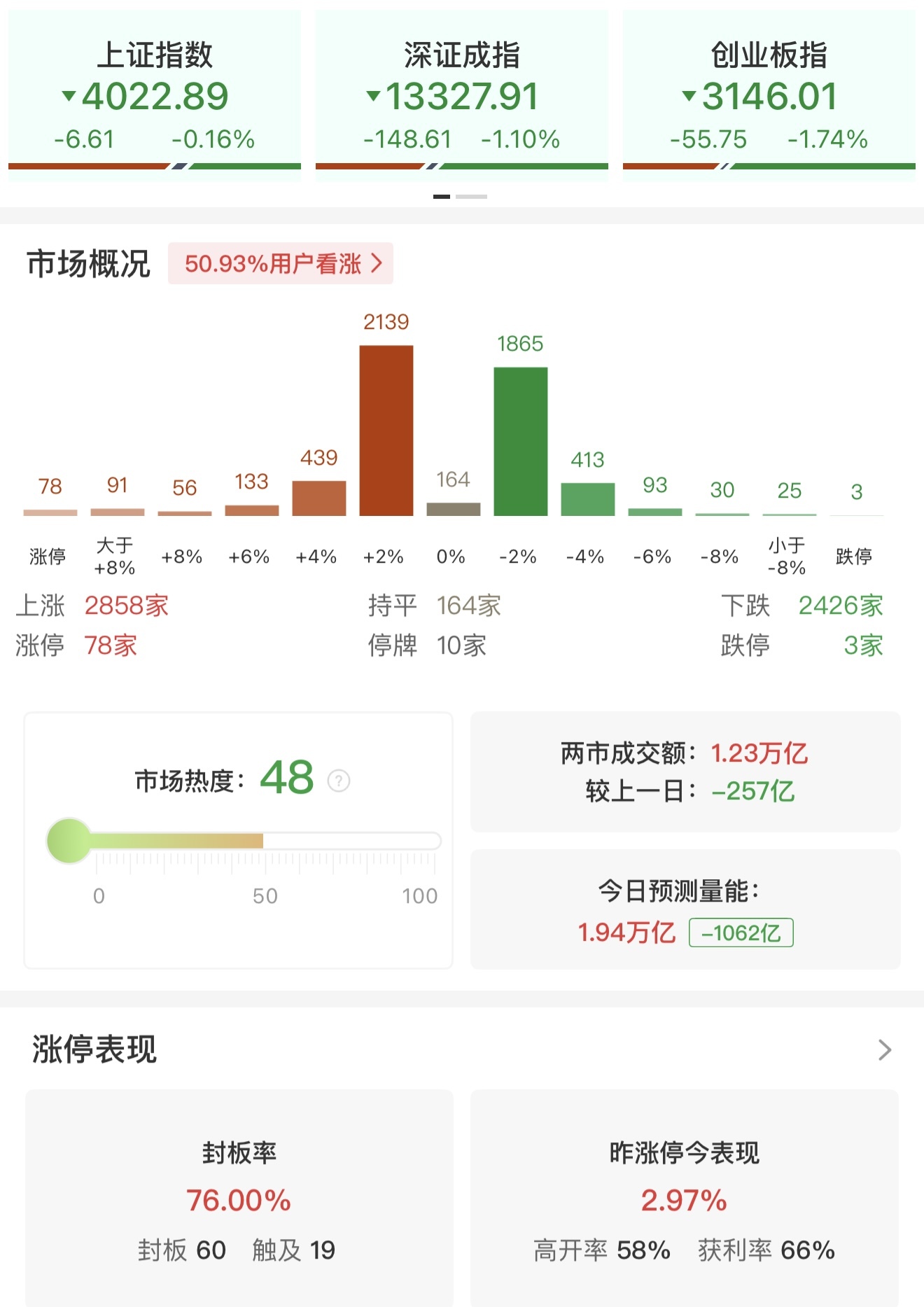
Market Overview - The market experienced fluctuations with the Shanghai Composite Index briefly turning positive, while the ChiNext Index fell over 2% during the session [1] - The total trading volume in the Shanghai and Shenzhen markets reached 1.23 trillion, a decrease of 25.7 billion compared to the previous trading day [1] - Over 2800 stocks in the market saw an increase [1] Sector Performance - The top-performing sectors included Hainan, gas, pharmaceuticals, and Fujian, while storage chips and CPO sectors faced significant declines [1] - The Shanghai Composite Index closed down 0.16%, the Shenzhen Component Index down 1.1%, and the ChiNext Index down 1.74% [1] Notable Stocks - The Fujian sector continued to rise, with stocks like Pingtan Development and China Wuyi hitting the daily limit [1] - The Hainan sector showed rapid strength, with Haima Automobile achieving 7 limit-ups in 11 days [1] - Flu concept stocks maintained strong performance, with Jindike achieving 3 limit-ups in 5 days and Zhongsheng Pharmaceutical achieving 2 limit-ups in 3 days [1] - The lithium battery sector was active, with Fuzhi Co. achieving 7 consecutive limit-ups and Shida Shenghua achieving 3 consecutive limit-ups [1] - The banking sector rose against the trend, with Industrial and Agricultural Bank of China reaching historical highs [1] Declining Stocks - The storage chip concept stocks collectively declined, with Baiwei Storage dropping over 10% [1] Limit-Up Performance - The limit-up rate was recorded at 76%, with 60 stocks hitting the limit and 19 stocks touching the limit [4] - The previous day's limit-up performance showed a gain of 2.97% with a high opening rate of 58% [5]

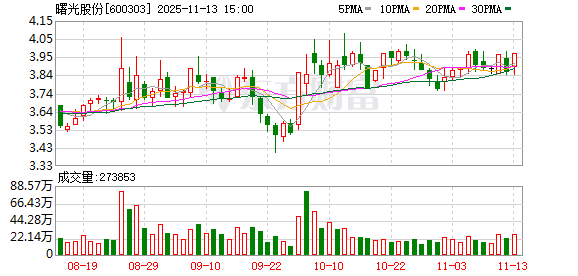
曙光股份:关于收到上海证券交易所《关于终止对辽宁曙光汽车集团股份有限公司向特定对象发行股票审核的决定》的公告
Zheng Quan Ri Bao· 2025-11-13 14:11
Core Points - The company announced the termination of its plan to issue shares to specific investors for the year 2024 and has withdrawn the application documents [2] - The Shanghai Stock Exchange has decided to terminate the review of the company's application for the issuance of shares to specific investors [2] Group 1 - The company held its 11th Board of Directors' 13th meeting and the 11th Supervisory Board's 15th meeting on November 10, 2025, where the decision was made [2] - The announcement was made on November 13, 2025, following the meetings [2] - The termination of the share issuance plan is in accordance with relevant regulations [2]

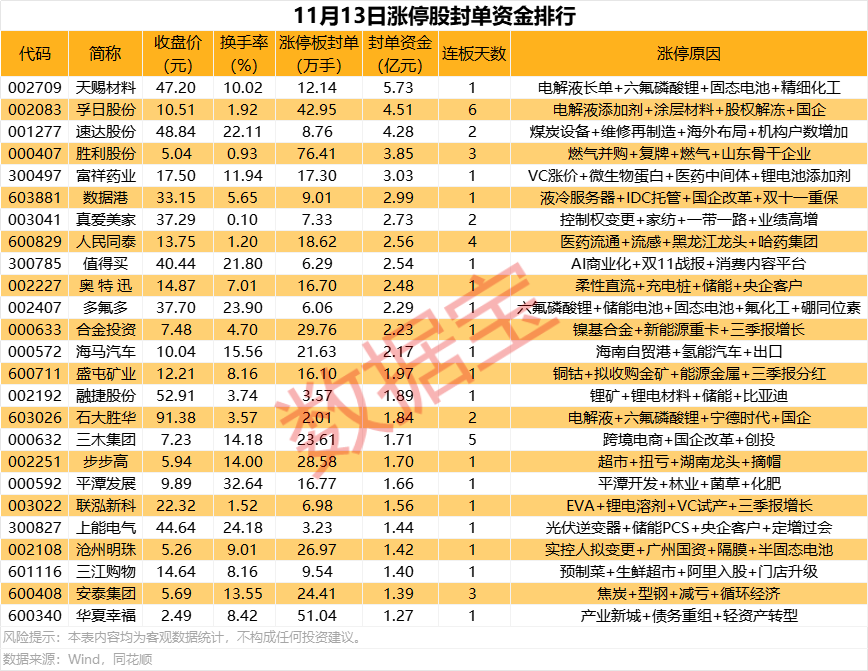
今日A股市场106股收盘涨停 36股封单资金超1亿元
Zheng Quan Shi Bao Wang· 2025-11-13 11:10
Group 1 - A total of 106 stocks in the A-share market hit the daily limit, with 86 stocks hitting the limit after excluding 20 ST stocks, resulting in an overall limit-up rate of 70.2% [1] - Victory Co., Ltd. had the highest limit-up order volume at 764,100 hands, while 36 stocks had limit-up order funds exceeding 100 million yuan, with Tinci Materials, Furui Shares, and Suda Shares leading in order funds at 573 million yuan, 451 million yuan, and 428 million yuan respectively [1][2] Group 2 - Tinci Materials closed at 47.20 yuan with a turnover rate of 10.02%, achieving a limit-up order volume of 121,400 hands and order funds of 573 million yuan, driven by long-term contracts for electrolytes and lithium hexafluorophosphate [2] - Furui Shares closed at 10.51 yuan with a turnover rate of 1.92%, achieving a limit-up order volume of 429,500 hands and order funds of 451 million yuan, attributed to electrolyte additives and equity unfreezing [2] - Suda Shares closed at 48.84 yuan with a turnover rate of 22.11%, achieving a limit-up order volume of 87,600 hands and order funds of 428 million yuan, supported by coal equipment and overseas expansion [2]