房地产开发

Search documents
瑞银香港新总部交接 冀助力大湾区金融联动发展
Xin Lang Cai Jing· 2026-02-03 12:35
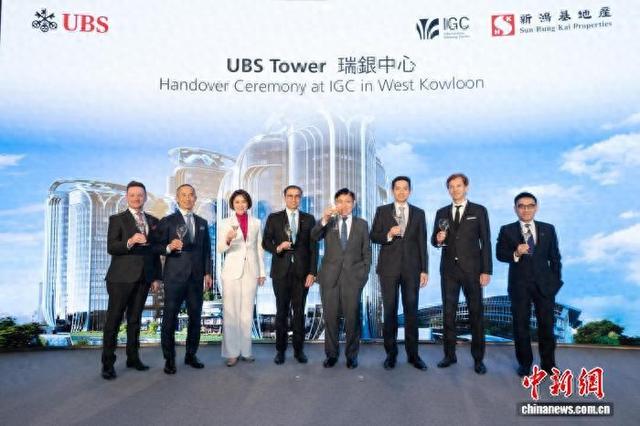
2月3日,瑞银新的香港办公大楼"瑞银中心"正式交接,图为瑞银财富管理亚洲区主席兼瑞银香港区主管 及行政总裁卢彩云(左三);瑞银亚太区总裁兼瑞银财富管理全球联席总裁康瑞博(左四);新鸿基地产发 展有限公司主席兼董事总经理郭炳联(右四)等出席活动。(主办方供图) 交接仪式上,瑞银亚太区总裁兼瑞银财富管理全球联席总裁康瑞博(Iqbal Khan)表示,香港在过去60多 年一直是瑞银亚太区业务的核心,而这座全新办公大楼正代表瑞银对香港未来的信心与长远承诺。香港 作为国际枢纽的角色持续提升,与粤港澳大湾区内地城市之间的紧密联系更为其增添优势。 瑞银财富管理亚洲区主席兼瑞银香港区主管及行政总裁卢彩云表示,新总部不仅是办公空间的升级,更 承载着瑞银深耕香港、辐射粤港澳大湾区的长远布局。以人为本的办公环境将赋能团队发展,深化其在 港根基,为客户与员工创造更优质体验,开启瑞银集团在港发展新篇章。 中新网香港2月3日电 (记者 戴小橦)瑞银集团(简称"瑞银")新的香港办公大楼"瑞银中心"3日正式交接, 该大楼预计今年第四季度启用,届时将成为瑞银新的香港总部,助力瑞银进一步深化在港布局、辐射粤 港澳大湾区。 新鸿基地产发展有限公司 ...



自办“春晚”亮绝活,坊间年味浓
Chang Sha Wan Bao· 2026-02-03 12:31
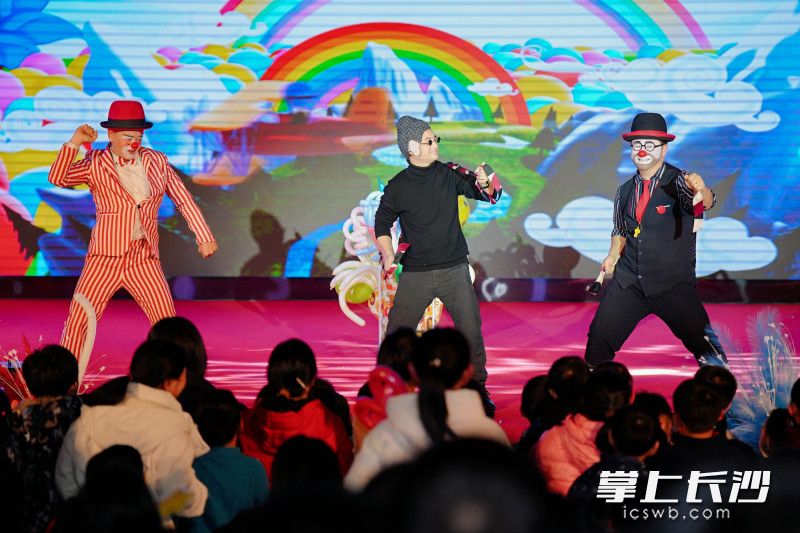
长沙晚报掌上长沙2月3日讯(全媒体记者 孙占锋 通讯员 周瑶 吴雪琳)"快来看,这是我们小区邻居演的节目,一 点不比专业的差!"这几天,家住长沙华润橡树湾小区的刘娭毑每每碰到熟人,都会拿出手机视频"炫耀"一番。原 来,在1月下旬的社区"春晚"上,她和邻居们一起登台表演的事让她念念不忘。岁末年初,长沙华润置地、金茂长 沙、美的置业等多个开发商社群相继组织了多场社区"春晚"业主联欢,千余名长沙居民从街坊邻居变身舞台"民 星",自编自导自演歌舞、曲艺、情景剧等各色节目,让钢筋水泥间的邻里情在欢声笑语中不断升温,也让新春的 年味在坊间更浓了几分。 "那天刚下台,就被邻居们围着合影,自己跟个小明星似的。"前不久,长沙瑞府业主周女士在华润置地润比邻 2026全国业主联欢盛典长沙站表演了独唱《如愿》。现在回想起当天的盛况,她依然脸上满是笑意。周女士笑着 说。 舞台之上,平均年龄60岁的凤凰城银发爱乐团32位老人,用熟练的乐器演奏奏响开场曲,赢得满堂彩;凯旋门业 主带来的小丑情景剧,幽默的表演让大人小孩笑作一团;小朋友们身着八路军军装演绎的红色主题街舞,朝气蓬 勃又饱含情怀。 这次业主"春晚"的组织方,华润置地"润比邻"社群 ...

北京今年第一轮拟供商品住宅用地清单发布,1宗位于东城
Sou Hu Cai Jing· 2026-02-03 11:52
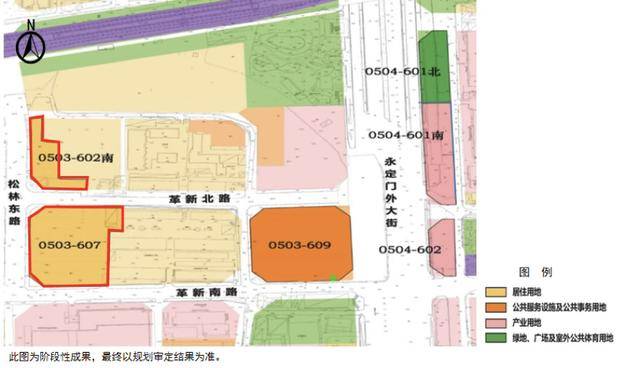
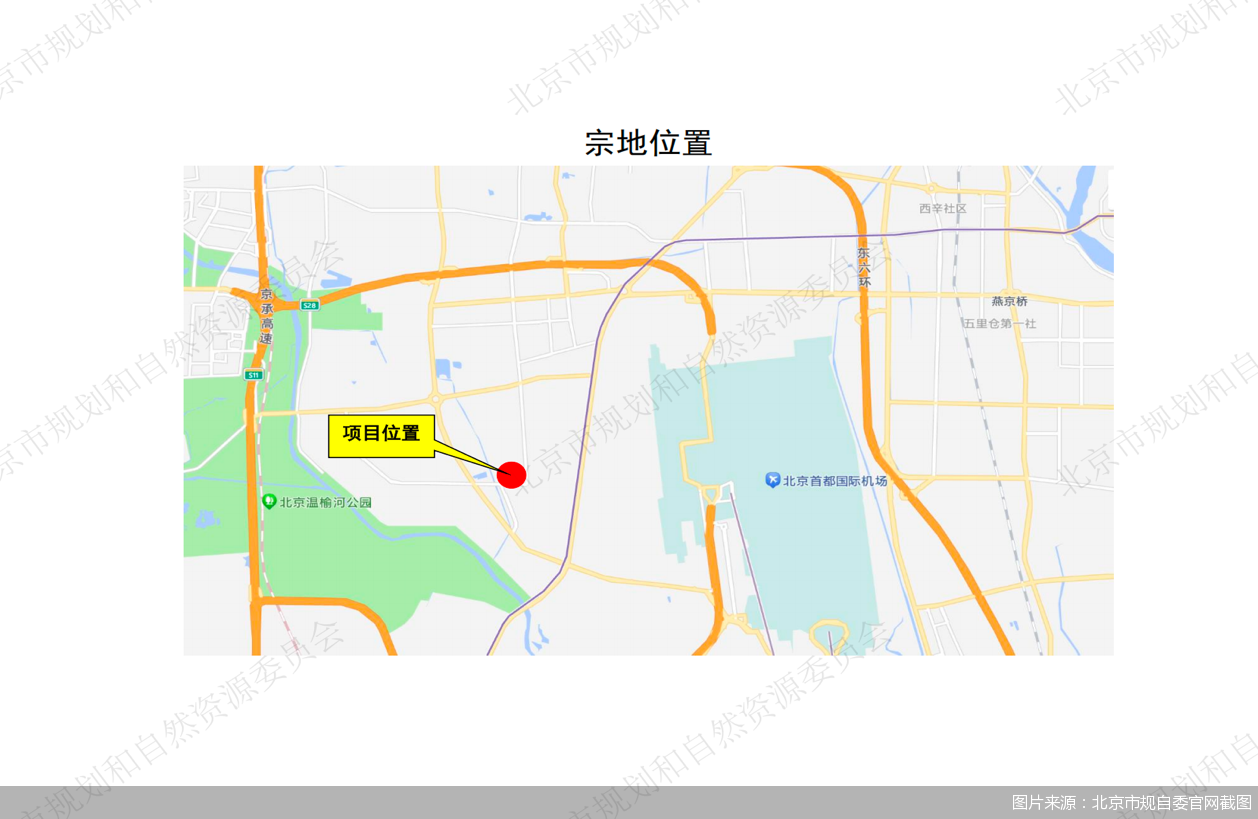
2月3日,市规划自然资源委网站发布了2026年第一轮拟供应商品住宅用地清单,共涉及5宗地,土地面 积约16公顷,建筑规模约24万平方米,上述用地拟于近期供应。 据了解,本轮推出的地块全部位于市场需求突出、基础设施和公共服务配套较完善的区域。从区域分布 来看,核心区1宗(东城区)、中心城区1宗(丰台区)、平原多点地区3宗(顺义区2宗、昌平区1 宗)。 具体如下: 东城区西革新里危改项目,位于永外街道,二环至三环之间,邻近地铁8号线与14号线换乘站永定门外 站。周边有百荣世贸商城、北京木樨园合生广场、首都医科大学附属北京友谊医院西城院区、北京博爱 医院、陶然亭公园、天坛公园等生活配套设施。 东城区西革新里危改项目 丰台区太平桥街道城中村改造项目FT00-0608-0001地块,位于太平桥街道,二环至三环之间,邻近地铁 9号线六里桥东站、7号线湾子站。周边有新年华购物中心、北京世纪坛医院、莲花池公园等生活配套设 施。 丰台区太平桥街道城中村改造项目FT00-0608-0001地块 顺义区胡各庄土地一级开发项目05-02-21-1地块,位于顺义区仁和镇,六环外。周边有上品+城市奥莱 顺义店、北京儿童医院顺义妇儿医院、 ...
新华视点丨多地优化购房政策,能否释放住房消费潜力?
Xin Hua Wang· 2026-02-03 11:39
Core Viewpoint - Recent policy optimizations in various regions aim to stimulate housing consumption and release potential in the real estate market, aligning with national economic strategies to enhance consumer spending [1][2]. Group 1: Policy Adjustments - Many first-tier cities have relaxed purchase restrictions, injecting vitality into housing consumption. For instance, Beijing allows multi-child families to purchase multiple homes within certain areas, while Shanghai has lifted restrictions on the number of homes that can be bought in specific zones [2][3]. - Financial policies have also been adjusted, such as lowering mortgage rates and down payment ratios, which have reduced barriers for consumers. For example, Beijing has unified mortgage rates for first and second homes, and the minimum down payment for second homes has been reduced to 25% [3][4]. Group 2: Market Response - Following the implementation of new policies, there has been a noticeable increase in market activity and consumer sentiment. In Shanghai, for example, a specific project has seen an average of 300 customer visits per day since the policy changes [4][5]. - The financial benefits from policies, including lower mortgage rates and increased loan limits, have directly alleviated financial pressures on buyers, as evidenced by a case in Jinan where a buyer saved nearly 200,000 yuan due to reduced down payment requirements [5][6]. Group 3: Demand Release - The removal of unreasonable restrictions is expected to unlock three core demands: the rigid needs of new citizens and talent, improved housing conditions through reduced down payment ratios, and reasonable cross-regional purchasing demands [6][7]. - The ongoing adjustments in housing policies are seen as crucial for the recovery of the real estate market, with a focus on enhancing the accessibility of housing for various demographics [6][8]. Group 4: Future Policy Considerations - There remains potential for further policy relaxation, particularly regarding the use of housing provident funds and transaction processes, which could enhance market expectations and consumer confidence [7][8]. - Experts suggest that housing provident funds could be utilized for a broader range of housing-related expenses, such as property fees and renovations, to further stimulate housing consumption [7][8].
粤港湾控股拟折让约8.40%发行合共2031.1万股认购股份 净筹约1.216亿港元
Zhi Tong Cai Jing· 2026-02-03 11:35
Core Viewpoint - The company, Yue Gang Wan Holdings (01396), has entered into a subscription agreement to issue a total of 20.31 million subscription shares, representing approximately 1.78% of the total issued share capital as of the announcement date [1] Group 1: Subscription Details - The subscription price for each share is HKD 6.00, which reflects an approximate discount of 8.40% compared to the closing price of HKD 6.55 on the date of the agreement [1] - The total amount raised from the subscription is expected to be approximately HKD 121.9 million, with a net amount of about HKD 121.6 million after deducting expenses related to the subscription [1] - The net issue price per subscription share is approximately HKD 5.99 [1] Group 2: Use of Proceeds - The board plans to allocate approximately 90% of the net proceeds from the subscription for potential AI computing power cloud service projects [1] - About 10% of the net proceeds will be used for general operating expenses [1]
粤港湾控股(01396)拟折让约8.40%发行合共2031.1万股认购股份 净筹约1.216亿港元
智通财经网· 2026-02-03 11:32
Group 1 - The company, Yue Gang Wan Holdings (01396), announced a subscription agreement on February 3, 2026, to issue a total of 20.311 million subscription shares, representing approximately 1.78% of the company's total issued share capital as of the announcement date [1] - The subscription price is set at HKD 6.00 per share, which reflects an approximate discount of 8.40% compared to the closing price of HKD 6.55 on the date of the agreement [1] - The total proceeds from the subscription are expected to be around HKD 121.9 million, with a net amount of approximately HKD 121.6 million after deducting expenses related to the subscription [1] Group 2 - The net issue price per subscription share is approximately HKD 5.99 [1] - The board intends to use about 90% of the net proceeds for potential AI computing power cloud service projects, while the remaining 10% will be allocated for daily operational expenses [1]
北京开年首场土拍揽金57.62亿元 土地供应缩量
Zhong Guo Jing Ying Bao· 2026-02-03 11:32
本次出让的石景山区1609街区新首钢核心区SS00-1609-0012地块R2二类居住用地,被首钢地产以13.9亿 元底价摘得。 该地块土地面积约1.66公顷,规划建筑面积3.66万平方米,容积率2.2,楼面价约3.8万元/平方米。地块 紧邻地铁11号线新首钢站,两站换乘6号线和1号线,属于典型的临铁项目。规划条件中明确提出,建筑 需与首钢园区工业风貌协调,立面应公建化,并考虑与北侧工业遗存煤仓的空间关系。 中指研究院土地市场研究负责人张凯告诉《中国经营报》记者,相比周边在售项目元玺2.74万元/平方 米的楼面价,本地块价格高出近1万元/平方米,同时石景山板块当前项目扎堆库存量整体较高,未来销 售或面临市场考验。 首钢地产拿地当天即发布案名——首钢·璟瑞长安。在此次拿地之前,首钢地产在该板块还布局有石景 山首个好房子项目首钢·璟悦长安。 中经记者 吴静 卢志坤 北京报道 2026年2月3日,北京完成今年首场土地拍卖,石景山、通州、顺义三宗住宅用地共揽金57.62亿元。 本次出让地块整体市场表现平淡,未出现溢价竞争,与去年年初高溢价抢拍现象形成对比。 值得注意的是,北京土地供应持续缩量,2026年商品住宅用地计 ...
北京2026年土地首拍,中铁投首次摘得北京涉宅地块
Bei Jing Shang Bao· 2026-02-03 11:25
2月3日,北京2026年首场土拍正式开启,三宗宅地总出让金额达57.62亿元。此次出让的地块分别位于石景山区、通州区及顺义区。其中,顺义区新国展三 期SY00-2301-0003、0004、0005地块(以下简称"新国展地块")由中国铁工投资集团摘得。北京商报记者梳理发现,中国铁工投资集团作为中国中铁旗下全 资子公司,此前在北京多以一级开发、城市更新合作方或联合体成员身份参与城市建设,极少独立在公开市场竞得住宅用地。此次成功拿地,意味着该企业 首次进入北京商品住宅用地市场,也成为本次土拍的一大看点。 同日,北京发布2026年第一轮拟供商品住宅用地清单,共涉及5宗地,土地面积约16公顷,建筑规模约24万平方米,上述用地拟于近期供应。 中指研究院土地市场研究负责人张凯表示,本次土拍全部以底价成交,与2025年初高溢价抢拍现象形成对比。这种反差实际上延续了2025年北京土地市 场"量减价升"的整体格局。根据北京市规划和自然资源委员会发布的《北京市2026年度建设用地供应计划》,今年北京商品住宅用地安排200—240公顷,较 2025年的240—300公顷继续缩量,这已是连续第四年缩减。在供应缩量的背景下,土地出让的 ...


国浩集团(00053.HK)拟透过选择性减资和偿还方式将GLM私有化
Ge Long Hui· 2026-02-03 11:12
GLM为公司间接附属公司,其财务业绩已合并入公司综合财务报表。如私有化建议得以实行,GLLM 会成为GLM唯一股东,以及GLM将会成为国浩房地产间接全资附属公司。GLM于私有化建议完成后将 会从马交所撤销上市地位。实行私有化建议将不会对公司的净资本、流动性状况、或其他财务指标构成 重大影响。 格隆汇2月3日丨国浩集团(00053.HK)公告,于2026年2月3日,国浩房地产有限公司("国浩房地产",公 司67%附属公司并于新加坡证券交易所有限公司"新交所"上市)全资附属公司GLL (Malaysia) Pte.Ltd. ("GLLM")已向GuocoLand (Malaysia) Berhad("GLM",国浩房地产持有65%的附属公司并于马来西亚证券 交易所上市董事会提呈正式建议,拟根据马来西亚2016年公司法第116条的规定,透过选择性减资和偿 还方式将GLM私有化("私有化建议")。根据私有化建议,除GLLM以外的所有GLM股东将获现金资本偿 还,以注销其持有的相关GLM股份。 ...

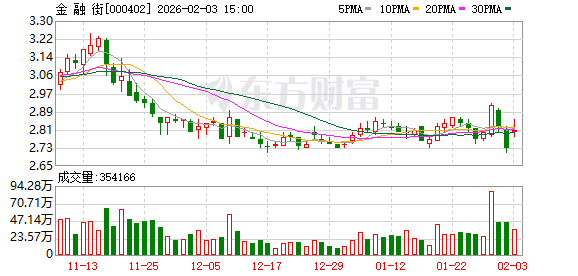
金融街:截至2026年1月底股东户数69626户
Zheng Quan Ri Bao· 2026-02-03 11:11
Group 1 - The core point of the article is that Financial Street reported a total of 69,626 shareholders as of the end of January 2026 [2]