超市零售

Search documents
【永辉超市申请线上超市商标】5月12日讯,天眼查财产线索信息显示,近日,永辉超市股份有限公司申请注册多枚“永辉线上超市”商标,国际分类涉及食品、广告销售、金融物管、网站服务等,当前商标状态均为等待实质审查。
news flash· 2025-05-12 02:46
Group 1 - Yonghui Supermarket Co., Ltd. has applied for the registration of multiple "Yonghui Online Supermarket" trademarks [1] - The international classification of the trademarks involves food, advertising sales, financial property management, and website services [1] - The current status of the trademarks is pending substantive examination [1]

莫让“反向抹零”抹去消费信任(民生观)
Ren Min Ri Bao· 2025-05-11 22:19
Core Viewpoint - Yonghui Supermarket acknowledged the issue of "reverse rounding" in cash transactions and committed to rectifying the situation, highlighting the importance of consumer trust and adherence to market regulations [1][3]. Group 1: Issue Identification - "Reverse rounding" refers to the practice where merchants round up the total amount during cash transactions, resulting in consumers being overcharged by a few cents [1]. - This practice has raised concerns about consumer rights and market fairness, as it violates the Price Law of the People's Republic of China, which prohibits charging beyond the marked price [1][3]. Group 2: Consumer Impact - The issue primarily affects vulnerable groups such as the elderly and children, who are more sensitive to pricing and less equipped to advocate for their rights [2]. - The erosion of consumer trust due to "reverse rounding" negatively impacts the overall shopping experience, leading to dissatisfaction among customers [1][4]. Group 3: Regulatory and Corporate Responsibility - Regulatory bodies are urged to enhance market supervision and enforce penalties against such pricing violations to maintain a fair market environment [3]. - Companies must reflect on their business practices and prioritize integrity over short-term gains, as damaging consumer trust can have long-term repercussions on their reputation and customer loyalty [3].
胖东来承包周边小区物业费?多方回应:不实
news flash· 2025-05-11 14:19
Core Viewpoint - The news regarding Pang Donglai Supermarket voluntarily covering the property fees for surrounding residential communities to alleviate traffic congestion is confirmed to be false [1] Summary by Relevant Categories - **Company Actions** - Pang Donglai Supermarket was rumored to take proactive measures to address traffic congestion by covering nearby community property fees, but this information has been verified as untrue [1] - **Public Reaction** - The rumor sparked significant attention and discussion online, indicating a strong public interest in the company's community involvement and operational decisions [1]
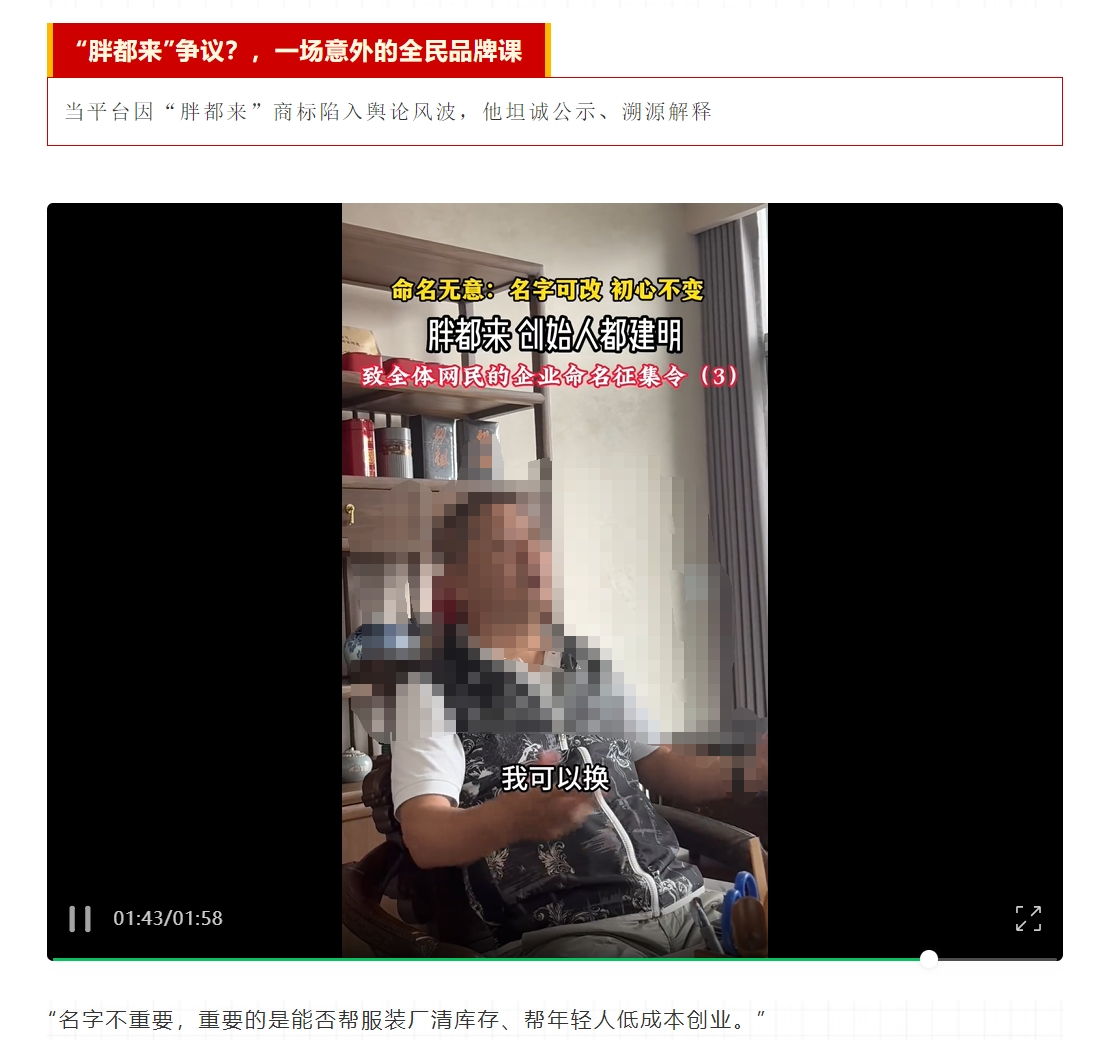
“胖都来”创始人称名字可以换,并征求网友建议!公司抖音账号内容已清空,胖东来此前称已邮寄律师函
Mei Ri Jing Ji Xin Wen· 2025-05-10 15:07
每经编辑|张锦河 5月1日,浙江嘉兴海宁市一家名为"胖都来"的大卖场高调开业,因名称与胖东来高度相似引发广泛关注。 5月10日晚,"胖都来"官微发布消息,"胖都来"创始人都建明表示,"胖都来"名字可以换,同时也向网友表示,"你们觉得换哪个好,给我提提建议。""名字 不重要,重要的是能否帮服装厂清库存、帮年轻人低成本创业。" 都建明称,此前注册商标为"淘都来",但有人表示"淘都来"谐音有"逃跑"的意思,"他们说,老板这个人比较胖,后来就叫了'胖都来'。"对于名称引发的争 议,此前,"胖都来"官方就回应称,"胖"寓意丰盈、富足、美好,"都"字取自集团董事长的姓氏。 图片来源:胖都来社交媒体账号 5月1日,有网友发布的一则截图显示,胖东来账号留言称,感谢大家对胖东来的关注和反馈,关于"胖都来",他们已经取证并向市场监督管理局提交投诉 书,也给"胖都来"公司成功邮寄了律师函。胖东来方面会持续跟进此事,有阶段性的结果也会通过他们的账号进行公示。 据极目新闻5月2日消息,记者联系到许昌市胖东来超市有限公司。办公室一名工作人员证实称,胖东来方面确实发布了上述回应,已就此事向浙江当地市场 监管部门投诉,"因为胖东来作为零售行 ...

罗兰贝格合伙人蒋云莺:建议法规加入“货架公平比例”指标
Jing Ji Guan Cha Bao· 2025-05-10 09:02
Core Viewpoint - The discussion highlights the need for regulatory changes in China's retail sector to ensure fair competition between private labels and third-party brands, particularly through the introduction of a "shelf fairness ratio" indicator [1][2]. Group 1: Market Dynamics - Supermarkets prioritize their private labels on shelves due to higher profit margins, which limits the survival space for third-party brands [1][7]. - When the revenue share of private labels in fresh categories reaches 35%, supermarkets enforce differentiation requirements on third-party brands, further squeezing their market presence [1][7]. - The physical space dominance of private labels in retail environments creates a more insidious form of market unfairness compared to online platforms [1][2]. Group 2: Regulatory Environment - Current regulations, such as the Anti-Unfair Competition Law, do not specifically address shelf space allocation, leading to a lack of enforcement against unfair practices [2]. - Recommendations include setting a cap on the shelf space allocated to private labels and establishing a rapid arbitration mechanism for supplier complaints [2][7]. Group 3: Development of Private Labels - Domestic private labels are growing, driven by consumer demand for quality and health, as well as digital technology [3][4]. - The market share of private labels in China is currently between 10% and 20%, significantly lower than the over 30% share in developed markets [4][5]. - Factors contributing to the lower share include an underdeveloped supply chain and consumer skepticism regarding the quality of private labels [5][6]. Group 4: Consumer Trust and Marketing Strategies - Enhancing consumer trust in private labels can be achieved through transparent marketing, authoritative certifications, and risk-reducing return policies [6]. - Successful international strategies, such as Costco's unconditional return policy and ALDI's streamlined product offerings, can serve as models for Chinese retailers [6][8]. Group 5: Competitive Landscape - The promotion of private labels can lead to a disadvantage for third-party brands, as evidenced by sales declines for smaller brands when private label shelf space increases [7][9]. - Retailers often impose longer payment terms on third-party suppliers compared to their private labels, creating cash flow pressures for smaller brands [9]. Group 6: Future Outlook - The development of private labels in China may evolve into a dual-track system, with higher shares in first-tier cities and traditional brands dominating in lower-tier cities [10]. - If supply chain maturity improves, leading retailers could see private label revenue share exceed 40% in the long term [10].
永辉这样做自有品牌
Jing Ji Guan Cha Wang· 2025-05-10 03:52
Core Insights - The chairman of Miniso, Ye Guofu, has taken on a leadership role in Yonghui Supermarket's reform, announcing a supply chain transformation plan aimed at eliminating intermediaries and establishing direct procurement relationships with suppliers to ensure product quality [1] - Yonghui aims to incubate 100 products with sales exceeding 100 million yuan within three years and plans to launch 60 new private label products by 2025, targeting a 40% contribution from private labels to overall sales [1][5] - Currently, the contribution of Yonghui's private label sales ranges from 5% to 15% depending on the region and store, with a long-term goal to match the private label revenue contributions of international retail giants like Walmart and Costco [1][5] Supply Chain Strategy - Yonghui's private label development began in 2002, with a focus on understanding consumer demand and adapting to market changes [2] - The company has previously set ambitious targets for private label sales, including a goal of 15% to 20% by 2020, but faced challenges in execution [2][3] - Yonghui's acquisition of Dameng, a major retail service provider, was seen as a strategic move to enhance its private label offerings and strengthen its supply chain [2] Operational Changes - In 2023, Yonghui's private label sales reached 3.54 billion yuan, accounting for 5% of total revenue, with an 8.26% year-on-year growth [5] - The company is undergoing a transformation by reducing the number of private label SKUs and restructuring its team to improve efficiency and focus on core products [6][13] - Yonghui is learning from competitors like Pang Donglai, which has successfully developed a high percentage of private label products, and aims to adopt a more customer-centric approach [6][12] Future Directions - Yonghui's supply chain upgrade is intended to enhance bargaining power and cost efficiency while paving the way for private label development [8] - The company emphasizes a shift from being a mere distributor of brands to focusing on product quality and customer needs [8][10] - Yonghui plans to establish deeper collaborations with core suppliers to create differentiated private label products that add value for consumers [12][14]
山寨胖东来开业翻车,一众明星遭审判
36氪· 2025-05-09 15:30
Core Viewpoint - The article discusses the downfall of the "胖都来" shopping mall, which attempted to leverage celebrity endorsements for marketing but ultimately faced severe backlash and declining customer traffic due to perceived insincerity and imitation of another brand, "胖东来" [3][4][5]. Group 1: Brand and Marketing Strategies - "胖都来" opened with significant fanfare, featuring numerous celebrities to attract attention, but this strategy backfired as customer traffic plummeted shortly after the opening [4][7]. - The mall's name and branding closely mimicked "胖东来," indicating a deliberate attempt to capitalize on the latter's success, which was viewed as a form of "picking up the ride" [20][21]. - The celebrity endorsements, initially seen as a boost, led to questions about the integrity of the stars involved, with some celebrities later apologizing for their participation [11][12][17]. Group 2: Legal and Ethical Implications - Legal experts indicated that "胖都来" might be violating trademark laws and engaging in unfair competition, which could lead to legal repercussions similar to those faced by other brands in the past [21][22][24]. - The article highlights the risks associated with celebrity endorsements in a context where the authenticity of the endorsements is questioned, potentially damaging the reputations of both the celebrities and the brands involved [12][46]. Group 3: Industry Comparisons - In contrast to "胖都来," 永辉超市 successfully adapted its business model by focusing on product quality and employee welfare, achieving significant profits through genuine improvements rather than imitation [27][29]. - The article emphasizes that true success in the retail industry comes from understanding and implementing core values rather than superficial mimicry, as demonstrated by 永辉超市's approach [30][39]. Group 4: Public Perception and Trust - The public's reaction to the controversies surrounding "胖都来" reflects a broader societal shift towards valuing transparency and integrity in business practices [32][42]. - The support from other companies and the public for "胖东来" underscores the importance of maintaining trust and ethical standards in the retail sector, especially in the face of challenges from imitators and detractors [39][41].
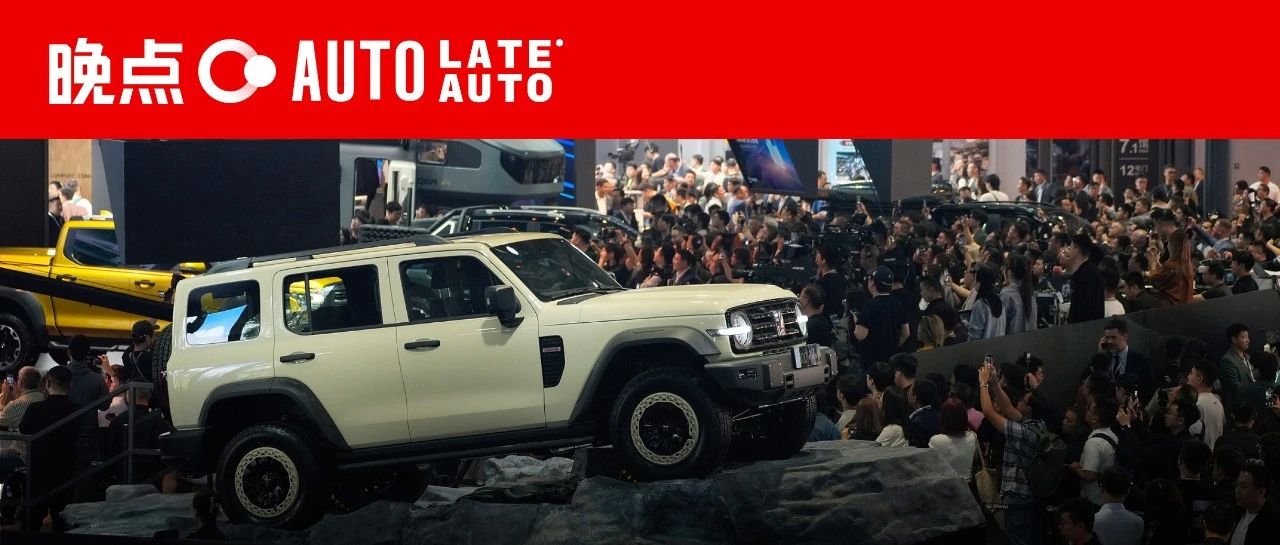
魏建军为什么要为于东来发声?
晚点Auto· 2025-05-09 13:05
Core Viewpoint - The article emphasizes the importance of integrity and quality in business operations, highlighting the shared values between Wei Jianjun and Yu Donglai, particularly in opposing price wars and focusing on long-term development rather than short-term gains [2][3]. Group 1: Support for Yu Donglai and Integrity in Business - Wei Jianjun publicly supported Yu Donglai and his company, Pang Donglai, advocating for a business model based on honesty and transparency [2][3]. - Pang Donglai faced criticism from a blogger regarding the quality of their jade products, leading to a public defense and legal action from the company [1][3]. - The sales data from Pang Donglai indicated a total of 4,177 jade items sold from January to April, generating nearly 30 million yuan with an average gross margin of no more than 20% [1]. Group 2: Long-term Strategy and Quality Focus - Wei Jianjun's approach to business emphasizes quality over blind expansion, aligning with Yu Donglai's philosophy of maintaining integrity in operations [4][6]. - Long-term investments in research and development have allowed Great Wall Motors to maintain a strong position in the market without succumbing to competitive pressures [5][6]. - The company has consistently focused on specific market segments, such as SUVs, which has led to significant sales success, exemplified by the Haval H6 model [5]. Group 3: Corporate Culture and Leadership - Great Wall Motors fosters a culture of transparency and accountability, with regular self-reflection meetings to address issues and improve operations [9]. - Wei Jianjun's leadership style is characterized by a hands-on approach, actively engaging in key projects and maintaining close communication with teams [7][8]. - The company has a clear stance against unethical practices, emphasizing the importance of maintaining order and rules within the industry [8][9].

上新20款养生水,盒马怎么争“滔滔不绝”?
Guan Cha Zhe Wang· 2025-05-09 12:29
Core Insights - Hema is focusing on a diverse range of health-oriented beverages rather than just creating viral products, launching nearly 20 new health water products in collaboration with traditional Chinese medicine brand Li Liang Ji [1][3] - The market shows a demand for health-oriented "water substitutes," with mixed consumer feedback on taste, leading Hema to develop a lighter health water series that has already surpassed popular products in sales [3][4] - The collaboration aims to modernize traditional recipes to better suit contemporary consumer preferences, emphasizing the importance of taste alongside health benefits [4][6] Product Development - Hema has introduced various health water products, including sugar-free teas and health waters, to cater to consumers who may not prefer plain water [1][3] - The new products, such as the Five Juice Drink and Summer Vitality Water, are designed to reduce medicinal flavors while enhancing palatability [4][6] - The company is planning seasonal health water products targeting different demographics, with summer offerings focusing on cooling and autumn/winter products aimed at nourishment [6] Consumer Trends - There is a growing consumer awareness and confidence in traditional Chinese medicine, leading to increased interest in health products that incorporate these principles [6] - Consumers are shifting from basic food and medicine supplementation to a more scientific understanding of traditional Chinese health practices, seeking products with cultural significance and professional backing [6] - Social media plays a crucial role in disseminating knowledge about traditional Chinese medicine, influencing consumer perceptions and experiences with health products [6]

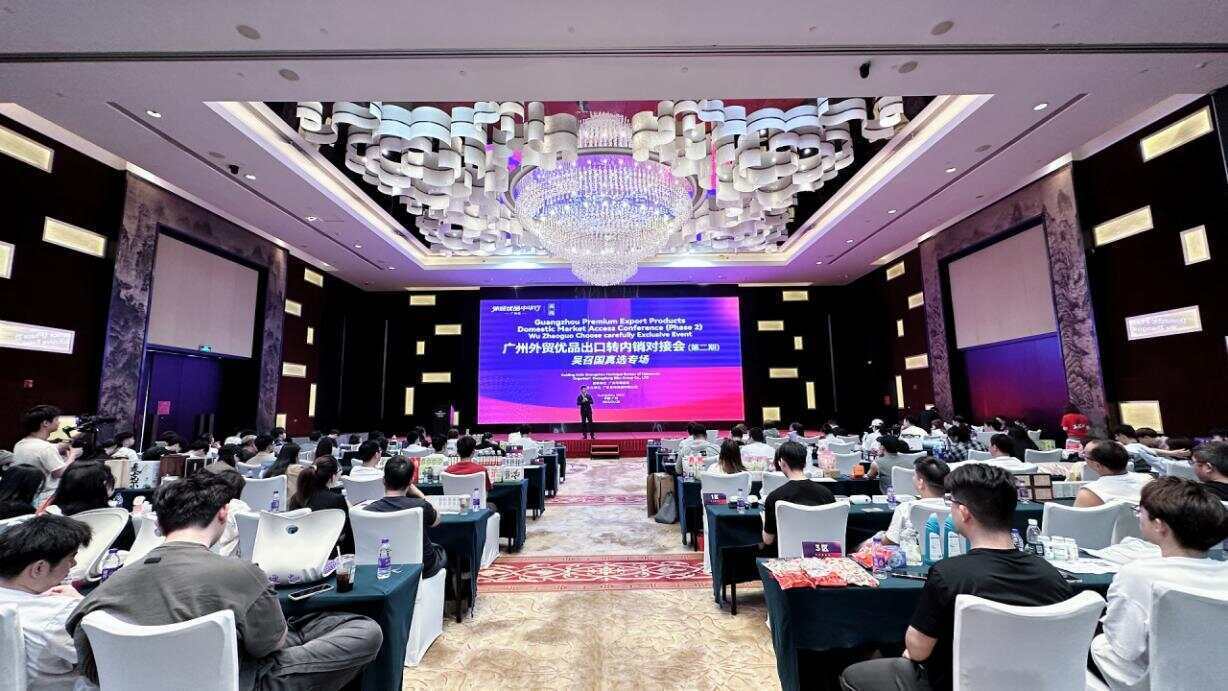
爆款专区、“即审即上架”……广州外贸优品“转场”进商超、上平台
Sou Hu Cai Jing· 2025-05-08 14:06
Core Insights - The article discusses the initiatives taken by various companies and government policies in Guangzhou to facilitate the transition of foreign trade products to domestic sales, aiming to integrate foreign and domestic markets effectively [1][2][5][6]. Group 1: Government and Policy Initiatives - Guangzhou has organized "foreign trade quality products and domestic buyers matchmaking meetings" and implemented policies to support the integration of foreign and domestic trade [1]. - The city has launched a series of actions called "Yiqi Xing" to provide services for enterprises, promoting foreign trade products to become "national selections" [1]. Group 2: Company Actions and Strategies - Guangbai Co. has initiated the "Foreign Trade Quality Products Chinese Tour" to create a full-chain service platform, introducing a "Ten Quality Products" cultivation plan [2]. - Major retailers like Huaren Wanjia and Xiyaxingan have simplified the entry process for foreign trade products, significantly reducing the time required for product onboarding [6][8]. - Guangbai's online platform "Guangbai Hui" has launched a dedicated section for foreign trade products, featuring around 200 new SKUs, with a focus on products exported to countries along the Belt and Road [5]. Group 3: Market Response and Performance - The introduction of foreign trade products has seen positive market responses, with a specific ceramic product designed for the Middle East achieving a repurchase rate of 28% among young consumers [5]. - The first week sales of Southeast Asian snacks exceeded 1,500 units, indicating strong consumer interest [5]. - A benchmark foreign trade enterprise achieved sales of over 350,000 yuan within the first month after utilizing Guangbai's one-stop service [5]. Group 4: E-commerce and Digital Initiatives - Various e-commerce platforms, including Taobao and Tmall, are actively participating in the "Foreign Trade Quality Products Chinese Tour" series, offering incentives for foreign trade merchants to transition to domestic sales [9]. - Wu Zhaoguo Zhenxuan has implemented a "zero listing fee" policy to support foreign trade enterprises, enabling rapid onboarding and sales [10].