
大豆种植

Search documents
把美巴大豆进行对比,才彻底明白,为何70%的进口大豆源于巴西!
Sou Hu Cai Jing· 2025-07-14 07:01
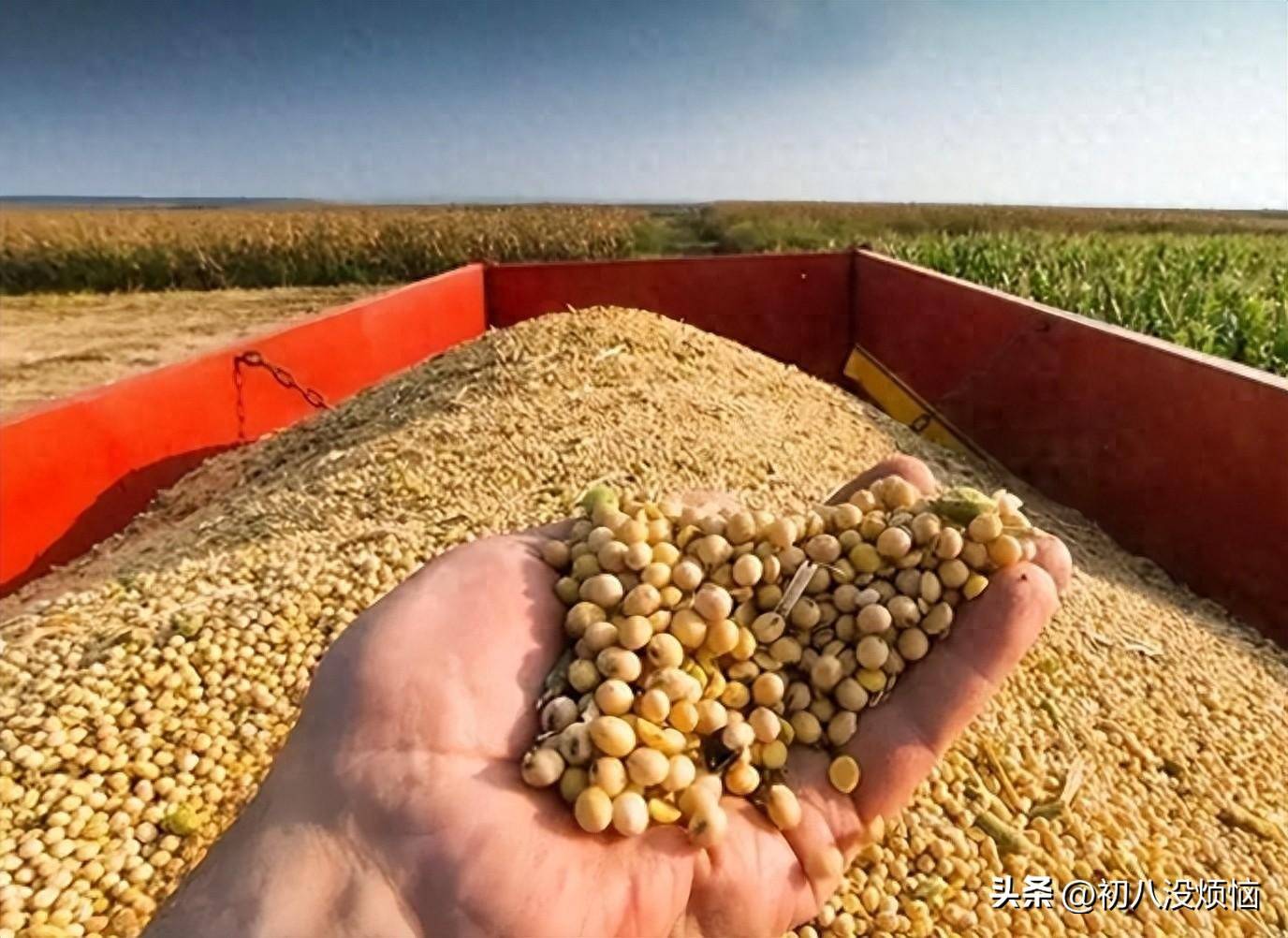
Core Viewpoint - Brazil has overtaken the United States as China's largest soybean supplier, with 70% of China's soybean imports coming from Brazil, highlighting a significant shift in the global soybean trade landscape [1][19]. Price Advantage - Brazilian soybeans are significantly cheaper than their American counterparts, influencing purchasing decisions in China [4]. - The cost advantage stems from lower land usage costs in Brazil, which account for about one-tenth of total planting costs, compared to the U.S. [4]. - The depreciation of the Brazilian currency has further reduced export prices, allowing Brazilian farmers to maintain profit margins even when international prices decline [4]. Trade Policies - U.S. soybeans faced high tariffs during the China-U.S. trade dispute, while Brazilian soybeans enjoyed zero tariffs, making them more attractive to Chinese buyers [6]. - The Brazilian government has implemented substantial agricultural subsidies, which have lowered production costs and enhanced the competitiveness of Brazilian soybeans in the international market [6]. Production and Quality - In 2023, Brazil's soybean production reached 155 million tons, capturing 37% of the global market share and surpassing the U.S. as the world's largest producer [9]. - Brazilian soybeans have a higher yield of 380 kg per acre, which is 40 kg more than U.S. soybeans, translating to an additional 4 tons per 100 acres [9]. - The quality of Brazilian soybeans is also superior, with higher protein content and fuller grains, making them more desirable in the market [9]. Agricultural Practices - Brazil's favorable climate and fertile soil, particularly in the Midwest, allow for double cropping, enhancing land utilization and reducing fertilizer costs [11]. - Advanced agricultural technologies, such as drone planting and AI monitoring, have increased yields by 18%, while over 70% of Brazilian soybeans are now genetically modified, reducing production costs [11]. Market Dynamics - The global soybean trade is undergoing significant changes, with Brazil expected to solidify its position as the largest producer by 2025, reflecting both increased production and market share [14]. - The stable trade relationship between China and Brazil has provided Brazil with a competitive edge in supply chains, supported by improved logistics and competitive shipping prices [14]. Future Outlook - Brazil is upgrading its biodiesel industry to increase the use of soybeans in fuel, providing farmers with stable income and mitigating the impact of international price fluctuations [16]. - In contrast, the U.S. soybean industry faces challenges such as inventory buildup and low prices, leading some farmers to switch to other crops, further diminishing U.S. competitiveness [16]. - China's procurement strategy, as the largest importer, indicates a preference for stable supply and cost-effectiveness, suggesting a potential shift in the global soybean market dynamics [16][19].

新品种新技术助力大豆大面积单产提升
Xin Jing Bao· 2025-07-03 15:20
Group 1 - The core viewpoint of the news is the introduction of a new green production technology for soybeans, which has shown an average yield increase of 15% across various demonstration sites in China [1][3]. - The Chinese Academy of Agricultural Sciences has emphasized the importance of increasing soybean production as a national strategic need, with the central government prioritizing this in its policy documents [2]. - New soybean varieties developed by the oilseed research institute have demonstrated significant yield potential, with "Zhongdou 57" achieving an average yield of 276.1 kg per mu and "Zhongdou 63" reaching 344.3 kg per mu in southern regions [2]. Group 2 - The ARC biological coupling technology, developed by the research team, addresses two major challenges in soybean production: quality improvement and nitrogen fixation, contributing to the overall yield increase [3]. - The new soybean varieties, such as "Zhongdou 62" and "Zhongdou 81," have high protein content, making them advantageous for soybean product processing [2]. - The oil content of varieties "You 6019" and "Zhongdou 79" has been reported at 22.55% and 23.54%, respectively, with a yield increase of over 10% compared to control varieties, showcasing their high yield and disease resistance [2].
财经观察:一颗大豆的全球化博弈
Huan Qiu Shi Bao· 2025-06-02 23:04
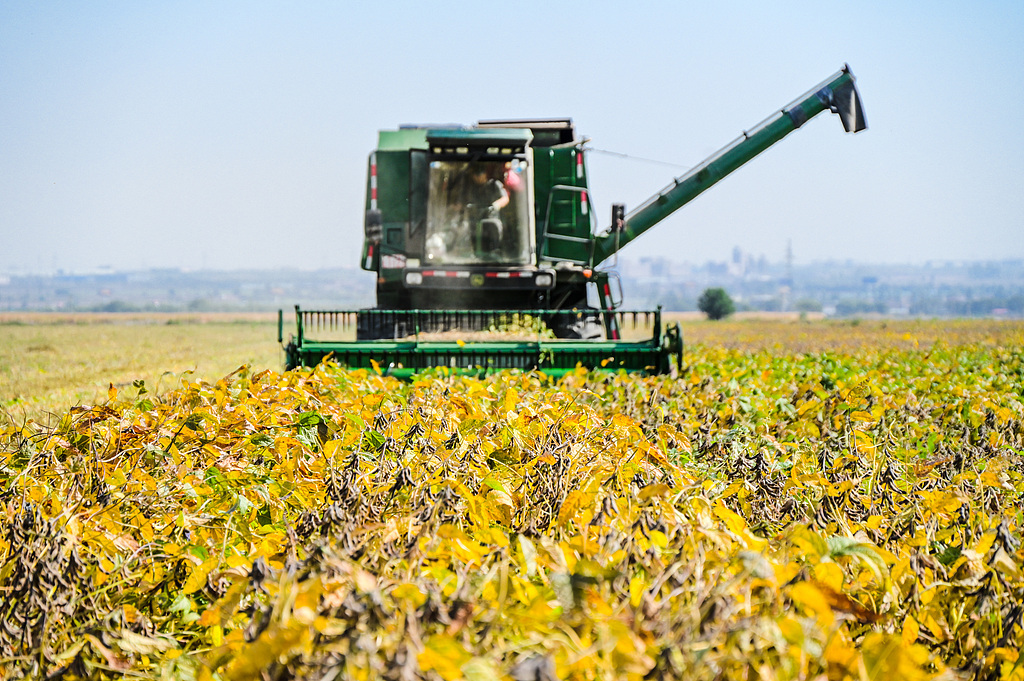
【环球时报综合报道】编者的话:美国农业部出口检验报告显示,截至2025年5月15日的一周,美国大豆出口检验量较一周前减少50%,为21.78 万吨,远低于市场普遍预期的42.5万吨。外媒分析称,受美国发起的关税战影响,美国大豆出口下降,巴西、阿根廷等国正在抓紧拓展中国大豆 市场。 据中国工程院院士、作物遗传育种学家盖钧镒回忆,20世纪80年代初,他到美国访学时,中美大豆的单产差距并不大。2015年后,双方差距拉 开。香港中文大学卓敏生命科学教授、农业生物技术国家重点实验室主任林汉明此前接受《环球时报》记者专访时透露,1997年他从美国回国, 到内地走了一圈后发现,大豆虽然是起源于中国的重要农作物,但当时内地很少有人研究大豆,主要的高价值论文都是欧美、澳大利亚等国学者 发布的。 古巴前领导人劳尔·卡斯特罗有一句名言:"大豆和大炮一样重要,甚至更重要。"在育种专家眼中,起源于中国的大豆是一个具有巨大贡献的作 物:大豆可以用来榨油;剩下的豆粕是动物饲料的主要成分;鲜豆荚可以吃,可以做豆制品,被称为"绿色牛乳";大豆根瘤菌有固氮效果,能增 加土壤肥力……《纽约时报》1928年报道称,世界大豆有八成是中国东北生产的。但 ...
打蛇打七寸?美商家疯抢中国产品之际,美大豆在华市场却彻底失宠
Sou Hu Cai Jing· 2025-05-20 03:49
Group 1 - The core point of the article is the significant reduction of tariffs on Chinese imports by the US and the corresponding decrease in tariffs on US imports by China, which is expected to reshape trade dynamics between the two countries [1][3][5] - The US will lower tariffs on Chinese goods from 145% to 30% over the next three months, while China will reduce tariffs on US goods from 125% to 10% [1] - Brazil's soybean export premium has dropped, and US futures prices have reached a three-month high due to expectations that China may purchase more soybeans from the US [1][3] Group 2 - China has been investing in upgrading infrastructure in Brazil, including the Santos port, which will shorten the transportation cycle for Brazilian soybeans to China to 23 days and increase annual throughput by 30% [1] - Chinese companies have invested $3.5 billion in building a deep-water port in Peru and are laying down a thousand-kilometer railway network in Brazil, which will double the export capacity of South American food to China [1] - In 2024, Brazil's soybean exports to China are projected to reach 3.5 times that of the US, indicating a significant shift in supply sources [3] Group 3 - Following the tariff adjustments, there has been a 277% surge in container bookings from China to the US, indicating a rapid response in the shipping market [5] - The average booking volume for container transport from China to the US reached 21,530 twenty-foot equivalent units, a significant increase from the previous week's 5,709 units [5] - The reduction in tariffs is expected to last until August 12, and there is optimism among US businesses regarding potential further negotiations and tariff reductions [5] Group 4 - Despite the tariff reductions, US farmers express that the pause in tariffs is insufficient, highlighting ongoing challenges in regaining market share in China [1][3] - The article notes that the US has struggled to compete in the soybean market, with Chinese imports from Brazil and Argentina rapidly increasing since the trade tensions began [3] - The article also mentions that high tariffs on Chinese goods have led to increased consumer dissatisfaction in the US, impacting political support for current policies [7]
十名大学生畅谈强国有我的责任担当(大家谈)
Ren Min Ri Bao· 2025-05-10 21:30
Core Points - The articles highlight the importance of youth engagement in various sectors, emphasizing their contributions to national development and modernization efforts [4][5][6][8][10][12][14][19][21]. Group 1: Youth Engagement and Contributions - Youth are encouraged to integrate personal aspirations with national goals, particularly in education and community service [4][5]. - Volunteer experiences, such as teaching in rural areas, are seen as valuable for personal growth and societal contribution [5][12]. - The significance of youth involvement in scientific research and technological innovation is emphasized, with a focus on addressing critical challenges in various fields [6][8][10]. Group 2: Technological Innovation and Research - The articles discuss the necessity of deepening basic research and fostering innovation to achieve technological self-reliance, particularly in fields like materials science and aerospace [7][8][10]. - There is a strong emphasis on overcoming "bottleneck" technologies through independent research and development, particularly in the aerospace sector [8][9]. - The integration of artificial intelligence in material science is highlighted as a potential breakthrough for enhancing device performance and meeting industry demands [10][11]. Group 3: Agricultural Development - The importance of improving domestic agricultural production, particularly in soybean cultivation, is underscored as a means to enhance food security and reduce import dependency [12][13]. - Innovations in agricultural practices are being developed to increase crop yields and promote sustainable farming [12]. Group 4: Education and Industry Integration - The articles highlight the evolving landscape of vocational education, particularly in response to the shift towards electric vehicles and sustainable technologies [14][15]. - There is a focus on the collaboration between educational institutions and industries to better prepare students for emerging job markets [14][15]. Group 5: International Trade and Knowledge Protection - The significance of intellectual property rights in supporting Chinese technology companies as they expand internationally is emphasized [21][22]. - The articles discuss the need for a robust understanding of international trade environments and knowledge protection strategies to safeguard domestic innovations [21][22].

特朗普果然变脸了 中国大使馆重磅表态 美国已经收到噩耗
Sou Hu Cai Jing· 2025-05-06 10:11
Group 1 - Trump threatens to revert to higher tariffs if agreements are not reached with specific countries, indicating a potential end to the 90-day tariff suspension [1] - The Chinese Embassy in the U.S. responds to Trump's demands for substantial concessions from China, urging for a dialogue based on mutual trust [3] - The International Monetary Fund (IMF) lowers global economic growth forecasts for this year and next, attributing part of the decline to U.S. tariff policies [4] Group 2 - Critics highlight that tariffs are paid by U.S. importers, not the exporting countries, leading to increased costs for American consumers and businesses [6] - The American Soybean Association reports an 82% drop in China's purchases of U.S. soybeans compared to the previous year, forcing farmers to switch crops [8] - Tyson Foods has initiated an emergency stockpiling plan for frozen pork, raising inventory levels to a historical peak, but analysts warn that this stock can only sustain normal supply for 45 days [8]

整理:每日期货市场要闻速递(5月6日)
news flash· 2025-05-06 00:08
Group 1 - As of May 5, 2025, the Shanghai Export Container Freight Index for European routes is reported at 1379.07 points, a decrease of 3.5% compared to the previous period [1] - From April 28 to May 4, 2025, the total iron ore arrivals at 47 Chinese ports amounted to 26.344 million tons, a decrease of 452,000 tons week-on-week [1] - The total iron ore arrivals at 45 Chinese ports for the same period were 24.497 million tons, down by 631,000 tons compared to the previous week [1] Group 2 - A Reuters survey indicates that Malaysia's palm oil inventory for April 2025 is expected to be 1.79 million tons, an increase of 14.8% from March; production is projected at 1.62 million tons, up 16.9% from March; and exports are expected to reach 1.1 million tons, a 9.7% increase from March [1] - As of April 24, 2025, Indonesia's biodiesel consumption for the year is reported at 4.44 million liters, with 3.2 million liters consumed from January to March; the mandatory palm oil blending ratio for biodiesel in Indonesia is set at 40%, up from 35% last year [1] Group 3 - As of May 3, 2025, Brazil's soybean harvest rate for the 2024/25 season is at 97.7%, compared to 94.8% the previous week and 94.3% the same time last year, with a five-year average of 96.3% [1] - The USDA's weekly crop progress report shows that as of May 4, 2025, the soybean planting rate in the U.S. is at 30%, below market expectations of 31%, and up from 18% the previous week and 24% last year, with a five-year average of 23%; the emergence rate is at 7%, compared to 8% last year and a five-year average of 5% [2] - India's Ministry of Mines reports that aluminum production for the fiscal year 2024-25 is expected to increase to 420,000 tons from 416,000 tons in 2023-24; refined copper production is projected to grow by 12.6%, from 509,000 tons in 2023-24 to 573,000 tons [2]