
生产性服务业

Search documents
上半年GDP首破200亿大关,寮步发布最新经济数据
Nan Fang Du Shi Bao· 2025-08-21 13:06
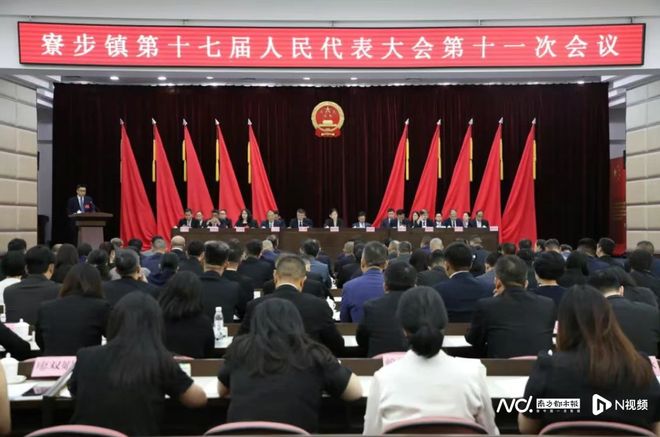
报告显示,今年上半年寮步工业经济提质增效,规上工业增加值同比增长15.4%,增速全市第3。工业 五大支柱产业增加值同比增长22.5%,先进制造业增加值增长26%,高技术制造业增加值增长39.3%, 163家亿元以上企业同比增长19.1%,63家"小升规"企业增加值同比增长21.9%。创新能力持续提升。国 家高新技术企业增至504家,专精特新"小巨人"企业15家,省专精特新企业159家;市百强企业7家,全 市镇街排名第3;市瞪羚企业55家,省、市级以上研发机构92个,全市镇街排名第4。产业结构持续优 化。提升发展人力资源服务、检验检测、软件信息等生产性服务业,上半年实现营收78.9亿元。 8月21日上午,东莞市寮步镇第十七届人民代表大会第十一次会议召开,会议审议通过了寮步镇2025年 上半年经济社会运行情况报告。上半年,全镇实现GDP217.8亿元,首次半年突破200亿元大关,同比增 长7.5%,增速全市镇街排名第4,总量排名第9。 上半年,寮步"三驾马车"协同共进,经济动能加速释放,消费回暖提速。社会消费品零售总额172.1亿 元,同比增长10.9%,增速全市第5,山姆、鸿蒙智行等新入库企业实现零售额17.9 ...

广东政观丨广东区县、镇街何以领跑全国?这三大优势得以突围
Nan Fang Du Shi Bao· 2025-08-21 11:02
Core Insights - The recent series of reports from the Saidi Research highlights the impressive performance of Guangdong's grassroots economic units, with top rankings in various categories such as "Top 500 Vibrant Streets" and "Top 100 Districts" [1][3] - The strong economic resilience of Guangdong's districts and towns is attributed to a solid industrial foundation, characterized by a diverse industrial system that includes manufacturing, digital economy, and modern services [3][4] Economic Performance - In the "2025 National Top 500 Vibrant Streets," Shenzhen's Nanshan District's Yuehai Street ranked first, showcasing the region's robust economic structure [3] - Guangdong's districts and towns have excelled in rankings due to their deep integration into the Guangdong-Hong Kong-Macao Greater Bay Area's industrial chain, with Dongguan's 28 towns all making it to the "Top 500 Town Economies" list [3] Market Dynamics - The flexible institutional mechanisms in Guangdong have fostered a competitive market environment, with active private economies and high administrative efficiency allowing for rapid market responses [4] - Historical models like "Three Comes and One Supplement" have evolved into modern strategies such as "industrial upgrading," enhancing the synergy between production and service sectors [4] Innovation and Transformation - Continuous innovation has facilitated the smooth transition of new and old economic drivers, with notable examples like Nanshan District's "Unicorn Corridor" that connects various innovation entities [4] - The presence of "invisible champions" and "small giants" in towns is indicative of the region's commitment to innovation-driven technological advancement [4] Challenges Ahead - Despite the successes, Guangdong faces challenges such as significant disparities between the Pearl River Delta core area and other regions, as well as a need for improved overall economic strength compared to other provinces [5] - The tightening of land resources poses a challenge for the Pearl River Delta, where traditional land expansion models are becoming unsustainable [5] - Many districts and towns still rely heavily on traditional manufacturing, indicating a need for enhanced innovation capabilities and brand value [5] Future Outlook - The long-term success of Guangdong's grassroots economic units is contingent upon strengthening county-level economic support, promoting digital and green transformations, and fostering coordinated development within the province [5]

中共武汉市委十四届十一次全体会议举行 牢记嘱托感恩奋进 努力在支点建设中当好龙头走在前列
Chang Jiang Ri Bao· 2025-08-19 13:33
Core Points - The meeting emphasized the importance of Wuhan's role as a strategic pivot in the high-quality development of the Yangtze River Economic Belt, as highlighted by General Secretary Xi Jinping [2][5] - The city aims to enhance its economic growth, innovation, and transformation while addressing risks and improving people's livelihoods [3][4] Group 1: Economic Development - The meeting acknowledged the positive economic recovery in Wuhan, with key economic indicators ranking among the top in sub-provincial cities [3] - Efforts are being made to stabilize industrial growth, expand investment, promote consumption, and maintain foreign trade [3][4] - Wuhan has become the second city in the country approved to build a "five-type" national logistics hub, with significant growth in import and export volumes [4] Group 2: Innovation and Industry - The city is focusing on integrating technological innovation with industrial development, enhancing the role of enterprises in innovation, and improving the service system for technology transfer [3][4] - Key industries such as automotive, steel, and chemical are undergoing transformation, while emerging sectors like AI, commercial aerospace, and low-altitude economy are rapidly growing [4][6] Group 3: Environmental and Cultural Development - The meeting highlighted the importance of ecological protection and the promotion of green development, with ongoing efforts in environmental governance and restoration [4][5] - Cultural innovation and the development of the cultural industry are prioritized, aiming to enhance the city's cultural influence and establish it as a world-renowned cultural tourism destination [4][6] Group 4: Governance and Leadership - The meeting stressed the need for strong leadership and governance, emphasizing the importance of a high-quality professional cadre team to drive development [5][8] - There is a focus on enhancing urban governance and improving public services to ensure the well-being of residents [7][9]
经济第一大省,制造半数“百强街”
Mei Ri Jing Ji Xin Wen· 2025-08-19 11:18
Core Insights - The "2025 China Vibrant Streets Research" report indicates that Guangdong Province dominates the list of the top 500 vibrant streets in China, securing the top seven positions and having a total of 135 streets included, which accounts for over 25% of the total [1][15] - Shenzhen's Nanshan Yuehai Street is highlighted as the "best street," consistently ranking first in the national vibrant streets list, with a GDP exceeding 400 billion yuan in 2024, surpassing many cities and even some provincial GDP totals [15] Summary by Category Overall Rankings - Guangdong Province has 135 streets in the top 500 vibrant streets, with 55 streets making it to the top 100 [1][15] - The report is based on data from over 8,000 streets across the country, excluding municipalities and regions like Hong Kong and Macau [15] Regional Distribution - The top streets are distributed across eight cities in Guangdong, including Shenzhen (39 in the top 100 and 58 in the top 500), Guangzhou (10 in the top 100 and 48 in the top 500), and Foshan (6 in the top 100 and 10 in the top 500) [15] - Other cities in Guangdong, such as Huizhou, Dongguan, and Jiangmen, also have streets included in the top 500 list [15] Methodology - The research utilized data from the Ministry of Civil Affairs and emphasized scientific, transparent, and objective evaluation principles, leveraging big data for the assessment [15]

山东兖州:服务业持续发力彰显市场活力
Zhong Guo Fa Zhan Wang· 2025-08-13 08:37
Group 1 - The core viewpoint is that Yanzhou District in Jining City, Shandong Province, has made significant progress in enhancing consumption capacity and improving consumption conditions through innovative consumption scenarios and the development of productive services [1][2][3][4] - In the first half of the year, the scale of productive services in Yanzhou District exceeded 10 billion yuan, with a growth rate of over 17% [1] - The total retail sales of social consumer goods in the district reached 15.01 billion yuan, with an increase of 7.4% [1] Group 2 - Various innovative consumption scenarios have been created, such as summer beer festivals and seasonal events, which have activated the night economy and enriched cultural life for residents [2] - Over 50 themed activities have been organized, attracting nearly 2 million visitors, showcasing the district's efforts to enhance night-time consumption capabilities [2] - The district has implemented a "policy toolbox" to stimulate market consumption potential, including a trade-in program for household appliances, resulting in a subsidy of approximately 55.02 million yuan and an order amount of 410 million yuan [3] Group 3 - The district has launched a three-year action plan to double the productive services sector, establishing a command mechanism to enhance market vitality [4] - A total of 99 enterprises in the service sector have been established in the district, indicating a robust growth in the service industry [4] - Key projects in logistics and cold chain food processing have been initiated to improve regional circulation systems and enhance supply capabilities [4]
浙江温州鹿城区招商引资扩量提质
Zhong Guo Chan Ye Jing Ji Xin Xi Wang· 2025-08-12 23:19
Group 1 - Wenzhou's Lucheng District has focused on a "project-oriented" approach, achieving a goal of "expansion, quality improvement, and efficiency enhancement" in its investment promotion efforts [1] - As of now, 11 new industrial projects with over 100 million yuan and 2 single manufacturing projects exceeding 1 billion yuan have been established [1] - The district has attracted actual foreign investment of 6,331 million USD, achieving a completion rate of 154.41%, ranking first in the city [1] Group 2 - The district has targeted key development areas such as artificial intelligence, digital economy, productive services, and new productivity [2] - A total of over 60 projects have been evaluated this year, with more than 100 project information collected [2] - 26 projects have been signed at the municipal level this year, with a total planned investment of 13.43 billion yuan [2]
“双向融合”重塑都市产业优势
Jing Ji Ri Bao· 2025-08-11 22:00
Core Viewpoint - Recent initiatives in Guangzhou's Haizhu and Huangpu districts focus on the integration of manufacturing and service industries, aiming to drive a profound transformation in urban development and enhance competitiveness through a "dual integration" approach [1][2]. Group 1: Policy Initiatives - Haizhu District has introduced a comprehensive policy package to support urban industrial development, including financial backing for service-oriented manufacturing new business models [1]. - Huangpu District has launched eight key actions to empower the entire lifecycle of manufacturing, emphasizing the integration of research and design with production [1]. Group 2: Industry Transformation - The shift in urban development in China is moving from large-scale expansion to improving existing resources, with Guangzhou leveraging its dual advantages in industry and services [1]. - Traditional manufacturing faces challenges such as rising costs and technological pressures, while the service sector, despite its scale, often remains at a low value chain level, necessitating deeper integration to enhance competitiveness [1][2]. Group 3: New Production Models - The "digital technology + lightweight manufacturing" model in Haizhu exemplifies how digital economy leaders can empower traditional industries, enabling small workshops to integrate into collaborative digital production environments [2]. - Huangpu's initiatives address structural bottlenecks in manufacturing by providing high-value services throughout the manufacturing lifecycle, fostering new business models like market-oriented R&D organizations [2]. Group 4: Green Development - The integration of industries is paving the way for greener urban development, as seen in Fuzhou's Longwen District, which has established an industrial internet platform to connect numerous enterprises and promote smart, eco-friendly practices [3]. - The emergence of "lightweight manufacturing" serves as an upgrade to high-energy, high-emission industries, balancing industrial growth with ecological sustainability [3]. Group 5: Future Competitiveness - Overcoming the dual challenges of service industries lacking clients and manufacturing sectors lacking interest is crucial for future urban competitiveness [3]. - The seamless flow and mutual nourishment between manufacturing and services are expected to create a more efficient, vibrant, and sustainable urban industrial landscape [3].
服务消费的星辰大海:基于中美服务业的比较
2025-08-11 14:06
Summary of Key Points from Conference Call Records Industry Overview - The focus is on the service consumption sector in China, particularly in comparison to developed countries like the US, Japan, and South Korea. The current service consumption in China is relatively low, even when GDP per capita reaches approximately $13,000, indicating significant room for growth in service consumption [1][2][11]. Core Insights and Arguments - **Drivers of Service Consumption Growth**: - Three main drivers identified: urbanization, aging population, and increased government spending on social welfare as GDP per capita exceeds $10,000, known as the Wagner's Law effect [1][4][17]. - Urbanization leads to increased demand for urban public services and lifestyle services [4][12]. - The aging population significantly boosts demand for healthcare and elderly care services [14][17]. - Government investment in social welfare is expected to rise, enhancing consumer spending [15][17]. - **Technological Gaps**: - There exists a technological gap between China and the US in productive services, particularly in information technology and software transmission. China needs to enhance its capabilities in these areas to close the gap and improve productivity, which in turn can lead to wage growth and service sector development [5][19]. - **Employment and Quality of Jobs**: - The rapid urbanization has not been matched by a corresponding increase in high-quality jobs in the service sector, leading to a situation where many workers are forced into low-quality service jobs, exacerbating the issue of "involution" in the service industry [6][7][24]. - **Price Dynamics**: - Service price growth in China has been lower than that of goods, indicating a broader low-price issue that extends beyond manufacturing to the service sector. This necessitates a focus on improving the quality of service supply to stimulate consumer willingness to pay [3][8][9]. - **Comparison with the US**: - The US has seen a significant increase in service sector contribution to GDP, reaching 76% by 2009, while China remains at a lower stage of development. The US has a more integrated productive service sector that supports various industries, while China's service sector is still developing [16][22]. Additional Important Insights - **Future Focus Areas**: - Over the next five years, China is expected to prioritize the development of both productive and lifestyle services, with an emphasis on technological advancements and improved income distribution mechanisms to enhance wages in the service sector [24][25]. - **Potential Growth Areas**: - Specific sectors identified for future growth include information technology, scientific research, wholesale and retail, and health and social work, which show strong demand elasticity with rising income levels [25][26]. - **Challenges in Service Sector**: - The service sector faces challenges such as insufficient high-quality job creation and the need for better integration of productive services with manufacturing to enhance overall economic growth [6][27]. This summary encapsulates the key points discussed in the conference call, highlighting the current state and future potential of the service consumption sector in China, along with the challenges it faces in comparison to developed economies.
海南:到2027年四大主导产业增加值占GDP比重70%左右
Zheng Quan Shi Bao Wang· 2025-08-04 01:50
Core Viewpoint - The Hainan Provincial Government has issued a three-year action plan (2025-2027) aimed at establishing a modern industrial system with distinctive advantages, targeting a GDP contribution of 70% from four leading industries by 2027 [1] Group 1: Economic Development Goals - By 2027, the contribution of four leading industries to GDP is expected to reach approximately 70% [1] - The construction of an international tourism consumption center is advancing, with continuous release of tourism consumption potential [1] Group 2: Service and Manufacturing Integration - The integration of productive services and advanced manufacturing is accelerating, while the life service industry is optimizing towards high quality and diversification [1] - The value added of modern services is projected to approach 30% of GDP [1] Group 3: Innovation and R&D Investment - There is a deep integration of technological innovation and industrial innovation, with a target R&D expenditure intensity of 1.8% by 2027 [1] - The value added of high-tech industries is expected to exceed 17% of GDP by 2027 [1] Group 4: Agricultural Development - A collaborative development pattern is forming in tropical characteristic high-efficiency agriculture, with an annual growth rate of over 5% in the value added of the entire industrial chain of leading agricultural industries [1]
北京上半年新设机构数量达17.68万户 创近4年同期新高
Zhong Guo Chan Ye Jing Ji Xin Xi Wang· 2025-08-01 00:36
Group 1: Overall Economic Growth - In the first half of the year, Beijing saw the establishment of 176,800 new entities, a year-on-year increase of 17.64%, marking the highest level in four years [1] - The growth is driven by the productive service industry and digital economy, with a focus on high value-added, digital, and service-oriented industrial structure [1] Group 2: Digital Economy - The digital economy and core industries saw 10,900 new entities established, a year-on-year increase of 53.92% [2] - Digital technology application accounted for 62.51% of new entities, with software development and IT services growing by 190.72% and 40.59% respectively, contributing 81.3% to the city's digital economy growth [2] - The new entities in the digital economy in the plain new towns reached over 4,700, with a growth rate of 78.03%, representing 43.45% of the total new entities in the digital economy [2] Group 3: Elderly Care Industry - The elderly care industry established 81,400 new entities, a year-on-year increase of 22.5%, surpassing the city's average growth rate by 4.86 percentage points [3] - Smart elderly care services saw a remarkable growth rate of 96.08%, with 53,700 new entities in this category [3] - The plain new towns accounted for 41.86% of the total new entities in the elderly care industry, with a growth rate of 46.43% [3] Group 4: Productive Service Industry - The productive service industry established 106,100 new entities, with a year-on-year growth of 18.49%, leading among all sectors [3] - Key areas such as R&D design, business services, and information services accounted for over 80% of the new entities, with growth rates exceeding 30% in several sub-sectors [3] - The plain new towns emerged as a new growth pole for the productive service industry, with 43,500 new entities established, a year-on-year increase of 41.94% [3] Group 5: Cultural and Related Industries - The cultural and related industries saw 20,400 new entities established, a year-on-year increase of 12.77%, continuing to rise from the first quarter [4] - Content creation and production entities accounted for 69.71% of the total, with the cultural investment and operation sector experiencing the fastest growth at 103.56% [4] - The plain new towns recorded a growth rate of 35.37% in cultural industries, while the central urban areas accounted for 44.03% of the new entities in this sector [4]