鞋类

Search documents
耶鲁大学最新研究:美消费者面临1934年以来最高关税税率
Yang Shi Xin Wen· 2025-08-03 06:34
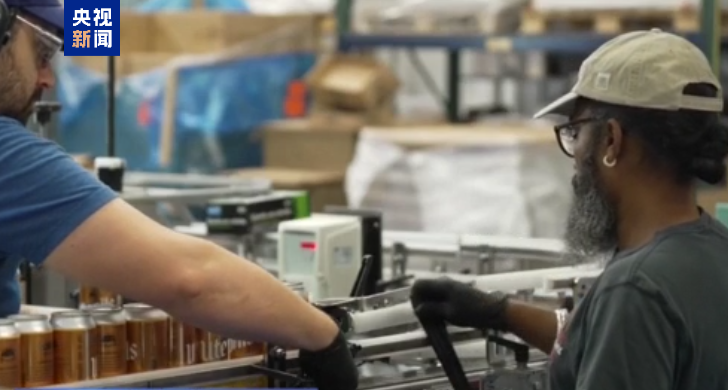
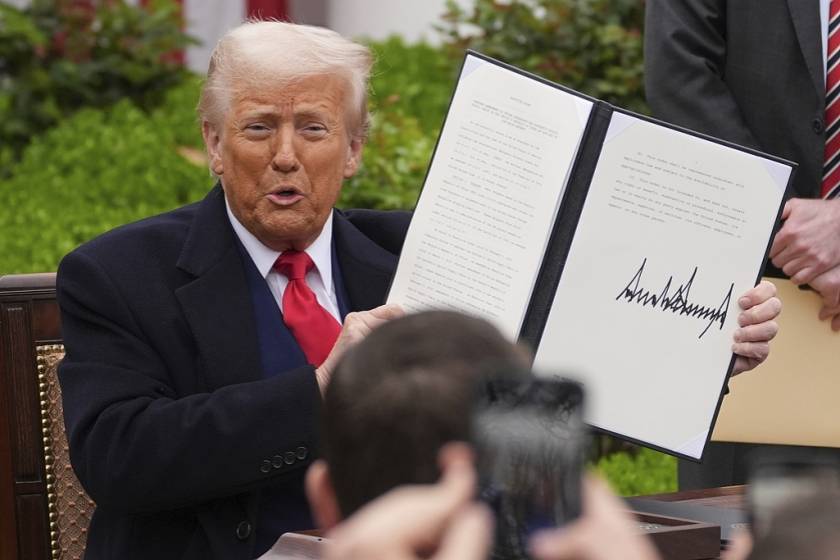
Core Insights - The average effective tariff rate on imported goods in the U.S. has reached 18.3%, the highest level since 1934 [2] - Tariff policies are projected to reduce the U.S. GDP growth rate by 0.5 percentage points annually in 2025 and 2026 [2] - The unemployment rate is expected to rise by 0.3 percentage points by the end of 2025 and by 0.7 percentage points by the end of 2026 due to tariffs [2] Economic Impact - The average household expenditure in the U.S. is anticipated to increase by $2,400 by 2025, with significant impacts on clothing prices [2] - Short-term price increases for consumers are projected to be 40% for footwear and 38% for clothing [2] - Long-term price increases are expected to stabilize at 19% for footwear and 17% for clothing [2]

新力量NewForce总第4827期
First Shanghai Securities· 2025-07-31 10:47
Group 1: Investment Rating - The report does not provide a specific investment rating for Deckers Outdoor Corp. (DECK) or Figma (FIG) [4][14]. Group 2: Core Insights - Deckers Outdoor Corp. reported Q1 2026 earnings that exceeded expectations, driven by strong growth in HOKA and UGG brands, with revenue increasing by 17% year-on-year to $965 million [8]. - The gross margin for Deckers was 55.8%, slightly down from 56.9% in the same period last year, while operating profit rose to $165 million from $133 million year-on-year [8]. - HOKA brand revenue grew by 20% to $653 million, and UGG brand revenue increased by 19% to $265 million, while other brands saw a decline of 19% [8]. - Figma is positioned as a significant IPO in the second half of the year, with an increased offering price range of $30-32, suggesting a market capitalization between $17.6 billion and $18.8 billion [14]. - Figma is seen as a disruptor to Adobe, with a focus on enhancing productivity through cloud-based collaboration tools, which contrasts with Adobe's traditional software model [15][16]. Group 3: Financial Summary - For Deckers, the forecast for Q2 2026 revenue is between $138 million and $142 million, with diluted earnings per share expected to be $1.55 [9]. - Historical and forecasted total revenue for Deckers is projected to grow from $4.288 billion in FY24 to $5.470 billion in FY26, reflecting an 18% increase in FY24 and a 16% increase in FY25 [10]. - Figma's revenue growth rate is anticipated to be between 45% and 50%, with a net dollar retention rate of 132% [18].
梁丹媚:遭越南“背刺”,印尼和美国谈判关税时陷入两难
Sou Hu Cai Jing· 2025-07-31 00:16
Core Viewpoint - The article discusses a significant shift in the U.S. geopolitical economic strategy under the Trump administration, characterized by unprecedented tariffs aimed at reshaping global supply chains, curbing China's influence, and re-establishing U.S. economic dominance [1][5]. Tariff Impact - The scale of the tariff measures is alarming, with proposed tariffs of 46% on Vietnamese exports, 49% on Cambodian goods, 36% on Thai products, 32% on Indonesian items, and 24% on Malaysian exports [2][4]. - Following the announcement, Southeast Asian currencies such as the Thai baht and Malaysian ringgit experienced sharp declines, leading to significant market volatility [4]. Trade Balance and Strategy - The U.S. claims these tariffs are a response to "unfair trade practices," yet many ASEAN countries are sources of substantial U.S. trade surpluses, with a total trade volume of $476.8 billion in 2024, including $352.3 billion in exports from ASEAN to the U.S. [4][5]. - Analysts suggest that the true aim of the tariffs is to economically compel Southeast Asian nations to decouple from China, making their ties with China less economically viable [5][6]. Political Leverage - The U.S. strategy is described as using international trade as a tool for political coercion, effectively weaponizing trade to achieve its geopolitical objectives [6]. - The uncertainty surrounding the implementation of these tariffs serves as a strategic weapon, creating confusion and anxiety among targeted nations and businesses, thereby maximizing U.S. leverage in negotiations [7]. ASEAN's Response - ASEAN's collective response to the U.S. tariffs has been weak, with member states unable to form a unified front against U.S. unilateralism, leading to a situation where individual countries seek bilateral negotiations with the U.S. [10][11]. - The establishment of a "Vietnam precedent," where Vietnam negotiated a reduction in tariffs from 46% to 20%, has shifted the focus of other ASEAN countries from collective resistance to individual negotiations, fostering competition among them [13][14].
海外库存周期专题:下游渐入累库周期,制造板块寻龙头底部布局机会
Changjiang Securities· 2025-07-30 23:30
Investment Rating - The report maintains a "Positive" investment rating for the textile, apparel, and luxury goods industry [9] Core Insights - The U.S. apparel industry is expected to transition from weak replenishment to passive accumulation of inventory due to weak retail performance and expectations [2][6] - The overall inventory levels in the U.S. apparel sector are now considered healthy, shifting from a stable state to an upward trend [4][19] - The demand side remains pressured, with U.S. apparel retail growth stagnating around 0% since May 2022, indicating a weak overall consumption environment [5][37] Summary by Sections Inventory Cycle - The U.S. inventory cycle serves as an effective indicator for assessing manufacturing sentiment [4][16] - Historical transitions from inventory depletion to accumulation phases have typically led to stock price increases for manufacturing companies [4][16] - Current inventory levels in the U.S. apparel sector are healthy, with most brands, except Nike, returning to a healthy inventory state [4][22] Demand Dynamics - The U.S. apparel retail growth has been stagnant, with consumer confidence significantly weakened since 2025 [5][37] - The North American market remains the most pressured, with most brands experiencing a decline in revenue compared to other regions [41][42] Future Outlook - The report anticipates weak order elasticity in the near term, with upstream manufacturing unlikely to see significant recovery [6][34] - The recent tariff policies have provided clarity, enhancing investment certainty in the manufacturing sector [7] Sector Perspective - The report emphasizes the importance of focusing on leading manufacturers in the Southeast Asia region, where tariff impacts have been clarified, and investment certainty has improved [7][22] - The leading manufacturers are expected to gain market share due to their competitive advantages in low-tariff regions [7][22]

达芙妮一款女鞋质量监督抽查不合格!此前已因不达标被通报
Nan Fang Du Shi Bao· 2025-07-30 15:08
Core Insights - The Zhejiang Provincial Market Supervision Administration reported that a women's leather shoe produced by Daphne Investment (Group) Co., Ltd. Shanghai Branch was deemed unqualified due to the insufficient lower limit of the insole length, marking a recurring issue for the brand since its revenue recovery began in 2021 [1] Group 1: Product Quality Issues - The specific model of the non-compliant product is "240 (1.5)" with a production batch number of "2023.08.26," sold at a store in Linhai City [1] - The insole is a critical internal support component of footwear, essential for maintaining the shoe's curvature, supporting the arch, and stabilizing the heel; inadequate length can weaken the shoe's rigidity, leading to potential deformation and increased risk of falls [1] Group 2: Historical Context - Daphne International Holdings Limited, the parent company of the Shanghai branch, has shown a recovery in performance since 2021 after experiencing continuous losses from 2014 to 2020; however, product quality issues have been repeatedly highlighted during this recovery phase [1] - Previous reports from 2021 and 2022 indicated that Daphne's women's shoes failed to meet safety standards related to the insole's vertical rigidity and hardness, which are crucial for arch support [2][2] Group 3: Company Response - As of now, Daphne Group has not publicly commented on the latest quality report [3]
Hoka母公司2026财年一季度净销售额增长16.9%
Bei Jing Shang Bao· 2025-07-30 11:25
北京商报讯(记者 张君花)7月30日,北京商报记者获悉,跑鞋Hoka 和 UGG 等品牌母公司Deckers Brands 公布了截至6月30日的2026财年第一季度关键财务数据:净销售额同比增长16.9%至9.64亿美元, 营业利润和净利润均实现超20%涨幅,分别达到1.65亿和1.39亿美元,均超出预期。 ...
中产跑鞋,又多一员?
3 6 Ke· 2025-07-30 10:14
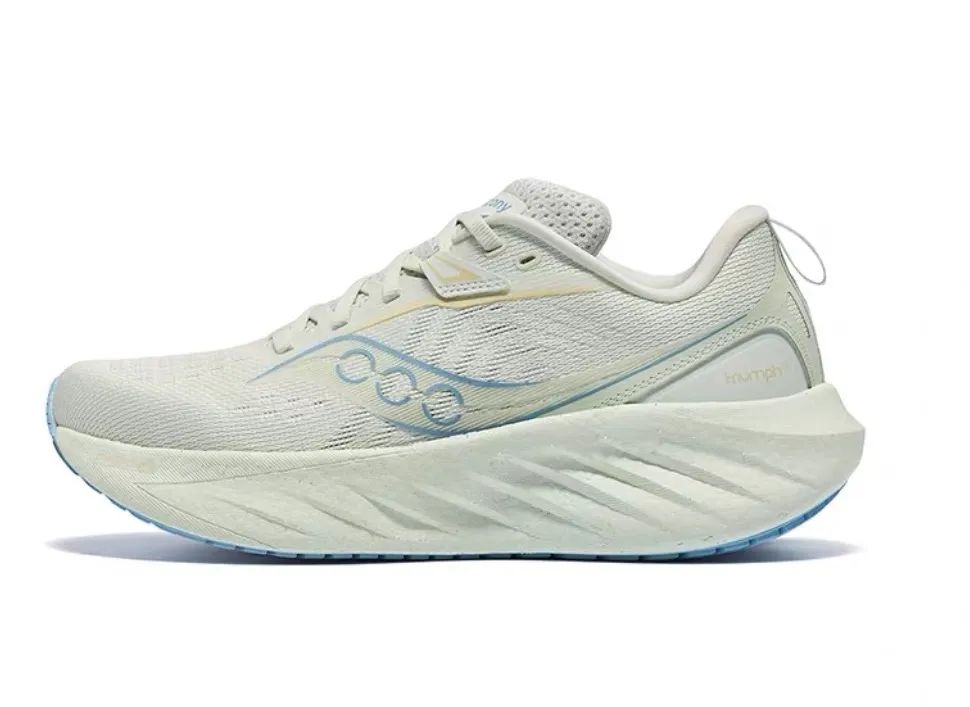
Core Viewpoint - Saucony, a well-known running shoe brand, is shifting its focus towards the middle-class consumer market in China, aiming to enhance its brand recognition and sales performance in a competitive landscape dominated by other major brands like Nike and Asics [3][19][20]. Group 1: Brand Recognition and Market Position - Saucony has gained significant attention on social media, with related entries on Xiaohongshu accumulating 150 million views, indicating a growing interest among young professionals and middle-class consumers [3][5]. - Despite its strong reputation in the professional running community, Saucony's brand recognition among the general public remains low compared to competitors like New Balance and Asics, which have 650 million and 1 billion views respectively [5][19]. - The brand's revenue from its professional sports division, primarily driven by Saucony, grew by 57.2% year-on-year, reaching 1.25 billion yuan in 2024, although it still represents less than 10% of the total revenue of its parent company, Xtep [3][19][20]. Group 2: Marketing and Product Strategy - Saucony is actively redefining its image by associating with lifestyle elements, reducing its focus on marathon-related content, and increasing collaborations with urban lifestyle brands like M Stand and niko and … [9][11][12]. - The brand has introduced trendy product features such as DIY shoelaces and collaborations with celebrities to appeal to younger consumers, aiming to establish itself as a lifestyle brand rather than just a professional running shoe manufacturer [12][21]. - Saucony's pricing strategy shows a mix of products, with most items priced between 300 to 700 yuan, but only one model exceeding 1,000 yuan, indicating a need to strengthen its high-end market presence [25][27]. Group 3: Competitive Landscape and Challenges - In the competitive running shoe market, Saucony faces challenges in achieving a leading position, with major brands like Nike capturing 34.9% of the market share in major marathons, while Saucony, along with Asics and Adidas, holds between 10% to 15% [27][28]. - The brand's previous attempts to penetrate the Chinese market were hindered by a lack of brand awareness and ineffective marketing strategies, leading to its exit from the market before its recent resurgence in 2019 [20][21]. - As Saucony expands into apparel and lifestyle products, it risks diluting its brand identity if not executed carefully, as evidenced by the absence of clothing items in its top-selling products on e-commerce platforms [29][30].
创下历史最佳季度业绩,但HOKA增速在放缓
Nan Fang Du Shi Bao· 2025-07-28 11:53
Core Insights - HOKA has become a frequent presence in the shoe cabinets of Chinese middle-class consumers, experiencing rapid growth since being acquired by Deckers Brands in 2013 [1] - The company reported its best-ever quarterly performance for HOKA, but the growth rate is showing signs of decline [1][4] Financial Performance - Deckers Brands achieved revenue of $965 million in Q1 2026, a year-over-year increase of 16.9%, with a gross margin of 55.8% [2] - HOKA's net sales grew by 19.8% to $653.1 million, compared to $545.2 million in the same period last year [2] - UGG also performed well, with net sales increasing by 18.9% to $265.1 million [2] Regional Growth - The EMEA region was a key growth driver, with record replenishment volumes in wholesale and steady growth in DTC channels [3] - The APAC region showed impressive growth, with HOKA expanding its market presence through partnerships and self-operated retail stores in China [3] Growth Rate Decline - HOKA's growth rate has slowed, dropping from 29.7% in Q1 2025 to 19.8% in Q1 2026, indicating a nearly 10 percentage point decline [4] - Overall net sales growth for Deckers Brands also decreased from 22.1% to 16.9% in the same timeframe [4] Competitive Landscape - HOKA faces intensified competition in the high-performance running shoe market, particularly from Brooks in the U.S. and local competitor Kailas in China [5] - Brooks reported a 15% increase in global revenue, while HOKA's growth in the U.S. is slowing [5] - Kailas dominates the domestic market with a 34.8% share in trail running shoes, while HOKA holds 24.6% [5] Future Outlook - For Q2 2026, Deckers Brands expects net sales between $1.38 billion and $1.42 billion, with diluted earnings per share projected between $1.50 and $1.55 [6] - The outlook is contingent on the stability of business conditions and potential macroeconomic uncertainties [6]

5国刚划红线,美国来了个下马威,正式宣布与中国达成贸易协议
Sou Hu Cai Jing· 2025-07-28 07:51
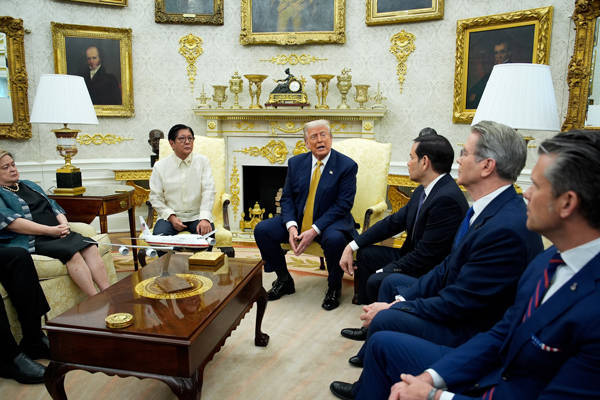
Core Viewpoint - The global trade situation is becoming increasingly complex as countries like South Korea, India, and Malaysia draw red lines in trade negotiations with the United States, while the U.S. responds quickly and mentions reaching a trade agreement with China [1][7]. Group 1: South Korea's Trade Negotiations - South Korea has firmly rejected further opening its beef and rice markets as negotiation leverage, emphasizing food safety and agricultural protection [3]. - In 2022, South Korea imported beef worth $2.22 billion from the U.S., and U.S. rice accounts for 32% of its total rice import quota [3]. - The U.S. has maintained a strong stance on agricultural market access, putting pressure on South Korea, especially as Japan has made concessions [3][4]. Group 2: India's Trade Stance - India has also taken a strong position in trade talks with the U.S., with key red lines being agriculture and dairy products [6]. - Indian Finance Minister Nirmala Sitharaman has called for the removal of reciprocal tariffs and additional tariffs on steel, aluminum, and auto parts, while seeking similar low tariff treatment as other U.S. trade partners [6]. - India retains the right to impose retaliatory tariffs on U.S. imports, particularly concerning genetically modified products and strict feed regulations for dairy animals [6]. Group 3: Malaysia's Position - Malaysia has rejected U.S. demands regarding tax exemptions for electric vehicles and restrictions on foreign ownership in the power and financial sectors [6]. - Malaysian Prime Minister Anwar has stated that these policies are crucial for the rights of the Malay and indigenous populations, showing a commitment to national policy independence [6]. Group 4: U.S.-China Trade Relations - President Trump has claimed that the U.S. is reaching a trade agreement with China, although the credibility of this statement is questioned [7]. - This assertion may serve multiple purposes, including pressuring countries yet to sign agreements with the U.S. and establishing a narrative that places the U.S. in a moral high ground during negotiations [7]. Group 5: Global Trade Dynamics - The U.S. faces setbacks in its trade negotiations with these five countries as they collectively establish red lines, diminishing U.S. negotiating power [9]. - Countries are adopting various strategies to counter U.S. trade pressures, with South Korea, India, and Malaysia maintaining firm stances on their agricultural policies and national interests [9]. - The future of global trade order will be shaped by the negotiations and collaborations among these nations, aiming for equitable solutions to foster a stable and open global trade environment [9].
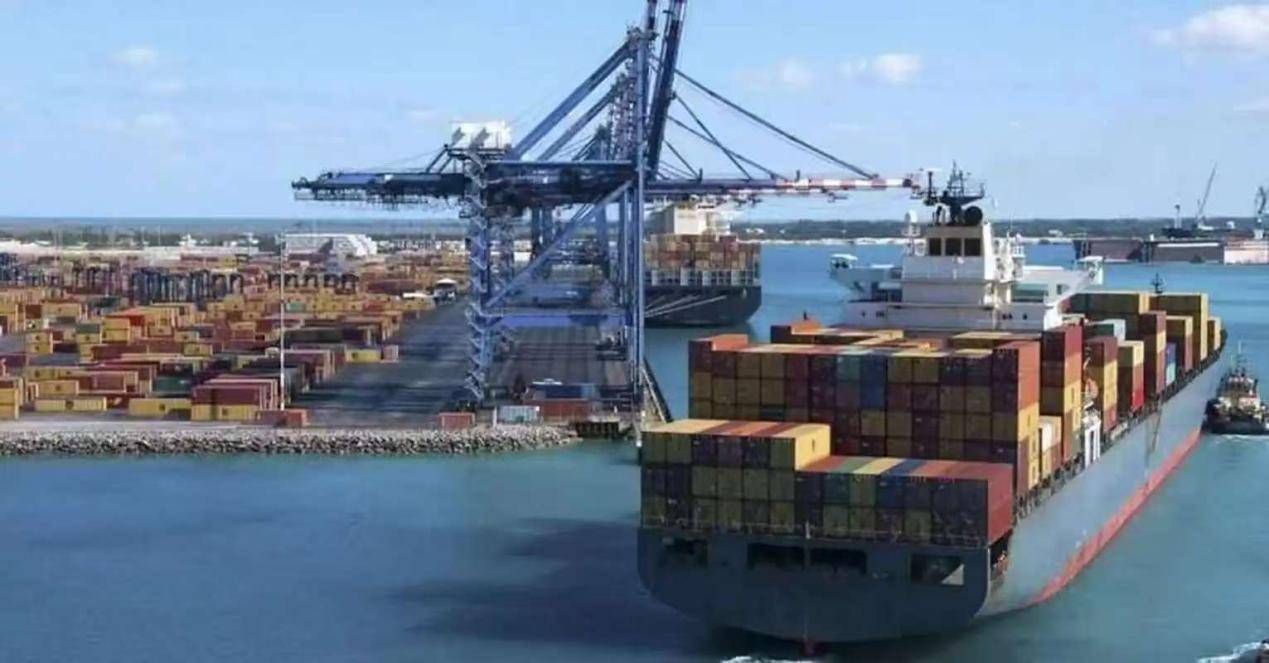
菲前总统发言人:美国“老大哥”怎么对我们的,再看看中国,马科斯糊涂啊
Sou Hu Cai Jing· 2025-07-25 06:55
Group 1 - The core viewpoint of the article highlights the criticism of Philippine President Marcos for his recent trade agreement with the U.S., which is perceived as unfavorable to the Philippines [1][4][5] - The agreement allows U.S. goods to enter the Philippines duty-free while imposing a 19% tariff on many Philippine exports to the U.S., which is seen as a significant disadvantage for Filipino exporters [2][4][5] - Critics argue that the agreement reflects a colonial mentality, as it resembles the historical context of the Philippines being a U.S. colony, where local industries were stifled by American imports [2][5][6] Group 2 - Former officials and political analysts express disappointment over the lack of negotiation strength displayed by President Marcos, especially when compared to Japan's more favorable trade terms [4][5] - The article mentions that the Philippine government is perceived as lacking assertiveness in its dealings with the U.S., leading to a situation where Filipino interests are compromised [5][6] - The disparity in trade terms between the Philippines and China is noted, with 98% of Philippine exports entering China duty-free, while many face high tariffs in the U.S. [5][6]