自动驾驶

Search documents
“全球Robotaxi第一股”文远知行:港股上市临近,商业化进程加速
Jin Tou Wang· 2025-10-22 09:46
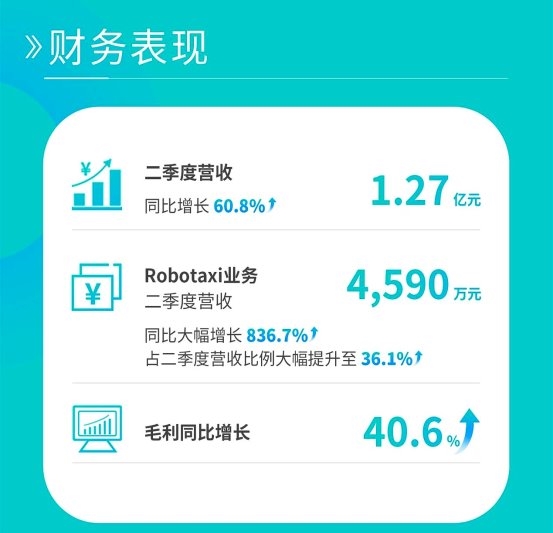
Core Insights - The company WeRide, known as the "first global Robotaxi stock," has officially entered the Hong Kong stock market listing phase after passing the Hong Kong Stock Exchange hearing, aiming to establish a dual capital platform of "U.S. stocks + Hong Kong stocks" to solidify its leading position in the trillion-dollar autonomous driving market [1] - WeRide has achieved significant barriers in its global layout, having obtained autonomous driving licenses in seven countries, including China, the U.S., France, the UAE, Singapore, Saudi Arabia, and Belgium, and operates in 30 cities across 11 countries with over 2,200 days of safe operation [1] - The company has made breakthroughs in autonomous ride-hailing technology, with predictive algorithms maintaining an average prediction error of less than 0.2 meters and accurately predicting 97% of bicycle and 98% of car encroachments [1] Cost Reduction and Commercialization - The significant reduction in costs has accelerated the scaling of operations, with the price of LiDAR dropping from tens of thousands of dollars to thousands of yuan, and WeRide's self-developed "WeRide One" platform further lowering algorithm costs [2] - In Q2, WeRide reported revenue of 127 million yuan, a year-on-year increase of 60.8%, with autonomous ride-hailing business revenue reaching 45.9 million yuan, a staggering increase of 836.7%, marking the highest quarterly revenue since the company's inception [2] - WeRide has also received approval to conduct nighttime autonomous driving road tests in Beijing, moving towards establishing a "24/7" all-weather service network, indicating a critical step towards large-scale operations in the trillion-dollar blue ocean market [2]


欧洲自动驾驶市场竞争激烈 百度12月将在瑞士启动测试
Ge Long Hui A P P· 2025-10-22 09:20
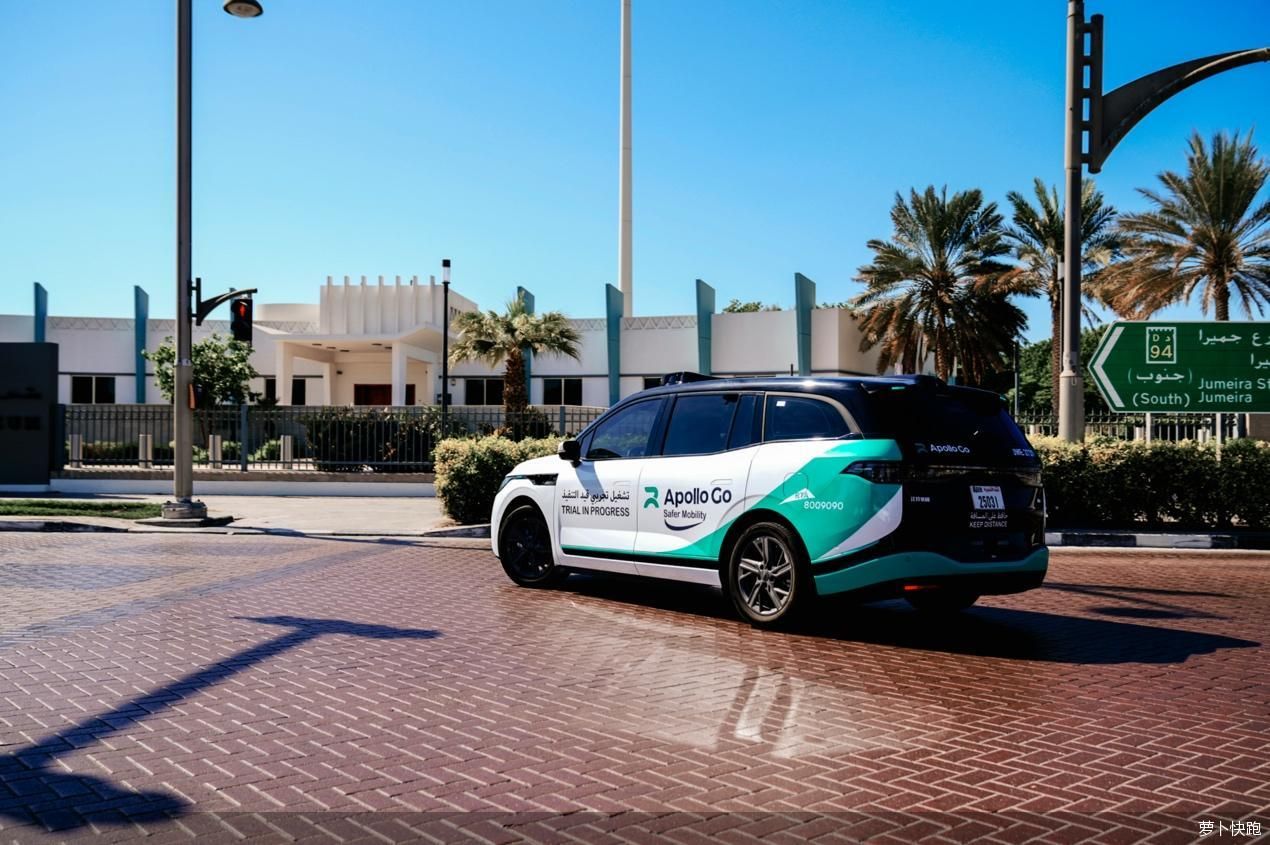
Core Viewpoint - Baidu is expanding its autonomous driving taxi services into the European market, specifically launching driving tests in Switzerland in December, marking a significant step in its international strategy [1] Group 1: Company Developments - Baidu's autonomous driving ride-hailing brand "Apollo Go" will collaborate with Swiss public transport operator PostBus for strategic partnership [1] - The companies plan to launch a fully driverless taxi service named "AmiGo" in the first quarter of 2027, utilizing Apollo Go's RT6 electric vehicle model [1] - After the official launch of the autonomous taxi service, the operational plan includes the removal of the vehicle's steering wheel [1] Group 2: Industry Context - The announcement follows similar moves by competitors, such as Pony.ai and Waymo, which also plan to initiate testing in other regions of Europe in the coming months [1]

特斯拉最新技术分享,FSD核心架构曝光了
3 6 Ke· 2025-10-22 08:00
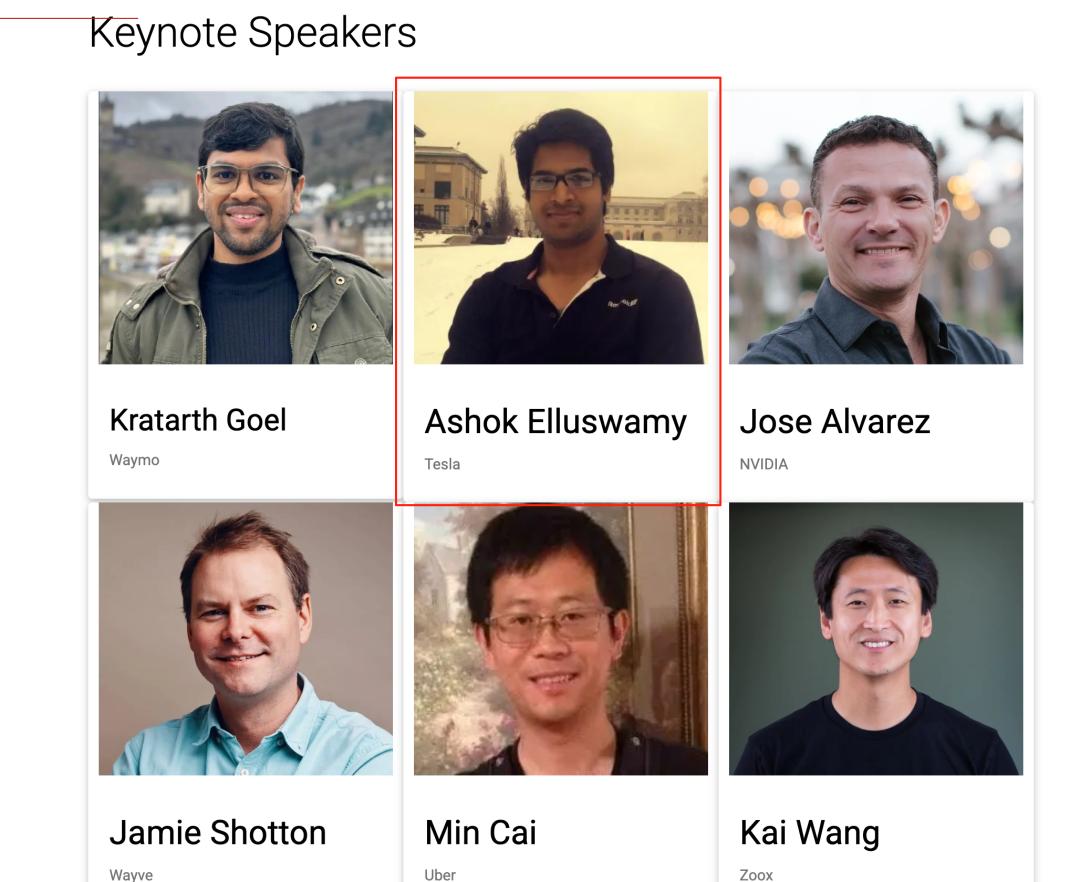
Core Insights - Tesla has publicly shared its FSD (Full Self-Driving) core architecture at the ICCV conference, indicating a significant development in its autonomous driving technology [1][4] - The presentation by Ashok Elluswamy has sparked discussions about Tesla's potential use of VLA (Vision-Language Architecture) in its systems, amidst an ongoing debate in the industry between VLA and world models [1][7] Technical Developments - The FSD architecture integrates a large neural network capable of processing multimodal inputs, including camera video, navigation data, vehicle motion status, and sound, with outputs that include panoramic segmentation, 3D occupancy networks, and language [6][10] - The architecture's ability to output language information suggests a shift towards a more advanced model capable of understanding and reasoning with long-term data [7][10] Industry Context - The debate between VLA and world models is prominent, with VLA proponents arguing for its ability to leverage vast internet data for knowledge accumulation and reasoning, while world model advocates claim it addresses the core challenges of autonomous driving more effectively [7][10] - The industry is moving towards larger model parameters, with Tesla's upcoming smart driving chip expected to reach 2000 TOPS, indicating a significant increase in computational power and model capabilities [10][12] Recent Updates - The latest FSD update (V14.1.3) includes enhancements for safety and personalization, improving obstacle avoidance and navigation capabilities [12] - Tesla has reintroduced the "Mad Max Mode," which allows for a more aggressive driving style, showcasing the system's adaptability in various driving scenarios [11][14]

大厂出海记(下):新“App工厂”里的代码与密码
Bei Jing Shang Bao· 2025-10-22 04:49
Group 1 - The article highlights the evolving landscape of Chinese tech companies expanding overseas, emphasizing cultural integration and local adaptation as key strategies for success [1][7][30] - Companies like Lalamove and Didi are focusing on emerging markets in Latin America and Southeast Asia, driven by domestic market saturation and the search for new growth opportunities [6][7][22] - The successful migration of Gojek's microservices to Tencent Cloud illustrates the complexities and challenges of cloud migration in a competitive market [9][10][11] Group 2 - The article discusses the importance of localizing services and understanding market dynamics, as seen in Lalamove's operations in Indonesia and Didi's expansion in Mexico [20][21][22] - The gaming industry faces increasing competition and rising customer acquisition costs, with global game revenue growth projected to be modest [17][30] - Compliance with local regulations is a significant challenge for Chinese companies entering foreign markets, particularly in developed regions with stringent data protection laws [29][30] Group 3 - The article notes that cultural output is becoming a natural extension of service and technology exports, with companies leveraging their influence to promote Chinese culture abroad [7][30] - The need for a professional team to navigate regulatory landscapes and market entry strategies is emphasized as crucial for successful international expansion [29][30] - The article concludes that the journey of Chinese tech companies abroad is not just about technology transfer but also about fostering cultural dialogue and understanding [30]
从地平线自动驾驶2025年的工作,我们看到了HSD的野心......
自动驾驶之心· 2025-10-22 00:03
Core Insights - Horizon is advancing in the autonomous driving sector by focusing on large-scale production of the new HSD system and reshaping the foundational logic of autonomous driving through cutting-edge research papers [2][3] - The company is transitioning from a technology supplier to a standard-defining entity in the industry, supported by capital influx following its Hong Kong listing [2] Group 1: End-to-End Autonomous Driving - ResAD introduces a normalized residual trajectory modeling framework that simplifies the learning task and enhances model performance, achieving a PDMS score of 88.6 in NAVSIM benchmark tests [8] - CorDriver enhances safety in end-to-end autonomous driving by explicitly defining safe passage areas, resulting in a 66.7% reduction in collision rates with traffic participants [11] - TTOG unifies motion prediction and path planning tasks, demonstrating a 36.06% reduction in average L2 error on the nuScenes dataset [15] - MomAD addresses trajectory prediction consistency and stability issues by introducing momentum mechanisms, showing significant improvements in collision rates and trajectory smoothness [19] - GoalFlow generates high-quality multimodal trajectories by using precise target point guidance, achieving a PDMS score of 90.3 in NavSim benchmark tests [22] - RAD employs a large-scale 3DGS-based reinforcement learning framework to enhance safety, reducing collision rates by three times compared to pure imitation learning methods [26] - DiffusionDrive utilizes a truncated diffusion model for real-time end-to-end autonomous driving, achieving an 88.1 PDMS score and significantly improving planning quality [30] Group 2: Autonomous Driving Scene Generation & World Models - Epona is a self-regressive diffusion world model that achieves high-resolution, long-term future scene generation and trajectory planning, outperforming existing methods in the NuScenes dataset [33] - UMGen generates diverse, multimodal driving scenes, supporting user-controlled scenario generation and demonstrating superior authenticity and controllability compared to existing methods [38] - DrivingWorld constructs a world model for autonomous driving via a video GPT framework, generating high-fidelity videos with strong temporal consistency and structural integrity [41] Group 3: Autonomous Driving VLM & VLA - AlphaDrive integrates reinforcement learning and reasoning into visual language models for high-level planning in autonomous driving, improving planning accuracy by 25.52% compared to standard fine-tuning models [45] - The company has established a community of nearly 4,000 members and over 300 autonomous driving companies and research institutions, focusing on various autonomous driving technology stacks [49]
大佬开炮:智能体都在装样子,强化学习很糟糕,AGI 十年也出不来
自动驾驶之心· 2025-10-22 00:03
Core Insights - The article discusses the current state and future of AI, particularly focusing on the limitations of reinforcement learning and the timeline for achieving Artificial General Intelligence (AGI) [5][6][10]. Group 1: AGI and AI Development - AGI is expected to take about ten years to develop, contrary to the belief that this year would be the year of agents [12][13]. - Current AI agents, such as Claude and Codex, are impressive but still lack essential capabilities, including multi-modal abilities and continuous learning [13][14]. - The industry has been overly optimistic about the pace of AI development, leading to inflated expectations [12][15]. Group 2: Limitations of Reinforcement Learning - Reinforcement learning is criticized as being inadequate for replicating human learning processes, as it often relies on trial and error without a deep understanding of the problem [50][51]. - The approach of reinforcement learning can lead to noise in the learning process, as it weights every action based on the final outcome rather than the quality of the steps taken [51][52]. - Human learning involves a more complex reflection on successes and failures, which current AI models do not replicate [52][53]. Group 3: Future of AI and Learning Mechanisms - The future of AI may involve more sophisticated attention mechanisms and learning algorithms that better mimic human cognitive processes [33][32]. - There is a need for AI models to develop mechanisms for long-term memory and knowledge retention, which are currently lacking [31][32]. - The integration of AI into programming and development processes is seen as a continuous evolution rather than a sudden leap to superintelligence [45][47].

我们正在寻找自动驾驶领域的合伙人...
自动驾驶之心· 2025-10-22 00:03
Group 1 - The article announces the recruitment of 10 outstanding partners for the autonomous driving sector, focusing on course development, paper guidance, and hardware research [2] - The main areas of expertise sought include large models, multimodal models, diffusion models, end-to-end systems, embodied interaction, joint prediction, SLAM, 3D object detection, world models, closed-loop simulation, and model deployment and quantization [3] - Candidates are preferred from QS200 universities with a master's degree or higher, especially those with significant contributions to top conferences [4] Group 2 - The compensation package includes resource sharing for job seeking, doctoral recommendations, and study abroad opportunities, along with substantial cash incentives and collaboration on entrepreneurial projects [5] - Interested parties are encouraged to add WeChat for consultation, specifying "organization/company + autonomous driving cooperation inquiry" [6]
自动驾驶赛道“回暖”24起融资吸金超350亿元
Mei Ri Jing Ji Xin Wen· 2025-10-21 12:59
Core Insights - The autonomous driving industry is experiencing a significant resurgence in investment, with over 100 billion RMB raised in 11 financing events in the past month alone, and a total of 24 financing events exceeding 350 billion RMB since the beginning of 2025, indicating a strong recovery from previous years' downturns [1][2][6] Financing Trends - The 24 financing events in 2025 cover four main areas: L2-level assisted driving, L4-level niche markets, Robotaxi, and the autonomous driving supply chain, with 10 events raising over 10 billion RMB each, accounting for 50% of the total financing [2][3] - L2-level assisted driving saw 5 financing events, with the largest being Horizon Robotics raising approximately 58.12 billion RMB, while significant investments were also made in Robotaxi, with Didi Autonomous Driving completing a 20 billion RMB round [2][3] Market Dynamics - L4-level autonomous driving is advancing in specific applications like mining and logistics, with 9 companies raising over 30 billion RMB in total [3] - The supply chain for autonomous driving, particularly in chips and LiDAR, is also attracting substantial investments, with notable rounds from companies like Chipone Technology and Hesai Technology [3] Policy and Capital Influence - The financing landscape is characterized by a shift towards state-owned and industrial capital, which is replacing traditional financial investors, indicating a new dynamic in the industry [6][7] - The period from 2024 to 2025 has seen a significant increase in policy support, with over 71 new policies introduced in the first half of 2025 alone, laying a legal and institutional foundation for the commercialization of autonomous driving [7][8] Technological Advancements - The penetration rate of L2-level assisted driving in China has surpassed 50%, leading globally, with emerging technologies becoming standard in mid-to-high-end vehicles [8] - The cost of hardware has halved over the past two years, and the driving experience has improved tenfold, indicating rapid technological advancement [8] Profitability Challenges - Despite the influx of capital, many companies in the autonomous driving sector are still in the investment phase and have not yet achieved profitability, with significant losses reported by leading firms [9][10] - Companies like Horizon Robotics and Pony.ai are facing challenges in achieving stable profits, highlighting the ongoing need for financing to support R&D and market expansion [9][10] Future Outlook - The market for intelligent connected vehicles in China is projected to grow from 161.1 billion RMB in 2023 to 222.3 billion RMB by 2025, with expectations that China will become the largest market for autonomous driving by 2030 [11][12] - Industry leaders emphasize the importance of safety in the deployment of AI technologies in driving, suggesting a cautious yet optimistic approach to the future of autonomous driving [12]
上海给民营经济“加满油”
Guo Ji Jin Rong Bao· 2025-10-21 11:58
Core Points - The private economy in Shanghai has reached 3.2 million entities, accounting for over 90% of the total in the city [1] - The "Shanghai Private Economy Promotion Regulations" officially took effect on October 20, aiming to boost the private sector as a key driver for employment, innovation, and international expansion [1][2] - Shanghai is enhancing its business environment through a series of measures, including the release of the 8.0 version of the business environment and the introduction of new policies to support high-quality development of the private economy [2] Group 1: Legislative Impact - The new regulations address key concerns and challenges faced by the private economy, providing a legislative boost to its development [3] - The regulations encourage the establishment of innovation alliances and aim to enhance collaboration between upstream and downstream enterprises [4] - The regulations also emphasize the importance of high-level talent in technology innovation and support partnerships between educational institutions and private enterprises [5] Group 2: Financial Support - The regulations include a dedicated chapter on financing services, aiming to resolve financing difficulties and create a multi-faceted financing service system [5] - Key measures include ensuring fair credit practices, promoting inclusive finance, and optimizing financing credit services for private enterprises [5] - The Shanghai government is committed to providing a better business environment and focusing on the needs of private enterprises to support their high-quality development [5] Group 3: International Expansion - From 2015 to the end of last year, the average annual growth rate of import and export volume for private enterprises in Shanghai was 11.1%, surpassing the city's average growth rate by 7 percentage points [6] - As of the first half of this year, private enterprises accounted for 38.1% of the city's total import and export volume, with a year-on-year growth of 23.6% [6] - The regulations aim to enhance the overseas service system for private enterprises, improve customs facilitation, and optimize cross-border financial measures [6][8] Group 4: Industry Perspectives - Companies like Xiying Technology are leveraging the new regulations to navigate international challenges and enhance their global competitiveness [8] - The regulations provide clear guidance for private enterprises in establishing global supply chain management centers and improving overseas service systems [7][8] - The government is encouraged to facilitate overseas investment approvals and provide professional guidance to support private enterprises in their international endeavors [6][7]

无人驾驶双雄对决:文远知行亏损率曾高达697%压力显著 靠海外业务支撑30%毛利率
Xin Lang Zheng Quan· 2025-10-21 10:57
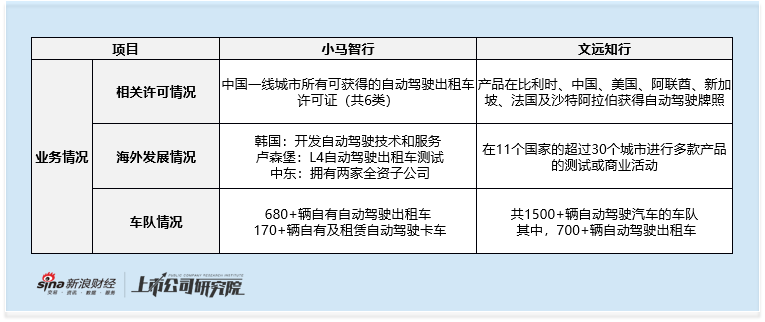
Core Viewpoint - The article discusses the recent listings of two major players in China's autonomous driving sector, Xiaoma Zhixing and Wenyuan Zhixing, on the Hong Kong stock market, highlighting their differing strategies and financial performances in a challenging industry environment [1]. Business Strategy Differences - Xiaoma Zhixing focuses on deepening its presence in China's first-tier cities and has obtained all available autonomous taxi licenses, while also exploring overseas markets like Luxembourg and the UAE [3][4]. - Wenyuan Zhixing adopts an "overseas first" strategy, concentrating on regions with clear economic advantages for autonomous vehicle operations, particularly in Europe and the Middle East, where it has established a leading position [3][4]. Fleet Composition and Scale - Wenyuan Zhixing operates a fleet of over 1500 autonomous vehicles, primarily focusing on taxi services, while Xiaoma Zhixing has a dual fleet strategy with over 680 autonomous taxis and 170 autonomous trucks, catering to both urban mobility and logistics [4]. Financial Performance - Both companies are experiencing significant losses, with Xiaoma Zhixing projected to generate $75.03 million in revenue and incur a net loss of $280 million in 2024, while Wenyuan Zhixing is expected to have $50.41 million in revenue and a net loss of $350 million [6][7]. - Wenyuan Zhixing maintains a gross margin above 30%, significantly higher than Xiaoma Zhixing's margins, indicating potential for profitability despite high loss rates [6]. Future Performance Predictions - Analysts predict that Wenyuan Zhixing may outperform Xiaoma Zhixing in 2025, with expected revenues of $89.6 million compared to Xiaoma's $82.1 million, and a narrower net loss for Wenyuan [7]. Additional Challenges for Xiaoma Zhixing - Xiaoma Zhixing faces increased scrutiny following a short-selling report that raised concerns about its technology, operational efficiency, and financial health, adding uncertainty to its future performance in the market [8].