
智能眼镜

Search documents
“扎克伯格想表现反华立场,却被中企狠狠拿捏”
Sou Hu Cai Jing· 2025-09-16 08:15
Core Viewpoint - Meta's CEO Mark Zuckerberg has shifted from a contentious relationship with the Trump administration to becoming a favored guest at the White House, while simultaneously navigating complex supply chain dynamics with Chinese manufacturer Goertek [1][2]. Group 1: Meta's Supply Chain and Partnerships - Goertek has strengthened its control over Meta's AI glasses supply chain through significant transactions, including acquiring 100% of Shanghai Aolai's optical device production [1][2]. - Despite Meta's efforts to diversify its hardware supply chain away from China, Goertek remains a key partner, producing Meta's upcoming Hypernova smart glasses and continuing to supply components for the Quest VR headsets [2][4]. - Meta claims to have a robust and diversified supply chain, not solely reliant on any single manufacturer, while Goertek's role as a stable supplier is emphasized by industry insiders [4]. Group 2: Zuckerberg's Positioning and Market Challenges - Zuckerberg is positioning himself as an "AI leader," developing AI-driven wearable devices and collaborating with the U.S. government on military technology modernization [5]. - Despite his strong anti-China rhetoric, Zuckerberg's attempts to expand Meta's business in China have faced significant challenges, with potential partners wary of his past comments [7][10]. - The competitive landscape for Meta's VR devices in China includes major players like ByteDance, Apple, and Sony, which could hinder Meta's market entry despite any potential opportunities [9][10].


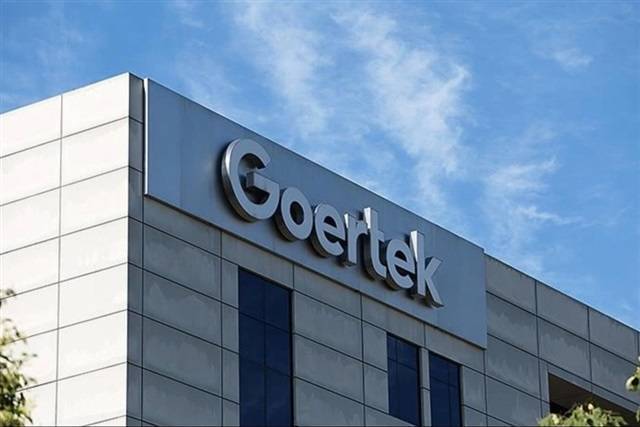
“想表现反华,却被中企狠狠拿捏”
Guan Cha Zhe Wang· 2025-09-16 08:15
Core Insights - Meta's CEO Mark Zuckerberg has shifted from being threatened by the Trump administration to becoming a welcomed guest at the White House, indicating a change in his relationship with the U.S. government [1] - Goertek, a leading Chinese hardware manufacturer, is strengthening its control over Meta's AI glasses supply chain through strategic acquisitions, enhancing its influence in the smart glasses industry [1][2] - Meta is diversifying its hardware supply chain and has begun production in Vietnam, but Goertek remains a key partner for Meta's hardware needs [2][4] Group 1 - Goertek has acquired 100% of the shares of Shanghai Aolai Micro-Nano Optics and Shanghai Aolai Optoelectronic Information Technology, which produce micro-nano optical devices for smart glasses, through a capital increase of 530 million yuan [1] - Goertek is also involved in the production of Meta's upcoming new generation smart glasses, Hypernova, which is expected to be unveiled soon [2] - Meta's response to reports emphasizes its robust and diversified supply chain, indicating it does not rely solely on any single manufacturer [4] Group 2 - Zuckerberg is positioning himself as an "AI leader," developing AI-driven lightweight wearable devices and collaborating with the U.S. government on military technology modernization [5] - Despite his hardline stance towards China, Meta's ongoing reliance on Goertek for next-generation wearable devices highlights a contradiction in Zuckerberg's approach [7] - Previous attempts by Zuckerberg to expand Meta's business in China have faced challenges due to his past comments and the geopolitical climate [7][11]
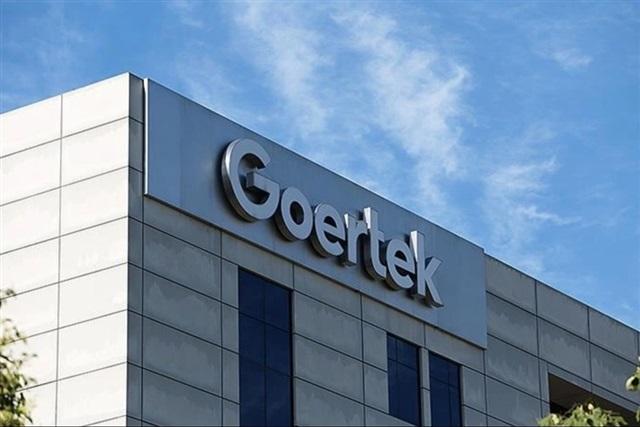
长盈精密:向Meta供应AI眼镜结构件 智能眼镜业务推动业绩增长
Zhong Zheng Wang· 2025-09-16 06:09
Core Insights - Changying Precision (300115) is supplying structural components for AI glasses to Meta, which is set to launch the new generation Ray-Ban AI smart glasses, Meta Hypernova, during the Meta Connect conference on September 18-19, 2025 [1][2] - The global smart glasses market is expected to see a 110% year-on-year increase in shipment volume in the first half of 2025, with AI smart glasses accounting for 78% of total shipments [1] - The smart glasses market is projected to grow at a compound annual growth rate (CAGR) of over 60% from 2024 to 2029, driven by the popularity of Meta's Ray-Ban smart glasses and the entry of new brands like Xiaomi and RayNeo [1] Company Insights - Meta Hypernova is positioned as a consumer-grade AR glasses featuring a pioneering sEMG neural wristband for gesture-based non-contact operation, alongside touch controls [2] - The device includes advanced multimodal AI capabilities such as real-time visual search, voice assistance, and social live streaming, powered by the Snapdragon AR2 Gen2 chip [2] - Changying Precision was the largest value supplier for Apple's Vision Pro last year and is currently developing multiple projects in the smart glasses sector to meet the rapidly growing market demand [2] - The company anticipates that ongoing advancements in AI, display, and interaction technologies will create more scenario-based demands, positioning smart glasses as a new growth driver for its performance [2]

魔飞光电:预计2028-2030年,全球AR眼镜年出货量将达数千万
Tai Mei Ti A P P· 2025-09-12 07:09
Core Insights - The AI/AR glasses market is experiencing significant growth, with a projected shipment of 262,000 units in the first half of 2025 in China, representing a 73% year-on-year increase, and an expected total shipment of 900,000 units for the year, a 133% increase [2] - The market is expected to exceed 100 billion yuan in three years, driven by advancements in technology and cost reductions [2] Industry Trends - Light guide AR glasses are anticipated to become the dominant form due to their lightweight and integrated design, gradually replacing heavier models [3] - The BirdBath technology is positioned for the budget segment, while light guide technology is gaining traction among manufacturers, spurred by AI advancements [3] - Major suppliers like GoerTek and Lens Technology are increasing investments in the supply chain to support the growth of AR glasses [3] Market Opportunities - The global new display industry is projected to grow by 17% in 2024, reaching $219.8 billion, with China accounting for approximately half of this market at around $108 billion [3] - Morphotonics, a Dutch company specializing in large-area nanoimprint technology, has established a subsidiary in Suzhou, China, to enhance its local presence and focus on cost reduction, capacity increase, and rapid response [3] Technological Challenges - Current wafer-level technology faces challenges such as high costs and low production capacity, while roll-to-roll nanoimprint technology struggles with precision and yield [4] - The roll-to-plate nanoimprint technology combines advantages of both methods, offering higher production capacity while meeting precision requirements [4] Production Capacity - Morphotonics has commercialized products like the Portis series for small-scale production and the Aurora series for large-scale manufacturing, with plans to introduce a new device, 'Cypris', capable of producing 6 million light guides annually [4] - A recent production run achieved a yield of 93%, with a target of maintaining yields between 90%-95% for large-scale production [4] Future Projections - The global annual shipment of AR smart glasses is expected to reach tens of millions by 2028 to 2030, contingent on reducing production costs [5] - Initial price increases of 20%-40% may be acceptable, but long-term market acceptance will require further price reductions [5]

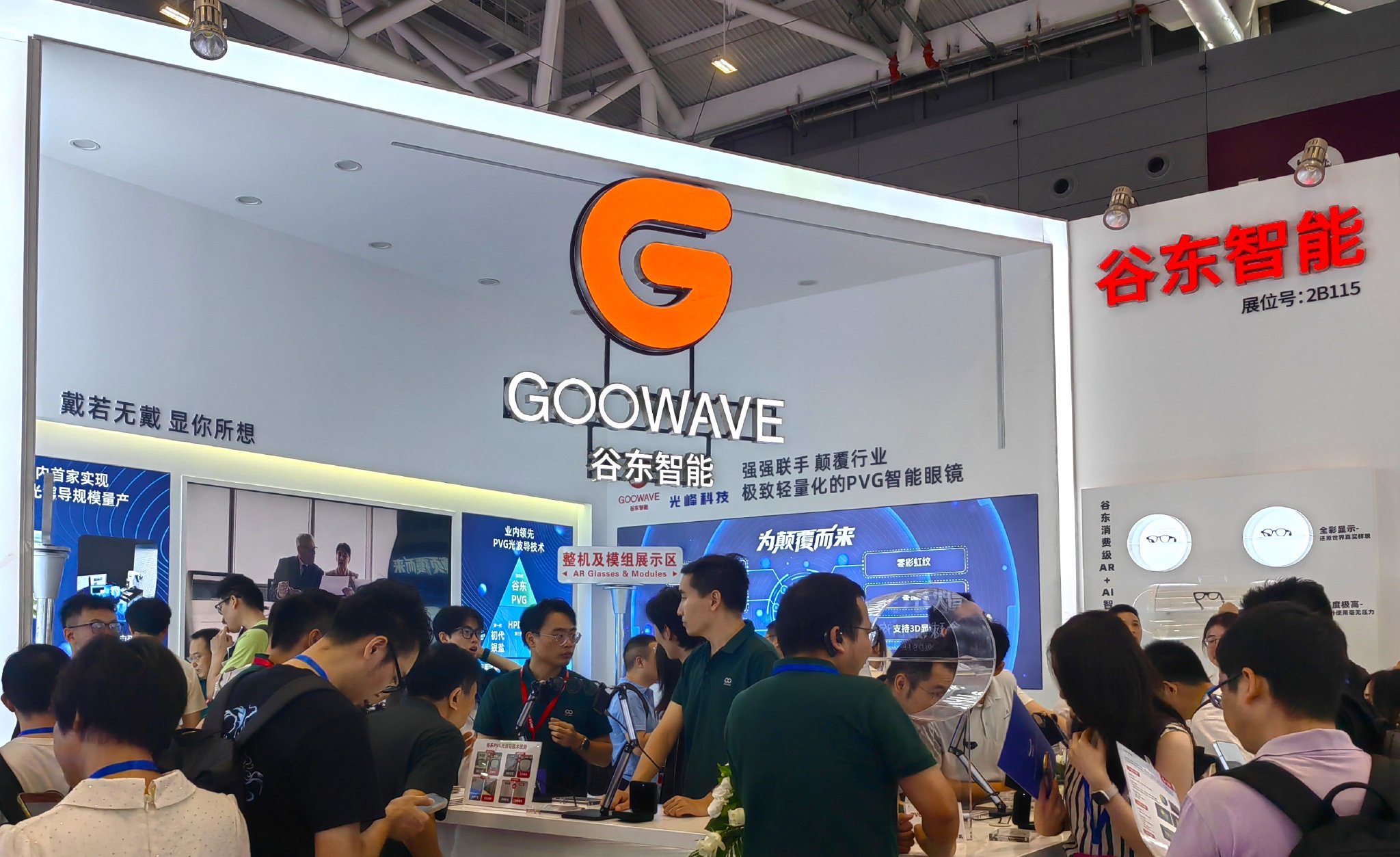
广州谷东智能突破PVG光波导,AR眼镜即将进入千元级市场
Xin Lang Cai Jing· 2025-09-12 07:05
Core Viewpoint - The significant reduction in costs for optical display systems is expected to catalyze the smart glasses market, with a new AR optical solution priced between 1500-2000 yuan, disrupting the current market average of over 3000 yuan [1][2]. Group 1: Company Overview - Gu Dong Intelligent, founded in 2017, is transitioning to the consumer market after establishing a leading position in the B2B sector, particularly in industrial AR applications [2][4]. - The company has over 500 global partners and its products are sold in more than 130 countries, with a market share exceeding 35% in China's industrial AR B2B market [5][4]. Group 2: Technology and Innovation - The newly launched "one-to-two" AR optical solution utilizes LCoS and PVG technology, significantly reducing the number of core display units and thus costs [1][8]. - Gu Dong Intelligent has achieved a cost reduction in core materials, with self-developed GDPA3 light orientation dye costing only 1/10 of imported products, and production costs for waveguides reduced by 60%-90% [1][11]. Group 3: Market Strategy - The company aims to produce over 10 million units by 2026, leveraging its B2B revenue to fund C2D market development, which is projected to be a trillion-yuan market [7][12]. - Gu Dong Intelligent positions itself as a technology supplier rather than a brand, focusing on providing components to major manufacturers like Huawei and Xiaomi [12][15]. Group 4: Future Outlook - The establishment of a 200,000-piece PVG waveguide production line is expected to lower the cost of waveguide pieces by 80%, potentially bringing the overall device price down to around 1000 yuan [11][12]. - The company anticipates a surge in demand for AR combined with AI technologies, projecting around 10,000 units shipped by the end of the year [11][12].


产销旺出海忙 中国智能眼镜产业“加速跑”
Zhong Guo Xin Wen Wang· 2025-09-11 21:27
Industry Overview - The Chinese smart glasses industry is rapidly transitioning from technology exploration and market entry to large-scale production due to increasing consumer demand [1][4] - CINNO Research forecasts that the sales of consumer-grade AI/AR glasses in China will reach 262,000 units in the first half of 2025, representing a year-on-year growth of 73%, with screenless AI glasses experiencing a remarkable growth rate of 463% [4] Company Highlights - Rokid, a company based in Hangzhou, launched its next-generation AI+AR glasses, achieving sales of over 40,000 units within five days of release, with online orders extending into October [1] - The product weighs less than 50 grams and integrates multiple functions such as subtitles, translation, navigation, and photography, showcasing advanced precision components [1] - Zhejiang Zhige Technology Co., Ltd. has ramped up production with fully automated production lines, producing high-performance AR diffraction waveguide lenses with a light efficiency of 1000 nits/lm and a transmittance exceeding 98% [3] - The company has reached a monthly production capacity of 100,000 lenses and is supplying multiple AR glasses brands [3] - Wenzhou Ouhai Glasses Co., Ltd., previously a contract manufacturer for Western brands, is now entering the overseas market with its self-developed smart glasses, having shipped its first batch of orders worth 9 million yuan to North America [3] - The company has achieved a production rate of 70 units per hour in its first-phase workshop, with plans for a second-phase workshop of 4,000 square meters to expand production for European and Japanese markets [3]

康耐特光学(02276):智能眼镜加速放量,行业进入密集交付周期
Xinda Securities· 2025-09-10 11:18
Investment Rating - The report maintains a "Buy" rating for 康耐特光学 (2276.HK) [3] Core Viewpoints - 康耐特光学 is experiencing accelerated growth in its smart glasses segment, with significant revenue increases expected in the second half of 2025 and into 2026 due to expanding production scales and new project developments [1][2] - The company has demonstrated strong supply chain capabilities and technological leadership in the three-in-one lens model, which positions it well for continued growth in the smart glasses market [2] - The industry is entering a dense delivery cycle, with expected optimization of product pain points and a substantial growth potential compared to international markets [2] Financial Projections - The projected net profit for 康耐特光学 from 2025 to 2027 is estimated at 560 million, 670 million, and 810 million yuan respectively, with corresponding PE ratios of 34.1X, 28.4X, and 23.6X [3] - Total revenue is forecasted to grow from 2,061 million yuan in 2024 to 3,181 million yuan in 2027, reflecting a year-on-year growth rate of 17% [3] - The company is expected to maintain a gross margin of approximately 39.99% in 2025, increasing slightly in subsequent years [5]
国泰海通|批零社服:景气环比改善,享多重红利——社服及商贸零售行业2025年中报业绩综述
国泰海通证券研究· 2025-09-04 12:18
Core Viewpoint - The report indicates that while revenue growth in various sectors has improved in Q1 2025, profit margins have not increased, primarily due to intensified competition affecting profitability [1][2]. Group 1: Revenue and Profit Trends - The social services sector saw a revenue increase of 2.84% in Q2 2025, with a quarter-on-quarter improvement of 2.77 percentage points, attributed to a low base and stable demand [1]. - The retail sector experienced a revenue decline of 6.7% in Q2 2025, a narrowing drop compared to a 12.77% decline in Q1 2025 [1]. - Operating profit margins for the social services sector decreased to 7.61% in Q2 2025, down 0.84 percentage points quarter-on-quarter and 1.65 percentage points year-on-year [1]. Group 2: Sector-Specific Growth Opportunities - The brand retail and AI sectors are benefiting from multiple growth drivers, with the toy IP industry seeing significant momentum, particularly for Miniso, which is expected to focus on fewer but larger store openings to enhance profitability [2]. - The education sector is experiencing a normalization in high school supply and quality improvements, with a notable shift towards AI education by public examination companies [2]. - The smart glasses industry is witnessing rapid product iteration, although performance varies among companies, with Kangnait Optical continuing to show high growth while others like Doctor Glasses and Mingyue Lenses are slowing down [2]. Group 3: Travel and Retail Sector Dynamics - The hotel industry is seeing a reduction in demand decline in Q2 2025, driven by low base effects and operational strategy adjustments [3]. - Online Travel Agencies (OTAs) maintain a stable profit margin and are improving subsidy efficiency while investing overseas [3]. - The supermarket and department store sectors are undergoing significant adjustments, with supermarkets experiencing a revenue decline of 14.47% and continued pressure on profitability in department stores [3].

国泰海通:社服板块收入增速普遍环比25Q1改善 品牌零售、AI及服务消费享受多重红利
智通财经网· 2025-09-04 06:21
Core Viewpoint - The report from Guotai Junan indicates that while the revenue growth in the social service sector has improved in Q2 2025, profits have not increased due to competitive pressures affecting profit margins [1] Group 1: Revenue and Profit Trends - The social service sector's revenue in Q2 2025 increased by 2.84%, showing a quarter-on-quarter improvement of 2.77 percentage points, primarily due to a low base and stable demand [1] - The operating profit margin for the social service sector in Q2 2025 was 7.61%, reflecting a decline of 0.84 percentage points quarter-on-quarter and 1.65 percentage points year-on-year [1] - The retail trade sector's operating profit margin was 1.81%, down 0.7 percentage points quarter-on-quarter, while it was up 0.1 percentage points compared to Q2 2024 [1] Group 2: High Growth Sectors - The collectible toy IP industry is experiencing significant growth, with Miniso reaching a turning point in same-store sales both domestically and internationally, focusing on fewer but larger store openings to improve profit margins [2] - The education sector is seeing improvements in high school supply and quality, with public examination companies actively investing in AI education [2] - The smart glasses industry is accelerating product iteration and market entry, although performance varies among companies, with Kangnait Optical continuing to grow while others like Doctor Glasses and Mingyue Lenses are slowing down [2] Group 3: Travel and Retail Sector Dynamics - The travel chain sector is at a low point but showing signs of stabilization, with hotel demand in Q2 2025 declining at a slower rate due to low base effects and operational strategy adjustments [3] - The OTA (Online Travel Agency) landscape remains stable with healthy profits and efficient subsidy strategies [3] - Supermarkets and department stores are undergoing significant adjustments, with supermarket revenues declining by 14.47% and department stores continuing to face pressure without signs of recovery [3]

AI眼镜“功能探索期迈向“规模化爆发期”
2025-09-02 00:42
Summary of the Conference Call on AI Glasses Industry Industry Overview - The global glasses market is projected to reach a significant scale in 2024, with sales of prescription and sunglasses estimated at 1.4 to 1.5 billion pairs, growing at an annual rate of 10% [1][4] - The smart glasses market is expected to see substantial growth, with Meta Ribbon AI glasses projected to sell 1.4 to 1.5 million units in 2024, and 800,000 units already sold in Q1 2025, indicating a strong market potential [1][4] Key Insights and Arguments - The introduction of new products in the smart glasses market in 2025 will be driven by major brands like Meta, Alibaba, and ByteDance, as well as companies like Xiaomi exploring the integration of smart glasses with large models [1][5] - The success of Meta Ribbon has encouraged domestic manufacturers to shift their focus from hardware to user experience, prompting a reevaluation of the essential needs for AI glasses [1][8] - Future competition in the smart glasses market will hinge on three critical factors: 1. **Technical Usability**: AI experience, hardware performance, and privacy security [9] 2. **Price Accessibility**: The price point of Meta Ribbon at $299 (approximately 1,500 RMB) is seen as a crucial threshold for market penetration [9] 3. **Scenario Necessity**: Identifying high-frequency essential applications such as real-time translation and first-person perspective recording is vital for product relevance [9] Product Launches and Market Dynamics - The smart glasses market is highly active in 2025, with new products being launched approximately every eight days [6] - Meta plans to release three new models, including a ski sports model priced between $499 and $599, a high-end AR glasses model priced over $1,000, and an industrial application model priced above $10,000 [7] - Domestic brands are also launching multiple new products, with notable releases from companies like 雷鸟 (Thunderbird) and 小米 (Xiaomi), focusing on both functionality and pricing strategies to attract consumers [5][7] Competitive Landscape - Different players in the smart glasses industry have distinct advantages: - **Internet Giants**: Companies like Baidu, ByteDance, and Alibaba leverage AI model development and content ecosystems, positioning smart glasses as software service entry points [10] - **Mobile Manufacturers**: Companies like Xiaomi, Huawei, and Samsung utilize their existing supply chains and user bases to optimize production and reduce costs [10] - **AR Technology Firms**: Companies like Lenovo's Xreal and Lucid focus on optical display technology, emphasizing their technical expertise in the field [12] Future Trends - The period from 2025 to 2026 is expected to be a brand positioning battle, with companies aiming to capture consumer attention [14] - Long-term survival in the market will favor brands that can identify killer applications and meet real-world usage needs [15] - The industry anticipates a shift towards more natural human-computer interaction, lighter designs, improved battery life, and integration into personal ecosystems [16]
