生物医药

Search documents
海南省国民经济和社会发展第十五个五年规划纲要
Zhong Shang Chan Ye Yan Jiu Yuan· 2026-03-05 00:05
Investment Rating - The report emphasizes the importance of high-standard construction of the Hainan Free Trade Port, indicating a positive investment outlook for the region [9][41]. Core Insights - The "15th Five-Year Plan" period is crucial for achieving high-quality development and deepening reform and opening up in Hainan, with a focus on building a modern industrial system and enhancing international competitiveness [8][24]. - The report highlights significant achievements during the "14th Five-Year Plan" period, including the establishment of a preliminary policy system for the Free Trade Port and substantial economic growth [30][41]. - The report outlines the strategic positioning of Hainan as a key area for national reform and opening up, aiming to become a major hub for international trade and investment [9][42]. Summary by Sections Development Foundation - Hainan's development foundation has become more solid, with a favorable environment for growth despite complex challenges [26]. - The province has achieved significant economic milestones, including a GDP growth rate of 5.7% and the establishment of a modern industrial system [30][41]. Guiding Principles - The report emphasizes the need for comprehensive reform and opening up, focusing on high-quality development and the integration of market mechanisms with government initiatives [52][53]. - It stresses the importance of ecological preservation and sustainable development as foundational principles for Hainan's growth [53]. Main Goals - The report sets ambitious targets for the Free Trade Port, aiming for a more complete policy system and enhanced trade and investment liberalization [55][56]. - It anticipates an annual economic growth rate of over 6% and a significant increase in the contribution of key industries to the GDP [56][57]. Infrastructure and Regional Development - Infrastructure improvements are highlighted, including the completion of major transportation projects and advancements in digital connectivity [34][36]. - The report discusses the importance of regional coordination and integration with national strategies, particularly with the Guangdong-Hong Kong-Macao Greater Bay Area [35][58]. Social and Economic Progress - The report notes improvements in social welfare, education, and healthcare, contributing to a higher quality of life for residents [38][39]. - It emphasizes the need for continued focus on safety and security, ensuring a stable environment for economic activities [39][40].
云南省国民经济和社会发展第十五个五年规划的建议
Zhong Shang Chan Ye Yan Jiu Yuan· 2026-03-05 00:05
Investment Rating - The report does not explicitly provide an investment rating for the industry Core Insights - The "14th Five-Year" period has seen significant achievements in Yunnan's development, with a GDP surpassing 3 trillion yuan, projected to reach 3.15 trillion yuan by 2024, and a notable increase in the share of industrial investment in fixed asset investment from 26.7% to 52.1% by 2024 [8][9] - The "15th Five-Year" period is characterized as a critical phase for Yunnan's development, focusing on high-quality, leapfrog growth in alignment with national modernization goals [7][16] - Yunnan aims to establish itself as a national model for ethnic unity, ecological civilization, and a hub for South Asia and Southeast Asia, with specific targets for economic transformation and modernization by 2035 [23][24] Summary by Sections Achievements in the 14th Five-Year Plan - Yunnan's GDP growth and structural changes have been significant, with the private economy's contribution to GDP increasing from 46.5% to 53.3% by 2024 [9] - The province has developed key industries such as clean energy, modern agriculture, and tourism, with notable achievements in green electricity generation and the establishment of a complete industrial chain for rare metals [9][10] Challenges and Opportunities in the 15th Five-Year Plan - The report identifies both challenges and opportunities, including the need for economic transformation and the potential benefits from national strategies like the Western Development and the Yangtze River Economic Belt [16][17] - Yunnan's unique advantages, such as its resources and geographical location, are highlighted as critical for leveraging growth opportunities [17] Overall Requirements and Goals - The overall requirements emphasize adherence to Marxist principles and the importance of high-quality development, reform, and open policies [18][19] - By the end of the "15th Five-Year" period, Yunnan aims to achieve significant progress in economic transformation, ethnic unity, ecological civilization, and regional cooperation [23][24] Industry Development Strategies - The report outlines strategies for developing a modern industrial system, focusing on sectors like clean energy, advanced manufacturing, and highland特色 agriculture [27][28] - Emphasis is placed on enhancing the service industry, optimizing logistics, and fostering innovation through technology and education [31][38] Open Development and International Cooperation - The report stresses the importance of high-level openness and international cooperation, particularly with South Asia and Southeast Asia, to enhance Yunnan's economic influence [33][34] - Infrastructure development and trade facilitation are key components of the strategy to strengthen Yunnan's position as a regional hub [34][36] Social and Cultural Development - The report highlights the importance of cultural confidence and social progress, aiming to improve the quality of life for all ethnic groups and ensure equitable development [26][27]
Cell:李伟/胡宝洋/周琪团队开发靶向蛋白降解新技术SPYTAC,穿越血脑屏障清除Aβ,安全治疗阿尔茨海默病
生物世界· 2026-03-05 00:01
Core Viewpoint - Alzheimer's disease (AD) affects approximately 57 million people globally and is the leading cause of dementia, with the pathological features being amyloid plaques and neurofibrillary tangles. The accumulation of beta-amyloid (Aβ) is considered a core driver of the disease, leading to a focus on Aβ-targeted therapies for drug development [3][4]. Group 1: Research Findings - Recent clinical trial results indicate that Aβ immunotherapy can slow disease progression in early-stage Alzheimer's by reducing Aβ levels in the brain, although it may cause brain inflammation and amyloid-related imaging abnormalities (ARIA) [3][4]. - A new approach using extracellular targeted protein degradation (eTPD) has been developed, specifically a programmable synthetic peptide-mediated lysosomal targeting chimeric (SPYTAC) platform, which aims to effectively degrade Aβ while minimizing adverse effects [4][5]. Group 2: SPYTAC Platform - SPYTAC utilizes low-density lipoprotein receptor-related protein-1 (LRP1) to facilitate targeted degradation of extracellular proteins and cross the blood-brain barrier (BBB), showing effectiveness in reducing Aβ load in both peripheral and brain tissues in 5×FAD Alzheimer's mouse models [5][9]. - Compared to traditional immunotherapies, SPYTAC demonstrates fewer side effects, including reduced incidence of brain hemorrhage and inflammation, highlighting its potential for safer treatment options [5][11]. Group 3: Advantages and Potential - The modular and gene-encoded nature of SPYTAC allows for targeted customization of pathogenic proteins, showcasing its versatility in treating various diseases driven by pathogenic proteins [5][12]. - The study emphasizes that SPYTAC represents a promising, programmable, and gene-encoded eTPD method with significant potential for clinical translation in Alzheimer's disease [12].


Artiva Biotherapeutics (NasdaqGM:ARTV) FY Conference Transcript
2026-03-04 19:12
Summary of Artiva Biotherapeutics FY Conference Call Company Overview - **Company**: Artiva Biotherapeutics (NasdaqGM:ARTV) - **Industry**: Biotechnology, specifically focusing on autoimmune diseases and cell therapy Core Points and Arguments Deep B-Cell Depletion Mechanism - Artiva emphasizes the potential of deep B-cell depletion as a transformative mechanism in treating autoimmune diseases, particularly in comparison to autologous CAR T therapies [2][24] - The company aims to differentiate itself by being the first to market with a deep B-cell depleting agent for rheumatoid arthritis (RA), targeting a significant unmet need in patients who have not responded to existing therapies [5][21] Lead Indication: Rheumatoid Arthritis - RA has been chosen as the lead indication due to its large population of refractory patients and the opportunity to be first in the market [5][6] - The company plans to initiate a registrational trial for RA in the first half of 2026, with an interaction with the FDA to discuss trial design [5][6][34] Efficacy and Safety Profile - Artiva has reported strong efficacy in treating aggressive non-Hodgkin's lymphoma, with complete response rates around 60% and durability of 19.4 months [10][11] - In a trial involving 32 patients with autoimmune conditions, no cases of cytokine release syndrome (CRS) were reported, indicating a favorable safety profile compared to existing therapies [4][14] Market Opportunity - The current market for RA treatments is approximately $20 billion, with $5 billion attributed to patients on third-line therapies, which have a low response rate of 10%-20% [9][21] - Artiva aims to capture this market by providing a therapy that could achieve ACR50 responses of 50% or greater in patients who have failed multiple therapies [8][9][34] Scalability and Cost of Goods Sold (COGS) - The company utilizes umbilical cord-derived NK cells, which allows for scalable production, with a COGS estimated at $1,000 or less per vial containing 1 billion cells [12][13] - The treatment is designed to be administered in a community setting, enhancing accessibility and ease of use [18][27] Future Indications - Beyond RA, Artiva is also exploring indications for Sjögren's disease, scleroderma, and myositis, with a focus on community access and scalability [6][42][43] - The company plans to take a data-driven approach, prioritizing one indication at a time for further development [44] Additional Important Insights - Artiva's approach to community administration of Cyclophosphamide and Fludarabine has shown feasibility, with positive outcomes in patient management and tolerability [27][29] - The company has a cash balance of $123 million as of Q3 2025, providing a runway into Q2 2027 for ongoing development [22] - Artiva's strategy involves understanding the competitive landscape and focusing on indications where they can lead, rather than competing in crowded spaces [25][26] Conclusion - Artiva Biotherapeutics is positioned to potentially revolutionize the treatment of autoimmune diseases through its innovative deep B-cell depletion therapy, with a strong focus on RA as its lead indication and a commitment to safety, efficacy, and scalability in treatment delivery [21][45]
2026年3月核心荐股
Guoyuan International· 2026-03-04 11:24
Group 1: Company Performance and Market Trends - 和誉-B (2256.HK) has a total market value of HKD 76 million, with a current price of HKD 11.15, showing a price increase of 158.7% since its inclusion on November 1, 2024[3] - 基石药业-B (2616.HK) has a market value of HKD 92 million, with a current price of HKD 6.26, reflecting a price drop of 24.7% since February 2, 2026[3] - 宜明昂科-B (1541.HK) has a market value of HKD 15 million, with a current price of HKD 3.55, down 48.6% since April 2, 2025[3] - 石药集团 (1093.HK) has a market value of HKD 1,062 million, with a current price of HKD 9.22, showing a slight increase of 3.0% since September 26, 2025[3] Group 2: Financial Metrics and Projections - 和誉-B (2256.HK) has an EPS of HKD 0.04 for 2024, with a PE ratio of 258.13 and a PB ratio of 3.59[3] - 基石药业-B (2616.HK) has an EPS of -0.07 for 2024, with a PE ratio of -89.43 and a PB ratio of 23.52[3] - 宜明昂科-B (1541.HK) has an EPS of -0.91 for 2024, with a PE ratio of -3.91 and a PB ratio of 2.09[3] - 石药集团 (1093.HK) has an EPS of 0.40 for 2024, with a PE ratio of 23.16 and a PB ratio of 3.05[3] Group 3: Strategic Insights - 和誉-B has a strong pipeline of 16 oncology drug candidates, with 10 in clinical stages, and a licensing agreement with Merck worth USD 605.5 million[3] - 基石药业-B has successfully launched 4 innovative drugs and is conducting global clinical trials for its core product CS2009, a tri-specific antibody[3] - 宜明昂科-B's core product IMM01 is the first SIRPα-Fc fusion protein in clinical stages in China, with promising clinical data and a rich pipeline[3] - 石药集团 is focusing on oncology, neuropsychiatric, and cardiovascular treatments, with over 60 key drugs in clinical or application stages, expecting a recovery in performance post-2025[3]
Nature Materials:北京大学汪贻广/张强团队开发原位生成的疫苗样焦亡囊泡,用于癌症免疫治疗
生物世界· 2026-03-04 10:00
Core Viewpoint - The article discusses a novel approach to cancer immunotherapy through the development of an in situ-generated vaccine-like pyroptosome, which activates a strong anti-tumor immune response by inducing pyroptosis in tumor cells, thus providing a new strategy for personalized cancer treatment [3][4][7]. Summary by Sections Research Development - The study introduces a systemic injection of a nano-adjuvant that induces pyroptosis, leading to the secretion of pyroptosomes in the tumor area, which enhances anti-tumor immunity and promotes the elimination of primary tumors and metastatic nodules [3][7]. Mechanism of Action - The mechanism involves several coordinated steps: 1. Induction of pyroptosis: Nano-particles accumulate in the tumor area and induce pyroptosis through specific methods (e.g., light activation), causing cell membrane rupture and release of cellular contents [8]. 2. Formation of pyroptosomes: The released contents, including tumor antigens and pro-inflammatory cytokines, are encapsulated into structures called pyroptosomes, acting as natural in situ vaccines [8]. 3. In situ immune activation: The nano-adjuvant releases TLR7/8 agonists into the pyroptosomes, providing strong immune activation signals, thus forming an efficient in situ vaccine platform that activates all key steps of the cancer-immunity cycle [8]. Advantages and Significance - The technology offers high efficiency and synergy by releasing a large amount of antigens and danger signals, effectively activating both innate and adaptive immunity [9]. - The in situ strategy focuses the immune response locally at the tumor site, avoiding systemic toxicity associated with widespread immune stimulation [9]. - This research represents a sophisticated nanomedicine strategy that safely and effectively manipulates immune responses in the tumor microenvironment, showcasing significant clinical translation potential [11]. Multifunctionality and Prospects - The platform not only clears primary tumors but also inhibits metastatic lesions and provides long-term immune memory to prevent cancer recurrence [13]. - This study provides a new design and conceptual framework for developing more efficient and personalized cancer immunotherapies, such as personalized cancer vaccines [13].

上海现代服务业联合会:零碳产城融合项目发展白皮书
荣续智库· 2026-03-04 01:40
Report Industry Investment Rating No relevant content provided. Core Viewpoints of the Report - The integration of industry and city projects is becoming an engine for high - quality urban development, breaking the boundaries between industry and urban development, and achieving the organic integration of industry and city [3]. - Zero - carbon industry - city integration projects comprehensively integrate the concept of "carbon neutrality" into the entire life cycle of planning, construction, and operation, aiming to minimize carbon emissions and achieve sustainable development [16]. - The development of zero - carbon industry - city integration projects requires the joint efforts of the government, enterprises, and society, involving systematic changes in multiple dimensions such as energy, industry, construction, transportation, and management [217]. Summary by Directory Chapter 1: Core Elements of Zero - Carbon Industry - City Integration Projects - **Functional Space System**: Use mixed - use land to meet the balance between work and residence, develop adjacent to urban functional areas, adopt transit - oriented development (TOD), and rationally layout green spaces [18][20][22]. - **Zero - Carbonization of Energy System**: Optimize the energy structure, develop renewable energy, build comprehensive energy stations and intelligent micro - grids, and improve energy comprehensive utilization efficiency [27][30][31]. - **Intensive and Intelligent Infrastructure System**: Promote green building standards in architecture, and in transportation, promote new - energy vehicles and optimize the transportation structure [34][37]. - **Promote the Development of Zero - Carbon Technology through Industrial Transformation**: Promote low - carbon and digital transformation of industries, and strengthen management and operation [39][40][41]. - **Involvement of Stakeholders**: Balance the interests of various stakeholders, including the government, investors, community residents, etc., and promote the project's progress [46]. Chapter 2: Development Experience of Foreign Industry - City Integration Projects Japan - **Early Exploration and Heavy - Industry Agglomeration Stage (1950s - 1970s)**: The government promoted industrial development through policies, built infrastructure, and formed a "company town" model [54][55][57]. - **Science and Technology New City and Industry - City Integration Stage (1980s - 1990s)**: Focused on scientific research and innovation, with policy support and the integration of industry and urban space [65][66][72]. - **Transformation and Innovation - Driven Stage (2000s - Present)**: Emphasized digitalization, green transformation, and local revitalization, with the development of new industries and the application of new technologies [82][87][91]. - **Future Trends**: Towards super - smart cities and urban - rural symbiosis, with the deep integration of industry and urban space [94][95][97]. Singapore - **Labor - Intensive Stage (1960s)**: Established industrial parks, attracted foreign investment, and promoted the initial integration of industry and urban functions [113][114][115]. - **Technology - Intensive Stage (1979 - 1985)**: Transformed from labor - intensive to technology - intensive, with policy support and the improvement of industrial and urban function integration [116][117][118]. - **Capital - Intensive Stage (1980s - )**: Upgraded the industrial structure, with more attention to R & D and the deepening of the industry - city integration concept [123][124][125]. - **Zero - Carbon Development Stages**: Experienced initial exploration, rapid expansion, transformation and improvement, and global demonstration stages, with continuous promotion of sustainable development [131][142][169]. Chapter 3: Industry - City Integration Projects and Sustainable Development - **Relevant Policies**: Multiple government departments have issued a series of policies to guide the construction of zero - carbon industry - city integration projects, covering aspects such as evaluation standards, work directions, and financial tools [193]. - **Core Issues**: Include the reconstruction and clean transformation of the energy system, the low - carbon transformation of industries, the zero - carbon transformation of buildings and transportation, digital and intelligent collaborative management and carbon accounting, ecological integration and carbon sink capacity building, and policy mechanism and business model innovation [217][224][234]. Chapter 4: Technology Utilization in Industry - City Integration Projects - **Energy Management**: Use intelligent energy management systems, virtual power plants, and demand - side response to optimize energy utilization [254][256][260]. - **Renewable Energy Utilization**: Promote the application of solar energy, hydrogen energy, biomass energy, and geothermal energy, and build a distributed energy system [270][271][272]. - **Equipment Transformation**: Transform industrial, building, and transportation equipment to improve production efficiency and reduce carbon emissions [280][283][284]. - **Circular Economy**: Implement material recycling, water resource recycling, and carbon capture and utilization to achieve resource recycling and environmental protection [304][305][308]. - **Smart Transportation**: Use advanced technologies to optimize traffic flow and reduce carbon emissions [320]. - **Waste - Free City**: Singapore aims to build a waste - free city through waste reduction, recycling, and the use of advanced waste treatment technologies [321][322][323]. Chapter 5: Development Trends of Industry - City Integration Projects - **Digital Technology - Driven City - Industry Co - evolution**: Use new - generation information technologies to achieve intelligent and refined park management [341]. - **Green Technology Re - shapes the Urban Metabolism System**: Focus on energy closed - loop and resource recycling, and promote the coordinated construction of green infrastructure [342][348][349]. - **Green and Low - Carbon Dual - Wheel - Driven Industry - City Integration Innovation**: Introduce high - tech industries, optimize the industrial structure, and promote low - carbon development [351][352][353].
亿腾嘉和(06998) - 自愿公告 - 有关与纳肽得合作的最新进展
2026-03-03 14:43
香港交易及結算所有限公司及香港聯合交易所有限公司對本公告的內容概不負責,對其準確性 或完整性亦不發表任何聲明,並明確表示,概不就因本公告全部或任何部分內容所產生或因依 賴該等內容而引致的任何損失承擔任何責任。 EDDING GENOR GROUP HOLDINGS LIMITED 億騰嘉和醫藥集團有限公司 (於開曼群島註冊成立的有限公司) 自願公告 有關與納肽得合作的最新進展 本公告由億騰嘉和醫藥集團有限公司(「本公司」,連同其附屬公司統稱「本集團」) 自願作出,以告知本集團股東(「股東」)及潛在投資者有關本集團最新業務更新。 除另有界定者外,本公告所用詞彙與本公司日期為2025年12月5日的通函(「通 函」)所界定者具有相同涵義。 本公司董事(「董事」)會(「董事會」)謹此宣佈,於2026年3月3日,本集團與納肽 得(青島)生物醫藥有限公司(「納肽得」)訂立補充協議及終止協議(統稱「該等協 議」)。 茲提述通函「標的集團業務」一節,內容有關(其中包括)標的集團與納肽得就若干 siRNA資產訂立的授權引進安排。於2023年9月,標的集團與納肽得訂立授權引進 協議,以取得兩項創新臨床前siRNA資產的獨家開發、 ...
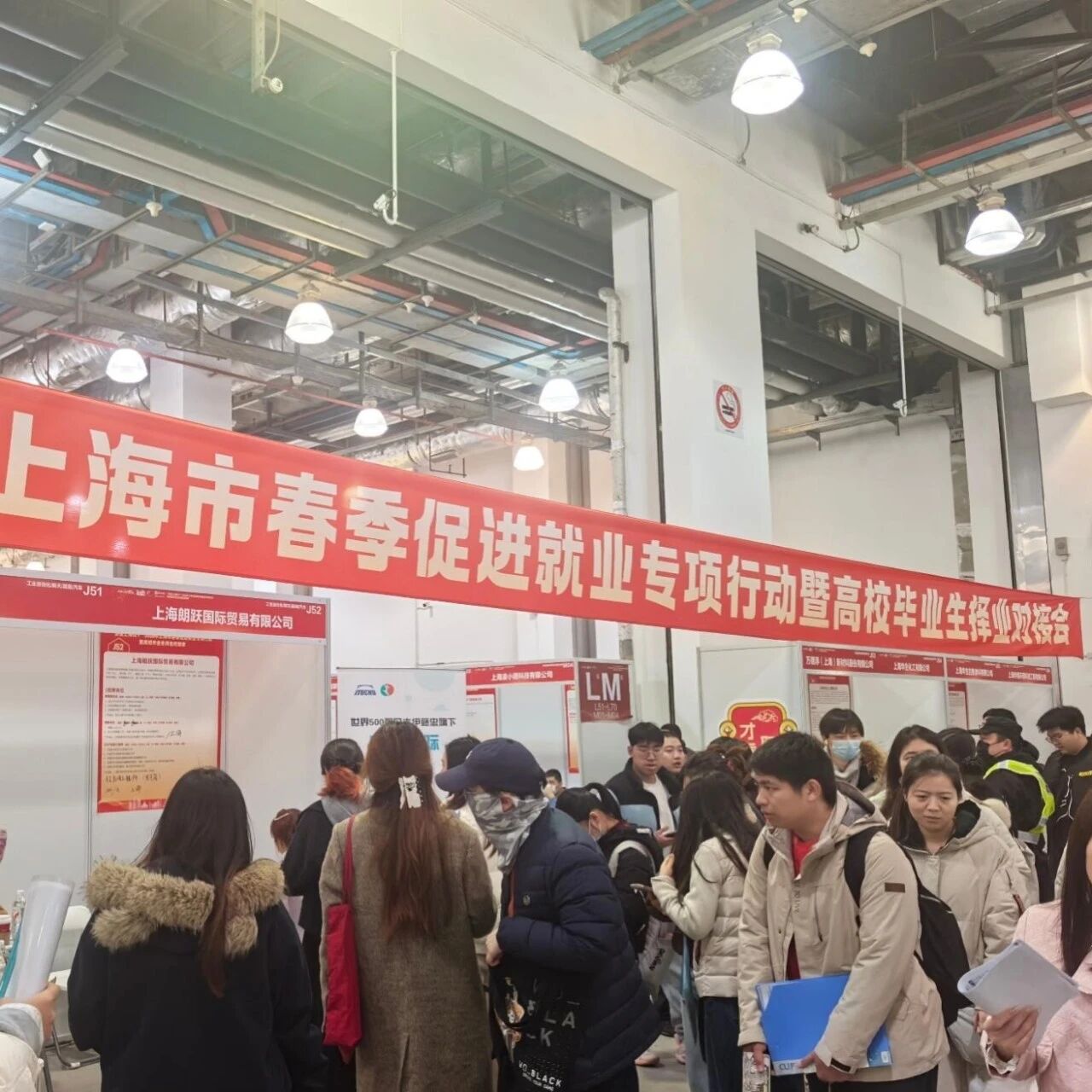
实探|1000家企业逾1.3万个岗位,直击上海今年首场大型招聘会!AI等产业揽才势头足
证券时报· 2026-03-03 08:44
上海重点产业招聘需求旺盛 上海该场春季招聘会以"春风送岗促就业 精准服务助发展"为主题,聚焦"3+6+2"重点行业领域和高校毕业生等重点群体就业需求,共有1000家企 业参加,提供超过1.3万个招聘岗位。 当天上午,记者到达招聘会展馆时,应聘者正在工作人员的引导下,根据预约时间段有序进场,入口前的招聘企业名录吸引了不少应聘者驻足。 人工智能(AI)等产业揽才势头足! 3月3日,2026年上海市春季促进就业专项行动暨高校毕业生择业对接会在上海世贸商城举行,这是马年春节后上海首场大型招聘会。证券时报记 者实探发现,AI等重点产业企业招聘需求依然旺盛,其中大模型及相关算法类岗位需求持续扩容。 上海市就业促进中心主任周国良接受记者采访时表示,今年用人单位招聘积极性比往年要高,在招聘会筹备的几天时间内,愿意到线下来招聘的 用人单位就达到约1300家,但招聘场地只能容纳1000家,于是就引导多家企业参与线上招聘。 AI相关岗位薪酬依然最高 人工智能展区依然是上海此次招聘会最热的专区,招聘通道被应聘者围得水泄不通。多家科技类招聘企业,只能见缝插针地与应聘者聊上几句。 记者在现场看到,此次招聘会共设置17个招聘专区,包含人工 ...
科创债机制优化!完善主承销商评价机制,交易商协会出手
券商中国· 2026-03-03 00:51
Core Viewpoint - The article discusses the release of a notification by the Interbank Market Dealers Association aimed at optimizing the mechanism for technology innovation bonds, effective from March 9, 2026, to enhance financial support for technology innovation [1][2]. Group 1: Notification Details - The notification refines the recognition standards for technology enterprises and categorizes the management of fundraising purposes, encouraging the issuance of medium- to long-term technology innovation bonds [2][3]. - It aims to guide financial resources towards early, small, long-term, and hard technology investments, fostering a financial system that aligns with technological innovation [2][3]. Group 2: Mechanism Optimization - The notification introduces several optimization measures, including: 1. Detailed recognition standards for technology enterprises, emphasizing support for "7+6" categories of innovation enterprises based on their innovation capabilities [3]. 2. Layered management of fundraising purposes based on R&D intensity, linking funding usage flexibility to R&D expenditure [3]. 3. Encouragement for issuing medium- to long-term bonds to better match the funding characteristics of technology R&D and equity investments [3]. 4. Increased inclusivity for private enterprises in setting fundraising purposes [3]. 5. Continuous improvement of supporting mechanisms to enhance the convenience of issuing technology innovation bonds [3]. Group 3: Market Impact and Statistics - As of February 2026, the interbank market has supported 351 non-financial enterprises in issuing technology innovation bonds totaling 974.85 billion yuan, with 86 private enterprises accounting for 217 billion yuan, representing 90% of the market's private enterprise bond issuance [4]. - The average issuance period for technology enterprises is 2.32 years, while for equity investment institutions, it is 5.63 years, with issuers spread across 30 provinces and regions [4]. Group 4: Support for Equity Investment Institutions - The notification enhances the convenience for equity investment institutions in issuing technology innovation bonds by optimizing the issuance process and encouraging the use of "constant issuance plans" [5][6]. - It allows for "one registration, multiple issuances" based on actual funding needs and promotes the use of "additional issuance" mechanisms during the bond's lifespan [6]. Group 5: Investment Mechanism Development - The notification encourages investment institutions to increase their investment in technology innovation bonds and to optimize their evaluation systems [7]. - It promotes the construction of a technology innovation bond index and encourages the development of index-based investment products to enhance market liquidity and pricing efficiency [7].