
格索雷塞

Search documents
益方生物赴港IPO:贝福替尼应收账款问题仍悬而未决 10亿募集资金用于理财仍欲再次募资
Xin Lang Cai Jing· 2026-01-23 08:26
Core Viewpoint - Yifang Biotechnology has submitted an application for a mainboard listing on the Hong Kong Stock Exchange, amid a wave of License-out deals in the domestic innovative drug sector, but faces significant challenges including ongoing losses, business model risks, and governance concerns [1][7]. Business Model and Financial Performance - Yifang Biotechnology relies heavily on the License-out model, with its two marketed products, Beifuzi and Goresir, exclusively licensed to leading companies, BeiGene and Zhenhua Tianqing [2][8]. - Revenue figures show that from 2023 to the first three quarters of 2025, the company generated revenues of CNY 186 million, CNY 169 million, and CNY 30.89 million, all from licensing agreements [2][8]. - In 2023, over 96% of revenue came from a CNY 180 million milestone payment for Beifuzi, while in 2024, the focus shifted to a CNY 151 million milestone payment for Goresir [2][8]. - Despite these revenues, the company has not achieved profitability, reporting net losses of CNY 284 million, CNY 240 million, and CNY 181 million for 2023, 2024, and the first three quarters of 2025, respectively [2][8]. Accounts Receivable Issues - A significant issue arose when BeiGene delayed a CNY 180 million milestone payment for Beifuzi, leading to a nearly two-year overdue situation [3][9]. - Although the revenue was recognized in 2023, cash flow was delayed, resulting in a CNY 18 million bad debt provision in 2024 [3][9]. Financial Position and Fundraising - As of September 30, 2025, Yifang Biotechnology had CNY 670 million in cash and cash equivalents, CNY 700 million in time deposits, and CNY 153 million in financial assets, totaling CNY 1.523 billion in liquid assets [4][10]. - The company has CNY 1 billion of unutilized funds from its previous fundraising round and has invested CNY 761 million in cash management [4][10]. - Despite a strong cash position, the rationale for seeking additional fundraising is questioned [4][10]. Governance and Shareholding Structure - The company's governance structure is under scrutiny, with a trend of shareholding dilution following the expiration of a joint action agreement among key executives [5][11]. - The combined shareholding of the founders decreased from 28.58% to 27.26% after the agreement ended, raising concerns about control [5][11]. - A significant number of shares (approximately 161 million, or 27.79% of total shares) will be unlocked in January 2026, potentially leading to market pressure [5][11]. Executive Compensation - The total annual salary for key executives exceeded CNY 25 million from 2023 to 2024, which is considered high relative to the company's ongoing losses [6][12]. - Balancing executive incentives with shareholder returns and sustainable development remains a governance challenge [6][12].

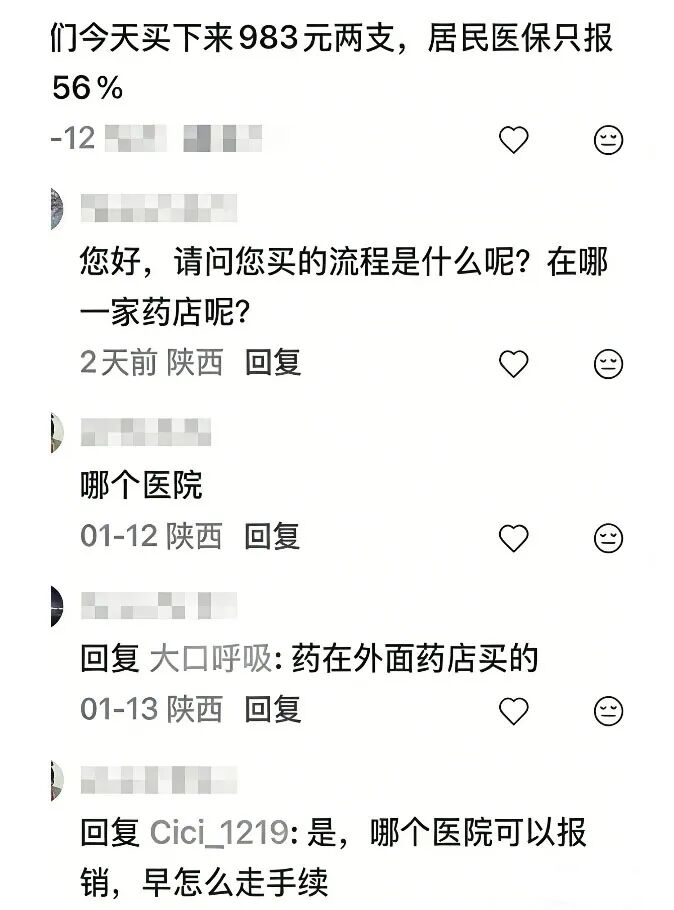
医保执行价腰斩超半,KRAS G12C抑制剂市场开启“贴身肉搏战”
3 6 Ke· 2026-01-22 07:37
Core Insights - The introduction of new pricing for lung cancer drugs, particularly the KRAS G12C inhibitors, has significantly reduced costs for patients, with prices dropping by nearly 70% for some medications [2][4][7] - The 2025 medical insurance directory includes 50 innovative drugs, with nearly half being cancer treatments, highlighting a focus on unmet clinical needs [2] - The competitive landscape for KRAS G12C inhibitors is intensifying, with companies now competing on clinical efficacy and commercial execution rather than just pricing [5][7][8] Pricing and Market Impact - The price of Fluorouracil has decreased from approximately 24,900 yuan to 5,790.4 yuan per box, resulting in a 68.87% reduction [7] - Patients previously faced annual treatment costs of 223,200 yuan, which can now be reduced to approximately 20,845.44 yuan after insurance reimbursement, saving over 200,000 yuan annually [4] - The entry of these drugs into the insurance system is expected to reshape market dynamics and increase competition among pharmaceutical companies [4][8] Competitive Landscape - The KRAS G12C inhibitors market is characterized by three main products: Fluorouracil, Goresir, and Gexoriser, all approved for similar indications, creating a "three-legged" competitive structure [6] - The market for KRAS G12C inhibitors is not overly saturated, with the mutation occurring in about 14% of non-small cell lung cancer cases, and approximately 4.3% in the Chinese population [6] - Companies are focusing on differentiating their products through clinical evidence and effective management of side effects to establish a preferred choice among doctors and patients [7][8] Future Directions - Companies are exploring combination therapies and expanding indications beyond non-small cell lung cancer to other cancers like colorectal and pancreatic cancer, which may significantly increase market potential [13] - The focus on overcoming drug resistance and enhancing efficacy through partnerships and global market strategies is seen as essential for long-term success [13] - The competitive focus is shifting towards who can provide better clinical outcomes and safety profiles, indicating a new phase in the market dynamics for KRAS G12C inhibitors [7][8]


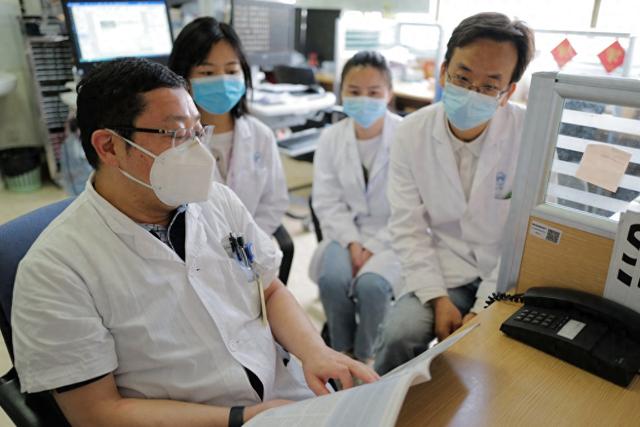
破解肺癌靶向耐药困境,上海专家团队临床研究登上《柳叶刀》
Xin Lang Cai Jing· 2026-01-14 13:25
Core Insights - A significant breakthrough in treating advanced non-small cell lung cancer (NSCLC) patients with EGFR mutations and MET amplification has been achieved through a "dual-target" therapy combining Savolitinib and Osimertinib, offering new treatment options for patients facing resistance to targeted therapies [3][5]. Group 1: Research Findings - In China, 40%-50% of lung adenocarcinoma patients exhibit EGFR gene mutations, with MET amplification being a major cause of resistance to EGFR-targeted therapies [2][3]. - The study led by Professor Lu Shun involved 211 patients who were randomly assigned to receive either the combination therapy or standard chemotherapy, revealing a median progression-free survival of 8.2 months for the combination group compared to 4.5 months for the chemotherapy group [4]. - The risk of disease recurrence or death was reduced by 66% in the combination therapy group, with 58% of patients achieving objective response compared to 34% in the chemotherapy group [4]. Group 2: Regulatory and Clinical Impact - The combination therapy of Savolitinib and Osimertinib has received approval from the National Medical Products Administration of China for treating EGFR mutation-positive patients with advanced or metastatic non-squamous NSCLC after progression on EGFR-TKI therapy [5]. - Professor Lu Shun has led 29 domestic and international studies on lung cancer, including 17 national Class 1 new drug studies, contributing to the approval and inclusion of several innovative drugs in medical insurance [6].
益方生物递表港交所,科创板20亿募资已消耗过半
Jing Ji Guan Cha Wang· 2026-01-05 11:05
Core Viewpoint - Yifang Biopharma has submitted an application for H-share listing on the Hong Kong Stock Exchange, focusing on innovative targeted drugs for major diseases such as cancer and autoimmune diseases [1] Group 1: Company Overview - Yifang Biopharma specializes in the development of innovative targeted drugs, with a product pipeline that includes two marketed products and several candidates in various stages of clinical development [1] - The company's marketed products, Bafetinib and Gsorese, are included in the National Medical Insurance Drug List in China, generating revenue through external licensing [1][2] - As of the first nine months of 2025, the company reported revenue of 30.89 million yuan and a net loss attributable to shareholders of 181 million yuan, with R&D expenses amounting to 190 million yuan [1] Group 2: R&D Focus and Market Potential - Yifang Biopharma is heavily investing in R&D, particularly in new drugs such as D-2570 for psoriasis and D-0502 for breast cancer, while still in the "burning cash" phase [2] - The number of psoriasis patients in China is projected to reach 6.1 million by 2035, with the global psoriasis drug market expected to grow from $23.9 billion in 2024 to $47 billion by 2035 [2] - The company plans to initiate additional clinical trials for D-2570 targeting PsA, SLE, and vitiligo, indicating a broadening of its therapeutic focus [2] Group 3: Pricing and Market Competition - Bafetinib was included in the National Medical Insurance Directory in 2023, leading to a significant price reduction from approximately 6,000 yuan to about 2,800-2,862 yuan per box, a decrease of 52%-53% [3] - The inclusion of innovative drugs in the National Medical Insurance Directory typically results in increased market competition and reduced profit expectations for pharmaceutical companies [3] - Yifang Biopharma faces challenges with its marketed products due to price pressures and intense competition, while over half of the funds raised from its A-share IPO have already been consumed [3][4] Group 4: Financial Performance - Yifang Biopharma's IPO in July 2022 raised approximately 2.084 billion yuan, with a share price of 18.12 yuan [4] - The company has reported cumulative net losses exceeding 1.189 billion yuan from 2022 to September 2025, indicating ongoing financial challenges [4]
“国谈”过评率仅约40% 国家医保局解释了五大原因
Di Yi Cai Jing· 2025-12-10 08:49
Core Insights - The success rate of negotiations for the National Essential Medicines List reached 88% in 2025, a significant increase from 76% the previous year, marking a seven-year high [1] - A total of 114 new drugs were added to the list, including 50 innovative first-class drugs, indicating a record number both in terms of proportion and quantity [2] - Nearly 100 drugs (98) were rejected during the formal review stage, with over 60% failing to pass expert evaluation, reflecting a continuous decline in the approval rate [1][4] Group 1: Negotiation Process and Outcomes - The negotiation process has matured over the past eight years, involving self-application by pharmaceutical companies, expert evaluations, and price negotiations, resulting in 718 submissions and 535 passing the formal review [2] - The expert evaluation phase saw a pass rate of 41.48%, with 129 drugs proceeding to negotiations, of which 112 were successfully included in the National Essential Medicines List [2] - The total number of drugs in the list increased to 3,253, with 1,857 Western medicines and 1,396 traditional Chinese medicines [8] Group 2: Reasons for Rejection - The decline in approval rates for drugs in the expert evaluation phase is attributed to increased clarity in application processes and heightened competition among similar drugs [4] - Several rejected drugs included first-class innovative drugs, with reasons such as lack of significant clinical value compared to existing treatments [5] - Four main reasons for rejection were identified: lack of innovation, high prices, and insufficient clinical necessity [6] Group 3: Support for True Innovation - The focus on "true innovation" emphasizes filling clinical gaps, offering superior alternatives, and providing better cost-effectiveness [7] - Successful new entries into the list included innovative treatments for various cancers and chronic diseases, reflecting a commitment to enhancing healthcare coverage [8] - The National Healthcare Security Administration aims to maintain a dynamic adjustment of the drug list to meet evolving clinical needs [8] Group 4: Value-Based Purchasing - The negotiation process incorporates a systematic value assessment, including expert evaluations and price calculations, to ensure fair pricing [9] - Recent improvements in price calculation methods aim to enhance fairness and scientific rigor in the evaluation process [10] - The emphasis on differentiated innovation requires pharmaceutical companies to provide substantial clinical evidence to support claims of added value [11]
“国谈”过评率仅约40%,国家医保局解释了五大原因
Di Yi Cai Jing· 2025-12-10 08:39
Core Insights - The approval rate for drugs outside the national essential drug list has reached a four-year low during the expert review phase, indicating increasing scrutiny and higher standards for innovation [1][4] - The success rate for negotiations in the upcoming 2025 national essential drug list has improved to 88%, up from 76% the previous year, marking a seven-year high [1] - A total of 114 new drugs will be added to the national essential drug list, including 50 innovative first-class drugs, reflecting a significant increase in both quantity and quality [2][8] Group 1: Approval Rates and Trends - The approval rate for drugs in the expert review phase has declined for two consecutive years, with only 41.48% of drugs passing this stage this year [2][3] - In the past three years, the number of drugs passing the formal review has increased, but the expert review approval rate has decreased from 74.2% to 47.0% [3] - Nearly 60% of drugs outside the essential list failed to pass the expert review, highlighting a trend towards stricter evaluation criteria [1][4] Group 2: Reasons for Non-Approval - Several drugs, including first-class innovative drugs, were not approved due to lack of significant clinical value compared to existing treatments [5][6] - The "Four No Changes" principle (no change in active ingredient, indication, administration route, or clinical value) has been identified as a key reason for low approval rates [6] - High prices and mismatched value with existing treatments have also contributed to the rejection of certain drugs, with examples of significant price discrepancies noted [6] Group 3: Support for True Innovation - The national healthcare authority emphasizes support for "true innovation" and "differentiated innovation," aiming to exclude drugs that do not significantly advance clinical outcomes [5][7] - Successful drugs entering the essential list share common characteristics such as filling therapeutic gaps and offering superior alternatives [7] - The overall speed and quantity of innovative drugs entering the national essential drug list have increased, addressing various medical needs including major diseases and rare conditions [8] Group 4: Value-Based Pricing and Evaluation - The negotiation process for the national essential drug list has evolved to include a more systematic and scientific value assessment, enhancing fairness and rigor in price evaluations [10] - The approach to pricing has shifted to support higher payment thresholds for drugs with greater innovation, reflecting a value-based pricing model [10][11] - The importance of robust clinical evidence in supporting claims of additional benefits for new drugs has been highlighted, particularly in competitive therapeutic areas [11][12]
2026年财政政策展望:积极的财政政策持续给力
Bank of China Securities· 2025-12-08 06:10
Index Performance - The Hang Seng Index (HSI) closed at 26,085, up 0.6% for the day and 30.0% year-to-date (YTD) [2] - The Hang Seng China Enterprises Index (HSCEI) increased by 1.0% to 9,198, with a YTD gain of 26.2% [2] - The MSCI China index rose by 0.8% to 85, achieving a YTD increase of 31.6% [2] Commodity Price Performance - Brent Crude oil is priced at $64 per barrel, reflecting a 0.8% daily increase but a 10.6% decline YTD [3] - Gold prices are at $4,198 per ounce, showing a slight decrease of 0.2% but a significant YTD increase of 59.9% [3] - Copper prices rose by 1.5% to $11,621 per ton, with a YTD increase of 32.5% [3] Macro and Earnings Releases - China's exports decreased by 1.1% YoY, while imports increased by 1.0% YoY [4] - The US Producer Price Index (PPI) for final demand rose by 2.7% [4] - New home sales in the US were reported at 800,000, exceeding the consensus of 718,000 [4] Fiscal Policy Outlook - The general public budget deficit ratio for 2025 is raised to 4%, with a broad fiscal deficit ratio expected to reach 8.7% [6] - Government bond financing for 2026 is projected at RMB12.28 trillion to support a fiscal deficit ratio of 8.6% [6] - General public budget revenue is expected to grow by 6.1% in 2026, reversing a 0.6% decline in 2025 [7] Market Strategy - The Hang Seng Index is projected to reach 30,100 by December 2026, based on a forecasted P/E ratio of 13.0, which is a 15% premium over the historical average [10] - Key investment opportunities include sectors focused on economic growth, technological innovation, and domestic consumption [10]
益方生物:2025前三季度营收大增173.86%
Shang Hai Zheng Quan Bao· 2025-10-29 14:35
Core Insights - Yifang Bio reported a significant increase in revenue for Q3, achieving 11.73 million yuan, a year-on-year increase of 173.86% [1] - For the first three quarters, the company generated a total revenue of 30.89 million yuan, reflecting a year-on-year growth of 61.27% [1] - The company reported a net loss attributable to shareholders of 61.81 million yuan for the reporting period, an improvement from a loss of 91.09 million yuan in the same period last year, reducing the loss by 29.28 million yuan [1] - Year-to-date, the net loss attributable to shareholders reached 181 million yuan, a reduction of 124 million yuan compared to the previous year [1] Revenue and Profit Analysis - The revenue for the reporting period primarily consisted of recognized income from technology licensing and cooperation [1] - R&D expenses decreased by 35.86% year-on-year due to reduced investment related to the clinical trial of Gsorese, which is expected to conclude in 2024 [1]
益方生物(688382):商业化加速,在研管线高效推进
Orient Securities· 2025-09-03 12:15
Investment Rating - The report maintains a "Buy" rating for the company with a target price of 47.30 CNY, reflecting a reasonable market value of 273.54 billion CNY [4][7]. Core Insights - The company has shown a narrowing loss with a significant increase in commercial product sales, leading to a 29% year-on-year revenue growth in the first half of 2025, achieving 0.19 billion CNY. The net profit attributable to the parent company was -1.19 billion CNY, a 44% reduction in loss compared to the previous year [12]. - The company is actively expanding the indications for its approved products, with ongoing clinical trials for both Beifutini and Gexorase, which are expected to enhance their market presence [12]. - The research pipeline is well-structured, with several promising candidates in advanced clinical stages, indicating strong potential for business development opportunities [12]. Financial Forecast and Analysis - The company’s revenue is projected to decline from 186 million CNY in 2023 to 141 million CNY in 2025, before rebounding to 323 million CNY in 2026 and 525 million CNY in 2027, reflecting a growth rate of 129.3% and 62.6% respectively [6][15]. - The net profit attributable to the parent company is expected to improve from -284 million CNY in 2023 to -203 million CNY in 2025, with a further reduction to -94 million CNY by 2027 [6][15]. - The gross margin is forecasted to remain high, around 97.2% in 2025, while the net margin is expected to improve significantly from -144.0% in 2025 to -17.8% in 2027 [6][15].
益方生物(688382):2025年中报点评:商业化加速,在研管线高效推进
Orient Securities· 2025-09-03 07:24
Investment Rating - The report maintains a "Buy" rating for the company with a target price of 47.30 CNY, reflecting a reasonable market value of 273.54 billion CNY [4][7]. Core Views - The company has shown a narrowing loss with a significant increase in commercial product sales, leading to a 29% year-on-year revenue growth in the first half of 2025, achieving 0.19 billion CNY. The net profit attributable to the parent company was -1.19 billion CNY, a 44% reduction in loss compared to the previous year [12]. - The company is actively expanding the indications for its approved products, with ongoing clinical trials for both Beifutini and Gesorex, which are expected to contribute positively to revenue in the coming years [12]. - The research pipeline is well-structured, with several promising candidates in advanced clinical stages, indicating strong potential for business development opportunities [12]. Financial Summary - The company's revenue is projected to decline from 186 million CNY in 2023 to 141 million CNY in 2025, before rebounding to 323 million CNY in 2026 and 525 million CNY in 2027, reflecting a growth rate of 129.3% and 62.6% respectively [6][15]. - The net profit attributable to the parent company is expected to improve from -284 million CNY in 2023 to -203 million CNY in 2025, with a further reduction to -94 million CNY by 2027 [6][15]. - The gross margin is forecasted to remain high, around 97.2% in 2025, while the net margin is expected to improve significantly from -144.0% in 2025 to -17.8% in 2027 [6][15].