
功能性食品

Search documents
企业新闻丨华宝股份擘画大健康产业生态新蓝图
Xin Lang Cai Jing· 2025-12-24 10:32
Core Insights - Huabao Co., Ltd. has made significant progress in the health industry with the establishment of two bases in Jiangxi and Shandong, marking the implementation of its "one north, one south" dual-base strategy [1][16] - The global health economy has surpassed $6.3 trillion and is experiencing rapid growth, with China's health industry projected to reach 16 trillion yuan by 2030 [3][21] Strategic Development - The establishment of the health industry bases is a strategic move to enhance collaboration and capacity complementarity, creating a robust support system for research, production, and market integration [1][5] - The northern base in Shandong focuses on market responsiveness and customer service, while the southern base in Jiangxi emphasizes product technology and supply chain enhancement [5][21] Product and Service Expansion - Huabao aims to develop a comprehensive product matrix, offering solutions that range from core functional ingredients to diverse end products, addressing the growing demand for high-quality health solutions [7][23] - The company is committed to building a full-spectrum solution provider in the health sector, extending its value chain from raw materials to consumer products [13][29] Technological Innovation - Huabao's strong technological innovation system supports its industry layout, focusing on the development of natural flavors, functional ingredients, and biotechnological products [9][25] - The company is building technical barriers through innovations in dosage forms to enhance product bioavailability and stability [11][27] Ecosystem Construction - The company is actively integrating upstream and downstream resources to create a comprehensive health industry ecosystem, including investments and acquisitions to enhance its competitive advantage [15][31] - Huabao's strategy emphasizes technology-driven innovation and collaborative development across the entire industry chain [15][31]



3000万成立子公司!生物制造上市龙头牵手杭州国企
合成生物学与绿色生物制造· 2025-12-19 03:40
Core Viewpoint - The article discusses the strategic partnership between Lude Technology and Hanghua New Materials, focusing on the development of high-value utilization of brewing waste resources in the fields of bio-fermentation, functional feed, and functional food [2]. Group 1: Company Overview - Lude Technology, established in 2006, specializes in the resource utilization of high-water-content waste and has recently focused on bio-manufacturing, particularly in bio-fermentation feed [4]. - The newly established Lukan Bio-Technology (Hangzhou) Co., Ltd. has a registered capital of 30 million [4]. Group 2: Strategic Partnership - The partnership with Hanghua New Materials aims to leverage their strong R&D and industrialization capabilities in synthetic biology, enzyme preparations, and industrial strains development [5]. - Hanghua New Materials is a subsidiary of Hangzhou Shihua Group, which is focusing on advanced manufacturing, smart IoT, biomedicine, and new energy materials to promote urban industrial transformation and modernization [5].

“媒体+智库+产业”协同发力 三主粮以科技创新推动健康中国建设
Xin Hua Wang· 2025-12-11 10:21
Group 1 - The "Healthy China 2030" initiative is driving the development of the health industry as a key engine for high-quality economic growth, with a focus on improving life expectancy and health levels [1] - The integration of agriculture and biotechnology is seen as a new approach to advance the health industry, supported by the recent "14th Five-Year Plan" which emphasizes the implementation of health priority development strategies [1] - A recent symposium aimed at promoting collaborative efforts among government, industry, finance, academia, and media to explore new pathways for high-quality development in the health industry [1] Group 2 - San Zhu Grain Group has developed a complete industrial system for oat production over nearly 30 years, holding over 80 national technology patents, including an award-winning project for drought-resistant oat varieties [3][4] - Oats are recognized as a functional food with significant health benefits, particularly for chronic disease patients, and are positioned to change the traditional staple food landscape in northern China [6] - Research collaboration between San Zhu Grain and Peking University has demonstrated that daily intake of 50-100g of naked oats has significant nutritional therapeutic effects for type 2 diabetes patients, providing scientific evidence for functional food development [6] - The development of oat peptides represents a key breakthrough for San Zhu Grain's transition to biotechnology, enhancing the absorption of oat protein and retaining its physiological activity [6]
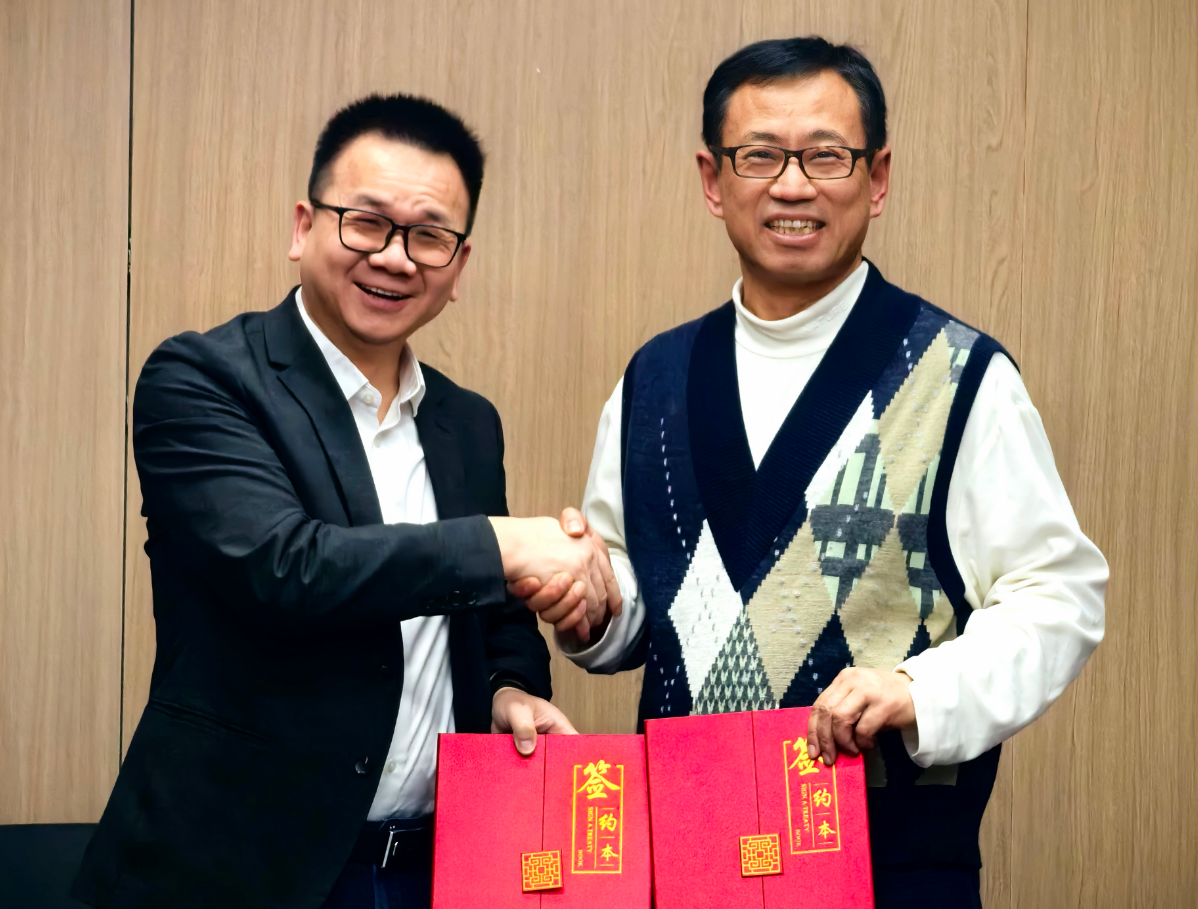
石药创新IPO前11亿收购巨石生物29%股权,持股比例升至80%
Sou Hu Cai Jing· 2025-12-11 09:45
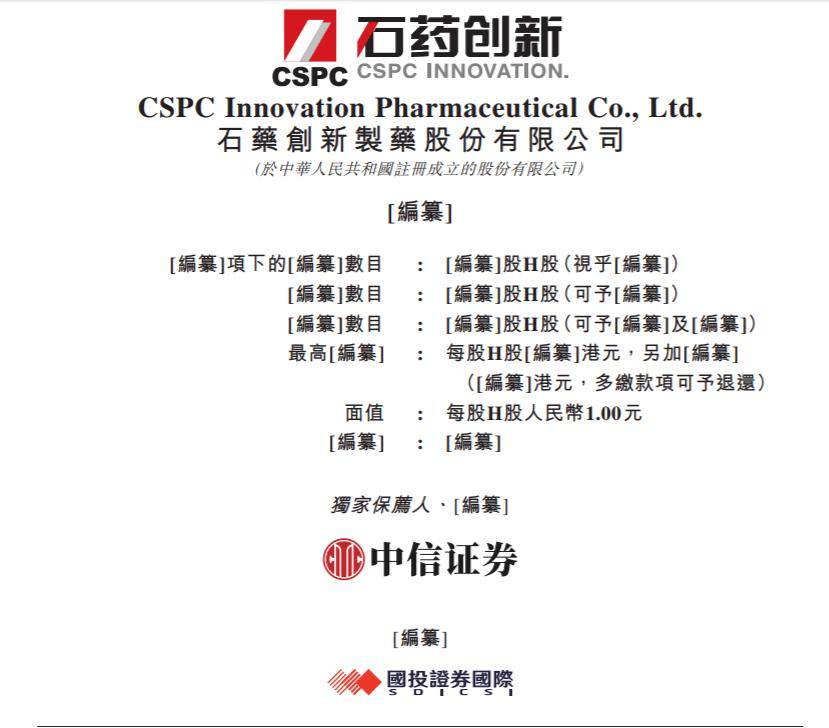
Core Viewpoint - Shiyao Innovation Pharmaceutical Co., Ltd. has submitted a listing application to the Hong Kong Stock Exchange, with CITIC Securities as its sole sponsor, marking a significant step in its corporate development strategy transformation [4]. Company Overview - Established in 2006, Shiyao Innovation focuses on the research, production, and commercialization of biopharmaceuticals, functional raw materials, and health foods [4]. - The company was listed on the ChiNext board in 2019, with a current market capitalization of approximately 48 billion RMB [4]. - Shiyao Innovation has commercialized two antibody drugs and two mRNA vaccines, with a robust pipeline of 15 drugs in clinical or late-stage development, including 9 ADC drugs and 1 mRNA vaccine [4]. Market Position - According to Frost & Sullivan, Shiyao Innovation has maintained its position as the world's largest producer of chemically synthesized caffeine by revenue and shipment volume from 2020 to 2024 [4]. Strategic Developments - In 2024, Shiyao Innovation acquired control of Jushi Biopharmaceuticals, expanding its main business into the biopharmaceutical sector, which is a key milestone in its strategic transformation [4]. - The company plans to acquire an additional 29% stake in Jushi Biopharmaceuticals from Enbipu Pharmaceuticals for a cash consideration of 1.1 billion RMB, increasing its ownership to 80% [5]. Financial Performance - For the fiscal years 2022, 2023, and the first seven months of 2024, Shiyao Innovation reported revenues of 2.838 billion RMB, 2.539 billion RMB, and 1.981 billion RMB, respectively [6]. - The company's profits for the same periods were 293.85 million RMB, 125.67 million RMB, and a loss of 303.71 million RMB [6]. - The revenue and profit trends indicate a decline, with a significant loss projected for 2024 [6]. Shareholding Structure - As of the last practicable date, Enbipu Pharmaceuticals holds approximately 75.30% of Shiyao Innovation's issued shares, with 74.47% directly held and 0.83% indirectly through its wholly-owned subsidiary [7]. - Enbipu Pharmaceuticals is owned by Jiaxi and Shiyao Group, with respective ownership stakes of 45.94% and 54.06% [7].
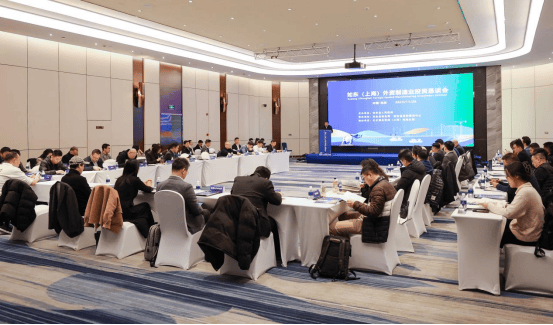
江苏如东(上海)外资制造业投资恳谈会在沪举行
Sou Hu Cai Jing· 2025-12-01 02:52
Core Insights - The Jiangsu Rudong (Shanghai) Foreign Investment Manufacturing Investment Conference was held, focusing on advanced fields such as intelligent equipment, life health, and functional foods, attracting over 50 domestic and international enterprises and institutions to explore new opportunities for industrial cooperation and development [1] Group 1: Economic Development - Rudong is strategically located at the northern wing of the Yangtze River estuary, with rich marine resources, including an 86-kilometer coastline and 4,555 square kilometers of sea area, positioning it as a potential city for maritime development [3] - The GDP of Rudong has consistently surpassed the 10 billion mark, with nearly 1,000 industrial enterprises achieving an industrial output value exceeding 220 billion [3] - The leading industries in new energy, new materials, and new equipment have surpassed 100 billion in output value, and Rudong ranks 28th among the top 100 counties (cities) in terms of basic economic competitiveness this year [3] Group 2: Industrial Cooperation - Over 50% of Rudong's investment projects originate from Shanghai, with more than 60% of enterprises closely cooperating with Shanghai, and over 70% of imports and exports relying on Shanghai ports [3] - The collaboration between Shanghai's "3+6" industrial system and Rudong's "1+3+N" system continues to expand, particularly in the life health sector [3] Group 3: Infrastructure and Innovation - Rudong Economic Development Zone, one of the first provincial-level development zones in Jiangsu, has established platforms such as semiconductor and life health industrial parks, attracting high-tech enterprises like Tokyo Semiconductor and China-US Ruikang [4] - The South Tong agricultural comprehensive development zone supports the food and health industry with specialized food parks and modern agricultural demonstration parks [4] - The conference featured a keynote speech on the development trends and innovative paths of marine food and health industries, emphasizing the integration of academia and industry [4]
刘宁到漯河市临颍县源汇区调研时强调:推动党的二十届四中全会精神落实落细 不断开创高质量发展高效能治理新局面
He Nan Ri Bao· 2025-11-15 10:56
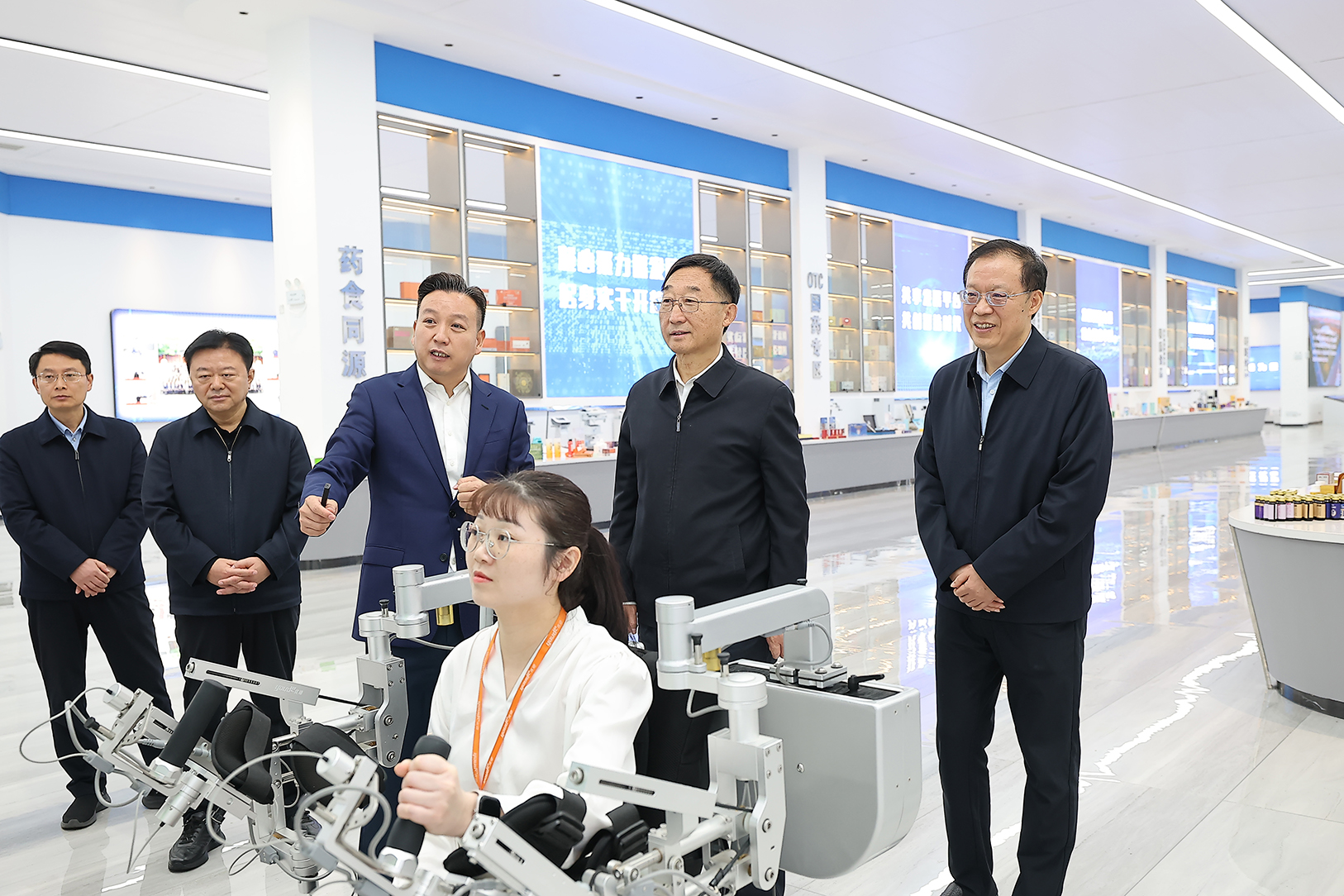
Group 1: Industry Development - The food industry in Linying County is well-developed with distinct characteristics, particularly in the health sector, as exemplified by Wo Health (Henan) Industry Group Co., Ltd., which focuses on rehabilitation medical devices and functional foods [3] - The emphasis on the "Healthy China" initiative aligns with the development of the health industry, providing new opportunities for enterprises [3] - The company Henan Zhongda Hengyuan Biotechnology Co., Ltd. is a pioneer in the application of natural pigments in the food sector, highlighting the importance of innovation and market expansion in the food industry [3] Group 2: Cultural and Tourism Integration - The need to strengthen the protection and utilization of cultural relics while developing rural tourism and leisure agriculture is emphasized, promoting the integration of agriculture, culture, and tourism [3] Group 3: Grassroots Governance and Community Engagement - The grassroots governance in the Ma Lu Street community is noted for its unique characteristics, with a focus on effective governance and community service [5] - The integration of "Party building + grid + big data" governance methods is encouraged to resolve conflicts and improve community services [5] - The development of new e-commerce models, such as "live streaming + culture + food," is promoted to leverage the digital economy and enhance local brand strength [5]
万字长文解读功能性食品:新消费下的健康食品新机会
新消费智库· 2025-11-14 13:03
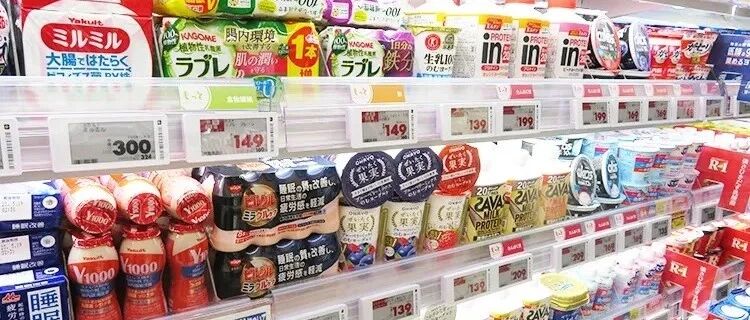
Core Viewpoint - The article discusses the evolution and opportunities within the functional food sector in China, highlighting the shift in consumer preferences towards health-oriented products and the potential for market growth driven by innovation and changing dietary habits [4][70]. Group 1: Definition and Characteristics of Functional Foods - Functional foods are defined as products that provide specific health benefits beyond basic nutrition, often targeting particular health needs without replacing traditional medical treatments [9][12]. - The concept of functional foods has expanded to include a variety of product forms, such as gummies, dairy drinks, and even ice cream, which appeal to consumers' preferences while maintaining health benefits [10][11]. Group 2: Market Demand and Consumer Behavior - There is a growing diversity in consumer demands, with preferences shifting towards products that are convenient, affordable, and align with personal health goals [16][18]. - The functional food market in China is currently underdeveloped, with per capita spending at only $29, significantly lower than countries like Japan and the U.S., indicating substantial growth potential [25][27]. Group 3: Trends and Innovations - The article identifies key trends in the functional food market, including the rise of snack-sized products, ready-to-eat options, and the increasing demand for functional benefits such as weight management and immune support [71]. - Innovations in product formulation and marketing strategies are crucial for brands to differentiate themselves and capture market share in a competitive landscape [70][72]. Group 4: Specific Product Categories - Plant-based products are gaining traction, with a notable market shift towards plant-based dairy and meat alternatives, driven by health and environmental concerns [33][36]. - Probiotics and gut health products are also highlighted as a significant segment, with a growing consumer base interested in the health benefits associated with these products [45][47]. Group 5: Future Opportunities - The potential for market expansion is significant, with estimates suggesting that if per capita spending on functional foods reaches half of Japan's level, it could unlock a market size of approximately 500 billion yuan [27]. - The article emphasizes the importance of aligning product offerings with local dietary preferences and cultural practices to maximize acceptance and growth in the functional food sector [66].

深度拆解 | 从概念萌芽到市场破局,日本功能性食品的半世纪风云
新消费智库· 2025-11-12 13:04
Core Viewpoint - The article discusses the evolution of Japan's functional food market over the past 50 years, highlighting the transformation from chaotic growth to a regulated and innovative industry, and drawing parallels to the emerging functional food market in China [3][5][69]. Group 1: Historical Development - The functional food market in Japan has undergone significant changes since the Heisei era, reflecting a shift in consumer health concepts and the establishment of a rigorous regulatory framework [3][5]. - The market experienced explosive growth in the 1970s and 1980s, with sales skyrocketing from 1.8 billion yen in 1965 to 400 billion yen in 1983, but this was accompanied by severe market chaos and misleading advertising [8][9]. - In response to market confusion, the Japanese Ministry of Health began regulating health foods in 1971, prohibiting claims of efficacy and establishing a foundation for future market development [9][10]. Group 2: Scientific Foundations and Market Innovation - The 1980s saw the emergence of scientific research into food functions, leading to the formal definition of functional foods by the Ministry of Health in 1987, which categorized food functions into nutritional, sensory, and physiological regulation [14][17]. - The introduction of innovative products like sports drinks and balanced nutrition foods marked the beginning of a new market era, with significant sales successes such as the 2.4 million bottles sold in the first year of FIBE MINI [18][22]. Group 3: Regulatory Framework and Market Expansion - The 1990s brought a price revolution, making health foods accessible to the general public, with companies like FANCL and Otsuka Pharmaceutical leading the charge by offering products at lower prices [27][30]. - The establishment of the "FOSHU" (Foods for Specified Health Uses) system in 1991 allowed products to be marketed with health claims, significantly boosting consumer confidence and market growth [33][35]. Group 4: Challenges and Recovery - The 2000s were marked by a dual crisis of media-driven hype and product safety scandals, notably the EKONA incident in 2009, which severely damaged consumer trust in the FOSHU system [41][47]. - Despite these challenges, the market began to recover with innovative products like METS COLA and Iyemon Tea, which successfully restored consumer confidence and demonstrated the resilience of the functional food sector [49][51]. Group 5: Current Trends and Future Directions - The introduction of the functional labeling food system in 2015 has catalyzed market growth, allowing companies to make health claims with less stringent requirements, leading to a surge in product submissions [57][59]. - Consumer trends are shifting towards more personalized health solutions, with a focus on gut health, emotional management, and overall wellness, indicating a move away from single-ingredient products [61][65]. - The Japanese functional food market is now characterized by a diverse range of products and a complex regulatory environment, presenting both opportunities and challenges for future growth [67][69]. Group 6: Lessons for China - The article emphasizes that Japan's experience in developing a mature functional food market offers valuable insights for China's rapidly growing sector, particularly in building brand trust and navigating regulatory landscapes [69][71]. - Key strategies for success in China include creating value exposure through effective communication, fostering category innovation, and enhancing user stickiness to ensure long-term consumer engagement [71][73].
功能性营养赛道中能走多远?
Ge Long Hui· 2025-11-10 16:12
Industry Overview - The global functional food market is entering a structural growth phase, with a projected market size of 1.09 trillion yuan in 2024 and expected to exceed 1.46 trillion yuan by 2030 [1] - Key growth drivers include vitamins, probiotics, and protein powders, with the Chinese market expected to reach approximately 231.1 billion yuan in 2024, reflecting a year-on-year growth of over 5% [1] Demographic Trends - The dual trends of an aging population and younger consumer preferences are driving market growth, with the elderly population boosting categories related to bone and cardiovascular health, while Generation Z favors convenient and fun supplement options [1] Company Analysis: Swisse - Swisse, under the Health and Happiness Group, demonstrates strong structural adaptability by investing in three strategic paths: efficacy, premiumization, and snackification [1] - The brand focuses on specific functional areas such as anti-aging, gut health, and bone health, while also launching convenient products like gummies and effervescent powders [1] - Financial results indicate that Swisse's ANC business revenue grew by 5.9% year-on-year to 3.44 billion yuan in the first half of 2025 [1] Investment Perspective - Swisse's strategic positioning reflects a proactive response to industry trends rather than a short-term performance spike [1] - The ability to maintain a balanced product structure in the face of rational competition in the functional food sector will determine its contribution to the overall valuation of the Health and Happiness Group in the medium to long term [1]
功能性食品市场扩容,Swisse等相关品牌透露出哪些方向性信号?
Ge Long Hui· 2025-11-10 16:12
Core Insights - The global functional food market is projected to reach approximately 1.09 trillion yuan in 2024 and may exceed 1.46 trillion yuan by 2030, with China maintaining a high growth trajectory in this sector [1] - The competitive landscape is shifting from "marketing leadership" to "efficacy leadership," emphasizing the importance of scientific validation and product effectiveness [1] Company Analysis - Swisse, a core brand of the Health and Happiness Group's Adult Nutrition Care (ANC) business, is enhancing its product offerings with a focus on "scientific efficacy + multi-scenario reach" [1] - The Swisse PLUS series targets the 35-50 age demographic with anti-aging ingredients like NAD+ and ergothioneine, while the Swisse Me line features convenient products such as gummies and instant powders aimed at younger consumers [1] - In the first half of 2025, Swisse's ANC business revenue grew by 5.9% to 3.44 billion yuan, accounting for nearly half of the group's total revenue, with an overall gross margin of 62.5%, reflecting a year-on-year increase of 1.6 percentage points [1] Industry Trends - The current strategies of functional food brands signal three major trends: efficacy-driven branding creates barriers but demands higher R&D investment and scientific validation; premiumization meets consumer quality demands and enhances product loyalty, requiring brands to accurately gauge health consumption trends; and snackification innovations can broaden consumer reach but involve high market education costs and longer return cycles [1] - Efficacy-driven competition, premium segmentation, and scenario innovation are expected to be key indicators of industry differentiation in the next two to three years [2]