动画

Search documents
垂直领域IP孵化与衍生品开发圆桌:读懂年轻人、尊重原作与拥抱AIGC成为共识
Xin Lang Cai Jing· 2025-12-31 13:13
Core Insights - The 2025 Global Cultural IP Industry Development Conference focused on the incubation and development of vertical field IPs, discussing the balance between content and commercial needs, and the impact of AIGC (Artificial Intelligence Generated Content) on the industry [3][9]. Group 1: IP Incubation and Development - The roundtable highlighted that platform companies have a differentiated advantage in IP incubation due to long-term investments in data insights, community interaction, and content ecosystems [3][9]. - It was emphasized that assessing an IP's derivative capability requires attention to early signals from content popularity and fan demand, as well as "data distortion" [3][9]. - The core of balancing respect for original works and market demand lies in finding value intersections and establishing long-term cooperative trust [3][9]. Group 2: Platform Strategies for IP Creation - Yang Qihua noted that the transition from traditional record companies to streaming platforms has shifted the focus to data and user behavior insights, allowing for continuous interaction among content, artists, and users [4][10]. - Feng Shuai stated that understanding young people's emotional needs is crucial for IP commercialization, and identifying "steep growth" through data fluctuations can help initiate derivative development [4][10]. - Tang Yueming illustrated that artists themselves are significant IPs, with potential for commercial expansion across various dimensions such as performances and brand sponsorships [5][10]. Group 3: Balancing Content and Commercial Needs - Yang Qihua proposed that platforms should use data observation and tiered operations to gradually commercialize musicians from content popularity to live performances and merchandise [6][11]. - Feng Shuai emphasized transforming competitive dynamics into cooperative consensus to align creators' intentions with user needs [6][11]. - Zhang Linjing pointed out that commercial collaborations should find a harmonious balance to avoid alienating users [6][11]. Group 4: AIGC Trends - Yang Qihua asserted that AIGC will significantly disrupt the upstream creative layer and that both platforms and content creators should embrace AI comprehensively [6][12]. - Feng Shuai compared AI to "the future of all entrances and exits," indicating its transformative potential [6][12]. - Zhang Linjing advised smaller creators to focus on community feedback mechanisms and utilize metrics like completion rates to quickly adjust content and IP direction [6][12].


潮向:以沸腾生机,聚时代之力
Xin Lang Cai Jing· 2025-12-30 22:18
Group 1: Sports and Culture - The "Su Super" amateur football league in Jiangsu has become a nationwide phenomenon, attracting over 30,000 average spectators per match and generating over 10 billion online discussions since its launch in May 2025 [2] - The league has fostered a strong sense of local pride and community engagement, transforming football matches into celebrations of regional culture [2] Group 2: Consumer Trends - The "ticket root" has evolved into a digital key that connects various consumption experiences, enhancing the "ticket root economy" in cities like Nanjing, where it offers discounts across multiple sectors [3] - This transformation allows consumers to enjoy a more integrated experience, turning event tickets into comprehensive access points for tourism and local services [3] Group 3: Tourism and Technology - Nanjing has become a top tourist destination, leveraging its historical sites and modern technology, such as virtual reality, to enhance visitor experiences [4] - The city's innovative approaches have led to significant public engagement, with events like the naming of a gorilla attracting over 140,000 votes, showcasing a deep connection to local culture [4] Group 4: Artificial Intelligence - The launch of the domestic AI model DeepSeek has garnered global attention, demonstrating significant advancements in China's AI capabilities and its applications in various sectors [5][6] - The model's rapid adoption reflects a growing market for AI technologies, with a complete ecosystem developing around it, enhancing both technical and application aspects [6] Group 5: Cultural Products - The Chinese toy brand Labubu has gained international popularity, representing a shift from "Made in China" to "Created in China," showcasing unique artistic styles and emotional depth [7] - This brand's success highlights the potential for Chinese cultural products to resonate globally, serving as cultural ambassadors [7] Group 6: Animation Industry - The domestic animation industry has seen a significant rise, with films like "Nezha" achieving record box office numbers and capturing a wide audience beyond children [8] - This evolution indicates a successful transition to appealing to all age groups, with diverse narratives that resonate emotionally with viewers [8] Group 7: Investment Trends - The gold market has experienced a surge, with international gold prices surpassing $3,000 per ounce, attracting younger investors through accessible products like "small gold beans" [9] - This trend reflects a broader interest in gold as both an investment and a cultural artifact, merging practicality with aesthetic appeal [9] Group 8: Overall Economic Trends - The various trends emerging in 2025 illustrate a vibrant and dynamic Chinese society, characterized by industrial transformation and cultural confidence [9] - These developments are rooted in local contexts while resonating with global trends, indicating profound changes in the economic landscape [9]
IP化让动画作品从爆款到常青
Xin Lang Cai Jing· 2025-12-30 20:11
Core Viewpoint - The article discusses the evolution and challenges of animation IPs, emphasizing the importance of understanding the essence of animation IPs for long-term success and emotional connection with audiences [7][8][16]. Group 1: Animation IP Characteristics - A truly vibrant animation IP possesses three key traits: the ability to transcend cultural barriers, explore timeless themes of humanity and growth, and maintain continuous innovation potential [8]. - Animation's unique creative attributes allow for stronger controllability, continuity, and symbolic potential compared to live-action films, facilitating its transition from "cultural products" to "cultural assets" [9]. Group 2: Challenges in Animation IP Development - Many animation IPs face challenges due to entrenched product thinking, leading to repetitive creative patterns after initial market success [10]. - Self-imposed limitations in audience targeting, such as focusing solely on "child-friendly" or "adult-oriented" content, restrict the growth and potential of IPs [10]. - Short-sighted behaviors, such as blind licensing and low-quality derivatives, undermine the emotional value and trust associated with IPs, particularly in the context of rapid monetization strategies [10]. Group 3: Strategies for Sustainable IP Development - The concept of "all-age" IPs is proposed as a solution to maintain and expand the life force of animation IPs, allowing them to resonate with both original and new generations of viewers [11][12]. - Key strategies for achieving all-age appeal include layered storytelling, open story structures, and systematic operations to create lasting emotional connections across generations [12][14]. - Vertical deepening is another viable model for long-term development, focusing on serving specific age groups or interest circles with profound and evolving content [15]. Group 4: The Shift in Animation Industry Mindset - Successful animation IPs have transitioned from a short-term focus on product thinking to nurturing long-term value through a "living entity" mindset, which respects the natural growth and creative evolution of IPs [16]. - This mindset emphasizes long-termism over immediate gains, emotional connections over mere traffic monetization, and value accumulation over fleeting popularity [16].

用心也用“新”,科技赋能让更多“江北动画”火起来、走出去
Xin Lang Cai Jing· 2025-12-27 15:37
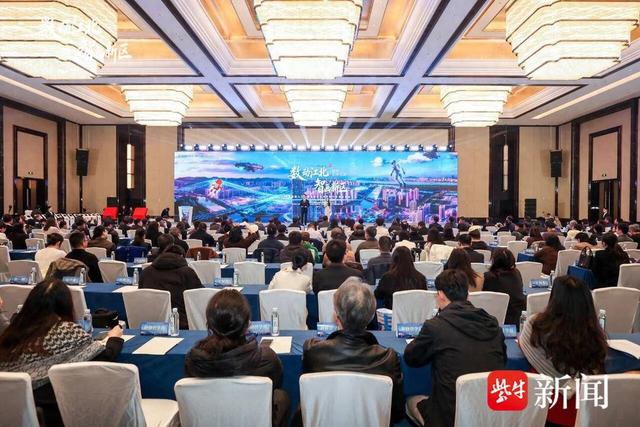
Core Insights - The event "Digital Jiangbei, Smart Art District" marks the launch of the first national initiative for artificial intelligence and digital art innovation in Nanjing Jiangbei New District, highlighting the intersection of technology and art in the booming domestic animation industry [1][3] Group 1: Industry Development - Artificial intelligence is fundamentally reshaping content production and creative logic, injecting new momentum into the digital cultural industry [3] - Jiangbei New District is focusing on new digital cultural sectors such as animation, short dramas, and games, aiming to become an innovative hub for cultural and technological integration [3] - The Yangtze River Digital Audio-Visual Industry Park has established a comprehensive AIGC (Artificial Intelligence Generated Content) ecosystem, covering technology research and development, content production, and international distribution [3] Group 2: Institutional Initiatives - The establishment of the Artificial Intelligence Animation Innovation Center and the Artificial Intelligence Animation Industry-University-Research Development Center signifies a new phase of practical collaboration between industry, academia, and research [3][5] - The Artificial Intelligence Creative Academy, the first non-degree education and research platform in China focusing on the deep integration of AI and animation, aims to cultivate industry talent and support the digital transformation and internationalization of Chinese animation [5] Group 3: Market Expansion - The signing of the "China Animation Export Alliance" by the China Animation Association and 12 enterprises aims to create a platform for international cooperation and global dissemination of Chinese animation [5][6] - The alliance will systematize and platformize the successful experiences of leading companies, facilitating the transition from individual efforts to collective international expansion [6] Group 4: Creative Competitions - The launch of the Artificial Intelligence Animation Creation Competition aims to stimulate creativity and attract outstanding works and talent to the industry [8] - The focus remains on the integration of technology and art, emphasizing the importance of imagination and creativity in animation success [8]
动画称王、短剧向精、好莱坞重整河山 | 2025文娱产业盘点
Xin Lang Cai Jing· 2025-12-26 03:09
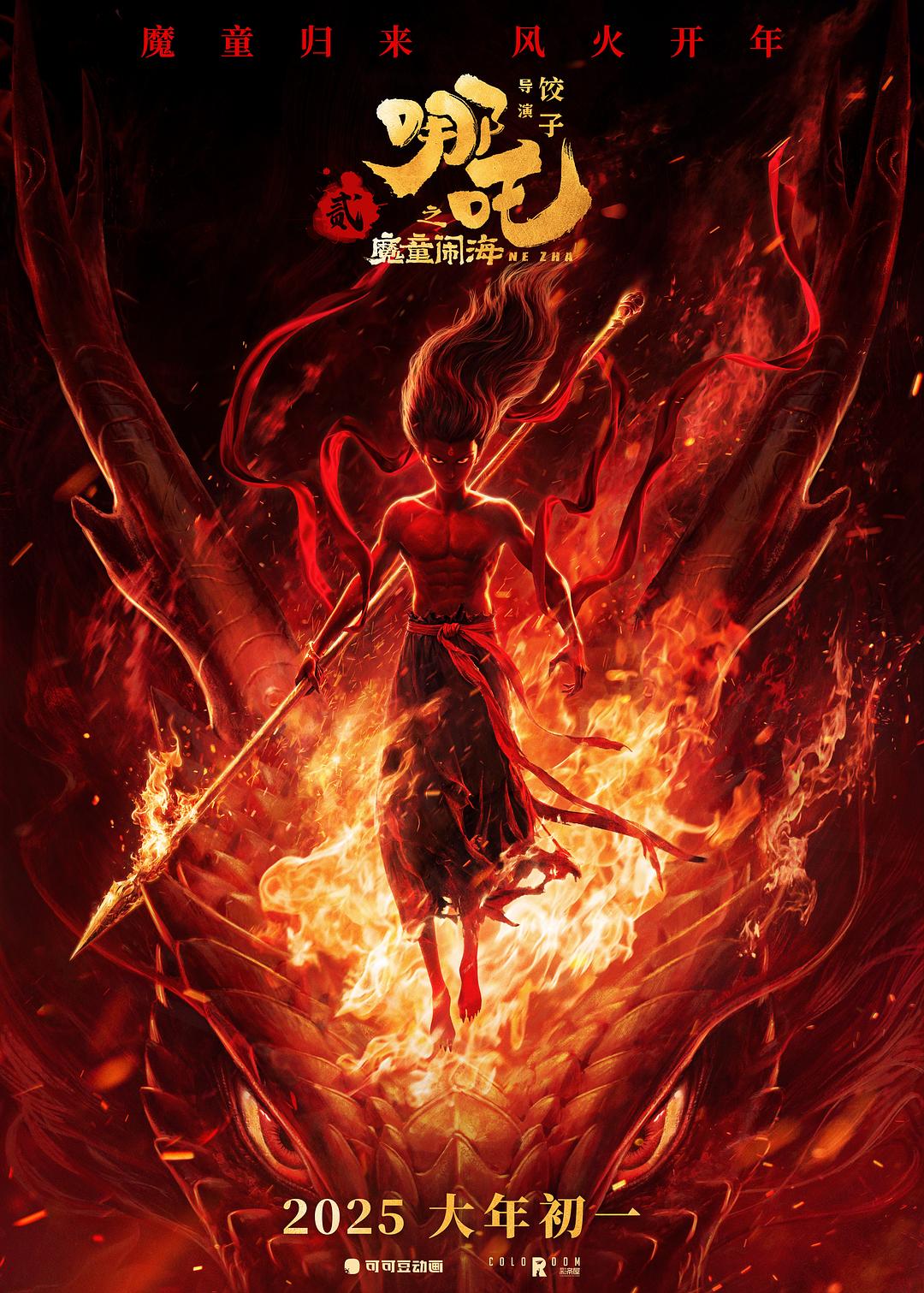
Group 1: Animation Film Industry - The animation film industry is set to dominate the market in 2025, with "Ne Zha" achieving a groundbreaking box office of 15.446 billion, reshaping perceptions of the industry [2][5] - Following "Ne Zha," other animated films like "Lao Lao Mountain Little Monster" and "The King's Avatar: For the Glory" have also performed well, indicating a strong trend in animated content [2][3] - The success of animated films is driving the growth of the IP market, with projections suggesting that the derivative value of "Ne Zha" could reach over 100 billion [5][6] - The reliance on box office revenue is decreasing, with a shift towards derivative income becoming essential for a healthier industry structure [6][8] - The global animation market has seen significant growth, doubling to $22 billion from 2013 to 2023, indicating a shift in cultural significance among younger audiences [10] Group 2: Short Drama Industry - Short dramas have officially entered a phase of quality enhancement, with a notable increase in production and optimism about future growth [11][12] - The number of micro short dramas released in 2025 has increased by 24.52% compared to the previous year, with over 100,000 related companies operating in the sector [11][12] - Production costs for popular short dramas have risen significantly, with some reaching up to 40 million, indicating a trend towards higher quality content [12][16] - The emergence of series IP in short dramas is helping to mitigate the risks associated with short content's fleeting popularity [17][19] - The increasing involvement of traditional actors in short dramas is elevating the status of short drama performers, leading to a competitive market for talent [19][21] Group 3: Manhua (Comic) Dramas - Manhua dramas are emerging as a new category, leveraging AI technology to enhance production efficiency and reduce costs [21][28] - The market for manhua dramas is projected to exceed 20 billion, with significant daily viewership growth reported [22][24] - Major platforms are launching initiatives to attract creators to the manhua drama space, indicating a competitive landscape [24][25] - The integration of AI in manhua production is expected to accelerate the industry's growth, with costs potentially dropping significantly [28][30] Group 4: Video Podcasts - Video podcasts are gaining traction as a hybrid content form, with notable figures like Luo Yonghao entering the space, leading to increased viewership [30][33] - The international market for video podcasts is more developed, with platforms like Netflix investing in this format [31][34] - Video podcasts offer new commercial opportunities for creators, but face challenges in production costs and audience differentiation [35][40] - The success of video podcasts hinges on attracting a broader range of creators to ensure content diversity and audience engagement [40][41] Group 5: Hollywood Industry Changes - The acquisition of Warner Bros. by Netflix for approximately $82.7 billion marks a significant shift in Hollywood, reducing the number of major studios [41][43] - This acquisition reflects Netflix's strategy to redefine its role from a streaming service to a comprehensive content operator [43][44] - The consolidation of major studios raises concerns about the future of traditional film production and distribution models [44][48] - Analysts suggest that the media industry is on the brink of historic transformation, signaling the end of the cable television era [48]

比利时华裔动画设计师的“沪漂”故事
Xin Lang Cai Jing· 2025-12-25 05:03
Group 1 - Zheng Tianyou, a Belgian-Chinese animation designer, has been living in Shanghai for 10 years, transitioning from studying Chinese to a successful career in animation [4][6] - He began his journey in China by studying at the China Academy of Art, where he received a scholarship and later interned at Oriental DreamWorks, contributing to projects like "Kung Fu Panda 3" [6][8] - After the acquisition of Oriental DreamWorks by Universal, he worked at Huayi Brothers and later joined Beijing Youyang Media, where he advanced to director of a 52-episode series [8][12] Group 2 - The animation industry relies heavily on box office performance, which is a lengthy process, leading Zheng to adopt a "slow-motion" approach to his work [8] - He is currently involved in developing original IP characters and teaches at art schools, reflecting his diverse engagement in the industry [12] - Zheng's experiences in Shanghai have inspired him to document the city's changes through his comics, showcasing cultural nuances and personal anecdotes [10][12]

如何做好研究与投资?
材料汇· 2025-12-19 15:08
Core Insights - The article emphasizes the importance of time management in research and investment, highlighting that time is the most scarce asset for individuals [3] - It advocates for focusing on significant issues and understanding the macro, industry, business, and financial logic to make informed decisions [5][6] - The essence of industries and their core drivers should be grasped, especially during critical changes, to identify investment opportunities [7][8] Group 1: Research and Investment Insights - Time management is crucial; individuals should prioritize researching significant issues over minor details [3] - Research should focus on major problems, industry directions, and high-probability outcomes [3] - A scientific and rational research methodology should be established and continuously optimized [4] Group 2: Analytical Frameworks - Four logical frameworks for analyzing important issues include macro logic, industry logic, business logic, and financial logic [5] - Macro logic considers economic factors, societal trends, and geopolitical relationships that influence industries [5] - Industry logic examines how core drivers and competitive factors change across different development stages [6] Group 3: Industry Characteristics and Changes - Understanding the essence of different industries is vital; for example, the stability of the water and electricity industry versus the rapid changes in technology-driven sectors [7] - Key drivers of industry growth and company success must be identified, such as product strength in consumer goods [8] - Recognizing critical changes at inflection points in industries, like the end of the smartphone boom, is essential for strategic investment [8] Group 4: Core Competencies and Business Models - Companies should align their business models with societal trends and human development to ensure sustainability [9] - The importance of a strong governance structure and entrepreneurial spirit in driving a company's core competitiveness is emphasized [10] - Sustainable competitive advantages can be built through strong systems, R&D capabilities, and brand loyalty [10] Group 5: Industry-Specific Analysis - In the consumer goods sector, the disappearance of demographic dividends and the rise of the middle class will shift market dynamics [11] - The service industry is expected to grow as consumer preferences shift towards experience and service consumption [14] - Manufacturing in China retains competitive advantages due to its comprehensive capabilities and large domestic market [18] Group 6: Research Methodology - Research involves three processes: induction, deduction, and empirical validation, which should be interlinked for effective analysis [24] - Induction requires organizing fragmented information to identify key issues, while deduction involves formulating hypotheses based on this information [24] - Empirical research validates hypotheses and can lead to new insights, enhancing understanding and decision-making [25] Group 7: Characteristics of Successful Researchers - Curiosity and a strong desire to learn are essential traits for effective researchers [26] - Honesty and self-reflection are critical for recognizing biases and improving research quality [29] - Independent thinking allows for clearer analysis and the development of a unique research framework [30] Group 8: Daily Work Recommendations - Establishing a personal network of experts can enhance research quality and provide diverse perspectives [33] - Continuous learning and broad reading are vital for staying informed and developing a comprehensive understanding of industries [35] - Structuring research documentation can improve efficiency and facilitate future analysis [37]

签约OpenAI:迪士尼打响动画变革第一枪丨消费参考
2 1 Shi Ji Jing Ji Bao Dao· 2025-12-17 05:28
Group 1 - Disney has entered a three-year partnership with OpenAI, becoming the first major content licensing partner for OpenAI's generative AI video platform, Sora [2] - The agreement allows Sora users to create short videos using over 200 Disney, Marvel, Pixar, and Star Wars characters, while excluding any licensing of live actors' likenesses or voices [2] - Disney will invest $1 billion in OpenAI and receive warrants for additional equity purchases in the future [2] Group 2 - The collaboration is expected to enhance the value of Disney's intellectual property (IP), as users will have access to more Disney content, potentially leading to new project developments [3] - The film industry is transitioning into the AI era, with AI-driven productions significantly reducing costs; for instance, the cost of regular AI dramas is around 1,000 yuan per minute, while premium AI dramas can reach 20,000 to 50,000 yuan per minute [4] - Animation is viewed as a healthier creative model for the future, as it allows creators to retain control over their narratives without the need for actors [4][5]

日本娱乐实力(3)错失2万亿周边商品市场
日经中文网· 2025-12-17 03:26
Core Viewpoint - The article discusses the commercialization rights of Japanese anime and manga, highlighting how major streaming platforms like Netflix are capitalizing on these rights, leading to a significant outflow of potential revenue from Japan to foreign companies [2][10]. Group 1: Commercialization Rights and Market Dynamics - Streaming platforms negotiate with production committees to acquire rights for adaptation and distribution, often gaining rights to produce and sell merchandise as well [6]. - The global sales of merchandise related to Japanese anime reached $14.3 billion, while the streaming revenue was $5.5 billion in 2023, indicating a substantial market for merchandise [6]. - Japanese companies often lack the talent to plan and sell merchandise overseas, resulting in a loss of potential revenue and market presence [9]. Group 2: Impact on Japanese Companies - The inability to effectively utilize their IP leads to "idle IP" situations, where Japanese companies miss out on potential earnings that are instead captured by foreign platforms [10]. - Companies like Toho are taking steps to secure merchandise rights for their properties, indicating a shift towards better management of IP rights [11]. - New initiatives, such as MAG.NET, aim to directly sell merchandise overseas, reducing intermediaries and increasing revenue for Japanese creators [11]. Group 3: Future Opportunities - Expanding into previously untapped overseas merchandise markets is seen as crucial for the next leap in Japanese animation's success [11].

聚焦现实议题 关照人类情感(侨界关注)
Ren Min Ri Bao Hai Wai Ban· 2025-12-17 00:34
Core Perspective - The article highlights the journey of Xi Chengzhu, a Chinese animator and director based in Paris, who has successfully integrated personal experiences and historical narratives into his animation works, showcasing a unique storytelling style and artistic vision [2][11]. Animation Expression - Xi Chengzhu, originally from Chongqing, transitioned from a history major to animation, driven by a desire to express personal stories through art [3]. - His first significant work, "Left and Right," personifies his hands, reflecting childhood memories and interactions with the world [3][4]. - After self-learning for two years, he won the Best Animated Short Award at the 13th Xiamen International Animation Festival with "Narrative of Notes," inspired by his childhood piano lessons [4][6]. Artistic Exploration - Following graduation, Xi established his studio but sought new challenges after feeling fatigued by repetitive projects [7]. - He was encouraged by a teacher from the Gobelins School of the Image to study animation in France, leading to the creation of "Ambush," inspired by the Korean War's "Ice Sculpture Company" story [7][8]. - His creative process involves extensive research and personal experiences, such as observing the night sky and visiting historical battlefields to enhance the authenticity of his narratives [8]. Fusion and Innovation - Xi collaborates with various brands, including Huawei and Wuling Hongguang, while maintaining a balance between commercial and original projects [9]. - He is currently developing two original animations: "Like a Dragon," which explores the importance of independent thinking in the AI era, and "Inverted Toys," focusing on themes of liberation and self-discovery [9][10]. - The emergence of AI presents both opportunities and challenges for creators, emphasizing the need for thoughtful engagement with technology [10]. Future Aspirations - Xi aims to continue expanding his creative boundaries through brand collaborations while remaining committed to his storytelling roots in original projects [11].