
照明

Search documents
海洋王:目前暂未涉及农业照明
Mei Ri Jing Ji Xin Wen· 2026-02-06 03:54
Core Viewpoint - The company, Ocean King (002724.SZ), focuses on industrial lighting and does not currently engage in agricultural lighting, but will continue to monitor industry trends and market demands for future product optimization [1]. Group 1: Company Focus - The company specializes in industrial lighting applications [1]. - Core products and technologies are aimed at sectors such as railways, power grids, offshore oil drilling, mining, smart ports, offshore platforms, smart power plants, emergency rescue, and manufacturing facilities [1]. Group 2: Future Outlook - The company will keep an eye on industry development trends and market needs to continuously optimize its product layout [1].

2026年中信里昂证券FS指数
2026-02-05 02:21
Summary of Key Points from the Conference Call Industry or Company Involved - The conference call focuses on the **2026 Feng Shui Index** and its implications for various industries, particularly the **real estate sector** and the **Hang Seng Index (HSI)**. Core Insights and Arguments - The **2025 market performance** was characterized by volatility, with the Hang Seng Index experiencing unexpected declines and subsequent rebounds, ultimately surpassing initial predictions [4][5]. - The **2026 Feng Shui Index** suggests a positive outlook for the year, with expectations of a strong market performance akin to a galloping horse, indicating a year of opportunities and potential surprises [8][12]. - The **real estate sector** is forecasted to face challenges, as it lacks direct auspicious influences in the current year's predictions. However, specific directions (East and Southeast) are noted to have favorable prospects, while the North and South may encounter disruptions [11][59]. - The **HSI**, categorized as an Earth element, is expected to benefit from the fire energy of the year, leading to a brighter outlook despite previous caution [11][12]. Other Important but Possibly Overlooked Content - The **Feng Shui Index** integrates traditional Chinese metaphysics, including the Five Elements theory, to predict market trends and sector performances [39][46]. - The **Wood element** is expected to thrive in 2026, positively impacting industries related to agriculture, furniture, and pharmaceuticals, while the **Fire element** is anticipated to boost sectors like energy production and communications [42][46]. - The **Water element** is predicted to be weak, potentially hindering the shipping and trade industries, as well as sectors related to small goods and aquaculture [56]. - The **real estate sector** is expected to struggle, but construction materials like sand and cement may see growth, particularly towards the end of the year [49]. This summary encapsulates the essential insights from the conference call, highlighting the anticipated trends and challenges across various sectors as influenced by the Feng Shui Index for 2026.
民爆光电借并购进军PCB斩获三连板 标的年营收1.35亿估值或达4.9亿
Chang Jiang Shang Bao· 2026-02-04 23:49
长江商报消息●长江商报记者 徐佳 借资产并购进军PCB领域,民爆光电(301362.SZ)成为市场追捧焦点。 日前,民爆光电公布对外收购计划,拟通过发行股份的方式收购厦门厦芝精密科技有限公司(以下简 称"厦芝精密")49%股权,并募集配套资金。同时,上市公司将以现金收购厦芝精密51%股权,该现金 交易与发行股份购买资产不互为前提。 两笔交易完成之后,民爆光电将合计持有厦芝精密100%股权,厦芝精密将成为上市公司全资子公司, 民爆光电的主营业务将延伸至PCB钻针领域。 在当前AI产业爆发增长的背景下实施并购,民爆光电将加速战略转型,分享AI产业及PCB钻针行业发展 带来的成长红利。 数据显示,2025年,厦芝精密实现营业收入1.35亿元,净利润1127.37万元。截至2025年末,厦芝精密资 产总额1.53亿元,所有者权益3965.18万元。 上述现金收购中,标的资产的转让对价预计不超过2.5亿元。以此粗略计算,厦芝精密100%股权的对价 或将达4.9亿元。 二级市场上,发布收购方案后,民爆光电已连收三个涨停板。截至2月4日收盘,报77.74元/股,较停牌 前一个交易日收盘价累计已上涨72.8%。 "两步走"全 ...

欧普照明:股权激励限制性股票回购注销实施公告
Zheng Quan Ri Bao Zhi Sheng· 2026-02-04 14:09
(编辑 任世碧) 证券日报网讯 2月4日,欧普照明发布公告称,根据《欧普照明股份有限公司2023年限制性股票激励计 划》《欧普照明股份有限公司2024年限制性股票激励计划》的规定,部分激励对象因离职不再具备激励 对象资格,需由公司对其持有的已获授但尚未解除限售的限制性股票共计609,684股进行回购注销处 理。注销日期:2026年2月9日。 ...

火炬高新区综合排名比“十三五”末提升6个名次
Nan Fang Du Shi Bao· 2026-02-04 07:52
Core Viewpoint - The report highlights the achievements of Zhongshan during the "14th Five-Year Plan" period, emphasizing accelerated participation in the Greater Bay Area development and continuous optimization of urban development patterns [1] Group 1: Economic Development - Zhongshan's development pace in the Greater Bay Area has accelerated, with significant improvements in urban development patterns [1] - The Torch High-tech Zone has seen a continuous enhancement in development capabilities, with the construction of key industrial projects such as BYD, Cai Xun, and Oppein, leading to a comprehensive ranking of 40th among national high-tech zones, an improvement of 6 places compared to the end of the "13th Five-Year Plan" [1] Group 2: Infrastructure and Industrial Parks - The construction of the Cuiheng New Area has been expedited, with major industrial parks like the Zhongshan Life Science Park and Kangfang Bay Area Technology Park completed and operational [1] - Projects from major companies such as China General Nuclear Power Group and China Resources Gas have been introduced, contributing to the development of the region [1] - The basic completion of the "three vertical and three horizontal" road network on Ma'anshan Island and initial results in the eastern coastline remediation have been achieved, facilitating the formation of a high-quality new urban layout [1]

多家上市公司披露新进展!美的、顺丰:已回购股份近20亿元!
证券时报· 2026-02-02 13:35
以下文章来源于e公司 ,作者证券时报 赵黎昀 e公司 . e公司,证券时报旗下专注上市公司新媒体产品,立志打造A股上市公司资讯第一平台。提供7x24小时上市公司标准化快讯,针对可能影响上市公司股价的 主题概念、行业事件及时采访二次解读,从投资者需求出发,直播上市公司有价值的活动、会议。 2月2日晚间,多家上市公司披露回购进展。 美的集团(000333)曾公告,拟以集中竞价交易方式回购公司部分已发行的A股股份,用于实施股权激励计划及/或员工持股计划,回购价格为不超 过100元/股,回购金额为不超过30亿元且不低于15亿元,实施期限为自董事会审议通过回购股份方案之日起12个月内。 2月2日晚间,该公司披露的回购进展显示,截至2026年1月31日,公司通过回购专用证券账户,以集中竞价交易方式累计回购公司A股股份数量为 2694.37万股,占公司目前总股本的0.3545%,最高成交价为80.44元/股,最低成交价为69.5元/股,支付的总金额为19.98亿元(不含交易费用),本 次回购符合相关法律法规的要求,符合公司既定的回购方案。 同样,顺丰控股(002352)曾公告了2025年第1期A股回购股份方案,此后公司于2 ...





SpaceX申请部署百万颗卫星;雷军回应小米汽车交付量波动
2 1 Shi Ji Jing Ji Bao Dao· 2026-02-02 02:16
腾讯推出社交新产品——元宝派,并于2月1日开启公测。元宝派是腾讯旗下AI助手元宝的社交玩法,在一周前开启了小范围内 测。但目前公测还是以邀请码形式逐步开放。在内测时期,甚至在二手交易平台上都出现了元宝派内测邀请码转卖的现象。 21世纪经济报道新质生产力研究院综合报道 早上好,新的一天又开始了。在过去的24小时内,科技行业发生了哪些有意思的事情?来跟21tech一起看看吧。 【巨头风向标】 SpaceX申请部署百万颗卫星 1月30日,SpaceX向美国联邦通信委员会(FCC)提交了一项新申请,内容为"一个拥有前所未有计算能力的卫星星座,可为先 进的AI模型及其相关应用提供支持"。这一卫星系统将最多包含100万颗卫星,主要通过新一代重型运载火箭"星舰"发射,建立 一个环绕地球的轨道数据中心网络。在文件中,SpaceX描述了其提出的"轨道数据中心系统"。这一卫星系统旨在适应AI、机器 学习和边缘计算带来的爆发式数据增长,将提供大规模AI推理和数据中心应用所需的计算能力,为全球数十亿用户提供服务。 这些卫星将在"500公里至2000公里高度、30度倾角的太阳同步轨道"上运行,直接利用近乎恒定的太阳能,几乎无需运营或维 ...
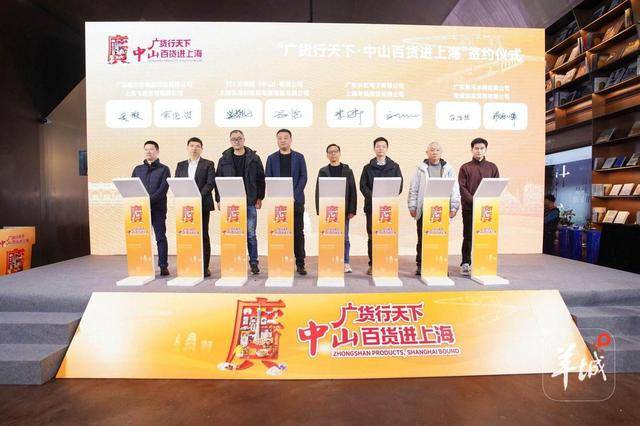
超百个合作项目签约!“中山百货进上海”深化粤沪产业协同
Sou Hu Cai Jing· 2026-02-01 15:18
2月1日,上海浦东新区EKA天物空间创意园与虹口区瑞虹新天地太阳宫的商业气息持续被"广货"热潮所 点燃。继前一日盛大启幕后,"广货行天下·中山百货进上海"活动持续升温,现场商品展销火爆的同 时,经贸对接的丰硕成果也加速落地。 "古镇直销基地在上海灯具城已经有10年,经受了市场的检验,也获得了上海消费者的美誉,成为我们 中山制造古镇制造的一个窗口。"中山市古镇镇党委书记薛治国表示,将抢抓"广货行天下"的有利机 会,加强与上海灯具城的深化合作,特别是在新的款式、新的产品方面加强合作,把最好的品质、最好 的产品、最新的款式,第一时间这个推荐给上海的消费者。 与灯饰展区的时尚创新相呼应的,是家电区域弥漫的温情与信赖。在瑞虹天地太阳宫,广东威力电器展 台上,一台机身泛黄、标识仍清晰的1984年产威力牌半自动洗衣机,宛如一台时光机,唤醒了许多上海 参观者的集体记忆。上海市民余先生激动地认出,这就是当年家中用了近二十年的同款。 主办方提供的数据显示,此次活动期间,中山与上海两地企业、机构共达成超百个合作签约项目,总金 额超60亿元,其中产品购销合作额占比近一半。值得一提的是,仅古镇灯饰企业雷士光电、松伟照明在 现场与上海经 ...
中山百货携潮入沪:双城共振,百项签约续写百年商脉
2 1 Shi Ji Jing Ji Bao Dao· 2026-02-01 09:58
中山与上海,商缘绵长,百年交辉。 1917年10月20日,上海南京路浙江路口,由香山(今中山)商人马应彪创立的先施公司隆重开业。"万 国货物云集,笙歌悦耳"的盛况一时轰动沪上,也正式宣告了中国内陆首家环球百货的诞生。其后,同 样由香山商人创办的永安公司、新新公司、大新公司也相继在上海落成开业。四大百货风云沪上、声震 天下,共同开创了中国现代百货业的先河。 如今,中山百货携潮入沪,再度激荡双城百年商脉。 1月31日,由中共广东省委宣传部、广东省工业和信息化厅、上海现代服务业联合会指导,中山市人民 政府主办的"广货行天下·中山百货进上海"启动仪式在上海市浦东新区EKA天物空间创意园铜堡空间举 行,标志着2026年中山市首场"城市形象宣传+特色产品促销"活动拉开序幕。 本次活动紧扣春节前黄金消费期,依托"广货行天下"春季行动,分别于1月31日至2月1日在浦东新区 EKA天物空间创意园、1月31日至2月2日在虹口区瑞虹新天地太阳宫设置线下会场。 活动打造出"第一会场领航+第二会场联动+热闹惠周末"的特色模式,搭建了线下中山优品活动区,围 绕家电、家具、消费电子、服装、日化、食品、文旅等领域,分类打造"魅力中山""智造 ...
从3件商品读懂中山之变
Xin Lang Cai Jing· 2026-02-01 06:56
Core Viewpoint - The "Zhongshan Department Store" event in Shanghai showcases the evolution and success of Zhongshan's industries, particularly through three representative products [1][5]. Group 1: Culinary Heritage - The iconic dish of Zhongshan is the Shiqi Pigeon, renowned for its unique cooking technique that emphasizes quality ingredients and precise preparation [2]. - The dish is a product of over a century of tradition, with the chef innovating over a thousand new recipes to promote it beyond Zhongshan [2]. Group 2: Lighting Industry - Zhongshan is recognized as the "Lighting Capital of China," with a significant presence in the global lighting market, contributing to a production value in the hundreds of billions [3]. - Companies like Op Lighting are leading innovations in smart lighting solutions, moving away from low-cost production to high-tech, patented products, investing half of their profits in R&D [3]. Group 3: Future Industries - The "Intelligent Manufacturing Zhongshan" exhibition features cutting-edge technologies such as robotics, drones, and brain-machine interfaces, highlighting Zhongshan's strategic positioning in future industries [4]. - Companies like Shenwu Technology are leveraging Zhongshan's robust industrial chain to produce affordable, advanced brain-machine devices, making previously expensive technology accessible [4].