电子信息业

Search documents
2025福建民营企业100强:安踏第七,前六名营收均超过1000亿元
Sou Hu Cai Jing· 2025-10-03 09:25
Core Insights - The annual "Top 100 Private Enterprises in Fujian Province" reflects the development of the private economy in the province, with an entry threshold of 5.621 billion yuan, remaining stable compared to the previous year. The total revenue reached 241.973 billion yuan, a year-on-year increase of 3.0%, while total profits amounted to 17.2 billion yuan, also showing growth [1]. Financial Performance - The top 100 private enterprises contributed a total tax revenue of 63.6 billion yuan, increasing by 17.1%. They created employment for 973,000 people, up by 3.3%. Research and development investments by these enterprises reached 42.62 billion yuan, a year-on-year increase of 7.5%, with 71,000 R&D personnel, growing by 0.6% [1]. - There are 55 enterprises with revenues exceeding 10 billion yuan, an increase of 2 from the previous year. Notable companies include Fuyao Glass, Luckin Coffee, and Dali Foods [5]. Industry Distribution - The second industry comprises 66 enterprises with total revenue of 185.26 billion yuan and profits of 15.83 billion yuan, employing over 670,000 people. The third industry includes 34 enterprises with total revenue of 56.71 billion yuan, employing over 290,000 people. Manufacturing dominates, with the top ten companies holding nine positions [3]. - The electronic information industry saw a revenue growth of 33.38%, while the metallurgy and building materials sector experienced a profit increase of 46.4% [3]. Regional Distribution - Fuzhou leads with 36 enterprises on the list, generating total revenue of 967.01 billion yuan, accounting for 40% of the total revenue of the top 100. Xiamen follows with 27 enterprises, Quanzhou with 19, and other cities contributing fewer [3]. Notable Companies - Six companies have entered the "billion-dollar club," with notable revenue growth: Zhongjing Petrochemical (1.0963 billion yuan, +36.6%), Hengshen Group (1.0687 billion yuan, +22.5%), and Yongrong Group (1.0273 billion yuan, +24.2%) [7]. - Ningde Times continues to lead in multiple categories, achieving a revenue of 362.01 billion yuan, despite a year-on-year decrease of 9.7%. The company has served over 20.43 million vehicles and maintains the top position in global power battery installation for eight consecutive years [10]. Rankings - The top three companies remain unchanged: Ningde Times, Qingtuo Group, and Fujian Dadonghai Group, with revenues of 362.01 billion yuan, 143.7 billion yuan, and 122.05 billion yuan respectively [11].






前8月规上工业总产值破3万亿元
Su Zhou Ri Bao· 2025-09-21 01:58
Economic Overview - Suzhou's economy shows resilience and vitality with key indicators reflecting stable overall performance and high-quality development, achieving an industrial output value exceeding 30 trillion yuan by August [1] - The total import and export volume reached 17,608.7 billion yuan, indicating a year-on-year growth of 5.4% [7] Industrial Production and Investment - Industrial output value for the first eight months reached 31,264.4 billion yuan, with a year-on-year growth of 4.0%, and industrial investment completed at 1,527.7 billion yuan, growing 11.3% [2][3] - Key industries such as electronic information and electrical machinery saw significant investment growth of 17.3% and 27.7% respectively [3] New Industries and Economic Drivers - High-tech industries achieved an output value of 17,740.3 billion yuan, growing 6.5% year-on-year, accounting for 56.7% of the total industrial output [4] - New product outputs, including optical devices and industrial robots, saw substantial increases of 10.9% and 28.1% respectively [4] Service Sector Growth - The service sector's revenue grew by 8.0% year-on-year, with modern services such as leasing and business services increasing by 12.6% [5] - The logistics sector showed robust performance, with freight turnover increasing significantly across various transport modes [5] Consumer Market Trends - Social retail sales totaled 6,084.3 billion yuan, reflecting a 3.2% year-on-year increase, with basic living goods performing well [6] - Policies to boost consumption have shown effectiveness, particularly in household appliances and cultural products [6] Foreign Trade Developments - The total import and export volume for the first eight months reached 17,608.7 billion yuan, with exports growing by 7.1% [7] - Trade with Belt and Road countries increased by 15.1%, highlighting successful market expansion efforts [7] Financial Sector Performance - Financial institutions reported a deposit balance of 56,715.0 billion yuan, growing 5.7%, and a loan balance of 59,635.0 billion yuan, increasing by 7.1% [8] - The number of newly listed companies reached 11, with a total of 276 companies listed by the end of August [9]
光韵达:9月16日召开董事会会议
Mei Ri Jing Ji Xin Wen· 2025-09-17 10:39
Group 1 - The company Guangyun Da (SZ 300227) announced on September 17 that its 21st meeting of the 6th board of directors was held on September 16, 2025, to review the proposal for granting reserved restricted stock to the incentive objects of the 2025 restricted stock incentive plan [1] - For the first half of 2025, the company's revenue composition was as follows: 79.01% from the electronic information industry, 19.54% from the aerospace industry, and 1.46% from leasing and other sectors [1] - As of the report date, Guangyun Da's market capitalization was 5.2 billion yuan [1]

苏州1至7月经济运行稳中提质
Su Zhou Ri Bao· 2025-08-26 23:05
Economic Overview - The overall economic operation of the city is stable and improving in quality, with a total industrial output value of 27,267.7 billion yuan from January to July, representing a year-on-year growth of 4.5% [1] - The added value of industrial enterprises above designated size increased by 7.8% year-on-year, with the six leading industries achieving an output value of 17,699.1 billion yuan, a growth of 5.0% [1] Key Industries - The electronic information industry and electrical machinery manufacturing saw output growth of 7.1% and 5.3% respectively [1] - High-tech industries contributed significantly, with a total output value of 15,417.3 billion yuan, growing by 6.9% and accounting for 56.5% of the total industrial output [1] Investment Trends - Fixed asset investment totaled 3,670.9 billion yuan, a decrease of 2.5% year-on-year, but excluding real estate development, investment grew by 10.1% [1] - Industrial investment maintained double-digit growth at 1,338.9 billion yuan, increasing by 12.5% [1] - Investment in electronic information, general equipment manufacturing, and electrical machinery grew by 17.4%, 21.1%, and 33.3% respectively [1] Trade Performance - The total import and export value reached 15,258.0 billion yuan, with exports at 9,589.9 billion yuan (up 7.0%) and imports at 5,668.1 billion yuan (up 2.5%) [2] - Exports to countries involved in the Belt and Road Initiative increased by 21.9%, reaching 4,187.1 billion yuan, accounting for 43.7% of total exports [2] - Mechanical and electrical products exports were significant, totaling 7,455 billion yuan, contributing 4.9 percentage points to overall export growth [2] Consumer Market - The total retail sales of consumer goods reached 5,355.3 billion yuan, with a year-on-year growth of 3.4% [2] - The consumer price index in the urban area decreased by 0.8% year-on-year, with six categories of consumer goods prices declining [2] - Prices for medical care and other goods and services increased by 1.7% and 6.3% respectively [2] Corporate Developments - Ten new domestic and foreign listed companies were added from January to July, including five listed on the domestic A-share market [2] - By the end of July, the total number of listed companies reached 275, with 223 on the domestic A-share market [2]
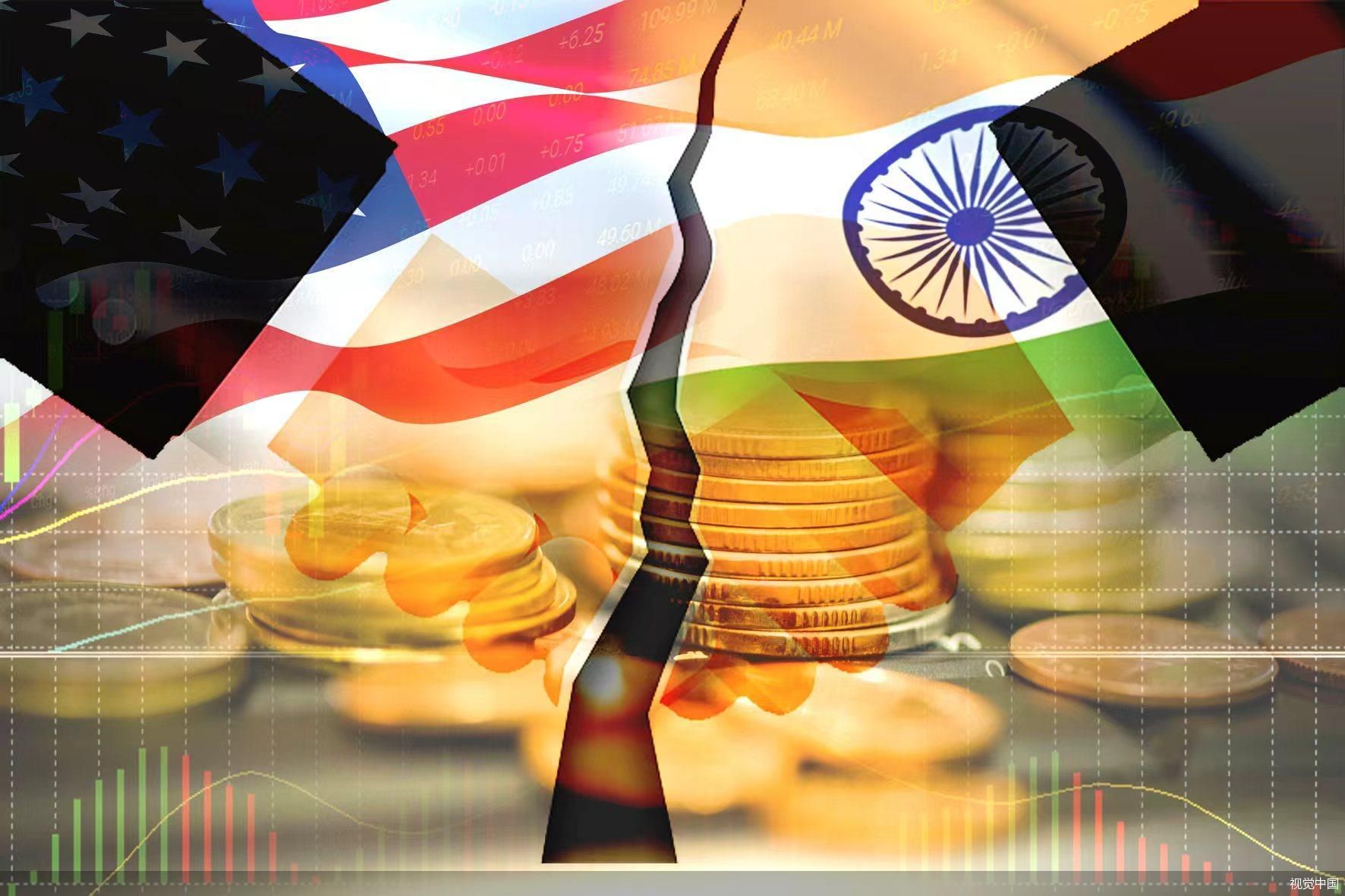
美印谈判计划取消 50%关税还有转机吗
Bei Jing Shang Bao· 2025-08-18 14:45
Group 1 - The trade relationship between the US and India is rapidly deteriorating, with the cancellation of the US trade representative's visit to New Delhi and the postponement of bilateral trade negotiations [2][3] - The US has announced a 25% tariff on Indian exports as a penalty for India's purchase of Russian oil, which is set to take effect on August 27 [3][4] - India's exports to the US accounted for nearly 20% of its total exports, valued at $86.51 billion in the last fiscal year ending March 2025 [5] Group 2 - The proposed bilateral trade agreement negotiations have stalled after five rounds, primarily due to India's refusal to open its agricultural and dairy markets, which are critical to its economy [4][6] - The imposition of high tariffs by the US could severely impact India's manufacturing ambitions and economic growth, with potential negative effects on small and medium-sized enterprises in the apparel sector [5][6] - Despite the trade conflict, both countries are still open to negotiations, with India having made several concessions, including tariff exemptions on industrial goods [7][8]
美印贸易谈判陷僵局:美财长称印度“顽固” 9月联大或成缓和契机?
Di Yi Cai Jing· 2025-08-13 14:38
Group 1: Trade Relations and Tariffs - The U.S. has imposed an additional 25% tariff on Indian products due to India's import of Russian oil, raising the total tariff rate on Indian goods to 50% [1] - India's textile and apparel exports to the U.S. could decline by $2.5 to $3 billion as the U.S. market accounts for about one-third of India's apparel exports [2] - The high tariff rate of 50% on Indian goods is significantly higher than that of neighboring countries like Pakistan (19%) and Bangladesh (20%) [2] Group 2: Industry Impact - Indian apparel manufacturers are considering relocating production to countries like Bangladesh, Indonesia, and Vietnam to mitigate the impact of U.S. tariffs [2] - The Indian garment industry is facing a potential crisis, with calls for government support to help small and medium-sized enterprises survive the tariff challenges [2] - Despite the tariffs, certain sectors like electronics and pharmaceuticals continue to enjoy tariff exemptions, with India being the largest supplier of smartphones to the U.S. [3] Group 3: Negotiation Dynamics - The trade negotiations between India and the U.S. have stalled, primarily due to India's refusal to compromise on agricultural and dairy market access [4] - India's Prime Minister Modi has emphasized the importance of farmers' welfare, indicating that concessions in these areas are politically sensitive [4] - There have been some concessions from India, including tariff exemptions on industrial goods and agreements for companies like SpaceX to operate in India [4]
江苏十三市“半年报”出炉 苏州GDP超1.3万亿继续领跑
Zheng Quan Shi Bao Wang· 2025-08-06 14:12
Economic Overview - Jiangsu province has five cities with GDP exceeding 500 billion yuan, seven cities with growth rates surpassing the provincial average of 5.7%, and three cities maintaining a growth rate of 5.7% [1] - Overall, the province demonstrates strong economic resilience and vitality, indicating a positive trend towards high-quality development [1] City Performance - Suzhou leads the province with a GDP of 1,300.235 billion yuan, being the only city in Jiangsu to surpass 1 trillion yuan in GDP for the first half of the year [1] - Nanjing, the provincial capital, achieved a GDP of 917.918 billion yuan, ranking second in the province [2] - Wuxi's GDP stands at 773.515 billion yuan, placing it third in Jiangsu [2] - Nantong and Changzhou also exceeded 500 billion yuan in GDP, with figures of 658.119 billion yuan and 507.913 billion yuan, respectively [2] - Xuzhou's GDP reached 450.930 billion yuan, positioning it as a potential sixth "trillion-yuan city" in Jiangsu [2] Industrial Growth - Suzhou's industrial production saw a significant increase, with a total industrial output value of 2,339.36 billion yuan, reflecting a year-on-year growth of 4.6% [1] - The city's industrial added value grew by 8.0% year-on-year, with key sectors such as electronic information and electrical machinery contributing to this growth [1] - Nanjing's high-tech industry accounted for 55.8% of the total industrial output value, with a year-on-year increase in high-tech manufacturing added value of 6.8% [2] - Notable growth in specific sectors in Nanjing includes pharmaceutical manufacturing (11.6%), aerospace equipment (18.5%), and computer equipment (78.2%) [2] - In Huai'an, the industrial added value increased by 8.9%, with a broad growth across 30 out of 34 industrial categories, indicating a growth rate of 88.2% [3]
苏州上半年GDP达1.3万亿元、同比增5.7% 5个关键字,读懂“半年报”
Su Zhou Ri Bao· 2025-07-31 22:38
Economic Overview - Suzhou's GDP for the first half of 2025 reached 1,300.235 billion yuan, a year-on-year increase of 5.7% [1] - The first industry added value was 7.238 billion yuan, growing by 5.5%; the second industry added value was 575.310 billion yuan, growing by 6.2%; the third industry added value was 717.687 billion yuan, growing by 5.2% [1] Industrial Performance - The total industrial output value above designated size was 2,339.36 billion yuan, with an 8.0% year-on-year increase [2] - The high-tech industry output value was 1,319.21 billion yuan, growing by 6.6%, accounting for 56.4% of the total industrial output value, an increase of 1.7 percentage points [2] Investment Trends - Industrial investment reached 117.35 billion yuan, a growth of 14.7%, maintaining double-digit growth for nine consecutive months [3] - Key industries such as electronic information, general equipment manufacturing, and electrical machinery saw investment growth rates exceeding 20% [3] Trade and Export - Total foreign trade import and export reached 1,295.88 billion yuan, a historical high for the same period, with a growth of 5.7% [3] - Exports totaled 818.71 billion yuan, increasing by 7.7%, while imports were 477.17 billion yuan, growing by 2.5% [3] Private Sector Growth - The output value of private industrial enterprises grew by 9.5%, accounting for 50.7% of the total industrial output value, an increase of 3.0 percentage points [5] - Private enterprise export value increased by 10.2%, outpacing the overall export growth rate by 2.5 percentage points [5] Consumer Trends - The per capita disposable income reached 42,060 yuan, with urban residents at 47,071 yuan and rural residents at 26,352 yuan, reflecting growth rates of 4.4% and 5.2% respectively [6] - The total retail sales of consumer goods showed an increase, supported by various promotional activities [3]
北京上半年工业和信息软件业合计增加值创历史新高
Zhong Guo Chan Ye Jing Ji Xin Xi Wang· 2025-07-25 00:50
Group 1 - In the first half of 2023, Beijing's industrial and information software sectors achieved a combined added value exceeding 900 billion yuan, accounting for 36.2% of the city's GDP, marking a historical high and contributing 61.6% to the overall economic growth [1] - The industrial output value reached 1.35 trillion yuan, with a year-on-year increase of 7%, maintaining a growth rate above the national average for 16 consecutive months [1] - The information software industry generated nearly 1.4 trillion yuan in revenue from January to May, reflecting a year-on-year growth of 13.8%, with total profits increasing by 28.8%, leading all sectors in scale and growth rate [1] Group 2 - Beijing is focusing on key areas such as complete vehicles and components, as well as computing power centers, with industrial investment in key sectors reaching 46.33 billion yuan, and high-tech manufacturing investment growing by 6.5% year-on-year [1] - The cultivation of new productivity in Beijing is accelerating, with significant advancements in technology innovation and industry integration, including the establishment of innovation centers in cutting-edge fields like hydrogen energy and solid-state batteries [2] - The automotive manufacturing and electronic information sectors saw substantial growth, with the production of complete vehicles reaching 713,000 units, a year-on-year increase of 24.8%, and the production of new energy vehicles rising by 150% [2]


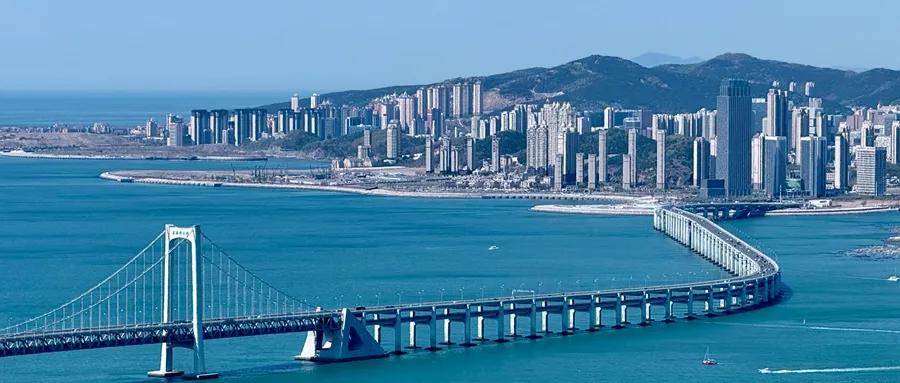
东北首个万亿城市,终于要来了?
Sou Hu Cai Jing· 2025-07-23 02:03
Core Viewpoint - Dalian's GDP in the first half of 2025 grew by 6.0% year-on-year, outperforming both national and provincial averages, indicating strong economic momentum and a potential breakthrough into the trillion-yuan GDP club by 2025 [2][3][4] Economic Performance - Dalian's GDP reached 464.7 billion yuan in the first half of 2025, with a year-on-year growth of 6.0%, exceeding national and provincial growth rates by 0.7 and 1.3 percentage points respectively [2] - The first industry added value was 21.69 billion yuan (4.5% growth), the second industry added value was 164.13 billion yuan (9.4% growth), and the third industry added value was 278.88 billion yuan (4.0% growth) [2] - In Q1 2025, Dalian's GDP grew by 6.2%, continuing into Q2 with a 6.0% growth, aligning with the target of over 5.5% growth for the year [3] Industrial Growth - Dalian's industrial output showed significant growth, with the industrial added value increasing by 12.5% year-on-year in the first half of 2025 [3] - Traditional industries like equipment manufacturing, shipbuilding, and automotive manufacturing saw substantial increases of 16.9%, 58.8%, and 27.7% respectively [3] - Emerging industries, particularly in renewable energy and high-tech manufacturing, experienced a 20.1% growth in added value, surpassing the overall industrial growth rate by 7.6 percentage points [3] Consumer Market - Dalian's total retail sales of consumer goods reached 112.57 billion yuan in the first half of 2025, with a year-on-year growth of 7.4%, ranking first among 15 sub-provincial cities [3] Future Outlook - To achieve a GDP exceeding one trillion yuan, Dalian needs to maintain a growth rate of at least 5.1% in the second half of 2025, which is considered feasible [4] - The Dalian government is committed to maintaining a stable and positive economic trend, aiming for high-quality growth towards becoming a trillion-yuan GDP city [4]