豪华汽车

Search documents
跳出参数“红海”,林肯以“全维实力”开辟新赛道
Mei Ri Jing Ji Xin Wen· 2026-01-27 03:34
Core Insights - The luxury car market is currently facing a homogenization issue, with brands competing on technology and fuel efficiency, leading to a price war that compresses profit margins [1] - Consumer preferences have shifted from brand-centric purchases to a focus on emotional satisfaction, practical experiences, and long-term service [1][3] - Lincoln has identified this market trend and is building a differentiated competitive barrier through its focus on comfort, all-terrain luxury, and a new pricing strategy based on deep user experiences [1][5] Market Trends - The luxury brand's core competitiveness now extends beyond the product itself to include emotional value and stability promises, which are critical in consumer decision-making [3] - The current consumer trend emphasizes the need for products that provide immersive relaxation experiences, with Lincoln positioning "comfort" as its brand core [3][5] - Lincoln's approach to comfort is a comprehensive system that enhances visual, tactile, and auditory experiences, addressing the core demand for physical and mental comfort [3][6] Product Positioning - Lincoln's "all-terrain luxury" positioning fills a market gap by addressing the dual needs of urban commuting and outdoor adventures, catering to diverse user scenarios [6] - The brand's product offerings, including the Navigator and Aviator, are designed to provide a seamless experience across various driving conditions, enhancing both luxury and practicality [8] Business Model Innovation - Lincoln is transitioning from a product sales model to a user lifecycle management strategy with its "Lincoln Way Pro" service, aligning with the trend of service premium in the luxury car market [9] - The company is focusing on dealer health and user experience by reducing financial burdens on dealers and enhancing service quality through various initiatives [9][10] - The implementation of digital tools and systems has significantly improved service efficiency, creating a win-win situation for manufacturers, dealers, and users [10][12] Competitive Strategy - In a market characterized by intense price competition, Lincoln is adopting a service-driven strategy to enhance user loyalty and brand value, setting a new benchmark for service-driven growth in the industry [12] - The company's strategic layout reflects a deep understanding of market trends and a commitment to long-term business principles, emphasizing the combination of brand warmth, product strength, and service value as the future core competitiveness in the luxury car market [12]


一汽奥迪,从未停止的技术突破
Di Yi Cai Jing· 2026-01-23 06:50
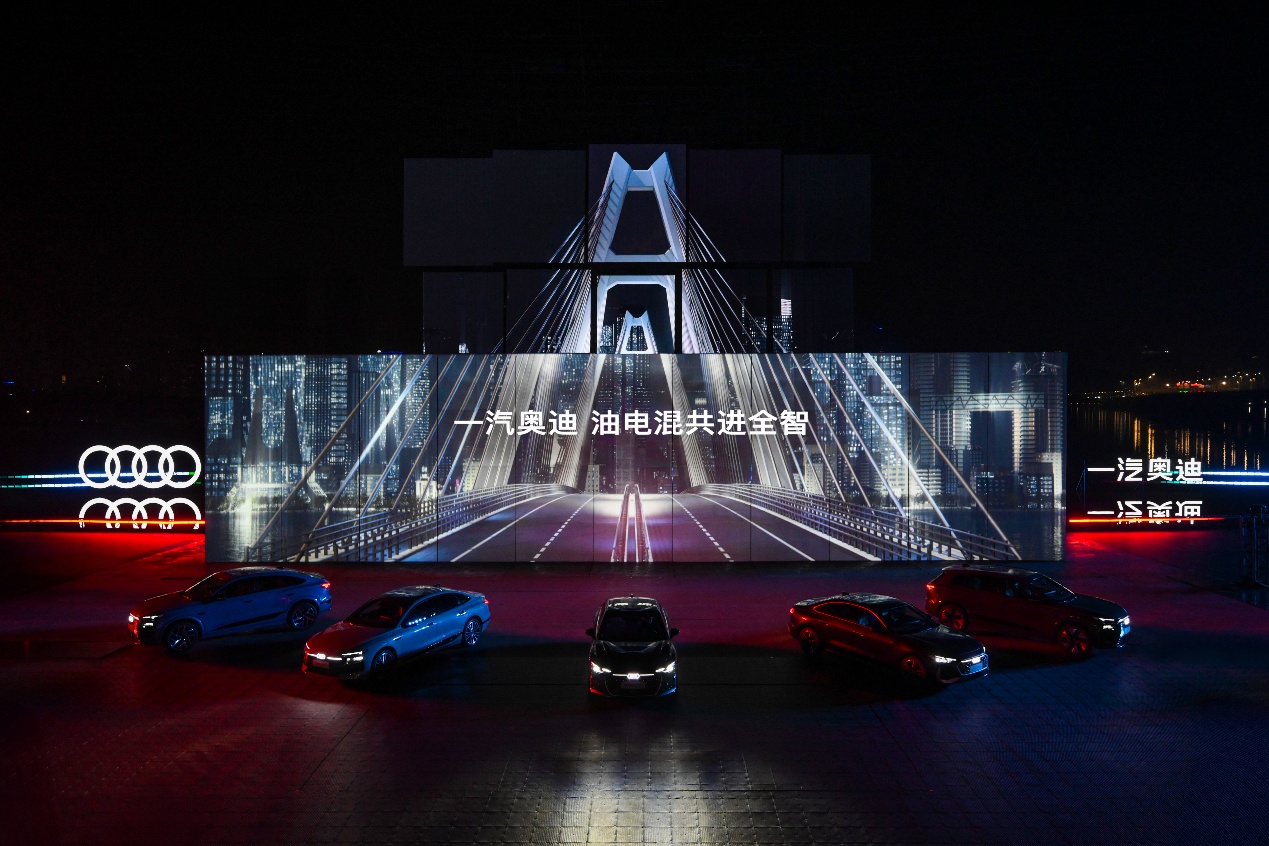
Core Insights - FAW Audi has achieved a significant milestone by becoming the first luxury automotive brand in China to reach ten million users, marking a pivotal moment in the high-quality development of the Chinese automotive industry [1][3][9] Group 1: Company Development - FAW Audi's development trajectory has closely aligned with the upgrade of the Chinese automotive industry, transitioning from technology introduction to full localization of the value chain [3][4] - The ten million user milestone reflects not just market growth but also the brand's leadership and evolution of cross-national cooperation models [3][4] - Over 38 years, FAW Audi has become a benchmark in the luxury car sector, reshaping the market through continuous innovation and ecosystem upgrades [4][5] Group 2: Market Strategy - FAW Audi has pioneered the introduction of localized products, such as the extended wheelbase design of the Audi A6, which has become a standard in the luxury segment [5][6] - The company has developed a comprehensive product matrix that includes both fuel and electric vehicles, catering to diverse consumer needs [5][8] - FAW Audi's introduction of the 4S sales service system has standardized service quality in the automotive industry, enhancing customer experience [6][9] Group 3: Technological Innovation - The company has launched the "Oil-Electric Hybrid Intelligent" strategy, introducing platforms that provide advanced smart experiences for both fuel and electric vehicles [8][11] - The collaboration with Huawei on the Q5L model exemplifies the integration of traditional automotive manufacturing with cutting-edge technology [11][12] Group 4: Economic Contribution - FAW Audi has contributed over 100 billion yuan in taxes over 38 years, supporting local and national economic development [13] - The brand's technological advancements have elevated China's position in the global automotive value chain, contributing to high-quality economic growth [13][15] Group 5: Industry Evolution - The achievement of ten million users signifies a shift in the cross-national cooperation model from "market for technology" to "value co-creation," providing a framework for high-quality development in the automotive sector [10][15] - FAW Audi's approach emphasizes long-term collaboration and innovation, setting a standard for future global automotive partnerships [15]
如何看待被中国车企针对? 保时捷中国总裁独家回应!
Xin Lang Cai Jing· 2026-01-20 00:58
Core Insights - The luxury car market is undergoing unprecedented changes, with traditional luxury brands adjusting while new Chinese brands are entering the luxury segment, some even targeting Porsche directly [2][22] - Porsche's CEO in China, Pan Lich, emphasizes that true competition is not about comparing specifications but about providing a complete, profound, and irreplaceable value system [2][30] - Porsche is optimizing its dealer network as a strategic decision to create a healthier, more efficient, and sustainable retail network, which is not a sign of contraction but a process of quality enhancement [2][27] Sales and Market Strategy - Porsche's global sales for 2025 are projected to be approximately 279,000 units, with around 42,000 units expected from the Chinese market, indicating a year-on-year decline [23] - The strategy to "win back China" is not merely about returning to previous sales volumes but aims to establish a sustainable and profitable business model, with success metrics extending beyond market share or sales figures [23][38] - Key performance indicators will focus on brand desirability, customer loyalty, dealer network health, and sustainable profitability [38] Brand Positioning and Customer Experience - Porsche's development in China is characterized by a dual understanding of speed: the rapid changes in the market and technology, and the need for long-term commitment to value [26] - The company is committed to ensuring seamless service continuity during dealer network adjustments, prioritizing customer experience and support [27][28] - Porsche's core strategy is "quality over quantity," aiming for sustainable, profitable growth rather than merely increasing sales numbers [28] Innovation and Technology - Porsche has established a research and development center in Shanghai to better meet local market demands, focusing on digital and intelligent solutions [28][30] - The new generation of infotainment systems, tailored for the Chinese market, is set to launch in mid-2026, integrating mainstream digital ecosystems and AI voice assistants [30][31] - The company aims to balance its heritage with future trends in electrification and intelligence, ensuring that every Porsche maintains its unique driving experience [32][33] Community and Brand Loyalty - Porsche has developed a global, passionate community of owners, with a network of clubs in China that fosters a sense of identity and belonging among owners [35] - The brand offers extensive customization options, allowing customers to express their individuality through their vehicles [35] - Porsche's commitment to creating dreams for customers remains unchanged, reinforcing the emotional connection with the brand [29][30]
豪华车内卷“脑疯期”,林肯在搞一场舒服的“体感复兴”
Jing Ji Guan Cha Wang· 2026-01-19 14:16
Core Insights - The Chinese automotive market is experiencing an unprecedented price war, affecting even luxury brands like Lincoln, which is adopting a unique strategy focused on service upgrades rather than aggressive pricing [1][2] Group 1: Market Context - By 2025, the penetration rate of new energy vehicles in China is expected to approach 50%, reshaping the competitive landscape of the luxury car market [2] - Traditional luxury brands are facing dual pressures from rapid advancements in electric and smart vehicles and intense price competition leading to declining profitability [2] - Over 50% of automotive dealers in China were reported to be operating at a loss in the first half of 2025 [2] Group 2: Lincoln's Strategy - Lincoln's market strategy emphasizes value marketing and high-quality sales, focusing on customer experience rather than merely increasing sales volume [2][3] - The introduction of "Lincoln Way Pro" represents a comprehensive upgrade in customer service, aiming to enhance the luxury brand experience [1][3] - Lincoln's profitability ranks first among luxury brands in 2025, excluding promotional incentives, reflecting the success of its strategic positioning [2] Group 3: Service Upgrades - The "Lincoln Way Pro" upgrade includes systematic and quantifiable service standards, featuring innovative service equipment in showrooms [3] - Digital transformation of service processes has significantly improved customer experience, reducing average response time from 63 minutes to 12 minutes [3] - The implementation of "Lincoln Way Pro" is supported by a dual strategy of empowering and reducing burdens on dealers [4] Group 4: Dealer Network Support - Lincoln's "Spark Plan" significantly lowers the entry barriers for new dealers, reducing investment requirements from 20-30 million yuan to approximately 4 million yuan [4][5] - Existing dealers are encouraged to lower operational costs through lightweight facility renovations [5] - The "Spark Plan" aims to optimize cost structures and create a more sustainable business model amidst industry profitability pressures [5] Group 5: Financial Impact - Lincoln's lightweight strategy is projected to save 40 million yuan in annual operational costs through the transformation of existing showrooms [5] - The investment reduction for new dealerships has already saved 240 million yuan, with 24 new stores opened this year [5] - The "zero absorption rate" of after-sales profits covering operational costs is currently around 76%, with a goal to exceed 100% [5] Group 6: Brand Value System - "Lincoln Way Pro" is a crucial part of Lincoln's brand value system, which includes three key labels: "Comfort," "All-Terrain Luxury," and "Lincoln Way Pro" [6][7] - The concept of "Comfort" extends beyond physical comfort to emotional and psychological aspects, enhancing the overall luxury experience [6] - The brand's focus on customer experience is expected to foster customer loyalty and long-term value, as evidenced by higher recommendation rates among Lincoln owners compared to industry averages [8][9] Group 7: Long-term Strategy - Lincoln's approach highlights the importance of long-term value and system health over short-term sales and market share [8][9] - The brand's commitment to enhancing customer experience and dealer profitability serves to protect brand value and market pricing integrity [9] - Lincoln's exploration of a differentiated competitive advantage through system optimization and experience upgrades offers valuable insights for the luxury automotive sector [9]
豪车“印钞机”熄火?保时捷销量暴跌10%,中国市场四连降
Ge Long Hui· 2026-01-18 06:28
Core Viewpoint - Porsche, once considered a "money printing machine" in the luxury car market, is currently facing unprecedented challenges, with a significant decline in global deliveries and stock price pressure [1][3]. Sales Performance - In 2025, Porsche's global deliveries totaled 279,449 units, a 10% decrease from 310,718 units in 2024 [3][4]. - The most significant decline occurred in the Chinese market, where deliveries fell to 41,938 units, down 26% year-over-year [4][5]. - Sales in the German market dropped by 16% to 29,968 units, while sales in the rest of Europe decreased by 13% to 66,340 units [4][5]. - North America remained Porsche's largest single market, with sales of 86,229 units, showing no significant change compared to the previous year [4]. Market Challenges - The decline in sales is attributed to several factors, including a lack of competitive products in the luxury segment and increased competition from domestic brands in China [5][6]. - Porsche's sales director, Matthias Becker, indicated that the company is facing challenges due to a product line gap, particularly with the 718 and Macan fuel models, and a sustained weak demand for high-end products in China [5][6]. - The company has also been impacted by tariffs on imported cars in the U.S., which have affected profitability [3]. Strategic Adjustments - Porsche plans to close approximately 200 self-built charging stations in China starting March 2026, reflecting the company's struggle in the Chinese market [6][8]. - The company is also considering reducing the number of 4S stores in China to 80, indicating a significant shift in its operational strategy [8]. - Porsche aims to accelerate its electrification strategy, targeting over 80% of new vehicles to be electric by 2030, while continuing to produce existing fuel models until the 2030s [8].
“SBBA”格局初现:豪华汽车市场的格局重塑
Xin Lang Cai Jing· 2025-12-31 04:29
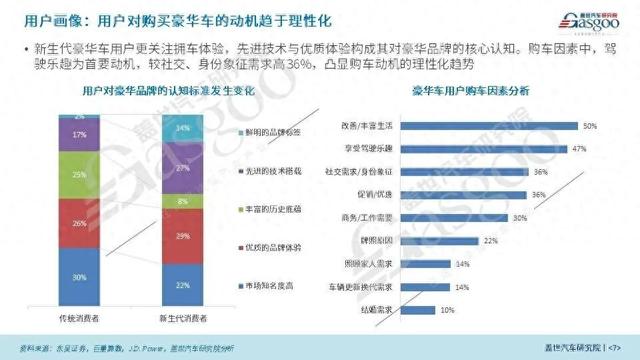
Core Insights - The automotive industry in 2025 is marked by significant transformations, including the penetration rate of new energy vehicles surpassing 50%, advancements in AI and autonomous driving, and a shift in consumer preferences towards high-value options from traditional luxury brands [1][2] Industry Transformation and Consumer Awakening - The reshaping of the Chinese luxury car market is a result of simultaneous industry transformation and consumer evolution, with the penetration rate of new energy vehicles reaching a milestone of over 50% in 2025 [1] - A report indicates that 35% of high-net-worth individuals in China now prefer new energy brands over traditional German brands (BBA), marking a historic shift in brand preference [1] Market Dynamics and Competitive Landscape - The traditional luxury market, previously dominated by BBA, is being disrupted as the Enjoy brand enters the market, achieving top sales in the new energy segment [2] - The Enjoy brand fills a significant gap in high-end intelligent new energy vehicles, as traditional luxury brands lag in adopting AI and autonomous driving technologies [2] Changing Consumer Demands - The motivations for purchasing luxury vehicles have shifted from social status symbols to driving enjoyment and practical experiences, particularly after the introduction of L3 autonomous driving [5] - Consumers are now more willing to pay for advanced technology and quality experiences rather than brand prestige, leading to a redefinition of luxury from brand heritage to value creation [5] Product Strategy and Market Positioning - Enjoy's product strategy aligns with industry trends, focusing on dual flagship models to establish a technological benchmark and cater to diverse consumer needs [7] - The Enjoy S9 and S9T models are positioned competitively within the 300,000 to 450,000 yuan luxury price range, offering full-featured luxury at entry-level prices [7] - The pricing strategy emphasizes value without relying on traditional luxury brand markups, appealing to rational consumers [7] Product Features and Innovations - The Enjoy S9 targets business elites and high-end families, while the S9T is designed for outdoor and travel needs, showcasing a dual-track strategy that enhances market coverage [8] - Both models utilize advanced technology platforms, offering superior driving assistance, smart cabin features, and impressive range capabilities, addressing modern consumer demands [10] Sales Performance and Market Penetration - Enjoy has established a positive feedback loop of sales growth, brand reputation, and channel expansion, successfully penetrating the core luxury market [12] - Over 60% of new customers come from traditional luxury brands, indicating a successful shift from being a secondary choice to a primary target for consumers [12] Strategic Partnerships and Future Growth - Enjoy is deepening its collaboration with Huawei, ensuring ongoing investment in key technology areas to support long-term growth [14] - The brand is expanding its product lineup with new SUV and MPV models to meet diverse consumer needs, capitalizing on the growing market for intelligent electric vehicles [15] Conclusion - Enjoy's rapid rise illustrates a new path for high-end automotive brands in China, focusing on technology and consumer-centric value rather than merely replicating traditional luxury models [17] - The emergence of the "SBBA" competitive landscape signifies a significant shift in market dynamics, with Enjoy poised to redefine luxury automotive standards in the country [17]
“SBBA”格局初现:豪华汽车市场的格局重塑
财联社· 2025-12-31 04:11
Core Viewpoint - The luxury automotive market in China is undergoing a significant transformation, with the emergence of new players like the Xiangjie brand, which is reshaping the competitive landscape traditionally dominated by German brands (BBA) [1][2][18] Industry Transformation and Consumer Awakening - The luxury automotive market is experiencing a reshuffle driven by industry transformation and evolving consumer preferences, with the penetration rate of new energy vehicles (NEVs) surpassing 50% in 2025 [2] - A report indicates that 35% of high-net-worth individuals in China prefer new energy vehicle brands over traditional German brands, marking a historic shift in brand preference [2] - The traditional luxury market segment of mid-to-large luxury sedans, previously dominated by BBA, is being disrupted, with Xiangjie S9T achieving top sales in this segment [2][11] Changing Consumer Demands - The motivations for purchasing luxury vehicles have shifted from social status symbols to driving enjoyment and practical experiences, reflecting a more rational consumer trend [6] - The advent of L3 autonomous driving technology has made advanced features and quality experiences central to luxury perceptions, leading consumers to prioritize value over brand prestige [6] Xiangjie's Strategic Positioning - Xiangjie’s product strategy aligns with industry trends, focusing on dual flagship models (S9 and S9T) that cater to diverse consumer needs, effectively breaking through BBA's market defenses [7] - The pricing strategy positions Xiangjie within the competitive luxury price range of 300,000 to 450,000 yuan, offering fully equipped models that challenge traditional luxury pricing models [7][10] Product Features and Market Performance - The new Xiangjie S9 targets business elites and high-end families, while the S9T is designed for outdoor and travel needs, creating a dual-track strategy that enhances market coverage [8][10] - Both models utilize advanced technology platforms, offering features such as industry-leading autonomous driving capabilities and extensive range, addressing consumer concerns about practicality and emotional value [10] Sales and Brand Recognition - Xiangjie has established a positive feedback loop of sales growth, brand reputation, and channel expansion, successfully penetrating the core luxury market [11][12] - Over 60% of new customers for Xiangjie come from traditional luxury brands, indicating a successful shift from being a secondary choice to a primary target for consumers [12] Future Growth and Strategic Partnerships - Xiangjie is committed to deepening its market presence through channel expansion and product innovation, with plans to introduce new SUV and MPV models [15] - A strategic partnership with Huawei aims to enhance technological capabilities and ensure ongoing development in key areas, with a planned investment of 20 billion yuan over three years [14][15] Conclusion - Xiangjie’s growth trajectory illustrates a new path for high-end automotive brands in China, moving from traditional luxury to a new standard defined by technology and consumer-centric value [17][18]
千万用户背后:一汽奥迪如何定义合资豪华车的“中国范式”
Xin Lang Cai Jing· 2025-12-26 08:19
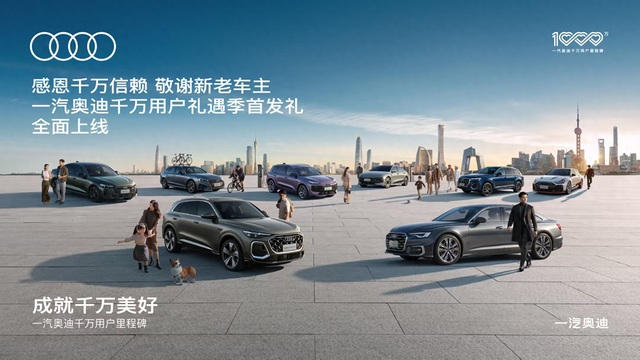
Core Insights - FAW Audi is set to reach a milestone of over 10 million users in China, marking it as the first joint venture luxury brand to achieve this in the Chinese automotive market after 38 years of development [1][19] Group 1: Brand Development and Market Position - FAW Audi has been a pioneer in the localization of luxury vehicles in China, starting with the introduction of the Audi 100 in 1989, which broke the monopoly of imported luxury cars [3][5] - The brand has successfully established the Audi A6L family as the most successful luxury executive sedan in China, leading the trend of extended luxury vehicles tailored to local consumer preferences [5][14] - The company has embraced a dual-platform strategy with the "Oil-Electric Intelligence" initiative, integrating both fuel and electric vehicles into a unified intelligent experience [16][19] Group 2: User Engagement and Service Innovation - FAW Audi has evolved its relationship with users from mere product offerings to a comprehensive service model, introducing the 4S service model in 2000 and enhancing it with the "Audi Excellence Service Plus" in 2025 [10][12] - The establishment of the "Customer Care Fund" in 2025 reflects the brand's commitment to social responsibility and community engagement, supporting users who contribute to public welfare [13][19] Group 3: Technological Advancements and Collaborations - FAW Audi is collaborating with leading companies like Huawei and CATL to enhance its technological capabilities, aiming to integrate advanced driving technologies into its vehicles [8][14] - The brand's localization efforts have resulted in a domestic production rate exceeding 70%, with local suppliers becoming integral to its global supply chain [16][17] Group 4: Economic and Social Contributions - FAW Audi has created nearly 500,000 jobs and contributed over 700 billion yuan in taxes, establishing a robust quality control system across its eight manufacturing bases [17] - The company has been recognized for its social contributions, particularly through its partnership with the China Children and Teenagers' Fund, focusing on educational support for underprivileged children [17]
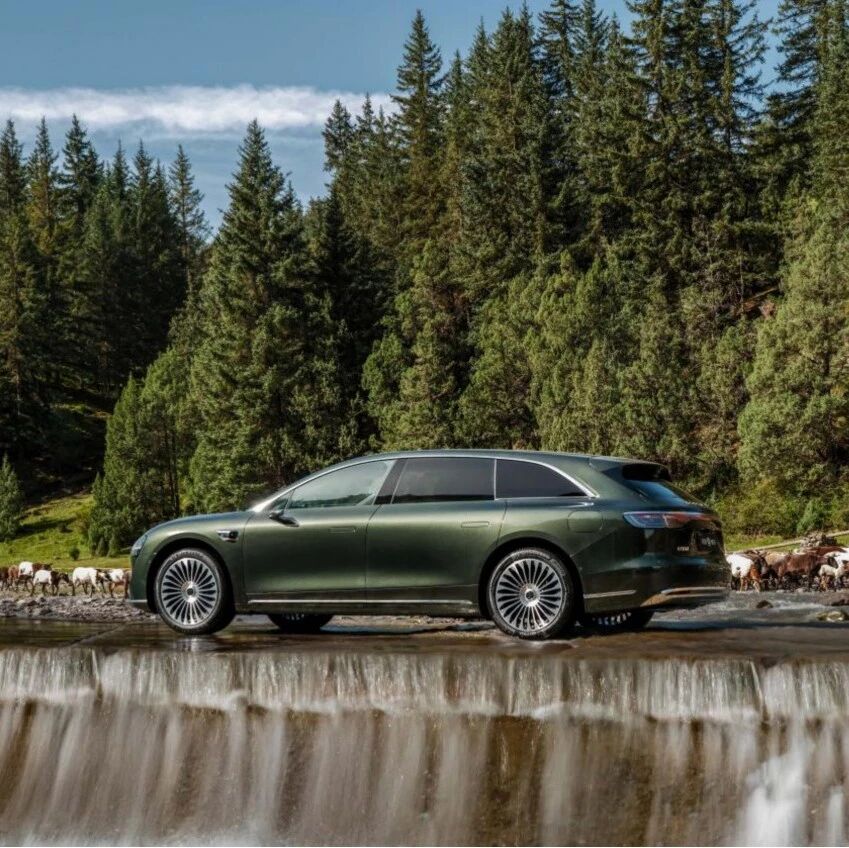
#享界让豪华轿车市场四分天下##享界S9T##享界S9#
Jing Ji Guan Cha Wang· 2025-12-26 04:38
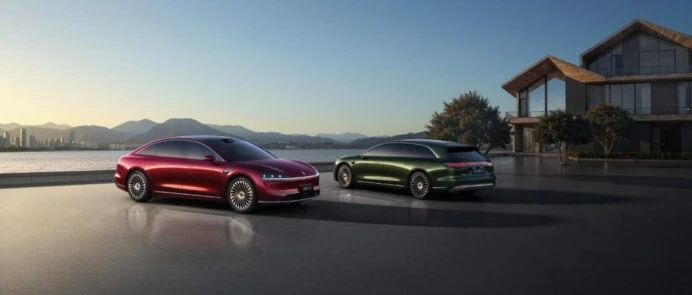
Group 1 - The core viewpoint of the article highlights that Xiangjie is transforming the luxury car market from a three-player competition (BBA) to a four-player competition (SBBA) [1] - Xiangjie S9T has entered the top four in the mid-large luxury sedan sales, indicating strong market performance [1] - Over 100 BBA dealers have applied to join Xiangjie, showcasing the brand's growing influence and appeal in the luxury segment [1] Group 2 - 70% of Xiangjie S9T users are from the BBA replacement group, indicating a significant shift in consumer preferences towards this new brand [1] - Xiangjie has evolved from a phenomenon product to a mature luxury brand with stable market output capabilities [1]
从BBA到SBBA:豪华轿车格局被重塑?
虎嗅APP· 2025-12-18 11:33
Core Viewpoint - The luxury car market in China is undergoing significant changes, with traditional luxury brands experiencing a decline in sales, particularly in the 300,000 to 400,000 RMB segment, which has seen a drop of 14.4% [1][3]. Group 1: Market Trends - In the first three quarters of 2025, BMW's deliveries in China fell by 11.2% to 464,000 units, while Mercedes-Benz's sales plummeted by 27% in Q3, leading to an 18% decline to 418,000 units for the first three quarters [3]. - The luxury car segment above 300,000 RMB is facing structural shifts, with Chinese brands attracting customers through competitive pricing and appealing specifications [3][4]. - The decline in sales for traditional luxury brands is not solely due to price competition but reflects a deeper structural change in consumer preferences [3][4]. Group 2: Importance of Sedans - Sedans are considered the cornerstone of luxury brands, providing high profit margins and serving as the brand's identity [6][7]. - Historical examples show that the rise of luxury brands often begins with a groundbreaking sedan, which establishes market dominance and brand prestige [8][9]. - Luxury sedans serve as social symbols, offering a unique "social card" advantage that is difficult to replicate with other vehicle types [10]. Group 3: Strategic Positioning of Xiangjie - Xiangjie aims to penetrate the core market of traditional luxury brands by offering a new product language and luxury logic, challenging the established dominance of BBA [11][12]. - The brand's sales data indicates a strong market presence, with over 6,700 units delivered in October and November 2025, and a target of over 10,000 units in December [13]. - The response from dealers, with over 100 applications from BBA dealers, reflects confidence in Xiangjie's potential to reshape the luxury car market [14]. Group 4: Product Differentiation - The Xiangjie S9 model addresses deep consumer needs that BBA brands have not met, focusing on providing a new luxury experience rather than just competitive specifications [18]. - The S9 offers unique features such as privacy protection and a health-oriented cabin design, elevating the vehicle from a mere transportation tool to a space for relaxation and rejuvenation [19][21]. - The Xiangjie S9T redefines the luxury travel car concept by integrating emotional value and aesthetic appeal, catering to consumers seeking distinctiveness [22][24]. Group 5: Future Outlook - Xiangjie plans to expand its product line to include SUVs and MPVs by 2026, moving from a single product focus to a broader ecological competition strategy [16]. - The collaboration between Beiqi and Huawei aims to create a robust ecosystem that supports continuous technological advancement and market competitiveness [16]. - The emergence of the "SBBA" market structure signifies a shift in luxury car definitions, with Xiangjie positioned to challenge traditional luxury brands effectively [26].