肉类加工

Search documents
巴西牛肉加工商游说团体表示,希望采取措施使肉类和农产品免缴50%的关税。
Xin Lang Cai Jing· 2025-07-29 18:19
Group 1 - The Brazilian beef processing lobby is advocating for measures to exempt meat and agricultural products from a 50% tariff [1]

双汇深耕“三餐一桌”场景铸就增长新引擎
Zhong Guo Zhi Liang Xin Wen Wang· 2025-07-29 06:52
Core Viewpoint - The company is accelerating its product structure transformation by focusing on the "three meals and one table" concept, enhancing its growth engine through various strategies including professional operations, full industry chain integration, and deep channel cultivation [1][2]. Group 1: Product Transformation - The company has introduced new dish and preparation products that have become popular among families, catering to the trend of consumption upgrading and industrialization in the food sector [1]. - The focus on "one bowl of rice, one meal, one table of dishes" aims to make high-quality products more accessible to households [2]. Group 2: Strategic Development - In January 2021, the company established a catering division to integrate food ingredient research, production, sales, and store operations, covering multiple fields including meat, eggs, dairy, vegetables, and grains [2]. - The construction of a third industrial park was initiated in 2022 to further expand the catering business, focusing on developing home-style and table-ready Chinese dishes [2]. Group 3: Industry Chain Collaboration - The company leverages its extensive resources, including the largest pork and product industry chain in the country, to support its catering business with a stable supply chain [3]. - A strong research and development capability, supported by national-level technology centers and a dedicated team, ensures product innovation and quality [3]. Group 4: Channel Development - The company has built an "online + offline" channel matrix, enhancing cooperation with major restaurant chains and supermarkets to increase product penetration [4]. - Community deli stores are being revamped to improve consumer experience, with plans to open 100 new community stores by 2025 [5]. Group 5: Market Positioning - The company is transitioning from traditional meat processing to deepening its presence in the catering sector, meeting core consumer needs for daily meals and injecting new momentum into industry development [5].

肉类价格下跌拖累泰森食品(TSN.US)利润! Q2由盈转亏,销售额预测不及市场预期
Zhi Tong Cai Jing· 2025-07-28 03:04
Core Insights - Tyson Foods reported Q2 2023 financial results showing total sales of $13.133 billion, slightly below analyst expectations of $13.62 billion, and a net loss of $910 million compared to a net profit of $833 million in the same period last year [2] - The company adjusted its full-year sales forecast down to between $53 billion and $54 billion, from a previous estimate of $55 billion to $57 billion, indicating challenges in consumer spending due to rising prices and high inflation [3] Financial Performance - Q2 total sales: $13.133 billion, compared to $13.117 billion in the same quarter last year [2] - Q2 net loss: $910 million, down from a net profit of $833 million year-over-year [2] - GAAP diluted loss per share: $0.28, compared to earnings of $2.28 per share in the same quarter last year [2] - Non-GAAP adjusted loss per share: $0.04, significantly below the analyst average expectation of earnings of $0.80 per share [2] Business Segment Performance - Beef segment sales: $4.617 billion, down from $5.034 billion year-over-year [2] - Pork segment sales: $1.421 billion, down from $1.565 billion year-over-year [2] - Chicken segment sales: $4.430 billion, up from $4.086 billion year-over-year [2] - Average sales prices for beef and pork products decreased by 5.4% and 10.3%, respectively [2] Market Conditions - Tyson Foods faces challenges in the protein market, with rising consumer prices and inflation impacting spending [3] - The company has lowered its adjusted operating profit expectations for all major segments due to economic uncertainty [3] - Increased product prices by meat processors are aimed at protecting profit margins amid rising costs for feed, labor, transportation, and commodities [3] - Economic recession concerns are leading consumers to opt for more affordable high-protein alternatives instead of pricier meats [3]



双汇加快推进餐饮业务布局 新业务贡献新增量
第一财经· 2025-07-25 08:29
Core Viewpoint - The article emphasizes the strategic transformation of Shuanghui towards the catering business, focusing on the concept of "a bowl of rice, a meal, a table of dishes" to meet the growing consumer demand for high-quality and convenient dining options [1][3][10] Group 1: Catering Business Development - Shuanghui has launched new dish and prepared food products that have become popular among families, saving cooking time while preserving the original flavors of ingredients [1] - The company established a catering division in January 2021, integrating food ingredient research, production, sales, store operations, and after-sales service, covering various categories including meat, eggs, dairy, vegetables, and grains [3][6] - In 2022, Shuanghui built a third industrial park to further expand its catering business, focusing on developing Chinese dishes that cater to family dining needs [4][6] Group 2: Industry Chain Synergy - Shuanghui leverages its complete meat processing industry chain, including pork and chicken, to support its catering business, ensuring a solid supply chain foundation [6][7] - The company has established a national-level enterprise technology center and a comprehensive food safety internal control system, enhancing product development and quality assurance [6][7] Group 3: Channel Expansion - Shuanghui has built a nationwide "online + offline" channel network, focusing on B-end business growth through strategic partnerships with leading restaurant chains and premium supermarkets [8][9] - The company plans to upgrade its community cooked food stores and aims to add 100 new stores by 2025, enhancing market coverage and consumer experience [9] - Shuanghui is also expanding its online sales through traditional e-commerce platforms and live streaming, targeting younger consumer groups [9]
双汇加码餐饮业务,计划未来一年新增社区熟食门店100家
Bei Ke Cai Jing· 2025-07-24 08:45
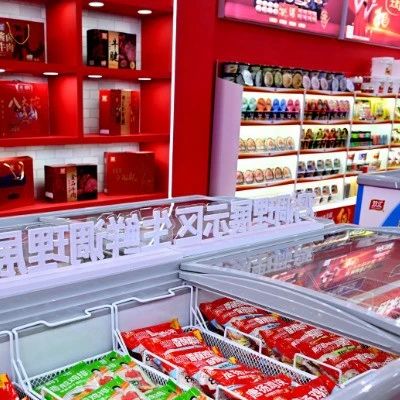
Core Insights - The company is accelerating its product structure transformation by enhancing its catering business layout to meet the growing consumer demand for high-quality and convenient dining options [1][2] Group 1: Business Strategy - The establishment of the catering division in January 2021 is a strategic move to integrate resources across the entire supply chain, focusing on food ingredient research, production, sales, and service [1][2] - The company aims to create a leading catering ingredient supply chain platform by enhancing store construction and service to restaurant terminals [1][2] Group 2: Product Development - The company has launched a new industrial park and developed a range of Chinese dishes aimed at home dining, integrating various food resources to create new business models [1][2] - The catering division has formed five product categories: pre-cut, semi-finished, ready-to-eat dishes, convenient meals, and marinated foods, continuously developing new products to cater to diverse regional consumer needs [2] Group 3: Market Expansion - The company is building a comprehensive "online + offline" channel network, focusing on B-end business growth through strategic partnerships with major restaurant chains and supermarkets [3] - Plans are in place to open 100 new community delicatessen stores within a year, enhancing market coverage and improving brand image through upgraded store designs [4]
海关总署副署长答21:海南封关后,加工增值免关税受益面将扩大
21世纪经济报道· 2025-07-23 04:42
Core Viewpoint - The article discusses the progress and future plans for the Hainan Free Trade Port, highlighting key policies and reforms aimed at enhancing trade and investment opportunities in the region [1][2]. Group 1: Overview of Hainan Free Trade Port - The Hainan Free Trade Port was officially launched in June 2020, with a focus on exploring a unique model of free trade in China [1]. - The official closure of Hainan Island for customs is set for December 18, 2025, which will introduce more favorable "zero tariff" policies for imported goods [1]. Group 2: Key Policies and Reforms - The "zero tariff" policy will increase the proportion of zero-tariff goods from 21% to 74% for imports into Hainan, allowing for tax-free circulation of goods within the island [1]. - The processing and value-added tax exemption policy has been in place for four years, with 122 companies registered and a total value of approximately 100.3 billion yuan in processed goods, resulting in tax exemptions of about 8.4 billion yuan [2]. Group 3: Optimizations in Processing and Value-Added Policies - The new policy removes the requirement that 60% of a company's revenue must come from encouraged industries, thus lowering the threshold for companies to benefit [3]. - The scope of imported materials has been expanded to include "zero tariff" goods, enhancing the policy's applicability [3]. - The calculation formula for value-added processing has been optimized, allowing for easier achievement of the 30% value-added requirement by including the value of locally produced goods [3]. - The cumulative value-added calculation has been broadened to encourage collaboration among different companies in the processing chain [3].

光明肉业: 光明肉业关于修订公司《章程》及相关制度的公告
Zheng Quan Zhi Xing· 2025-07-22 16:16
Core Viewpoint - The company, Shanghai Guangming Meat Industry Group Co., Ltd., is revising its Articles of Association and related systems to enhance corporate governance and operational efficiency, including the abolition of the supervisory board and the establishment of an audit committee to assume its responsibilities [1][2]. Group 1: Corporate Governance Changes - The company will no longer have a supervisory board; its functions will be taken over by the audit committee [1][2]. - The revisions aim to align with the Company Law of the People's Republic of China and other relevant regulations [1][2]. - The Articles of Association will undergo a comprehensive review and amendment process [1][2]. Group 2: Shareholder Rights and Responsibilities - Shareholders will retain rights to propose and vote on significant corporate decisions, including changes to the Articles of Association and financial matters [17][18]. - The company emphasizes the importance of shareholder engagement and the ability to challenge decisions made by the board [10][11]. - Shareholders are required to comply with legal obligations and the company's Articles of Association [39][40]. Group 3: Financial and Operational Guidelines - The company will implement strict guidelines for capital increases and financial assistance related to share purchases [22][23]. - The issuance of shares will adhere to principles of fairness and equality among shareholders [16][17]. - The company will ensure that any external guarantees provided are subject to shareholder approval [46][48].

破局文化差异!万隆用四不变策略改写双汇全球版图
Sou Hu Cai Jing· 2025-07-22 08:11
Core Insights - The article highlights the successful overseas acquisition of Smithfield Foods by Shuanghui International for $7.1 billion, marking a significant milestone in the global meat industry and setting an example for Chinese companies to expand internationally [1][4] - Shuanghui's strategy involved maintaining brand identity, team structure, and operational bases post-acquisition, which facilitated effective integration and resource sharing between Shuanghui and Smithfield [2][4] Group 1 - Shuanghui's acquisition of Smithfield in 2013 was a groundbreaking move that shocked the global meat industry, as it was the largest acquisition of a U.S. company by a Chinese firm at that time [1] - The acquisition allowed Shuanghui to gain advanced production technology and management experience, enabling rapid entry into the U.S. and other global markets [1][2] - Cultural differences and integration challenges were significant hurdles during the acquisition process, but Shuanghui's management implemented strategies to overcome these issues [2] Group 2 - The merger has positioned Shuanghui as the largest pork food enterprise globally, altering the dynamics of the pork industry and providing valuable lessons for other Chinese companies looking to expand internationally [4] - Shuanghui's products are now sold in over 40 countries, establishing the company as a leader in the global meat industry [4] - The company aims to continue expanding its global footprint and enhancing international cooperation to improve its core competitiveness and provide high-quality meat products to consumers worldwide [4]
中金:维持万洲国际(00288)目标价8.56港元 维持“跑赢行业”评级
智通财经网· 2025-07-21 01:31
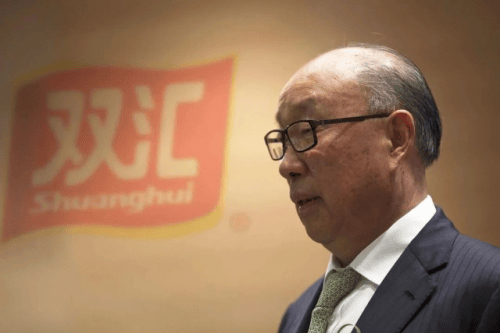
智通财经APP获悉,中金发布研报称,保持万洲国际(00288)25/26年核心归母净利润16.14/16.83亿美 元。公司交易在8.1/7.8倍25/26年P/E;维持目标价8.56港币/股,对应8.7/8.4倍25/26年P/E和近7.8%上行空 间,维持跑赢行业评级。该行预计万洲国际可比口径下2Q24经营利润同比有望低双位数增长(即剔除 2Q24美国业务中政府补助影响),符合市场预期。 中金主要观点如下: 中国业务:该行预计2Q25肉制品销量同比回稳,养殖业务减亏较明显 1)肉制品:该行预计2Q25销量同比回稳、吨利受益于成本下降有望同比有所提高。据全国商超数据 2025年4-5月份肉制品行业GMV同比-3%,其中双汇GMV同比-1%。2)养殖业务:该行预估1H25国内养 殖业务进一步减亏,主因饲料成本的下降以及内部提效。3)屠宰:该行预计2Q25屠宰业务因去年同期 利润基数偏高同比有所承压。 美国业务:该行预计可比口径下肉制品业务盈利改善(即扣除2Q24政府补助影响),且养殖业务盈利同比 改善 1)肉制品:该行预计2Q25销售量及吨利均同比有小幅增长,吨利的改善该行预计与公司内部提效有 关,据USDA ...

鸡蛋涨完牛肉涨 后面番茄也要涨 关税就这样“砸”了美国人餐桌
Yang Shi Xin Wen· 2025-07-19 07:46
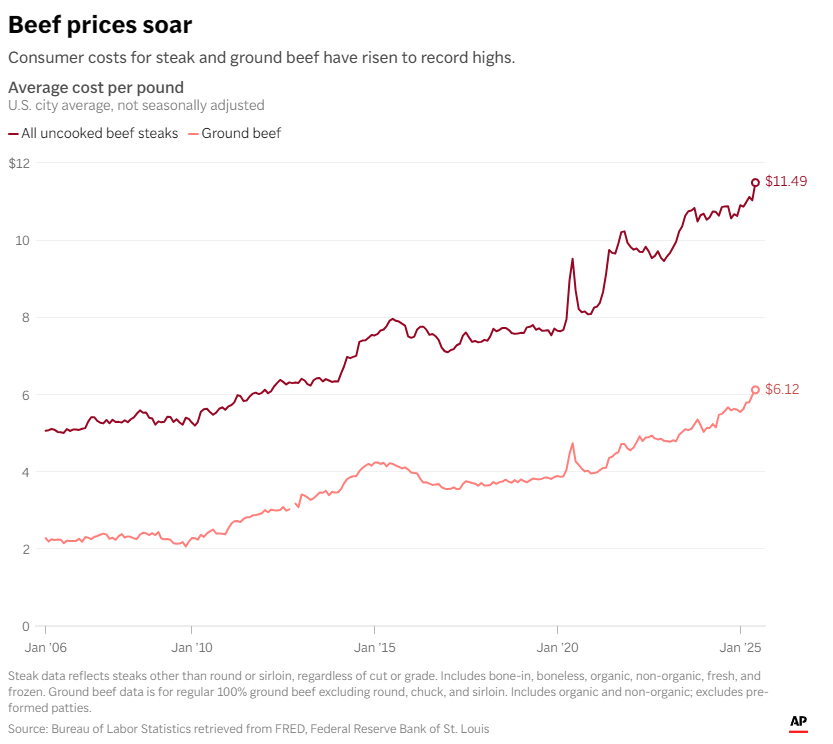
Core Insights - U.S. beef prices have reached an all-time high, with ground beef prices rising nearly 12% and unprocessed beef steak prices increasing by 8% compared to last year [1][3] - The U.S. cattle herd is at a historic low, with only 86.7 million cattle and calves as of January 1, marking the lowest level since 1951 [3] - The U.S. imports over 4 million pounds of beef annually, with potential tariff policies under the Trump administration likely to further drive up beef prices [3][4] Beef Industry Dynamics - The steady increase in beef prices over the past 20 years contrasts with the declining cattle herd, which has been decreasing for decades [3] - The U.S. imports lean beef trimmings primarily from Australia and New Zealand, with some imports from Brazil, which faces potential tariffs of up to 50% [3] - U.S. meat processing companies may face higher costs for imported lean beef if tariffs remain in place, complicating domestic alternatives due to a focus on producing fatty beef [3][4] Brazil's Response - Brazil's cattle ranching association emphasizes that the U.S. cattle supply cannot meet domestic consumption needs, making Brazilian beef essential for the U.S. market [4] - Brazil is actively seeking to diversify its export markets in response to U.S. tariff pressures, aiming to expand trade with other global southern countries [4] Broader Economic Implications - Tariffs on Brazilian goods, including beef, coffee, and juice, could significantly increase living costs for U.S. consumers, as a substantial portion of these products is imported from Brazil [6] - The rising prices of essential goods, including eggs and beef, are exacerbated by tariff policies, which may also affect the prices of tomatoes and other produce [6] - The U.S. relies heavily on imports for fresh fruits and vegetables, with 60% of fresh fruit and 40% of fresh vegetables being imported, making domestic production insufficient [6]