
民宿

Search documents
机构:“00”后在避寒民宿连住7天以上的订单同比增长27%
Bei Jing Shang Bao· 2025-11-03 08:27
Core Insights - The booking volume for homestays in southern warm winter regions such as Hainan, Yunnan, Guangxi, and Guangdong is expected to increase by approximately 20% year-on-year from October 9, 2025, to April 30, 2026 [1] - There is a notable rise in travel orders from younger tourists and family groups, with "post-95" and "post-00" generations accounting for over 25% of the travel orders in southern warm winter regions [1] - The demand for larger accommodations is increasing, with over 81% of long-stay bookings (7 days or more) in southern provinces being for multi-bedroom and multi-bed properties, indicating a trend towards family and group travel [1] Booking Trends - The travel orders for stays of 7 days or more have seen a year-on-year growth of over 10% [1] - The booking volume for large homestays, specifically those with three beds and three bedrooms, has increased by over 22%, marking the fastest growth rate [1] Demographic Insights - The "post-00" generation has shown a remarkable growth rate in travel orders, with a year-on-year increase of 27% [1] - The presence of young tourists and family groups is becoming more significant in the travel market, diversifying the customer base beyond the traditional "snowbird" demographic [1]
茶室“村讲”连民心(在现场·“村字号”文体活动观察)
Ren Min Ri Bao· 2025-11-02 22:21
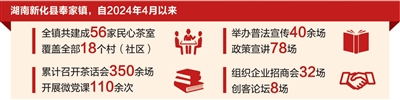
Core Viewpoint - The establishment of "Minxin Tea Room" in Qujiangyuan Village serves as a platform for community engagement, promoting local development and addressing issues through discussions among villagers and local officials [1][3]. Group 1: Community Engagement - "Minxin Tea Room" was created to gather community insights, enhance local development, and resolve conflicts, with local tea culture providing a fitting backdrop for these discussions [1]. - The initiative has led to increased participation from villagers, including discussions on local development strategies and the implementation of national policies [1][3]. Group 2: Economic Development - The village has seen a rise in agritourism, with many villagers establishing homestays and restaurants, contributing to their economic prosperity [2]. - The local government has facilitated knowledge sharing by inviting experts to the tea room, helping villagers leverage new media for marketing their products [3]. Group 3: Social Welfare - The community has organized events for elderly residents, enhancing social cohesion and support for vulnerable groups [3]. - The initiative has positively impacted over 5,000 residents, with an average income increase of 3,000 yuan per household, and improved conflict resolution success rates by 34.3% [3].

当好绿色发展的“行动派”——新发展理念引领高质量发展一线观察之三
Xin Hua Wang· 2025-11-02 10:05
Core Viewpoint - Green development is a crucial component of the new development philosophy and a distinctive feature of Chinese modernization, with significant progress expected in building a beautiful China during the 14th Five-Year Plan period [1] Group 1: Green Transformation in Industries - The steel industry in Tangshan, Hebei, is undergoing a green transformation, with new low-carbon products achieving over 30% carbon reduction and 100% recycling of scrap steel [2][3] - A total of 6,430 national green factories and 491 green industrial parks have been established, indicating a more complete green manufacturing system [3] - The agricultural sector is adopting green and efficient practices, with significant improvements in the recycling rates of agricultural waste, such as 85% for agricultural film and 88% for straw utilization by 2024 [3] Group 2: Environmental Improvements - The average concentration of PM2.5 in key cities has decreased by 56% since the 18th National Congress, and the proportion of surface water with good quality has reached 90.4% [7] - Forest coverage in China has increased to 25.09%, marking a 2% rise since 2020, making China the fastest-growing country in terms of greening [7] - The ecological environment in regions like Yangshuo, Guangxi, has improved significantly, with electric bamboo rafts enhancing tourist experiences while protecting local water quality [5][6] Group 3: Economic and Ecological Synergy - Outdoor sports in Dali, Yunnan, are being promoted as a means to connect ecological preservation with economic growth, demonstrating the economic value of a good ecological environment [8] - Various regions are exploring ecological compensation mechanisms, with over 20 provinces establishing cross-province ecological protection compensation systems [8][9] - The new development suggestions emphasize the need for a diversified ecological compensation mechanism and the establishment of green development highlands [9]
(乡村行·看振兴)“民宿+”赋能 内蒙古东部小乡村展新颜
Zhong Guo Xin Wen Wang· 2025-10-31 12:34
Core Insights - The article highlights the transformation of rural tourism in Inner Mongolia's Xing'an League, particularly in Mingxing Village, through the "B&B+" model, which integrates traditional hospitality with modern amenities and local cultural experiences [1][3]. Group 1: Economic Development - Mingxing Village has shifted from a traditional agriculture-based economy to a diversified tourism model, driven by the development of the Mingxing Lake Resort, which is expected to attract over one million visitors by May 2024 [3][5]. - The village has converted idle farmhouses into 30 unique B&Bs with a total investment of 1.05 million yuan, utilizing a management model that includes village collectives, associations, cooperatives, and villagers to enhance service quality [3][5]. - Local residents have reported an average annual income increase of over 30,000 yuan through B&B operations, with some individuals earning between 60,000 to 70,000 yuan annually from their hospitality services [5][6]. Group 2: Tourism and Services - The B&Bs in Mingxing Village offer more than just accommodation; they provide a variety of experiences, including local cuisine, cultural activities, and wellness services, enhancing their competitive edge in the tourism market [3][5]. - The village's unique offerings, such as handcraft workshops and traditional food products, have attracted significant tourist interest, with some businesses reporting daily sales nearing 1,000 yuan during the trial operation phase [5][6]. - Future plans for the village include expanding into water parks and ecological picking projects, aiming to establish Mingxing Village as a distinctive tourist destination in Xing'an League [6].
八大田园经济崛起
投中网· 2025-10-29 06:30
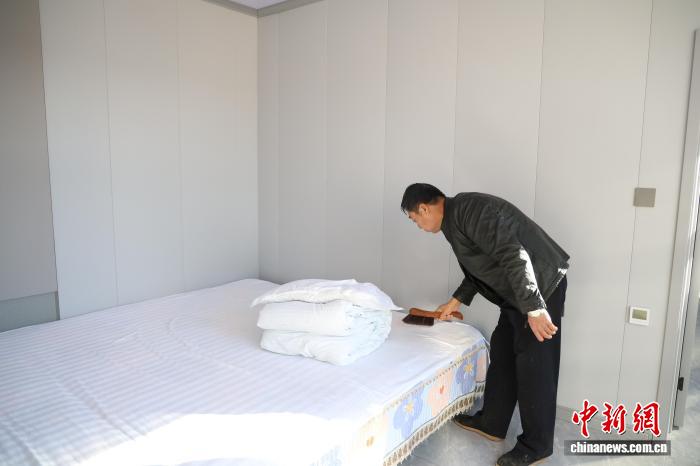
Core Insights - The article discusses the rise of the "rural economy" driven by urban consumers seeking nature and unique experiences, highlighting various innovative business models in rural areas [4][34]. Group 1: Rural Tourism and Experiences - In the first three quarters of 2024, over 4.35 trillion yuan was spent on tourism in China, with rural tourism seeing significant growth, receiving nearly 800 million visitors in the first quarter alone [4]. - The success of "rice field coffee" in the Yangtze River Delta illustrates a shift towards immersive consumption experiences, where urban consumers are willing to pay a premium for unique rural settings [7][8]. - The emergence of rural pet theme parks addresses the growing pet ownership market, providing urban pet owners with the space and services they need while revitalizing rural economies [10][11]. Group 2: Educational and Cultural Experiences - The rise of rural astronomy education programs reflects a shift in consumer demand for deeper, more meaningful experiences, moving beyond traditional sightseeing [13][14]. - The concept of "youth retirement homes" in rural areas offers urban youth a space for relaxation and community, transforming idle rural properties into vibrant living spaces [16][18]. Group 3: Innovative Agricultural Models - The "adopt-a-farm" model allows urban consumers to engage directly with agriculture, promoting a connection to food sources and enhancing the agricultural economy [24][25]. - Creative repurposing of idle rural buildings into cultural spaces not only preserves local heritage but also attracts new economic activities and tourism [26][28]. Group 4: Market Evolution and Consumer Engagement - The transformation of traditional rural markets into integrated online and offline platforms enhances consumer engagement and drives rural brand development [30][32]. - The article emphasizes that rural areas are no longer passive recipients of urban influence but are becoming active contributors to economic and cultural exchanges with cities [34][35].

康养晋城:从生态“底色”到发展“亮色”
Zheng Quan Shi Bao Wang· 2025-10-28 08:49
Core Insights - The Taixing No.1 Tourist Road in Jincheng connects over 90% of scenic spots, creating a "fast entry, slow travel" network that enhances tourism accessibility [1] - Jincheng is highlighted as a wellness destination that integrates culture and nature, showcasing the region's rich historical and cultural heritage [2] Group 1: Tourism Development - The Taixing No.1 Tourist Road links 15 unique tourist towns and 16 ancient fortress groups, weaving a narrative of local culture and history [1] - The region features 72 national key cultural relic protection units and 226 national historical and cultural towns, enhancing its appeal as a tourist destination [3] Group 2: Cultural Heritage - The area is home to significant historical figures and events, with notable sites like the "Tian Guan Wang Fu" representing the architectural legacy of the Ming and Qing dynasties [3] - The preservation and restoration of ancient buildings, such as the ancient temple in Zhongmiao Village, highlight the commitment to maintaining cultural heritage while promoting tourism [4] Group 3: Culinary and Agricultural Tourism - The region promotes local agricultural products, such as the medicinal and culinary benefits of the mountain hawthorn, which has led to the development of various products like hawthorn wine and juice [7][8] - The establishment of the first mountain hawthorn-themed museum in the country enhances cultural experiences for visitors [8] Group 4: Accommodation and Wellness - Jincheng's lodging options, including unique homestays and ancient courtyard hotels, attract a significant number of overnight visitors, with over 1.2 million overnight tourists recorded in the first half of the year [9] - The integration of local culture into the hospitality experience, such as offering traditional meals and activities, enhances the appeal of staying in the region [12]
扎堆“有风的地方”,这八大田园经济崛起
3 6 Ke· 2025-10-28 05:14
Group 1: Rural Economy Trends - The "rural economy" is emerging as a new consumption force driven by urban youth's desire for nature and freedom [1] - In the first three quarters of 2024, over 4.35 trillion yuan was spent on tourism, with rural tourism seeing significant growth, receiving nearly 800 million visitors in the first quarter alone [1] - The rise in rural tourism reflects a longing for rural experiences and provides new development ideas for rural areas [1] Group 2: Innovative Consumption Models - "Rice field coffee" has gained popularity in the Yangtze River Delta, with prices 30-40 yuan per cup, attracting urban consumers despite being more expensive than city chains [2][4] - The appeal of rice field coffee lies in its immersive consumption experience, merging urban coffee culture with rural landscapes [2] - This new model of rural economy is changing traditional perceptions of urban-rural relationships, moving beyond superficial interactions to deeper engagements [4] Group 3: Pet-Friendly Rural Spaces - The pet consumption market in China has surpassed 300 billion yuan in 2024, leading to the emergence of rural pet theme parks to address urban space constraints [6] - Rural pet parks utilize idle land to create "pet-friendly" environments, fulfilling urban pet owners' needs for open spaces [7] - The rise of pet parks is also driving upgrades in surrounding businesses, such as pet-friendly accommodations and local shops offering pet products [8] Group 4: Astronomy Education in Rural Areas - Rural areas are being rediscovered for their clear night skies, leading to the development of astronomy education programs that offer immersive experiences [9] - Successful models have been established in various regions, transforming geographical disadvantages into unique advantages for stargazing [9] - This trend reflects a shift in family education towards deeper, exploratory experiences rather than superficial entertainment [12] Group 5: Youth Retreats in Rural Areas - "Youth retirement homes" are emerging as a response to urban stress, offering a transitional space for young people seeking relief from city life [13] - These facilities provide not only accommodation but also activities like farming and yoga, redefining the concept of living [15] - The model opens new pathways for rural development by repurposing idle farmhouses into therapeutic spaces [15] Group 6: Rural Homestays - Rural homestays are evolving from mere lodging to experiential hubs that connect urban consumers with local resources [16] - Successful homestays leverage local architectural styles and cultural activities to create unique experiences, enhancing their economic value [18] - The economic essence of homestays lies in offering customized lifestyle solutions, driving local product sales and creating jobs [19] Group 7: Agricultural Adoption Programs - "Adoption agriculture" allows urban consumers to connect with nature by pre-paying for the right to harvest crops from designated plots [20] - This model promotes healthy eating and provides a hands-on experience of farming, benefiting both consumers and producers [22] - The approach shifts rural industries from merely selling products to offering services and experiences, fostering long-term interactions [23] Group 8: Creative Renovation of Idle Buildings - The transformation of idle rural buildings into creative spaces helps preserve cultural heritage while activating local economies [24] - Renovated spaces become cultural landmarks, attracting new creative professionals and fostering a vibrant community [26] - This process creates a sustainable economic ecosystem that balances cultural preservation with industrial revitalization [26] Group 9: Online and Offline Market Integration - Rural markets are evolving into integrated online and offline platforms, enhancing the shopping experience beyond simple transactions [27] - The integration allows for continuous operation and engagement, driving brand development and consumption upgrades [29] - This model transforms rural markets into vital engines for economic growth, expanding the potential for rural development [29] Conclusion - The emergence of new business models in rural areas signifies a redefined urban-rural relationship, where rural regions actively contribute value and engage with urban consumers [30] - As innovative models take root, rural areas are poised to become desirable living choices, fostering a symbiotic relationship with cities [30]
云南房子,被外地人“买爆”?
Sou Hu Cai Jing· 2025-10-25 05:33
Core Insights - The real estate market in Yunnan is experiencing a significant increase in external buyers, with 31.7% of property purchases made by non-local individuals in 2024, indicating a growing trend of external investment in the region [1][12][10] Group 1: Market Performance - From January to September 2024, Yunnan's commercial housing sales area reached approximately 14.49 million square meters, a year-on-year increase of 5.7%, outperforming the national average growth rate by 11.2 percentage points [1] - The sales area of second-hand homes in Yunnan also saw a year-on-year increase of 13.5%, totaling 15.85 million square meters [1] - In contrast, the national real estate market faced a decline, with new commercial housing sales area dropping by 5.5% and sales revenue decreasing by 7.9% during the same period [9] Group 2: Buyer Demographics - A notable 74.9% of property purchases in Xishuangbanna are made by external buyers, with other cities like Baoshan, Chuxiong, and Lijiang also showing high percentages above 40% [1] - The trend of external buyers is not limited to investment; many are also seeking properties for personal use, reflecting a desire for a slower lifestyle in Yunnan [5][15] Group 3: Investment Potential - Yunnan's real estate market is seen as having significant potential for growth, with local government officials emphasizing the need to accelerate real estate development over the next 3 to 5 years [10] - The province's appeal is bolstered by its tourism sector, which saw 41.51 million visitors during the recent holiday period, contributing to a tourism revenue of 56.87 billion yuan, marking a year-on-year increase of 10.7% [11] Group 4: Challenges and Concerns - The rising proportion of external buyers has raised concerns about high vacancy rates and an oversupply of vacation rentals, which could lead to lower occupancy rates in some communities [2][15] - The local hospitality market, particularly in areas like Lijiang and Dali, is facing a competitive landscape, with many property owners looking to convert their homes into short-term rentals or guesthouses [15][17] Group 5: Recommendations for Buyers - Potential buyers are advised to assess their investment capabilities and market conditions before making purchases, with suggestions to start small and gradually expand their investments [18] - It is recommended that individuals consider their personal circumstances and needs when deciding to invest in Yunnan real estate, particularly for those who may not be looking to relocate permanently [18]
精准监督促民宿规范经营
Ren Min Wang· 2025-10-25 01:21
Core Viewpoint - The transformation of the homestay industry in Lianyungang District from chaotic growth to regulated order is significantly driven by the precise supervision of the procuratorial organs, leading to improved safety management and compliance [1][2]. Group 1: Industry Overview - Lianyungang District has seen a surge in homestay establishments, with over 1,500 new registrations in the past year, primarily located in coastal areas and often operated by local fishermen who lack awareness of regulatory requirements [2]. - The district's unique charm is showcased through its distinctive homestays, attracting tourists from across the country, contributing to the local tourism economy [1]. Group 2: Regulatory Actions - The Lianyungang District Procuratorate initiated a thorough investigation into the homestay industry, identifying issues such as non-compliance with guest registration and safety management [2]. - Following the investigation, the procuratorial body issued recommendations to local law enforcement and administrative offices, leading to a comprehensive governance action that included the cancellation of 747 non-compliant homestays and the rectification of over 280 safety hazards [2]. Group 3: Impact on Stakeholders - Homestay operators have expressed appreciation for the regulatory support, noting improvements in safety measures such as the installation of smoke detectors, which enhance guest comfort and operational security [3]. - The proactive measures taken by the authorities have resulted in positive feedback from tourists, indicating a successful alignment of safety standards with customer satisfaction [3].
机构:近一周赏秋游相关民宿订单环比增长17%
Bei Jing Shang Bao· 2025-10-24 04:05
Core Insights - Recent data from Muniu Homestay indicates a 17% week-on-week increase in orders related to autumn sightseeing trips [1] - Popular destinations for autumn sightseeing include Beijing, Nanjing, and Chengdu [1] - Weekend orders account for 46% of total autumn sightseeing bookings, with senior travelers (aged 50 and above) emerging as the primary user group [1] Summary by Category Order Growth - Muniu Homestay reports a 36.5% increase in autumn sightseeing-related homestay orders for the weekend of October 25-26 compared to the previous weekend [1] - Jiangsu province has seen a 9% daily week-on-week increase in homestay orders since mid-October [1] User Demographics - Senior travelers are becoming the main force in long-term autumn trips, with a 13% week-on-week increase in homestay orders for stays of three days or more among this demographic [1] - There is an 86% increase in search volume for mountain scenic areas among travelers aged 50 and above, particularly during the Chongyang Festival [1] Seasonal Trends - The peak period for autumn sightseeing in northern regions is expected from mid-October to early November [1] - Southern regions are gradually warming up to autumn sightseeing, with a peak anticipated in mid-November [1]